

Wildlife You Can See in Mozambique National Parks
By • April 20, 2026
Why Mozambique’s Wildlife Experience Is Unlike Any Other in Africa
Mozambique does not conform to the familiar safari blueprint that defines much of southern and eastern Africa. It is not a country where wildlife experiences are built around dense game concentrations, predictable sightings, or tightly choreographed circuits. Instead, Mozambique’s wildlife story is shaped by scale, ecological overlap, and recovery.
What makes Mozambique exceptional is the way terrestrial, freshwater, and marine ecosystems intersect. National parks sit close to the Indian Ocean, wetlands expand and contract with seasonal rains, and protected areas function as part of wider transfrontier systems rather than isolated islands of conservation. Wildlife is present, but it behaves naturally, without the constant pressure of tourism vehicles or overdeveloped infrastructure.
For travelers, this means wildlife encounters are contextual rather than guaranteed. The reward lies in diversity, rarity, and ecological depth rather than sheer numbers. Mozambique appeals most to those who want to understand how ecosystems function, how species recover, and how conservation works when land and sea are treated as a single system.
Rare and Overlooked Mammals Found in Mozambique
Mozambique supports several mammal species that are increasingly rare elsewhere in Africa, yet these animals are often missing from mainstream safari narratives because they are difficult to see and impossible to commodify.
Pangolins are among the most significant. Mozambique remains one of the few countries in southern Africa where both ground pangolin and tree pangolin populations persist. These nocturnal, insect-eating mammals are highly sensitive to disturbance and are almost never seen on scheduled game drives. Their presence is far more important than sightings, as pangolins are widely regarded as indicators of intact ecosystems and effective protection.
African wild dogs move through parts of Mozambique as part of broader transfrontier populations. They are most closely associated with large, connected landscapes rather than individual parks. Sightings are rare and unpredictable, but Mozambique plays a critical role in maintaining genetic diversity for this endangered predator across southern Africa.
Other lesser-known mammals include serval, side-striped jackal, African civet, and multiple genet species. These animals are typically nocturnal or crepuscular and are more often identified through tracks, calls, or camera traps than direct observation. Their continued presence reflects low human pressure and functional food webs.
Endemic and Near-Endemic Species You Will Only Find in Mozambique
While Mozambique is not known for high levels of strict endemism compared to island ecosystems, it supports several species and subspecies with extremely limited regional distributions.
Coastal forests and riverine woodlands host mammals, reptiles, and birds that occur only in narrow habitat bands along the Mozambican coast and adjacent regions. These habitats have been heavily reduced elsewhere due to development, making Mozambique one of the last strongholds for certain species.
Reptiles and amphibians show particularly high levels of localized specialization. Several chameleon species, geckos, and frogs are restricted to coastal forest remnants and seasonal wetlands. These animals are rarely highlighted in tourism content, yet they represent some of Mozambique’s most distinctive biodiversity.
For wildlife enthusiasts, this near-endemism adds depth to the experience. You are not just seeing African wildlife, you are encountering species tied specifically to Mozambican ecosystems.
Gorongosa National Park: A Fully Functioning Terrestrial System
Gorongosa National Park is often described as Mozambique’s flagship conservation success, but its true importance lies in the complexity of its ecosystems rather than any single species.
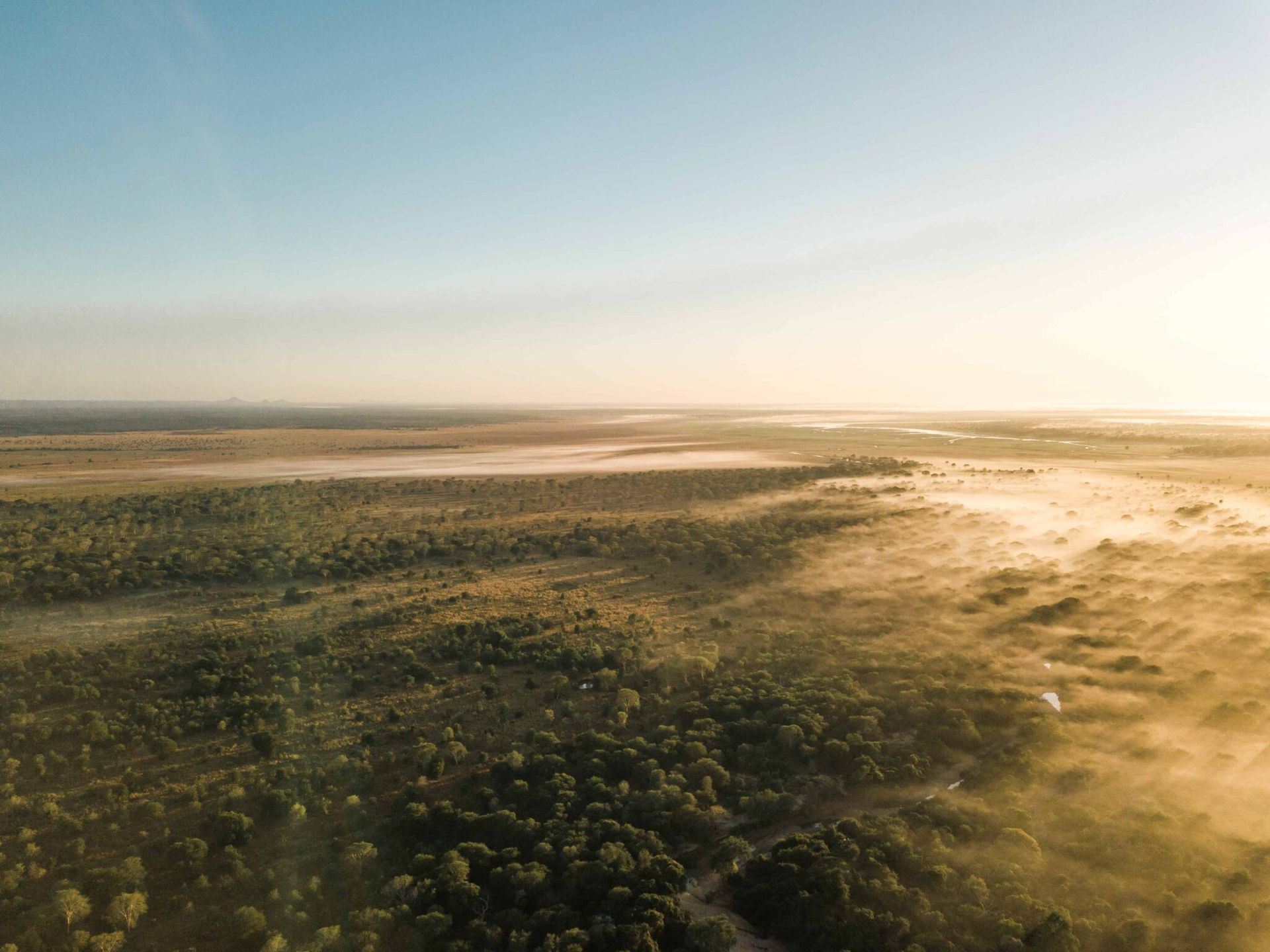
The park’s floodplains are shaped by seasonal rainfall and the dynamics of Lake Urema, which expands dramatically during the wet season and contracts in the dry months. This cycle governs the movement of herbivores, concentrating grazers around permanent water sources before dispersing them across nutrient-rich plains.
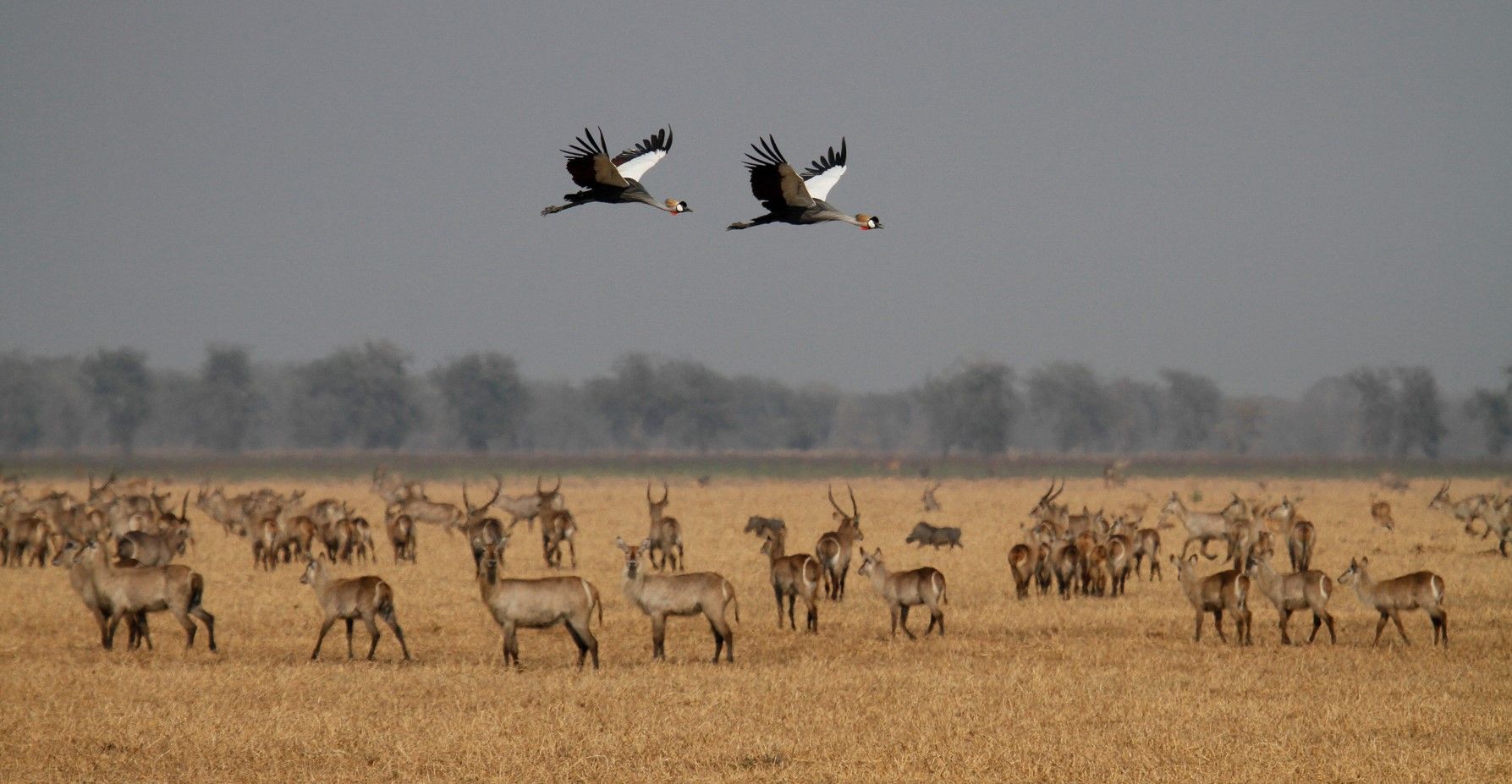
Large herbivores such as buffalo, waterbuck, and various antelope species dominate the floodplain systems, while woodland areas support different assemblages of browsers. Predator populations, including lion, leopard, and spotted hyena, are present and stabilizing, though their behavior reflects a system still finding equilibrium after decades of disruption.
Gorongosa is also exceptional for reptiles and amphibians. Crocodiles thrive in river systems and seasonal lakes, while frogs and toads respond rapidly to changing water levels, creating some of the most acoustically rich environments in the park. For birders, Gorongosa offers one of the highest species counts in southern Africa, driven by the diversity of wetland, woodland, and montane habitats.
Zinave National Park and Wildlife Recovery in Motion
Zinave National Park offers a very different wildlife experience from Gorongosa. Rather than abundance, Zinave represents recovery in progress.
Once severely depleted, the park has undergone extensive reintroduction programs aimed at restoring ecological function rather than tourism spectacle. Large herbivores have been reintroduced carefully, with attention to habitat capacity and long-term sustainability. As populations stabilize, predator presence and natural regulation begin to follow.
Wildlife viewing in Zinave is shaped by vast open spaces and low visitor density. Sightings often feel solitary and expansive rather than frequent. Birdlife is particularly strong along river systems and seasonal wetlands, where species diversity increases dramatically after rains.
Zinave appeals to travelers who want to understand how conservation works on the ground. It is a place to witness ecological processes unfolding, rather than a park designed for immediate gratification.
Maputo National Park: Where Terrestrial and Marine Wildlife Converge
Maputo National Park is one of the most ecologically unusual protected areas in southern Africa. Here, wildlife does not exist in separate terrestrial and marine compartments. Instead, ecosystems overlap continuously.
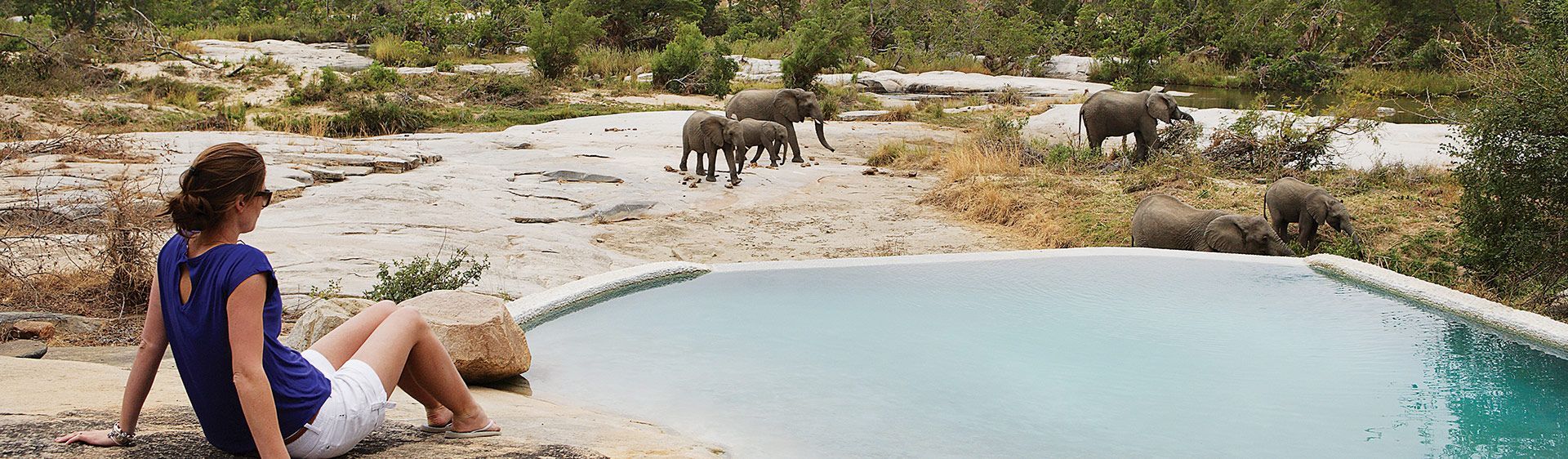
Elephants move through coastal forest, grassland, and wetland systems within sight of the ocean. Hippos and crocodiles occupy lakes and estuaries that connect directly to marine environments. Birdlife includes wetland specialists, coastal species, and forest birds within a relatively compact area.
Offshore, protected waters support dolphins, seasonal whale movements, and diverse fish populations. This land-sea interface creates a wildlife experience that cannot be replicated in inland parks. It also highlights the importance of integrated conservation, where protecting one system without the other would be ineffective.
Marine Wildlife Linked to Mozambique’s Protected Areas
Mozambique’s national parks cannot be fully understood without considering the ocean. Several protected areas are directly connected to marine ecosystems, creating one of Africa’s most important land-sea conservation networks.
Dugongs survive in protected seagrass meadows along Mozambique’s coast, particularly in areas where fishing pressure and boat traffic are tightly controlled. These animals are critically endangered and rarely seen, but their continued presence signals healthy coastal ecosystems.
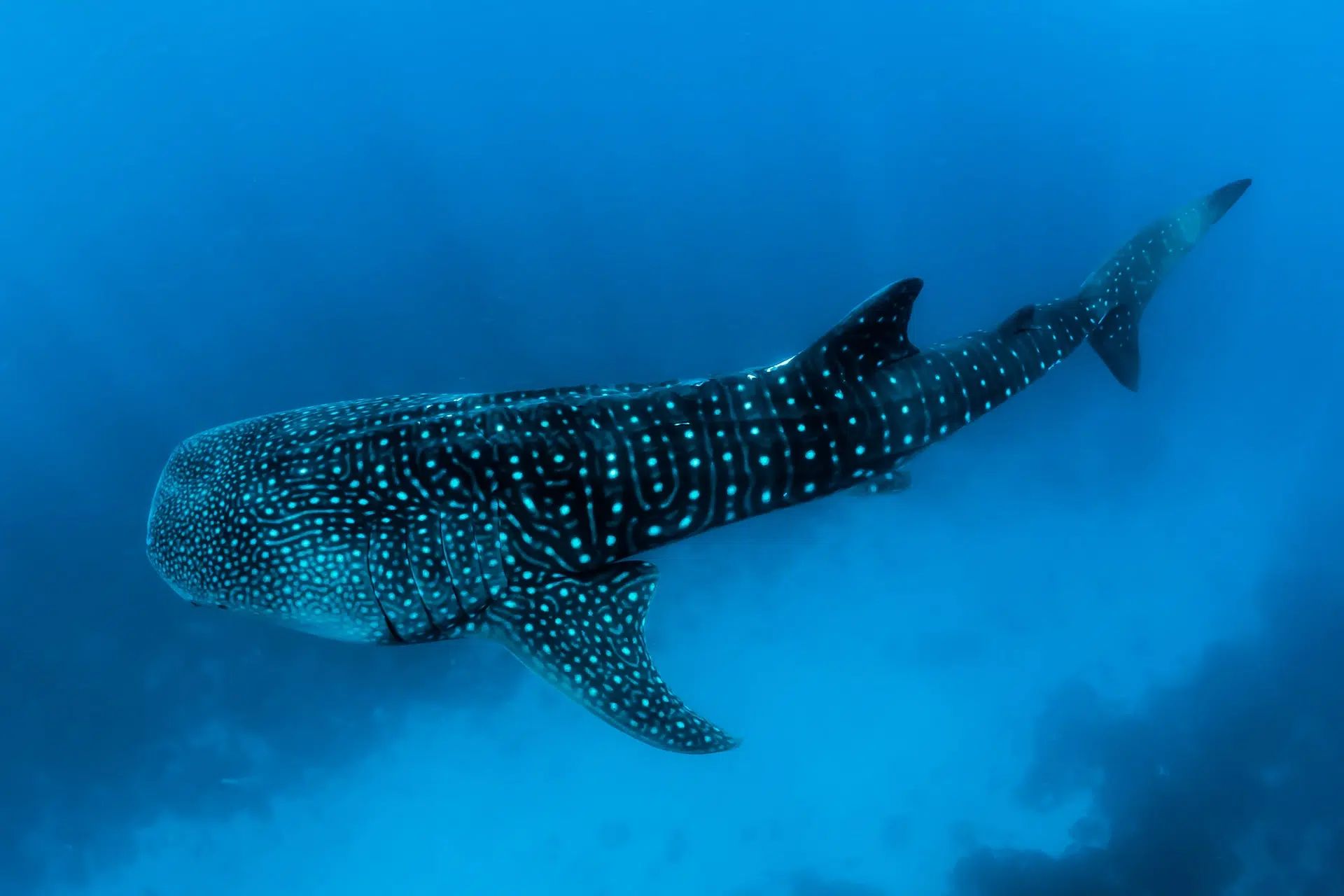
Whale sharks migrate along Mozambique’s coastline, especially near reef systems and marine reserves. These gentle filter feeders are part of a broader Indian Ocean movement corridor that passes through Mozambican waters.
Humpback whales migrate along the coast seasonally, using nearshore waters as breeding and calving areas. Marine turtles nest on beaches adjacent to protected zones, linking terrestrial conservation directly to marine survival.
This overlap between national parks and marine reserves is one of Mozambique’s greatest conservation strengths and one of its least understood assets.
Birdlife in Mozambique: A Global-Level Underrated Resource
Mozambique is one of southern Africa’s most underappreciated birding destinations. Its mix of coastal forests, mangroves, floodplains, and wetlands supports species that are either rare or absent elsewhere in the region.
Rare birds in Mozambique include specialized species found in coastal forests, mangroves, and wetlands, such as the endangered Neergaard’s Sunbird, Mangrove Kingfisher, African Pitta, and the Chestnut-fronted Helmet-Shrike. These birds depend on habitats that have largely disappeared in neighboring countries.
Macaneta is a prime birding area, with records that include the first African sighting of the Sharp-tailed Sandpiper and important populations of the endangered Cape Cormorant. Seasonal wetlands and estuarine systems attract migratory species, while inland floodplains support raptors and waterbirds in exceptional numbers.
For serious birders, Mozambique offers rarity, habitat diversity, and low observer pressure, a combination that is increasingly difficult to find.
Reptiles, Amphibians, and the Wildlife Most Safari Sites Ignore
Mozambique’s reptile and amphibian diversity is rarely mentioned in tourism content, yet it is one of the country’s ecological strengths.
Crocodiles are widespread in rivers, lakes, and estuaries, playing a crucial role as apex aquatic predators. Chameleons, geckos, and skinks occupy coastal forests and woodland habitats, with several species showing strong habitat specificity.
Amphibians thrive in floodplains and seasonal wetlands, responding rapidly to rainfall and water availability. Their presence is a key indicator of ecosystem health and water quality, making them important species for conservation monitoring.
What You Are Unlikely to See Easily, and Why That Matters
Mozambique is not a destination for guaranteed wildlife encounters. Some species are intentionally difficult to see because healthy ecosystems allow them to avoid constant human pressure.
Low visibility often reflects success rather than failure. Animals behave naturally, tourism does not dictate movement, and landscapes remain open and functional. Understanding this reality is essential to appreciating Mozambique’s wildlife on its own terms.
Plan Your Trip
Wildlife experiences in Mozambique are best planned around ecosystems rather than species lists. Some parks reward patience and ecological curiosity, others highlight conservation recovery or marine overlap. Matching expectations to the right protected area is essential for a meaningful journey.
Explore Mozambique’s Wildlife With Real Expertise
Mozambique’s wildlife cannot be understood through generic safari assumptions. Mozambique Travel works with partners who understand species distribution, conservation realities, and seasonal patterns across land and sea. If you want to explore Mozambique’s national parks with depth, accuracy, and context, our team can help shape an itinerary around what truly makes this country unique.
Featured Packages
Frequently Asked Questions
Is Mozambique good for wildlife viewing beyond Gorongosa?
Yes, Mozambique offers meaningful wildlife experiences well beyond Gorongosa, but they differ from traditional high-density safari destinations. Parks such as Zinave and Maputo National Park focus on ecosystem recovery, species diversity, and land–sea interaction rather than guaranteed sightings. Wildlife is present, but it behaves naturally, often across large landscapes with low tourism pressure. This makes Mozambique particularly rewarding for travelers interested in conservation, biodiversity, and ecological context rather than checklist safaris or constant game drive activity.
Can you see pangolins on safari in Mozambique?
Pangolins do exist in Mozambique, but sightings are extremely rare and should never be expected. These animals are nocturnal, highly elusive, and very sensitive to disturbance. Their importance lies in their presence, not visibility. Mozambique remains one of the few countries in southern Africa where viable pangolin populations persist, which reflects intact ecosystems and effective protection. Responsible wildlife travel emphasizes habitat preservation rather than pursuing encounters with vulnerable species.
How important is marine wildlife to Mozambique’s national parks?
Marine wildlife is central to Mozambique’s conservation story. Several national parks and protected areas are directly linked to marine ecosystems, creating strong land–sea connectivity. Dugongs depend on protected seagrass meadows, whale sharks move along reef systems near conservation zones, and humpback whales migrate through coastal waters. Marine turtles nest on beaches adjacent to protected land. This integration makes Mozambique one of Africa’s most important countries for combined terrestrial and marine conservation.
Which Mozambique parks are best for birdwatching?
Mozambique is an outstanding birding destination, particularly in Gorongosa, Maputo National Park, Macaneta, and wetland systems near protected areas. The country supports rare and specialized species found in coastal forests, mangroves, and floodplains, including Neergaard’s Sunbird, African Pitta, Mangrove Kingfisher, and Chestnut-fronted Helmet-Shrike. Seasonal wetlands attract migratory birds, while low observer pressure increases the chance of meaningful sightings for serious birders.
Are Mozambique’s national parks suitable for experienced wildlife enthusiasts?
Mozambique is especially well suited to experienced wildlife enthusiasts who value ecological depth over volume. Travelers with an interest in conservation recovery, rare species, birdlife, and natural behavior often find Mozambique more rewarding than heavily commercialized safari destinations. Wildlife viewing requires patience, realistic expectations, and good interpretation, but the payoff is a deeper understanding of how ecosystems function and recover with minimal tourism pressure.
Why are wildlife sightings less predictable in Mozambique?
Wildlife sightings in Mozambique are less predictable because tourism pressure is low and ecosystems are allowed to function naturally. Animals are not habituated to vehicles, landscapes are expansive, and seasonal changes strongly influence movement. This unpredictability reflects conservation success rather than weakness. Species are free to respond to rainfall, food availability, and breeding cycles without being shaped by tourism schedules or overdevelopment.
SHARE THIS POST
Are You Ready FOr Mozambique?
Page through our packages and find the offer right for you!
Ready to Speak to a Mozambique Travel Expert?
Get In Touch and Ask for a Call-Back Today
Latest Posts

Mainland Coastal Sanctuaries in Vilanculos: Why Mozawi Signals a New Direction for Mozambique Travel