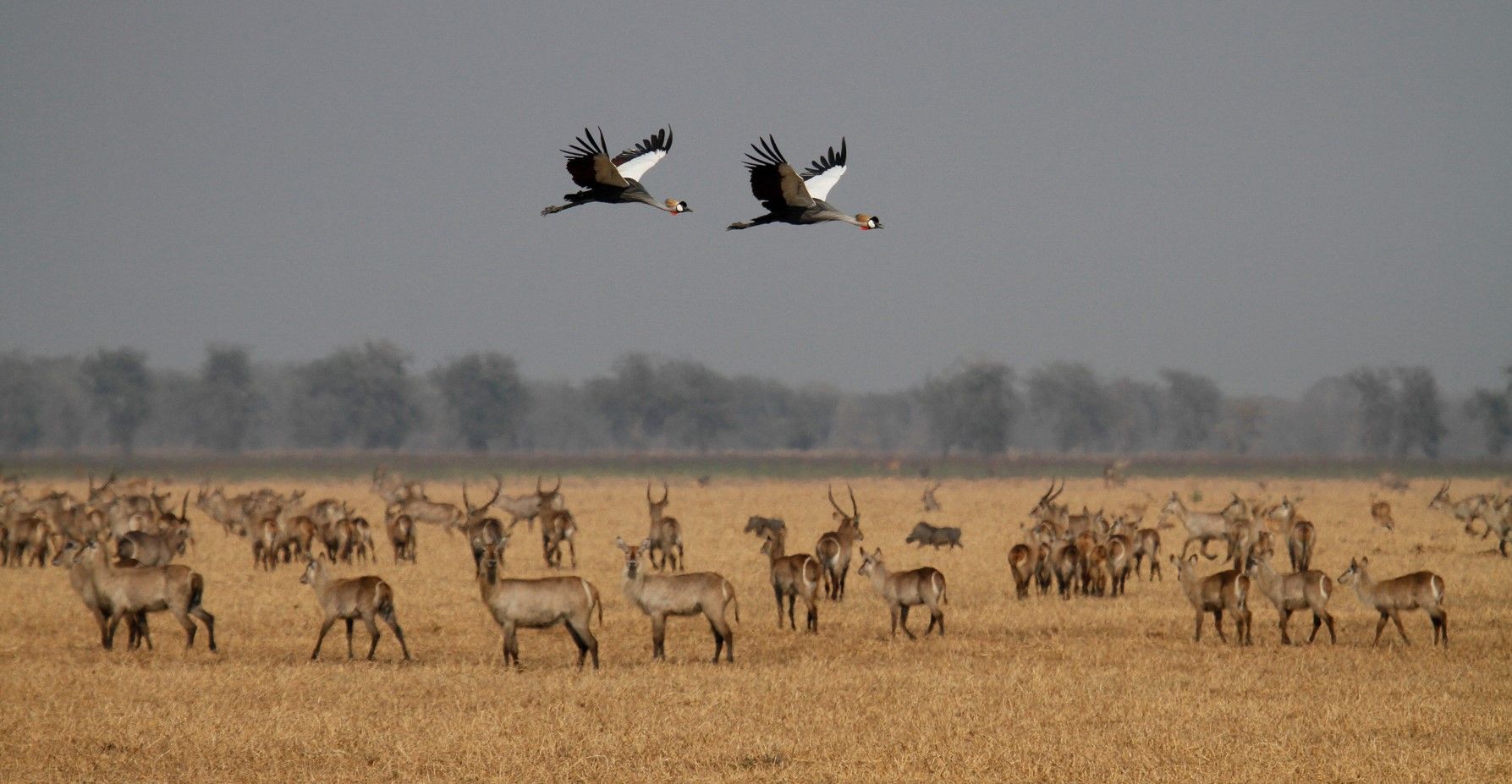


Sabi Sands and Bazaruto
By • April 27, 2026
Why Sabi Sands and Bazaruto Are Often Paired
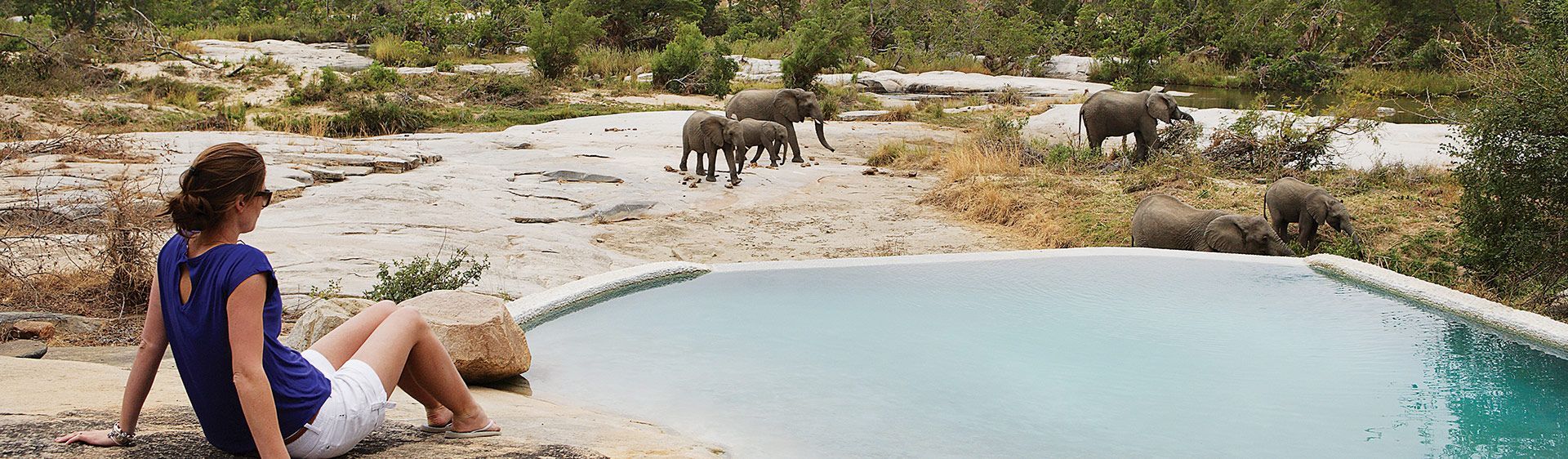
The pairing of Sabi Sands Game Reserve and the Bazaruto Archipelago appears frequently in high-end African travel planning, yet many travellers are unclear why. On the surface, the combination looks obvious: world-class wildlife followed by Indian Ocean beaches. In practice, the pairing works because the two experiences counterbalance each other almost perfectly.
Sabi Sands delivers intensity. Game drives are frequent, sightings are close, and days are structured around wildlife movement. Bazaruto delivers decompression. Days are shaped by tides, weather, and choice rather than schedules. The combination succeeds when it is understood as contrast rather than continuation.
Travellers who approach this pairing as two equal headline acts often feel fatigued. Those who see Bazaruto as recovery after immersion tend to find the experience transformative.
What Makes Sabi Sands Different From Other Safari Areas
Sabi Sands operates at a different pace and density from most safari destinations. Private land access allows off-road driving, extended sightings, and flexible tracking, particularly for predators. Game drives are immersive and often emotionally intense.
This level of engagement is thrilling, but it also demands energy. Early starts, long drives, and sustained focus are part of the experience. Even for seasoned safari travellers, Sabi Sands can feel full.
Understanding this intensity is critical before choosing what comes next.

Why Bazaruto Is Not Just a “Beach Add-On”
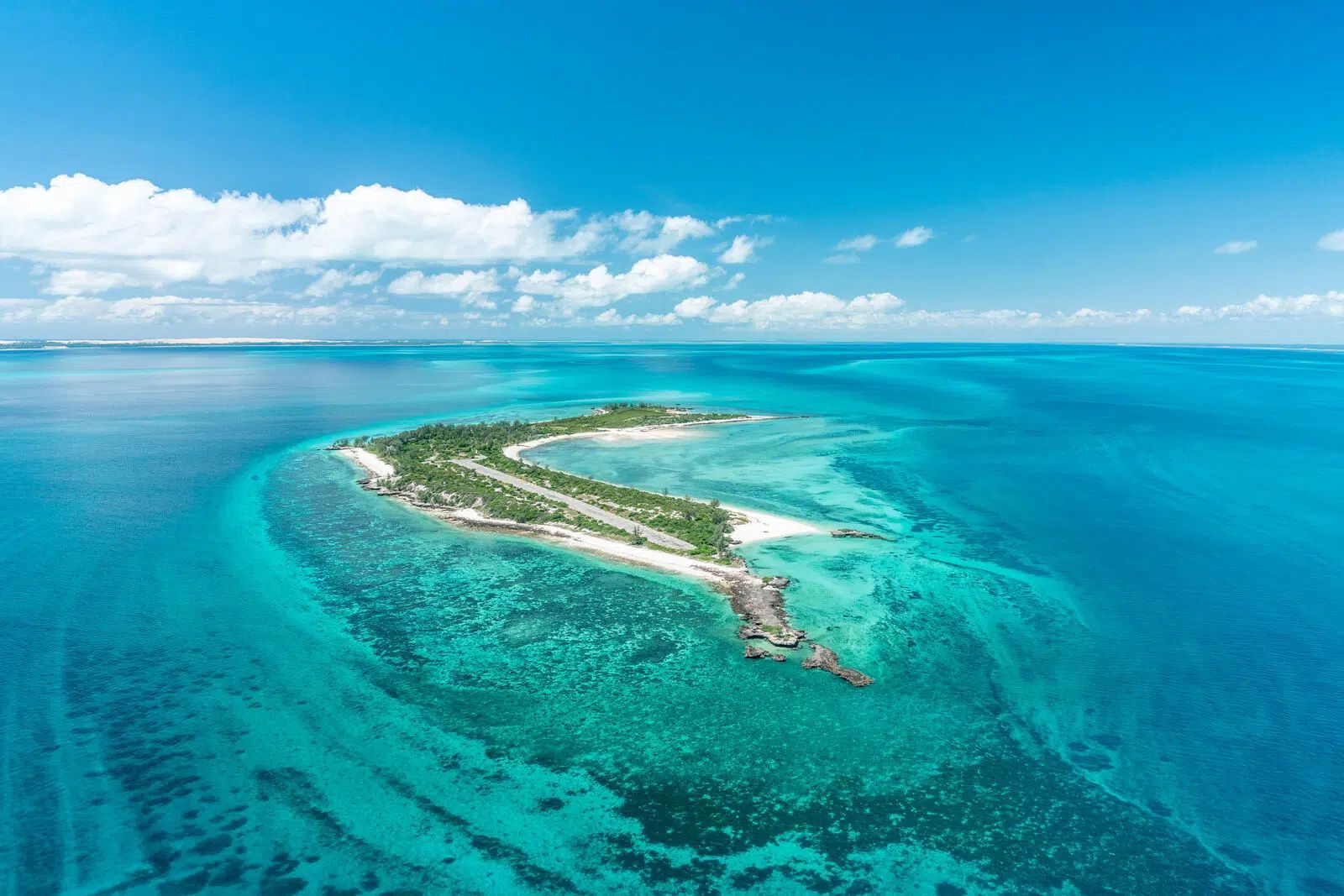
Bazaruto is not a passive beach destination designed simply to follow a safari itinerary. It is a marine-led environment with its own logic, rhythm, and constraints, and understanding this is essential to appreciating the experience fully. The islands sit within a protected marine area shaped by tides, prevailing winds, and seasonal ocean movement rather than by fixed tourism schedules.
Swimming conditions change daily, visibility fluctuates with plankton cycles, and activities respond to weather and sea state rather than timetables. These same conditions that influence clarity are also what sustain marine life, including turtles, rays, and larger migratory species. The environment is alive and dynamic, not curated for consistency.
This unpredictability is not a weakness. It encourages a different mindset. Bazaruto works best when travellers arrive prepared to observe, adapt, and slow down. Those who approach it as a place to recover rather than perform tend to find the island experience far more rewarding and restorative.
The Psychological Shift Between Bush and Island
One of the strongest reasons this combination works so well is the psychological reset that occurs between bush and island. Sabi Sands demands attention, awareness, and constant engagement. Travellers are alert, scanning the landscape, listening to guides, and processing a steady stream of stimulation.
Bazaruto offers the opposite mental state. There is little to search for and nothing to track. The ocean moves on its own terms, days are not outcome-driven, and time stretches naturally. This contrast allows the nervous system to downshift after safari intensity.
Rather than simply moving on from the safari experience, the island phase creates space to absorb it. Memories settle, emotions process, and the experience feels complete rather than abruptly concluded.
How Travel Flow Affects the Experience
The success of a Sabi Sands and Bazaruto holiday depends heavily on travel flow. Even exceptional destinations can feel underwhelming if transfers are poorly sequenced or recovery time is insufficient. Long travel days immediately after safari can undo the restorative purpose of the island stay.
Safari fatigue is cumulative. Early mornings, long game drives, and sustained focus take their toll. If followed by rushed flights or complex connections, travellers arrive on the island already depleted. Ideally, the transition feels smooth, logical, and unhurried.
This is where planning quality matters more than accommodation choice. A well-designed flow preserves energy, while a poorly designed one drains it, regardless of how beautiful the destination may be.
How Many Nights Actually Work
Many travellers underestimate how long they need on the island to truly recover from safari. Two or three nights often feel like a transition phase rather than a holiday. Bags are unpacked, then almost immediately repacked.
Most travellers find that four to six nights in Bazaruto allows genuine decompression. Days stop feeling measured. Sleep improves. Attention softens. By the third or fourth night, the sense of urgency fades and the body begins to reset.
For this reason, the island portion should often feel longer than the safari, even if the total number of nights is similar. Recovery requires time, not just location.
What Bazaruto Offers After an Intense Safari
After Sabi Sands, most travellers do not want packed itineraries or constant stimulation. Bazaruto offers space, simplicity, and optional activity rather than obligation. Nothing needs to be achieved or completed.
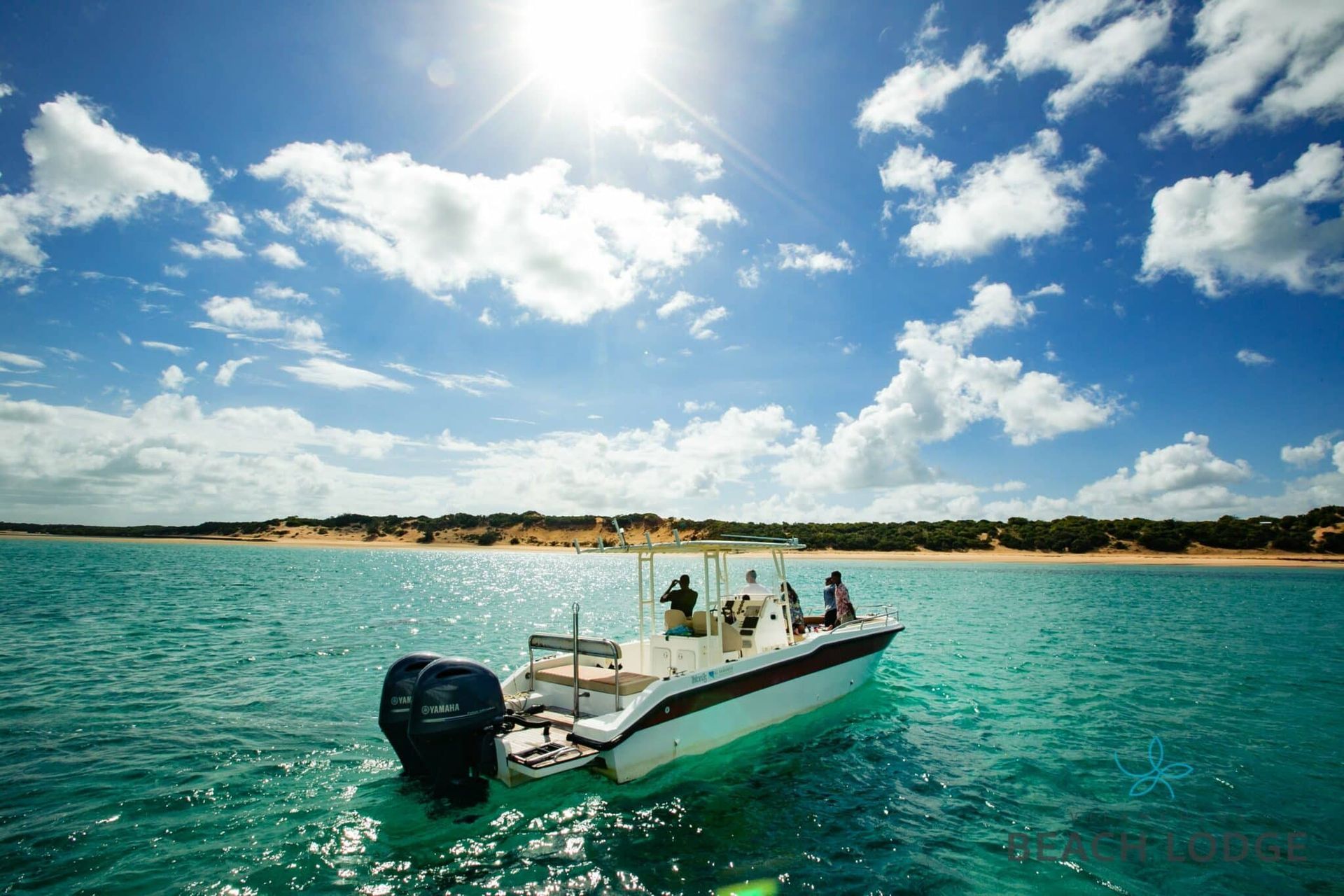
Island days on Bazaruto might include gentle snorkelling when conditions allow, dhow sailing, long beach walks, or simply sitting with the ocean and watching the light change. Meals arrive without decisions, schedules remain flexible, and activity is guided by inclination rather than expectation.
This absence of pressure is precisely why Bazaruto works so well after safari. It restores balance instead of competing for attention.
Seasonality and Expectation Management
Safari and island seasons do not always align perfectly, and this is an important reality to understand. Sabi Sands offers strong wildlife viewing year round, while Bazaruto’s marine conditions vary with wind patterns, swell, and plankton presence.
Clear water is not guaranteed every month, and marine encounters depend on seasonal movement rather than scheduling. Travellers who expect consistent swimming conditions can feel disappointed if this context is not explained.
Those who understand seasonality in advance are far more likely to appreciate what the island offers at that time, rather than focusing on what it does not.
Why This Combination Suits Certain Travellers Best
Sabi Sands and Bazaruto suits travellers who enjoy immersion followed by release. It works particularly well for couples, experienced travellers, and those who value emotional contrast rather than constant stimulation.
This combination appeals to people who want intensity with purpose, followed by space to recover and reflect. It is less suited to travellers seeking nightlife, social beach scenes, or guaranteed daily activity schedules.
Understanding this fit early prevents mismatched expectations and enhances satisfaction.
Safety and Ease Across Borders
Despite crossing borders, this combination feels straightforward when planned properly. Transfers are structured, tourism infrastructure is well established, and guests move through controlled, familiar environments.
Pre-arranged flights, meet-and-assist services, and lodge coordination remove uncertainty at each stage. Border formalities are handled routinely, and guests are rarely navigating logistics independently.
As a result, safety becomes procedural rather than emotional. Travellers focus on experience rather than process.
Common Planning Mistakes to Avoid
The most common mistake is rushing the island portion, followed closely by choosing overly complex routing. Another frequent error is expecting the beach to match the safari in intensity or structure.
This pairing works because it does not attempt to repeat the same experience twice. When contrast is respected, the journey feels complete rather than exhausting.
Plan Your Trip
Sabi Sands and Bazaruto work best when designed as a single journey rather than two separate bookings. When flow, pacing, and recovery are considered together, each part enhances the other and delivers a more meaningful, balanced experience.
Why This Combination Endures
The Sabi Sands and Bazaruto pairing endures because it respects contrast. One delivers depth, the other delivers space. One demands attention, the other restores balance.
Mozambique Travel focuses on designing this combination around pacing, recovery, and realistic expectations rather than spectacle. If you want a bush and island holiday that feels coherent rather than exhausting, our team can help structure the journey so each part enhances the other rather than competes with it.
Featured Packages
Frequently Asked Questions
Does Sabi Sands and Bazaruto work well as one holiday?
Most travellers choose ten to twelve days, with three to four nights in Kruger and six to eight nights in Mozambique. This balance allows time for early morning game drives, relaxation between activities and the shift from wildlife to beach environments. Shorter trips are possible, but extending the beach portion gives travellers more flexibility to rest and explore. Mozambique Travel designs itineraries based on each traveller’s pace and preferred level of activity.
How long should I spend in Bazaruto after Sabi Sands?
Most travellers need at least four to six nights in Bazaruto after Sabi Sands. Shorter stays often feel like transition time rather than rest. The island portion should be long enough for sleep patterns to reset and mental fatigue to fade. Longer stays allow travellers to slow down, engage lightly with the ocean, and fully absorb the contrast between bush and island environments without feeling rushed.
Does season matter for combining Sabi Sands and Bazaruto?
Yes, season matters for both safari and island experiences. Sabi Sands offers strong wildlife viewing year round, while Bazaruto’s marine conditions vary with wind and plankton cycles. Clear water is not guaranteed every month. Understanding these seasonal differences helps travellers set realistic expectations and appreciate wildlife encounters rather than focusing only on swimming conditions or daily visibility levels during planning for this specific combination in advance.
Is it safe and easy to combine South Africa and Mozambique?
Yes, this is a safe and straightforward combination when organised properly. Transfers are pre arranged, borders are handled by experienced partners, and travellers move between controlled tourism environments. Most guests report feeling comfortable throughout the journey. Using reputable operators and realistic routing reduces stress and allows travellers to focus on the experience rather than logistics or unnecessary uncertainty during travel across two countries seamlessly when planned.
SHARE THIS POST
Are You Ready FOr Mozambique?
Page through our packages and find the offer right for you!
Ready to Speak to a Mozambique Travel Expert?
Get In Touch and Ask for a Call-Back Today
Latest Posts
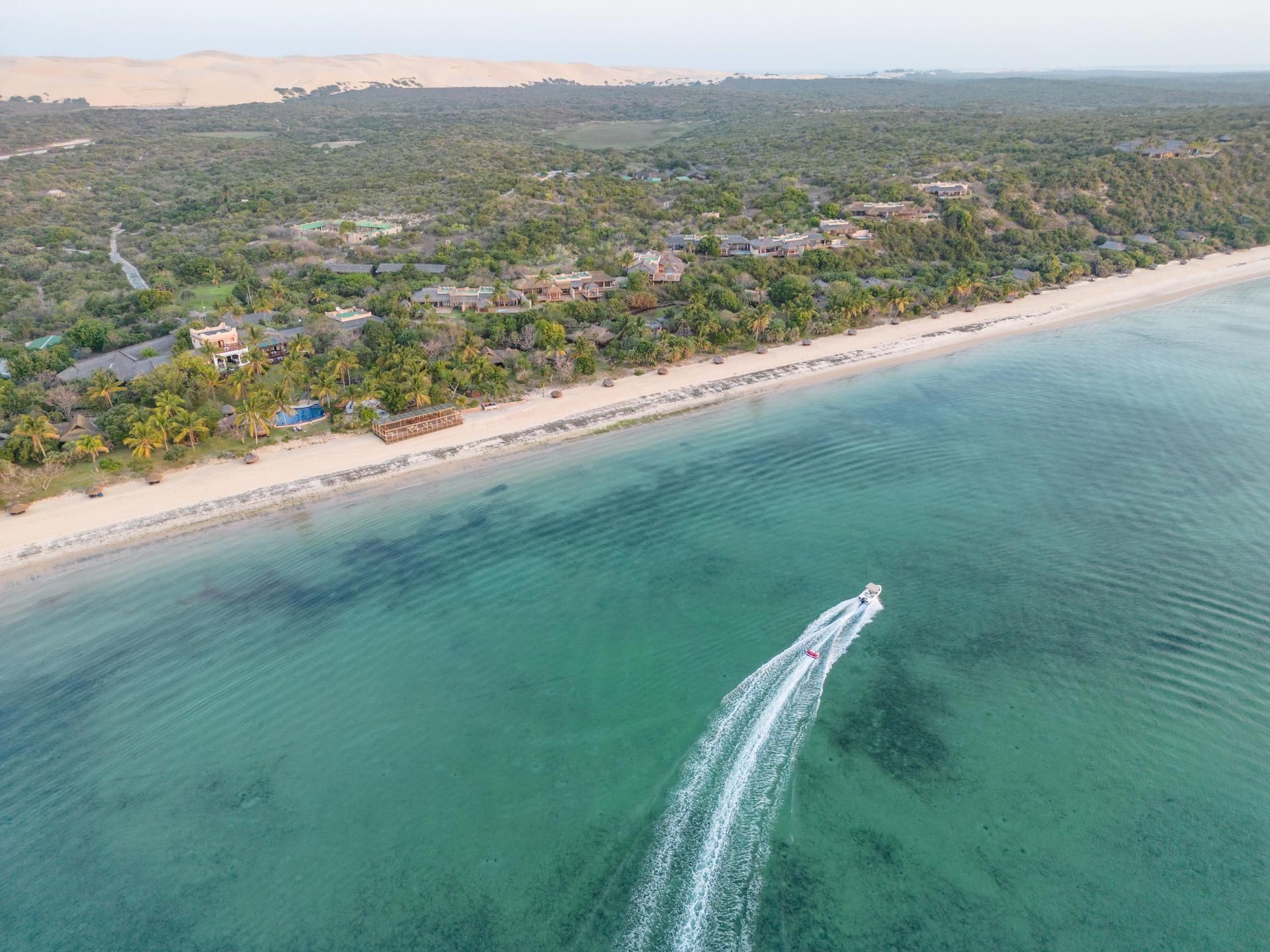

Mainland Coastal Sanctuaries in Vilanculos: Why Mozawi Signals a New Direction for Mozambique Travel