

Wildlife and marine life of Vilanculos Wildlife Sanctuary
By • February 25, 2026
Why the Vilanculos wildlife sanctuary supports exceptional biodiversity
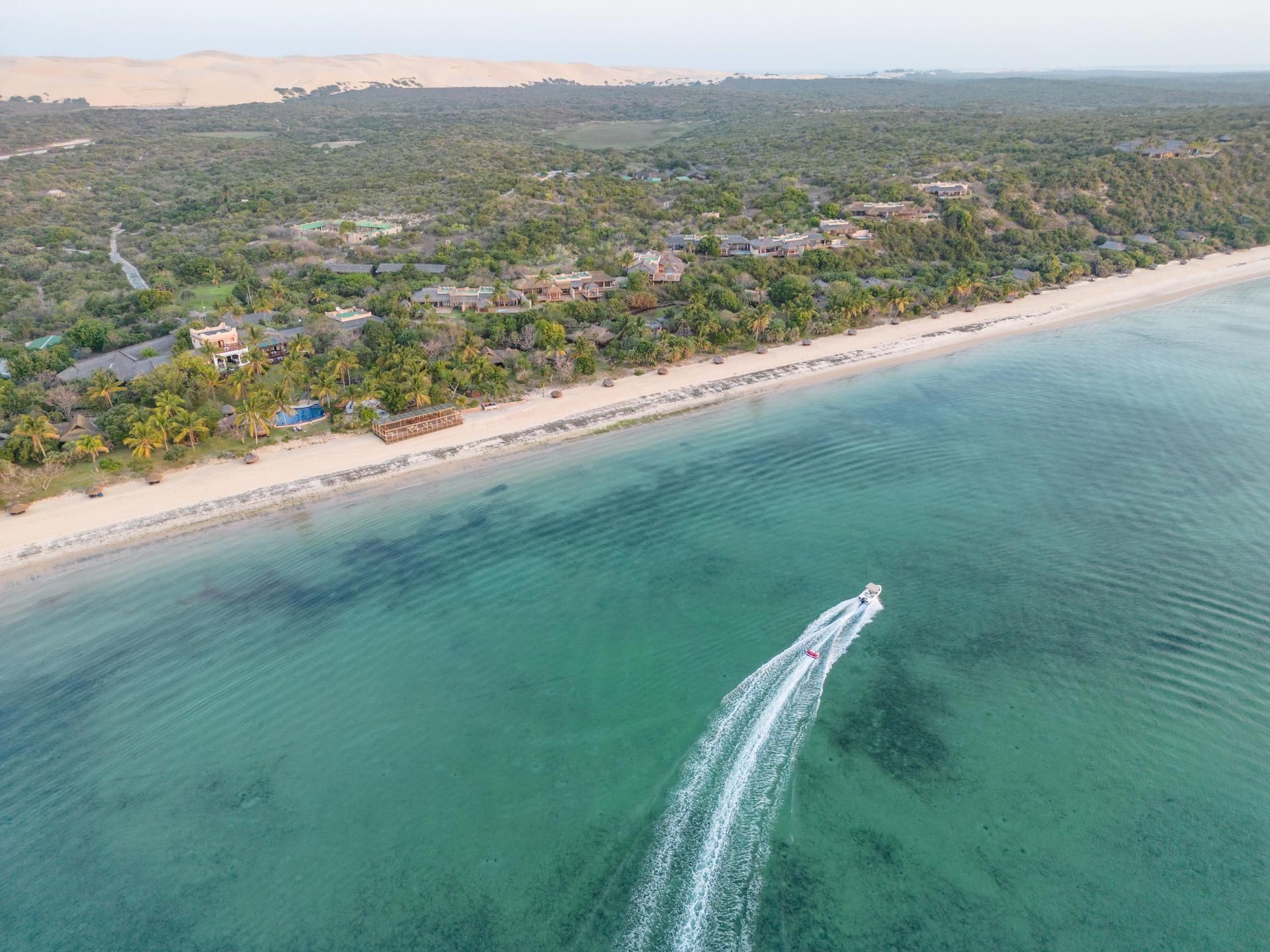
The Vilanculos wildlife sanctuary protects a rare combination of coastal, dune, wetland, and nearshore marine habitats. This diversity of environments allows a wide range of species to coexist within a relatively small geographic area. Unlike heavily developed coastal regions, the sanctuary’s low-density land use preserves natural migration routes, feeding zones, and nesting sites.
For travelers, this translates into wildlife encounters that feel organic rather than orchestrated. Sightings often occur during everyday moments such as beach walks, boat transfers, or quiet time at a lodge rather than during structured excursions. This natural rhythm is a defining feature of the sanctuary experience.
Marine mammals along the Vilanculos coastline
Dolphins are among the most frequently encountered marine mammals in the Vilanculos wildlife sanctuary. Pods are often seen moving parallel to the shoreline, particularly during calmer sea conditions. Their presence reflects healthy fish stocks and minimal disturbance.
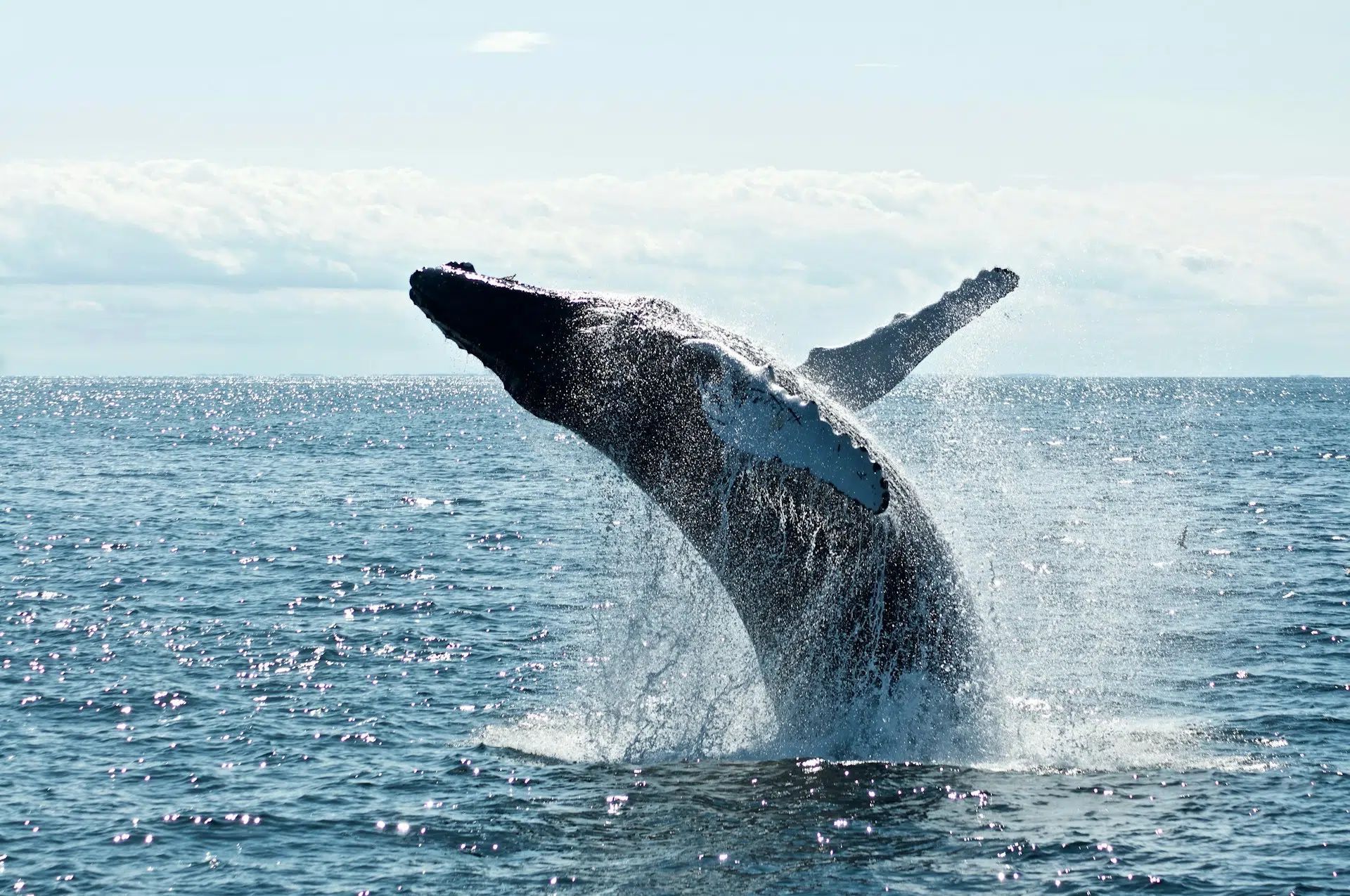
Seasonally, humpback whales migrate along the Mozambican coast, passing the sanctuary between winter and early spring months. Whale sightings tend to occur offshore rather than directly at the beach, often during boat journeys or island crossings. These encounters are typically quiet and unobtrusive, reinforcing the sanctuary’s low-impact character.
Turtle nesting and coastal protection
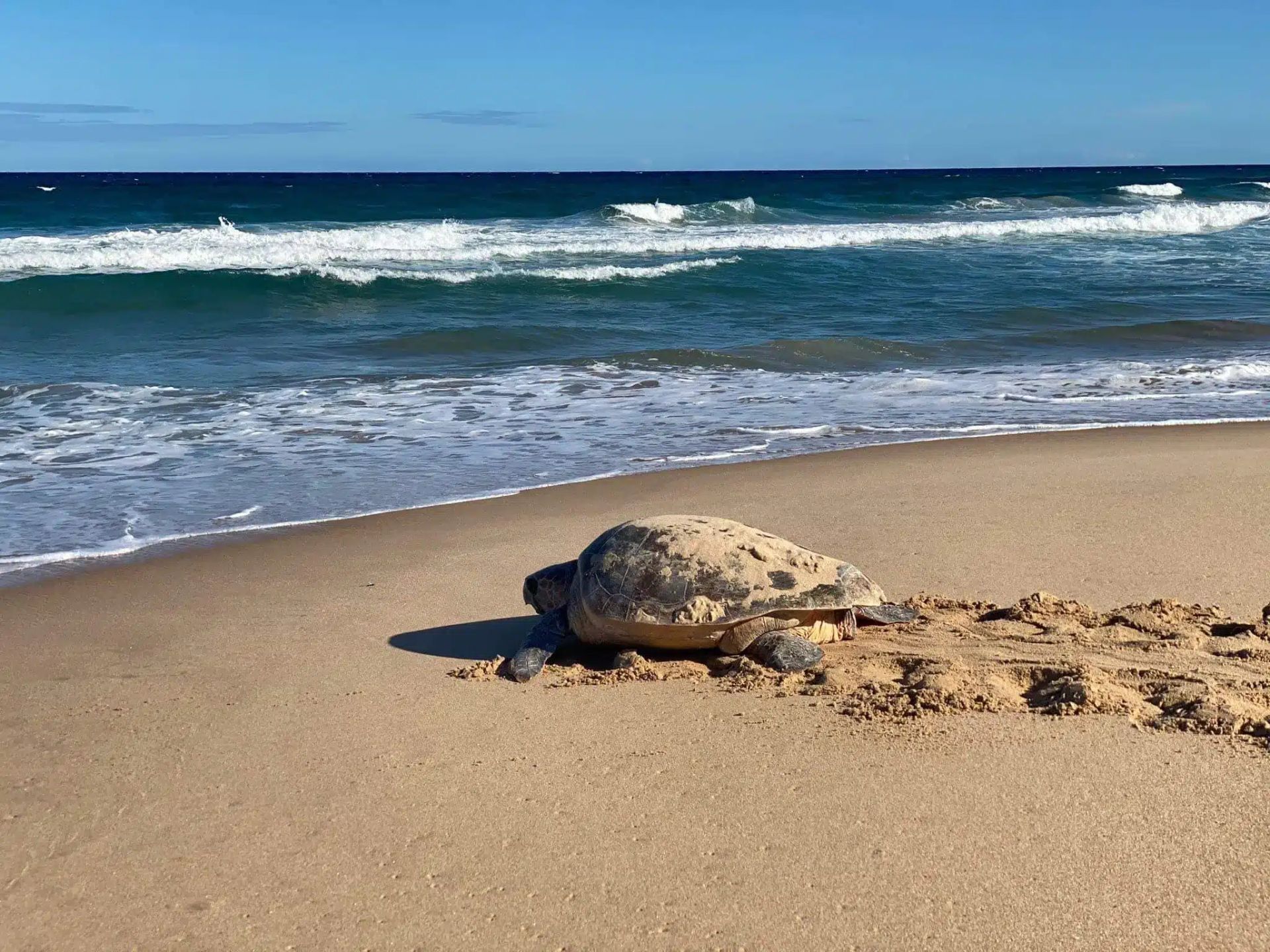
Several species of marine turtles use Mozambique’s coastline for nesting, and protected stretches within the Vilanculos wildlife sanctuary play an important role in this cycle. Nesting generally occurs during warmer months, with hatchlings emerging later in the season depending on conditions.
The sanctuary’s restrictions on beachfront development and vehicle access help protect nesting areas from disturbance. Travelers staying in low-density accommodation may witness turtle tracks or nesting signs, but direct interaction is discouraged to protect these vulnerable species.
Birdlife and coastal ecosystems
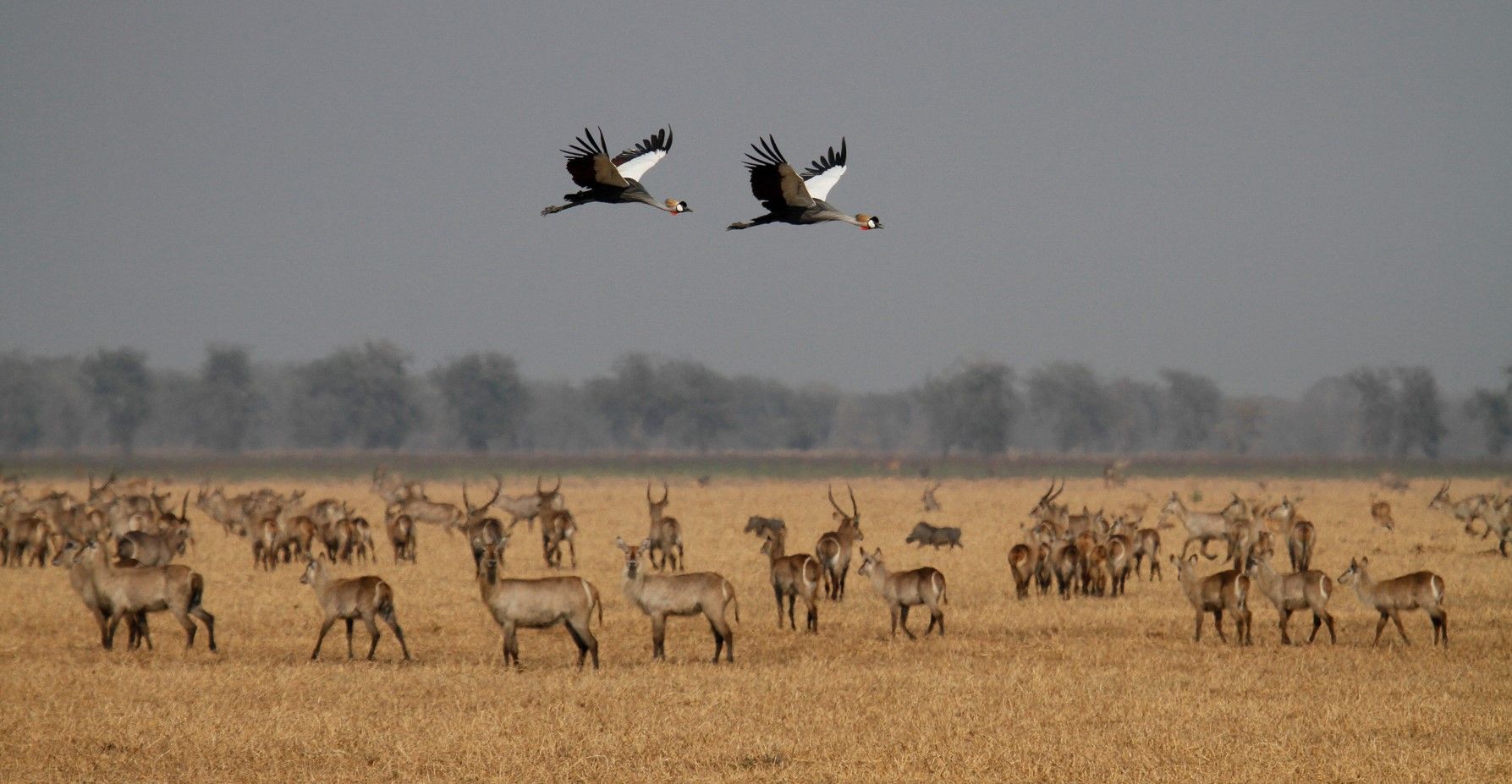
Birdlife within the sanctuary is notably rich because of the diversity of habitats concentrated in a relatively small coastal area. Beaches, estuaries, dune forests and wetlands all occur within close proximity, creating ideal conditions for shorebirds, seabirds and migratory species moving along the western Indian Ocean flyway. Visitors walking along quiet stretches of coastline often see sandpipers, plovers and terns feeding along the waterline, while larger seabirds glide over the surf searching for fish.
Estuarine channels and inland wetlands attract additional birdlife, including herons, kingfishers and waders that rely on shallow water and protected feeding grounds. This layered environment means that even casual wildlife watchers encounter impressive bird diversity without needing to plan dedicated birding excursions. Early morning and late afternoon walks are often the best times to observe activity as birds move between feeding areas and sheltered resting sites.
The preservation of native vegetation and dune systems plays a critical role in maintaining this biodiversity. Coastal dunes stabilise the shoreline and protect inland wetlands from erosion, while natural vegetation provides nesting sites, shelter and feeding areas for birds and smaller wildlife. Healthy dune ecosystems also support insects and plant species that form the base of a wider ecological network along the coast.
These natural systems are increasingly recognised as important buffers against coastal change. Intact dunes and coastal forests help absorb storm energy, reduce erosion and protect marine habitats just offshore. In this way, the sanctuary’s ecological health supports both wildlife conservation and the long-term stability of the coastline itself.
Nearshore Reefs and Marine Life
The waters adjacent to the sanctuary connect directly with the broader marine ecosystems of the Bazaruto Archipelago, one of Mozambique’s most important protected ocean regions. Offshore reefs support diverse fish populations, coral communities and marine invertebrates that thrive in relatively undisturbed waters.
Because boat traffic remains limited compared with more heavily visited coastal regions, marine habitats in this area remain relatively healthy. Reef fish diversity is strong, with species ranging from colourful angelfish and butterflyfish to larger predators that patrol reef edges. Coral gardens provide shelter for juvenile fish and act as nurseries for many species found throughout the wider Indian Ocean ecosystem.
Snorkelling and diving experiences vary naturally depending on season, tides and water clarity rather than fixed schedules. Calm mornings often provide the best visibility, while changing tides can reveal different reef environments and marine behaviour throughout the day. This dynamic environment encourages travellers to treat marine exploration as a discovery process rather than a pre-planned checklist of sightings.
Marine life encounters may include rays, reef fish, turtles and occasionally dolphins moving through the area. While sightings can never be guaranteed, the relative health of the ecosystem means that patient visitors often experience rewarding moments in the water.
External Research and Conservation
Scientific research plays an important role in understanding and protecting marine life along Mozambique’s coastline. Organisations such as the Marine Megafauna Foundation conduct long-term studies on sharks, rays, turtles and wider ocean health in Mozambican waters (https://marinemegafauna.org). Their work contributes to regional conservation planning and provides valuable insight into species movements and marine ecosystem dynamics.
Research programmes in the region have helped map migration routes for manta rays and whale sharks, identify important reef habitats and track how marine species respond to environmental change. These findings inform responsible tourism practices and guide conservation priorities that benefit both wildlife and coastal communities.
For travellers interested in ocean conservation, knowing that scientific research supports tourism in the region adds another dimension to the experience. Responsible travel contributes indirectly to the protection of marine ecosystems by supporting lodges, operators and conservation initiatives that prioritise environmental stewardship.
Seasonal Wildlife Patterns in the Sanctuary
Wildlife activity within the sanctuary follows natural seasonal rhythms influenced by ocean currents, weather patterns and migratory cycles. During the cooler months of the year, clearer water and stable conditions often improve marine visibility. This period can coincide with whale migration along the Mozambican coastline, when humpback whales pass offshore during their seasonal journeys.
Warmer months bring different marine dynamics, including increased turtle activity and shifts in fish populations across nearby reefs. Seasonal changes in water temperature influence plankton availability, which in turn affects the movement of larger marine species. These natural cycles create subtle variations in the marine environment throughout the year.
Birdlife remains strong year-round due to the sanctuary’s diverse habitats. However, migratory species change with the seasons, meaning birdwatchers may observe different species depending on the time of year. Coastal wetlands often become particularly active during migration periods when birds use the area as a temporary feeding and resting site.
Understanding these seasonal patterns helps travellers plan trips around their interests rather than simply choosing the most popular travel months. Visitors interested in marine life, birdwatching or photography often benefit from selecting travel periods aligned with natural wildlife activity.
Responsible Wildlife Encounters
The sanctuary model emphasises observation rather than interaction. Wildlife experiences are most meaningful when approached quietly and with patience, allowing animals to behave naturally in their environment. Maintaining respectful distances, reducing noise and following guidance from local guides helps ensure that wildlife remains undisturbed.
Responsible viewing practices are particularly important in fragile coastal ecosystems where animals rely on predictable feeding and breeding areas. Disturbance can alter these patterns, which is why many lodges encourage guests to observe wildlife calmly and avoid approaching animals too closely.
For travellers, this approach often results in more authentic encounters. Watching dolphins move through calm coastal waters or observing birds feeding along tidal flats becomes a quiet, immersive experience rather than a staged activity.
By supporting responsible wildlife tourism, visitors contribute to the long-term protection of the sanctuary’s ecosystems. Careful management, conservation awareness and respectful travel behaviour ensure that both marine life and bird populations continue to thrive along Mozambique’s remarkable coastline.
Scientific research plays a key role in understanding and protecting marine life along Mozambique’s coast. Organizations such as the Marine Megafauna Foundation conduct ongoing research into sharks, rays, turtles, and broader ocean health in Mozambican waters (https://marinemegafauna.org). These efforts provide valuable insight into species movement, conservation priorities, and responsible tourism practices that support long-term ecosystem health.
Seasonal wildlife patterns in the sanctuary
Wildlife activity within the sanctuary changes throughout the year. Cooler months often bring clearer water and whale migration, while warmer months increase turtle activity and fish diversity. Birdlife remains strong year-round, though migratory species vary by season.
Understanding these patterns helps travelers set realistic expectations and choose travel months aligned with their interests rather than peak demand periods.
Responsible wildlife encounters
The sanctuary model emphasizes observation over interaction. Wildlife encounters are most rewarding when approached quietly and without expectation. Avoiding noise, respecting distance, and following lodge guidance ensures animals are not stressed or displaced.
This approach supports conservation goals while allowing travelers to experience wildlife in a way that feels respectful and genuine.
How wildlife shapes the sanctuary experience
Wildlife in the Vilanculos wildlife sanctuary is not presented as an attraction but as a constant presence. This subtle integration is what sets the region apart from busier coastal destinations. Encounters are unpredictable, quiet, and often deeply memorable, reinforcing the sanctuary’s role as a place for observation, reflection, and connection with nature.
Planning wildlife-focused travel with Mozambique Travel
Mozambique Travel advises travelers on the best times, locations, and accommodation choices for wildlife experiences within the sanctuary. Our team understands seasonal patterns, environmental sensitivities, and how to plan low-impact itineraries that respect both guests and ecosystems. We help align expectations with natural conditions to deliver meaningful wildlife encounters in 2026.
Supporting conservation research in the Vilanculos wildlife sanctuary
Long-term protection of wildlife within the Vilanculos wildlife sanctuary depends on scientific research, monitoring, and community engagement. Independent research organizations working along Mozambique’s coastline provide critical data on marine species movement, population health, and environmental pressures. These insights inform conservation policy and guide responsible tourism practices that reduce disturbance to sensitive habitats.
Travelers interested in understanding the broader conservation context can explore research published by marine science and wildlife monitoring groups active in Mozambican waters. Learning about turtle nesting programs, whale migration tracking, and reef health assessments adds depth to the travel experience and encourages informed decision-making. By choosing accommodation and operators that respect research findings and conservation guidelines, visitors contribute indirectly to the long-term protection of the sanctuary’s ecosystems while enjoying one of Mozambique’s most biologically rich coastal environments.
Featured Packages
Frequently Asked Questions
What wildlife can you see in the Vilanculos wildlife sanctuary
Visitors may see dolphins, seasonal whales, nesting turtles, a wide range of bird species, and diverse marine life offshore. Sightings depend on season and conditions, but wildlife is regularly encountered in natural, low-impact ways.
Are whale sightings guaranteed near Vilanculos
Whale sightings are seasonal and cannot be guaranteed. Humpback whales migrate along the coast during cooler months, and sightings are most common offshore or during boat journeys rather than directly from the beach.
Is turtle nesting visible to visitors
Turtle nesting occurs seasonally along protected beaches. While signs such as tracks may be visible, direct interaction is discouraged. Responsible lodges follow guidelines to protect nesting sites.
Is snorkeling good inside the sanctuary
Snorkeling quality varies by season, tide, and visibility. Calm months generally offer better conditions, with access improving closer to the archipelago islands where reefs are more developed.
Is the sanctuary suitable for birdwatching
Yes. The mix of dunes, wetlands, and coastal vegetation supports diverse birdlife. Birdwatching is informal and rewarding without requiring specialist excursions.
How can travelers avoid disturbing wildlife
Travelers should respect distance, avoid noise, follow lodge guidance, and never touch or chase wildlife. Responsible observation ensures long-term protection of the sanctuary’s ecosystems.
SHARE THIS POST
Are You Ready FOr Mozambique?
Page through our packages and find the offer right for you!
Ready to Speak to a Mozambique Travel Expert?
Get In Touch and Ask for a Call-Back Today
Latest Posts

Mainland Coastal Sanctuaries in Vilanculos: Why Mozawi Signals a New Direction for Mozambique Travel