

How to Avoid Choosing the Wrong Safari and Beach Holiday
By • April 5, 2026
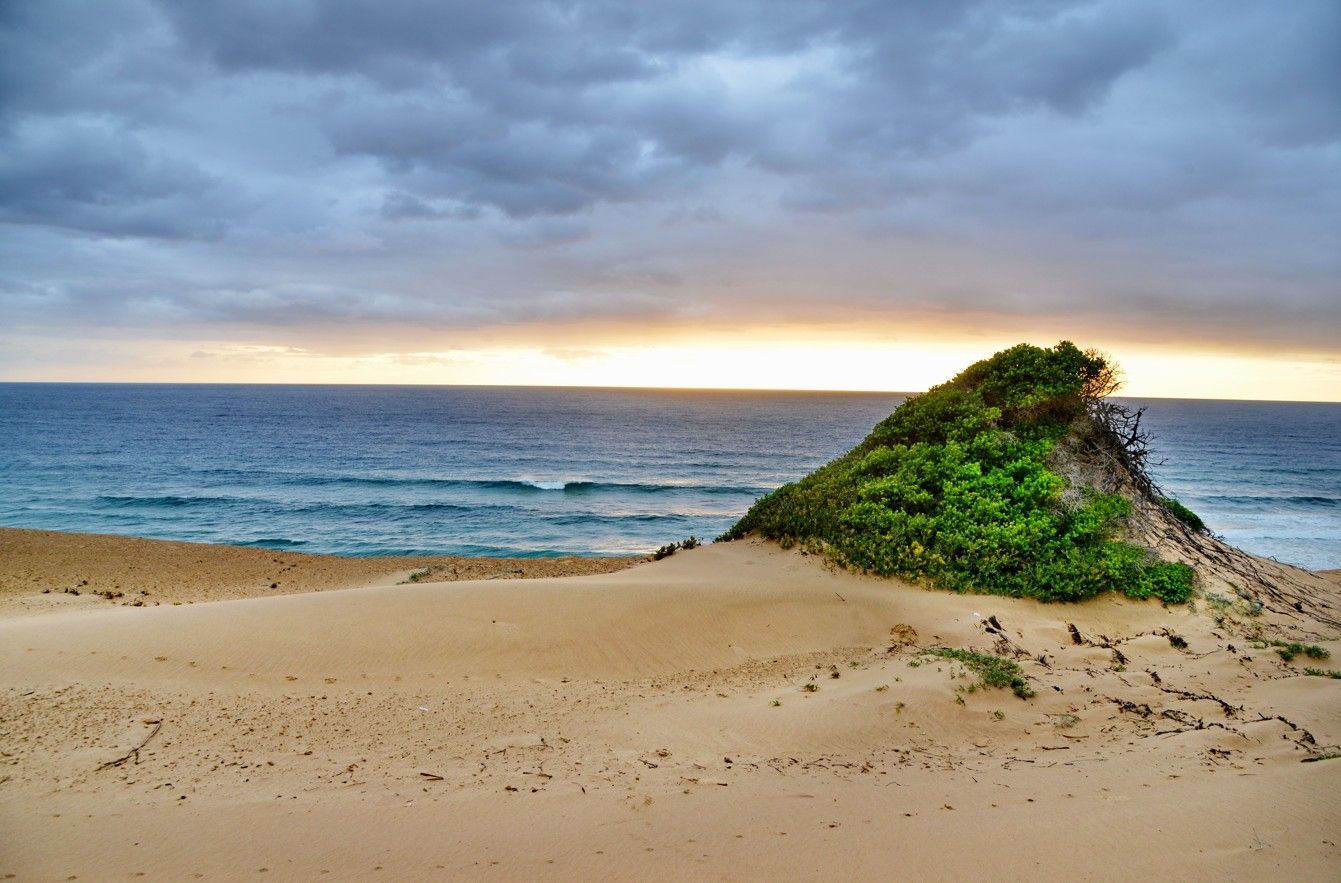
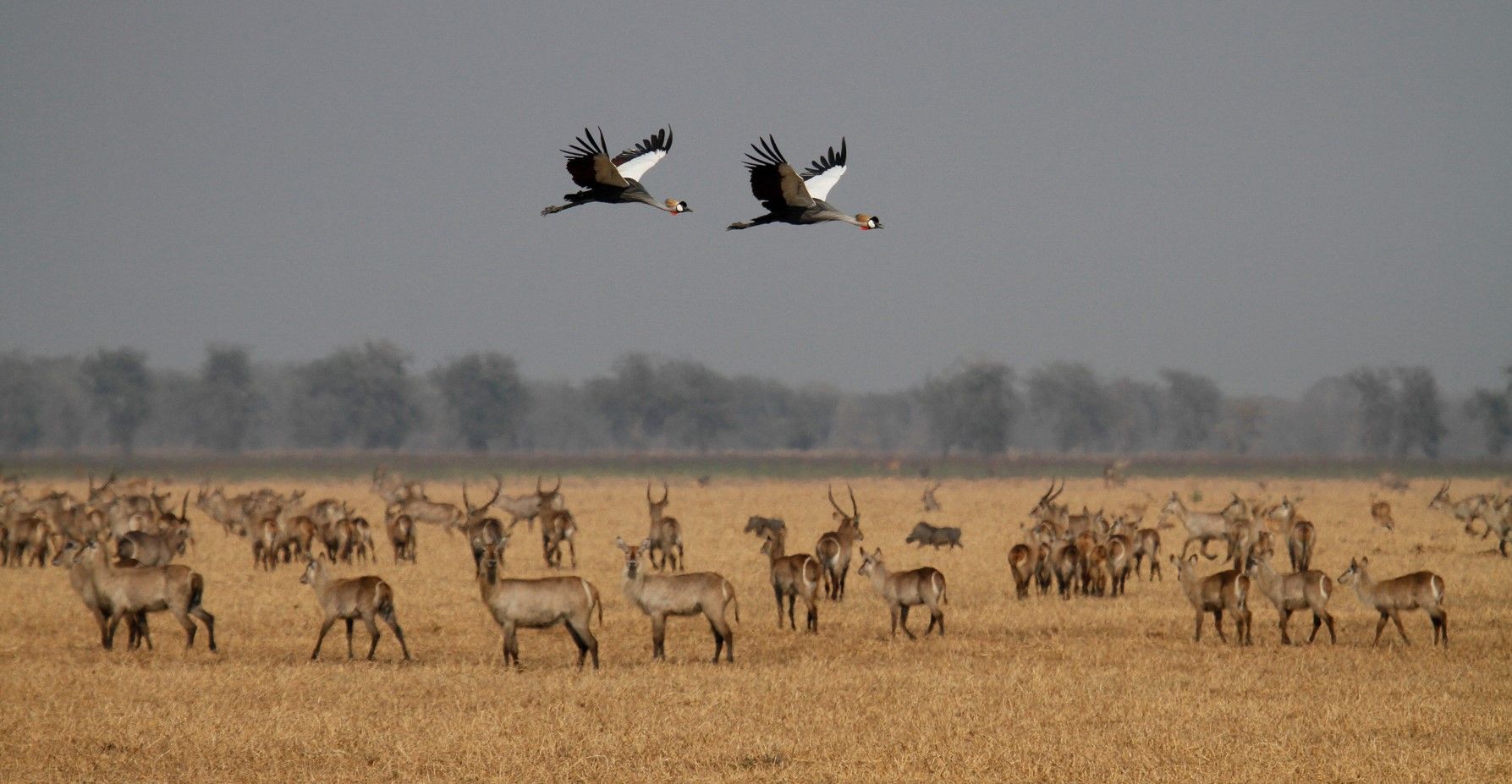
Why Safari and Beach Holidays Go Wrong More Often Than Expected
Safari and beach holidays are often marketed as seamless combinations, but in practice they are one of the easiest African trips to get wrong. The issue is not the destinations themselves, but the assumptions travellers make when combining two very different travel experiences.
Safari and beach travel operate on different rhythms. Safari days are early, structured, and mentally intense. Beach days are slower, open-ended, and restorative. When these rhythms clash rather than complement each other, travellers feel tired, frustrated, or underwhelmed, even when individual components are excellent.
Most mismatches happen during planning, not on the ground. Travellers focus on bucket-list locations rather than how those locations fit together. Avoiding the wrong safari and beach holiday requires understanding interaction, not just attraction.
Mistake One: Treating Safari and Beach as Equal Experiences
One of the most common planning errors is assuming safari and beach components should receive equal time and energy. In reality, they serve different purposes within a journey.
Safari travel is immersive and demanding. Days revolve around wildlife activity, early starts, and concentrated attention. Beach travel is often where travellers decompress, process the experience, and rest. Giving both components the same pace often leaves travellers overstimulated.
Many successful safari and beach holidays are safari-led, with the beach acting as a recovery phase rather than a second headline act. When travellers try to maintain safari intensity at the beach, the experience quickly feels wrong.
Mistake Two: Choosing the Beach Before Understanding the Safari
Another common error is choosing a beach destination independently of the safari experience. Travellers fall in love with an island or resort, then try to fit safari around it.
This often leads to long transfers, awkward routing, or poor pacing. Some safaris end far from suitable beach destinations. Others finish in regions where beach access is limited or weather-dependent.
The correct approach is to understand the safari first. Where it ends, how intense it is, and how physically demanding it feels should guide beach choice, not the other way around.
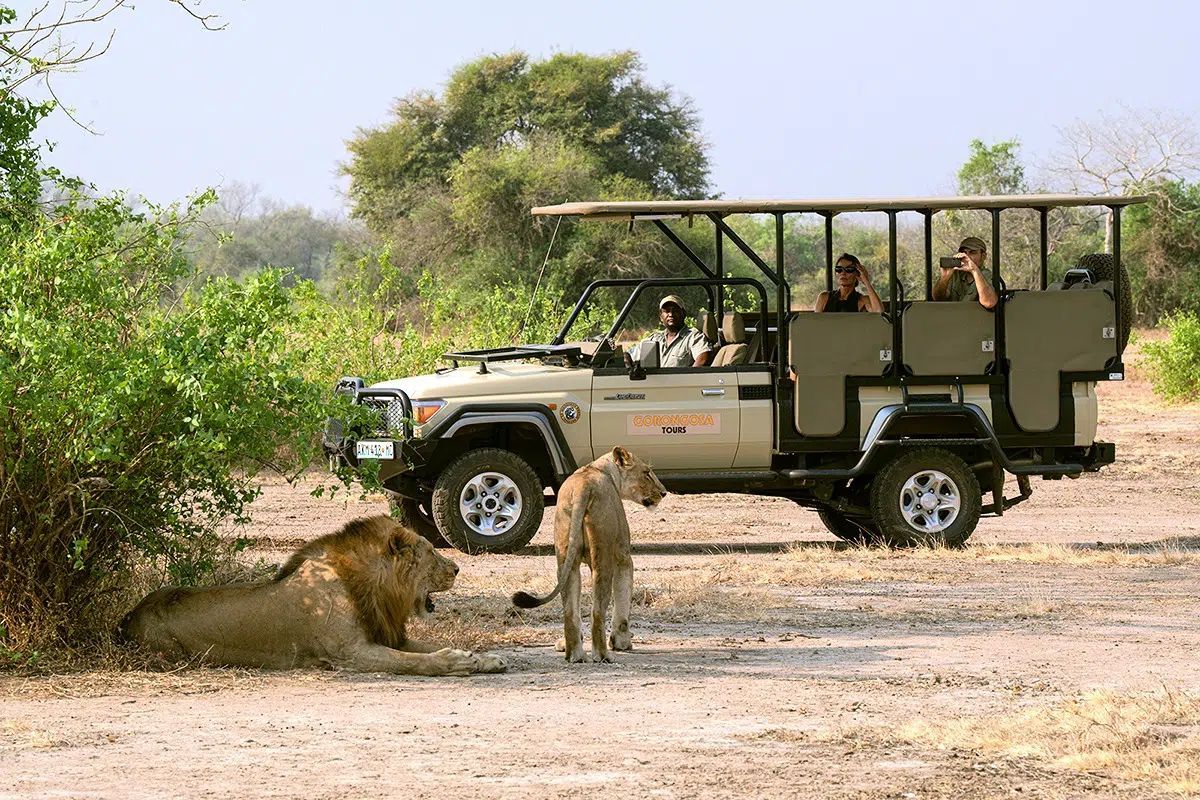
Why Mozambique Safari and Beach Combos Are Easy to Get Wrong Without Local Context
Mozambique is one of Africa’s most rewarding safari and beach destinations, but it is also one of the easiest to misjudge when planning combinations. The country’s safari regions and beach destinations operate on very different logistical and seasonal rhythms, and they are often misunderstood by travellers used to more consolidated destinations.
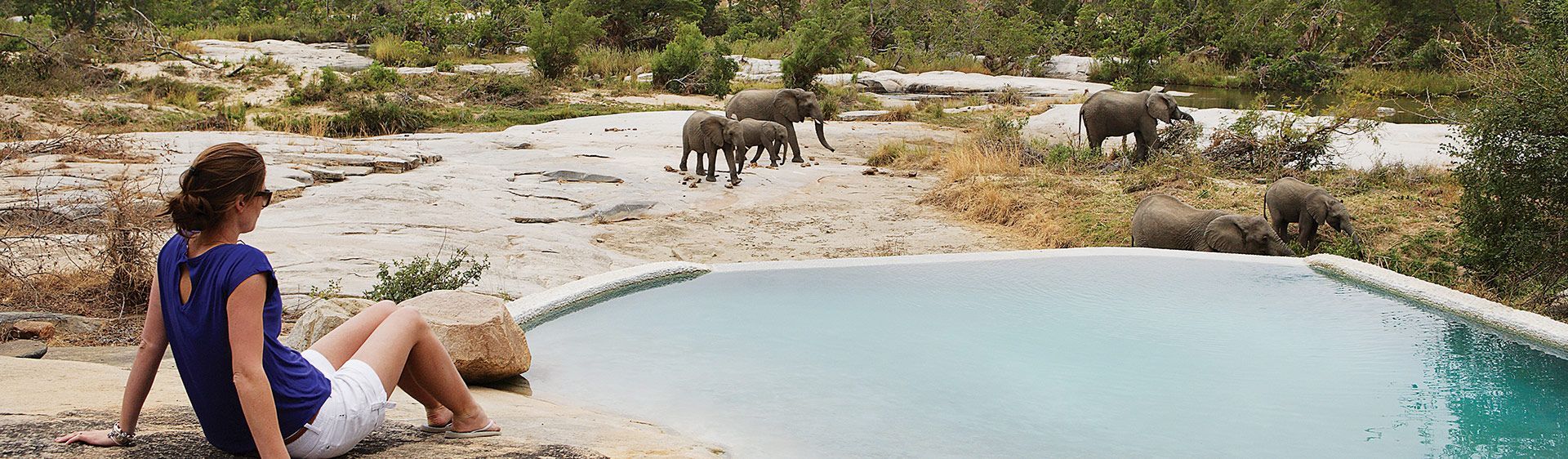
Safari experiences in Mozambique, particularly in areas such as Gorongosa or remote conservation zones, are immersive and often physically demanding. They involve early starts, long game drives, and a strong focus on wildlife recovery rather than high-density sightings. Pairing this immediately with a remote island or logistically complex beach stay can amplify fatigue rather than provide recovery.
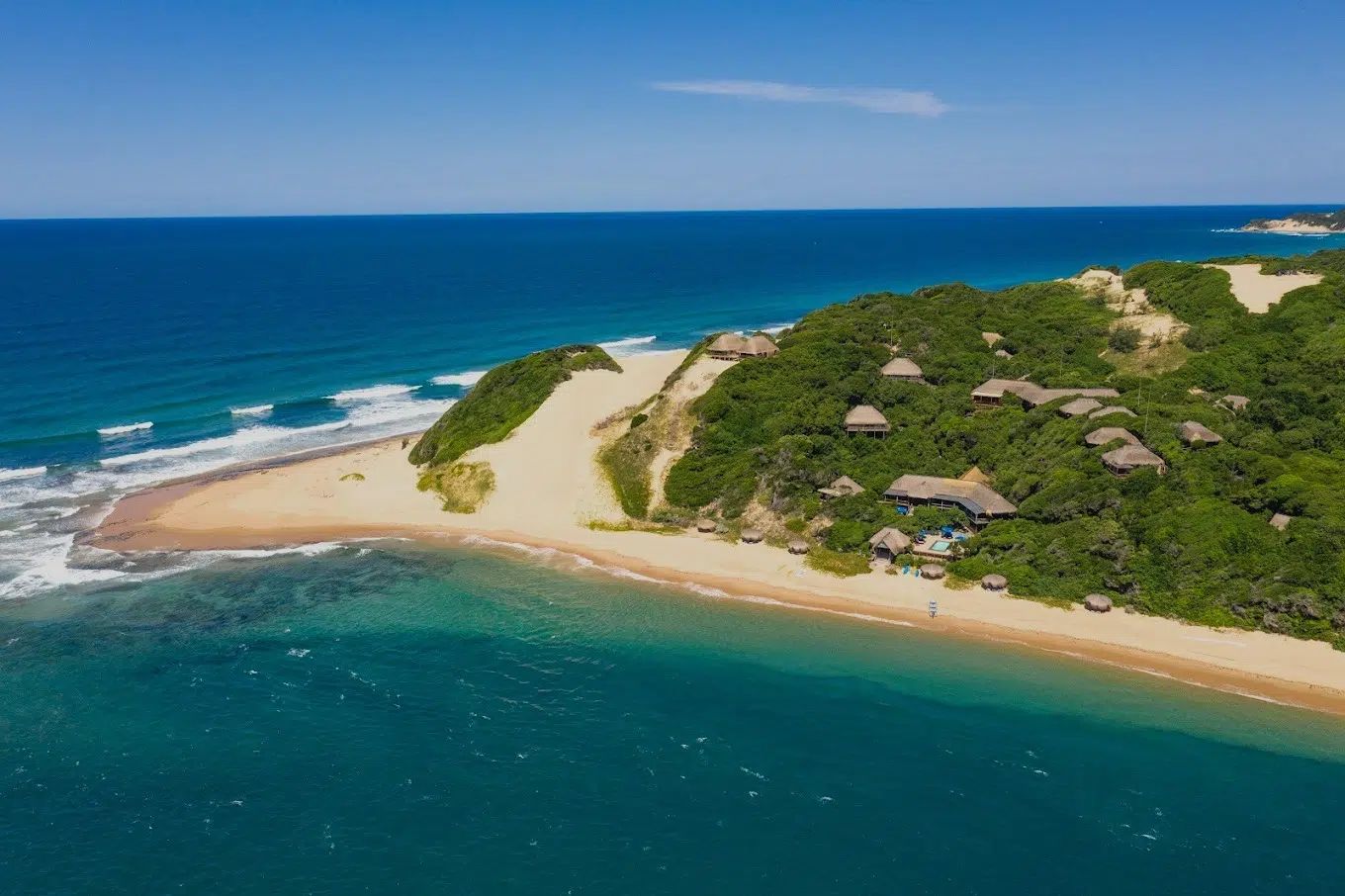
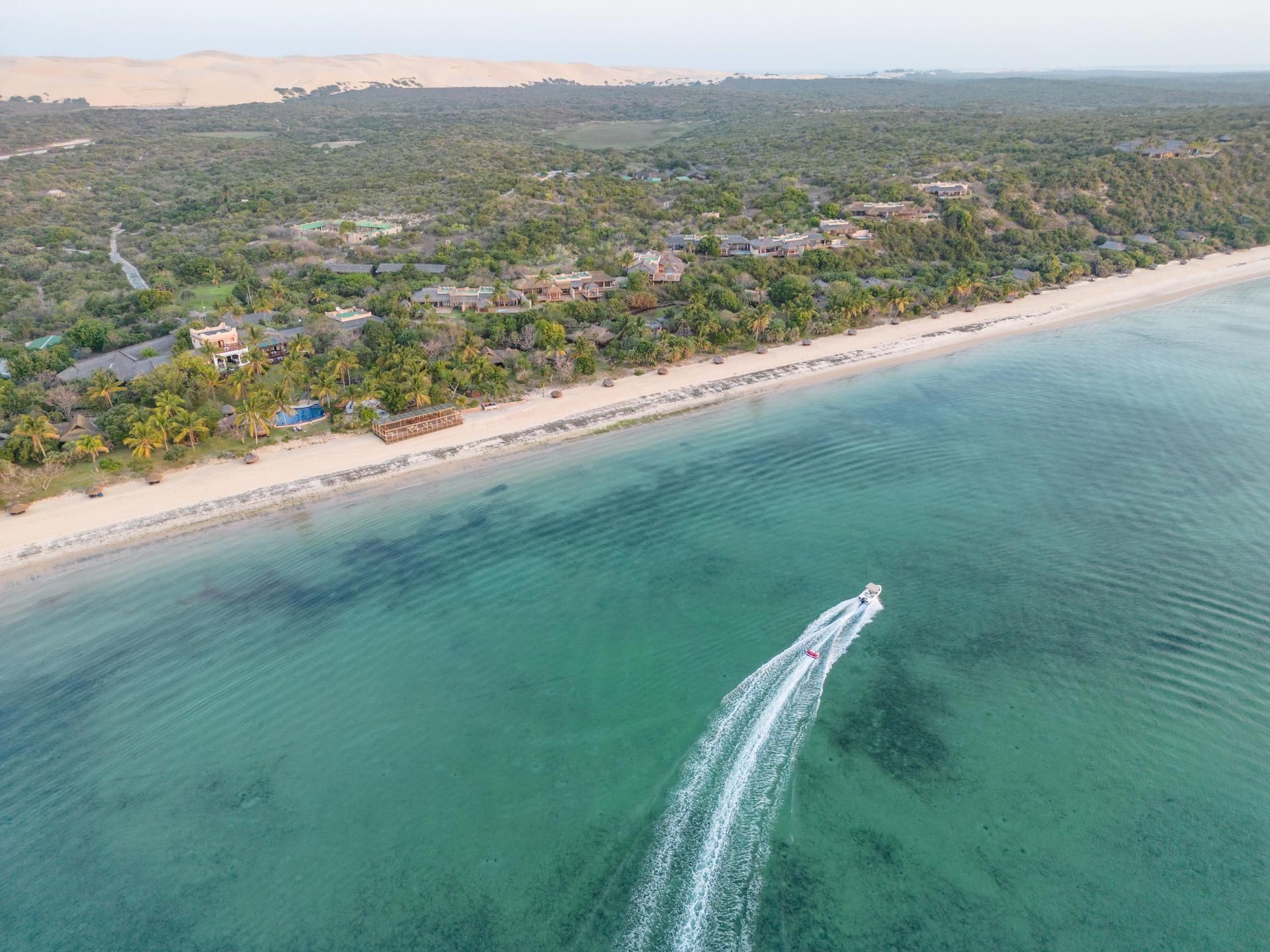
Equally, Mozambique’s beaches vary widely in character. Some island destinations are calm and restorative, while others are shaped by tides, wind, and open-ocean conditions. Without understanding these differences, travellers may choose a beach that feels demanding when they are expecting rest.
Avoiding the wrong Mozambique safari and beach combination requires understanding not just the destinations, but how they interact. Local planning knowledge is essential to align intensity, access, and recovery rather than simply connecting two appealing locations.
Mozambique Seasonality and Why Safari and Beach Timing Often Clash
Seasonality in Mozambique plays a much larger role in safari and beach planning than many travellers expect. Safari conditions are often best during drier months, when wildlife concentrates around water sources and access improves. However, these same periods can coincide with stronger coastal winds, variable sea conditions, or reduced water clarity along parts of the coastline.
Travellers frequently assume that a strong safari season automatically delivers ideal beach conditions. In Mozambique, this is not always the case. Island and coastal experiences are shaped by ocean systems rather than rainfall alone, meaning marine conditions can vary independently of inland safari conditions.
This mismatch is one of the most common reasons Mozambique safari and beach holidays feel unbalanced. A technically excellent Gorongosa safari may be followed by a beach stay that feels less settled than expected, not because the destination is wrong, but because timing was misunderstood.
Successful Mozambique combinations account for these nuances. They may adjust beach choice, reduce activity expectations, or extend stays to allow for flexibility. Understanding Mozambique’s seasonal complexity helps travellers avoid disappointment and appreciate the experience on its own terms rather than through fixed expectations.
Mistake Three: Underestimating Travel Fatigue
Safari and beach combinations involve more internal travel than most holidays. Light aircraft, long drives, border crossings, and boat transfers add up quickly.
Travellers who underestimate this fatigue often feel disappointed by the beach portion, not because the beach is poor, but because they arrive exhausted. This is especially common when beach stays are short.
Avoiding this mistake means allowing breathing space between experiences and choosing beach destinations that do not require excessive onward travel after safari.
Mistake Four: Ignoring Seasonal Mismatch
Safari and beach seasons do not always align. Peak safari conditions may coincide with windier seas, reduced water visibility, or less predictable beach weather.
Many travellers assume that if safari conditions are good, the beach will also be perfect. This is often untrue. A technically excellent safari season can produce a disappointing beach experience if marine conditions are unsuitable.
Understanding seasonal overlap is critical. Avoiding disappointment requires matching expectations to timing rather than forcing combinations that look good on paper.
Mistake Five: Choosing the Wrong Type of Beach After Safari
Not all beaches work equally well after safari. After several days of early mornings, dust, and intense wildlife viewing, many travellers crave simplicity.
Choosing a logistically complex beach, or one that demands constant planning and activity, can feel overwhelming rather than restorative. Conversely, travellers who want contrast may feel bored at very quiet beaches.
Avoiding the wrong choice means being honest about how you want to feel after safari, not how the beach looks online.
Mistake Six: Overloading the Itinerary
Safari and beach holidays often fail because too much is packed into limited time. Multiple safari regions followed by island hopping creates constant movement and little rest.
Africa rewards slower travel. Fewer locations with deeper engagement almost always deliver better experiences than ambitious itineraries that prioritise variety over quality.
If everything feels rushed on paper, it will feel worse in reality.
Mistake Seven: Assuming All Safaris Are the Same
Not all safaris have the same physical or emotional impact. Walking safaris, mobile camps, and predator-heavy regions require more energy than vehicle-based game drives in established reserves.
Failing to account for safari style leads to poor beach choices. A physically demanding safari pairs best with a calm, accessible beach. A relaxed safari allows for a more adventurous beach follow-up.
Understanding safari intensity is essential before selecting a beach.
Mistake Eight: Letting Marketing Drive Decisions
Safari and beach combinations are often sold using emotive language rather than practical detail. Terms like seamless, iconic, or ultimate hide complexity.
Marketing rarely highlights transfer times, weather variability, or energy demands. Travellers who rely on marketing narratives rather than planning logic are more likely to choose combinations that feel wrong.
Avoiding this mistake requires asking practical questions, not aspirational ones.
Mistake Nine: Ignoring Personal Travel Tolerance
Every traveller has a different tolerance for unpredictability, remoteness, and logistical complexity. Some thrive on it. Others find it stressful.
Safari and beach travel amplifies these differences. What feels adventurous to one traveller may feel exhausting to another.
Choosing the right combination requires honest self-assessment rather than copying other people’s itineraries.
Mistake Ten: Planning Without Specialist Input
Safari and beach holidays are not plug-and-play. They involve timing, geography, logistics, and personal preference.
Travellers who plan without specialist input often miss subtle but critical factors. A good specialist does not sell destinations. They design flow.
Avoiding the wrong safari and beach holiday often comes down to having someone stress-test the plan before committing.
Why Specialist Planning Makes the Difference
Safari and beach holidays reward precision. Small decisions around routing, flight timing, lodge sequencing, and seasonality can dramatically change how a trip feels on the ground. This is where specialist input becomes valuable, not because destinations are difficult to choose, but because the interaction between them is easy to misjudge.
A specialist looks beyond headline locations and examines flow. How demanding is the safari in reality. How long does it take to transition from bush to coast. Does the beach destination restore energy or add complexity. Are marine conditions likely to complement the time of year you are travelling. These questions rarely surface when trips are planned in isolation.
Mozambique Travel approaches safari and beach planning by stress-testing itineraries before they are confirmed. We look for points of fatigue, unnecessary transfers, seasonal mismatches, and unrealistic pacing. The aim is not to add more, but to remove friction so the journey feels intuitive rather than effortful.
If you want a safari and beach holiday that feels considered rather than crowded, having an experienced team review and shape the structure before you commit can prevent costly mistakes and ensure the experience delivers what it promises.
Plan Your Trip
Avoiding mistakes is easier than fixing them. Understanding pacing, seasonality, travel effort, and personal preferences upfront reduces risk dramatically.
The Right Combination Feels Balanced, Not Busy
A successful safari and beach holiday feels cohesive rather than crowded. Mozambique Travel focuses on matching safari intensity with beach recovery, realistic routing, and seasonal logic. If you want help avoiding the common pitfalls and designing a safari and beach journey that actually feels right, our team can guide the process with clarity rather than hype.
Featured Packages
Frequently Asked Questions
Why do safari and beach holidays often feel rushed?
They feel rushed when too many destinations are combined without allowing recovery time. Safari travel is intense, and adding complex beach logistics too quickly leads to fatigue rather than relaxation.
Is it better to do safari or beach first?
Most travellers benefit from doing safari first and beach afterward. The beach allows physical and mental recovery, whereas starting with the beach can make safari feel demanding by comparison.
How many days should I allow for the beach after safari?
A minimum of three to four nights is recommended. Shorter stays often feel like recovery time rather than a holiday, especially after intense safari experiences.
Can all safari destinations combine easily with the beach?
No. Some safari regions are far from suitable beaches or require complex routing. Understanding geography and access is essential before committing to a combination.
What is the biggest mistake travellers make with safari and beach trips?
The biggest mistake is prioritising locations over flow. A well-paced, logically connected itinerary delivers a far better experience than an ambitious list of destinations.
SHARE THIS POST
Are You Ready FOr Mozambique?
Page through our packages and find the offer right for you!
Ready to Speak to a Mozambique Travel Expert?
Get In Touch and Ask for a Call-Back Today
Latest Posts
Mainland Coastal Sanctuaries in Vilanculos: Why Mozawi Signals a New Direction for Mozambique Travel