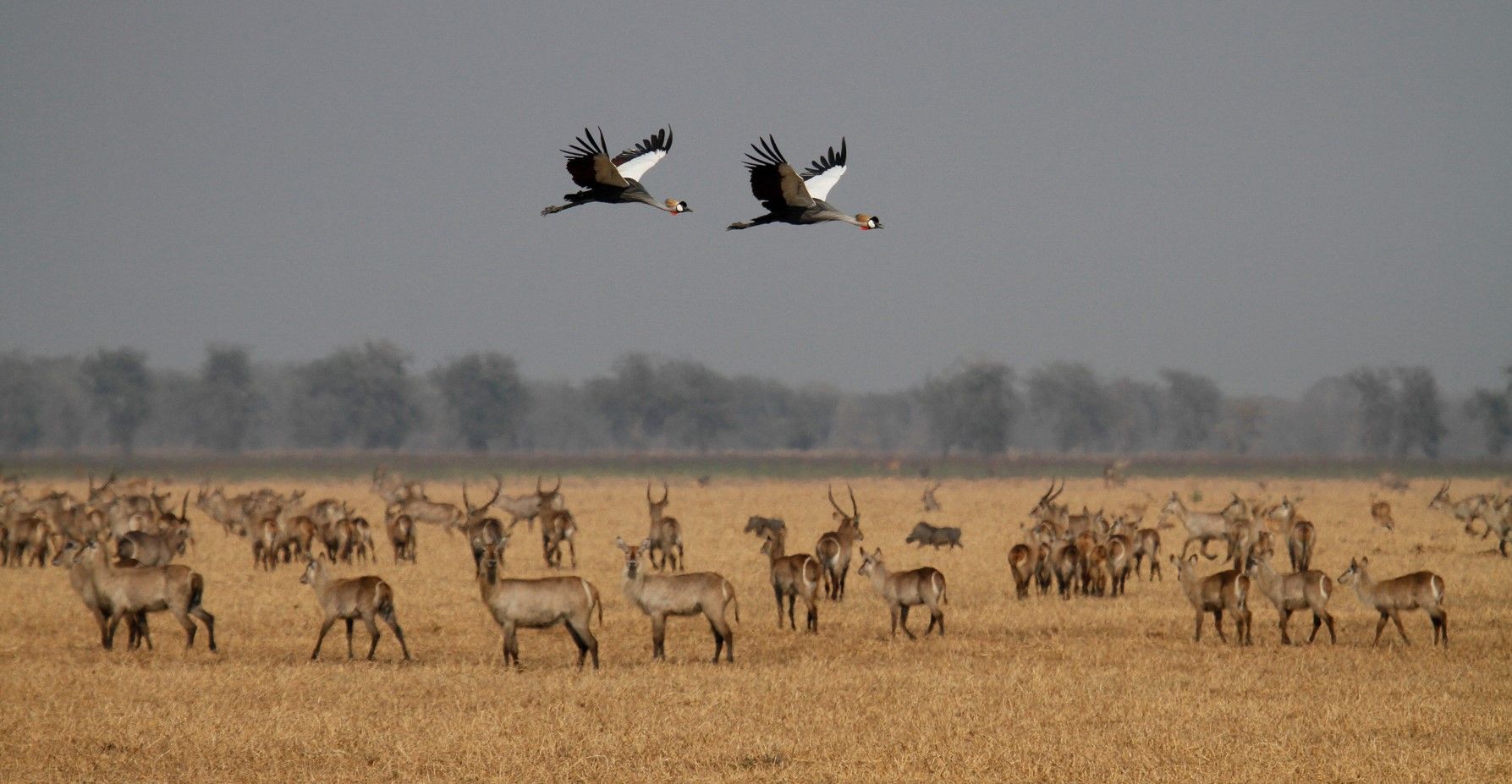


The Future of Marine Conservation in Mozambique: Dugongs, Whale Sharks, and the 2026 Protection Initiatives
By • December 16, 2025
Why Marine Conservation in Mozambique Matters More Than Ever in 2026
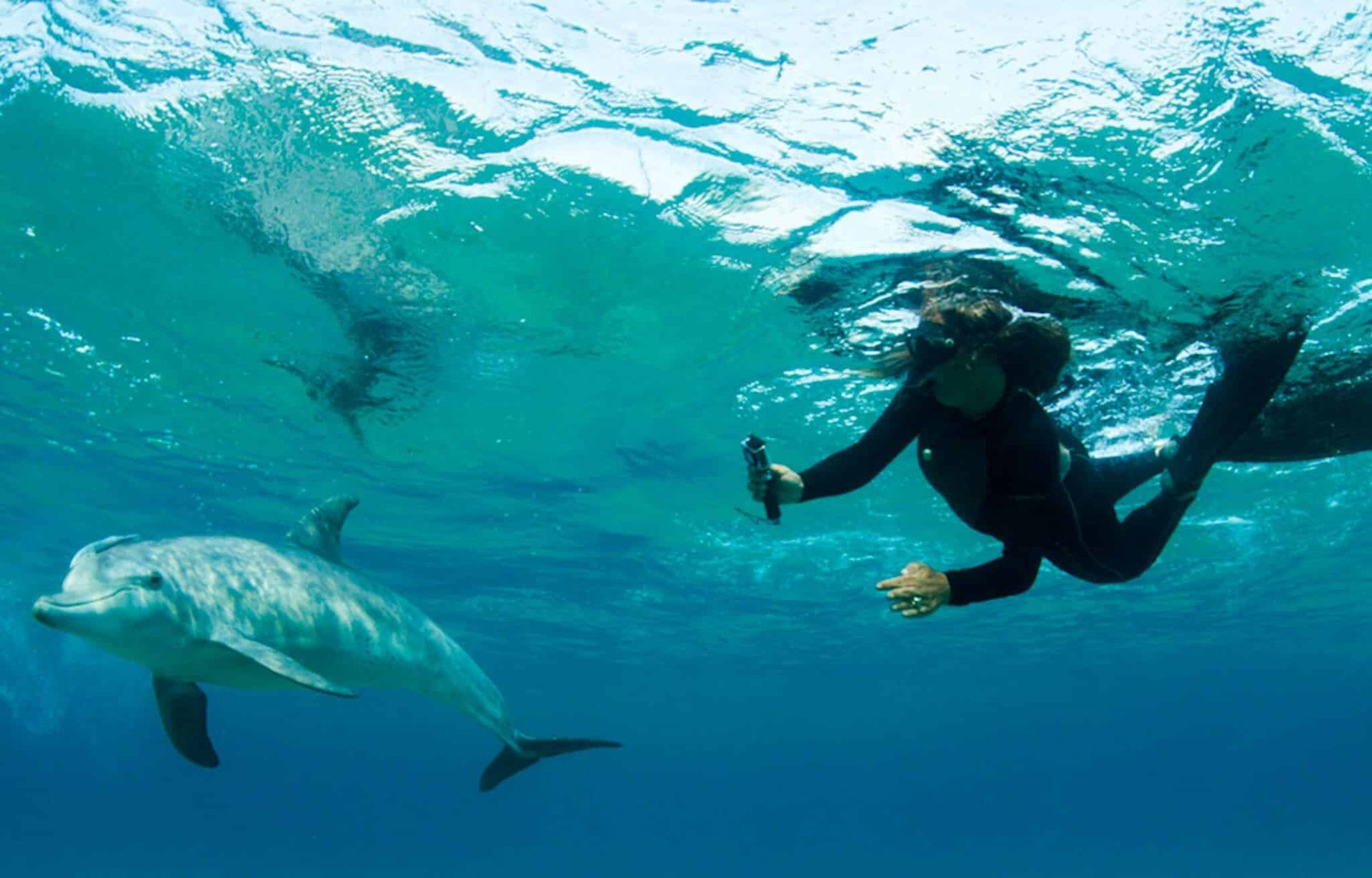
Mozambique has one of Africa’s longest coastlines and one of the Indian Ocean’s most biodiverse marine corridors. Its reefs, seagrass meadows, mangroves, and offshore channels support dugongs, whale sharks, manta rays, turtles, dolphins, and migrating humpback whales, plus the fisheries that feed coastal communities. In 2026, the stakes are higher than ever because Mozambique’s marine ecosystems sit at the intersection of global conservation goals and local livelihoods, with pressure rising from coastal development, expanding fishing effort, warming seas, and plastic pollution.
What makes Mozambique exceptional is that marine conservation here is not just about protecting wildlife. It is also about protecting the building blocks of the coastal economy: healthy reefs that sustain tourism, seagrass that stabilises shorelines and stores carbon, and fish stocks that support daily life. A well protected seascape can deliver long term value, but only if protection is designed to work on the water, not just on paper.
The Species That Define Mozambique’s Marine Future
Three flagship species capture the urgency and opportunity of marine conservation in Mozambique: dugongs, whale sharks, and the wider “marine megafauna” network that includes manta rays, turtles, and dolphins.
Dugongs are a seagrass dependent marine mammal, often called sea cows, and the Bazaruto Archipelago holds East Africa’s last viable population. Multiple scientific and habitat assessments consistently describe this population as the only remaining fairly large dugong population in the Western Indian Ocean, typically estimated in the 250 to 350 range.
Whale sharks, the world’s largest fish, are a major part of Mozambique’s tourism identity, especially around Tofo and the Inhambane coastline. They are also highly vulnerable to bycatch, boat strikes, and unmanaged tourism interactions. Crucially, Mozambique has already taken a major step by protecting whale sharks and manta rays under national regulations tied to commercial fisheries rules, which strengthens enforcement and awareness.
Together, these species act like a barometer. If Mozambique can protect dugongs and whale sharks at scale, it is a strong sign the wider ecosystem is being managed effectively.
Dugongs: Protecting Seagrass, Not Just an Iconic Animal
Dugongs are not “reef animals” in the way many travellers imagine. They depend on healthy seagrass meadows in sheltered bays, and those meadows are extremely sensitive to disturbance. The real dugong conservation challenge is therefore habitat first: seagrass mapping, boat speed management in key areas, reducing net entanglement risk, and preventing coastal pollution that smothers seagrass beds.
In the Bazaruto Archipelago, the dugong story is inseparable from marine park management, community fishing patterns, and enforcement capacity. Habitat science organisations recognise Bazaruto and nearby waters as a critical dugong area, and conservation groups describe these dugongs as regionally significant because other Western Indian Ocean subpopulations are close to local extinction.
For 2026, the direction of travel is clear. Conservation initiatives increasingly emphasise practical threat reduction: improved fisheries governance, safer gear use, and community aligned protection rather than purely tourism messaging. Projects focused on monitoring and protective management around Bazaruto highlight exactly that approach, targeting human induced threats and responsible fisheries over the long term.
Whale Sharks: The Conservation Challenge Tourists Can See
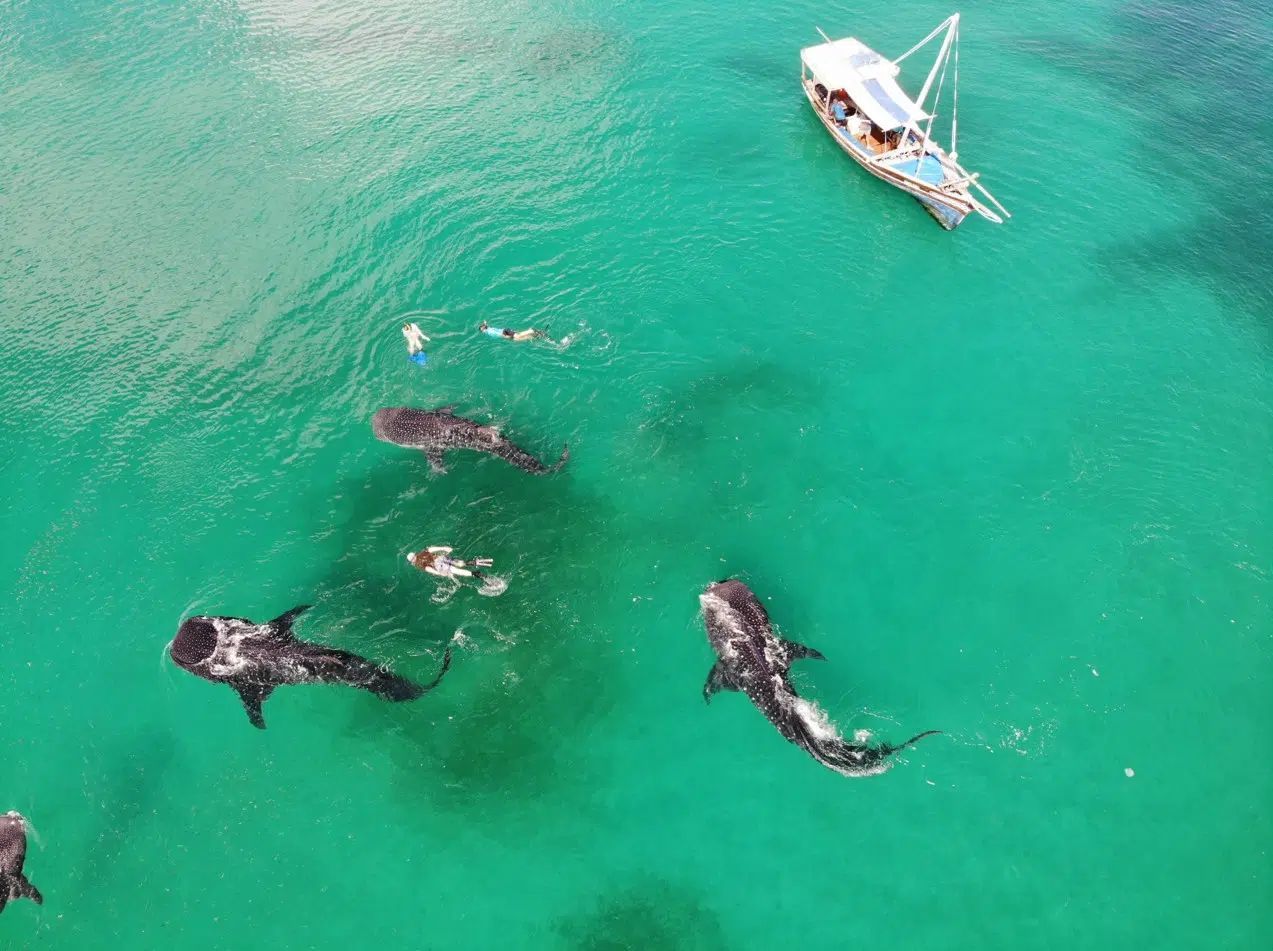
Whale sharks are both a conservation priority and a visible tourism asset. Unlike dugongs, which can be elusive, whale sharks are encountered in open water by snorkelers and divers, which means tourism becomes part of the conservation equation. Done well, tourism provides funding, incentives for protection, and public visibility. Done poorly, it becomes another stressor.
Mozambique’s protective framework for whale sharks and manta rays has already been strengthened through national protections associated with fisheries rules, which conservation organisations credited to long term scientific work and advocacy. This matters because it turns whale shark conservation into an enforceable issue, not a voluntary code.
The 2026 opportunity is to align three moving parts into one system: (1) stronger enforcement against targeted capture and harmful bycatch, (2) consistent, science based interaction guidelines for operators, and (3) visitor education that reduces pressure during encounters. When those elements work together, Mozambique can protect whale sharks while retaining the coast’s reputation for world class marine experiences.
The 2026 Protection Initiatives Shaping Mozambique’s Coast
Mozambique’s marine protection story in 2026 is best understood as a network, not a single park. Several initiatives and protected area strategies are converging:
- Expanding and strengthening protected areas
Mozambique has long established marine protected areas, but multiple planning documents note that overall coverage has historically been low relative to global targets, and the country has committed to broader protection ambitions over time. Spatial planning research highlights the gap and the push toward larger, more effective marine protection by 2030. - Large seascapes and environmental protection areas
Primeiras and Segundas (often referenced as a major environmental protection area) is repeatedly described as one of the largest marine areas in Africa and a focal point for community led conservation and a sustainable blue economy. These kinds of large seascapes matter because migratory species do not respect boundaries, and protection needs to match ecological scale. - Northern conservation declarations and new designations
Recent announcements describe expanding marine protection in the Quirimbas region via an Environmental Protection Area designation, framed as a major increase in protected ocean area along Mozambique’s coastlineThis is highly relevant to 2026 because it signals continued momentum toward broader protected seascapes. - Locally managed marine areas and community enforcement
Evidence from national assessments highlights that Mozambique’s locally managed marine areas are widespread but variable in effectiveness, often depending on whether rules are agreed, implemented, and supported. For 2026, the most promising initiatives are those that link community benefits to compliance, so protection is not experienced as restriction alone.
What “Protection” Actually Looks Like on the Water in 2026
For travellers, protection can sound abstract. In practice, the 2026 marine conservation toolkit in Mozambique tends to be very specific:
Reducing bycatch risk through gear management and seasonal guidance, especially in areas where whale sharks and rays are present.
Protecting seagrass meadows by managing nearshore traffic, discouraging destructive net setting, and reducing sediment and runoff.
Improving operator standards for marine tourism, including approach distances, time limits, and no chase behaviour during whale shark encounters.
Scaling monitoring through partnerships, because data is how managers identify hotspots, threats, and recovery trends over time.
Strengthening financing, training, and on the ground capacity, because protected areas only work when management can respond consistently.
How Responsible Tourism Supports Marine Conservation
Marine conservation is not only driven by government and NGOs. Tourism choices can either amplify protection or undermine it.
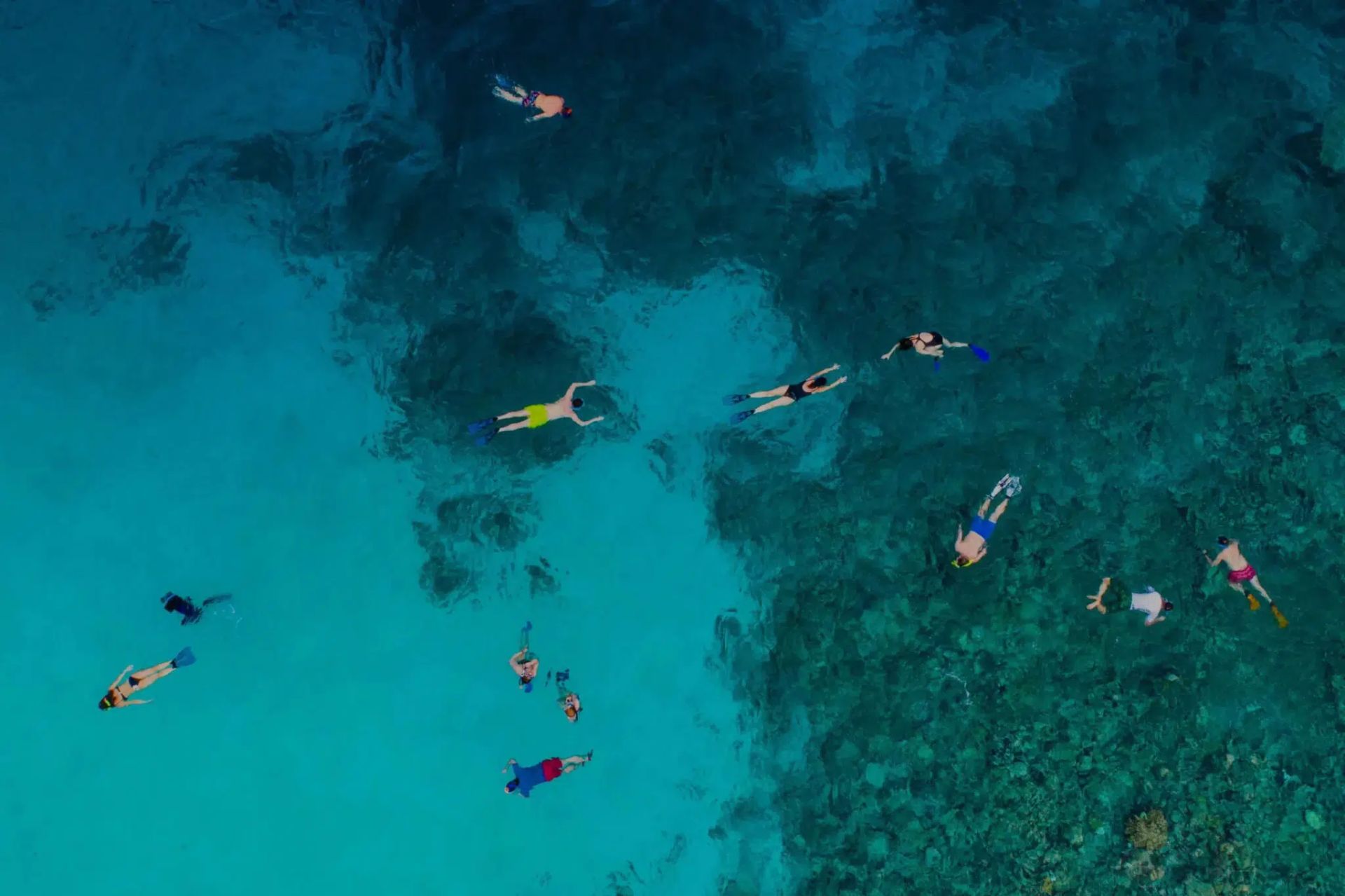
Responsible marine tourism in Mozambique tends to share a few characteristics: licensed operators, conservation aligned practices, and clear briefings before guests enter the water. In whale shark regions, responsible operators respect encounter guidelines and prioritize animal welfare over close contact. In dugong regions, responsible travel supports park fees and community linked conservation outcomes that help reduce pressure on seagrass habitats.
In 2026, travellers increasingly want two things at the same time: extraordinary wildlife encounters and reassurance that their presence is not adding harm. That is where specialist planning becomes valuable, matching guests with the right locations and responsible partners.
Where Dugongs and Whale Sharks Fit Into a Bigger Conservation Story
Mozambique’s biggest marine conservation advantage is that it still has intact, functioning systems in many areas. The Bazaruto Archipelago remains a dugong stronghold and a marine megafauna sanctuary, while the Inhambane coastline is internationally known for whale sharks and rays, and northern seascapes are gaining stronger formal recognition through expanding protection frameworks.
The future in 2026 is not only about “more protected areas”. It is about more effective protection: well defined rules, community cooperation, adequate enforcement, and reliable financing, paired with visitor experiences that generate value without degrading the resource.
Plan a 2026 Mozambique Marine Conservation Journey
If you want to experience Mozambique’s marine life responsibly in 2026, Mozambique Travel can help you choose the right coast or island base, the best seasonal window, and trusted operators who follow conservation aligned practices. With over 20 years of experience planning Mozambique holidays, our team designs itineraries that balance exceptional snorkelling and ocean wildlife encounters with low impact travel choices and seamless logistics. Speak to Mozambique Travel to plan a trip that supports the future of Mozambique’s ocean life.
Featured Packages
Frequently Asked Questions
Where are the best places to see dugongs in Mozambique in 2026?
The Bazaruto Archipelago is widely recognised as Mozambique’s dugong stronghold, supported by extensive seagrass habitat and formal marine protection. Dugongs are elusive, so sightings are never guaranteed, but the region remains the best chance in the country. Travel choices matter, including respectful operators and low impact boating in seagrass areas.
Are whale sharks protected in Mozambique, and what does that mean for travellers?
Yes, whale sharks are protected under Mozambique’s regulatory framework, alongside manta and mobula rays, which supports enforcement and conservation awareness. For travellers, this protection should translate into better operator standards, reduced harm from fishing pressure, and clearer guidelines during encounters. Always choose reputable operators that brief guests and follow responsible approach behaviour.
What are the biggest threats to dugongs and seagrass habitats?
The main threats are entanglement in nets, habitat loss or degradation of seagrass beds, boat strikes, and coastal pollution that increases sediment and reduces seagrass health. Because dugongs are tied to seagrass, protecting habitat is as important as protecting the animals. Effective conservation in 2026 prioritises fisheries governance and community aligned protection in key dugong areas.
How is Mozambique expanding marine protection for 2026 and beyond?
Mozambique’s marine protection direction includes expanding large seascapes and improving protected area coverage and effectiveness, aligned with broader international targets. Recent reporting highlights increased protection designations in northern Quirimbas, while major areas like Primeiras and Segundas remain central to community led conservation and sustainable blue economy work. Progress depends on financing, enforcement, and local participation.
s whale shark tourism in Mozambique ethical, and how can couples or families do it responsibly?
It can be ethical when operators follow strict encounter rules, avoid crowding, and prioritise animal welfare over close contact. Responsible trips include clear briefings, controlled time in the water, and no chasing or blocking the animal’s path. Families and couples should select licensed operators, travel in calmer seasons, and accept that respectful encounters may be shorter but better for conservation.
How can travellers support marine conservation in Mozambique without donating to a project?
Travellers support conservation by choosing reputable lodges and operators that comply with guidelines, paying park or marine fees where applicable, reducing plastic use, and avoiding wildlife interactions that pressure animals. Booking through specialists who understand conservation linked partners can also improve impact. Over time, responsible tourism helps keep marine wildlife economically valuable alive rather than exploited.
SHARE THIS POST
Are You Ready FOr Mozambique?
Page through our packages and find the offer right for you!
Ready to Speak to a Mozambique Travel Expert?
Get In Touch and Ask for a Call-Back Today
Latest Posts

Mainland Coastal Sanctuaries in Vilanculos: Why Mozawi Signals a New Direction for Mozambique Travel