

Things People Wish They Knew Before Visiting Mozambique
By • April 17, 2026
Why Mozambique Feels Different From Other Beach and Safari Destinations
Mozambique often surprises first-time visitors, not because it is difficult, but because it does not behave like more commercialised destinations. Travellers arrive expecting polished infrastructure, predictable beach conditions, and easy movement between regions. What they encounter instead is a country shaped by distance, nature, and rhythm.
Mozambique rewards patience more than efficiency. Journeys take time. Days unfold slowly. Weather and tides influence plans. This is not a flaw, but it does require a shift in mindset. Travellers who expect everything to run on fixed schedules often feel unsettled. Those who accept flexibility usually leave deeply satisfied.
Many people later say they wish they had known that Mozambique is not about squeezing in experiences. It is about letting experiences come to you.
The Distance Between Places Is Greater Than It Looks
One of the most common surprises is how far apart destinations actually are. On a map, Mozambique’s coastline looks compact. In reality, roads are long, conditions vary, and travel often takes longer than expected.
Transfers between safari areas and beach destinations are rarely quick. Light aircraft, boat transfers, and long drives are common. This makes careful sequencing essential. Trying to combine too many places in a short time is one of the most frequent regrets travellers mention afterward.
Many people wish they had planned fewer locations and stayed longer in each.
Mozambique Is Not a Resort-First Destination
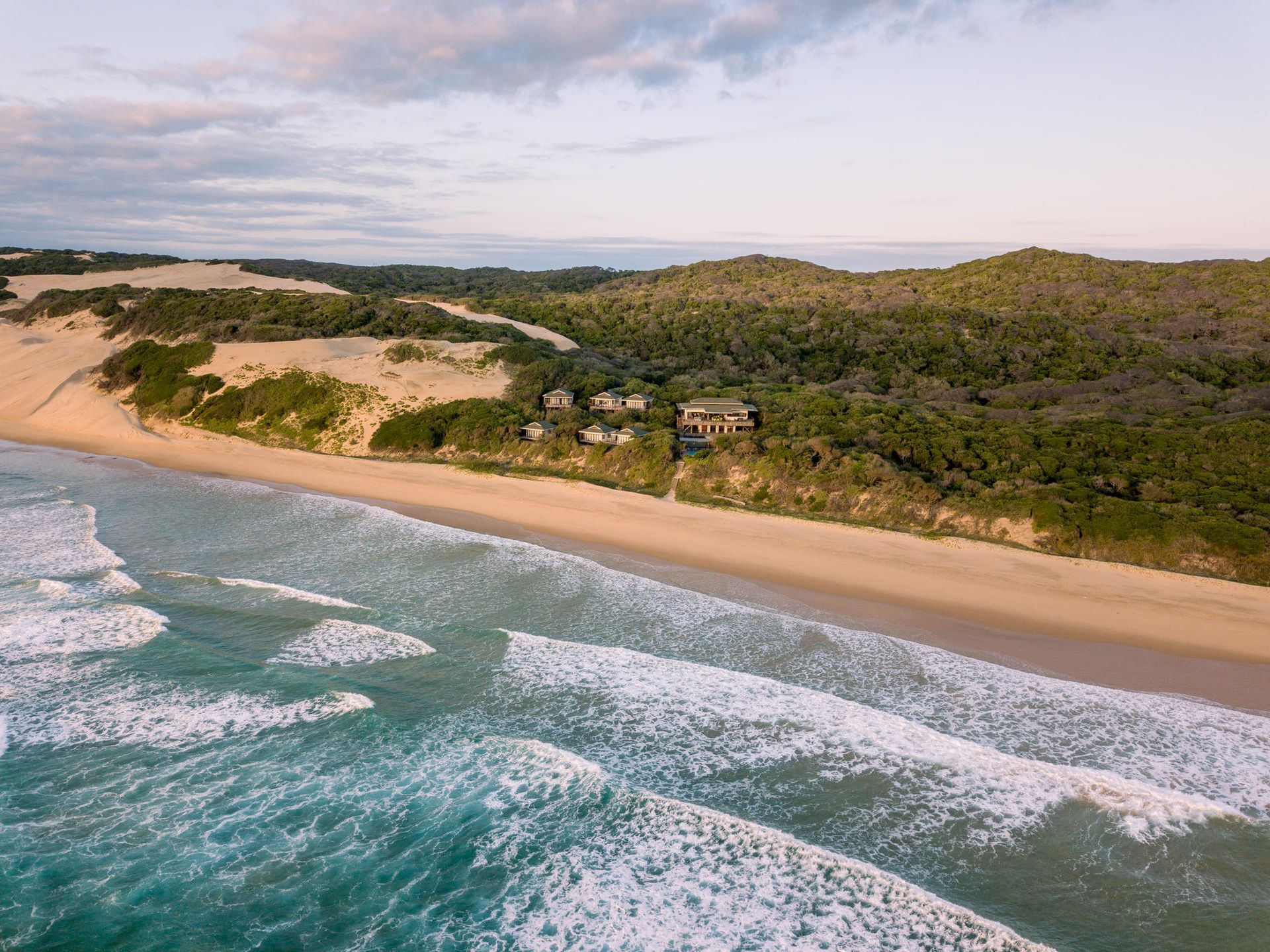
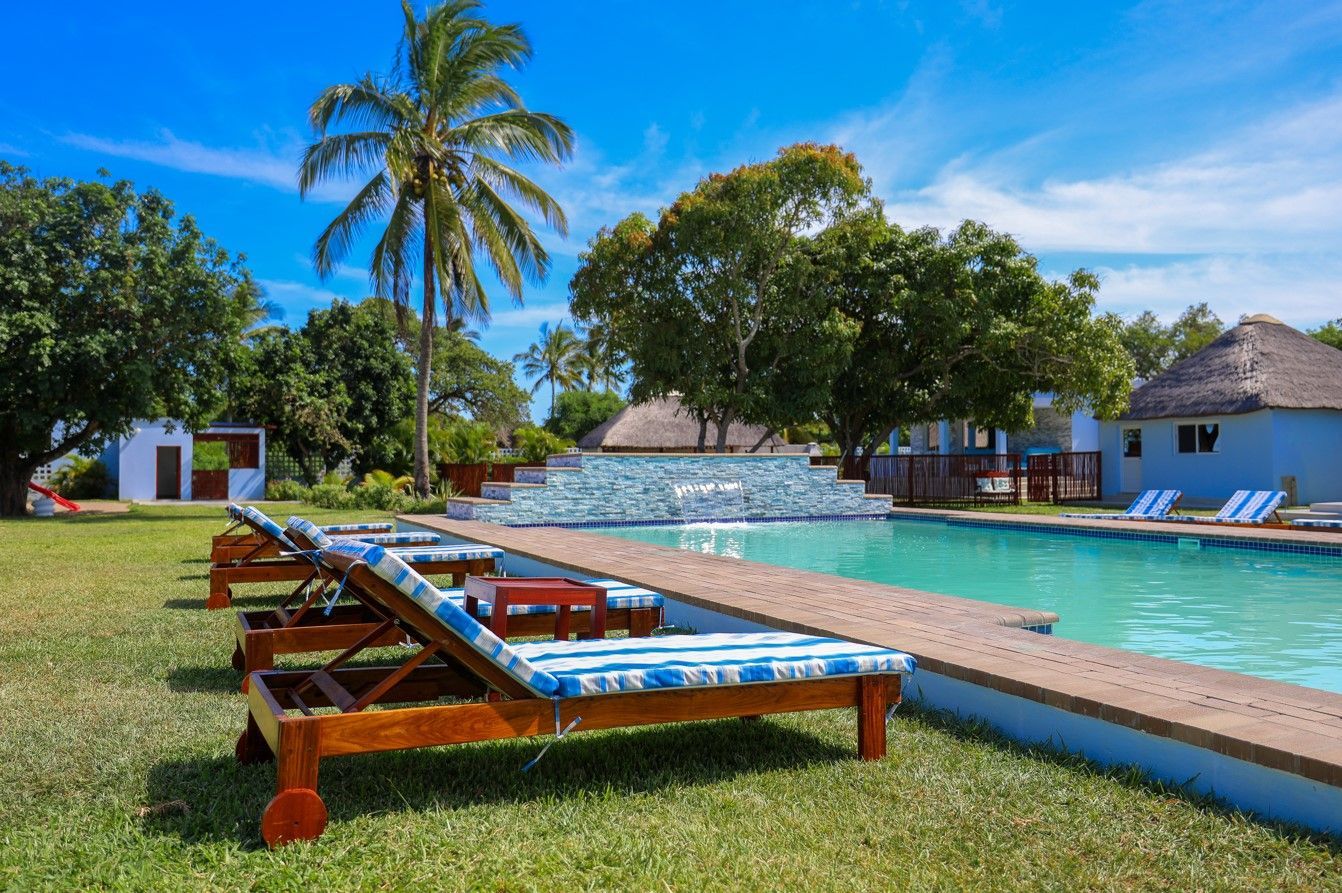
Mozambique does not revolve around mass tourism. Outside a few hubs, accommodation is low-density, supply chains are limited, and service styles are more personal than polished.
This creates an experience that feels authentic rather than choreographed. However, travellers who expect resort-style convenience everywhere often feel disappointed. Power outages, limited menu options, and slower service are not signs of poor quality. They are part of operating in remote coastal and conservation areas.
Those who embrace this reality tend to appreciate Mozambique far more.
Beaches Are Shaped by Nature, Not Predictability
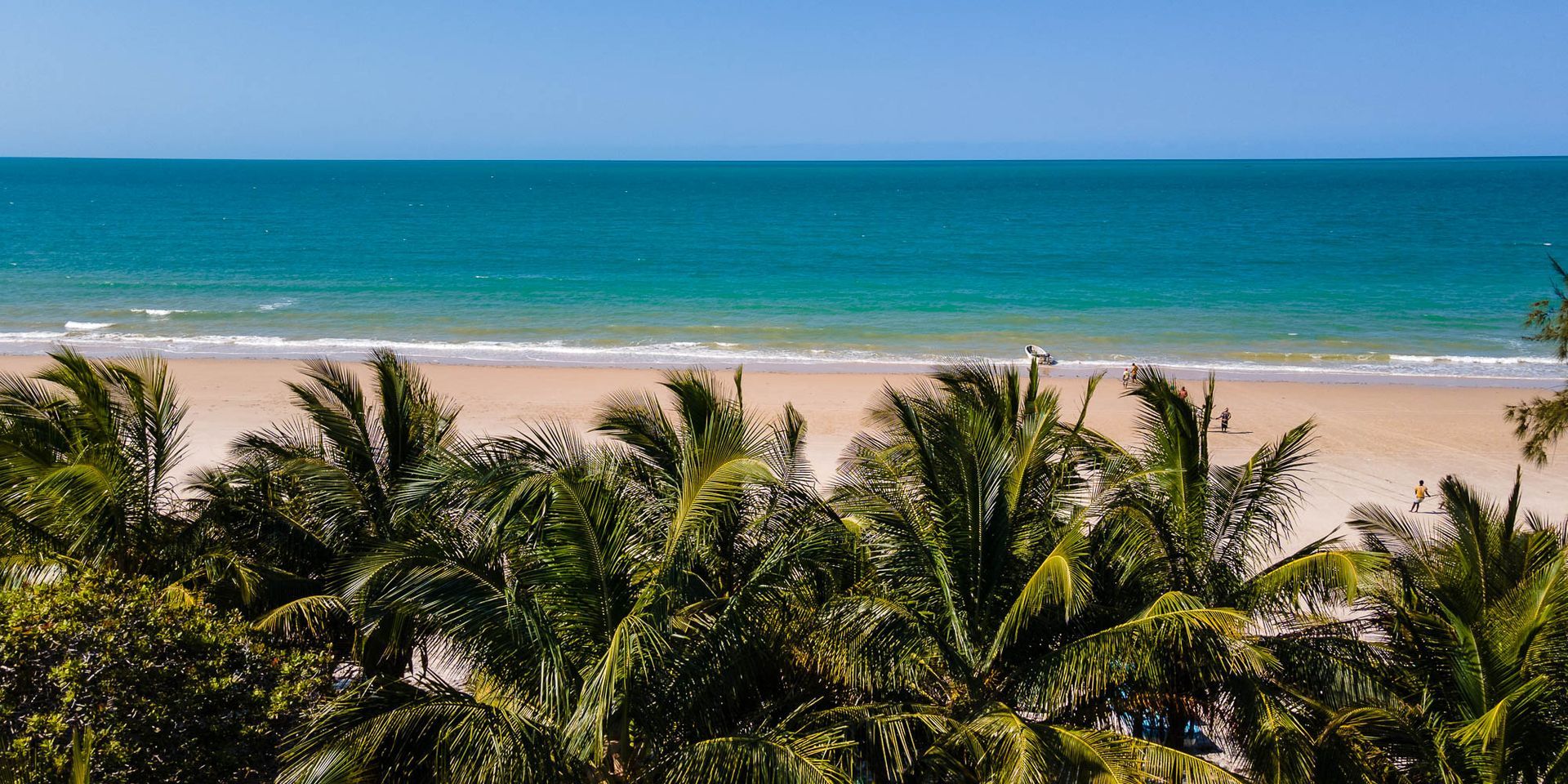
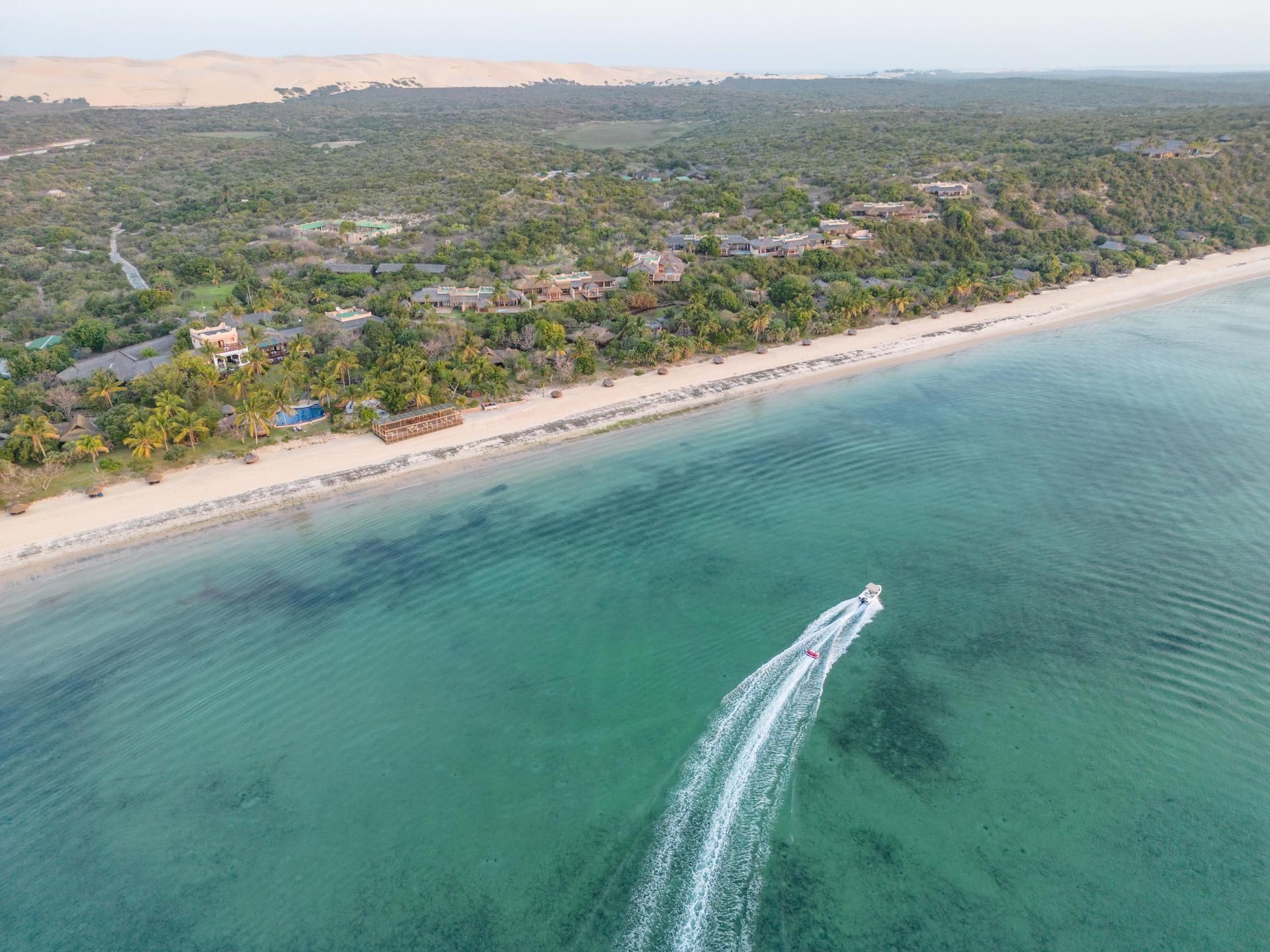
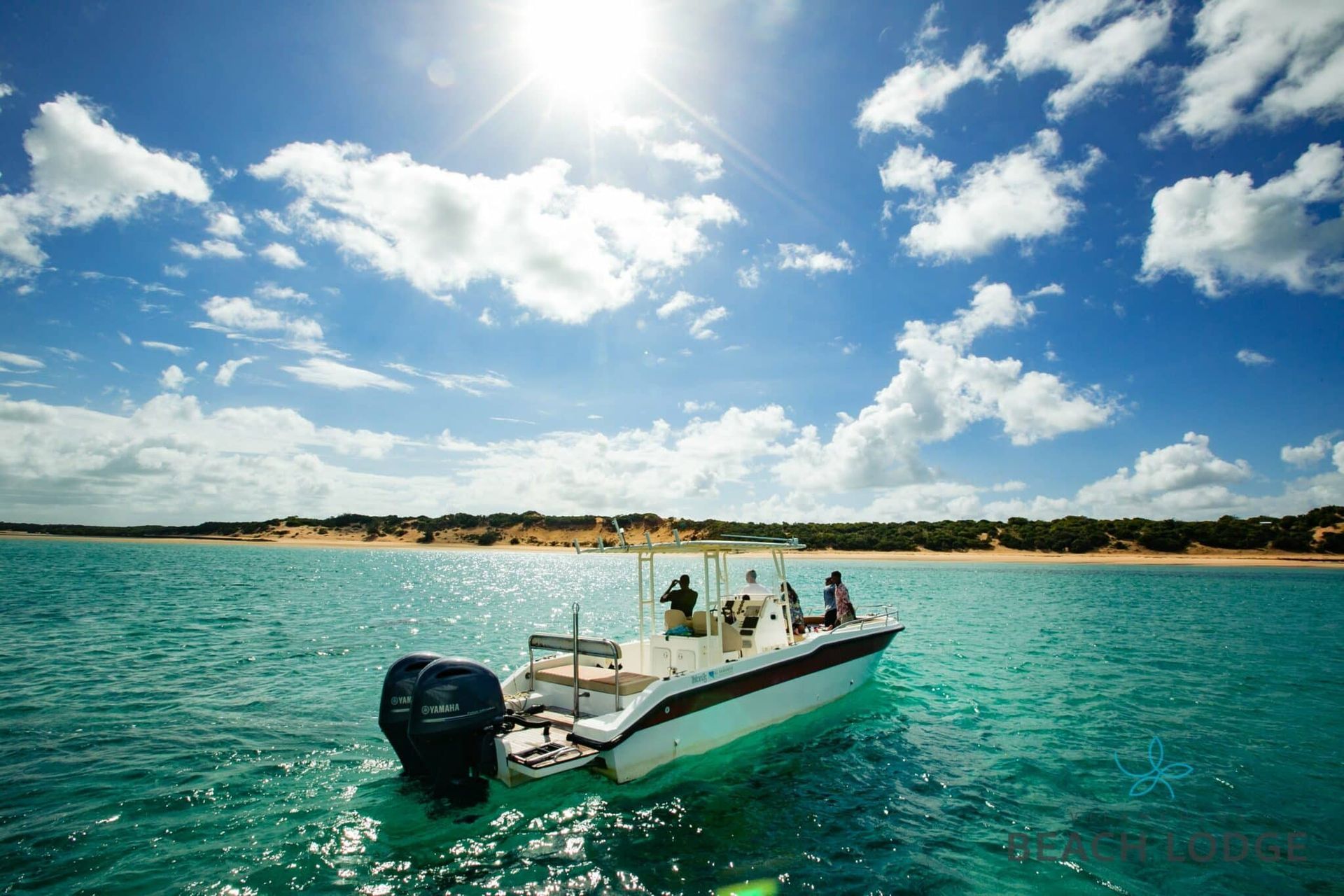
Many travellers arrive expecting calm, clear water every day. Mozambique’s beaches are beautiful, but they are shaped by tides, wind, and ocean systems rather than protected lagoons.
Some days offer perfect swimming. Others are better for walking, boating, or simply watching the sea. Water clarity changes with plankton levels, which also attract whale sharks, manta rays, and other marine life.
People often say they wish they had known that wildlife-rich oceans are not always postcard-clear.
Marine Experiences Are Seasonal and Ethical
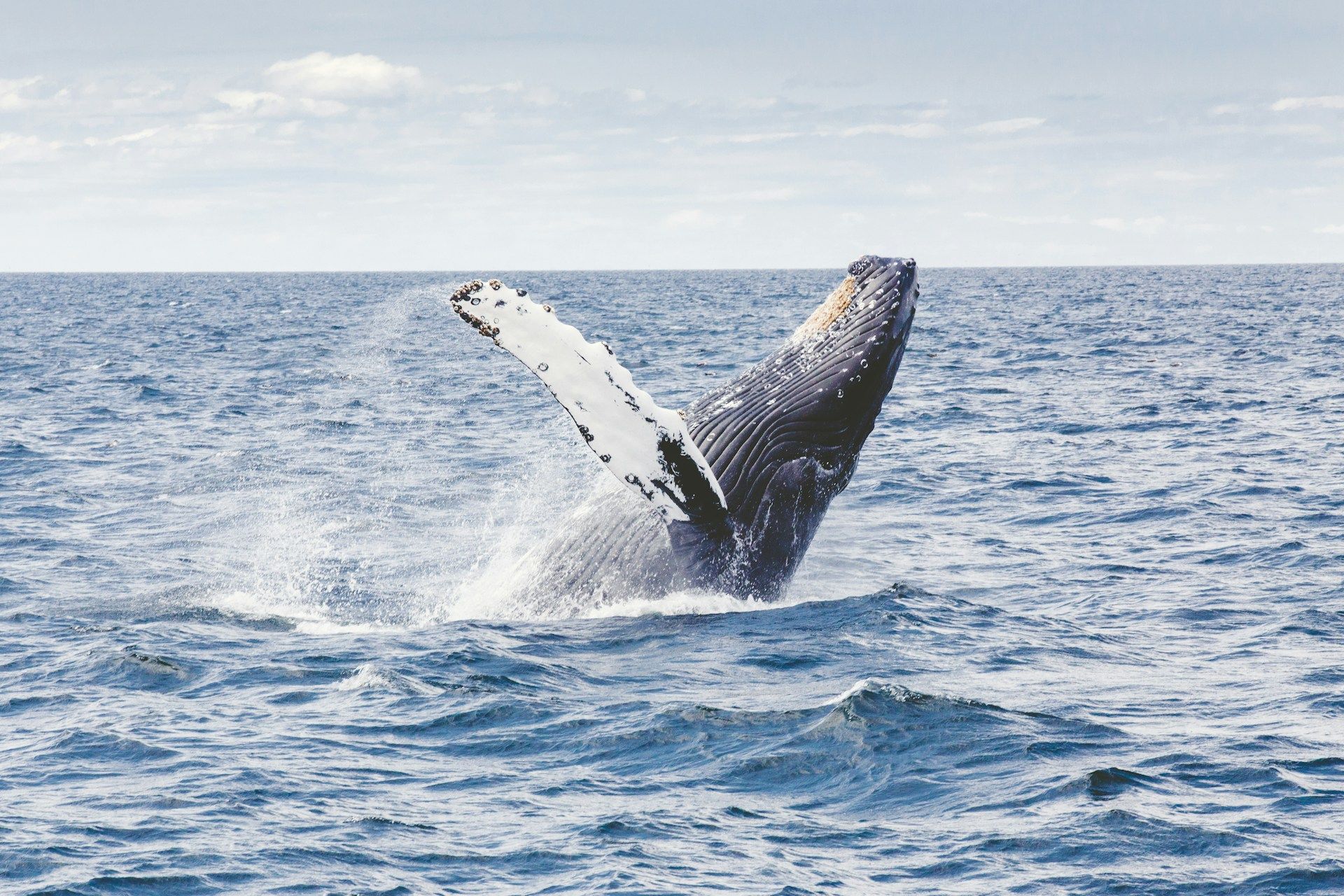
Whale sharks, dugongs, turtles, and whales are part of Mozambique’s appeal, but sightings are never guaranteed. They depend on season, conditions, and animal behaviour.
Mozambique deliberately avoids over-commodifying marine life. Ethical operators cancel trips when conditions are unsuitable and limit interactions when animals appear stressed. This protects wildlife but can surprise travellers expecting certainty.
Those who value conservation usually appreciate this approach once they understand it.
Cash, Connectivity, and Payments Require Planning
Mozambique is improving rapidly, but cash is still important in many regions. ATMs are limited outside major towns, and card facilities are not universal.
Mobile connectivity varies. Some coastal and island areas have limited signal. This is often welcomed by travellers seeking digital detox, but it can be unsettling if unexpected.
Travellers frequently wish they had planned connectivity expectations more realistically before arriving.
Language and Communication Are Friendlier Than Expected
Portuguese is the official language, but English is widely spoken in tourism areas. Communication issues are far less common than travellers fear.
Mozambicans are generally warm, patient, and helpful. Politeness and respect go a long way. Many travellers say they underestimated how welcoming everyday interactions would be.
Safety Is About Context, Not Fear
Safety concerns often dominate pre-trip research for Mozambique, yet most visitors report feeling comfortable and at ease once they arrive. Tourism in Mozambique typically operates within clearly defined environments, where travel is structured around pre-arranged transfers, known routes, and trusted accommodation partners. Guests are rarely navigating unfamiliar situations independently, especially in coastal and safari regions.
Risk in Mozambique is managed through preparation rather than avoidance. Choosing reputable lodges, using organised transfers, limiting unnecessary night travel, and following local guidance significantly reduce exposure to issues. These practical measures matter far more than broad generalisations or online commentary.
Many travellers later reflect that they spent too much time worrying before arrival and not enough time understanding how travel actually works on the ground. Once in Mozambique, the rhythm of daily life, the presence of guides and hosts, and the predictability of tourism routines tend to replace anxiety with confidence and calm.
Food Is Simple, Fresh, and Regional
Mozambique’s cuisine is understated rather than elaborate, but it is consistently fresh and satisfying. Coastal menus are dominated by seafood, often caught locally and prepared with minimal intervention, allowing flavours to speak for themselves. Peri-peri, citrus, coconut, and subtle Portuguese influences shape many dishes without overwhelming them.
Travellers expecting extensive international menus or constant variety may initially find options limited, particularly in remote lodges or island settings. However, those who approach meals as part of the local experience usually come to appreciate the quality and simplicity of what is offered. Portions are generous, ingredients are seasonal, and meals are often unhurried social moments rather than quick transactions.
Many people later say they wish they had embraced local food expectations sooner, recognising that consistency, freshness, and context matter more than choice when travelling in Mozambique.
Time Feels Different Here
Mozambique operates on a slower rhythm than many travellers are used to. Days unfold gradually, plans adapt to weather and conditions, and schedules are more flexible than fixed. For visitors accustomed to tightly planned itineraries and constant activity, this can feel disorienting at first.
Over time, however, this slower pace often becomes one of the most memorable aspects of the journey. Without pressure to move quickly or maximise every hour, travellers find themselves more present and attentive to their surroundings. Conversations last longer, meals stretch into afternoons, and days feel fuller despite fewer formal activities.
Many travellers later reflect that they spent the first part of their trip adjusting, only to realise that slowing down was the point. They often wish they had allowed themselves to adopt this rhythm sooner instead of resisting it.
Safari in Mozambique Is About Recovery, Not Volume
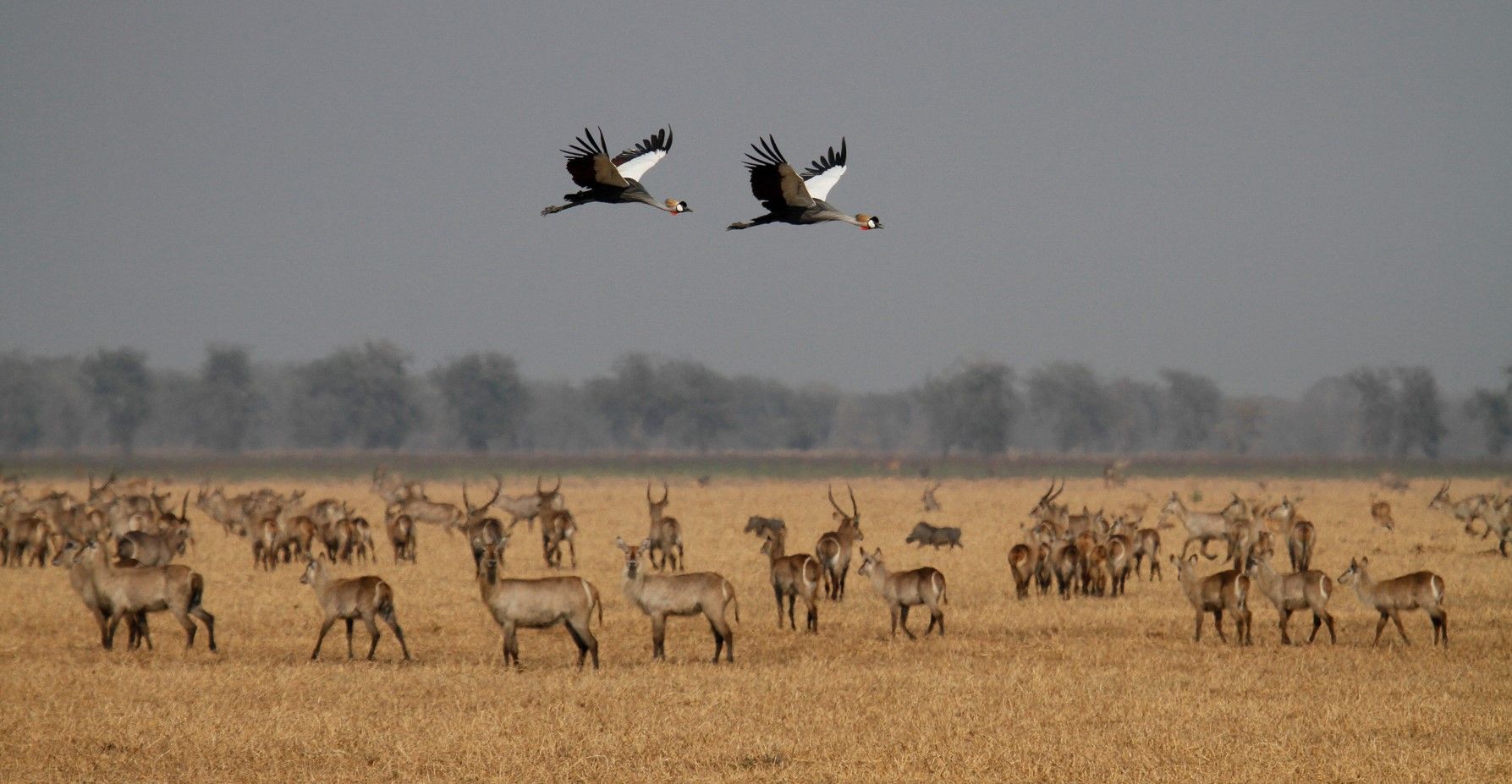
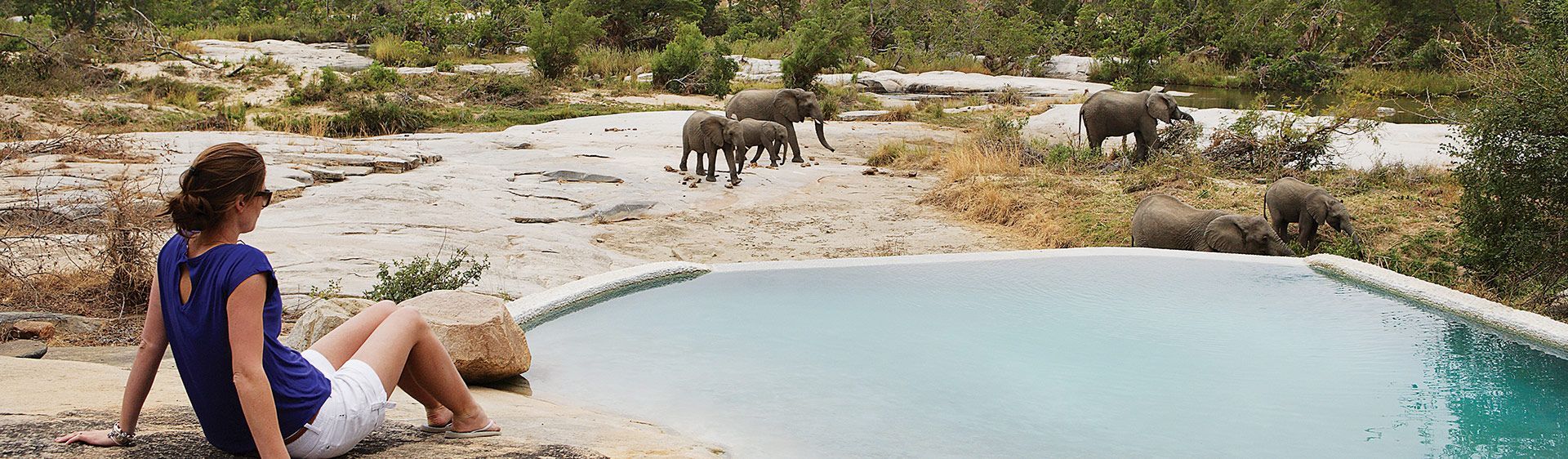
Safari experiences in Mozambique are shaped by conservation, landscape, and long-term ecological recovery rather than by volume of sightings. Parks and reserves focus on restoring habitats, reintroducing species, and protecting biodiversity, which creates meaningful but sometimes subtle wildlife encounters.
Travellers expecting constant action or dense game concentrations may initially feel uncertain if they are unfamiliar with this context. However, those who understand Mozambique’s conservation-led approach often find the experience more reflective and rewarding. Wildlife encounters feel earned, landscapes feel alive, and the broader story of recovery adds depth to each sighting.
Knowing this in advance helps align expectations. Mozambique’s safari value lies in immersion and context, not in ticking off species lists at speed.
Planning Matters More Than Budget
Mozambique consistently rewards thoughtful planning more than high expenditure. Well-timed, well-sequenced itineraries that respect distances, seasonality, and travel pace almost always outperform expensive trips that lack structure. The quality of experience is shaped more by flow than by star ratings.
Travellers who rush between regions or underestimate travel time often feel fatigued, regardless of budget. Those who plan fewer stops, allow breathing space, and choose destinations suited to the season tend to have richer, calmer experiences.
Many travellers later say they wish they had invested more energy into understanding timing, logistics, and pacing rather than comparing accommodation tiers. In Mozambique, how you travel matters more than how much you spend.
Plan Your Trip
Understanding Mozambique before you arrive transforms the experience. When expectations match reality, the country feels welcoming, absorbing, and deeply rewarding. Thoughtful preparation allows you to relax into the rhythm of the place rather than push against it, making the journey calmer, more connected, and far more memorable.
Featured Packages
Frequently Asked Questions
What do most travellers wish they knew before visiting Mozambique?
Most travellers wish they had understood how different Mozambique feels from resort-focused destinations. Distances are longer, plans change with weather, and experiences unfold more slowly. Those who expect flexibility, variable conditions, and nature-led travel tend to enjoy Mozambique far more than travellers seeking predictability, fast movement, or tightly scheduled days throughout their entire trip.
Is Mozambique a good destination for first-time Africa travellers?
Mozambique can work well for first-time Africa travellers when trips are planned carefully. Choosing the right regions, arranging transfers in advance, and understanding seasonal conditions makes a major difference. Travellers who enjoy slower travel, smaller lodges, and authentic experiences usually adapt quickly, while those expecting mass tourism infrastructure may need time to adjust expectations.
How safe does Mozambique feel once you arrive?
Most visitors report feeling comfortable in Mozambique once they arrive, especially in coastal and safari regions. Travel is typically organised through lodges, guides, and pre-arranged transfers, which reduces uncertainty. Practical awareness, local advice, and reputable planning matter more than headlines, helping travellers feel relaxed and confident during their stay.
Why Knowing These Things Changes Everything
Mozambique is not difficult, but it is different. Travellers who arrive informed tend to relax quickly and connect deeply with the place. Those who arrive expecting familiarity often take longer to adjust. Mozambique Travel helps travellers plan with realism, clarity, and local insight. If you want to visit Mozambique with expectations aligned to reality rather than marketing imagery, our team can help you plan a journey that feels grounded, safe, and genuinely rewarding from the start.
SHARE THIS POST
Are You Ready FOr Mozambique?
Page through our packages and find the offer right for you!
Ready to Speak to a Mozambique Travel Expert?
Get In Touch and Ask for a Call-Back Today
Latest Posts
Mainland Coastal Sanctuaries in Vilanculos: Why Mozawi Signals a New Direction for Mozambique Travel