Whale Shark Season in Mozambique 2026: When and Where to See Them
By • March 19, 2026

Understanding Whale Shark Season in Mozambique
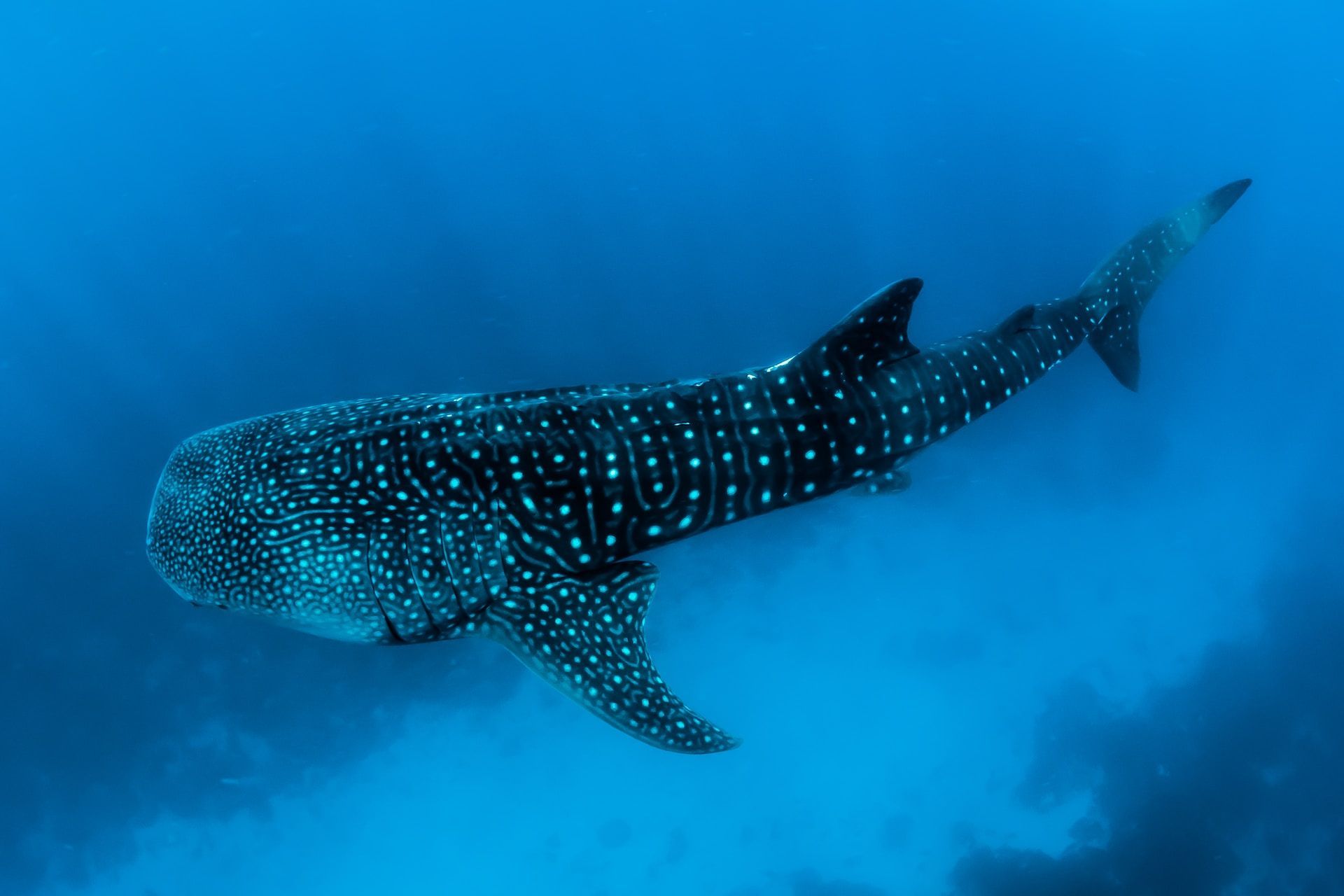
Mozambique has earned a global reputation as one of the most reliable destinations for encountering whale sharks in open ocean conditions. Unlike destinations where sightings depend on artificial aggregation or reef-based encounters, Mozambique’s whale shark season is driven by natural marine cycles. These gentle giants follow plankton-rich currents along the coastline, appearing when feeding conditions align rather than according to fixed migration routes. For travelers in 2026, this creates an experience that feels authentic, unscripted, and deeply connected to ocean ecology rather than tourism schedules.
When Is Whale Shark Season in Mozambique for 2026?
Whale shark sightings in Mozambique are possible year-round, but the most consistent season runs from October through March. For 2026, this period remains the prime window due to warmer sea temperatures, increased plankton blooms, and favorable offshore conditions. December, January, and February typically deliver the highest sighting frequency, with plankton concentrations drawing whale sharks closer to the surface where encounters are possible.
October and November often offer quieter conditions with fewer travelers, while March can still produce excellent sightings before seasonal shifts reduce visibility and plankton density. Because whale shark encounters are never guaranteed, allowing multiple ocean days significantly improves the overall experience.
Where to See Whale Sharks Along the Mozambican Coast
Southern and central Mozambique provide the most reliable whale shark encounters. The Inhambane coastline, particularly around Tofo, is internationally recognized for consistent sightings supported by experienced skippers and long-standing marine research initiatives. These waters intersect major feeding zones, making them a focal point for whale shark activity during peak months.
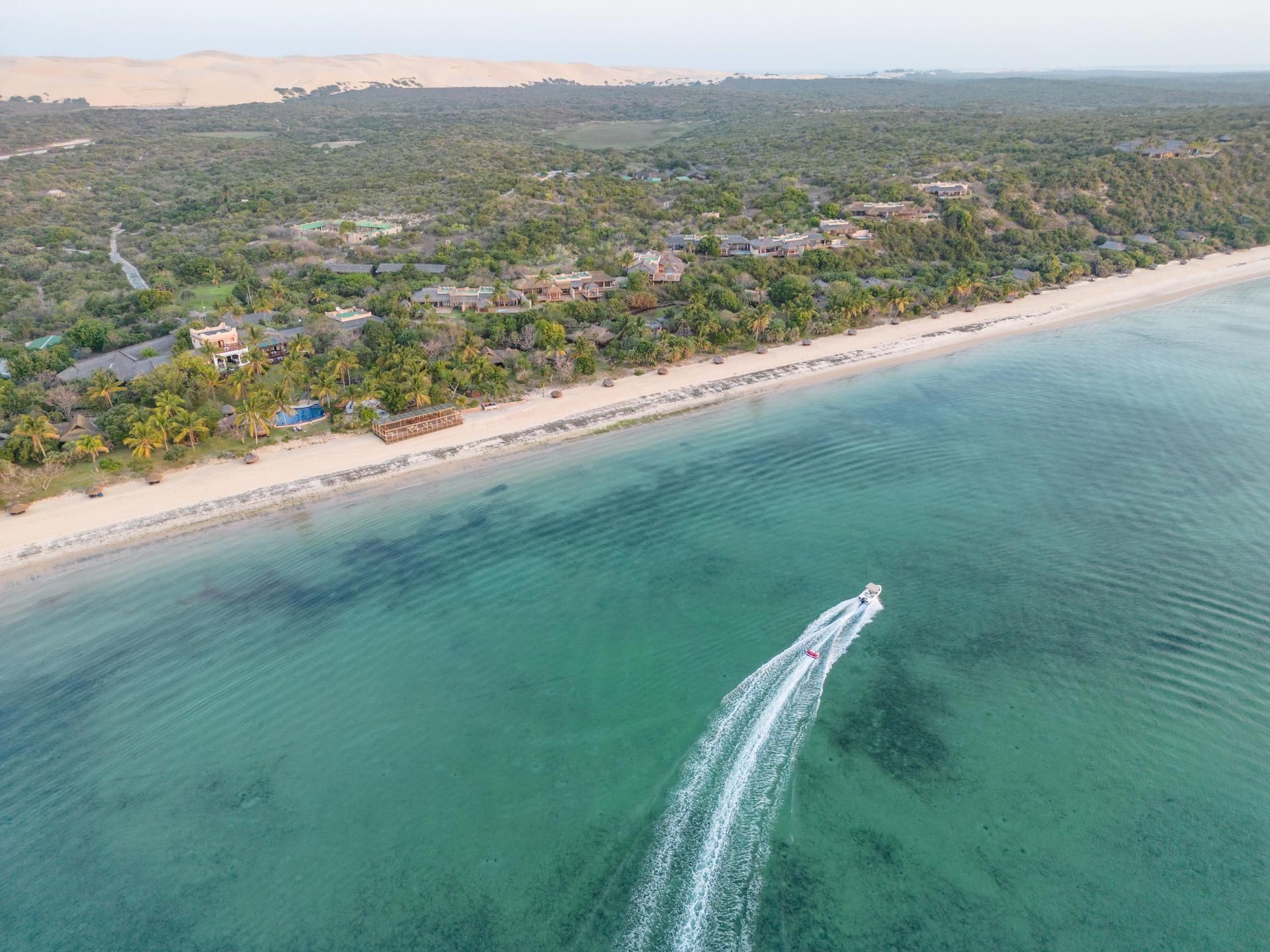
Further north, the Vilanculos region and surrounding offshore waters near the Bazaruto Archipelago also see seasonal whale shark activity. While sightings here are less predictable than in Inhambane, they offer the advantage of pairing marine encounters with island-based stays, protected marine reserves, and low-density tourism environments.


What a Whale Shark Encounter Typically Involves
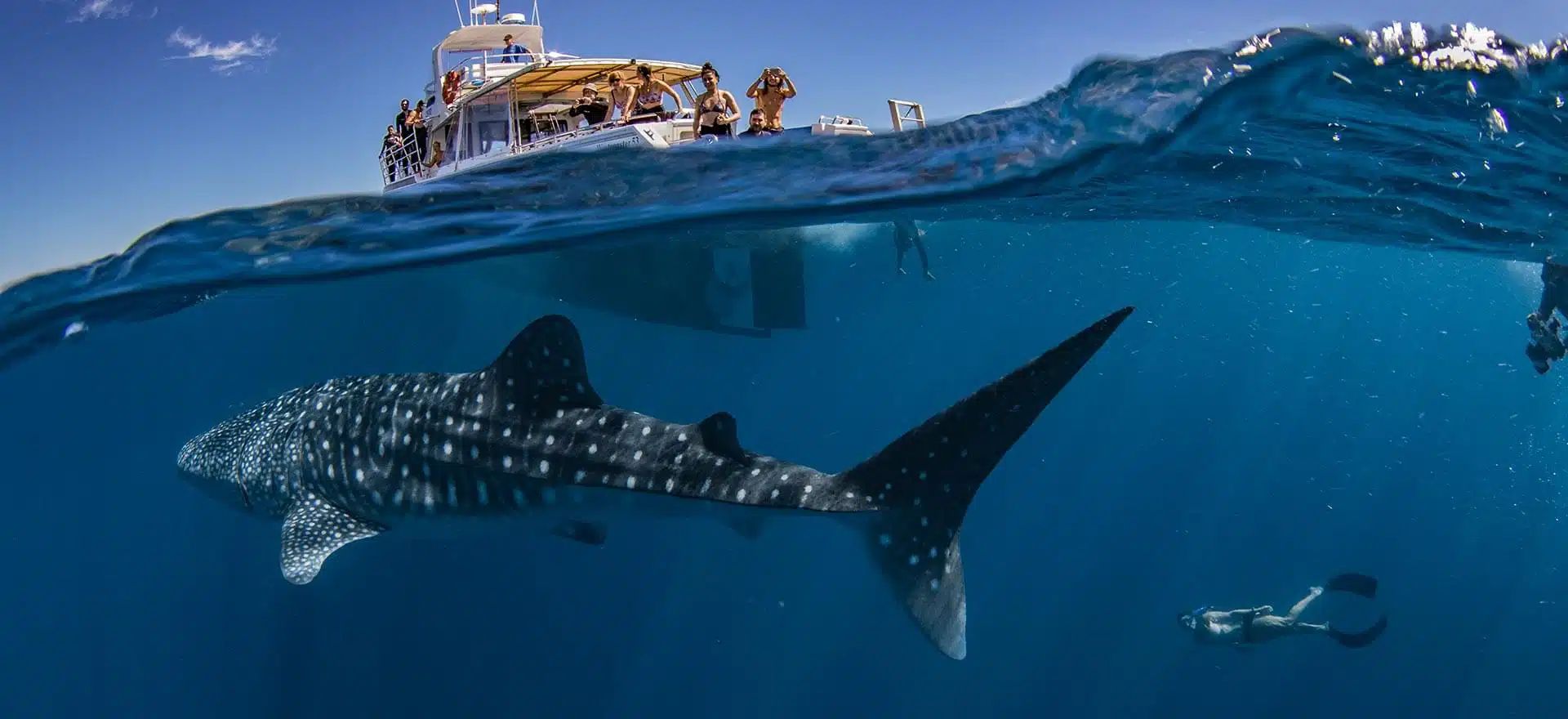
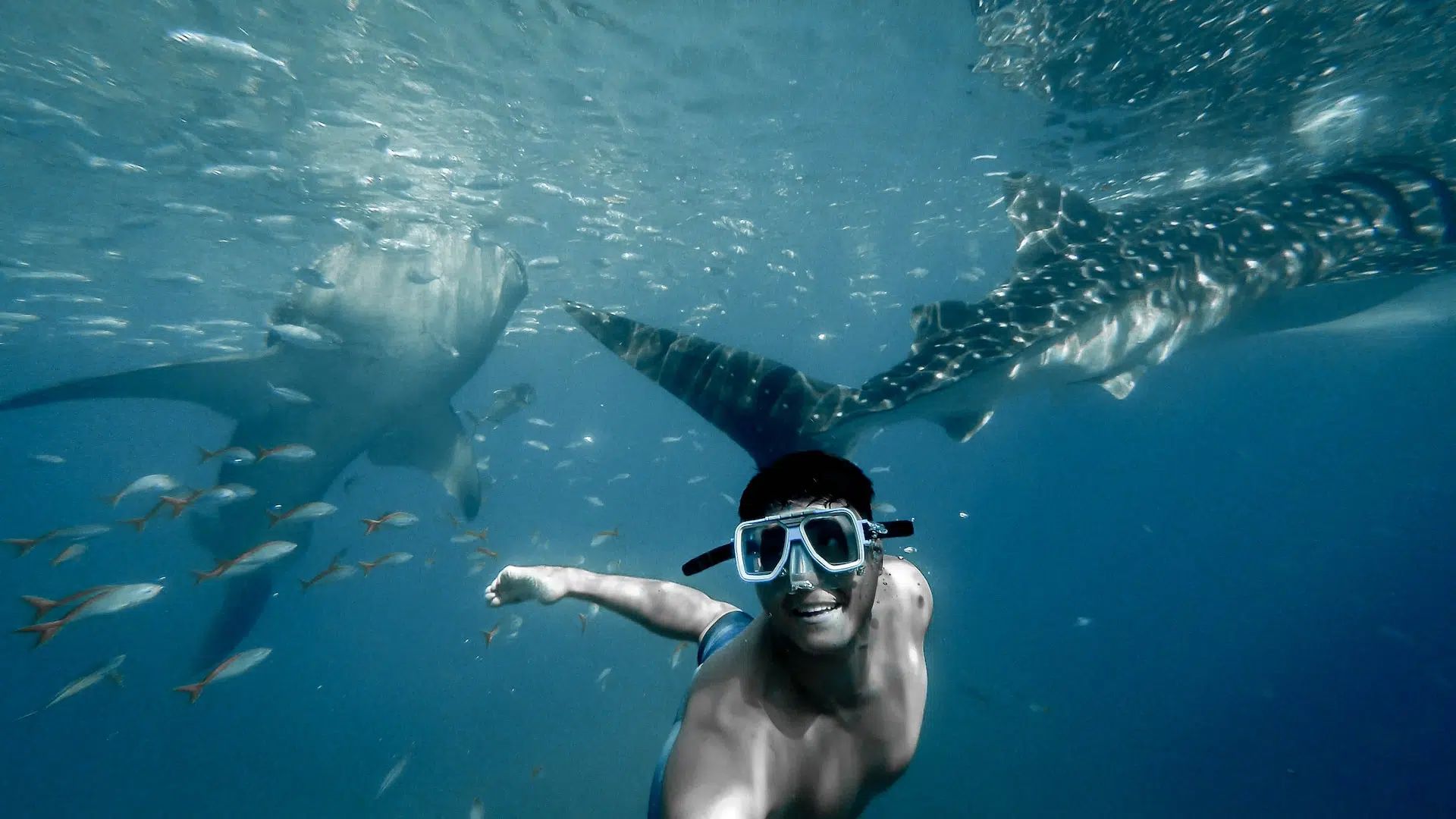
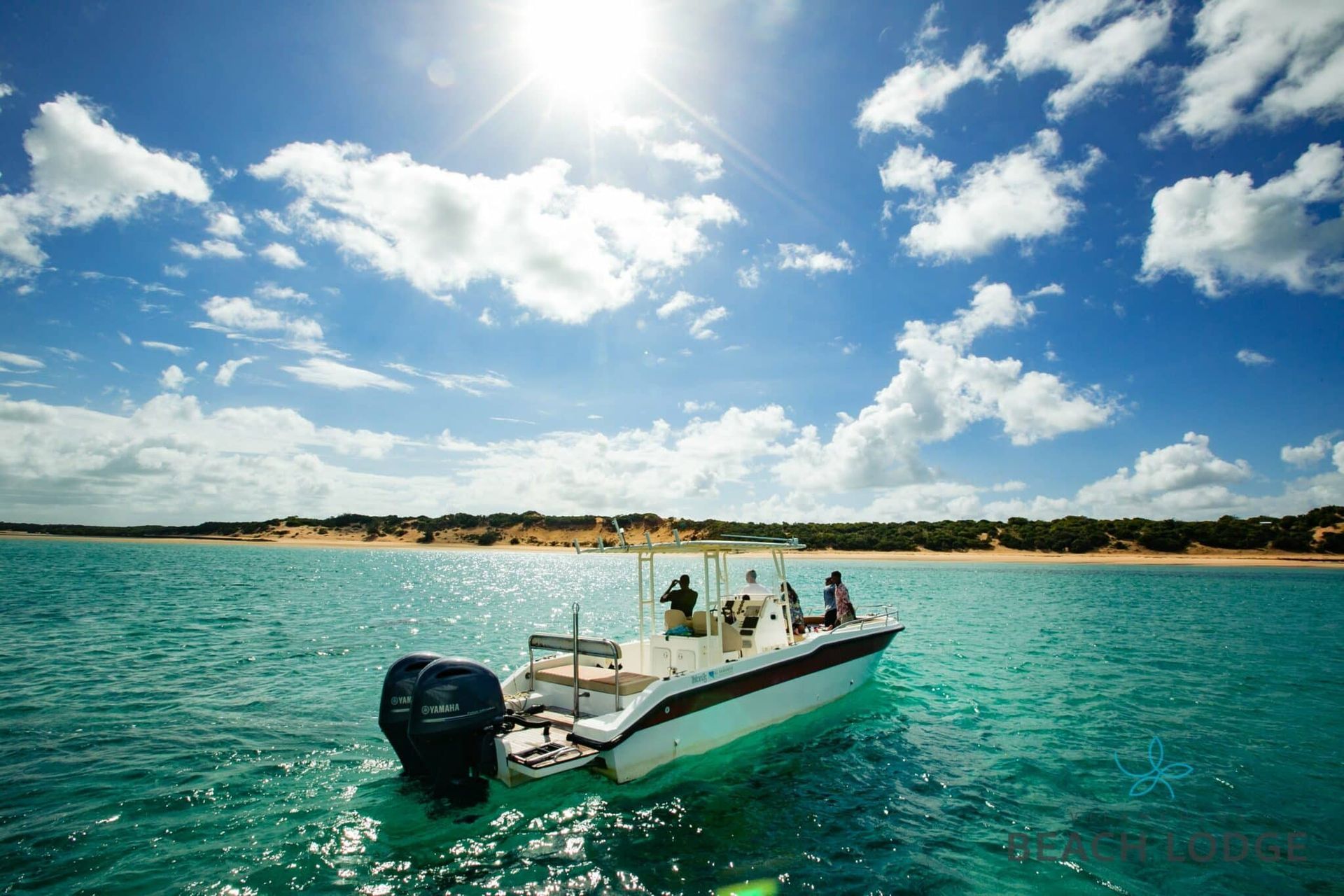
Whale shark encounters in Mozambique are conducted from small boats searching offshore feeding areas rather than fixed dive sites. Once a whale shark is spotted, swimmers enter the water calmly and maintain respectful distances, allowing the animal to continue feeding undisturbed. There is no baiting, touching, or crowding, and encounters are governed by clear interaction guidelines.
Visibility can vary depending on plankton density, but many encounters last several minutes and allow swimmers to observe whale sharks moving naturally through the water. These experiences are often described as humbling rather than adrenaline-driven, particularly for travelers seeking meaningful wildlife encounters rather than staged activities.
Ethical Whale Shark Tourism and Conservation Efforts
Mozambique’s whale shark tourism sector has developed alongside growing conservation awareness. Many operators collaborate with marine researchers to record sightings, monitor behavior, and contribute to long-term population data for the western Indian Ocean. This research helps improve understanding of whale shark movement patterns while promoting responsible tourism practices.
Choosing operators that follow international codes of conduct is essential. Limiting swimmer numbers and avoiding pressure-based encounters protects whale sharks while supporting local coastal communities that depend on sustainable marine tourism rather than short-term exploitation.
Who This Experience Is Best Suited For
Whale shark encounters in Mozambique appeal to travelers who value patience, flexibility, and authenticity. This experience suits confident swimmers who are comfortable in open water and understand that wildlife encounters cannot be forced. It is particularly well suited to travelers combining marine experiences with relaxed coastal stays, slow-paced itineraries, or island time rather than tightly scheduled trips.
Families with older children, couples, and independent travelers often find whale shark experiences deeply rewarding when expectations are set realistically and sufficient time is allowed.

Safety, Conditions, and Travel Confidence
Whale shark excursions are generally safe when booked through reputable operators who monitor weather conditions and sea states carefully. Trips are postponed when conditions are unsuitable, and safety briefings are conducted before every excursion. Boats are equipped with safety gear, and skippers rely on local knowledge of currents and offshore conditions.
Mozambique’s established marine tourism regions maintain strong safety records, with experienced crews playing a central role in risk management. For 2026, travelers continue to favor destinations where safety is handled professionally and quietly rather than promoted as a selling point.
Plan Your Trip
Whale shark encounters work best when integrated into a flexible coastal itinerary rather than treated as a single-day objective. Most travelers base themselves in Inhambane or Vilanculos, allowing multiple ocean days to account for changing weather and marine conditions. This experience pairs naturally with beach-focused stays, island time in the Bazaruto Archipelago, or slow coastal travel that allows encounters to happen organically rather than on a fixed schedule.
Start Planning Your Whale Shark Journey
Whale shark encounters depend on timing, local knowledge, and the freedom to adapt to ocean conditions. Mozambique Travel has spent more than twenty years planning coastal journeys around real marine seasons, not guaranteed sightings or rushed schedules. We help you choose the right base, allow the time these encounters require, and design itineraries that respect both wildlife and the rhythm of the coast. If whale sharks are part of your 2026 travel plans, speak with our team about shaping a journey that gives nature the space to deliver the experience on its own terms.
Featured Packages
Frequently Asked Questions
What is the best time of year to see whale sharks in Mozambique?
The most reliable whale shark sightings in Mozambique occur between December and February, when warm sea temperatures and high plankton concentrations create ideal feeding conditions. Sightings can still happen from October through March, but encounter frequency varies daily. Planning a longer stay increases your chances, as whale shark activity depends on natural ocean conditions rather than predictable schedules.
Are whale shark encounters in Mozambique guaranteed?
No whale shark encounters in Mozambique are guaranteed. Sightings depend entirely on natural feeding behavior and ocean conditions. This unpredictability is part of what makes Mozambique appealing to travelers seeking ethical wildlife experiences. Allowing multiple ocean days and building flexibility into your itinerary significantly improves the likelihood of meaningful encounters without placing pressure on animals or operators.
Is it safe to swim with whale sharks in Mozambique?
Swimming with whale sharks in Mozambique is considered safe when conducted with licensed operators who follow established interaction guidelines. Trips are postponed in poor conditions, and swimmers receive briefings on approach distances and behavior. Whale sharks are gentle filter feeders, and responsible encounters prioritize calm movement and respect for the animal’s space at all times.
Can whale shark trips be combined with other Mozambique experiences?
Yes, whale shark trips combine well with beach holidays, island stays, and wider Mozambique travel. Many travelers pair marine encounters with Vilanculos, the Bazaruto Archipelago, or relaxed coastal lodges in Inhambane. Planning with flexibility allows you to balance ocean time with rest, exploration, and alternative activities when conditions are not suitable for offshore excursions.
SHARE THIS POST
Are You Ready FOr Mozambique?
Page through our packages and find the offer right for you!
Ready to Speak to a Mozambique Travel Expert?
Get In Touch and Ask for a Call-Back Today
Latest Posts