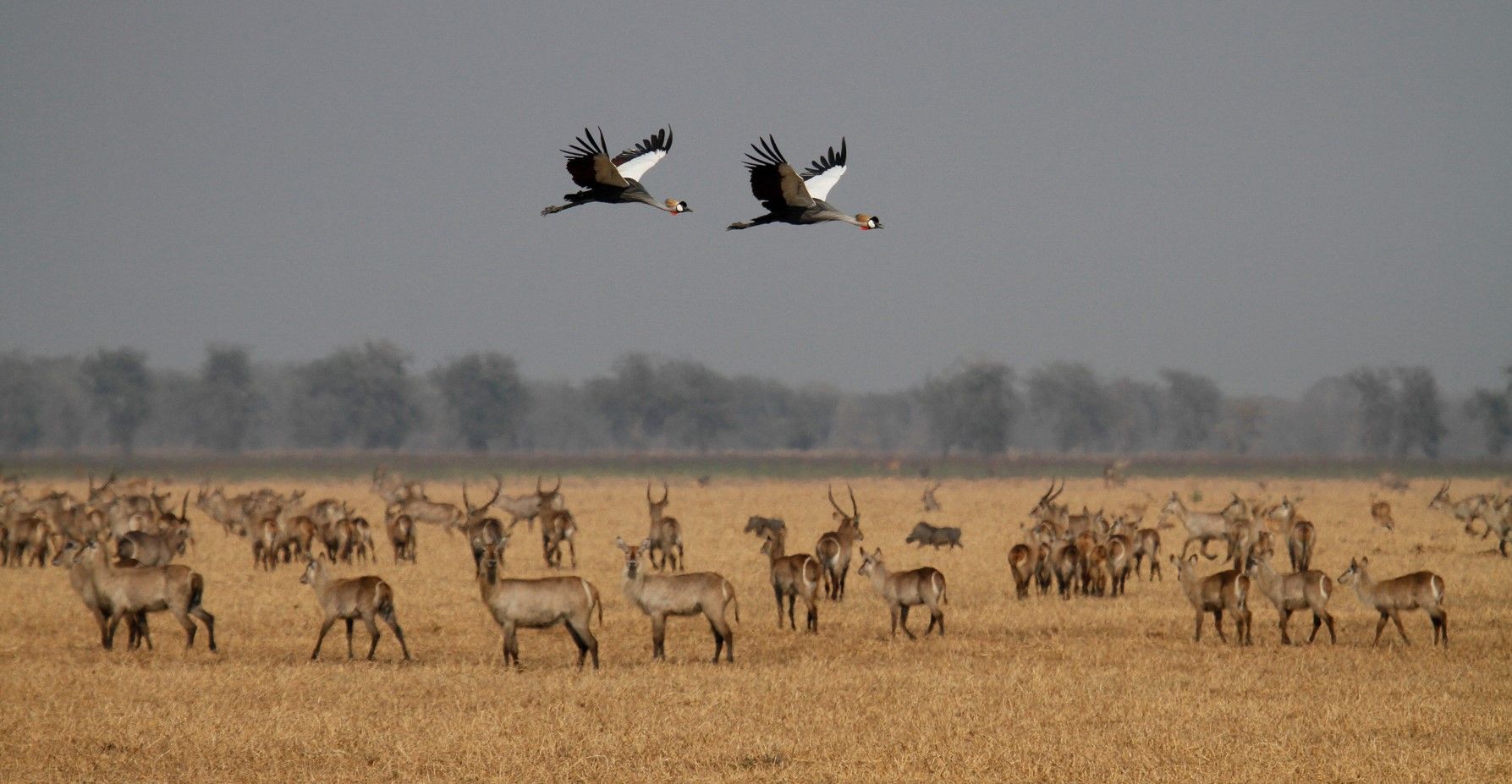


Why Mozambique Is One of the World’s Best Destinations for Whale Shark Encounters
By • March 31, 2026
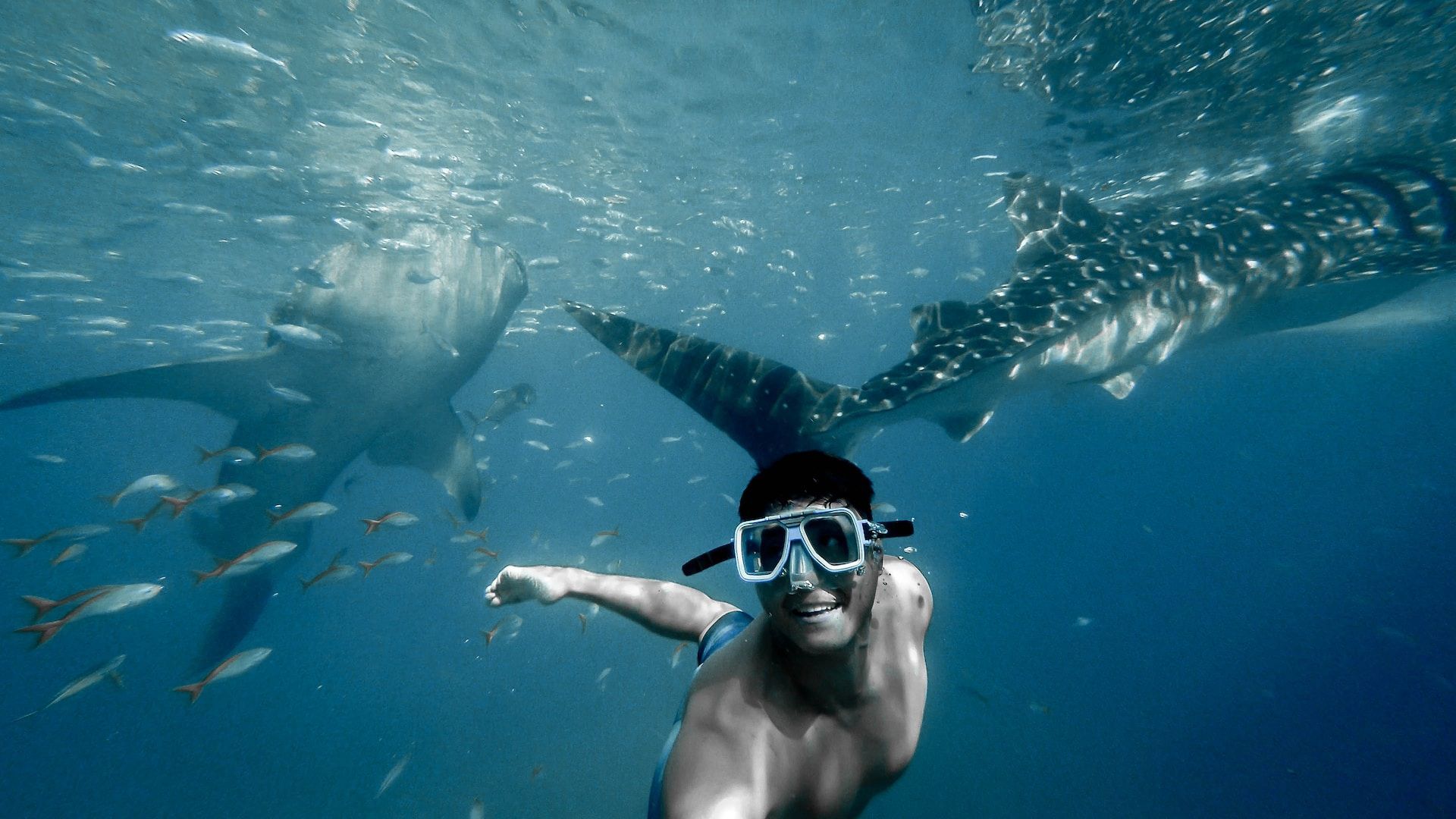
What Makes a Whale Shark Destination Truly Exceptional
Not all whale shark destinations deliver the same quality of experience. High sighting frequency alone does not define a world-class location. The real benchmark lies in how encounters are managed, how animals behave in response to tourism, and whether the surrounding marine ecosystem remains intact.
The best whale shark destinations are those where encounters happen on the animal’s terms. Low vessel density, controlled swimmer numbers, and minimal interference allow natural feeding and movement patterns to continue uninterrupted. This is where the difference between staged tourism and authentic wildlife experience becomes clear.
Mozambique stands out because it has not engineered its whale shark encounters. Sharks appear along this coastline because the ocean supports them, not because tourism infrastructure concentrates or conditions them. For travelers in 2026, this distinction is critical. Demand is shifting toward destinations that prioritize conservation credibility, low-impact tourism, and genuinely natural encounters over predictable but heavily managed experiences.
Mozambique’s Marine Environment and Why Whale Sharks Thrive Here
Mozambique’s coastline extends for more than 2,500 kilometers along the Indian Ocean, forming one of Africa’s most significant and least disrupted marine corridors. Warm southbound currents interact with nutrient-rich upwellings, creating seasonal plankton blooms that drive the entire marine food chain.
Whale sharks move along this coastline in response to these feeding opportunities. Their presence is not fixed to a single reef or bay but linked to shifting ocean conditions, which is why encounters here feel dynamic rather than repetitive.
Unlike reef-based destinations where sharks are often concentrated into small, high-pressure zones, Mozambique operates as an open-ocean system. Encounters take place in wide, unconstrained waters where whale sharks feed and travel naturally. This reduces cumulative stress on the animals, limits crowding, and preserves the integrity of each sighting.
The result is a more fluid, less predictable experience, but one that consistently delivers higher-quality encounters for travelers who understand the value of natural marine behavior over staged proximity.
Why Natural Encounters Matter More Than Guaranteed Sightings
Many of the world’s most famous whale shark destinations rely on baiting or artificial aggregation to ensure daily encounters. While this approach increases reliability, it often alters natural behavior and introduces long-term stress for the animals. Mozambique’s approach avoids these risks entirely.
Encounters here are never guaranteed, and this uncertainty is central to the experience. Whale sharks are encountered on their own terms, feeding naturally and moving freely through offshore waters. For travelers who value genuine wildlife interaction, this unpredictability enhances rather than diminishes the experience. It reinforces the understanding that the ocean is not a theme park and that wildlife encounters should not be scripted.
Low Tourism Density and Its Impact on Encounter Quality
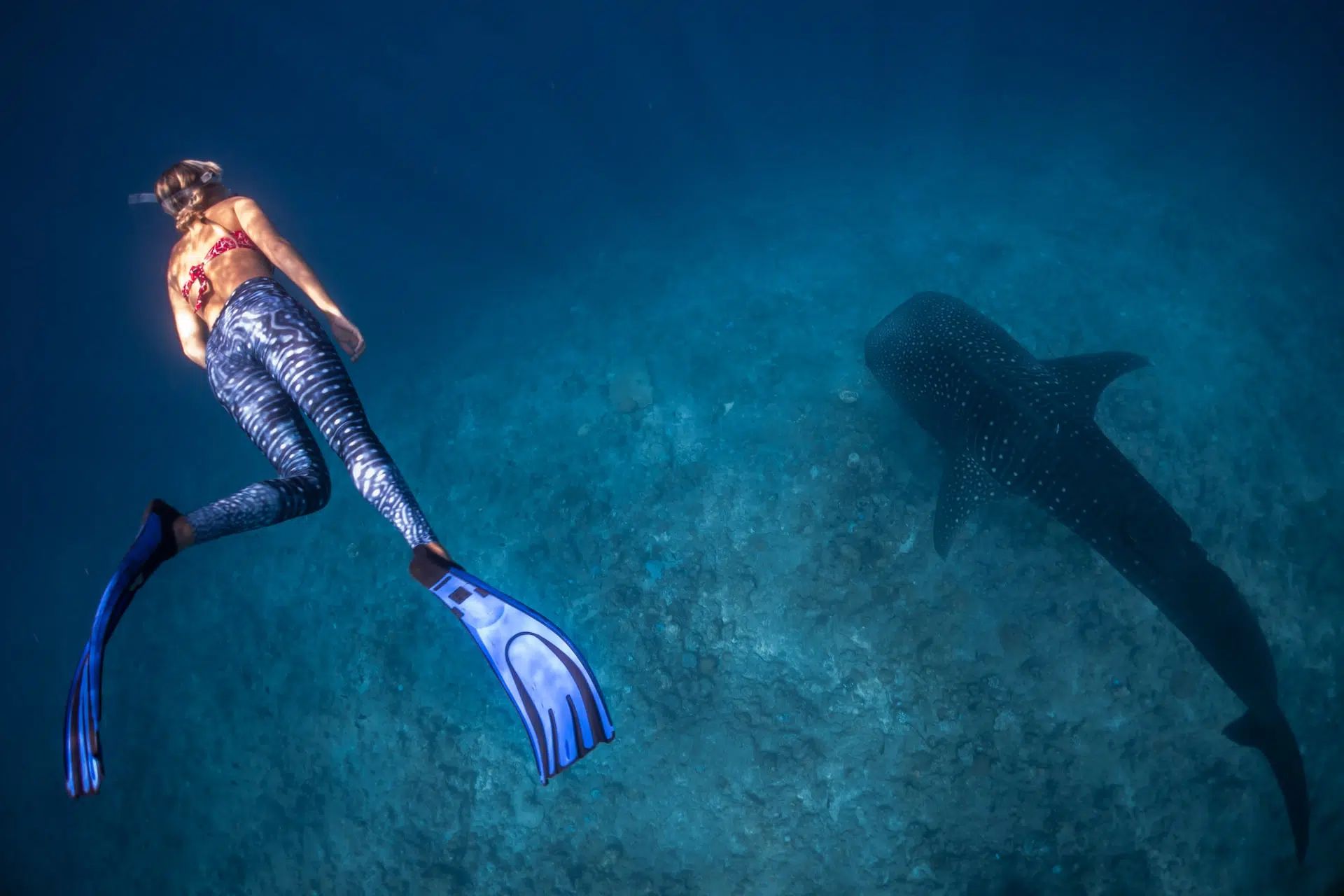
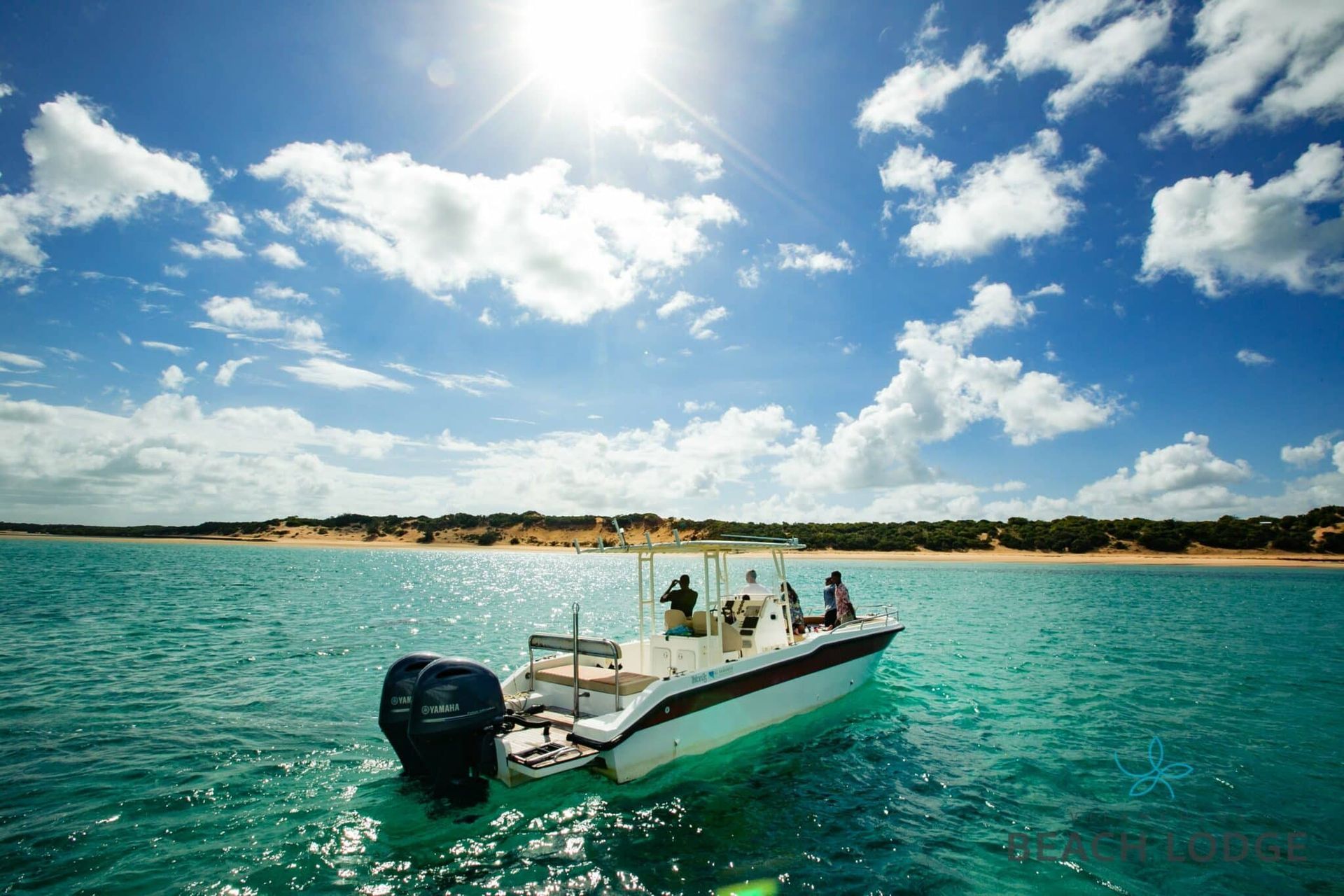
One of Mozambique’s greatest strengths as a whale shark destination is its relatively low tourism density. Even during peak season, encounters typically involve small boats operating independently rather than fleets converging on a single animal. This reduces noise, stress, and physical interference while creating calmer, more intimate experiences for swimmers.
Low density also allows skippers to make responsible decisions in real time. If an encounter becomes crowded or conditions deteriorate, boats can move on without pressure to deliver results at all costs. This flexibility is a defining feature of Mozambique’s whale shark tourism model and a key reason encounters remain high quality.
The Role of Research and Conservation in Mozambique
Mozambique plays an increasingly important role in regional whale shark research across the western Indian Ocean. Many operators collaborate with marine scientists to log sightings, photograph individuals for identification, and record environmental data. This information contributes to long-term understanding of whale shark movement, population trends, and feeding behavior.
The integration of tourism and research creates accountability. Operators invested in conservation are more likely to enforce interaction guidelines, limit swimmer numbers, and prioritize animal welfare. For travelers, this means choosing Mozambique supports both ethical tourism and meaningful scientific work rather than extractive wildlife experiences.
How Mozambique Compares to Other Global Whale Shark Destinations
When compared with destinations in Southeast Asia, the Middle East, or parts of Central America, Mozambique offers a fundamentally different experience. Rather than centralized aggregation sites, whale shark activity is spread across vast coastal waters. Rather than large tour groups, encounters typically involve small numbers of swimmers. This aligns with global best practice for responsible wildlife tourism, as outlined in whale shark tourism guidelines and impact research.
This difference makes Mozambique especially appealing to experienced travelers who have encountered whale sharks elsewhere and are seeking something less commercial. While sightings may be less predictable, the quality of each encounter is often perceived as higher due to reduced crowding and natural behavior.
Flexibility as a Key Advantage for Travelers
Mozambique’s whale shark encounters integrate seamlessly into broader travel itineraries. Coastal bases allow travelers to schedule multiple ocean days while enjoying beach time, snorkeling, island stays, or cultural experiences in between. This flexibility removes pressure from any single outing and aligns with the realities of marine wildlife travel.
Rather than structuring a trip around a fixed encounter date, travelers experience whale sharks as part of a larger coastal journey. This approach reduces disappointment and often results in a more rewarding overall holiday, even when sightings are brief or unexpected.
Who Mozambique’s Whale Shark Experiences Are Best Suited For
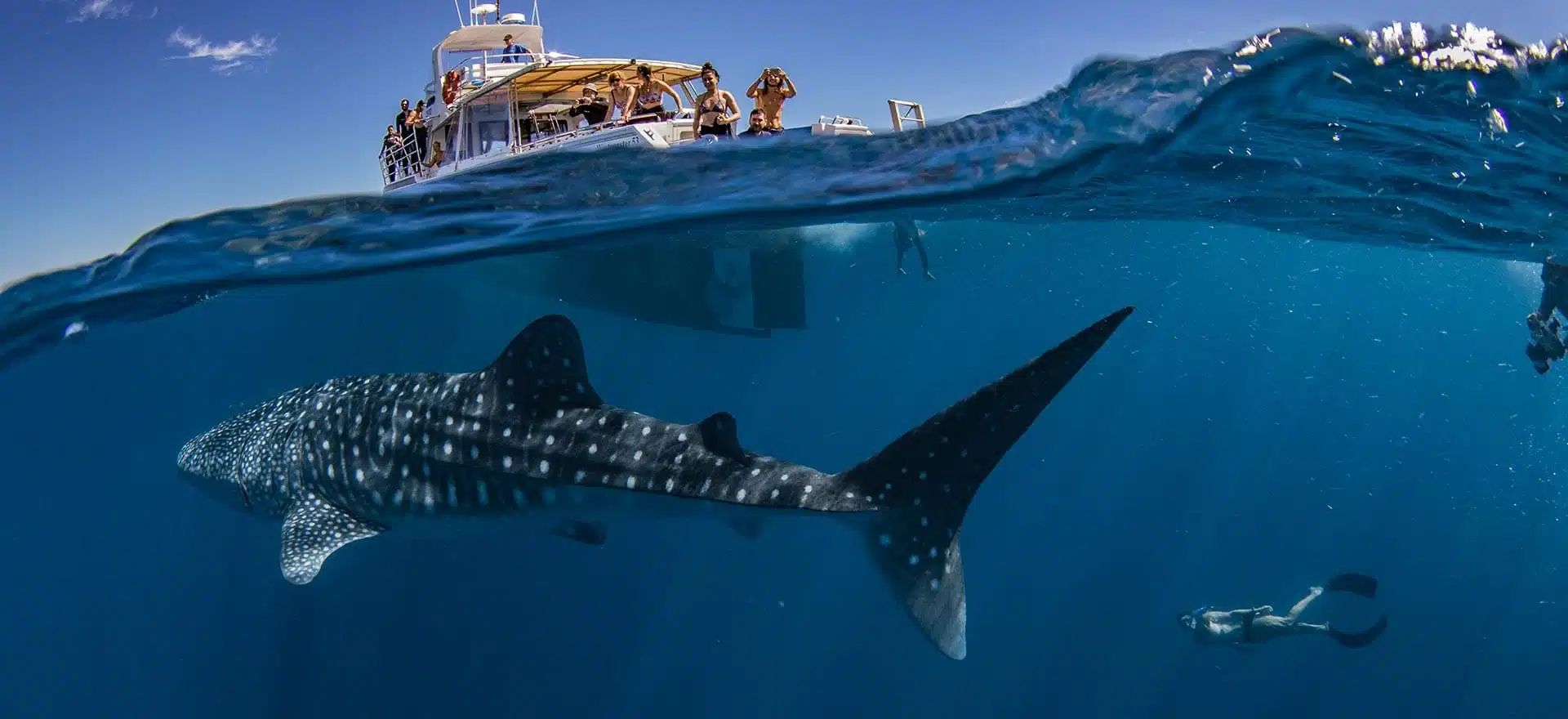
Mozambique’s whale shark encounters are best suited to travelers who value authenticity over certainty. This is not a destination built around guarantees. It rewards patience, awareness, and a willingness to engage with the ocean on its own terms.
Confident swimmers who are comfortable in open water conditions tend to get the most from these experiences. The encounters are natural, unscripted, and dependent on visibility, currents, and marine movement rather than fixed schedules.
Families with older children, couples, and experienced travelers consistently rate Mozambique highly because of this realism. It is less suited to those expecting tightly managed excursions or predictable outcomes, and far more rewarding for those who understand that ethical wildlife travel comes with variability.
Seasonality and Timing That Drives Better Encounters
Whale shark sightings in Mozambique occur across much of the year, but peak conditions align with warmer water temperatures and increased plankton presence. These factors directly influence feeding behavior and sighting frequency.
Planning around these seasonal windows improves your chances significantly, but success still depends on flexibility. The most effective itineraries include multiple ocean days, allowing conditions to dictate timing rather than forcing a single departure.
This approach is what separates a rushed trip from a well-planned marine experience. Mozambique consistently delivers for travelers who allow time, rather than those trying to fit encounters into a fixed schedule.
Safety, Experience, and Operational Credibility
Safety standards in Mozambique are built on experience and local knowledge, not marketing language. Skippers continuously assess sea state, wind conditions, and underwater visibility, adjusting or postponing departures when necessary.
Structured briefings, controlled entries, and clear swimmer protocols are standard. The focus is on calm, competent execution rather than over-promising.
For 2026, this understated professionalism remains one of Mozambique’s strongest advantages. Travelers gain confidence from operators who prioritize conditions, not volume, and who understand the realities of working in a dynamic ocean environment.
How to Plan a Whale Shark Itinerary in Mozambique
The most successful whale shark trips are not standalone activities, they are part of a broader coastal itinerary.
Base yourself in key regions such as Inhambane or Vilanculos, where access to offshore reefs and marine corridors is consistent. Build in several ocean days, combined with beach time, island excursions, or relaxed lodge stays.
This structure removes pressure from any single outing and allows encounters to happen naturally. It also ensures your trip retains value even when conditions offshore are not ideal.
Plan a Whale Shark Journey That Prioritizes Real Experience
Mozambique’s position as a leading whale shark destination comes from its restraint. There are no artificial guarantees, no overcrowded waters, and no compromised encounters. Experience whale sharks in a way that respects both the animal and the ocean, supported by global whale shark conservation status and threats.
Mozambique Travel has spent more than 20 years designing marine and coastal journeys that align with real seasonal patterns, trusted operators, and realistic expectations. We guide you on where to go, when to travel, and how to structure your time for the best possible experience.
If whale shark encounters are part of your 2026 plans, speak to our team about building an itinerary that gives you the time, access, and conditions needed to experience this properly. This is not about ticking a box, it is about getting it right.
Featured Packages
Frequently Asked Questions
Why is Mozambique considered one of the best whale shark destinations in the world?
Mozambique is considered one of the world’s best whale shark destinations because encounters occur naturally without baiting or artificial aggregation. Its long, lightly developed coastline supports low tourism density, ethical interaction, and integration with marine research. This results in encounters that are widely regarded as more authentic and sustainable than those in heavily commercialized destinations.
Are whale shark encounters in Mozambique reliable enough to plan a trip around?
Whale shark encounters in Mozambique are reliable during peak season but never guaranteed. Sightings depend on natural feeding behavior and ocean conditions rather than fixed locations. Travelers who allow multiple ocean days and build flexibility into their itinerary significantly improve their chances while preserving the ethical integrity of the experience.
How does Mozambique differ from baited whale shark destinations?
Mozambique differs from baited destinations by allowing whale sharks to feed naturally on plankton rather than attracting them with food. This avoids altering behavior, reduces stress on animals, and prevents crowding. While encounters may be less predictable, they are widely considered more ethical and environmentally responsible.
Can whale shark encounters be combined with other experiences in Mozambique?
Yes, whale shark encounters combine easily with beach holidays, island stays, and wider coastal travel in Mozambique. Many travelers pair marine experiences with relaxed coastal lodges, island time, or slow-paced itineraries that allow flexibility. This approach creates a balanced holiday that does not rely on a single wildlife encounter to define the trip.
SHARE THIS POST
Are You Ready FOr Mozambique?
Page through our packages and find the offer right for you!
Ready to Speak to a Mozambique Travel Expert?
Get In Touch and Ask for a Call-Back Today
Latest Posts
Mainland Coastal Sanctuaries in Vilanculos: Why Mozawi Signals a New Direction for Mozambique Travel