

Ilha de Mozambique Is Now Easier to Reach, Thanks to New Airlink Flights to Nacala
By • February 21, 2026
Why the New Airlink Flights to Nacala and Nampula Transform Access to Ilha de Mozambique
For years, Ilha de Mozambique, also searched as Mozambique Island and Island of Mozambique, has been admired but under-visited for one main reason: complicated access. That changes significantly with SA Airlink’s expanded northern Mozambique network.
Airlink now operates direct flights from Johannesburg to both Nacala and Nampula, giving travelers two practical entry points into the region. The twice-weekly Johannesburg to Nacala service operates on Mondays and Fridays, departing mid-morning from O.R. Tambo International Airport and arriving early afternoon in Nacala, with a same-day afternoon return. This timing is particularly useful for structured itineraries, allowing smooth onward road transfers toward the island corridor without overnight delays.
Nampula remains another key northern gateway. Airlink’s Johannesburg to Nampula flights operate multiple times per week, providing additional flexibility for travelers who prefer more frequent routing options. From Nampula, a well-planned road transfer connects to Ilha de Mozambique, allowing visitors to reach the island the same day with professional ground handling.
Why this matters for Mozambique Island travel
Two gateways mean flexibility. Travelers are no longer dependent on a single routing or complicated domestic connections. You can now:
- Fly Johannesburg to Nacala for a shorter regional approach
- Fly Johannesburg to Nampula for greater frequency options
- Align safari connections from Gorongosa or other internal routes more efficiently
- Reduce total travel friction, which makes 4 to 6 night island stays realistic
For tour planning, this is a genuine shift. Ilha de Mozambique moves from being a niche add-on for determined explorers to a practical, bookable heritage and coastal destination within a standard 10 to 14 night Mozambique itinerary.
The new access also strengthens multi-stop combinations. Travelers can structure a safari in Gorongosa, then transition north via Nampula or Nacala for a heritage and ocean finale on Mozambique Island. With two viable air gateways, itinerary design becomes more resilient, particularly for international travelers connecting through Johannesburg.
In simple terms, Airlink’s services to both Nacala and Nampula have finally given this UNESCO island the accessibility it deserves. And when access improves, confidence improves. That is often the final ingredient needed for a destination to step confidently into the spotlight.
A UNESCO World Heritage island that feels genuinely different
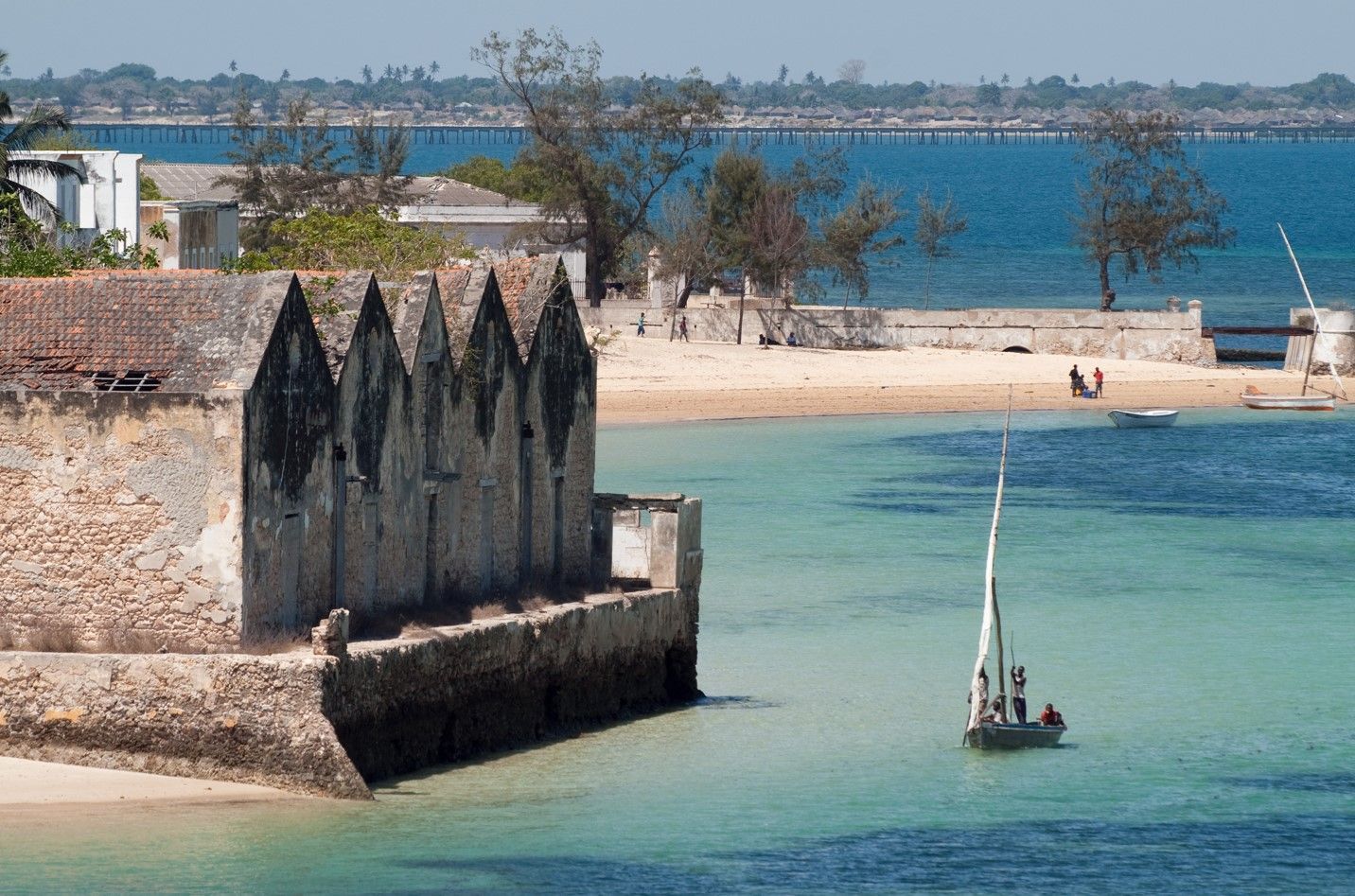
Ilha de Moçambique is not a typical beach escape defined by loungers and resort schedules. It is a living cultural landscape shaped by centuries of Swahili, Arab, and Portuguese trade across the Indian Ocean. Recognized by UNESCO for its architectural and historical significance, this coral reef island is connected to the mainland by a narrow bridge, yet it feels entirely separate from the pace and polish of mainstream Indian Ocean resorts.
Here, the sea is not decorative. It frames every alleyway, reflects off weathered façades, and shapes daily life from sunrise to dusk. Travelers looking for something deeper than a conventional beach break quickly realize this destination delivers texture, authenticity, and story. It offers culture with coastline, heritage with horizon views, and a far more layered extension to safari than a standard fly-in beach resort.
What makes the history so compelling
Ilha de Moçambique is one of southern Africa’s most important historic sites, yet it remains immersive and accessible rather than formal or museum-like. The island’s role in Indian Ocean trade routes, colonial expansion, and regional cultural exchange is visible in its street layout, coral stone buildings, fortifications, and everyday rhythms.
Landmarks such as the Fort of São Sebastião and the Chapel of Nossa Senhora do Baluarte anchor the northern shoreline, but the experience is not confined to individual monuments. The entire island functions as a living archive. You absorb its significance naturally while walking between shaded courtyards, small cafés, ocean viewpoints, and local markets.
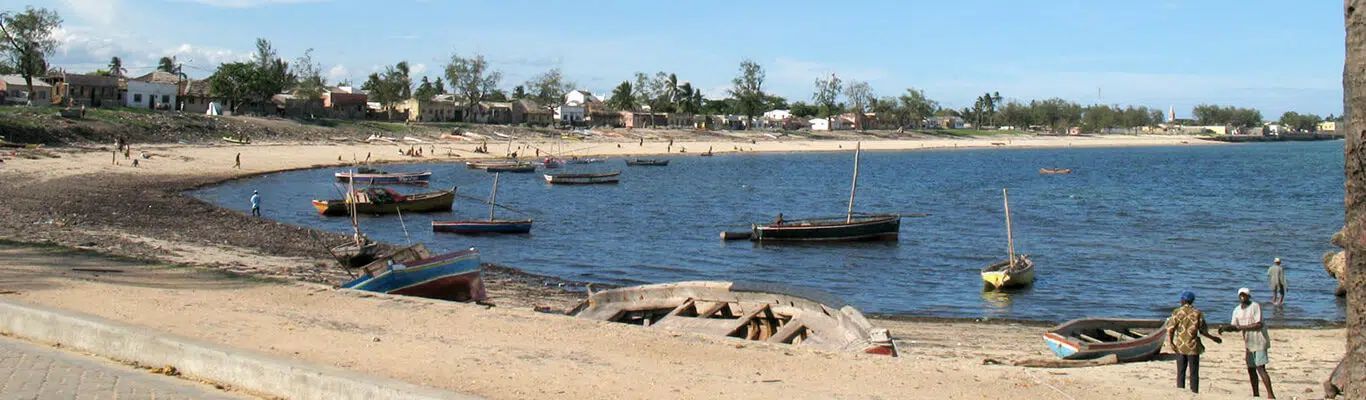
The fact that the island is fully walkable enhances its appeal. There is no need for transfers or structured touring to understand it. You move at your own pace, discovering architecture, community life, and coastal scenery in the same frame. Fishing boats head out each morning, residents gather in open squares, and children play in front of centuries-old walls. History is not separated from daily life here, it is part of it.
Where to stay on Mozambique Island
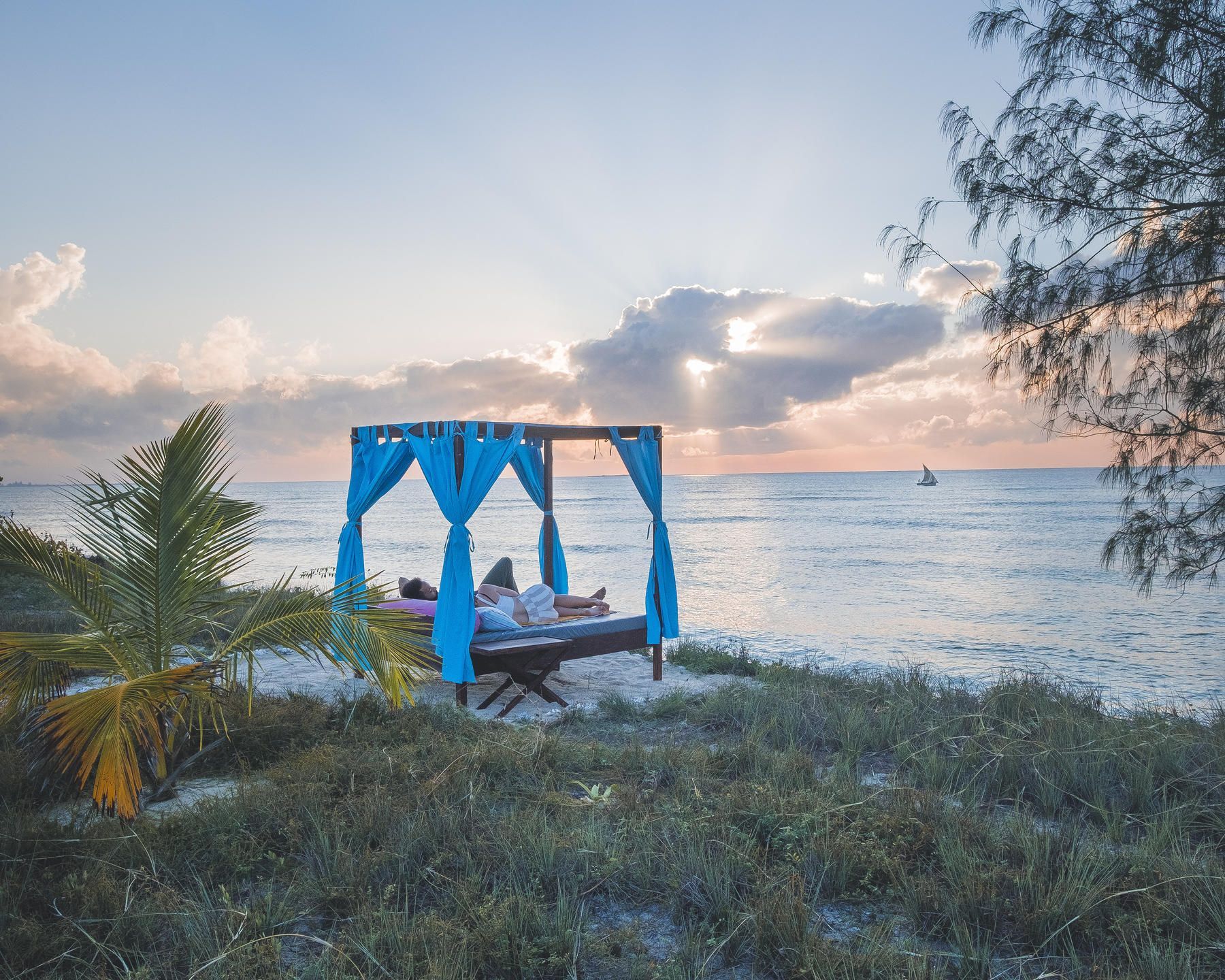
Accommodation standards on Ilha de Moçambique have improved significantly for 2026, making the island far easier to position within a safari and beach itinerary. Travelers can choose intimate heritage guesthouses within the old Stone Town atmosphere, boutique properties with elevated ocean views, or quieter lodges just off the island on the mainland side for added space while retaining easy bridge access.
This range allows you to control the tone of your stay. Some visitors prefer complete immersion in the historic core, stepping directly from their accommodation into narrow lanes and waterfront walkways. Others opt for slightly removed properties that offer more privacy and calmer evenings while still allowing effortless day and evening exploration of the island.
Mozambique Travel’s 2026 Island of Mozambique accommodation guide simplifies the planning process for international travelers, highlighting vetted options that align with routing, comfort level, and onward safari connections. When paired with Gorongosa or a northern Mozambique itinerary, Ilha de Moçambique becomes more than a beach extension. It becomes a cultural anchor that adds depth and distinction to the entire journey.
Accommodation styles that work well for most travelers
- Stone Town heritage stays for travelers who want to walk to landmarks, cafés, and architecture.
- Quieter bay facing stays for couples and photographers who want calmer evenings and sea views.
- Mainland lodge options across the bridge for travelers who prefer space, gardens, and a slower pace, while still doing the island daily.
What to do on Ilha de Mozambique beyond “see the fort”
This is where the island surprises people. Yes, you visit the iconic landmarks, but the most rewarding trips are built around texture and smaller moments that make Ilha de Moçambique feel alive rather than curated. The atmosphere is shaped as much by daily rhythm as by historic sites, and that balance is what gives the island its depth.
Historic walking and guided culture
Begin with a guided walk through the old neighborhoods and waterfront viewpoints. A knowledgeable local guide transforms architecture into narrative, explaining how trade routes, religion, and migration shaped the island’s identity. More importantly, you see how families, shopkeepers, and fishermen live within a UNESCO World Heritage setting today. That contrast between global significance and ordinary daily life is exactly what makes the experience feel authentic rather than staged.
Fortress and chapel visits
The fort rewards slow exploration. It is not a quick photo opportunity but a place to pause, take in sea breezes, and understand the scale of coastal defense that once protected these trade routes. Walking its walls gives you perspective over the channel and town below. Pair the visit with the nearby chapel for context and contrast, and together they create a coherent introduction to the island’s early era without feeling academic.
Markets, crafts, and everyday photography
Ilha de Moçambique is one of the country’s most compelling destinations for cultural and street photography. Carved wooden doors, coral stone textures, shaded balconies, colorful textiles, fishing boats, and dhow silhouettes provide constant visual detail. Early morning and late afternoon light bring out the tones in the stone and sea. Respectful photography etiquette matters here. A smile, a greeting, and simple courtesy go a long way toward ensuring meaningful exchanges rather than intrusive snapshots.
Ocean time that still feels local
Even when heritage is the focus, building in ocean time keeps the itinerary balanced. This does not need to mean resort-style beach days. Instead, think short boat rides across calm water, quiet coastal viewpoints, or relaxed time near the shoreline watching traditional dhows return in the late afternoon. The sea remains central to the island’s identity, and incorporating it thoughtfully adds flow to the visit.
Food and small evenings that complete the stay
Evenings on Ilha de Moçambique are understated and memorable. Fresh seafood dinners, sunset drinks near the water, and short post-dinner walks in well-advised areas create a sense of calm that contrasts with busier Indian Ocean destinations. The appeal lies in simplicity. There is less commercial polish and more personal connection. For many travelers, these unforced moments become the highlight, turning a historic stop into a genuinely immersive coastal experience.
How to combine Ilha de Moçambique with Gorongosa for a culture, beach, and safari itinerary
If you want a genuinely distinctive Mozambique journey in 2026, pairing Ilha de Moçambique with Gorongosa National Park is one of the most intelligent and compelling combinations available. It delivers contrast, narrative depth, and experiential variety without feeling fragmented.
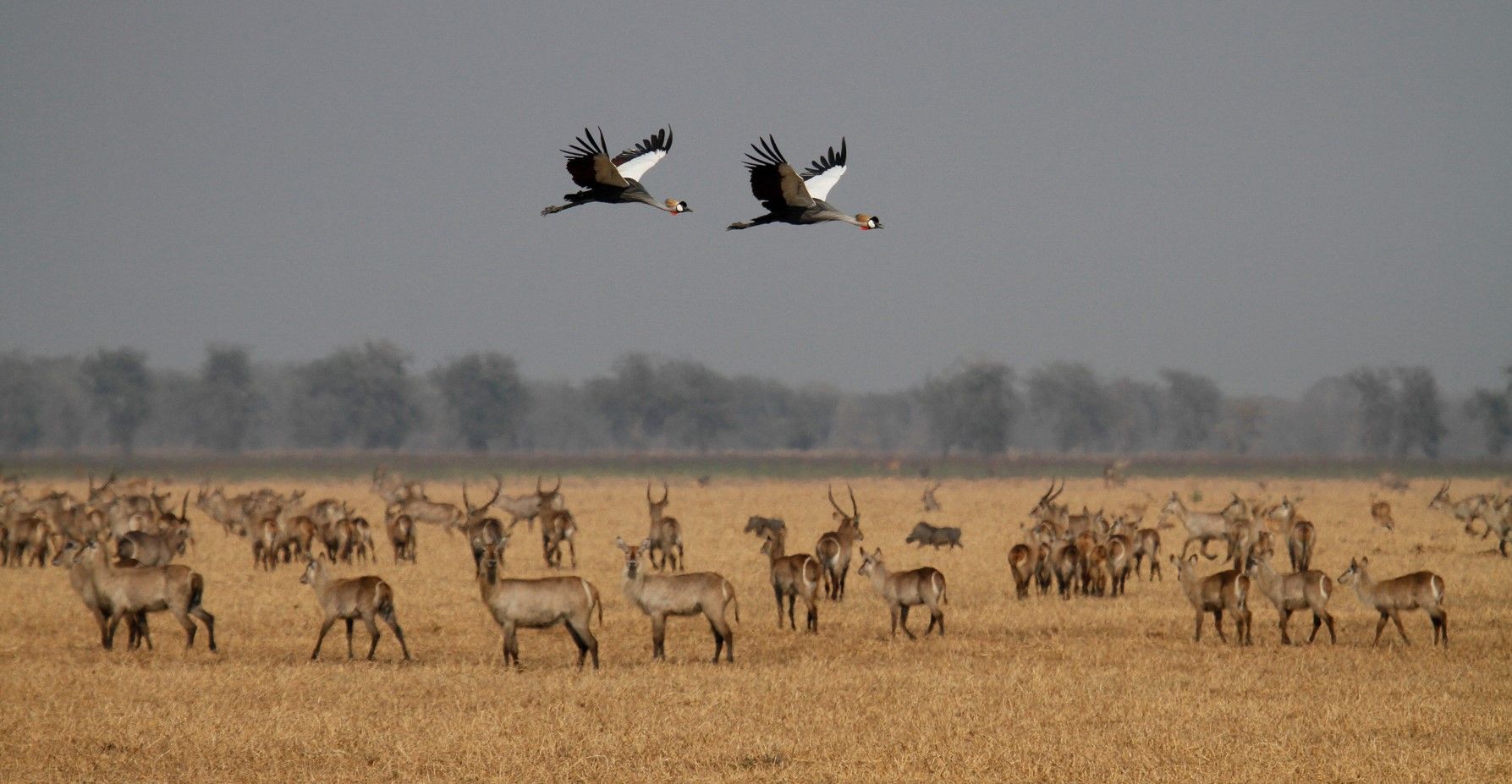
Gorongosa provides a conservation-led safari shaped by restoration success, community engagement, and diverse ecosystems that range from floodplains to forested slopes. Game drives are complemented by walking safaris, birding, and conservation insight that elevate the experience beyond simple wildlife viewing.
Then the rhythm shifts. Ilha de Moçambique replaces savannah horizons with coral stone streets, ocean light, and layered cultural history. Instead of early morning drives, you have guided heritage walks and slow sea afternoons. Instead of bush dinners, you have seafood by the water and evening strolls through centuries-old lanes. The contrast is powerful, and when sequenced correctly, it feels intentional rather than abrupt.
Mozambique Travel already structures Gorongosa and island journeys as a cohesive itinerary, which demonstrates that the routing works seamlessly when handled by specialists who understand flight timing, transfer realism, and pacing. This is not a theoretical pairing. It is operationally sound and strategically strong for travelers who want more than a standard safari plus beach template.
A simple, high impact routing logic for Ilha and Gorongosa
Step 1: Begin with Gorongosa National Park. Fly into the most practical safari gateway and focus fully on wildlife, conservation storytelling, and immersive bush experiences. Three to four nights allows enough time for varied habitats and walking elements without rushing.
Step 2: Transition north through a carefully planned flight sequence, typically routing toward Nacala for the island leg. The final road transfer to Ilha de Moçambique is manageable when timed correctly, and this transition day becomes part of the journey rather than a logistical burden.
Step 3: Conclude with heritage and ocean time on Ilha de Moçambique. Balance guided cultural exploration with relaxed afternoons near the water. Optional mainland extensions nearby can add space or beach-style downtime if desired, but the island itself carries the cultural weight beautifully.
Why this combination is the ultimate Mozambique Beach, Culture and Safari itinerary
This pairing appeals strongly to travelers seeking depth without density. Gorongosa remains less crowded than many flagship safari regions, yet delivers exceptional wildlife diversity and one of Africa’s most inspiring conservation narratives. Ilha de Moçambique offers a coastal experience rooted in architecture, history, and lived culture rather than resort development.
Together, they create a culture, beach, and safari itinerary that feels sophisticated and intentional. You move from ecological recovery and big landscape storytelling to intimate streets and ocean-facing heritage. For travelers who want variety, authenticity, and space away from heavily commercialized circuits, this combination stands out decisively in the Mozambique portfolio for 2026.

Practical planning notes that help trips run smoothly
Timing: build at least 3 nights if you want the island to feel relaxed, and 4 to 5 nights if you want depth (history, culture, and ocean time).
Pacing: keep days simple, especially if travelers are coming off safari.
Guiding: local guides improve the experience dramatically, particularly for history and architecture.
Comfort: choose accommodation based on where travelers want to spend mornings and evenings, not just room style.
What most people forget to include, and why it matters
- A short “context session” on day one, with a guide or host, so the island’s layout and history click early.
- A dedicated photography window at sunrise or late afternoon, it changes how the island feels.
- A cultural anchor beyond landmarks, like a market visit or a craft focused walk, so Mozambique Island feels lived-in, not just visited.
If you want to experience Ilha de Mozambique at its best in 2026, the new Airlink access via Nacala finally makes it easy to plan properly, without complicated routing. Mozambique Travel has been booking Mozambique holidays for over 20 years, and we match travelers with the right heritage stays, the right guides, and the right pacing so the island feels rewarding, not rushed. Ask us to build an itinerary that pairs Mozambique Island with Gorongosa for a rare combination of culture, coastline, and safari, all arranged seamlessly with trusted logistics and support.
Featured Packages
-
![]()
Coral Beach Lodge Family Holiday Mozambique
R101 400 for a family of 4 with flights, transfers and inclusionsSee Package
-
![]()
Coral Lodge Free Night Package Mozambique
5 Nights from R32 385 per person sharing including return flights, transfers & taxesSee Package
-
![]()
Coral Lodge Family Holiday December Mozambique
5 Nights from R144 985 for a family of four with 2 kids under 12, including flightsSee Package
Frequently Asked Questions
Is Ilha de Mozambique easy to reach from South Africa in 2026?
Yes. Airlink’s new Johannesburg to Nacala route, operating twice weekly, creates a simpler northern entry point. From Nacala, you can connect by road to the island corridor, which reduces the overall complexity compared to older routing options. The key is aligning flight days with transfer planning and accommodation check-in times.
Why is Mozambique Island a UNESCO World Heritage Site?
UNESCO lists the Island of Mozambique for its exceptional cultural and architectural significance, shaped by centuries of Indian Ocean trade and influence. The island’s built environment reflects multiple cultures and historical eras in a compact, walkable setting. Its coral island location and connection to the mainland also form part of its unique geographic character.
How many days should you spend on Ilha de Mozambique?
Three nights is a strong minimum for a relaxed visit, covering landmarks, a guided walk, and unhurried evenings. Four to five nights suits travelers who want deeper history, better photography timing, and a more balanced pace. The island rewards slow exploration, so an extra night often improves the overall experience more than adding another destination.
What are the best things to do on Ilha de Mozambique?
Plan a guided heritage walk, visit the island’s major fortifications and chapels, and explore the streets for architecture, crafts, and photography. Add a simple ocean element like a boat ride or relaxed coastal time to keep the trip balanced. The best itineraries mix landmark visits with everyday culture, food, and slow evenings by the water.
Can you combine Gorongosa with Ilha de Mozambique in one trip?
Yes, and it is one of Mozambique’s most rewarding two-stop combinations. Gorongosa delivers a conservation driven safari with diverse habitats and strong guiding, while Mozambique Island adds UNESCO heritage, architecture, and coastal atmosphere. Mozambique Travel already builds safari and island journeys that link these regions, which helps keep logistics smooth and realistic.
SHARE THIS POST
Are You Ready FOr Mozambique?
Page through our packages and find the offer right for you!
Ready to Speak to a Mozambique Travel Expert?
Get In Touch and Ask for a Call-Back Today
Latest Posts

Mainland Coastal Sanctuaries in Vilanculos: Why Mozawi Signals a New Direction for Mozambique Travel