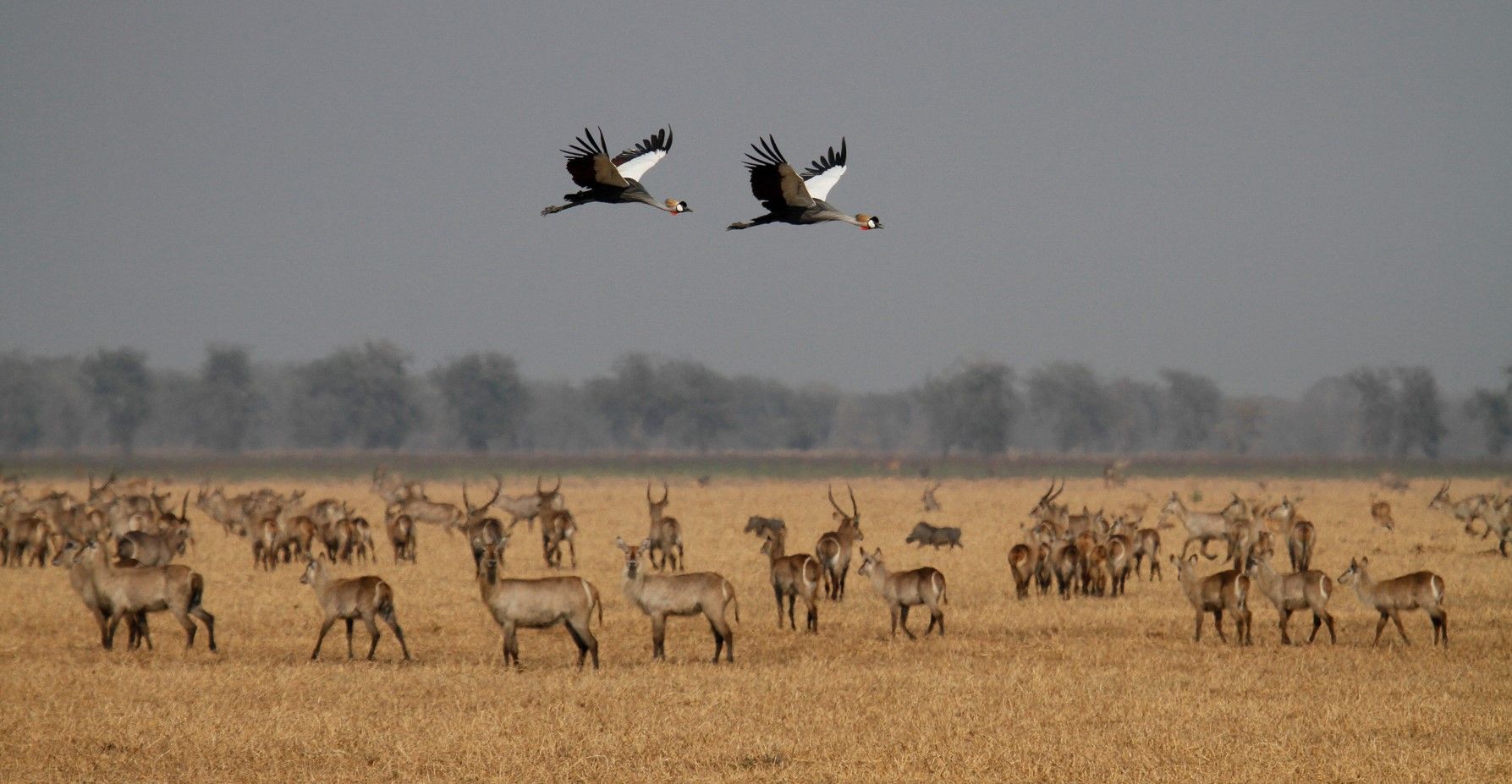


Gorongosa Sustainable Tourism Model 2026
By Mozambique Travel • January 31, 2026
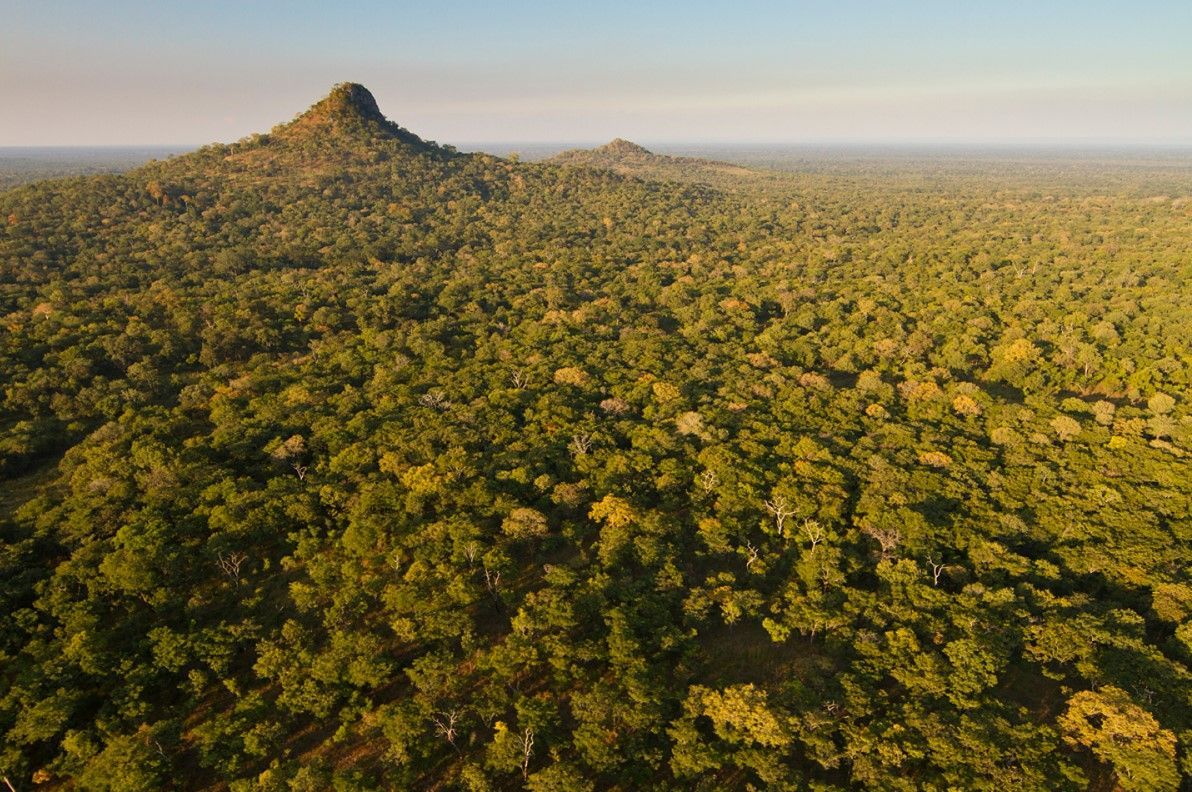
Why Gorongosa Sustainable Tourism Is a Global Conservation Blueprint
Gorongosa National Park has become a global reference point for how sustainable tourism can restore ecosystems, empower surrounding communities, and rebuild biodiversity at scale. Rather than focusing only on wildlife viewing, the park integrates ecological science, education, sustainable agriculture, healthcare, and community development into a single conservation framework. Gorongosa Sustainable Tourism in 2026 represents a mature, long-term model grounded in inclusion, climate resilience, and shared responsibility between conservationists, local people, and travellers.
The park’s recovery from decades of conflict-driven ecological collapse demonstrates what is possible when conservation is approached as a social, scientific, and economic system rather than an isolated environmental effort. Travellers who visit Gorongosa contribute directly to measurable conservation outcomes while gaining insight into one of Africa’s most ambitious restoration projects. This combination of transparency, accountability, and lived impact positions Gorongosa not only as a safari destination, but as a working model for the future of protected areas worldwide.
What Makes Gorongosa’s Tourism Model Different
Gorongosa’s tourism model embeds sustainability into every operational layer of the park, ensuring tourism serves as a conservation tool rather than a pressure point. Revenue generated through tourism directly funds education, healthcare, scientific research, wildlife protection, and large-scale habitat restoration. Decisions are guided by long-term ecological data and implemented through partnerships with universities, conservation organisations, and surrounding communities.
This integrated approach ensures that conservation outcomes are measurable and socially inclusive, rather than symbolic. Visitors are not separated from the conservation process; instead, they witness it firsthand through guided interpretation, research briefings, and community engagement initiatives. Gorongosa’s model challenges traditional safari tourism by shifting the focus from consumption to contribution, where travel supports systems that continue to function long after a visitor leaves. In 2026, this depth of integration is what distinguishes Gorongosa globally and makes its tourism model both resilient and replicable.
Community Led Development as the Foundation
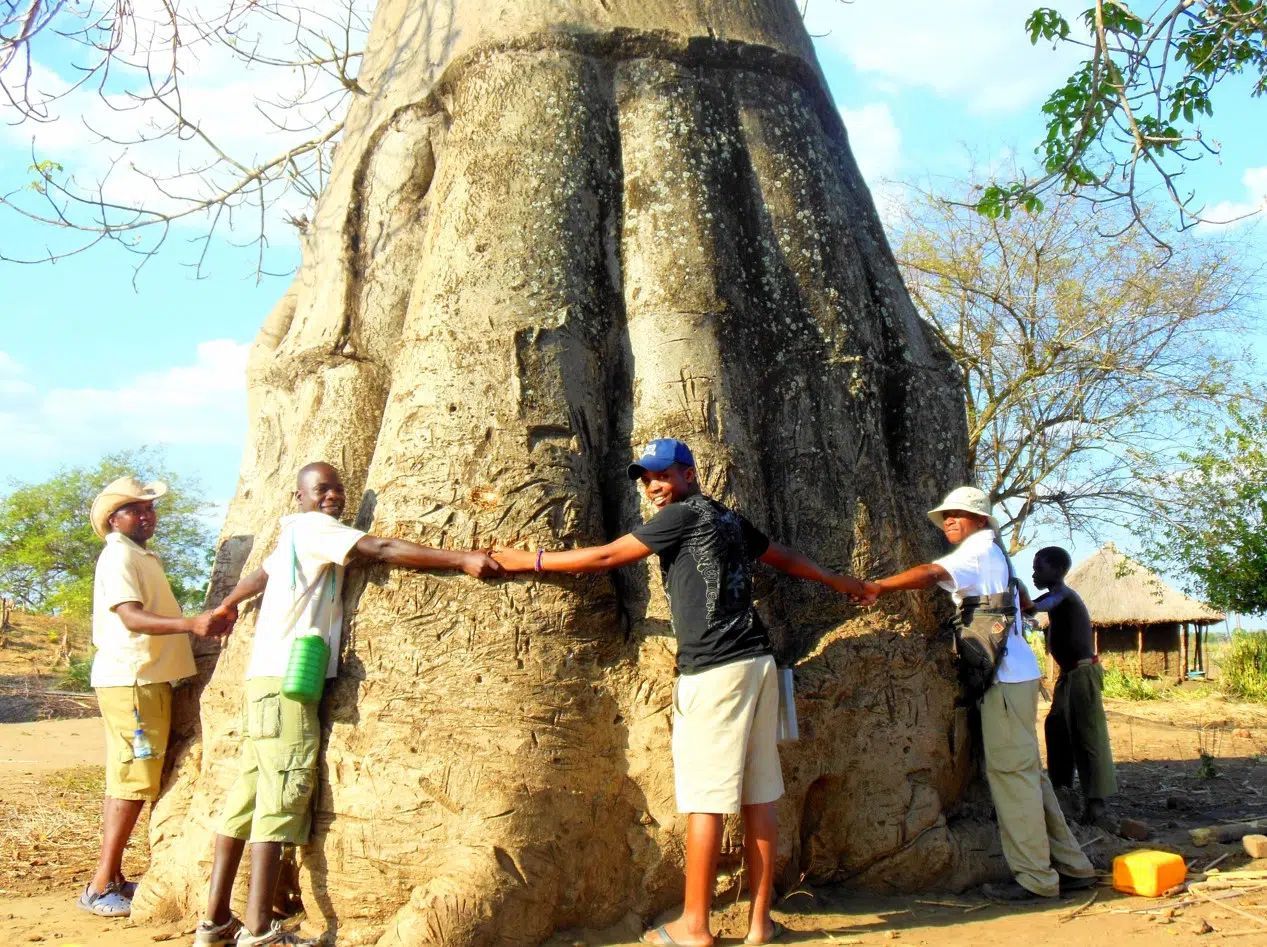
Local communities are central to Gorongosa’s success. More than one hundred surrounding villages benefit from education initiatives, healthcare access, women’s empowerment programs and sustainable agriculture training. Schools receive conservation focused learning resources, while youth programs provide pathways into science and park employment. Women lead tree nurseries and eco enterprises that support reforestation. This shared investment creates long term trust and environmental stewardship.
Sustainable Agriculture and Climate Resilience
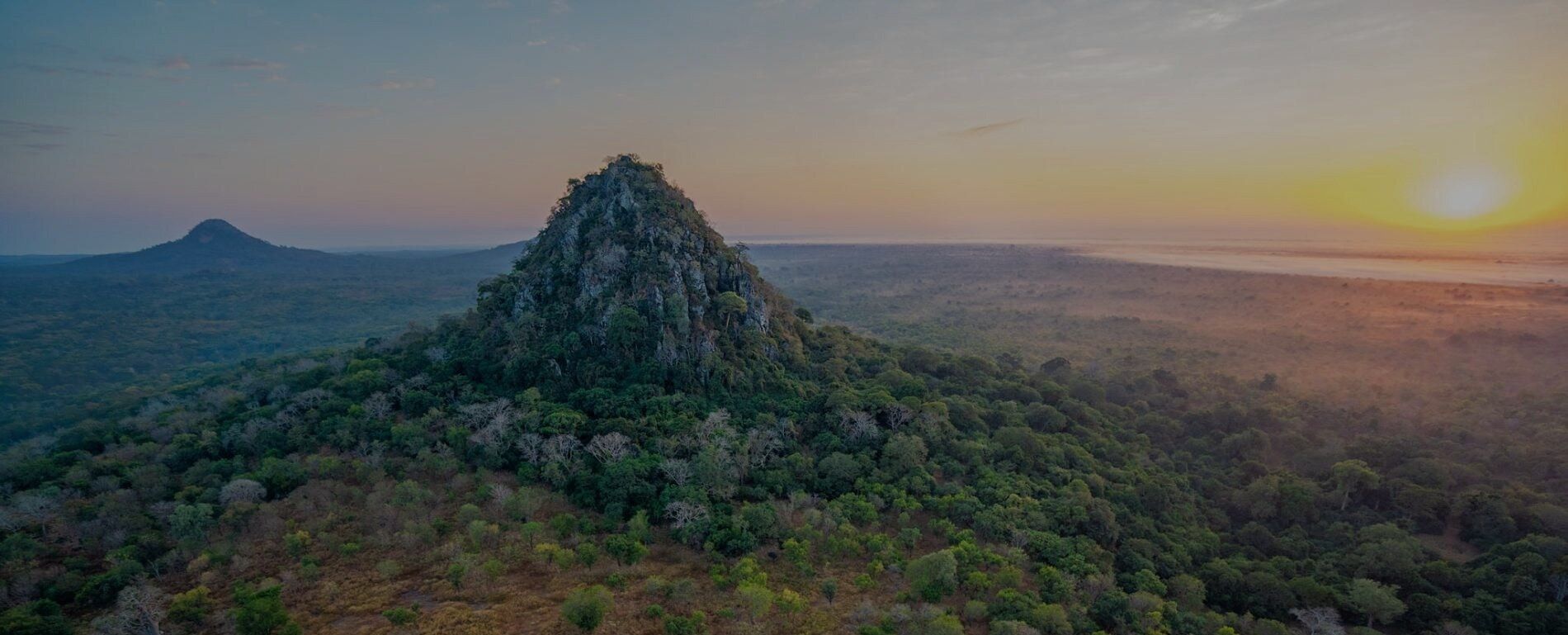
Gorongosa invests heavily in sustainable agriculture to protect livelihoods and ecosystems. Farmers learn soil conservation, organic fertiliser production, water management and drought resilient cropping. Shade grown coffee on Mount Gorongosa provides income while protecting rainforest slopes and watersheds. Agroforestry reduces deforestation, improves food security and strengthens climate resilience, ensuring conservation success extends beyond park boundaries.
Wildlife Protection Supported by Tourism
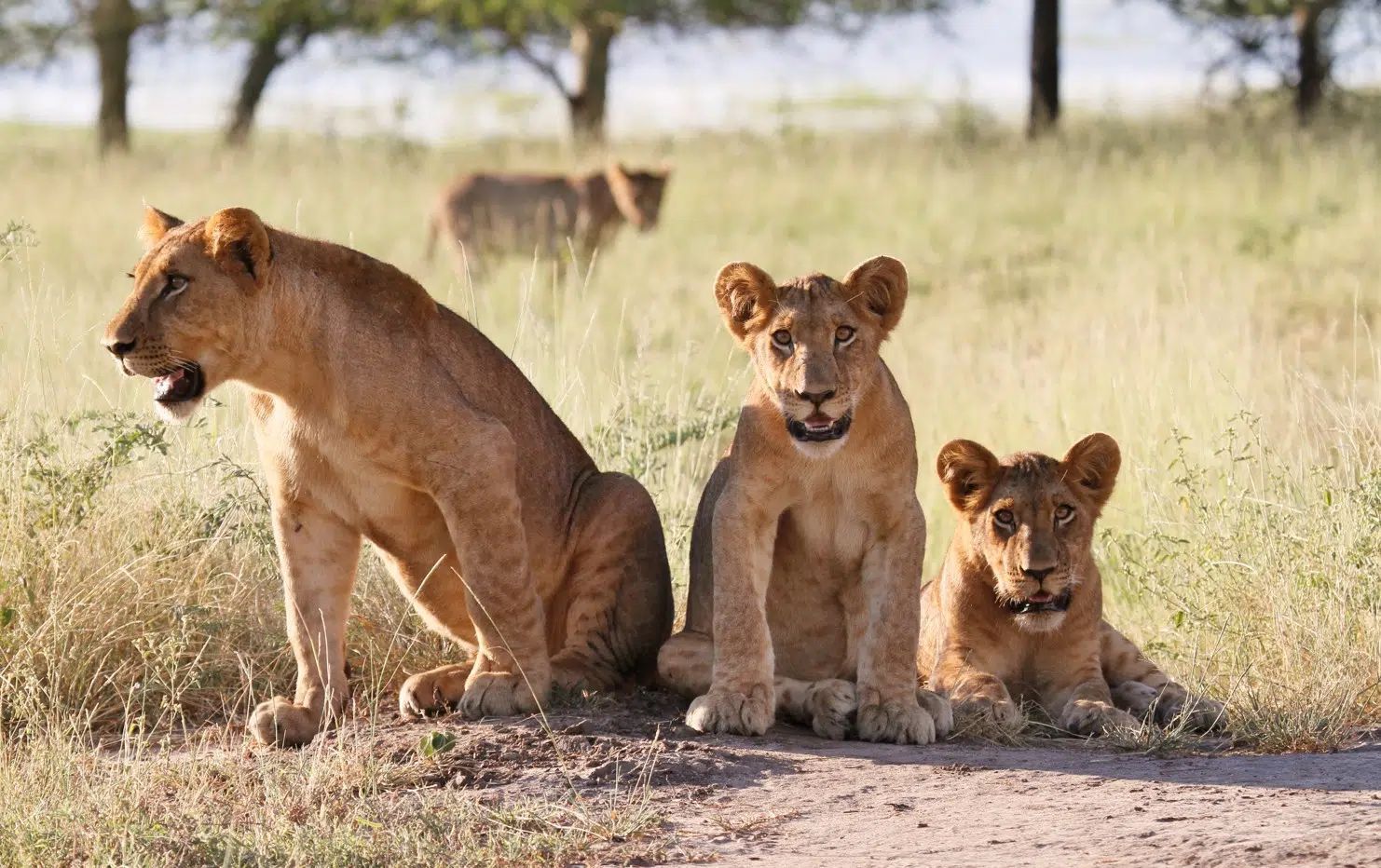
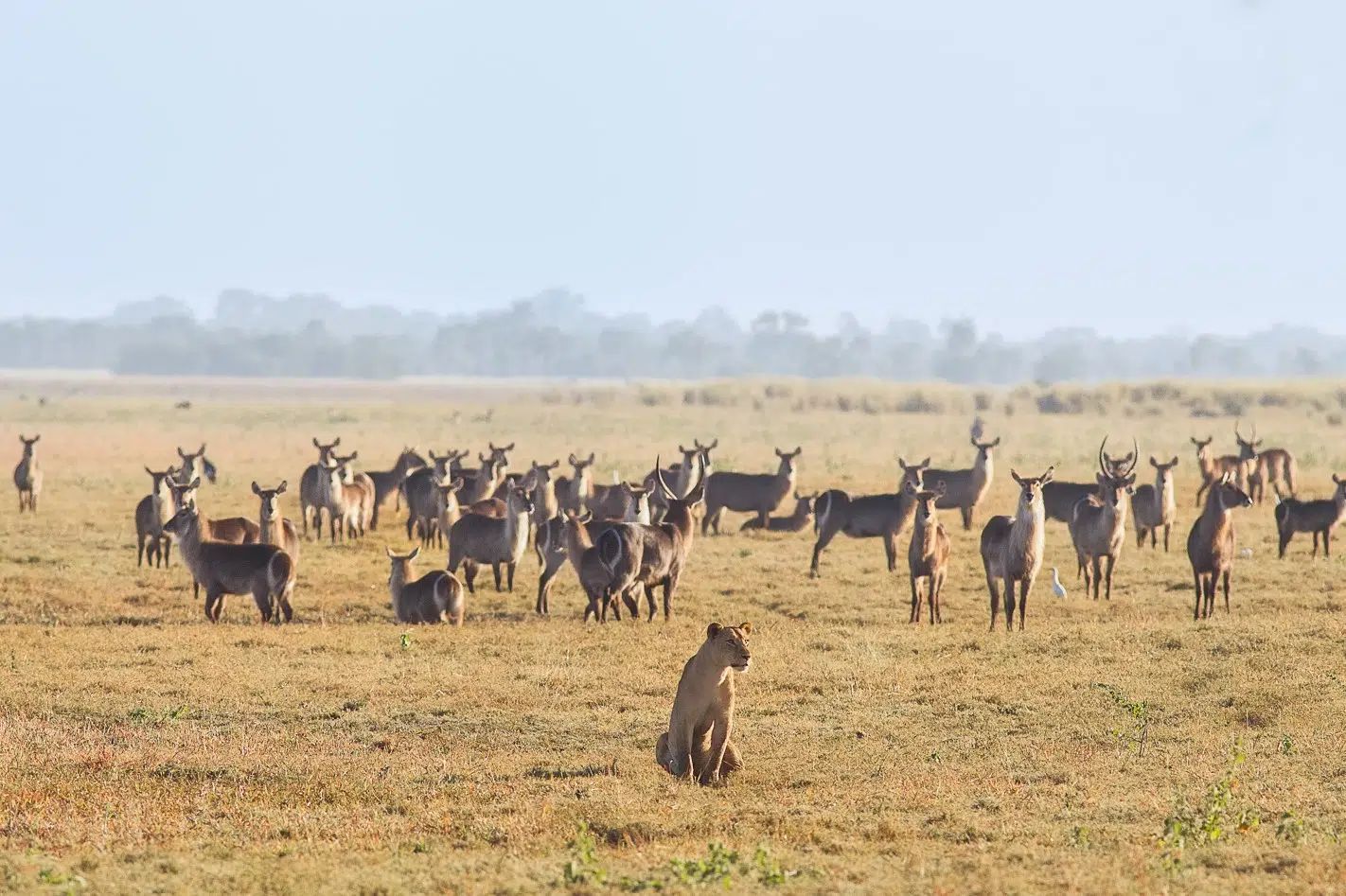
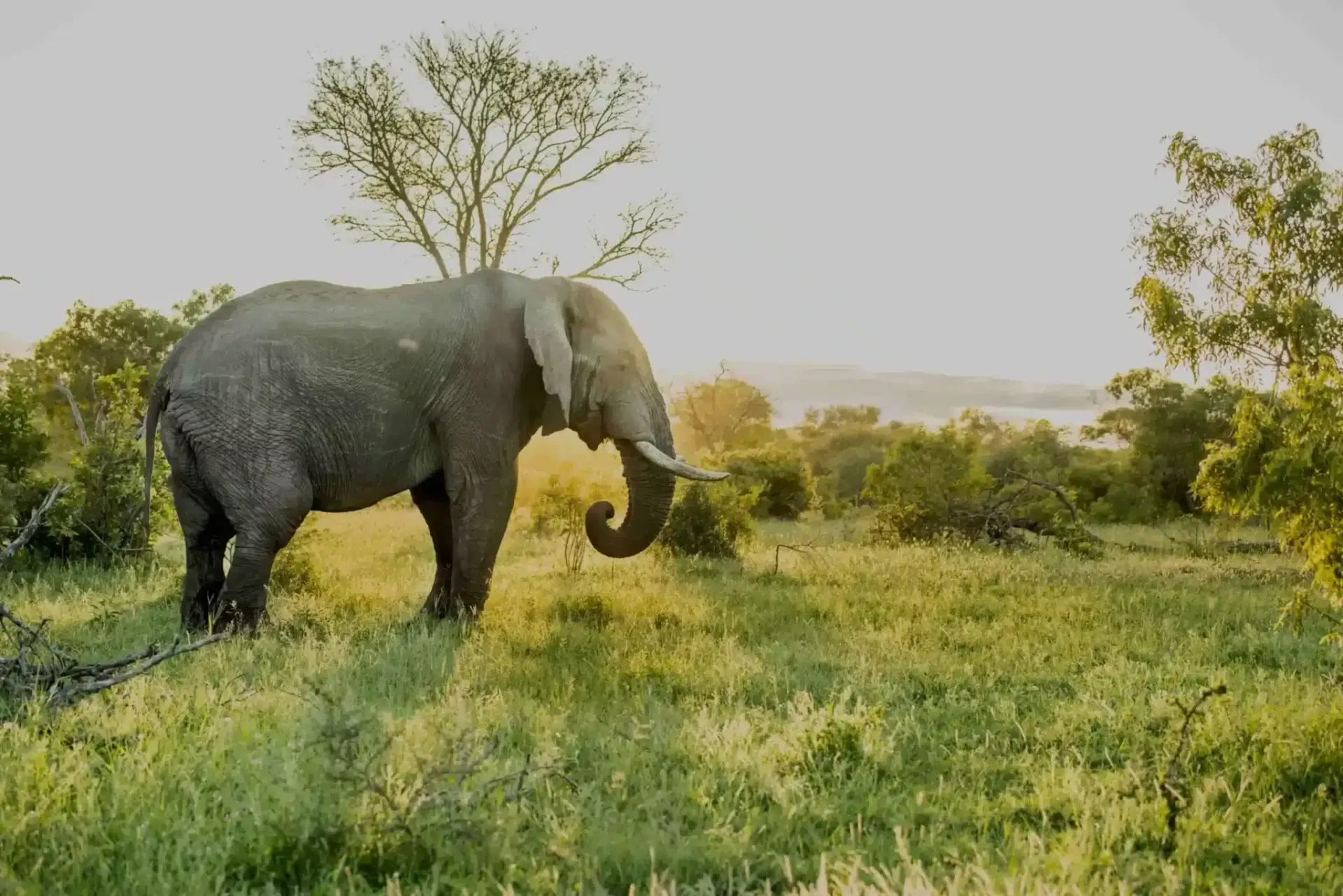
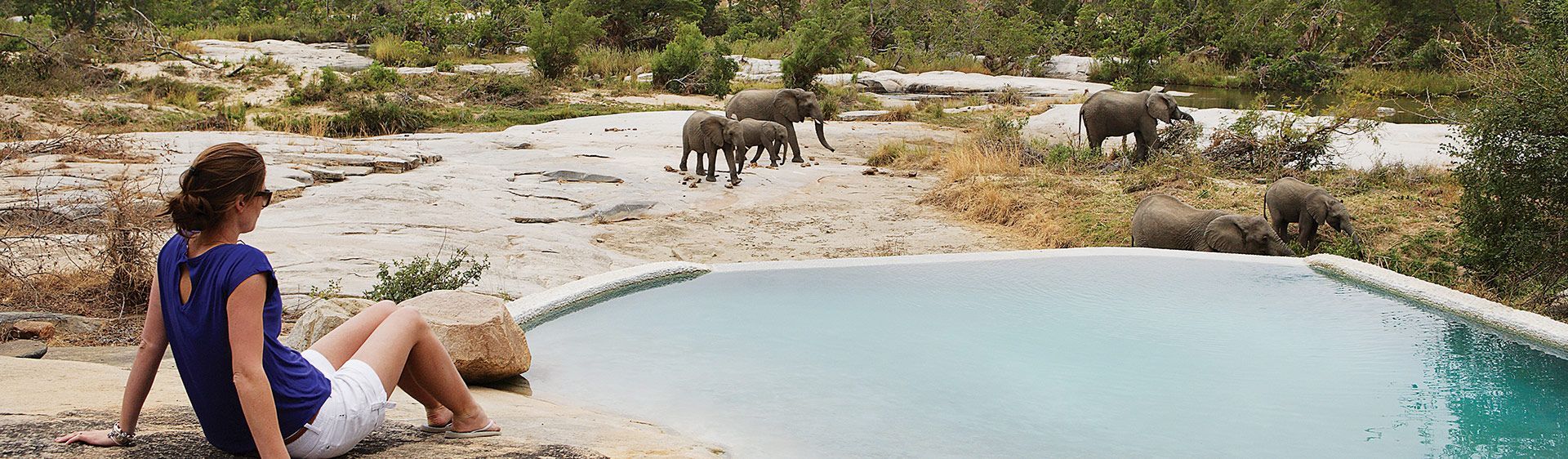
Tourism directly funds ranger units, anti poaching patrols and ecological monitoring programs. Conservation fees support the protection of elephants, lions, pangolins and other key species. Scientific monitoring using camera traps and population surveys tracks wildlife recovery in real time. Visitors play an active role in restoring populations that were once critically depleted through responsible travel choices.
Restoring Habitats and Forest Ecosystems
Habitat restoration is a cornerstone of Gorongosa’s sustainability model. Indigenous tree nurseries managed by women’s cooperatives supply large scale reforestation projects. Wetland rehabilitation strengthens bird and amphibian habitats, while grassland management supports herbivore and predator balance. These long term restoration efforts are funded directly through ethical tourism revenue.
Education and Youth Conservation Programs
Education drives Gorongosa’s long term conservation vision. Programs integrate environmental learning into regional schools, supported by field clubs, workshops and science excursions. The Gorongosa Science Centre trains young Mozambicans in biodiversity research and ecological management. Knowledge transfer ensures conservation leadership remains rooted within local communities across generations.
Tourism Experiences Designed Around Sustainability
Visitor experiences at Gorongosa reflect its conservation ethos. Safari drives focus on ecological systems and species recovery. Rainforest walks on Mount Gorongosa showcase agroforestry and endemic biodiversity. Birding highlights wetland restoration, while lodge talks by scientists and community leaders deepen understanding. Tourism becomes an educational experience tied directly to conservation outcomes.
Combining Gorongosa With a Responsible Beach Journey
Many travellers extend Gorongosa safaris with time along Mozambique’s coast. This combination supports multiple regional economies while balancing immersive conservation travel with coastal relaxation.
Responsible beach extensions reinforce ethical travel values and introduce marine conservation perspectives that complement Gorongosa’s terrestrial focus.
How Gorongosa’s Model Shapes the Future of African Conservation
By 2026, Gorongosa stands as a blueprint for inclusive, science driven conservation tourism. Transparent data, measurable ecological recovery, and deep community integration make it a model studied across Africa and increasingly referenced in global conservation planning. Gorongosa demonstrates that long term conservation success depends on aligning biodiversity protection with human development, rather than treating them as competing priorities. Its approach shows how investment in education, healthcare, sustainable agriculture, and scientific research creates resilience that protects ecosystems over decades, not just tourism seasons.
Gorongosa proves that conservation funding can be diversified through ethical tourism without compromising ecological integrity. The park’s emphasis on evidence based decision making, adaptive management, and local leadership provides a scalable framework for protected areas facing climate pressure, population growth, and limited state funding. As African conservation moves toward models that must deliver both ecological and social outcomes, Gorongosa offers a tested pathway that balances accountability, inclusion, and long term viability for landscapes across the continent.
Safety, Stability and Long-Term Stewardship in Gorongosa
Gorongosa’s success as a conservation landscape is closely linked to long-term stability, structured governance, and careful operational planning. Visitor safety in Gorongosa, community wellbeing, and ecological protection are treated as interconnected priorities rather than separate concerns. Tourism operations are deliberately low-impact and professionally managed, with vetted access routes, trained guiding teams, and coordinated emergency planning in place. Scientific monitoring, ranger presence, and community engagement reduce risk across both human and environmental systems. Importantly, Gorongosa’s conservation model addresses root causes of instability by investing in education, healthcare, and livelihoods beyond park boundaries.
This creates resilience that supports both conservation and visitor confidence. Travellers benefit from an environment that feels calm, purposeful, and well-managed, where safety is maintained through structure rather than restriction. In 2026, Gorongosa demonstrates how sustainable tourism can operate securely while remaining open, inclusive, and deeply connected to the communities it supports.
Travel With Purpose and Support Mozambique’s Leading Conservation Landscape
Travellers seeking ethical, impact driven journeys will find Gorongosa unmatched. Mozambique Travel has more than twenty years of experience designing responsible itineraries that support wildlife protection and community development. We build journeys that highlight Gorongosa’s conservation success and integrate meaningful coastal extensions. Contact our team to plan a 2026 journey that supports Africa’s most progressive conservation model.
Frequently Asked Questions
What makes Gorongosa’s sustainable tourism model different from other African parks?
Gorongosa integrates tourism, community development, scientific research and habitat restoration into one unified system. Tourism revenue supports schools, healthcare, agriculture, wildlife protection and climate resilience. Local communities, scientists and conservation managers work together, creating measurable ecological recovery and shared responsibility. This depth of collaboration makes Gorongosa one of Africa’s most advanced and influential sustainable tourism models.
How does tourism directly support conservation in Gorongosa National Park?
Tourism funds ranger patrols, anti poaching operations, wildlife monitoring and habitat restoration. Conservation fees support camera trap networks, ecological surveys and species recovery programs. Revenue also reduces pressure on natural resources by supporting community livelihoods. Every visitor directly contributes to protecting endangered species and rebuilding ecosystems damaged by decades of conflict.
How do local communities benefit from sustainable tourism at Gorongosa?
Communities benefit through education programs, healthcare access, sustainable agriculture training and conservation based employment. Women lead reforestation nurseries and eco enterprises, while youth access science education and park careers. These benefits create long term community support for conservation, ensuring people living near the park share in its success.
Why is sustainable agriculture critical to Gorongosa’s conservation success?
Sustainable agriculture reduces deforestation, improves soil health and protects water systems feeding the park. Farmers learn climate resilient techniques, organic fertiliser production and agroforestry. Shade grown coffee on Mount Gorongosa provides income while preserving rainforest habitat. These practices protect biodiversity while strengthening food security for surrounding communities.
How does Gorongosa balance tourism growth with ecological protection?
Tourism is carefully managed using scientific data and ecological monitoring. Safari routes, visitor numbers and lodge operations are designed to minimise habitat disturbance. Conservation science guides tourism planning to ensure wildlife behaviour and sensitive ecosystems remain protected. This data driven approach allows tourism without compromising long term ecological health.
What role does education play in Gorongosa’s sustainable tourism model?
Education builds long term conservation leadership. Gorongosa supports schools, field clubs and science training that introduce young Mozambicans to ecology and research careers. Conservation knowledge remains rooted in local communities, ensuring future generations understand and protect their natural environment through informed participation and stewardship.
SHARE THIS POST
Are You Ready FOr Mozambique?
Page through our packages and find the offer right for you!
Ready to Speak to a Mozambique Travel Expert?
Get In Touch and Ask for a Call-Back Today
Latest Posts

Mainland Coastal Sanctuaries in Vilanculos: Why Mozawi Signals a New Direction for Mozambique Travel