

Mozambique National Parks Guide 2026: Where to Go Beyond Gorongosa
By • March 14, 2026
Why Mozambique’s National Parks Deserve a Broader Conversation
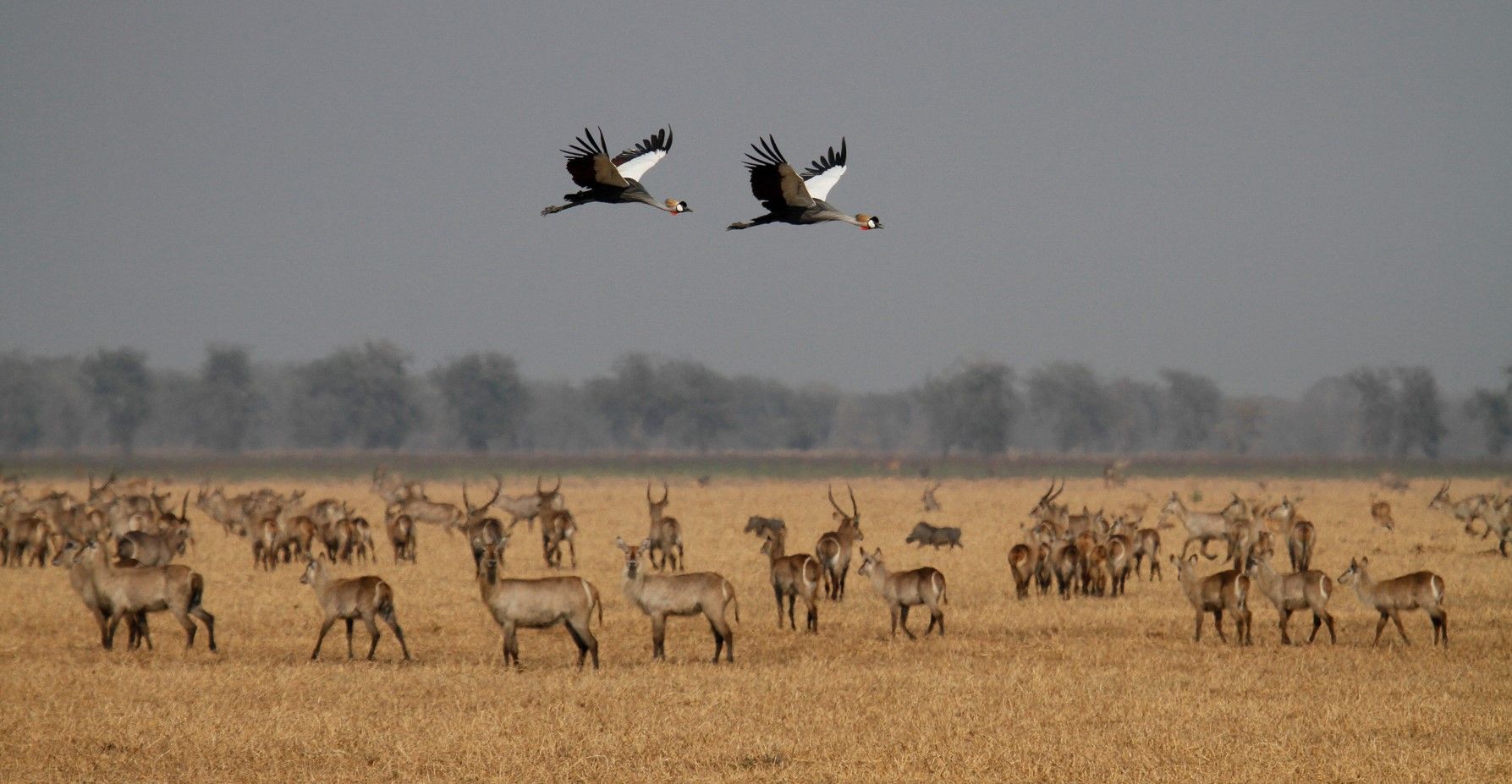
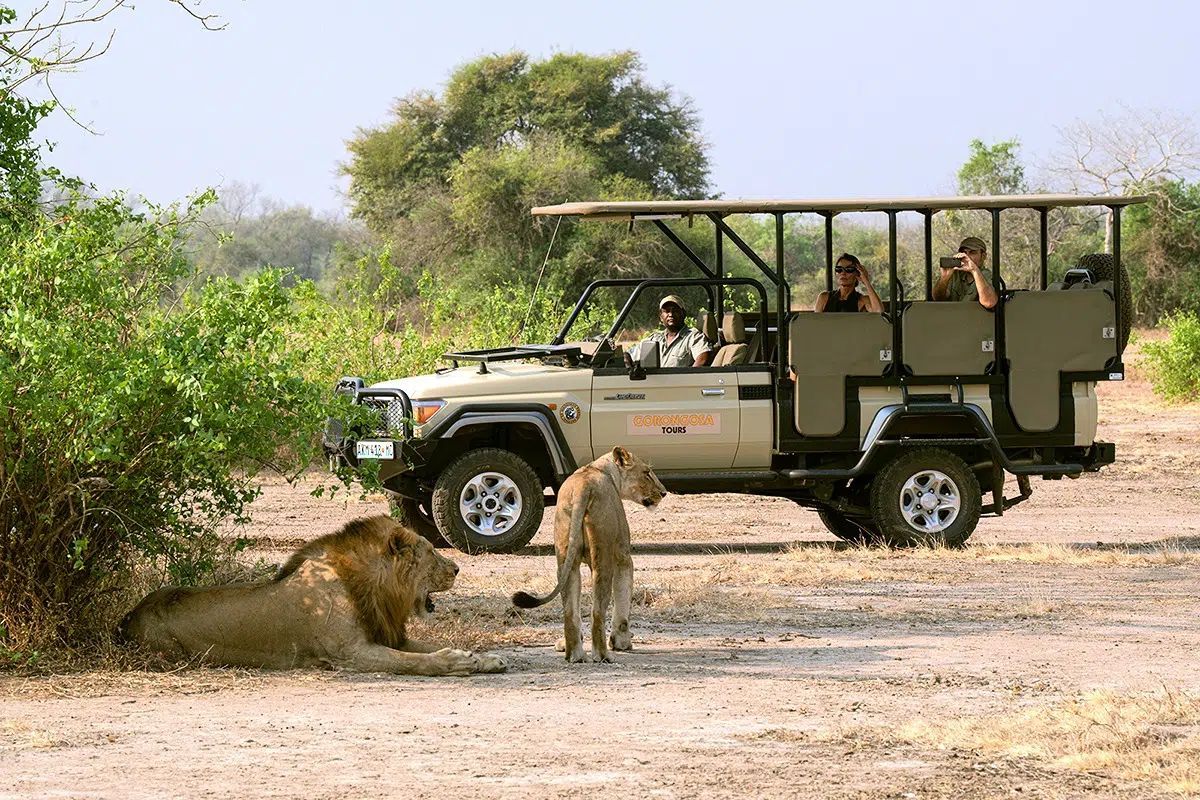
Gorongosa National Park has become the face of Mozambique’s conservation success story, and for good reason. Few protected areas in Africa illustrate ecological recovery as clearly as Gorongosa. After decades of conflict severely reduced wildlife populations, the park has undergone one of the most ambitious restoration programs on the continent. Large-scale rewilding initiatives, scientific research, habitat rehabilitation, and strong community partnerships have helped restore wildlife populations and rebuild ecological balance across the Gorongosa ecosystem. Today the park supports growing numbers of elephants, lions, antelope species, and birdlife, while its floodplains and forests again function as healthy wildlife habitats.
This remarkable recovery has brought international attention to Gorongosa, often positioning it as Mozambique’s flagship safari destination. Yet focusing exclusively on Gorongosa risks overlooking the broader national parks network that defines Mozambique’s long-term conservation potential. The country’s protected areas extend far beyond a single park, forming a diverse and evolving system that protects coastlines, wetlands, savannas, forests, and river systems across a vast landscape. Understanding this wider network reveals a far richer conservation story than Gorongosa alone can tell.
Mozambique’s national parks are among the least crowded wildlife destinations in Africa. Many remain lightly visited compared with established safari regions in southern and eastern Africa, offering travellers a sense of space and exploration that is increasingly rare elsewhere on the continent. For travellers planning safaris in 2026, looking beyond Gorongosa opens the door to varied ecosystems, emerging wildlife regions, and authentic conservation landscapes that remain largely undiscovered by mainstream tourism.
Mozambique’s protected areas also differ significantly in character. Some parks are wildlife-rich and increasingly accessible, offering structured safari experiences similar to those found in neighbouring countries. Others are remote and still in early recovery phases, attracting travellers interested in conservation journeys rather than conventional safari expectations. This diversity allows Mozambique to appeal to travellers seeking something different from the typical high-density wildlife circuits.
Maputo National Park, located in the south near the border with South Africa, illustrates another dimension of Mozambique’s conservation landscape. Here wetlands, forests, lakes, and coastal systems merge within a single protected area that connects directly to marine ecosystems. The park plays an important ecological role within the Lubombo Transfrontier Conservation Area, supporting elephant migration routes and protecting critical wetland habitats that attract large numbers of birds and aquatic species. Its proximity to Maputo city also highlights how conservation areas can coexist with growing urban regions while still protecting biodiversity.
Further north, parks and reserves form part of broader landscape conservation initiatives that link protected areas with community land and wildlife corridors. These regions emphasize ecological connectivity rather than isolated conservation islands. Wildlife movement, habitat restoration, and community involvement are central to this strategy, helping ensure that conservation benefits both ecosystems and the people living alongside them.
How Mozambique’s National Park System Is Structured
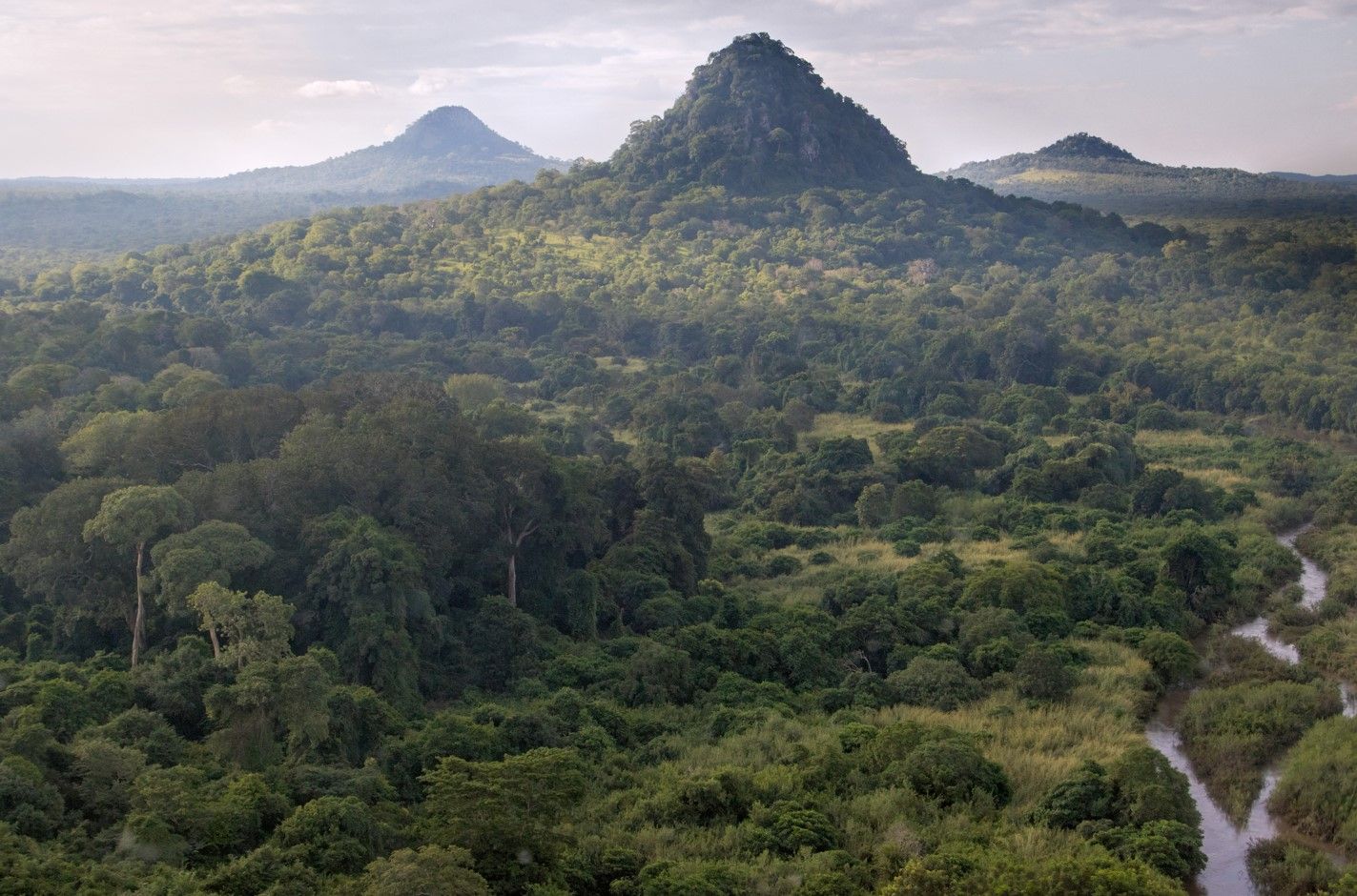
Mozambique’s national parks and reserves protect a wide range of ecosystems, from floodplains and savanna grasslands to coastal wetlands, lakes, and forested escarpments. Each protected area reflects the geography of its region, creating distinct wildlife environments that differ markedly from one another. Gorongosa’s floodplains and woodlands contrast with the coastal dune systems of Maputo National Park, while other protected areas safeguard river valleys, forests, and inland wetlands.
Unlike more established safari destinations such as Botswana or Tanzania, Mozambique’s park system is not uniformly developed for tourism. Infrastructure, wildlife density, and accessibility vary widely between regions. Some parks offer established safari lodges, road networks, and guided wildlife experiences, while others remain remote landscapes where conservation priorities currently outweigh tourism infrastructure.
This uneven development is not a weakness but rather a reflection of a conservation system rebuilding after decades of disruption. During periods of instability, many protected areas experienced wildlife loss and limited management capacity. The recovery now underway across Mozambique’s parks represents a long-term conservation process that prioritises ecological restoration, wildlife reintroduction, and community engagement before large-scale tourism development.
As a result, Mozambique’s parks appeal to different types of travellers. Some destinations are ideal for traditional safari wildlife viewing, particularly where wildlife populations have recovered strongly. Other parks attract travellers interested in landscapes, conservation stories, and pioneering safari regions where tourism remains limited and natural environments feel largely untouched.
For travellers willing to explore beyond well-known safari circuits, Mozambique offers an opportunity to experience conservation in progress. The country’s national parks reveal ecosystems still evolving, wildlife populations steadily returning, and conservation models built around collaboration between scientists, rangers, communities, and tourism partners.
Seen in this broader context, Gorongosa is not the entire story but rather the most visible example of a national conservation effort that continues to expand across Mozambique. The country’s parks collectively represent one of southern Africa’s most promising wildlife frontiers, where restoration, protection, and sustainable tourism are gradually reshaping a once-fragmented conservation landscape.
Gorongosa as a Benchmark, Not the Whole Story
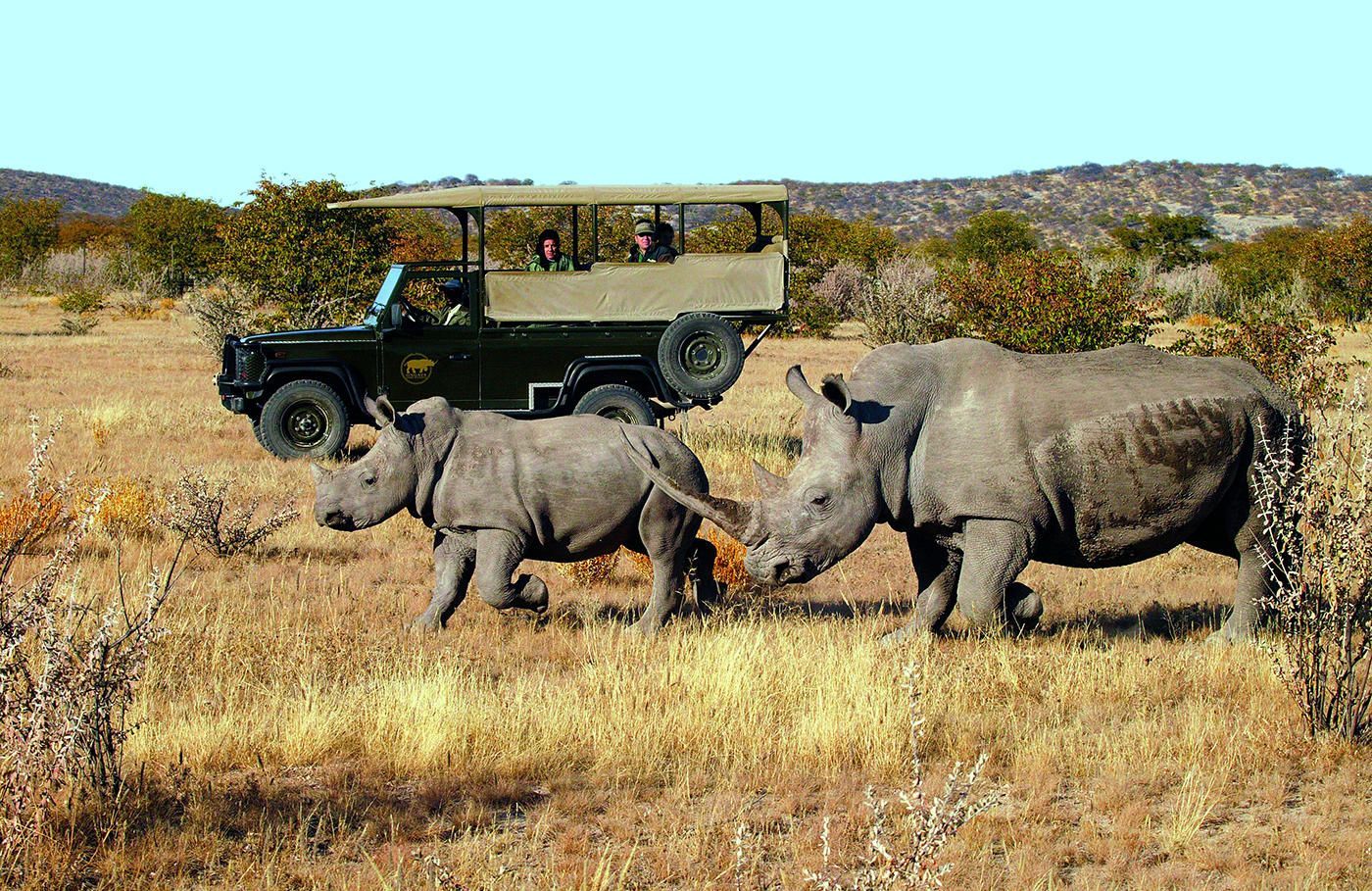
Gorongosa sets a benchmark for what is possible when long-term funding, scientific input, and community partnership are aligned behind a clear conservation vision. Its recovery has reshaped global perceptions of Mozambique as a wildlife destination, but it should be understood as a reference point rather than a template that applies everywhere. Gorongosa’s success reflects very specific historical, ecological, and institutional conditions that cannot simply be replicated across all parks.
Mozambique’s broader conservation landscape is deliberately more varied. Other parks operate with different priorities, timelines, and success measures. Some focus on restoring ecosystems quietly rather than attracting high tourism volumes. Others prioritise species recovery, corridor protection, or landscape stability over traditional safari density. Travellers who recognise this diversity are better equipped to choose parks that align with their interests, whether that is conservation insight, wilderness, or emerging wildlife rather than classic safari spectacle.
Limpopo National Park and the Greater Transfrontier Landscape
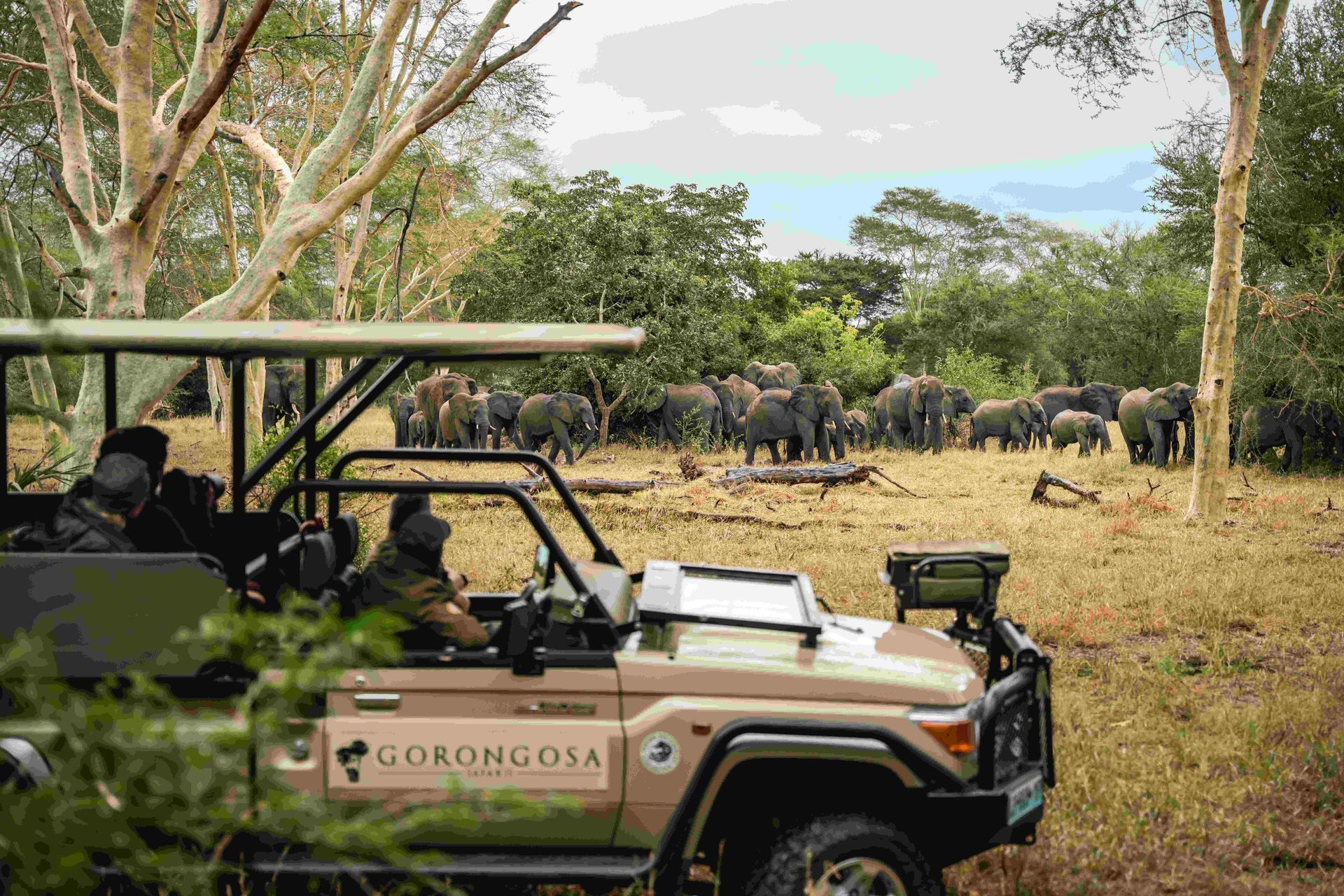
Limpopo National Park is defined by scale and connectivity rather than concentrated wildlife viewing. As part of the Great Limpopo Transfrontier Conservation Area, it links Mozambique with South Africa and Zimbabwe, restoring historic movement routes across one of southern Africa’s largest conservation landscapes. This transboundary design strengthens ecological resilience and allows wildlife to move naturally in response to seasonal conditions and resource availability.
Wildlife numbers in Limpopo continue to increase through natural recolonisation from neighbouring reserves, particularly Kruger National Park. While densities remain lower than in South Africa’s flagship safari areas, the experience here is about travelling through a functioning conservation corridor rather than visiting a contained reserve. Limpopo appeals to travellers who value space, remoteness, and the sense of conservation unfolding at landscape scale rather than guaranteed sightings.
Zinave National Park and Emerging Wildlife Recovery
Zinave National Park represents one of Mozambique’s most important long-term recovery projects. Following decades of depletion, the park has undergone extensive wildlife reintroductions alongside habitat restoration and strengthened protection. These efforts are beginning to re-establish ecological processes, positioning Zinave as a meaningful conservation area rather than a finished safari destination.
Zinave suits travellers interested in conservation in progress. Game viewing continues to improve, but expectations must be realistic. The park’s appeal lies in its open landscapes, strong birdlife, and its role in rebuilding wildlife populations within central Mozambique. Zinave demonstrates how recovery unfolds gradually, measured through stability and resilience rather than immediate density.
Banhine National Park and the Role of Wetland Ecosystems
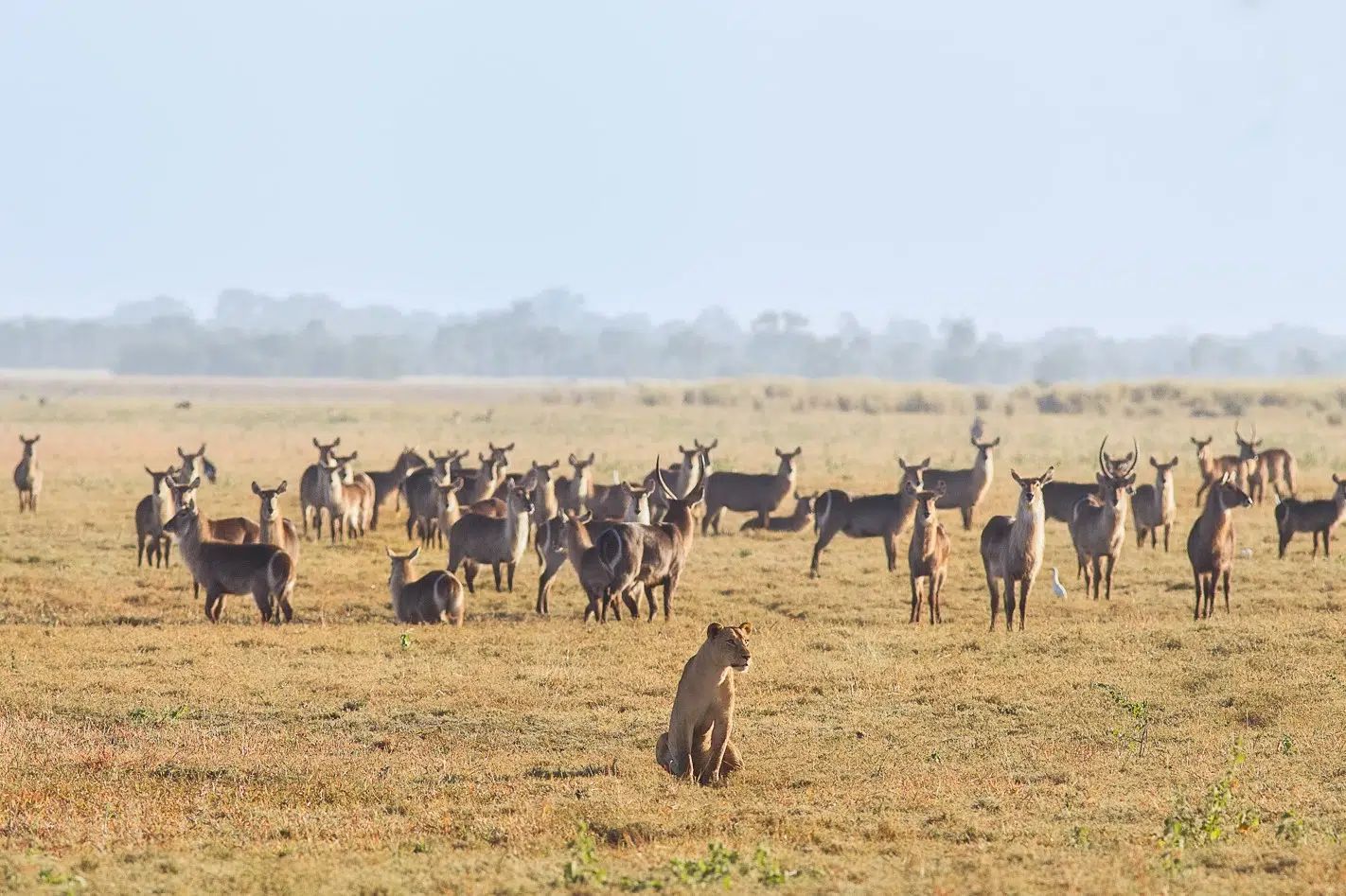
Banhine National Park protects one of Mozambique’s most distinctive wetland systems, shaped by seasonal pans, grasslands, and variable rainfall. Wildlife presence fluctuates significantly depending on water availability, with wetter periods supporting grazing species and migratory birds adapted to floodplain environments.
This park is not designed for conventional safari tourism. Its value lies in illustrating how climate patterns and water cycles influence wildlife distribution across southern Mozambique. Banhine appeals to travellers interested in ecosystems, seasonal change, and landscape-level conservation rather than predictable game drives or iconic species.
Maputo National Park and Coastal Wildlife Connectivity
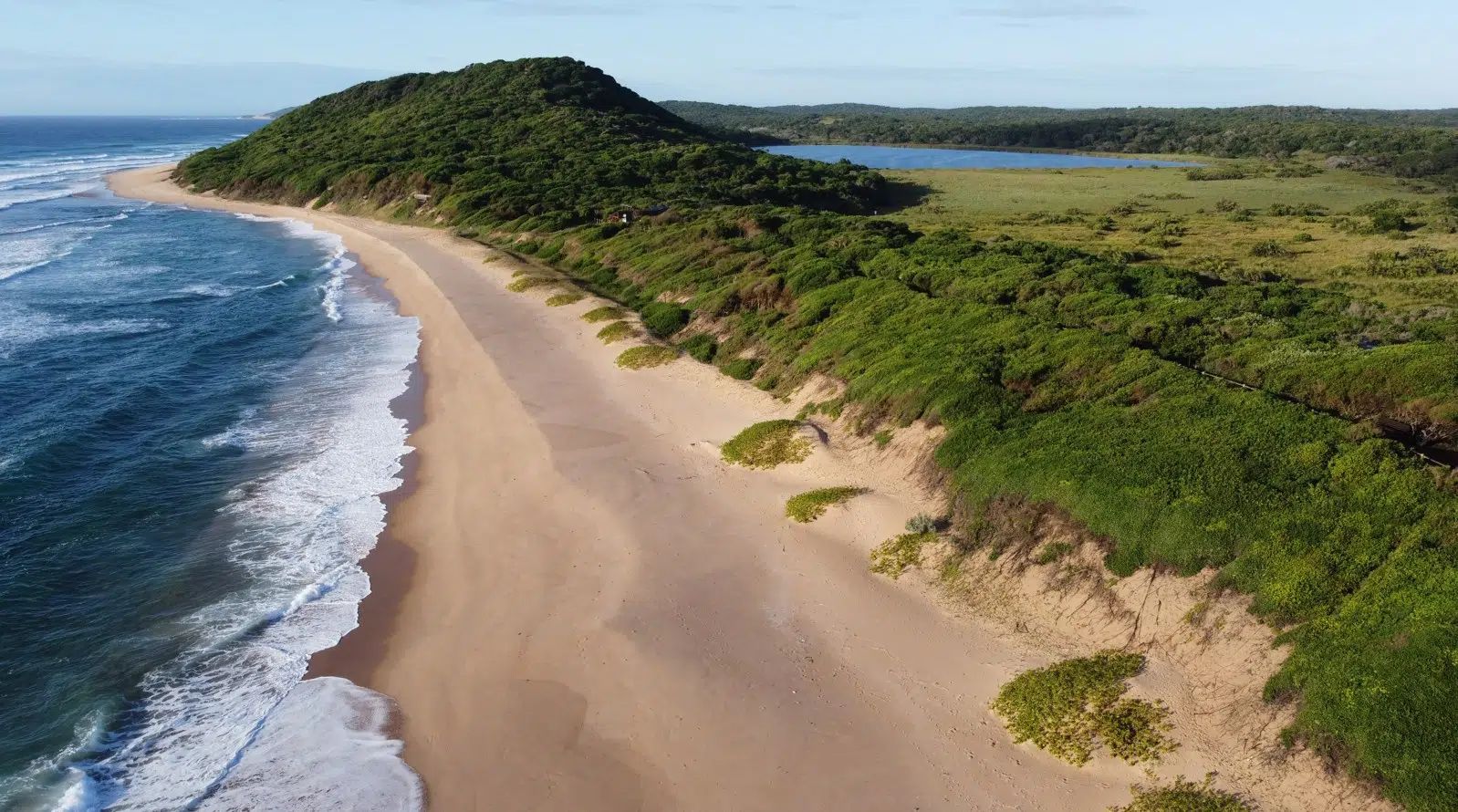
Maputo National Park plays a critical role in linking terrestrial, wetland, and coastal ecosystems within southern Mozambique. Located only a short distance from Maputo city yet protected as a vast conservation landscape, the park represents one of the most important ecological transition zones in the country. Forests, freshwater lakes, floodplains, and coastal dune systems combine to create a mosaic of habitats that support elephants, antelope, hippos, crocodiles, and a remarkable diversity of birdlife.
These habitats function as interconnected ecological systems, allowing wildlife to move naturally between inland environments and the Indian Ocean coastline. The park’s position at the meeting point of land and sea ecosystems adds another dimension to its conservation value, reinforcing the importance of integrated environmental management where terrestrial protection directly supports coastal and marine health.
Wildlife viewing in Maputo National Park differs from traditional high-density safari destinations. The experience is shaped more by movement, habitat diversity, and ecological processes than by concentrated wildlife sightings. Elephants are among the most important species in the park, using Maputo as part of wider migratory routes that connect with neighbouring reserves and the broader Lubombo Transfrontier Conservation Area. These migration corridors are essential for long-term species survival, allowing animals to follow seasonal water sources and grazing patterns across large landscapes. Observing these movements provides visitors with a deeper understanding of how wildlife populations depend on protected corridors rather than isolated reserves.
The park also supports a growing population of antelope species including kudu, reedbuck, and nyala, while wetlands and lake systems attract large numbers of waterbirds and migratory species. Flamingos, pelicans, herons, and fish eagles are commonly recorded around the park’s lakes and estuaries, making Maputo National Park particularly attractive for travellers interested in birdlife and wetland ecosystems. These environments change dramatically with seasonal rainfall and water levels, creating dynamic wildlife conditions throughout the year.
Conservation success in Maputo National Park is measured through ecological recovery and coexistence rather than safari tourism volume. Over the past decade, restoration programs have focused on rebuilding wildlife populations, strengthening ranger capacity, and protecting ecological corridors that link the park to surrounding landscapes. Community partnerships play a central role in this approach. Local communities living near the park are increasingly involved in conservation initiatives, sustainable tourism development, and natural resource management. This integrated model recognises that long-term biodiversity protection depends on cooperation between conservation authorities and the people who share the landscape.
For travellers, Maputo National Park offers a different perspective on African conservation. Instead of focusing solely on classic safari sightings, visitors experience a landscape where wildlife, wetlands, coastal forests, and human communities exist in close proximity. The park demonstrates how protected areas can function near urban centres while still maintaining ecological integrity. Lakes such as Lake Piti and Lake Xingute form important wildlife gathering points, while coastal dunes and forest corridors provide habitat for smaller mammals and reptiles that thrive in the park’s varied environments.
The proximity of the Indian Ocean further enhances the park’s ecological significance. Coastal ecosystems, including dune forests and marine-influenced wetlands, interact directly with inland habitats. This relationship between land and sea ecosystems supports fish breeding grounds, bird migration routes, and coastal biodiversity that extends beyond the park’s terrestrial boundaries. Protecting these interconnected systems helps maintain the broader health of southern Mozambique’s coastal environment.
Maputo National Park therefore represents more than a safari destination. It is a living example of modern conservation thinking in action. The park illustrates how wildlife protection, ecological connectivity, and community engagement combine to safeguard biodiversity within a rapidly developing region. Travellers visiting the park gain insight into the realities of conservation in the twenty-first century, where success depends not only on protecting animals but also on maintaining the landscapes and migration routes that allow ecosystems to function naturally over time.
Why Wildlife Density Is Not the Only Measure of Value
Mozambique’s national parks challenge the assumption that wildlife density defines safari quality. Many parks prioritize ecological integrity, species recovery, and habitat protection over immediate tourism appeal. This long-term approach may not deliver instant gratification, but it supports sustainable conservation outcomes.
For travelers in 2026, this presents an opportunity to engage with conservation beyond traditional safari models. Parks that are quieter and less developed often offer deeper insight into how ecosystems function and recover.
Access, Infrastructure, and Planning Realities
Traveling to Mozambique’s national parks requires careful planning. Road access, accommodation availability, and guiding standards vary widely. Some parks are accessible via scheduled routes and established lodges, while others require private transfers or guided expeditions.
Understanding these realities helps align expectations. Mozambique rewards travelers who plan thoughtfully and prioritize context over convenience. Working with specialists familiar with current conditions reduces logistical challenges and enhances the overall experience.
Safety, Context, and Travel Confidence
Safety in Mozambique’s national parks is shaped primarily by remoteness, scale, and limited infrastructure rather than political or social instability. Many parks operate with low visitor numbers, long distances between services, and minimal road networks, which places greater importance on advance planning, professional guiding, and realistic daily itineraries. Travel within parks often involves slower movement, limited communication coverage, and fewer immediate support options, all of which require preparedness rather than concern.
Wildlife encounters take place in open, unfenced environments with little tourism congestion. This reduces pressure on animals but also means visitors must rely on guides, situational awareness, and adherence to park protocols rather than fixed routines. Safety in this context is about understanding behaviour, respecting distance, and accepting natural variability rather than expecting managed viewing conditions.
For experienced travellers, this style of travel feels immersive and grounded, offering a stronger sense of place and authenticity. For first-time safari travellers, choosing the right park, accommodation level, and guiding support is essential. Well-matched logistics, clear expectations, and experienced operators transform remoteness from a challenge into one of Mozambique’s defining strengths when travelling to its national parks.
Plan Your Trip
Exploring Mozambique’s national parks beyond Gorongosa works best as part of a broader itinerary that balances wildlife areas with coastal or cultural regions. Some parks suit short, focused visits, while others are best approached as conservation experiences rather than classic safaris. Matching expectations to the right park is key to a rewarding journey.
Explore Mozambique’s Parks With Context and Clarity
Mozambique’s national parks are not about ticking boxes, they are about understanding recovery, resilience, and long-term conservation. Mozambique Travel works closely with trusted partners to guide travelers toward parks that align with their interests, experience level, and expectations. If you want to explore Mozambique beyond Gorongosa in 2026, speak with our team about planning a journey that reflects where each park truly stands today.
Featured Packages
Frequently Asked Questions
Are Mozambique’s national parks suitable for first-time safari travelers?
Some Mozambique national parks are suitable for first-time safari travelers, particularly Gorongosa and emerging areas with established guiding. Others are better suited to experienced travelers comfortable with variable wildlife density and limited infrastructure. Choosing the right park is essential.
Which national park in Mozambique has the most wildlife?
Gorongosa currently offers the highest wildlife density among Mozambique’s national parks. Other parks are recovering and may not match traditional safari expectations, but they contribute significantly to long-term conservation and biodiversity protection.
Can Mozambique’s national parks be combined with beach destinations?
Yes, Mozambique’s national parks combine naturally with coastal and island destinations. Many itineraries pair inland conservation areas with beach stays, creating balance and allowing travelers to experience both wildlife and marine environments within one journey.
Why are some Mozambique parks less developed for tourism?
Many Mozambique parks are less developed because conservation priorities focus on habitat recovery rather than rapid tourism growth. This approach supports ecological stability and avoids overuse while allowing tourism to develop gradually and responsibly.
SHARE THIS POST
Are You Ready FOr Mozambique?
Page through our packages and find the offer right for you!
Ready to Speak to a Mozambique Travel Expert?
Get In Touch and Ask for a Call-Back Today
Latest Posts
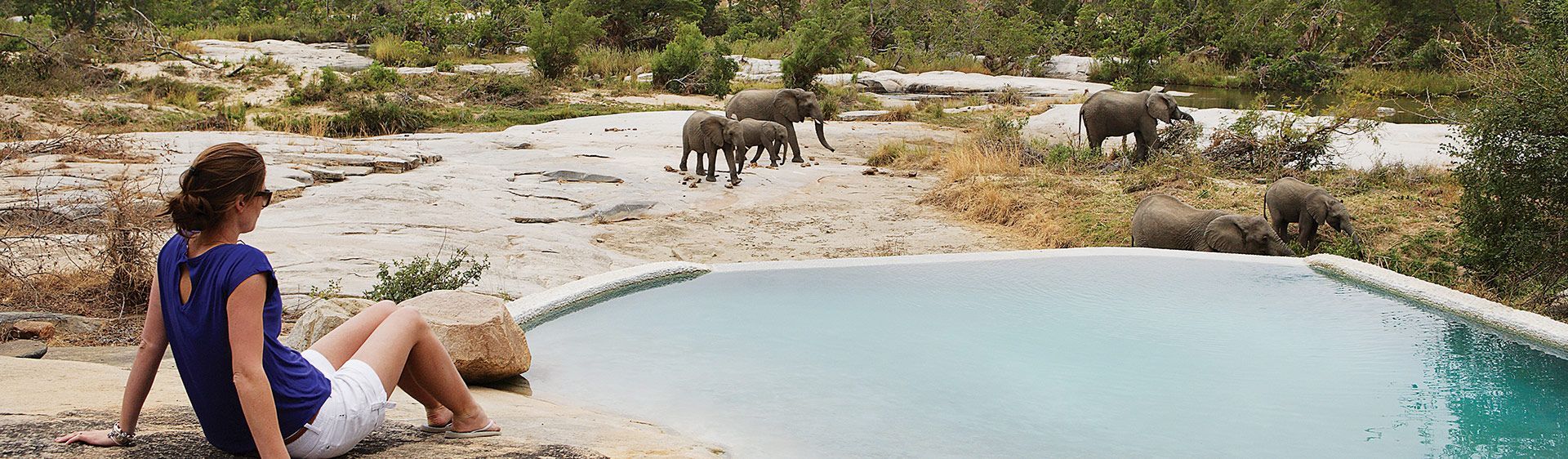

Mainland Coastal Sanctuaries in Vilanculos: Why Mozawi Signals a New Direction for Mozambique Travel