
Safari and Mozambique Holidays 2026: The Complete Planning Guide
By • March 8, 2026
How Safari and Mozambique Holidays Are Redefining African Travel in 2026
Safari and Mozambique holidays have moved far beyond the old idea of a simple beach extension. In 2026, Mozambique stands as a strategic anchor destination in its own right, pairing seamlessly with Southern Africa’s most established wildlife regions. The journey is no longer safari first and beach second. It is a deliberately structured progression from land to ocean.
Travelers today are seeking contrast without complexity. They want meaningful wildlife immersion followed by breathing space, marine biodiversity, and restorative coastline. Mozambique answers that demand with Indian Ocean calm, lower density beaches, warm water year round appeal, and boutique lodge environments that prioritize privacy over scale.
The appeal also lies in atmosphere. Unlike heavily commercialized coastal hubs, Mozambique retains a wilderness-adjacent character. Fishing dhows still cross the horizon at sunrise. Island sandbanks remain uncrowded. Lodges integrate into dunes and palm forests rather than dominate them.
This creates emotional contrast that defines modern safari and beach travel. Intense mornings tracking lion or elephant transition into afternoons shaped by tide charts, snorkeling reefs, and slow ocean sunsets. The shift is not just geographic. It is psychological. That balance is precisely why safari and Mozambique holidays are accelerating in popularity for 2026.
Gorongosa: The Flagship Mozambique Safari
If Mozambique is the anchor, Gorongosa is the headline.
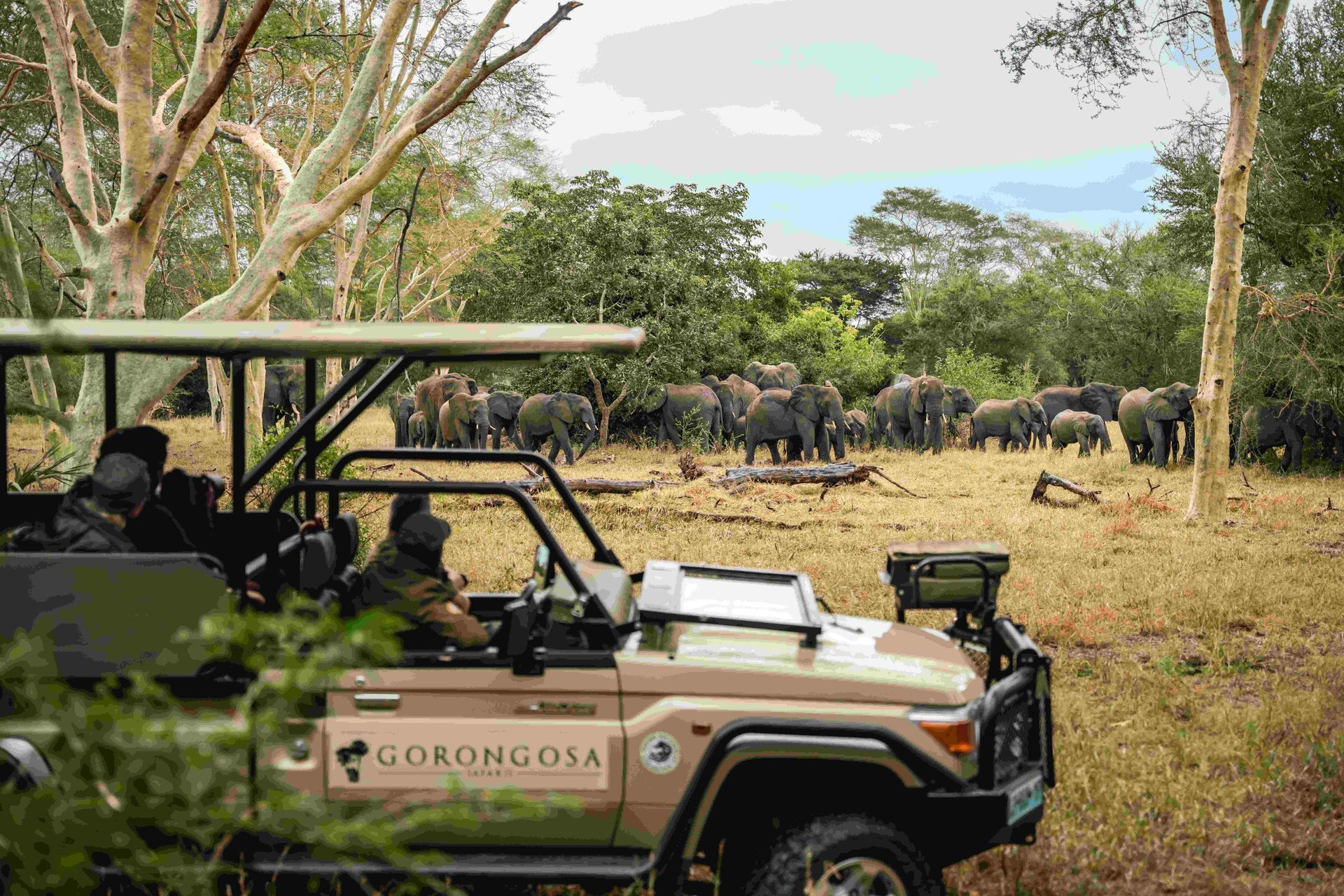
Gorongosa National Park is not simply a safari destination. It is one of Africa’s most widely studied conservation recovery models and one of the most significant wildlife restoration stories of the past two decades. For travelers researching safari and Mozambique holidays in 2026, Gorongosa represents something rare: ecological authenticity inside a coastal-accessible country.
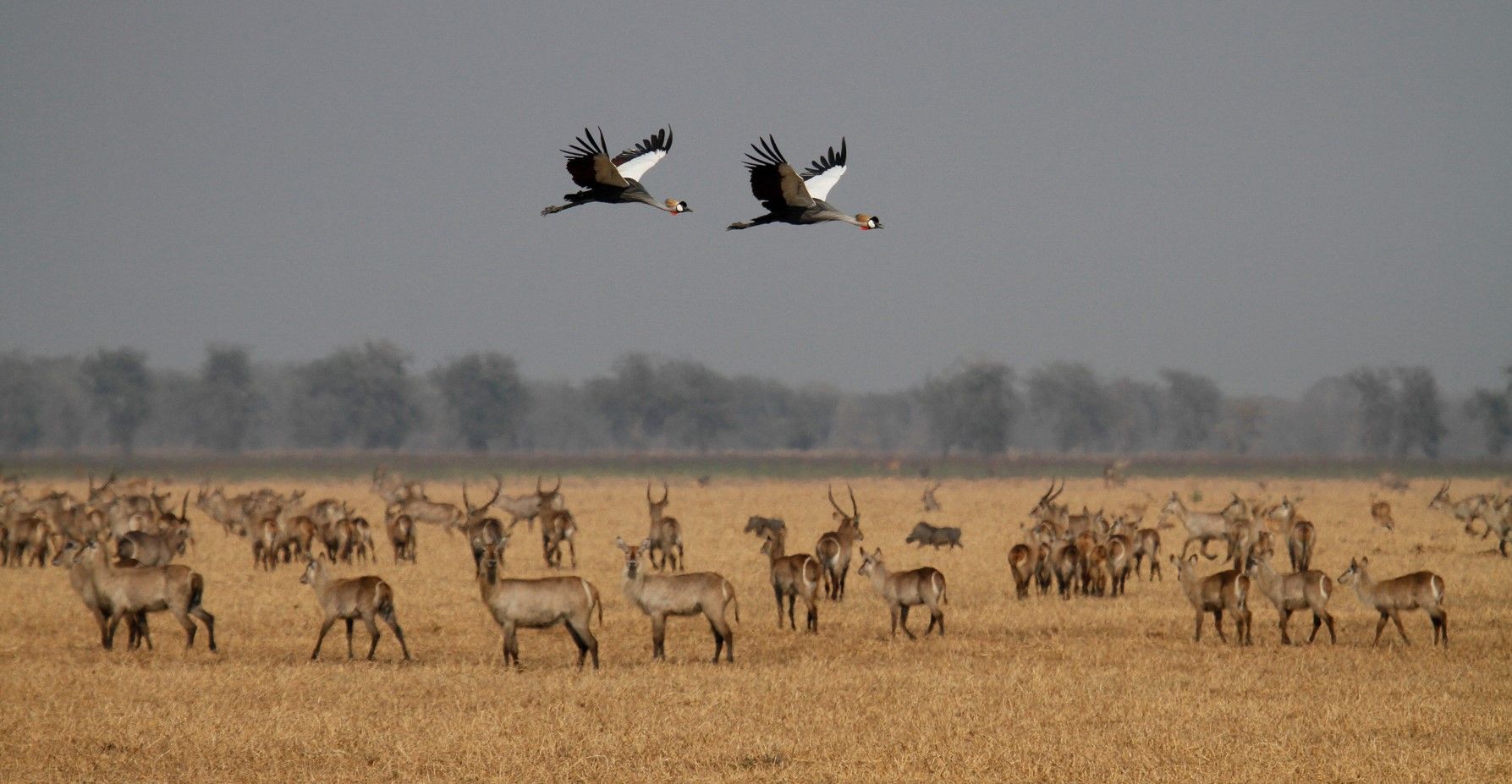
Wildlife populations have rebounded dramatically. Lion numbers are strong and stable. Elephant herds are expanding. Buffalo, waterbuck, reedbuck, and other large antelope species dominate the floodplains. Hippos concentrate along river systems. Crocodiles line the waterways. Birdlife exceeds 400 recorded species, placing Gorongosa among Southern Africa’s strongest birding environments.
What distinguishes Gorongosa is ecological layering. The park combines seasonal floodplains, acacia woodland, palm-dotted savanna, riverine forest, and the slopes of Mount Gorongosa. That vertical biodiversity creates different game-viewing environments within one reserve. Morning drives across open plains contrast sharply with late-afternoon river circuits and mountain backdrops.
Vehicle density remains low compared with many southern African parks. This creates an immersive atmosphere and improves photographic opportunity. Light conditions across the floodplain at sunrise are particularly strong for wildlife photography.
Operationally, Gorongosa offers a major advantage for travelers asking whether they can combine safari and beach entirely within Mozambique. The answer is yes. Flights via Beira connect onward to Vilanculos with manageable timing. There is no border crossing, no cross-border vehicle insurance, and no additional immigration process.
For travelers who want a Mozambique safari and beach holiday without cross-country routing complexity, Gorongosa is the natural foundation.
Maputo National Park and Southern Mozambique
For shorter itineraries or road-based combinations, Maputo National Park offers a different but strategically valuable safari layer.
Located near the South African border, the park pairs efficiently with southern Mozambique coastal lodges and marine reserves. This region appeals to travelers searching for a compact safari and Mozambique holiday without extensive internal flights.
Wildlife density is steadily improving through conservation investment. Elephants are the headline species, often moving between wetland systems and open grassland. Antelope species are present in growing numbers. Hippos occupy lagoons and river channels. Birding is particularly rewarding across wetland environments.
Maputo National Park is not designed to compete with Greater Kruger in predator density. Instead, it delivers habitat diversity, proximity, and logistical efficiency. When combined with Machangulo Peninsula or southern dune forest lodges, the experience becomes a compact safari and beach structure ideal for 7 to 8 nights.
Travelers driving from Kruger through the Lebombo border can move directly into southern Mozambique without relying on additional domestic flights. That routing flexibility is one of the park’s strongest structural advantages.
For travelers prioritizing efficiency and reduced air transfers, Maputo National Park strengthens the southern Mozambique safari narrative.
Kruger and Mozambique: The Established Corridor
Kruger and Mozambique remains one of Southern Africa’s most searched safari and beach combinations, and for good reason.
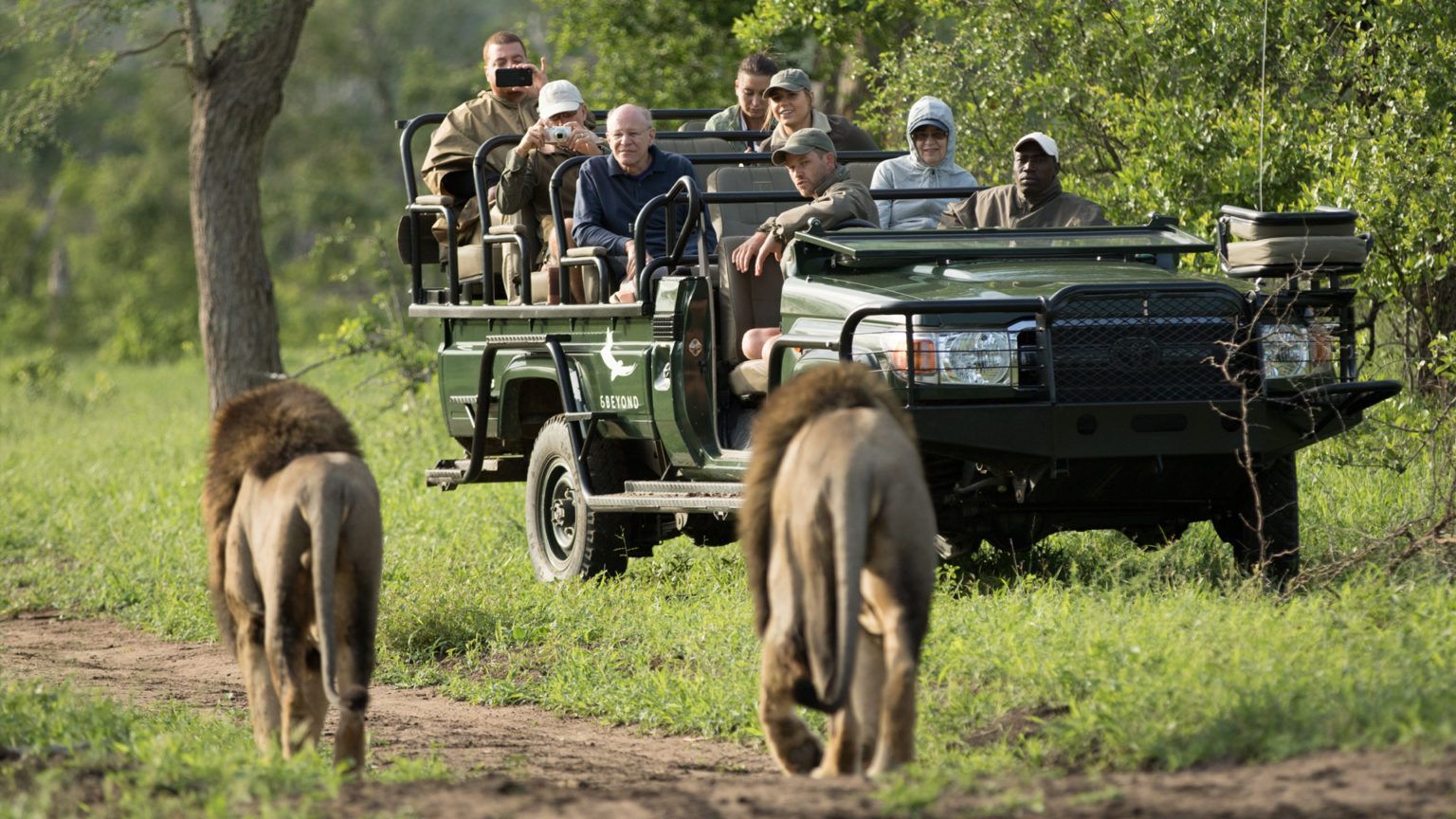
Greater Kruger private reserves such as Sabi Sands and Timbavati offer consistently strong predator sightings, including lion and leopard. Off-road tracking is permitted in many private reserves, increasing the probability of close encounters. Guiding standards are mature and professionally structured.
This safari intensity integrates naturally with Vilanculos, the Bazaruto Archipelago, and southern Mozambique beach lodges. Service levels align well between high-end private reserves and boutique coastal properties.
For travelers prioritizing Big Five reliability, Kruger remains the most predictable wildlife foundation before transitioning to Mozambique’s coastline. Regional flights between Kruger airports and Johannesburg allow structured connections into Vilanculos or Maputo.
Importantly, this corridor represents just one model within the broader safari and Mozambique ecosystem. Travelers asking which safari pairs best with Mozambique often begin with Kruger, but it is not the only viable or compelling option.
Detailed reserve comparisons, routing models, and pricing tiers are covered in our dedicated Kruger and Mozambique guide.
Zimbabwe and Mozambique Combinations
Zimbabwe introduces scale and spectacle into a safari and Mozambique holiday.
Hwange National Park is known for vast elephant herds and strong predator presence across open woodland systems. Mana Pools delivers river-based safari experiences and respected walking safari operations. Victoria Falls adds geographic drama and international recognition.
For travelers researching Victoria Falls and Mozambique beach combinations, Zimbabwe provides a compelling wildlife prelude before coastal decompression.
The transition from dry woodland safari or Zambezi river systems to the warm Indian Ocean coastline creates environmental contrast without sacrificing safari authenticity. Routing typically flows through Johannesburg or regional hubs before connecting onward to Vilanculos.
This combination suits travelers who want both a major natural landmark and a quieter coastal environment. It is particularly strong for milestone trips and celebratory itineraries.
Botswana and Mozambique Safari and Beach
Botswana represents the upper tier of safari exclusivity.
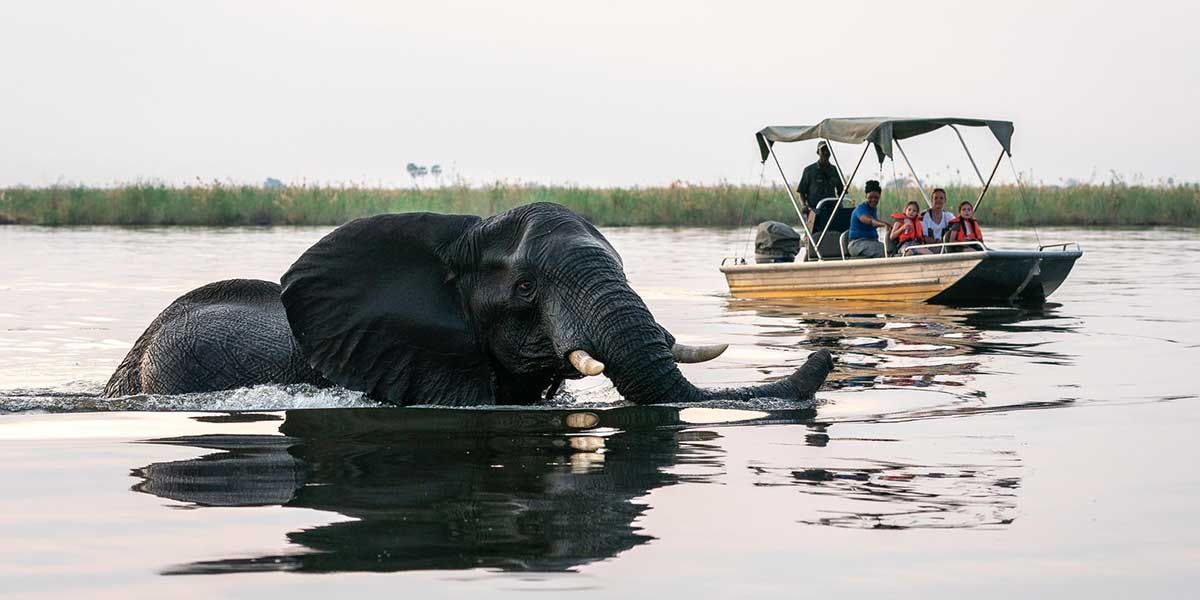
The Okavango Delta provides seasonal floodplain ecosystems, water-based game viewing, and low vehicle density. Chobe National Park is famous for large elephant concentrations along the river. Many Botswana camps operate on small guest numbers and high guide-to-guest ratios.
When paired with Mozambique, the contrast intensifies. Ultra-private safari environments transition into low-density coastal retreats. The emotional arc moves from concentrated wilderness immersion to expansive ocean horizon.
Routing is more complex than Kruger-based combinations and often involves multiple light aircraft segments and regional hubs. Planning must account for luggage limits and connection timing.
This pairing works best for 10 to 14 night itineraries where pacing can absorb additional flight segments without compressing safari or beach time.
For travelers searching for luxury safari and Mozambique holidays, Botswana combinations often represent the highest-tier model.
Zambia and Mozambique: Remote Safari to Open Coast
Zambia delivers a quieter, less commercial safari structure.
South Luangwa is internationally respected for walking safaris and strong leopard density. Lower Zambezi offers river-based wildlife viewing with canoeing and boat excursions integrated into the experience.
Travelers searching for authentic safari and Mozambique holidays often overlook Zambia, yet it provides depth without heavy vehicle traffic.
When combined with Mozambique, Zambia produces a refined safari arc that appeals to repeat Africa travelers. The safari component emphasizes tracking, guiding depth, and habitat immersion. The beach component then introduces open coastline and marine calm.
Flight sequencing requires careful alignment through regional hubs, but the emotional balance is strong. It is particularly suited to travelers who value guiding excellence over vehicle density.
Namibia and Mozambique: Desert to Ocean Contrast
Namibia introduces a completely different safari aesthetic.
Etosha National Park offers salt pan landscapes and waterhole-based wildlife viewing. Damaraland provides desert-adapted elephant and geological drama. The Namib Desert creates cinematic scale and horizon depth.
Pairing Namibia with Mozambique is not about wildlife continuity. It is about environmental contrast. Desert plains and arid terrain followed by tropical coastline and marine biodiversity.
International routing generally involves Johannesburg as a transit hub before connecting to Mozambique. The itinerary works best over longer durations where travelers can experience Namibia’s vast geography without rushing onward to the coast.
For travelers seeking dramatic landscape variation within one journey, Namibia and Mozambique deliver one of Southern Africa’s most visually diverse combinations.
Which Safari Works Best With Which Mozambique Region
Matching safari style to coastal tone is critical when designing a seamless bush and beach journey. The rhythm of your safari, whether conservation driven, Big Five focused, or ultra private, should flow naturally into the atmosphere of the coast rather than feel like a logistical afterthought.
Gorongosa National Park pairs naturally with Vilanculos and the Bazaruto Archipelago thanks to straightforward domestic air links and complementary energy. Gorongosa’s conservation depth and wilderness immersion transition well into Vilanculos’ open ocean landscapes, dhow safaris, and island seclusion.
Kruger National Park integrates efficiently with Vilanculos or southern Mozambique via direct regional access, making it one of the most time effective safari and beach structures for travelers departing from Johannesburg.
Zimbabwe combinations, particularly those incorporating Victoria Falls or private Hwange concessions, align best with Vilanculos when flight simplicity is prioritized. The routing is clean, the pacing logical, and the beach extension feels earned rather than rushed.
Botswana’s private concessions in the Okavango ecosystem connect exceptionally well with island lodges when privacy levels are matched. Ultra low density safari camps transition best into island stays where exclusivity and service continuity remain consistent.
Maputo National Park pairs most naturally with southern coastal properties accessible by road, reducing internal flight layers and creating a grounded, slow travel experience.
Ultimately, continuity of service level, transfer efficiency, and experiential alignment determine whether a safari and beach combination feels effortless or fragmented. When built as one integrated journey, the transition from wilderness to ocean becomes a highlight rather than a logistical exercise.
Routing Logic and Air Access Explained
Safari and Mozambique holidays depend on clean, intelligent routing rather than distance alone. When air access, timing, and border flow are structured correctly, the journey feels seamless. When they are not, even luxury itineraries can feel unnecessarily complicated.
Primary air hub: Johannesburg.
Johannesburg functions as the principal gateway into Southern Africa’s safari network. Most international arrivals route through here before dispersing into regional parks or onward to the Mozambican coast.
Regional gateways: Vilanculos, Maputo, Beira.
Vilanculos provides access to the Bazaruto Archipelago and central coast combinations.
Maputo anchors southern Mozambique itineraries and road-based coastal extensions.
Beira supports access to Gorongosa and central Mozambique safari structures.
Planning must account for:
- Light aircraft luggage limits, particularly on safari sectors where soft bags and strict weight caps apply
- Border documentation and passport validity, especially when crossing between South Africa, Zimbabwe, Botswana, and Mozambique
- Electronic travel authorization compliance under Mozambique’s current eTA framework
- Same-day connection windows that realistically factor check-in cutoffs and transfer times
- Seasonal flight frequency, as some regional routes do not operate daily year-round
Specialist sequencing prevents overnight misalignment, missed connections, and unnecessary stress. When routing is built with margin and logic, safari and Mozambique combinations feel fluid, balanced, and professionally engineered rather than pieced together.
Month-by-Month Considerations
- May to October
Dry season safari visibility strong. Coastal humidity moderate.
- November
Shoulder pricing. Wildlife activity increasing before rains.
- December
Higher festive season pricing on coast. Inland rainfall increasing.
- January to March
Green season safari. Occasional cyclone influence in northern Mozambique.
- April
Strong value month. Transition into dry conditions.
No month is universally perfect. Decision should reflect wildlife expectations, ocean conditions, and budget.
What Determines the Cost of a Safari and Mozambique Combination?
Pricing for safari and Mozambique holidays reflects structure, exclusivity, and logistics rather than distance alone. These are multi-layered journeys where accommodation standard, air access, and transfer style significantly influence overall cost.
Primary cost variables include:
- Safari reserve exclusivity, with private concessions commanding higher rates due to low vehicle density and guiding quality
- Beach lodge tier, ranging from boutique mainland properties to fully serviced private island villas
- Seasonality, particularly peak dry season safari months and festive coastal demand
- Internal flight routing, especially where light aircraft sectors or multiple regional connections are required
- Private versus shared transfers, which impact both cost and comfort level
Safari and Mozambique holidays can range from mid four-figure USD per person itineraries to ultra luxury, multi segment journeys with private aviation and exclusive use villas. The spread reflects experience depth rather than simple star grading.
Booking six to twelve months ahead secures the best safari inventory, particularly in high demand reserves and small island lodges with limited room numbers. Early planning also allows for cleaner routing, better flight alignment, and stronger overall value.
Safety and Cross-Border Planning
Safety and cross-border planning are central to successful safari and Mozambique holidays. These combinations are well established and operate smoothly when structured correctly. The perception of complexity often outweighs the reality. With proper sequencing and documentation, multi-country itineraries across Southern Africa function predictably and efficiently.
Key considerations include:
- Passport validity, typically requiring at least six months remaining and sufficient blank pages for entry stamps
- Mozambique entry authorization under the current electronic travel authorization framework
- Cross-border vehicle insurance documentation if self-driving between countries such as South Africa, Zimbabwe, Botswana, and Mozambique
- Comprehensive medical evacuation coverage, particularly for remote safari concessions or island stays
- Marine activity compliance for diving, dhow safaris, and offshore excursions along the Mozambican coast
Most complications arise from documentation errors, incomplete applications, or misunderstood entry rules rather than from security conditions themselves. Border posts serving established tourism corridors are accustomed to international travelers. When paperwork is accurate and insurance coverage is aligned with the itinerary, cross-border safari and Mozambique holidays operate with minimal friction.
Structured pre-departure checks, realistic timing between crossings, and specialist oversight reduce risk exposure significantly. In practice, safety across borders is less about geography and more about preparation.
Who Safari and Mozambique Holidays Are Designed For
Safari and Mozambique holidays are designed for travelers who value contrast, pacing, and layered experiences rather than single destination stays. The structure suits those who want depth in the bush followed by space on the coast.
These journeys work particularly well for:
- Couples seeking contrast between high energy safari days and calm ocean settings
- Honeymooners looking for privacy, emotional progression, and memorable scenery shifts
- Repeat Africa travelers wanting to explore beyond first time safari circuits
- Milestone trips marking birthdays, anniversaries, retirements, or multi generational gatherings
- Families who prefer structured wildlife experiences followed by restorative coastal downtime
The combination appeals to travelers who appreciate narrative in their journey. Early morning game drives, expert guiding, and wildlife immersion give way to open horizons, dhow sails, island lunches, and slow coastal evenings.
Less suitable are ultra short itineraries under six nights. Safari and Mozambique holidays require breathing space to feel balanced. When rushed, transfers dominate. When properly timed, the transition from bush intensity to coastal rhythm becomes the defining highlight of the entire trip.
Why Safari and Mozambique Holidays Work So Well for Families in 2026
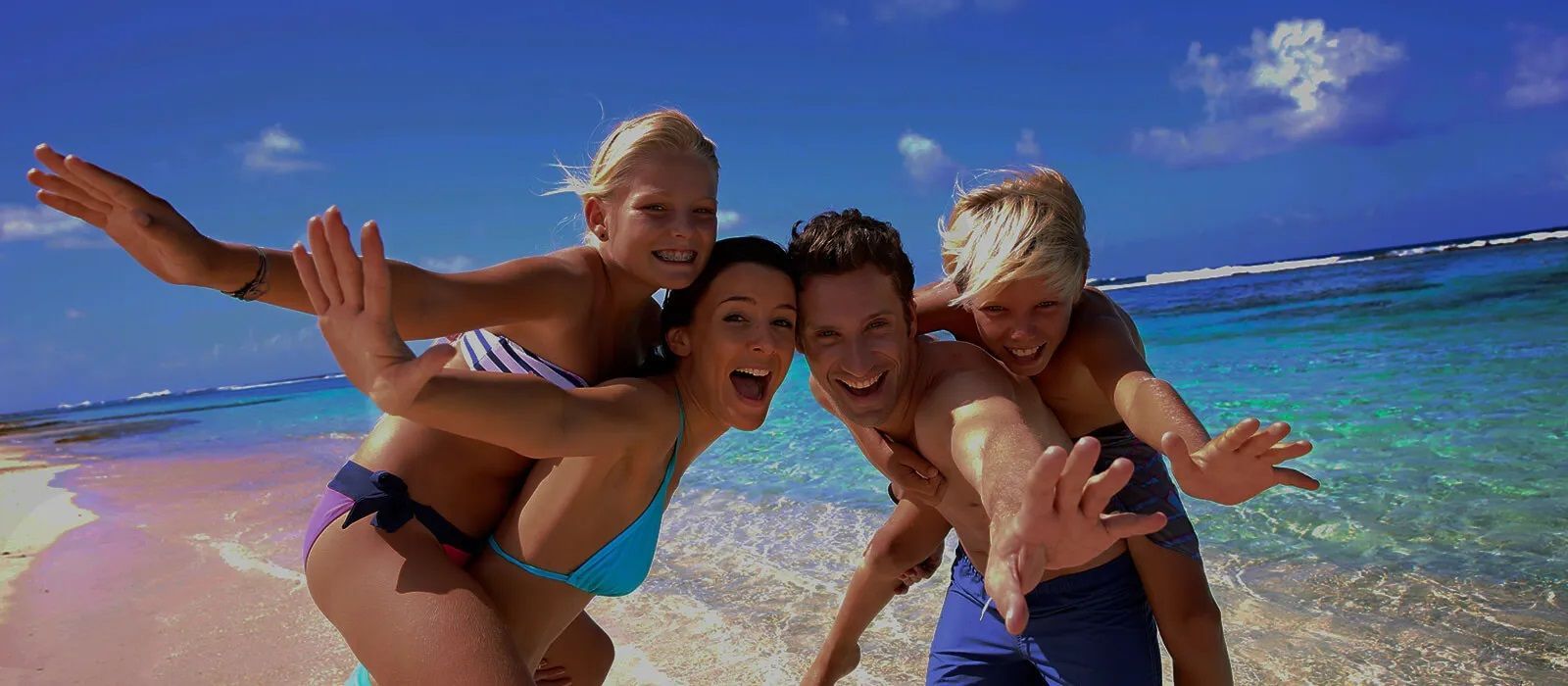
Safari and Mozambique holidays are becoming one of the most rewarding ways for families to experience Africa in 2026, combining wildlife discovery with relaxed time on the Indian Ocean coast. Family itineraries are increasingly designed as a natural progression from safari exploration to beach based activities that appeal to travellers of all ages. Children often experience their first sightings of elephant, giraffe, zebra, and antelope on guided game drives before transitioning to Mozambique’s warm beaches where snorkelling, kayaking, and dhow sailing create a completely different type of adventure.
The structure works particularly well for family travel because safari mornings are balanced by unstructured coastal afternoons where younger travellers can explore tidal pools, paddle in calm water, or learn about marine life on shallow reefs. Mozambique’s island and coastal lodges also adapt easily to families, offering spacious villas, flexible meal times, and activities suited to children and teenagers. This balance between wildlife excitement and ocean relaxation allows families to experience Africa’s landscapes, wildlife, and marine environments within one seamless journey.
Why Book Your Safari and Mozambique Holiday with Mozambique Travel
Designing a safari and Mozambique holiday requires regional expertise, cross-border understanding, and realistic routing knowledge. These are not plug and play itineraries. They are layered journeys that depend on flight timing, seasonal shifts, border compliance, and matching lodge standards from bush to beach.
Mozambique Travel has been arranging multi-country safari and beach combinations for more than 20 years. Long standing relationships with lodges, pilots, ground handlers, and regional partners across Southern Africa ensure each itinerary is structured correctly from the outset. Awareness of seasonal weather patterns, marine conditions, wildlife movement, and flight frequency allows for intelligent sequencing rather than reactive planning.
Safari intensity followed by Mozambique’s open coastline creates the emotional contrast that defines memorable travel. Early mornings on game drive, raw wildlife encounters, and structured safari rhythm transition into ocean horizons, dhow sails, barefoot dining, and slower days shaped by tide and light.
If you are planning for 2026, work with specialists who understand both the safari landscapes and Mozambique’s coastal rhythm. The right structure does more than connect destinations. It removes friction, aligns service levels, and transforms a good holiday into a seamless one.
Featured Packages
Frequently Asked Questions
What is the best safari to combine with Mozambique?
The answer depends on priorities. Gorongosa provides a within-country safari option. Kruger offers high predator reliability. Zimbabwe adds Victoria Falls. Botswana delivers exclusivity. Zambia suits walking safari enthusiasts. Each creates a different rhythm before transitioning to Mozambique’s coastline
Can you do safari and beach entirely within Mozambique?
Yes. Gorongosa combined with Vilanculos or the Bazaruto Archipelago allows safari and beach without crossing borders. This simplifies logistics and reduces transfer complexity while maintaining wildlife and marine diversity.
Is Gorongosa good enough to replace Kruger?
Gorongosa offers strong wildlife recovery, ecological diversity, and lower vehicle density. Kruger private reserves typically provide higher predator density and off-road flexibility. The choice depends on desired game viewing intensity and routing preference.
How many days are ideal for a Safari and Mozambique holiday?
Ten to twelve nights allows balanced pacing. Four safari nights improve sighting probability. Five beach nights allow marine exploration and decompression. Seven nights is the minimum workable structure.
Is it safe to combine multiple African countries with Mozambique?
Yes when structured properly. Regional air routes are established and tourism corridors are well managed. Proper documentation and itinerary sequencing reduce friction.
SHARE THIS POST
Are You Ready FOr Mozambique?
Page through our packages and find the offer right for you!
Ready to Speak to a Mozambique Travel Expert?
Get In Touch and Ask for a Call-Back Today
Latest Posts
Mainland Coastal Sanctuaries in Vilanculos: Why Mozawi Signals a New Direction for Mozambique Travel