

Safari and Beach Holidays via Santa Maria Peninsula 2026
By • March 10, 2026
Why Santa Maria Peninsula Is Ideal for Safari and Beach Travel in 2026
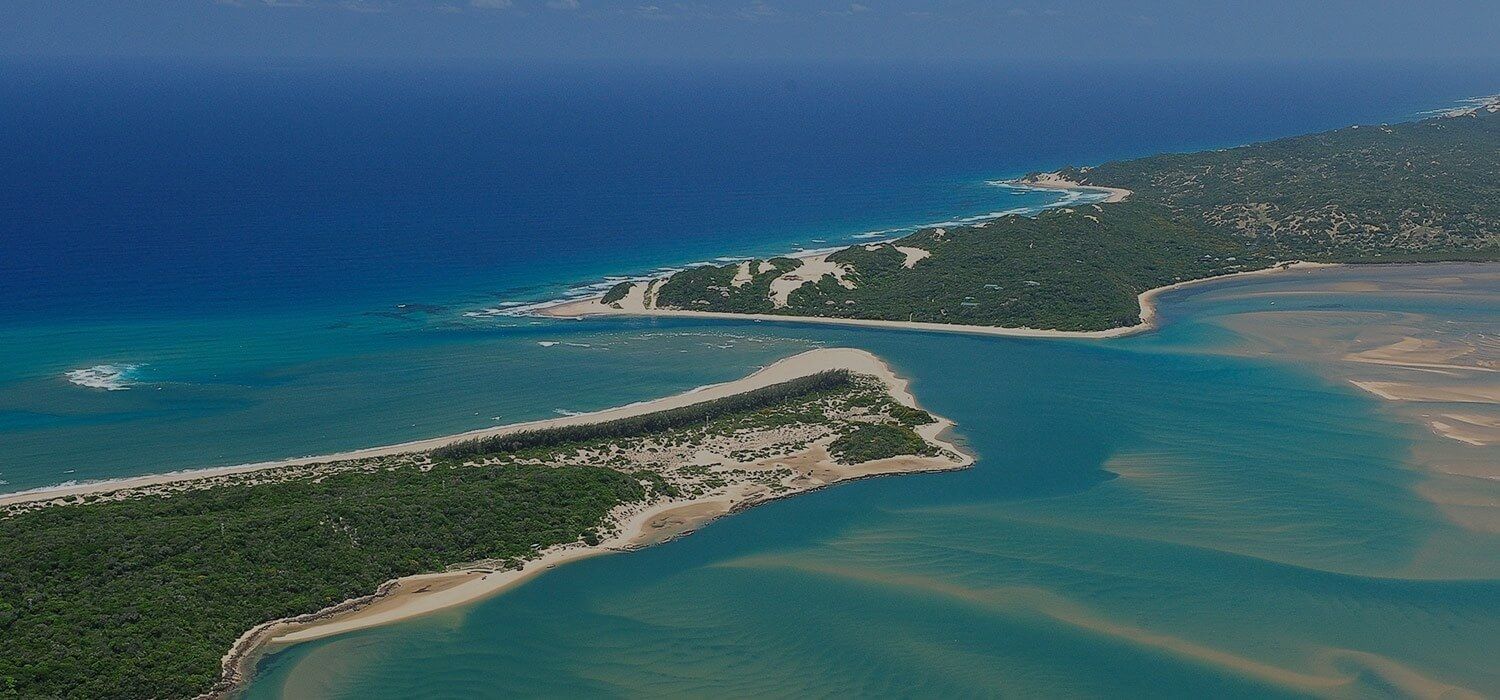
Safari and beach Santa Maria itineraries in 2026 appeal to travellers who want contrast, simplicity and privacy without complicated travel logistics. One of the main planning questions travellers ask when researching safari and beach holidays in Southern Africa is how easily they can move from wildlife destinations to a relaxing coastline. Santa Maria Peninsula provides one of the most seamless safari and beach transitions in the region, combining proximity to Maputo and southern safari areas with a remote Indian Ocean setting.
How Safari Travellers Transition from Bush to Beach in Santa Maria
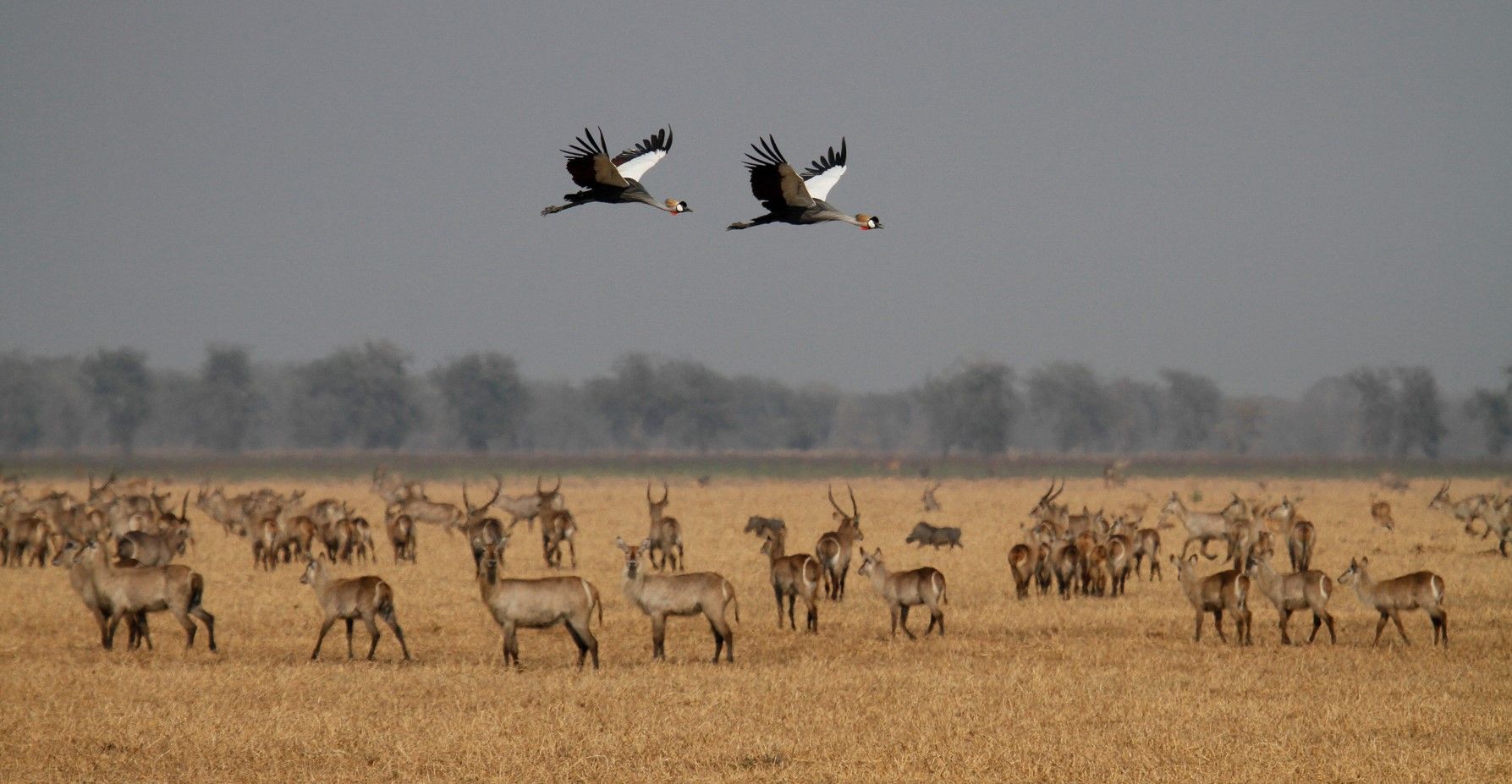
After the intensity of early morning game drives and close wildlife encounters in destinations such as Kruger National Park or Maputo National Park, Santa Maria offers a calm coastal environment defined by long untouched beaches, sheltered turquoise bays and an unhurried pace of life. The peninsula creates a natural contrast to safari landscapes. Travellers move from savannah wildlife and bushveld ecosystems to open ocean horizons, soft sand beaches and quiet coastal forests. This balance between adventure and relaxation is one of the key reasons safari and beach holidays continue to grow in popularity among international travellers planning Africa itineraries for 2026.
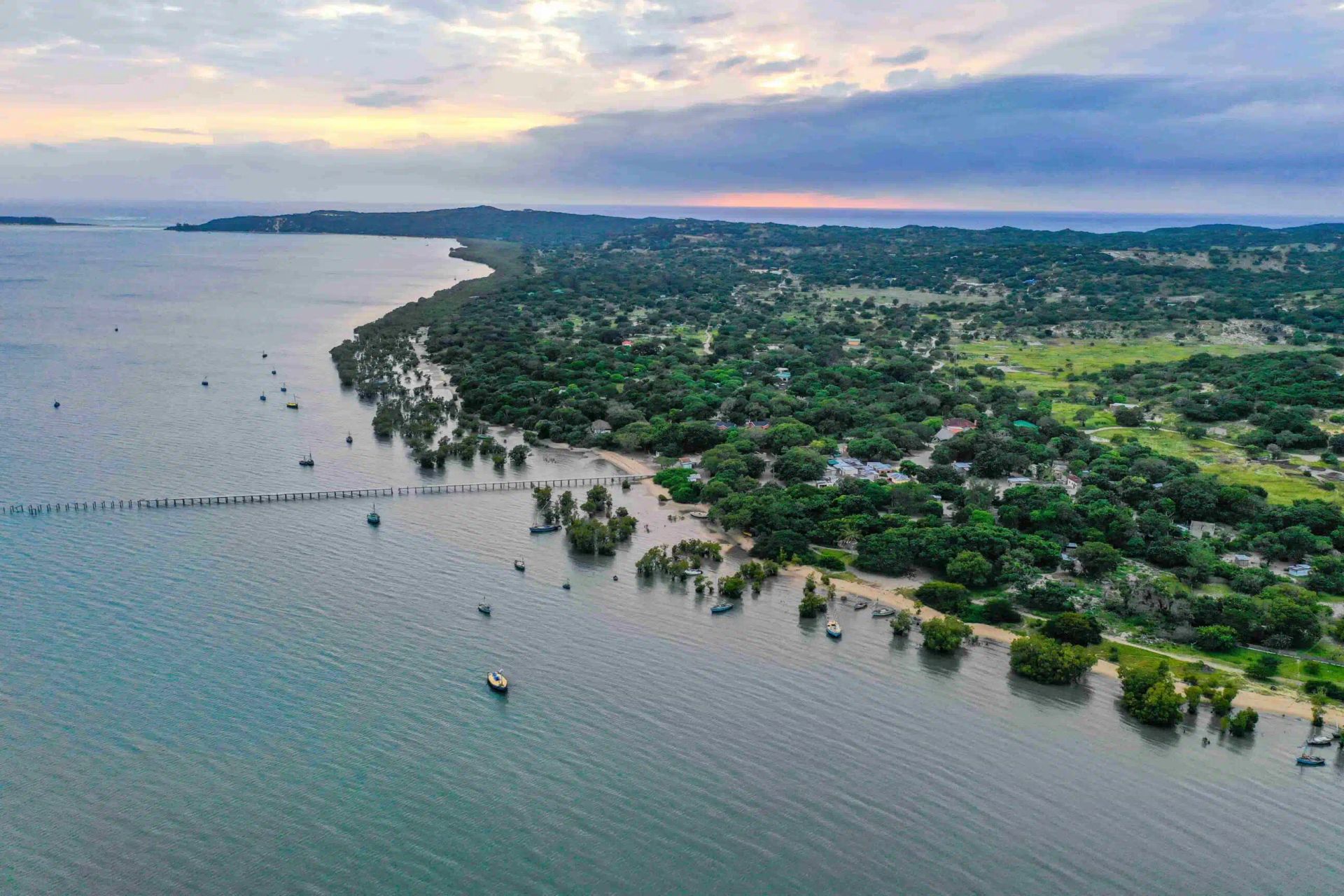
Unlike larger coastal hubs that attract heavy resort development, Santa Maria Peninsula remains lightly developed and intentionally low density. The environment is shaped by protected marine areas, dune systems and mangrove ecosystems that support a wide range of birdlife and ocean species. Visitors experience wide open coastal scenery, uncrowded beaches and an atmosphere of privacy that is increasingly difficult to find in more commercial Indian Ocean destinations. For travellers searching phrases such as best quiet beach after safari in Africa or where to relax after a safari in Southern Africa, Santa Maria consistently stands out as a unique option.
Its proximity to Maputo makes the logistics of a safari and beach holiday remarkably simple. Travellers arriving from safari regions can reach the peninsula through a short transfer that combines scenic coastal drives and boat access, avoiding the need for multiple domestic flights. This straightforward access is one of the reasons Santa Maria works particularly well in Kruger and Mozambique safari and beach combinations, where travellers want to maximise time experiencing destinations rather than navigating complicated travel routes.
Maputo National Park
Santa Maria also sits close to the remarkable marine environments of Maputo National Park and the surrounding Indian Ocean coastline. These waters support dolphin populations, seasonal whale migrations and vibrant coral reef systems that are ideal for snorkelling and ocean excursions. Many travellers combine beach relaxation with marine activities such as guided snorkelling, dhow sailing and island exploration. This creates a coastal experience that complements a wildlife safari rather than simply replacing it.
Privacy is another defining characteristic of the peninsula. Accommodation in Santa Maria focuses on small lodges and boutique beach retreats that emphasise space, quiet surroundings and direct access to nature. Guests wake to ocean views, spend days exploring beaches that stretch for kilometres, and enjoy evenings watching the sun set over the Indian Ocean. For travellers seeking a luxury safari and beach holiday without large resorts or crowded beaches, Santa Maria offers an atmosphere that feels exclusive yet naturally relaxed.
The setting also appeals to travellers looking for authentic coastal environments rather than heavily commercialised destinations. Fishing villages, traditional dhow boats and local coastal culture remain part of daily life along the peninsula. Visitors often comment that Santa Maria feels closer to the original spirit of Indian Ocean travel, where nature, ocean rhythms and simple experiences define the destination.
From a planning perspective, Santa Maria Peninsula fits naturally into a wide range of safari and beach travel routes in Southern Africa. Travellers often combine Kruger National Park with Santa Maria to create a balanced wildlife and ocean itinerary, while others link Gorongosa National Park or other safari regions in Mozambique with a coastal stay on the peninsula. The relatively short distances between these regions allow itineraries to remain efficient while still offering dramatic contrasts between ecosystems.
For travellers planning safari and beach holidays in Africa during 2026, Santa Maria Peninsula represents a rare balance of accessibility and seclusion. It delivers the calm coastal setting many travellers seek after a safari, while remaining close enough to major safari areas to keep travel simple and efficient. This combination of wilderness, ocean scenery and relaxed coastal living makes Santa Maria one of the most appealing safari and beach destinations in Southern Africa today.
Top Safari Destinations to Combine with Santa Maria Peninsula
Santa Maria Peninsula pairs naturally with several established safari regions. Kruger National Park and the Greater Kruger private reserves are the most popular options, offering excellent wildlife viewing and straightforward connections to Maputo via Johannesburg or direct regional flights.
Gorongosa National Park is another strong pairing for travellers interested in conservation-led safari experiences. Its biodiversity, guiding quality and restoration story provide depth and meaning that complements the quiet coastal environment of Santa Maria. Mozambique Travel helps travellers choose safari lodges based on season, interests and routing efficiency.
How Safari and Beach Routing Works via Maputo
Most safari and beach Santa Maria itineraries route through Maputo, creating one of the simplest and most efficient bush to beach travel connections in Southern Africa. After completing a safari in destinations such as Kruger National Park, Maputo National Park or private reserves in the Greater Kruger region, travellers typically fly into Maputo International Airport. From here the transition to the Indian Ocean coast begins with a short road transfer to Maputo Marina, the departure point for coastal transfers to the Santa Maria Peninsula.
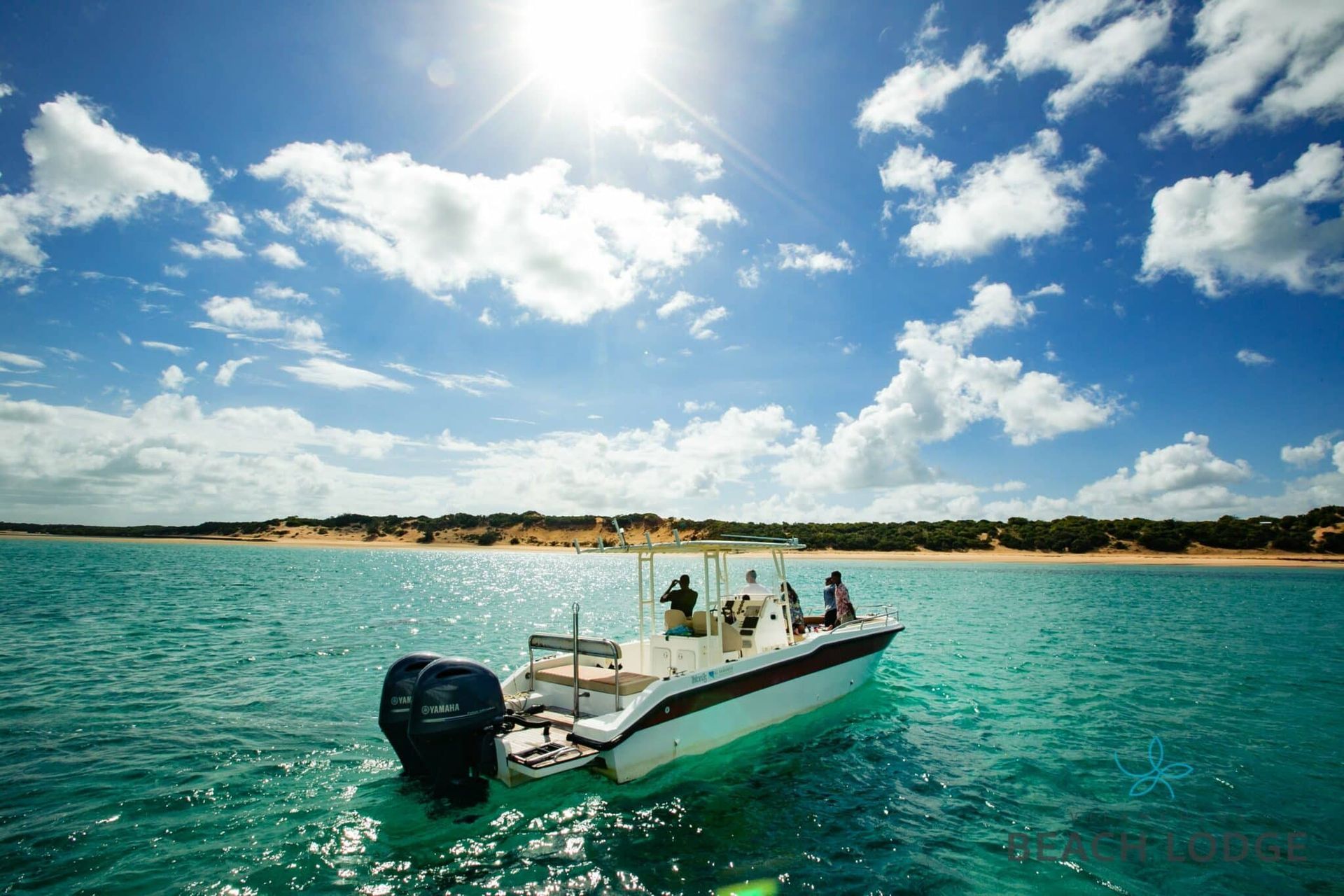
From the marina, a scheduled speedboat transfer carries guests across the calm waters of Maputo Bay toward Machangulo and the remote beaches of Santa Maria. This ocean crossing is more than just transport, it forms part of the experience itself. Travellers often see dolphins, seabirds and traditional fishing dhows while crossing the bay, offering an early introduction to the marine environment that defines this part of southern Mozambique.
Boat transfers operate with tide awareness and coastal navigation in mind, typically taking between 60 and 90 minutes depending on sea conditions and tides. This controlled access plays an important role in protecting the peninsula’s quiet character. Because arrivals are managed through scheduled boat crossings rather than large scale road infrastructure, visitor numbers remain naturally limited and the region retains the relaxed atmosphere that safari and beach travellers value.
The result is a coastal destination that still feels remote while remaining surprisingly accessible from major safari regions. Travellers move from wildlife rich landscapes to secluded Indian Ocean beaches within a single day of travel, making Santa Maria one of the most practical safari and beach combinations in Mozambique.
Mozambique Travel coordinates the entire transfer process from arrival in Maputo to final lodge check in. This includes flight timing monitoring, road transfers to the marina, boat scheduling with lodges and contingency planning when weather or tide conditions require adjustments. This level of coordination is particularly important for safari and beach itineraries where guests are connecting from different safari locations and international flights.
By managing these logistics carefully, travellers experience a seamless transition from bush to beach without needing to manage complex travel arrangements themselves. The journey from safari plains to the quiet shores of Santa Maria becomes part of the overall holiday experience, reinforcing why this route has become one of the most appealing safari and beach travel options in Mozambique for 2026.
What the Beach Stay at Santa Maria Offers After Safari
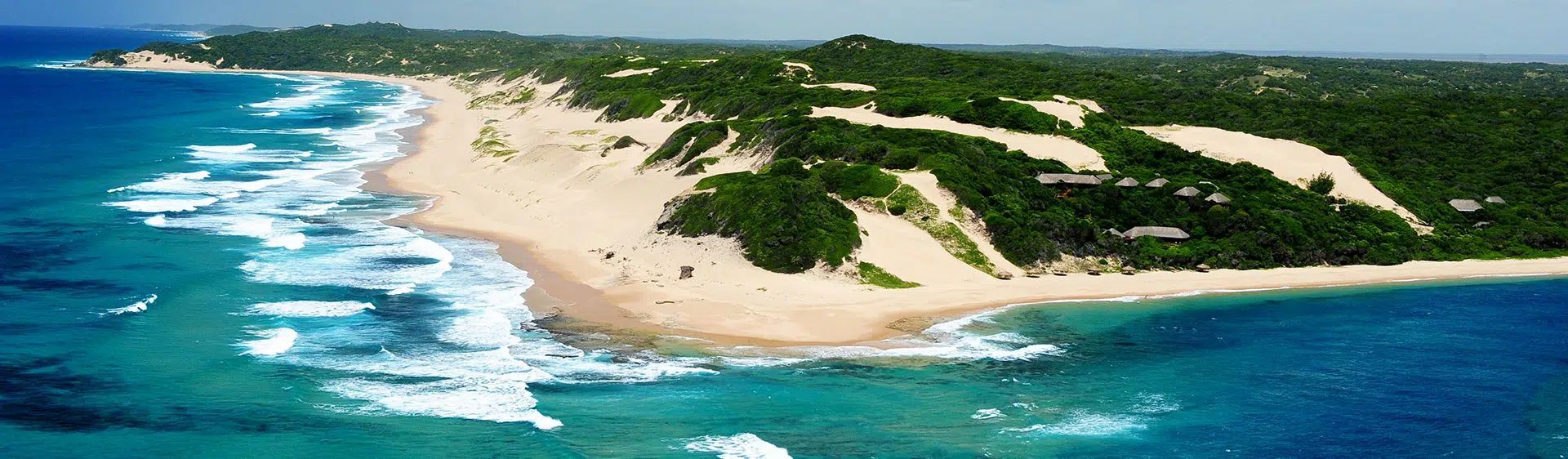
After safari travel, Santa Maria delivers a complete change of rhythm that many travellers specifically seek when planning safari and beach holidays in Africa. The early morning wake up calls and structured game drive schedules of safari life give way to slower coastal mornings shaped by ocean light, tides and sea breezes. Guests wake to wide Indian Ocean views rather than alarm clocks, enjoy flexible days without fixed timetables, and spend time walking long natural beaches, fishing, swimming or simply resting beside the sea.
This transition is an important part of the safari and beach experience. After several days of wildlife viewing, tracking animals and absorbing the intensity of safari landscapes, travellers often welcome a quieter environment where the focus shifts to reflection, relaxation and ocean scenery. Santa Maria Peninsula provides exactly this balance, offering a coastal setting where the pace of life slows and the surrounding environment encourages calm exploration.
Machangulo Beach Lodge is the primary base for safari and beach stays on the Santa Maria Peninsula, positioned between forested dunes and the protected waters of Maputo Bay. The lodge offers direct access to quiet beaches, spacious ocean facing chalets and nature focused experiences that align perfectly with the safari and beach travel style. Guests can spend the day moving between the beach, the lodge deck and the surrounding coastal landscape while enjoying uninterrupted ocean views.
The setting encourages genuine decompression after safari. Many travellers find that the combination of wildlife memories and ocean tranquillity creates a powerful contrast that deepens the overall travel experience. Even simple moments such as watching the tide move across the bay, listening to the ocean at night or walking along the shoreline become memorable parts of the journey.
Activities That Balance Safari Energy with Coastal Calm
Santa Maria activities are intentionally gentle and restorative, designed to complement the energy of a safari rather than compete with it. Fishing is one of the most popular experiences, both from the beach and on guided boat excursions, offering engaging yet relaxed days on the water. Anglers often target species that inhabit the rich coastal waters of southern Mozambique, while beginners enjoy the simplicity of fishing from quiet beaches.
Swimming, kayaking and paddleboarding take place in sheltered bays where calm waters allow travellers to explore the coastline at their own pace. These activities provide light adventure without the intensity of safari schedules, allowing guests to stay active while maintaining the relaxed rhythm of a beach retreat.
Beach walks are another highlight of the Santa Maria Peninsula experience. The coastline stretches for kilometres with very little development, creating the feeling of having an entire stretch of Indian Ocean shoreline to yourself. Guests often explore tidal pools, watch seabirds along the dunes or follow quiet trails through coastal forest areas that border the beach.
Boat excursions may include scenic coastal cruises, dolphin encounters or visits to nearby islands depending on sea conditions. These ocean experiences add variety to a beach stay while still maintaining the calm atmosphere that defines Santa Maria. Rather than replicating the activity density of safari lodges, the peninsula offers balance, space and freedom to unwind between gentle explorations of the coastline.
Best Accommodation on the Santa Maria Peninsula
Machangulo Beach Lodge is widely regarded as the leading accommodation option on the Santa Maria Peninsula and the natural base for safari and beach itineraries in southern Mozambique. Positioned between Maputo Bay and the Indian Ocean, the lodge offers direct beach access, elevated ocean views and spacious chalets set among coastal forest and dune vegetation. Guests enjoy a balance of comfort and nature with guided activities, fishing, kayaking and beach exploration all easily accessible from the property. Its location also allows excellent access to the marine environments surrounding Santa Maria while maintaining the quiet atmosphere that defines the peninsula.
For travellers seeking smaller coastal retreats, Cabo Beach Villas and Colina Verde provide additional accommodation choices on the peninsula. Cabo Beach Villas offer private beach houses ideal for families or small groups wanting space and independence close to the shoreline. Colina Verde sits on a scenic hillside overlooking Maputo Bay, providing panoramic views and a relaxed lodge style atmosphere.
Together these properties create a small but distinctive collection of accommodation options that allow visitors to experience the natural beauty, privacy and coastal character that make Santa Maria Peninsula one of Mozambique’s most appealing safari and beach destinations.
Who Safari and Beach via Santa Maria Suits Best
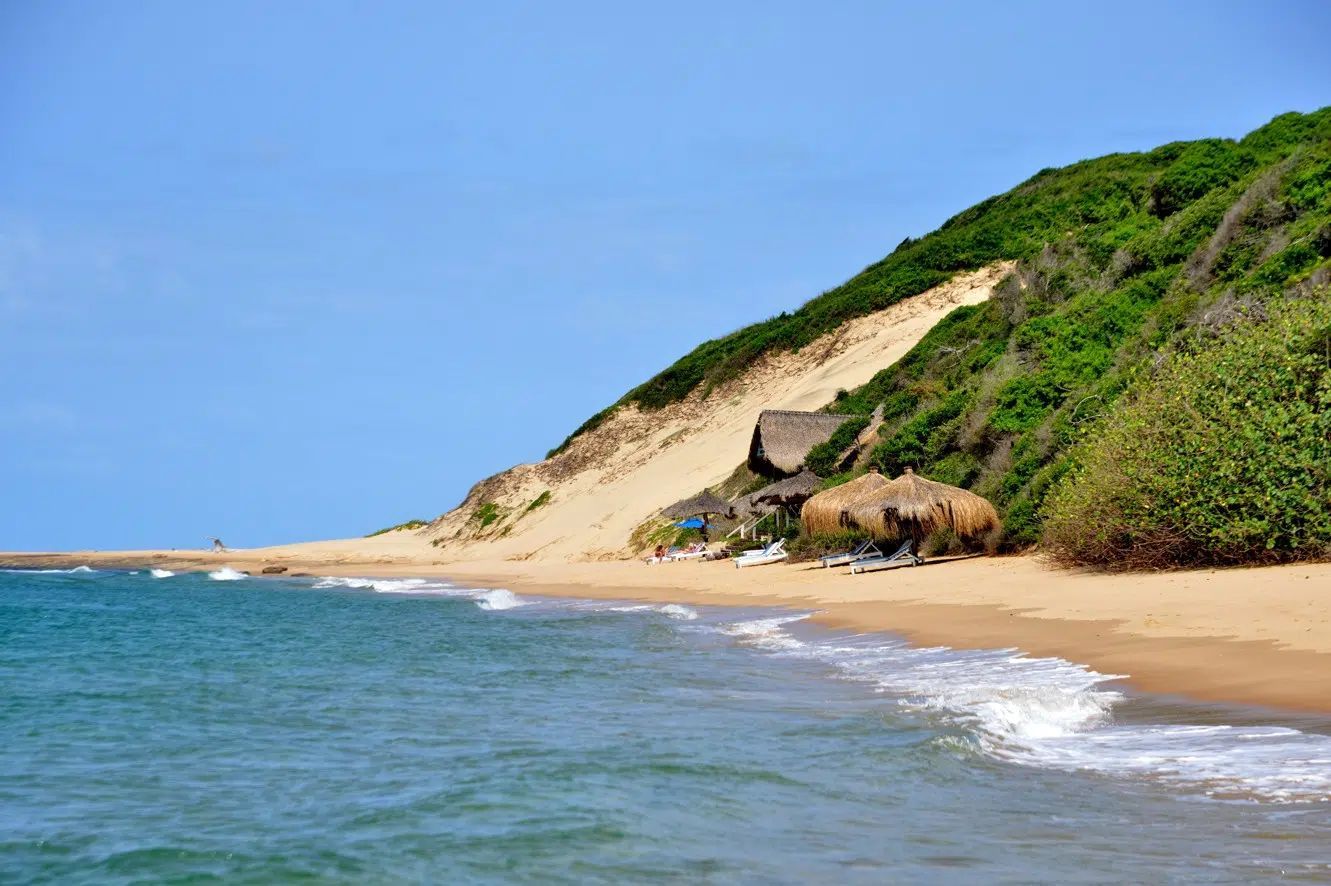
This safari and beach combination suits travellers who value contrast, privacy and authenticity in their African travel experiences. Honeymooners are particularly drawn to Santa Maria because of the quiet setting, romantic coastal scenery and the feeling of being far removed from busy tourism centres. Long beaches, ocean sunsets and intimate lodge environments create a natural backdrop for couples seeking a memorable safari and beach journey.
Families also enjoy Santa Maria because the peninsula provides space, calm waters and safe beach environments where children can explore the shoreline and ocean in a relaxed setting. Parents appreciate the slower pace after safari travel, allowing everyone to recover from early morning game drives and enjoy time together beside the sea.
Safari enthusiasts often choose Santa Maria because the destination maintains the sense of wilderness that defines the safari experience. Unlike large resort areas, the peninsula retains a natural character shaped by dunes, forests and ocean landscapes rather than dense tourism infrastructure.
The route is especially appealing to travellers who want a meaningful wildlife safari followed by a restorative beach stay without needing additional domestic flights. By connecting easily through Maputo, Santa Maria allows travellers to move from safari plains to quiet Indian Ocean beaches within a single travel day. For many visitors planning safari and beach holidays in 2026, this balance of accessibility, authenticity and natural beauty makes Santa Maria Peninsula one of the most rewarding coastal extensions to a Southern African safari.
Best Time for Safari and Beach Santa Maria in 2026
May to October is the most popular period for safari and beach Santa Maria itineraries, offering an excellent balance between wildlife viewing and coastal weather conditions. During these months the dry season across Southern Africa improves safari visibility, particularly in destinations such as Kruger National Park where animals concentrate around water sources and vegetation becomes thinner. Game drives tend to be highly productive during this period, making it one of the best times of year for travellers prioritising strong safari sightings.
At the same time, coastal weather along the Santa Maria Peninsula remains stable and comfortable. Days are typically warm with clear skies and low humidity, creating ideal conditions for beach walks, fishing and ocean based activities. The calm winter climate of southern Mozambique also supports excellent fishing conditions, especially between June and September when offshore waters become particularly productive for anglers.
Evenings during this period are cooler and often very clear, making it a pleasant time to relax on lodge decks or enjoy dinners overlooking the ocean. For travellers seeking a classic safari and beach holiday in Africa, the May to October window provides one of the most reliable seasonal combinations of wildlife viewing and beach comfort.
November and early December appeal to travellers who prefer warmer water temperatures, greener landscapes and fewer visitors across both safari and coastal regions. Early summer brings renewed vegetation and dramatic skies to the bush, while ocean temperatures along the Santa Maria Peninsula become noticeably warmer for swimming and marine activities.
This period can be especially appealing for travellers looking to avoid peak safari traffic while still enjoying excellent wildlife experiences. Coastal conditions remain pleasant, and the combination of warmer seas and quieter travel periods makes November and early December an increasingly attractive option for safari and beach travellers planning Mozambique holidays.
Mozambique Travel advises guests carefully on seasonal trade offs when planning itineraries. Safari priorities, fishing interests, ocean conditions and travel timing all play a role in choosing the most suitable months for a safari and beach journey. Our team regularly helps travellers align safari expectations with beach conditions to create the most rewarding travel experience possible.
How Long to Spend on Safari and Beach
A balanced safari and beach itinerary usually includes three to five nights on safari followed by four to seven nights on the Santa Maria Peninsula. This structure allows travellers to fully experience wildlife encounters and guided game drives before transitioning into a slower coastal environment where relaxation becomes the focus.
Three to five nights on safari typically provide enough time for multiple game drives, wildlife sightings and guided experiences that reveal the diversity of African ecosystems. Travellers often enjoy early morning drives, sunset safaris and time spent observing animals at waterholes or in open savannah landscapes. This portion of the journey delivers the excitement and discovery that define an African safari.
Following this with four to seven nights at Santa Maria allows guests to shift into a more relaxed coastal rhythm. Beach days become flexible and unstructured, with time for fishing, ocean activities, quiet beach walks and scenic boat excursions. Many travellers find that spending a slightly longer period on the beach creates the perfect counterbalance to the energy of safari travel.
Longer itineraries work particularly well for travellers combining multiple safari regions or seeking extended fishing and coastal downtime. Some guests choose to explore two wildlife destinations before heading to Santa Maria, while others extend their beach stay to fully enjoy the peaceful atmosphere of the peninsula and surrounding coastline.
Plan Your Safari and Beach Santa Maria Holiday for 2026
Mozambique Travel has more than twenty years of experience designing safari and beach itineraries across Southern Africa, with a strong focus on seamless routing, carefully selected lodges and meaningful travel experiences. Our team understands how to combine wildlife destinations with coastal retreats in a way that feels natural and well balanced rather than rushed.
Our specialists guide travellers through safari lodge selection, Maputo travel routing, tide aware boat transfers and the seasonal rhythms that influence both safari regions and the Santa Maria Peninsula. This knowledge allows us to build itineraries that maximise wildlife viewing while ensuring guests arrive at the coast ready to relax and enjoy the ocean environment.
Because Santa Maria remains a relatively remote and carefully managed destination, advance planning is particularly valuable. Lodge availability, transfer schedules and seasonal ocean conditions all play a role in creating a successful safari and beach itinerary.
Share your preferred safari region, travel dates and beach expectations with our team, and Mozambique Travel will design a seamless 2026 safari and beach journey tailored to your priorities. The result is a carefully planned itinerary that combines Africa’s most exciting wildlife experiences with the quiet beauty of the Santa Maria Peninsula, delivering a holiday defined by contrast, privacy and expert planning.
Featured Packages
Frequently Asked Questions
Why choose Santa Maria Peninsula for a safari and beach holiday?
Santa Maria offers a quiet, natural beach environment that contrasts perfectly with safari travel. Its proximity to Maputo allows smooth routing after Kruger or Gorongosa without extra domestic flights. Travellers enjoy uncrowded beaches, flexible days and a slower pace that helps them unwind after safari. This balance makes Santa Maria especially appealing for travellers seeking privacy and simplicity.
Which safari destinations pair best with Santa Maria Peninsula?
Kruger National Park and the Greater Kruger private reserves are the most common pairings due to strong wildlife viewing and flight access to Maputo. Gorongosa National Park suits travellers interested in conservation-focused safaris. Mozambique Travel helps select safari lodges based on season, wildlife interests and efficient routing into Santa Maria.
How do transfers work from safari to Santa Maria?
Most itineraries route via Maputo International Airport. Travellers transfer by road to Maputo Marina, then take a scheduled speedboat transfer to Santa Maria and Machangulo. Boat transfers are tide-aware and usually take 60 to 90 minutes. Mozambique Travel manages timing, lodge coordination and contingency planning to ensure smooth transitions.
What activities are available during the beach stay?
Activities focus on relaxation and nature. Fishing from shore or boat is a highlight, along with swimming, kayaking and paddleboarding in calm bays. Guests enjoy beach walks, dune forest trails and optional boat trips depending on conditions. The experience prioritises freedom and rest rather than fixed schedules or resort entertainment.
When is the best time for safari and beach travel via Santa Maria in 2026?
May to October offers peak safari conditions and stable coastal weather. June to September is especially good for fishing and outdoor activities. November and early December provide warmer water and fewer visitors. Mozambique Travel advises on the best timing based on safari priorities and beach preferences.
Who is this safari and beach combination best suited for?
This itinerary suits honeymooners, couples, families and safari enthusiasts who value privacy and authenticity. It works particularly well for travellers wanting a meaningful safari followed by a quiet beach stay without crowds or resort atmospheres. Mozambique Travel tailors itineraries to match travel style, pace and expectations.
SHARE THIS POST
Are You Ready FOr Mozambique?
Page through our packages and find the offer right for you!
Ready to Speak to a Mozambique Travel Expert?
Get In Touch and Ask for a Call-Back Today
Latest Posts
Mainland Coastal Sanctuaries in Vilanculos: Why Mozawi Signals a New Direction for Mozambique Travel