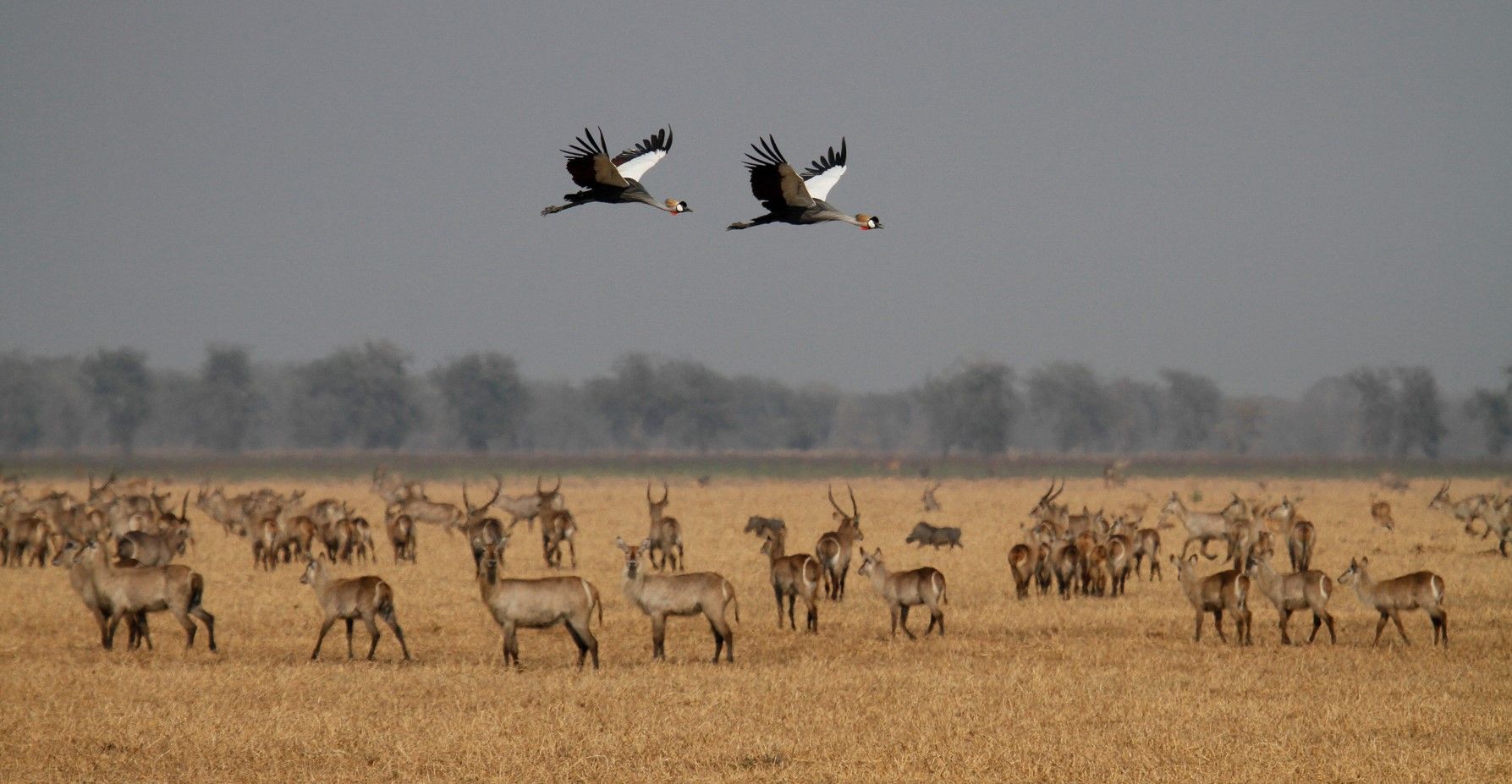


Snorkelling in Mozambique
By Mozambique Travel • March 17, 2026
Why Mozambique Is Different as a Snorkelling Destination
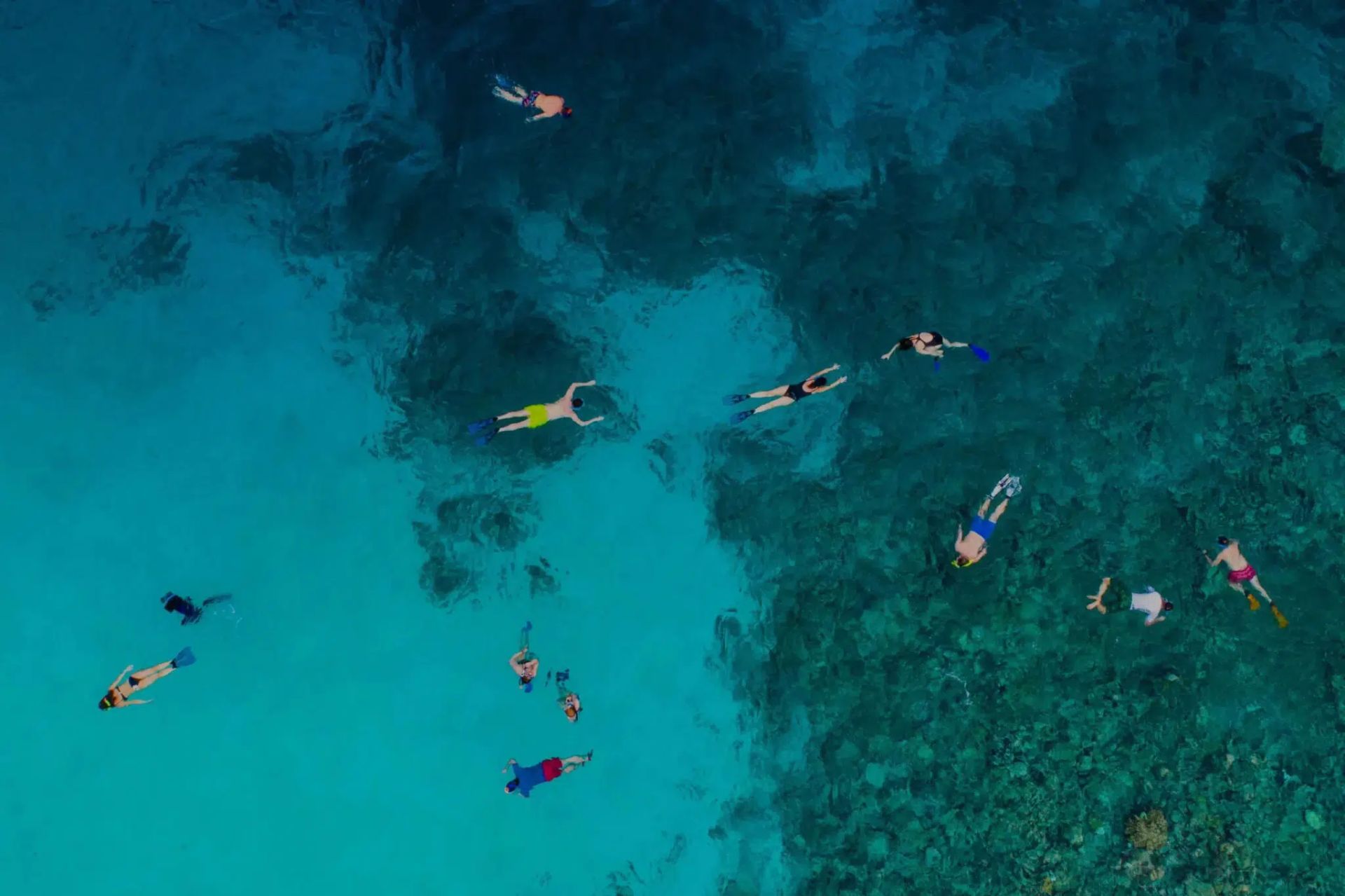
Snorkelling in Mozambique is defined by natural systems rather than tourism infrastructure. Unlike destinations built around shallow fringing reefs, hotel jetties, and predictable conditions, Mozambique’s coastline remains largely undeveloped, seasonal, and governed by ocean dynamics rather than convenience. This creates a very different snorkelling experience, one that rewards understanding and flexibility rather than expectation.
The Mozambican coast lies along the western Indian Ocean, a region shaped by strong currents, seasonal upwellings, and nutrient-rich waters. These forces support high biodiversity, including coral reefs, seagrass meadows, pelagic fish, and large marine animals, but they also introduce variability. Visibility can change from day to day. Wildlife encounters depend on timing and conditions rather than schedules.
For snorkellers, this translates into depth rather than consistency. Some days deliver calm, clear reef exploration. Others offer water alive with plankton, movement, and large species passing through. Mozambique does not lend itself to casual, box-ticking snorkelling. It suits travellers who value wildlife behaviour, conservation context, and low human pressure over guaranteed clarity or daily repetition.
General Snorkelling Conditions Along the Mozambican Coast
Water temperatures along Mozambique’s coastline are generally warm throughout the year, making snorkelling comfortable with minimal exposure protection. This warmth supports year-round marine life activity, but it does not guarantee ideal snorkelling conditions every day. Visibility varies widely depending on location, season, wind, and ocean productivity.
Plankton blooms are a defining feature of Mozambique’s marine environment. While they can reduce underwater clarity, they are also what attract whale sharks, manta rays, and other filter feeders. Clear water and large marine animals rarely peak at the same time, an important reality for travellers to understand.
Currents can be strong, particularly around island channels, reef edges, and open-water sites. Many of Mozambique’s better snorkelling locations require boat access rather than shore entry, and local knowledge is essential to time entries safely. Early mornings often provide calmer conditions before wind and swell increase later in the day.
Snorkelling safety in Mozambique is closely linked to awareness rather than infrastructure. Travellers who approach the ocean with patience, respect, and guidance are rewarded with richer experiences than those expecting controlled environments.
Snorkelling in the Bazaruto Archipelago
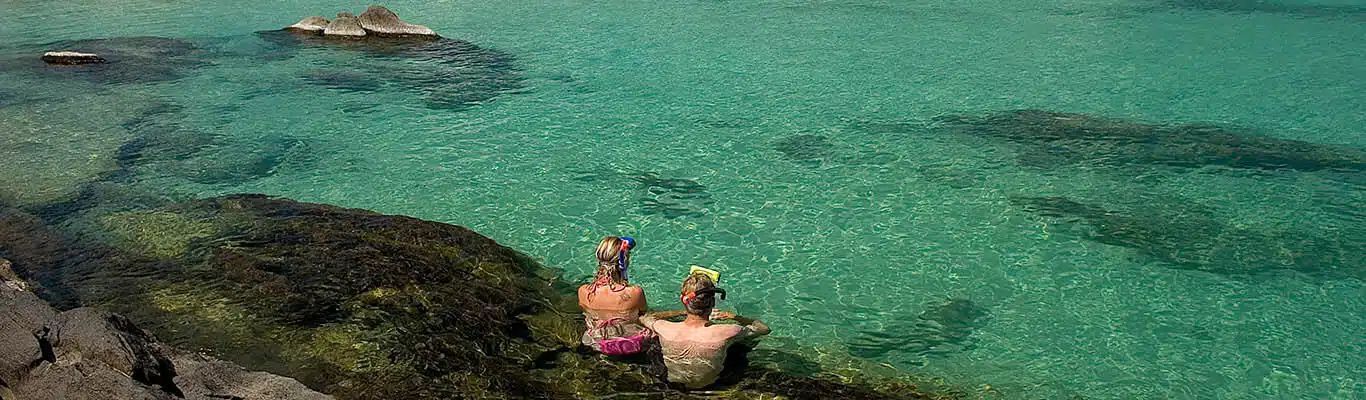
The Bazaruto Archipelago is Mozambique’s most diverse snorkelling region, offering a mix of coral reefs, seagrass habitats, and protected island waters within a marine conservation area. Located offshore from the mainland, the islands are surrounded by warm currents that support reef fish, rays, turtles, and seasonal pelagic visitors.
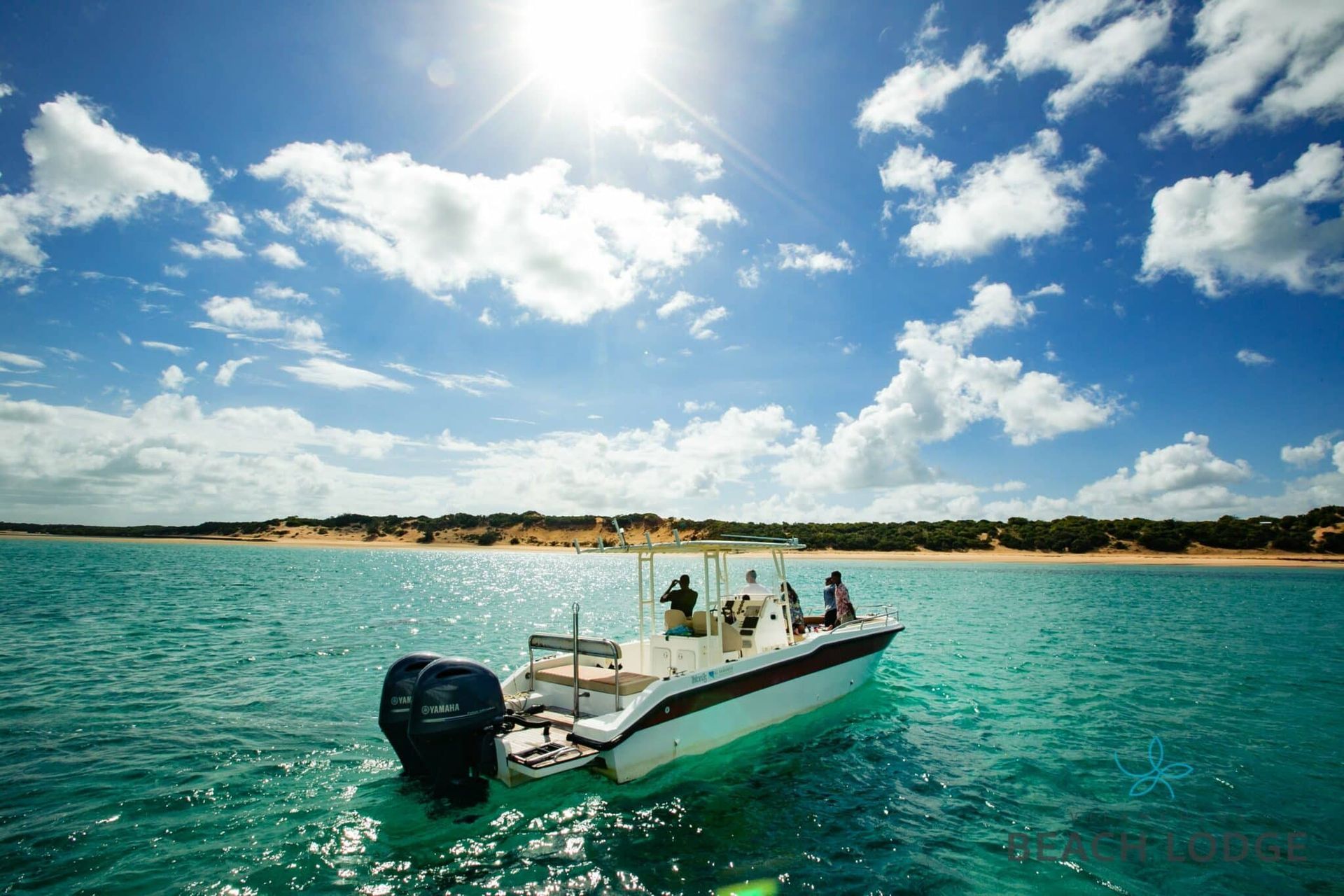
Snorkelling in Bazaruto usually involves short boat or traditional dhow trips rather than direct shore access. Reef sites range from shallow coral gardens suitable for relaxed exploration to deeper reef edges influenced by currents. This variety allows snorkelling to be tailored to conditions and experience levels rather than repeating the same site daily.
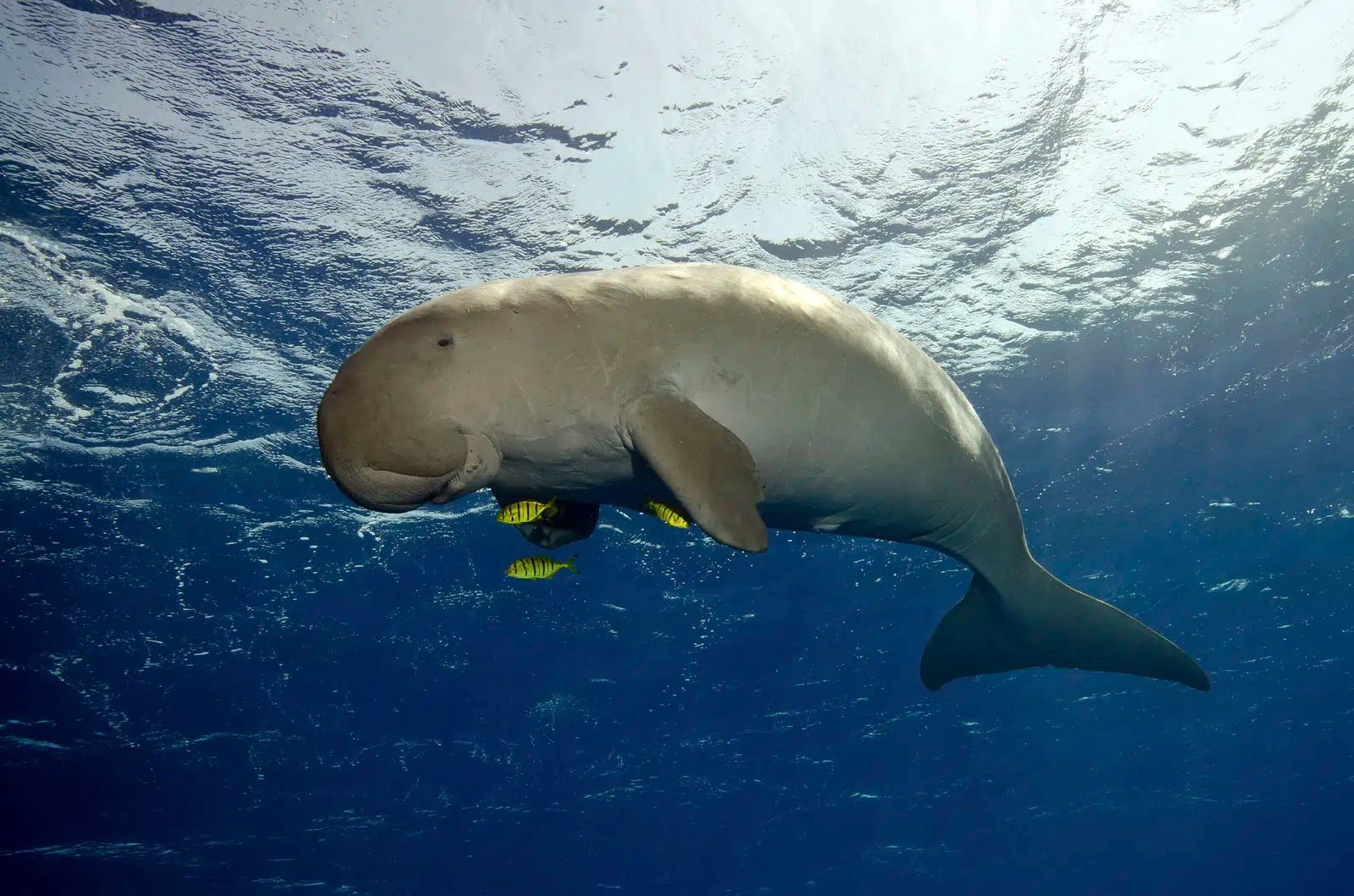
One of Bazaruto’s defining ecological features is its seagrass meadows, which support one of the last remaining dugong populations in the western Indian Ocean. Dugongs are extremely rare to encounter while snorkelling and should never be expected. Their continued presence is a sign of habitat health rather than a tourism experience.
Turtles, rays, and reef fish are more commonly encountered, particularly around reef edges and feeding areas. Bazaruto suits snorkellers looking for variety, quieter reefs, and a strong conservation framework rather than constant activity or spectacle.
Vilanculos as a Snorkelling Base Rather Than a Reef Destination
Vilanculos is best understood as a logistical base rather than a snorkelling destination in its own right. The mainland coastline offers limited reef snorkelling, but Vilanculos provides access to reefs, sandbanks, and channels within the Bazaruto Archipelago.
Most snorkelling experiences from Vilanculos are part of full-day excursions that combine dhow sailing, island visits, and reef stops. This makes Vilanculos ideal for travellers who want snorkelling integrated into a broader coastal experience rather than as a daily standalone activity.
Snorkelling here is often accompanied by sailing through channels, stopping on uninhabited islands, and learning about tides and currents. This reinforces Mozambique’s slower, experience-led marine rhythm. Travellers expecting walk-in reefs or daily shore snorkelling will be disappointed. Those who enjoy movement, exploration, and variety will find Vilanculos rewarding.
Snorkelling in Tofo and the Inhambane Coast
Tofo represents a fundamentally different snorkelling environment from island-based regions. Rather than coral gardens and protected lagoons, this stretch of coastline is defined by open-ocean conditions and pelagic marine life. The waters off Tofo are nutrient-rich and dynamic, attracting whale sharks, manta rays, dolphins, and seasonal humpback whales.
Snorkelling here is typically boat-based and highly weather dependent. Visibility can be variable, but the chance of encountering large marine species makes Tofo one of Africa’s most exciting snorkelling destinations for experienced ocean swimmers. This is not casual snorkelling. Comfort in deeper water and respect for changing conditions are essential.
Reef snorkelling does exist on offshore reefs and cleaning stations, but Tofo should be approached as a marine megafauna destination rather than a coral postcard. Ethical operators and strict encounter guidelines are critical, particularly for whale shark and manta interactions.
Snorkelling With Whale Sharks in Mozambique
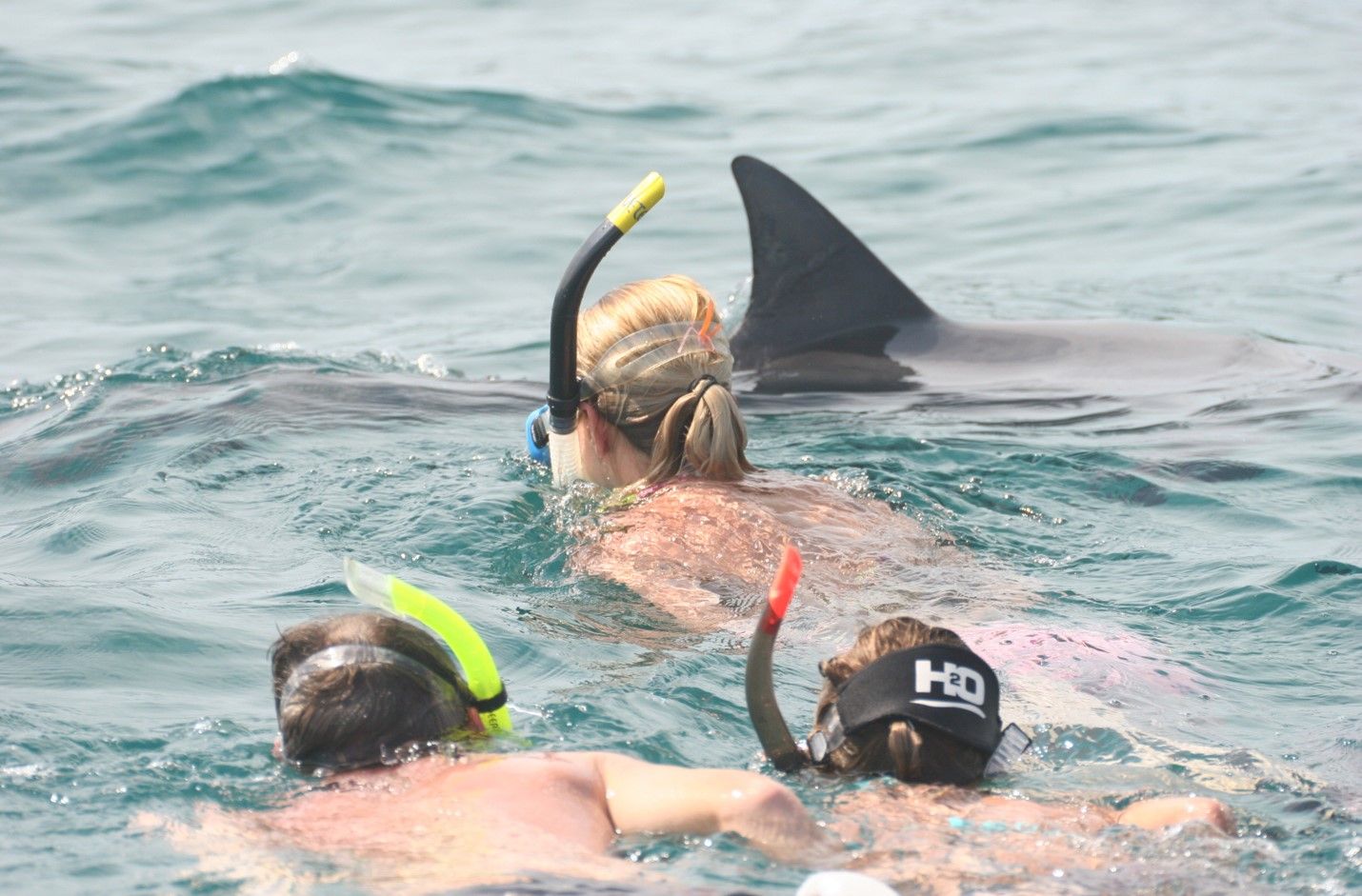
Mozambique is one of the few places in Africa where snorkelling with whale sharks occurs with some regularity, particularly along the Inhambane coast. These encounters are driven by plankton concentrations rather than reef structure, meaning water clarity is often lower during peak sightings.
Whale shark snorkelling is never guaranteed. Animal behaviour, weather, and ocean conditions all influence whether encounters occur. Responsible operators limit swimmer numbers, maintain approach distances, and minimise time spent with each animal.
The defining principle is restraint. Mozambique does not market whale sharks as guaranteed attractions. Encounters are treated as privileges shaped by natural conditions, not products delivered on demand. This approach protects both animal welfare and the integrity of the experience.
Coral Reefs, Fish Life, and Reef Diversity
Mozambique’s reefs are less uniform than those found in heavily developed snorkelling destinations. Coral cover varies by region, depth, and exposure to currents. Some reefs are visually dramatic, others more subtle but ecologically healthy.
Fish diversity is high, particularly around island systems and protected reefs. Snorkellers who slow down and observe carefully will notice natural fish behaviour, cleaner stations, juvenile nurseries, and predator-prey interactions often absent in high-traffic reefs.
Rather than dense coral gardens crowded with snorkellers, Mozambique offers quieter reefs where marine life appears less disturbed. This supports healthier reef dynamics even if the immediate visual impact is less dramatic.
Dugongs, Seagrass, and Snorkelling Ethics
Dugongs remain one of Mozambique’s most important marine conservation indicators, particularly within the Bazaruto Archipelago. While snorkellers should never expect sightings, understanding dugong habitat adds context and depth to the marine environment.
Seagrass meadows are critical ecosystems supporting dugongs, turtles, and juvenile fish species. Snorkelling in these areas should be passive and low-impact. The absence of encounters reflects effective protection rather than missed opportunity.
Mozambique’s decision not to promote dugong encounters aggressively reflects conservation maturity rather than lack of appeal.
Seasonality and Setting Realistic Expectations
There is no single best time for snorkelling in Mozambique. Conditions are shaped by wind patterns, currents, plankton cycles, and marine migrations. Clear water and large marine animals rarely peak simultaneously.
Travellers who plan around interests rather than promises are rewarded. Reef-focused snorkelling suits calmer periods. Whale shark encounters align with plankton-rich conditions. Flexibility and realistic expectations are essential.
Who Snorkelling in Mozambique Is Best Suited For
Mozambique suits snorkellers who value ecology, wildlife behaviour, and low-pressure environments. It appeals to confident swimmers, curious travellers, and those comfortable with variability.
It is less suited to travellers seeking guaranteed clarity, easy shore access, or resort-style snorkelling directly from accommodation.
Responsible Snorkelling and Marine Conservation
Poorly managed snorkelling can damage reefs and disrupt wildlife. Mozambique still has the opportunity to protect its marine environments by limiting pressure, enforcing guidelines, and supporting conservation-aligned operators.
Choosing responsible operators, respecting wildlife distance rules, and accepting cancellations when conditions are unsuitable are part of snorkelling responsibly in Mozambique.
Plan Your Trip
Planning a snorkelling trip in Mozambique requires matching region to interest rather than chasing broad claims. Reef snorkelling, pelagic encounters, and mixed experiences occur in different areas. Understanding this before booking prevents disappointment and enhances the experience.
Snorkelling in Mozambique Is About Context, Not Guarantees
Snorkelling in Mozambique offers something increasingly rare: marine experiences shaped by natural systems rather than infrastructure. Mozambique Travel works with coastal and island partners who understand seasonality, ethics, and safety. If you want snorkelling that feels grounded, responsible, and genuinely connected to living marine environments, our team can help guide your planning with clarity rather than promises.
Frequently Asked Questions
Is snorkelling in Mozambique better than Zanzibar or Mauritius?
Mozambique offers a different experience rather than a better one. It has lower tourism pressure, greater variability, and stronger marine megafauna presence. Zanzibar and Mauritius offer more consistent visibility and easier access. Mozambique suits travellers prioritising wildlife and authenticity over predictability.
Where is the best snorkelling in Mozambique?
The Bazaruto Archipelago offers the most balanced reef snorkelling. Tofo is best for whale sharks and pelagic species. Vilanculos functions as a base for island access rather than a snorkelling destination itself.
Can beginners snorkel in Mozambique?
Beginners can snorkel in protected island areas with calm conditions, but guided snorkelling is recommended. Boat access and currents make local knowledge important.
Is snorkelling with whale sharks safe?
Yes, when conducted responsibly with regulated operators. Ethical guidelines protect both swimmers and animals and prioritise welfare over encounters.
Are Mozambique’s reefs protected?
Many key reef systems fall within marine protected areas, particularly around Bazaruto. Protection focuses on regulation, patrols, and community involvement rather than mass tourism.
SHARE THIS POST
Are You Ready FOr Mozambique?
Page through our packages and find the offer right for you!
Ready to Speak to a Mozambique Travel Expert?
Get In Touch and Ask for a Call-Back Today
Latest Posts
Mainland Coastal Sanctuaries in Vilanculos: Why Mozawi Signals a New Direction for Mozambique Travel