

Is Safari and Mozambique Safe for American and European Travelers?
By • April 15, 2026
Safety in Africa Is About Structure, Not Headlines
When travelers search “is safari and Mozambique safe,” they are rarely asking about lions.
- They are asking about political stability.
- They are asking about crime exposure.
- They are asking about medical access.
- They are asking about road safety and cross-border logistics.
The honest answer is this: safari and Mozambique combinations are safe when structured correctly.
Most risk in Southern Africa travel is logistical, not violent. The vast majority of safety exposure arises from poor routing, unvetted operators, unmanaged transport, or unrealistic expectations about infrastructure.
When travelers stay in established safari conservancies, use organized transfers, rely on licensed guides and avoid unstructured urban movement, risk is reduced dramatically.
Safety is not accidental. It is architectural.
Safari Safety: What Actually Happens on the Ground
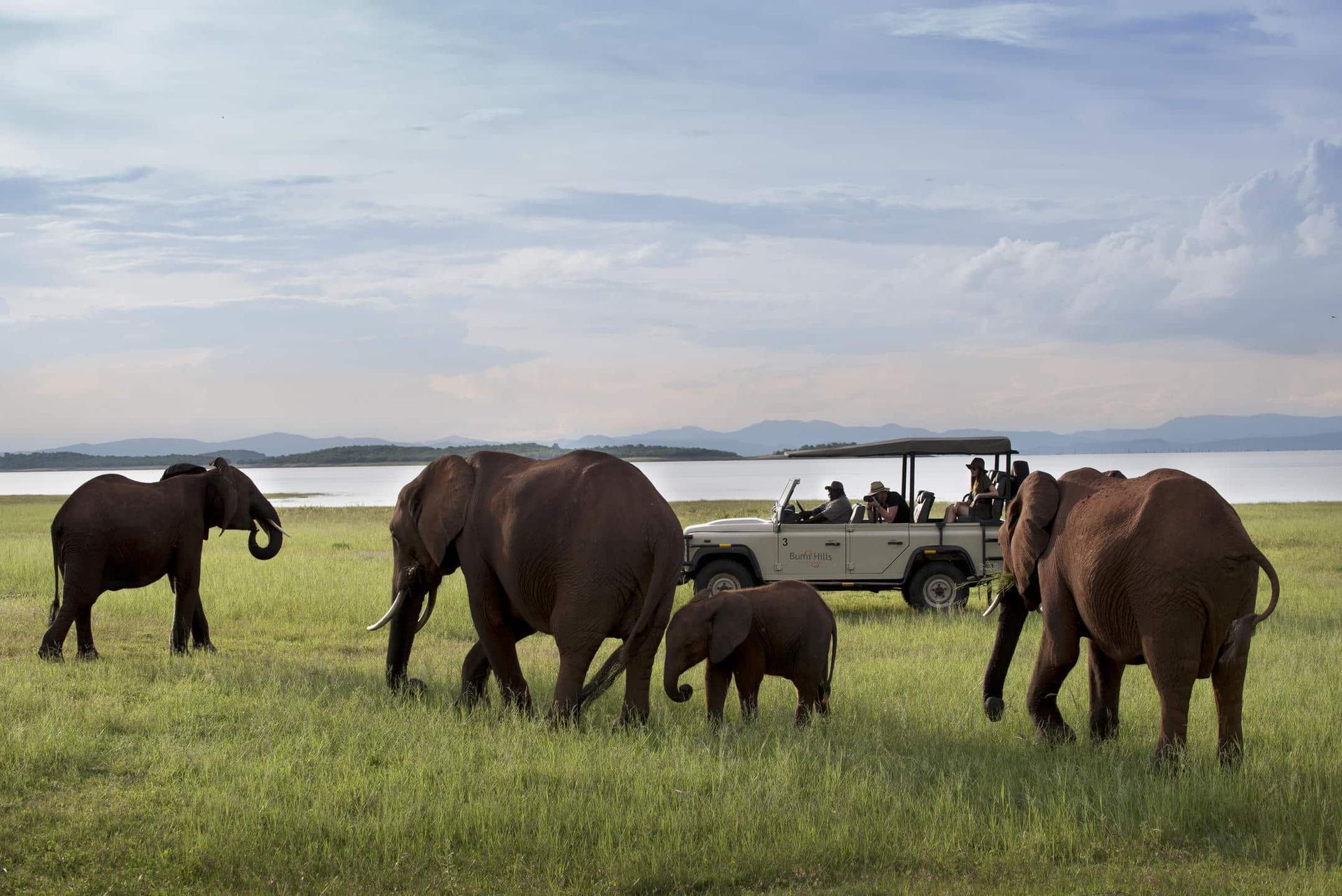
Private safari reserves and national parks in South Africa, Botswana, Zimbabwe and Zambia operate within tightly managed conservation frameworks.
These areas are not open public spaces. They are controlled ecosystems.
- Access is monitored.
- Vehicles are registered.
- Guides are licensed and trained.
- Guest movement is regulated.
Wildlife risk is mitigated through protocol. Guests do not wander freely through predator territories. Walking safaris are conducted with armed, trained professionals. Vehicle positioning follows strict safety standards. Lodges operate 24-hour staff oversight.
Crime within private safari concessions is extremely rare due to remoteness, limited access points and controlled staff environments.
Safari safety is not improvised. It is procedural.
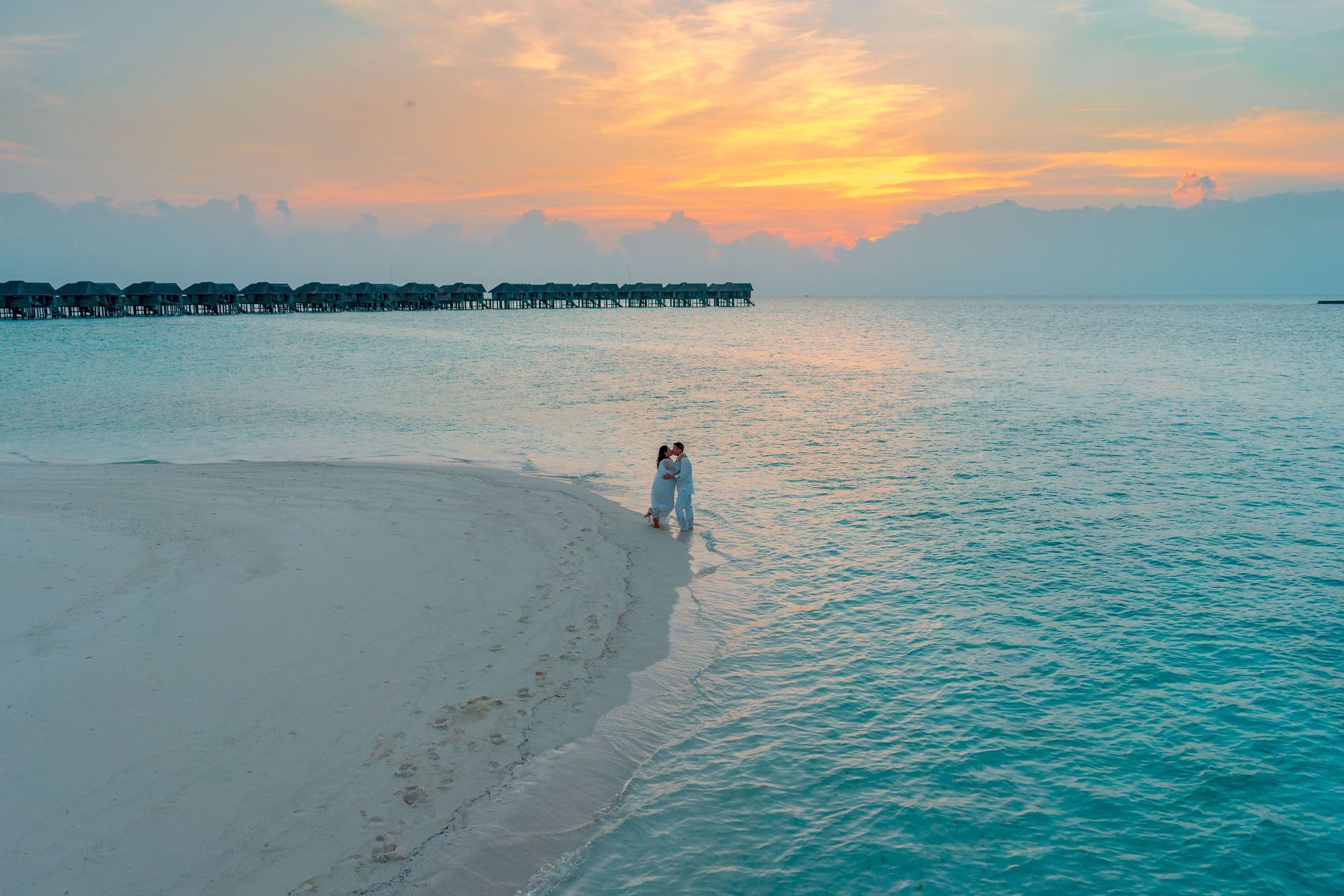
Mozambique Beach Safety in Established Tourism Regions
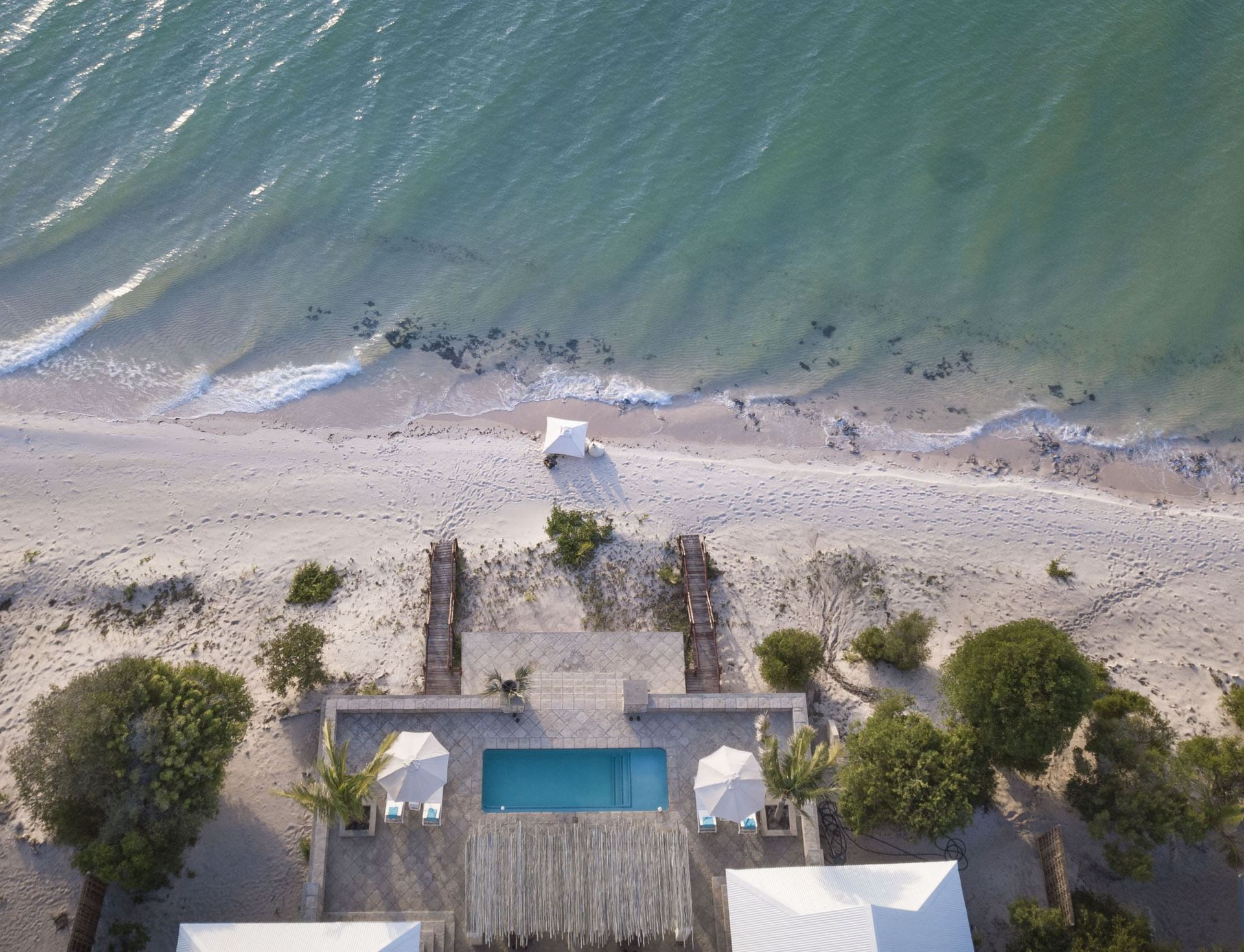
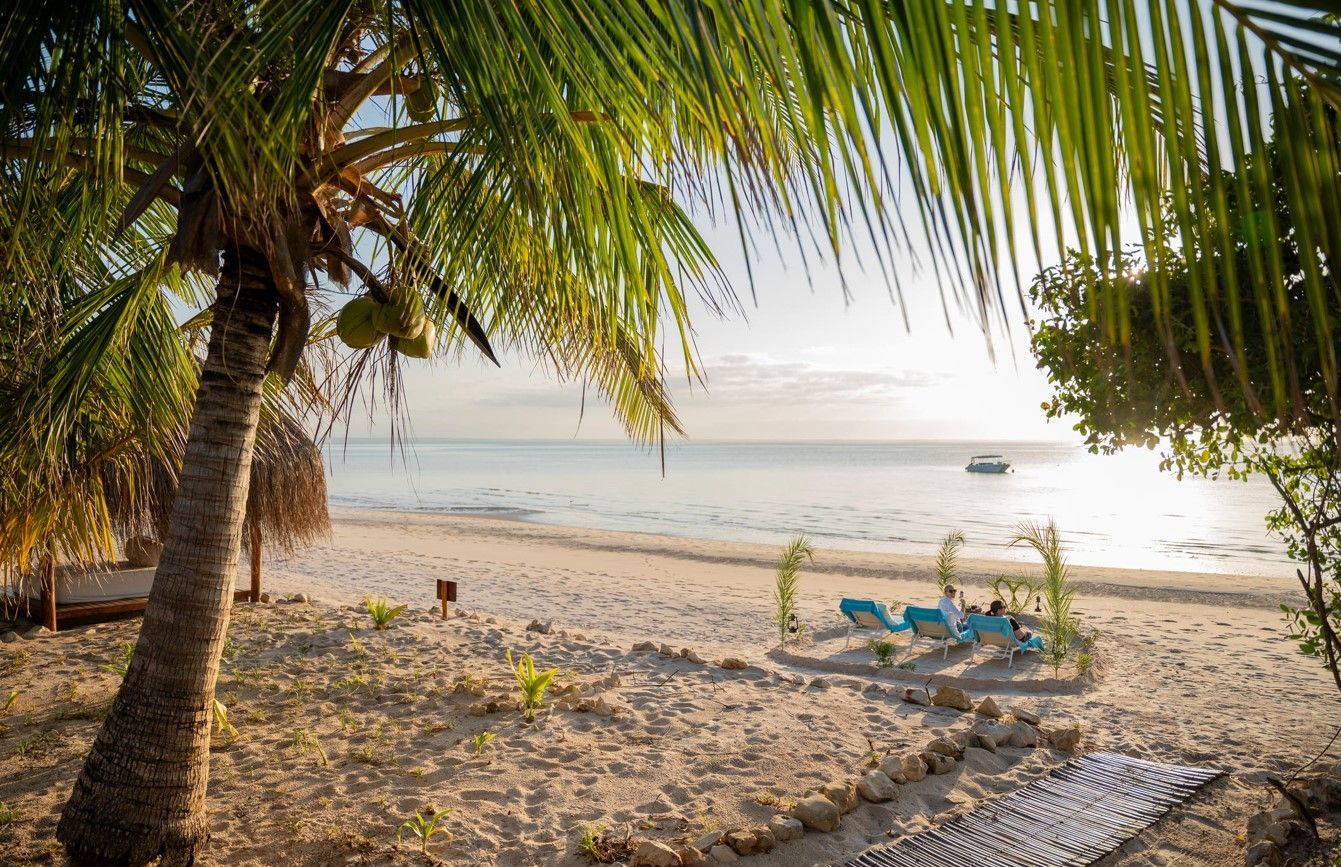
The primary coastal extensions for safari combinations are not urban nightlife zones. They are low-density lodge environments.
- Vilanculos
- The Bazaruto Archipelago
- Santa Maria Peninsula
- Machangulo
These regions are built around hospitality infrastructure rather than mass tourism density. Guests typically arrive via organized transfer and remain within lodge-managed environments.
Activities are coordinated through licensed marine operators. Boat captains are trained. Marine conditions are monitored. Staff supervise excursions.
Violent crime affecting tourists in these coastal zones is uncommon. The more realistic considerations involve road conditions, sea state awareness and distance from advanced medical facilities.
Beach safety is operational, not reactive.
Urban Considerations: Maputo and Transit Awareness
Maputo is a functioning African capital city. It carries normal urban risk patterns similar to many global cities.
Visitors should avoid isolated areas at night, limit visible valuables, use structured transfers and rely on recommended guides.
Most safari and Mozambique itineraries either transit through Maputo or include short, managed stays. Urban exposure is typically limited and structured.
Safety in Maputo is about behavior, not fear. Standard city awareness applies.
Cross-Border Travel: Routine, Not Reckless
Many safari and Mozambique combinations route through South Africa.
Johannesburg remains one of Africa’s most established aviation hubs. It handles international transit daily and supports structured onward regional flights.
Land border crossings, such as Lebombo between South Africa and Mozambique, are routine tourism corridors. When transfers are organized professionally, crossings are predictable and well managed.
Risk increases when travelers self-drive unfamiliar routes, attempt unsupervised cross-border navigation or rely on informal transport.
Structured routing removes most exposure.
Medical Access and Emergency Protocols
Remote travel anywhere in the world requires medical planning.
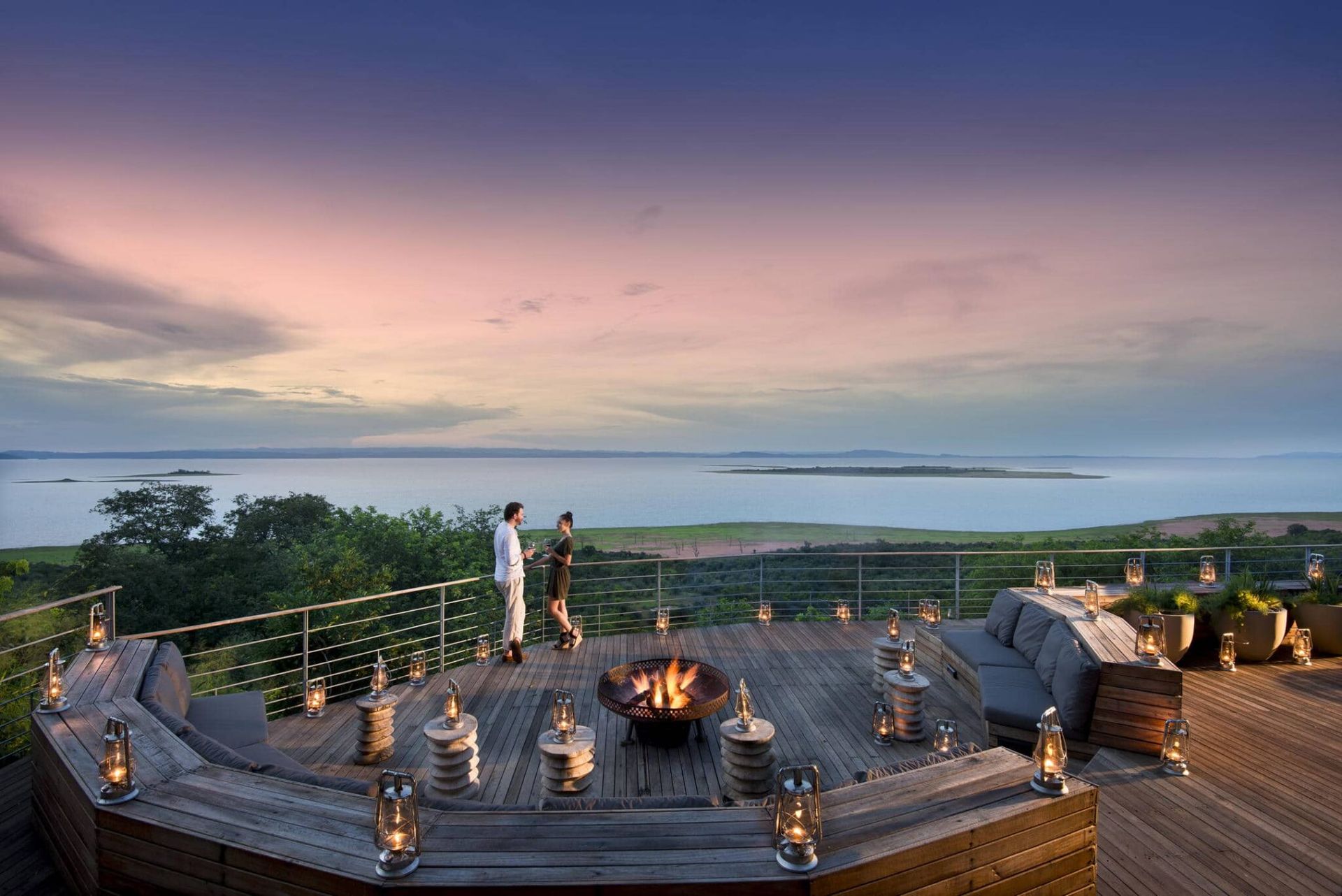
Major safari regions maintain evacuation protocols and air evacuation partnerships. Lodges have 24-hour management teams. Emergency response chains are rehearsed, not improvised.
Mozambique coastal lodges operate agreements with regional medical facilities and evacuation providers.
Comprehensive travel insurance that includes evacuation cover is essential. This is standard practice for remote destinations globally, not unique to Africa.
Prepared travelers manage medical risk effectively through planning rather than avoidance.
Malaria and Health Considerations
Certain safari and coastal regions fall within seasonal malaria zones.
Risk is manageable with preparation.
Travelers should consult travel health professionals before departure. Prophylactic medication may be recommended depending on season and location. Insect repellent and appropriate clothing reduce exposure significantly.
Lodges implement mosquito management practices, but prevention remains a shared responsibility.
Malaria is not ignored in safari regions. It is planned for.
Political Stability and Media Perception
National headlines rarely reflect tourism zone reality.
Safari conservancies are geographically distant from urban protest activity. Coastal tourism hubs operate around lodge economies and marine access rather than political centers.
Travel advisories often apply at country level. They do not distinguish between remote conservation areas and city neighborhoods.
Established safari and coastal regions continue to function normally during periods of national-level tension.
Perception often exceeds direct impact.
Are Safari and Mozambique Safe for Families?
Yes, when structured properly.
Family-friendly safari lodges enforce age policies for walking safaris, offer private vehicle options and tailor activity schedules appropriately.
Beach lodges provide supervised marine excursions and controlled environments. Transfers are coordinated door-to-door.
Safety for families depends on property selection and pacing discipline. Compressing routing or adding unnecessary complexity increases fatigue, which increases exposure.
Structured itineraries reduce that risk.
Are Safari and Mozambique Safe for Solo Women Travelers?
Yes, particularly when using lodge-to-lodge structured transfers.
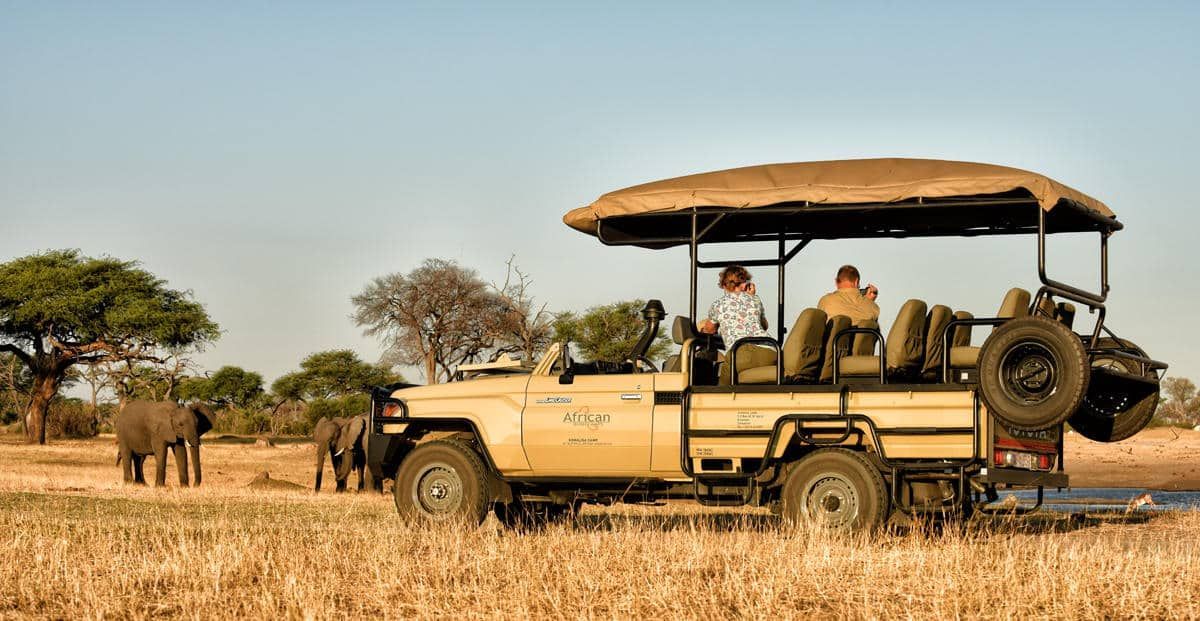
Private safari environments are controlled and professionally staffed. Coastal properties operate within secure perimeters. Staff interaction is consistent and monitored.
Solo women travellers should apply normal urban travel awareness in transit cities, but safari and beach components are typically low-exposure environments.
Professional coordination significantly reduces logistical vulnerability.
Road Safety: The Most Overlooked Risk
In Southern Africa, road safety often presents greater risk than crime.
Rural highways may include livestock, uneven surfaces and variable lighting. Self-driving long distances without familiarity can increase exposure.
Organized transfers with vetted drivers reduce this risk substantially.
When itineraries rely on structured transport rather than independent navigation, road safety exposure drops significantly.
The greatest risks in safari and Mozambique travel are often mundane, not dramatic.
What Actually Creates Safety Problems?
- Unstructured travel.
- Self-driving unfamiliar cross-border routes.
- Booking unknown operators based purely on price.
- Ignoring transfer coordination.
- Attempting compressed, multi-country routing without buffer time.
The strongest safety layer is professional itinerary design.
When routing is realistic, lodges are vetted and transfers are organized, safari and Mozambique combinations operate within predictable frameworks.
Is Safari and Mozambique Safe Compared to Other Global Destinations?
When measured against structured travel in other remote regions globally, safari and Mozambique is comparable.
Remote wilderness in North America, Patagonia, parts of Southeast Asia or the Australian outback require similar evacuation planning and structured routing.
The difference is perception.
Africa is often evaluated through media narrative rather than operational reality. In established tourism corridors, structured safari and Mozambique travel is stable and professionally managed.
Plan a Safe Safari and Mozambique Journey With Mozambique Travel
Safari and Mozambique holidays are safe when built around established tourism regions and structured logistics. Wildlife risk is managed through trained professionals. Beach regions operate in low-density lodge environments. Urban transit requires standard awareness rather than fear.
Mozambique Travel has been designing cross-border safari and beach journeys for more than 20 years. We coordinate vetted lodges, licensed operators, organized transfers and realistic routing sequences to minimize exposure and maximize comfort.
If you are planning a 2026 safari and Mozambique holiday from the USA, Canada, Europe or Australia, work with specialists who understand regional logistics. Safety is not improvised. It is engineered.
Featured Packages
Frequently Asked Questions
Is safari in Southern Africa safe for American and European travelers?
Yes. Private safari reserves and national parks operate under structured management with licensed guides and controlled guest movement. Wildlife risk is mitigated through strict protocols, and violent crime affecting tourists within established safari concessions is rare.
Is Mozambique safe for beach holidays in 2026?
Established tourism areas such as Vilanculos, Bazaruto and Machangulo are low-density lodge environments. Most activities are coordinated through licensed operators. Violent crime affecting tourists in these regions is uncommon when transfers and excursions are professionally arranged.
Are cross-border transfers between South Africa and Mozambique safe?
Yes, when organized through professional operators. Established border posts such as Lebombo are routinely used for tourism transfers, and routing via Johannesburg remains one of Africa’s most stable aviation hubs for international connections.
Is malaria a serious safety concern?
Some regions fall within seasonal malaria zones. Preventative medication, insect repellent and proper clothing significantly reduce risk. Travelers should consult medical professionals before departure and ensure appropriate travel insurance coverage.
Is safari and Mozambique safe for families with children?
Yes. Many lodges implement structured family policies, age restrictions for certain wildlife activities and private vehicle options. Selecting appropriate properties and avoiding overly complex routing enhances safety and comfort for families.
Should I avoid safari and Mozambique because of travel advisories?
Travel advisories often reflect national-level conditions rather than specific tourism corridors. Established safari and coastal regions operate independently and remain stable. Structured planning and vetted operators significantly reduce exposure to avoidable risk.
SHARE THIS POST
Are You Ready FOr Mozambique?
Page through our packages and find the offer right for you!
Ready to Speak to a Mozambique Travel Expert?
Get In Touch and Ask for a Call-Back Today
Latest Posts