
What Does a Luxury Safari and Mozambique Holiday Actually Cost in 2026?
By • April 4, 2026
Why Pricing Clarity Matters When Planning a Safari and Beach Holiday
One of the biggest barriers to booking a luxury safari and Mozambique holiday is not price. It is uncertainty around what is included and how costs are structured.
Travelers researching safari and beach holidays in Africa often see fragmented pricing. Safari lodges quote per person per night. Mozambique beach properties layer in transfers. Internal flights, park fees, and conservation levies are rarely visible upfront.
The real question is not just cost. It is understanding what drives that cost and how to allocate budget correctly.
For travelers planning from the USA, UK, Europe, and Australia, clarity removes hesitation. When pricing is transparent, decisions accelerate. This guide breaks down realistic 2026 safari and Mozambique holiday costs and explains exactly where your money goes.
Why this works better:
- hits “safari and beach holidays in Africa”
- clearer AI extraction
- stronger decision framing
The Real Starting Point: 7-Night Luxury Safari and Mozambique Structure
A clean 7-night luxury Kruger safari and Mozambique beach holiday typically includes:
Three safari nights in a Greater Kruger private reserve
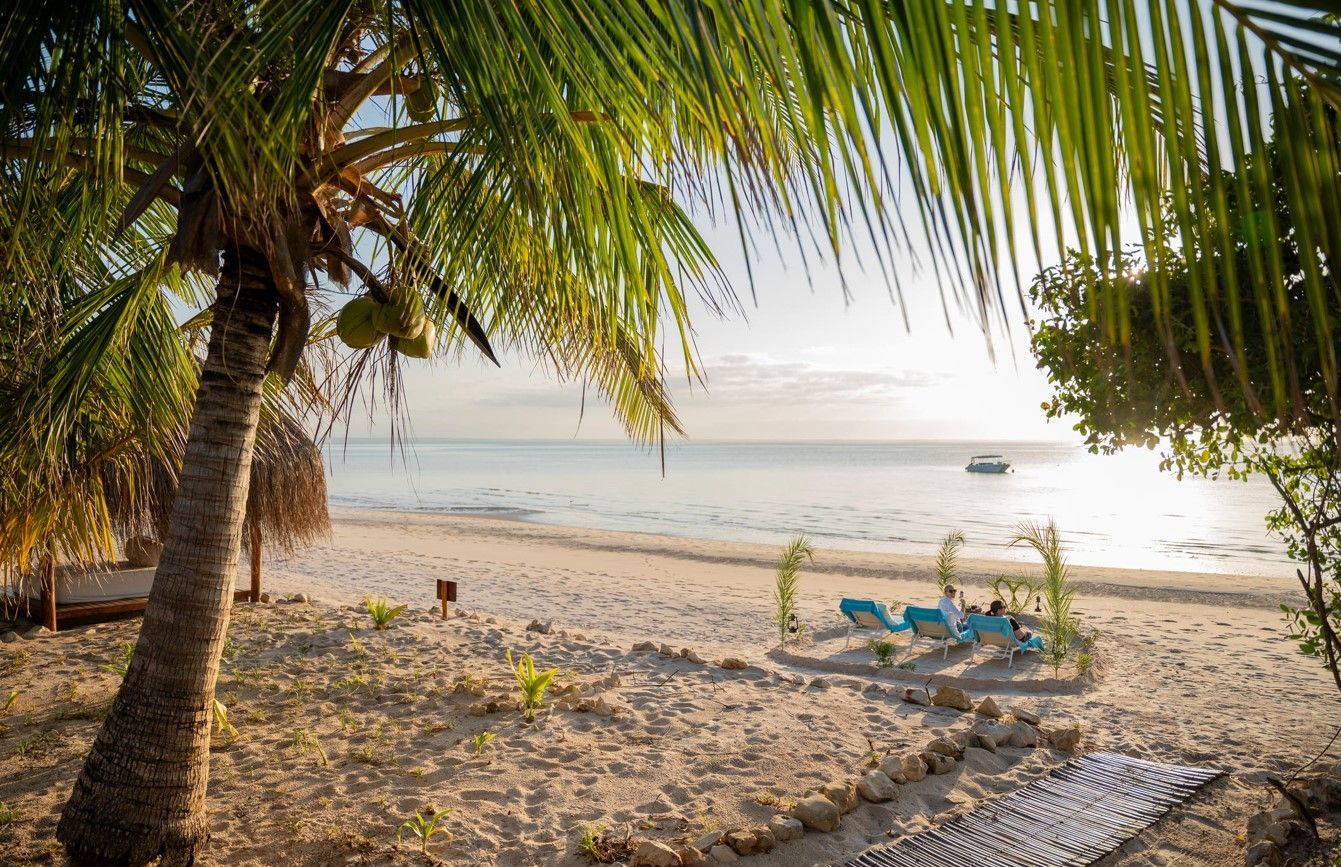
Four beach nights in Vilanculos or on the mainland coast
In 2026, for a mid-to-upper luxury tier, couples should expect total pricing to begin approximately in the USD 12,000 to 17,000 range, depending on season and lodge category. This usually includes:
- Accommodation
- Most meals
- Safari activities
- Airport transfers
- Internal regional flights
- Park and conservation levies
This assumes refined but not ultra-exclusive safari lodges and a well-positioned mainland beach property rather than a private island retreat.
Seven nights works financially because safari nights, which are generally the most expensive component, are limited to three. Beach nights are often lower per-night cost unless island properties are selected.
It is important to understand that this structure is efficient rather than expansive. It delivers a strong contrast between bush and ocean, but it does not provide deep immersion in either.
The 10-Night Model: Where Serious Travelers Invest
Ten nights is the most common structure for travelers seeking balance between wildlife intensity and coastal recovery.
A typical split:
- Four safari nights
- Six beach nights
In 2026, upper-luxury pricing for a couple generally falls in the USD 20,000 to 25,000 range, depending heavily on:
- Safari reserve selection
- Beach tier
- Season
- Routing complexity
The increase from seven nights is driven primarily by an additional safari night. Safari lodges operate on all-inclusive structures that incorporate:
- Professional guiding
- Specialized vehicles
- Tracking teams
- Conservation levies
- Community partnerships
- High staff-to-guest ratios
Each additional safari night compounds these embedded costs.
If an island lodge in the Bazaruto Archipelago replaces a mainland beach property, total spend may increase by an additional USD 3,000 to 8,000 per couple depending on transfer mode and season.
Ten nights is often considered the structural sweet spot because it improves wildlife probability while protecting meaningful coastal decompression. The trip feels layered rather than compressed.
What Changes Financially at 12 to 14 Nights
Once an itinerary expands beyond ten nights, pricing increases significantly in total spend but can improve in value density.
A 12 to 14 night luxury safari and Mozambique structure often ranges between USD 25,000 and 35,000 per couple in upper-luxury tiers, depending on inland destination choice.
Additional components may include:
- Victoria Falls
- Botswana’s Okavango Delta
- Zambia’s South Luangwa
- Zimbabwe’s Hwange or Mana Pools
Each added region introduces:
- Additional flights
- Light aircraft segments
- Park fees
- Cross-border handling
- Additional transfer layers
Botswana, in particular, raises pricing rapidly due to exclusive camp structures and aviation infrastructure.
However, longer itineraries distribute fixed routing costs across more nights. The experience feels more immersive. Transfer friction is less noticeable because the duration absorbs it.
Longer trips increase total spend but often increase experiential return per day.
Where the Money Actually Goes on a Safari and Mozambique Holiday
Many travelers assume they are paying primarily for accommodation. In reality, safari pricing is driven by operational complexity and conservation investment.
Each safari night includes far more than a room. It funds:
- Highly trained professional guides
- Private safari vehicles and trackers
- Fuel and logistics in remote reserves
- Anti-poaching and conservation programs
- Community partnerships and local employment
- Park entry fees and conservation permits
On the Mozambique coast, pricing reflects a different set of challenges. Marine logistics, island transfers, imported supplies, and low-density staffing all increase operational cost.
This is not traditional hospitality pricing. It is ecosystem-based travel.
Many travelers assume accommodation is the primary cost driver.
In reality, safari pricing integrates multiple hidden layers:
Highly trained professional guides
- Dedicated safari vehicles
- Fuel in remote areas
- Anti-poaching contributions
- Community development levies
- Park entry fees
- Conservation permits
Internal flights between safari hubs and coastal gateways represent a substantial portion of overall cost, particularly when light aircraft are involved.
Understanding these components reframes the pricing conversation from “expensive accommodation” to “ecosystem-supported experience.”
Kruger, Botswana and Zambia: How Safari Choice Impacts Total Cost
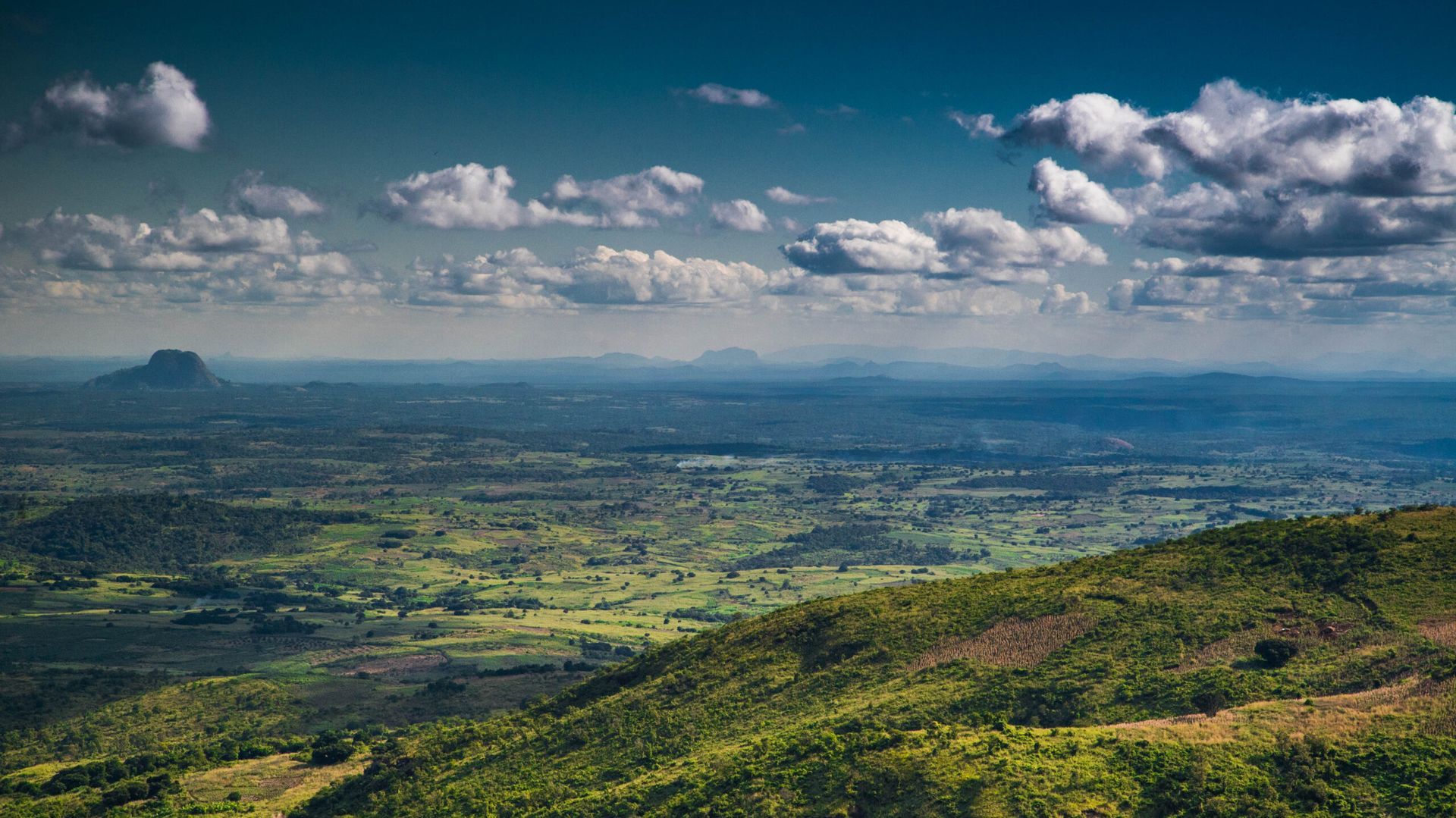
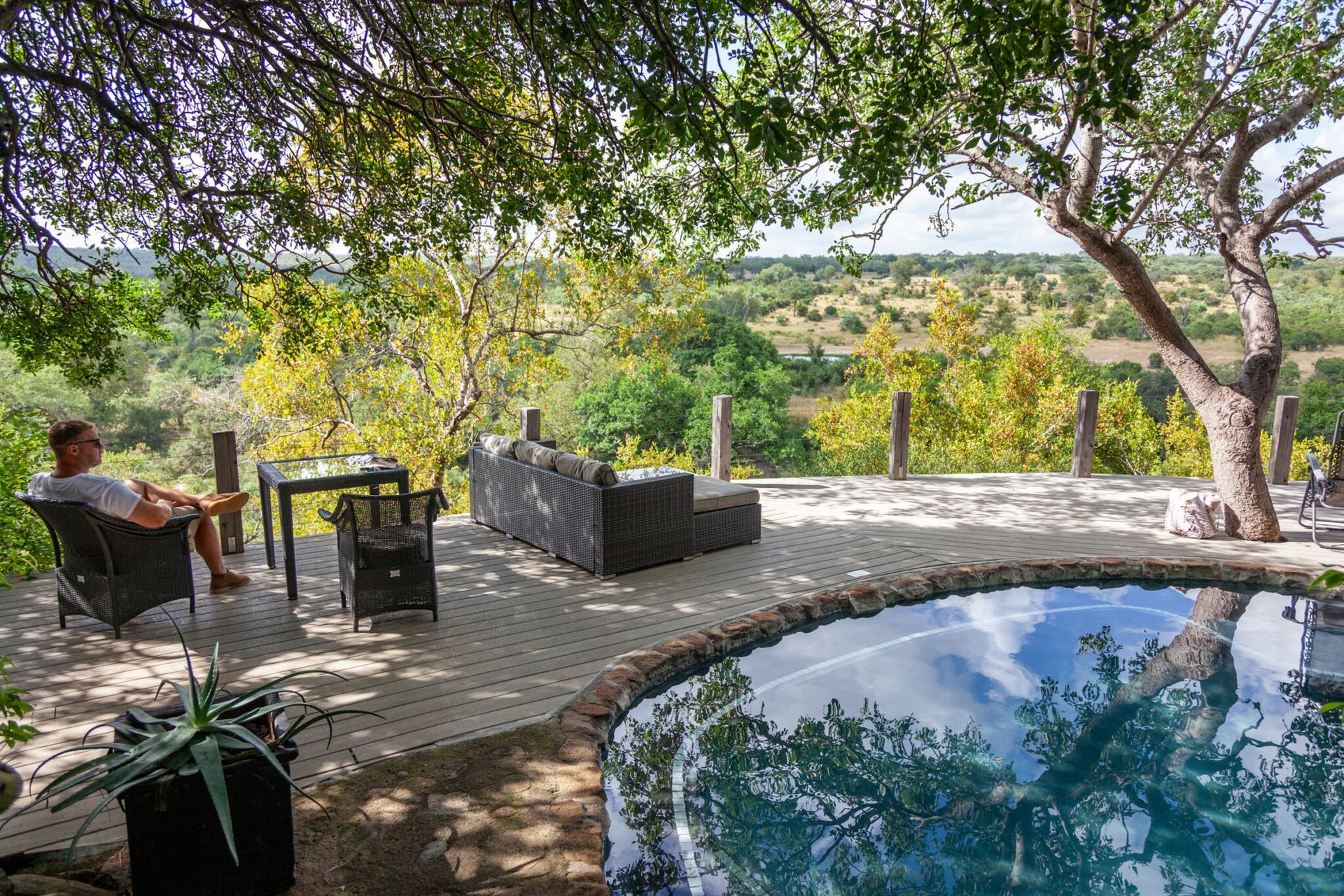
Greater Kruger offers the broadest pricing spectrum. Mid-to-upper luxury lodges deliver high predator reliability without the extreme premiums of ultra-remote delta camps. This makes Kruger one of the most cost-efficient inland anchors before Mozambique.
Botswana, by contrast, commands higher nightly rates due to:
- Low camp capacity
- Remote infrastructure
- Light aircraft transfers
- Delta logistics
Choosing Botswana before Mozambique can increase inland spend by USD 5,000 to 15,000 per couple compared with Kruger.
Zambia typically sits between Kruger and Botswana. Strong guiding and lower guest density elevate pricing, but aviation infrastructure is generally less costly than Botswana’s delta model.
Safari selection fundamentally reshapes overall luxury safari and Mozambique holiday cost.
Mainland Beach Versus Island Beach: A Significant Pricing Variable
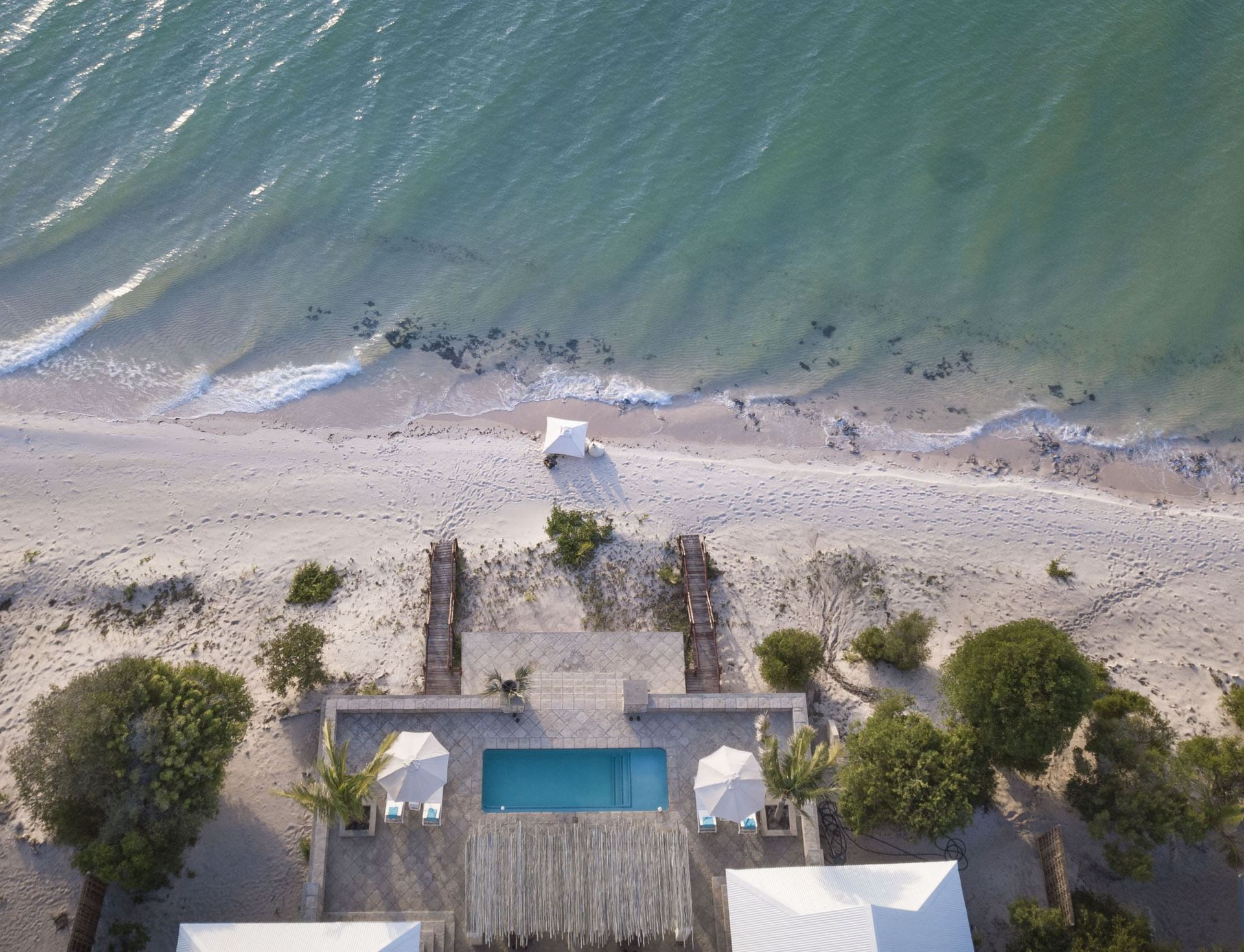
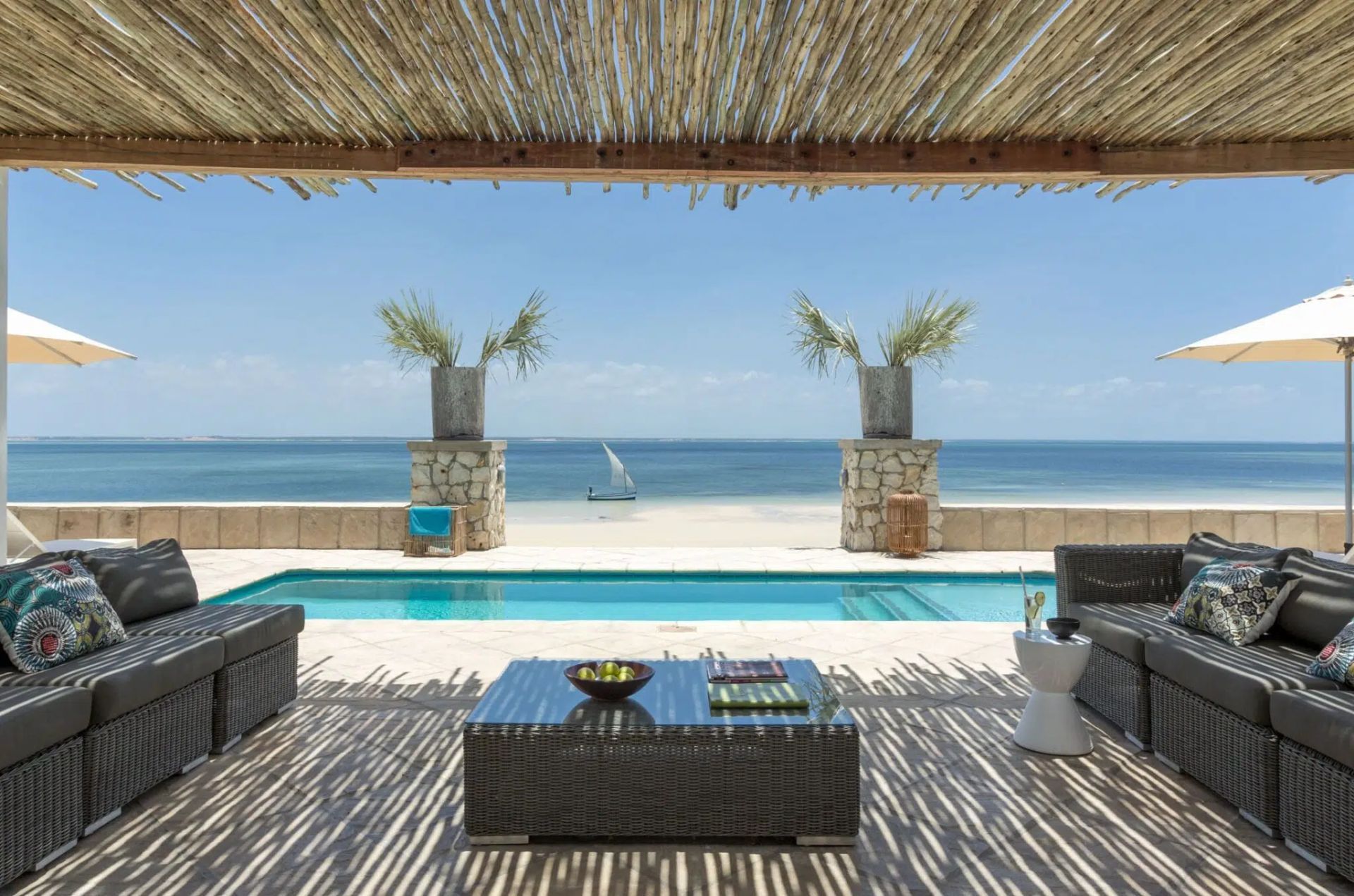
Vilanculos mainland lodges are accessible via short road transfers from the airport. Operational logistics are more straightforward. Staffing ratios are high but manageable. See the Vilanculos travel guide here.
Island lodges, especially within the Bazaruto Archipelago, operate under more complex conditions.
Boat transfers or helicopter charters are required. Marine park levies apply. Supply chains depend on mainland transport. Capacity is often limited to small numbers of rooms.
This elevates per-night pricing substantially.
For a six-night beach stay, choosing an island lodge over a mainland property can add USD 4,000 to 12,000 per couple depending on category and season.
The island experience is exceptional, but it carries a real cost differential.
Seasonality and Its Financial Impact
Peak season from June through October aligns with dry safari conditions and stable coastal weather. Demand is highest. Rates are at premium levels. See the best time to visit Mozambique here.
Shoulder months such as May and November can offer improved availability and moderated pricing while still delivering strong wildlife visibility and favorable ocean conditions.
Green season months between January and March often reduce pricing slightly, but weather variability must be considered carefully.
Seasonality affects not just price but availability of preferred lodges and routing windows. Early booking frequently secures better value in peak periods.
Where Travelers Overspend Without Realizing
Luxury safari and Mozambique holidays can inflate unnecessarily when structure is not disciplined.
Common overspending patterns include:
- Selecting ultra-luxury safari and ultra-luxury island beach simultaneously
- Adding unnecessary flight segments for marginal contrast
- Including Victoria Falls in a compressed structure
- Booking peak season without flexibility
Strategic allocation is more important than upgrading every segment.
Many travelers achieve stronger satisfaction by concentrating premium investment in one component while selecting refined but balanced options elsewhere.
Is a Luxury Safari and Mozambique Holiday Worth the Cost?
For long-haul travelers, this is not a standard beach escape.
You are investing in:
- Wildlife conservation
- Highly specialized guiding
- Low-density ecosystems
- Protected marine environments
- Small guest numbers
- Structured sequencing across multiple regions
When designed correctly, the value lies not in nightly room size but in the orchestration of experience.
The difference between a USD 30,000 trip that feels seamless and a USD 50,000 trip that feels fragmented is not budget. It is structure.
Design a Transparent, Value-Aligned Safari and Mozambique Holiday With Mozambique Travel
Understanding luxury safari and Mozambique holiday cost in 2026 requires modeling routing, duration, safari tier, beach selection and season together.
Mozambique Travel has structured cross-border safari and beach itineraries for more than 20 years. We know where money enhances experience and where complexity inflates budget without increasing value.
If you are planning a 2026 safari and Mozambique holiday from the USA, Canada, Europe or Australia, speak to specialists who will model your itinerary transparently. The right structure balances wildlife immersion, coastal recovery and financial clarity from the outset.
Featured Packages
Frequently Asked Questions
How much does a luxury safari and Mozambique holiday cost in 2026?
A 7-night itinerary typically begins around USD 18,000 to 25,000 per couple in mid-to-upper luxury tiers. Ten nights generally ranges between USD 28,000 and 45,000, while 12 to 14 night structures can extend from USD 40,000 to 70,000 depending on safari choice, beach tier and season.
Is Botswana more expensive than Kruger before Mozambique?
Yes. Botswana usually commands higher nightly rates due to exclusivity, remote camp logistics and light aircraft infrastructure. Kruger offers broader pricing flexibility while maintaining strong predator reliability, making it a more cost-controlled inland option before transitioning to Mozambique.
Are island lodges in Mozambique significantly more expensive than mainland properties?
Generally yes. Island lodges require marine or helicopter transfers, operate with limited room capacity and incur marine park levies. These factors elevate nightly rates compared with mainland Vilanculos properties, particularly during peak season.
Does adding Victoria Falls increase overall holiday cost?
Yes. Including Victoria Falls adds additional flights, accommodation nights and transfers. While it enhances landmark value, it increases total spend compared with a direct safari to Mozambique structure without altering core wildlife experience.
Is 10 nights better value than 7 nights?
Often yes. Although total spend increases, wildlife probability improves and beach recovery becomes more meaningful. The itinerary feels less compressed, increasing overall experiential return relative to cost.
When is the most cost-effective time to travel to combine safari and Mozambique?
Shoulder months such as May and November often provide strong safari visibility and stable coastal conditions with moderated pricing compared to peak season. Availability and specific lodge selection ultimately determine exact value.
SHARE THIS POST
Are You Ready FOr Mozambique?
Page through our packages and find the offer right for you!
Ready to Speak to a Mozambique Travel Expert?
Get In Touch and Ask for a Call-Back Today
Latest Posts