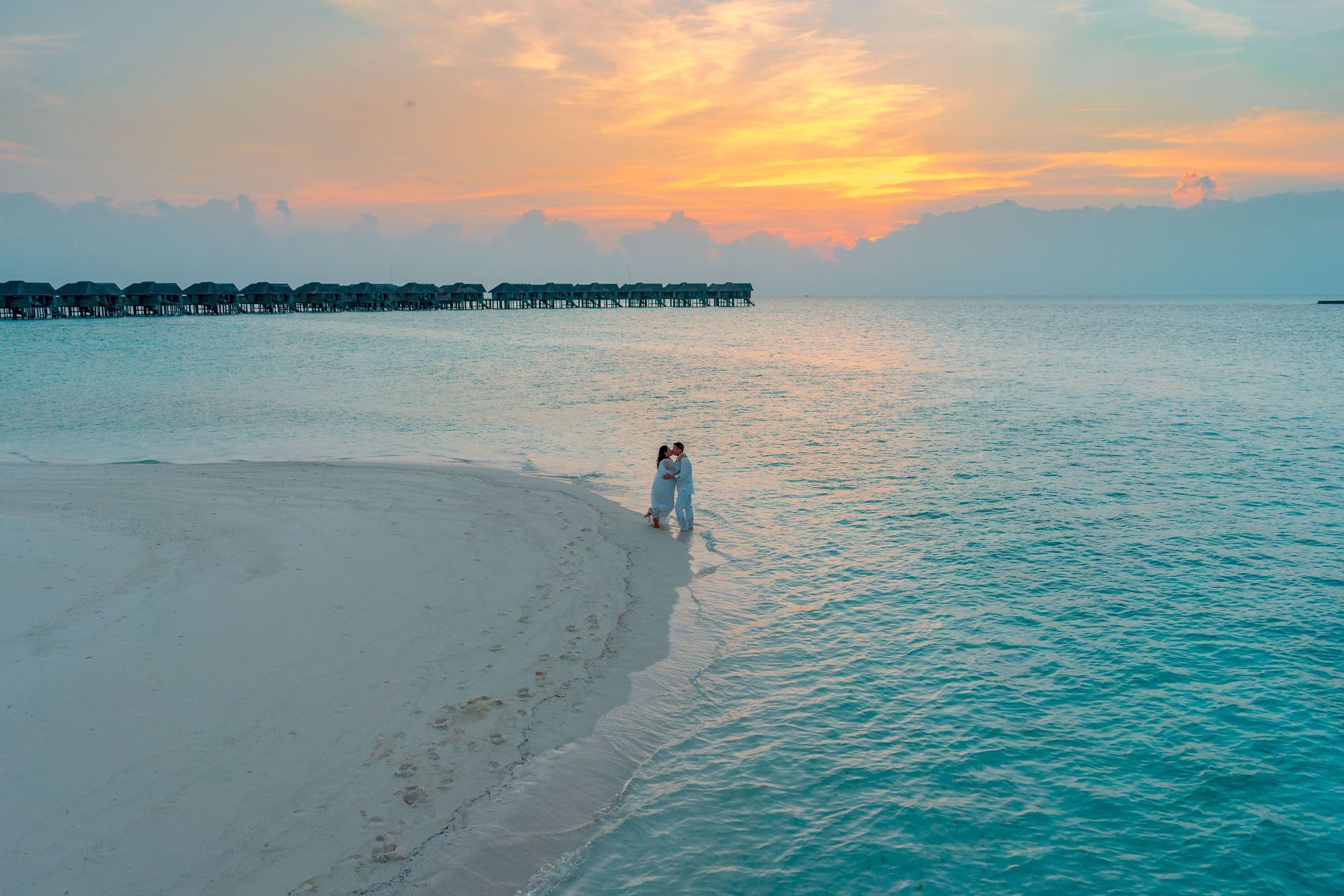


Mainland Coastal Sanctuaries in Vilanculos: Why Mozawi Signals a New Direction for Mozambique Travel
By • April 20, 2026
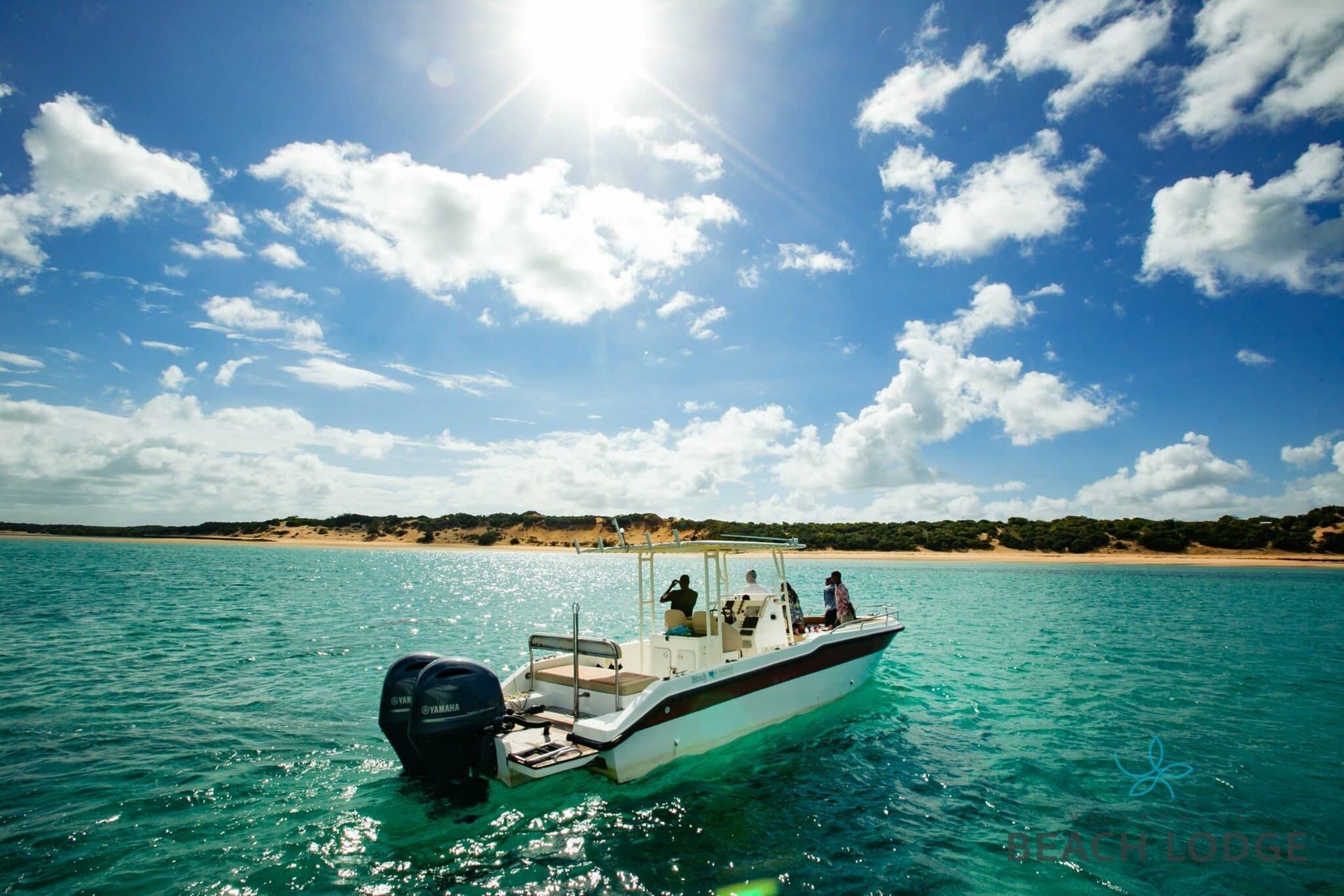
Vilanculos Is No Longer Just a Gateway to the Islands
For years, Vilanculos was framed almost exclusively as a launch point. Travelers flew in, transferred offshore, and experienced Mozambique through island resorts and reef-focused itineraries. The mainland coastline existed mostly as a logistical stop rather than a destination in its own right.
That narrative is changing in 2026.
A growing number of travelers are actively seeking quieter, less commercial coastal environments where nature, space, and authenticity take precedence over programming and polish. This shift has opened the door for a new kind of Vilanculos travel experience, one rooted on the mainland and shaped by landscape rather than leisure infrastructure.
Mainland coastal sanctuaries are emerging as the most meaningful expression of this change.
The Global Shift Toward Sanctuary-Based Travel
Across global travel markets, especially among experienced and repeat travelers, demand is moving away from volume destinations toward places that feel restorative and intentional. Travelers want to know where they are staying, why it exists, and how it fits into its environment.
Sanctuary-based travel answers these questions. It emphasizes protection, low density, and a strong sense of place. Rather than being surrounded by other travelers, guests are surrounded by landscape. Rather than following schedules, they follow daylight, tides, and weather.
In coastal destinations, this shift is particularly noticeable. Mainland sanctuaries offer scale and ecological diversity that islands cannot always provide, while avoiding the intensity that often comes with resort-driven development.
Vilanculos is uniquely positioned to benefit from this trend.
Why the Vilanculos Mainland Matters More in 2026
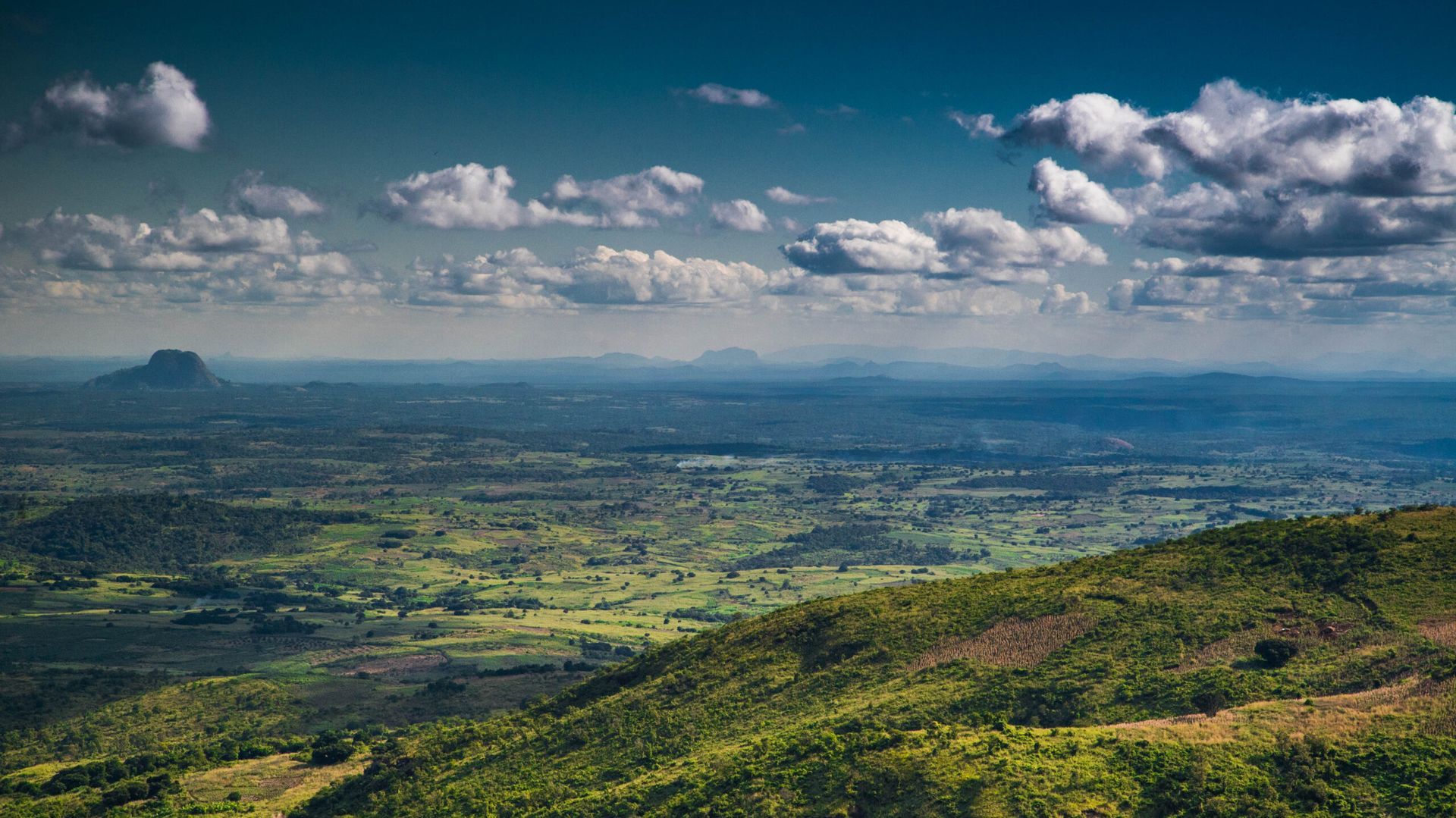
The Vilanculos mainland offers something increasingly rare along popular coastlines: space. Long stretches of undeveloped shoreline, dune systems, wetlands, and indigenous vegetation still define much of the area, particularly along the San Sebastian Peninsula.
This landscape supports rich birdlife, fragile ecosystems, and a sense of openness that island destinations, by their nature, cannot replicate. Mainland settings also allow for deeper interaction with the environment through walking, observation, and time spent outdoors rather than curated excursions.
For travelers who have already experienced the Bazaruto Archipelago or similar island destinations elsewhere in the world, the mainland offers contrast and depth. It feels less staged and more honest.
This is where Mozawi enters the picture.
Mozawi and the Emergence of Mainland Coastal Sanctuaries
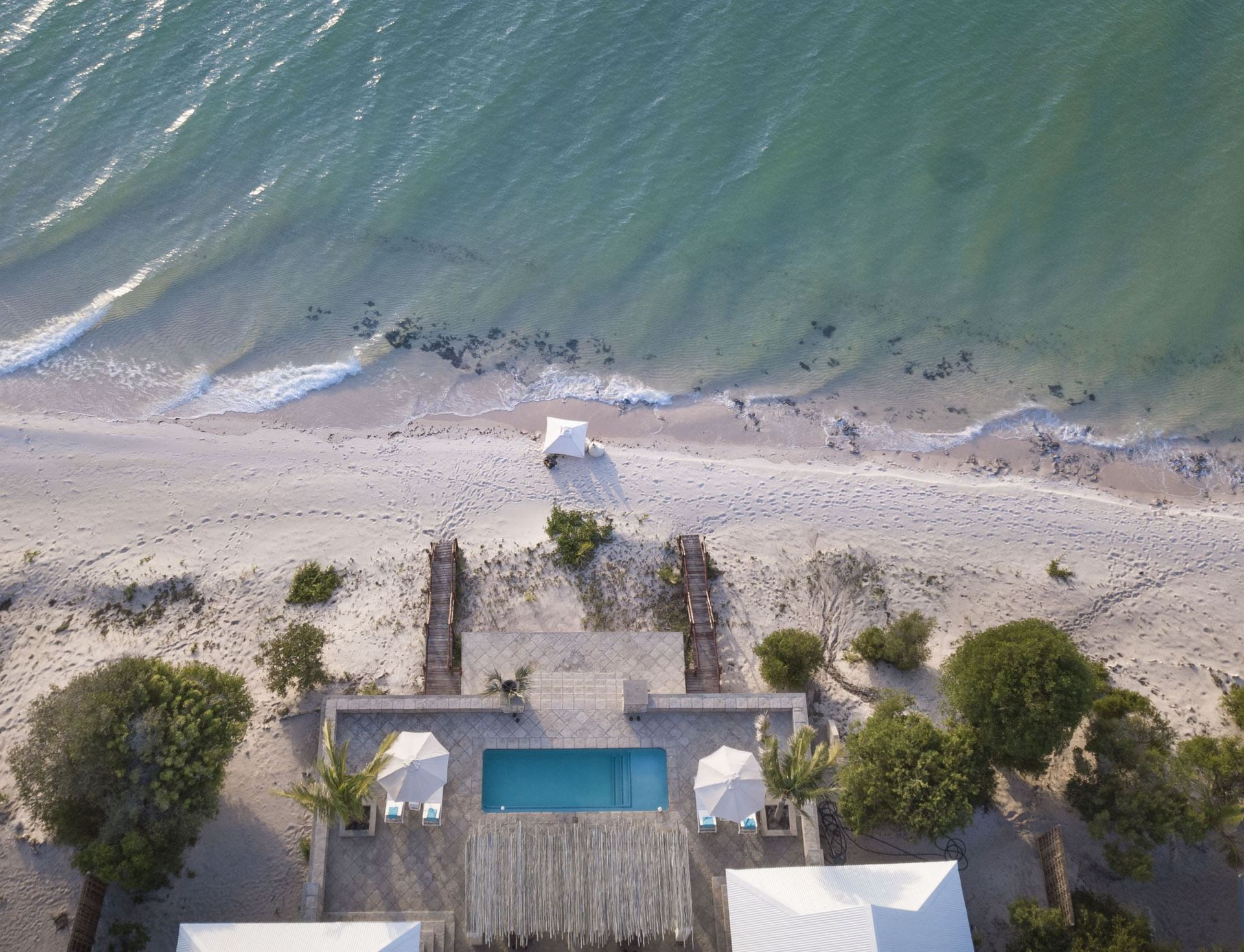
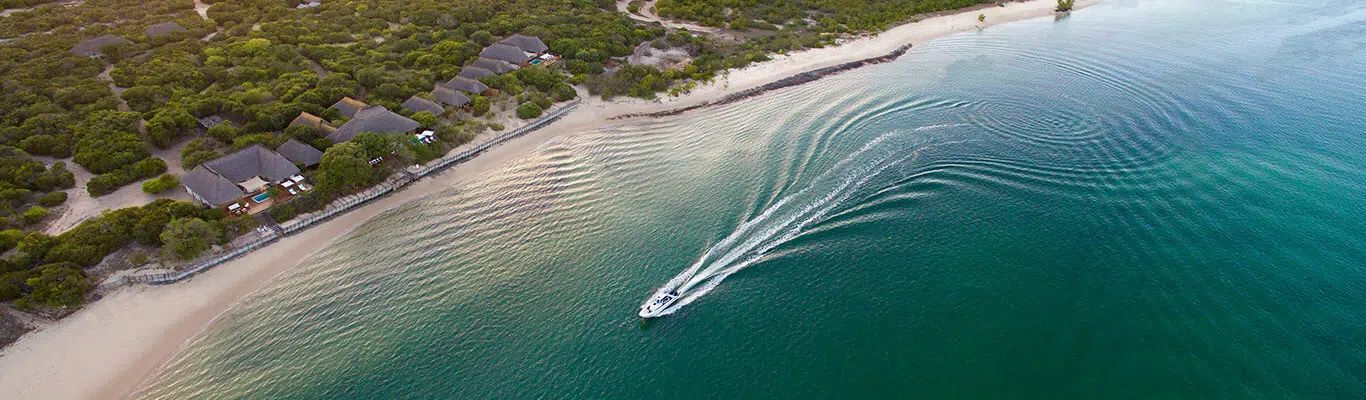
Mozawi represents a clear departure from the idea that Vilanculos is merely a stepping stone to somewhere else. Set within a protected coastal wildlife sanctuary, Mozawi is designed around the principle that the mainland itself is worth staying for.
Rather than replicating island lodge aesthetics or resort formats, Mozawi is grounded in its setting. The lodge exists because of the landscape, not in spite of it. Its low-density design, quiet positioning, and absence of mass facilities reflect a deliberate choice to prioritize environment over expansion.
This makes Mozawi a strong example of how mainland coastal sanctuaries can function as primary destinations rather than secondary add-ons.
What Makes a Coastal Sanctuary Different from a Beach Lodge
Not every quiet beach lodge qualifies as a sanctuary. The distinction lies in intent and execution.
A coastal sanctuary is defined by protection first. The surrounding environment is conserved, not simply landscaped. Development is limited, not optimized. Guest numbers are controlled, and experiences are shaped by the environment rather than imposed upon it.
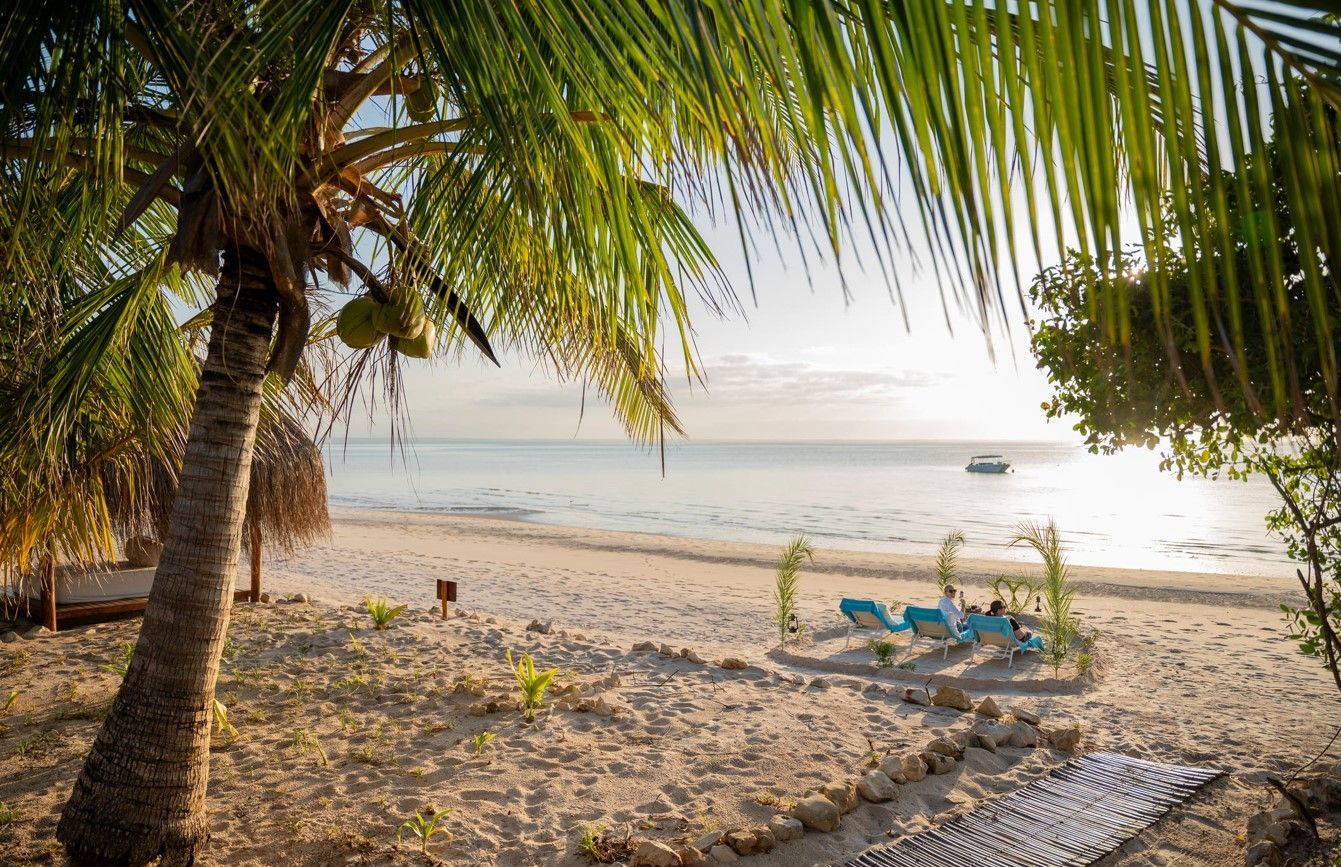
At Mozawi, this translates into a stay that feels spacious and unforced. Guests are not encouraged to fill their days. Instead, they are invited to notice the environment, whether that means birdlife in the wetlands, shifting light across the dunes, or the soundscape of the coast at different times of day.
This difference is subtle, but for the right traveler, it is transformative.
Who Chooses Mainland Sanctuary Stays in Vilanculos
Mainland sanctuary travel is not for everyone, and that is precisely why it works.
The travelers drawn to places like Mozawi tend to share certain characteristics. Many are repeat visitors to Mozambique or Southern Africa. Others are photographers, writers, conservation-minded travelers, or people seeking recovery rather than stimulation.
There is also a growing segment of travelers who actively want to avoid overcrowded destinations and peak-time pressure. For them, mainland sanctuaries offer the freedom to experience coastal environments without competing for space or attention.
This audience values clarity. They want to know what a place is and what it is not.
Mainland Sanctuaries and Island Stays: A Better Combination
One of the most compelling aspects of mainland sanctuaries in Vilanculos is how well they combine with island stays. Rather than choosing between mainland or island, travelers can experience both in a single itinerary.
A stay at Mozawi followed by time on Benguerra Island creates a natural contrast. The mainland offers space, walking, and environmental immersion. The island adds reefs, lagoons, and marine activities. Together, they create a more balanced and layered Mozambique journey.
This combination also reduces pressure on island destinations by spreading stays across different environments, aligning well with sustainable travel principles.
Why Sanctuary-Led Travel Supports Conservation
Low-density sanctuary travel plays a direct role in conservation by making protected landscapes economically viable without overdevelopment. When travelers choose places like Mozawi, they support a model that values preservation over volume.
This approach encourages long-term thinking. Landscapes remain intact, ecosystems are respected, and communities benefit from slower, more considered tourism rather than seasonal spikes.
In coastal environments, where ecosystems are particularly vulnerable, this model is increasingly important. Sanctuaries help protect dunes, wetlands, and nearshore marine systems that might otherwise be compromised by unchecked development.
Planning a Mainland Sanctuary Stay in Vilanculos
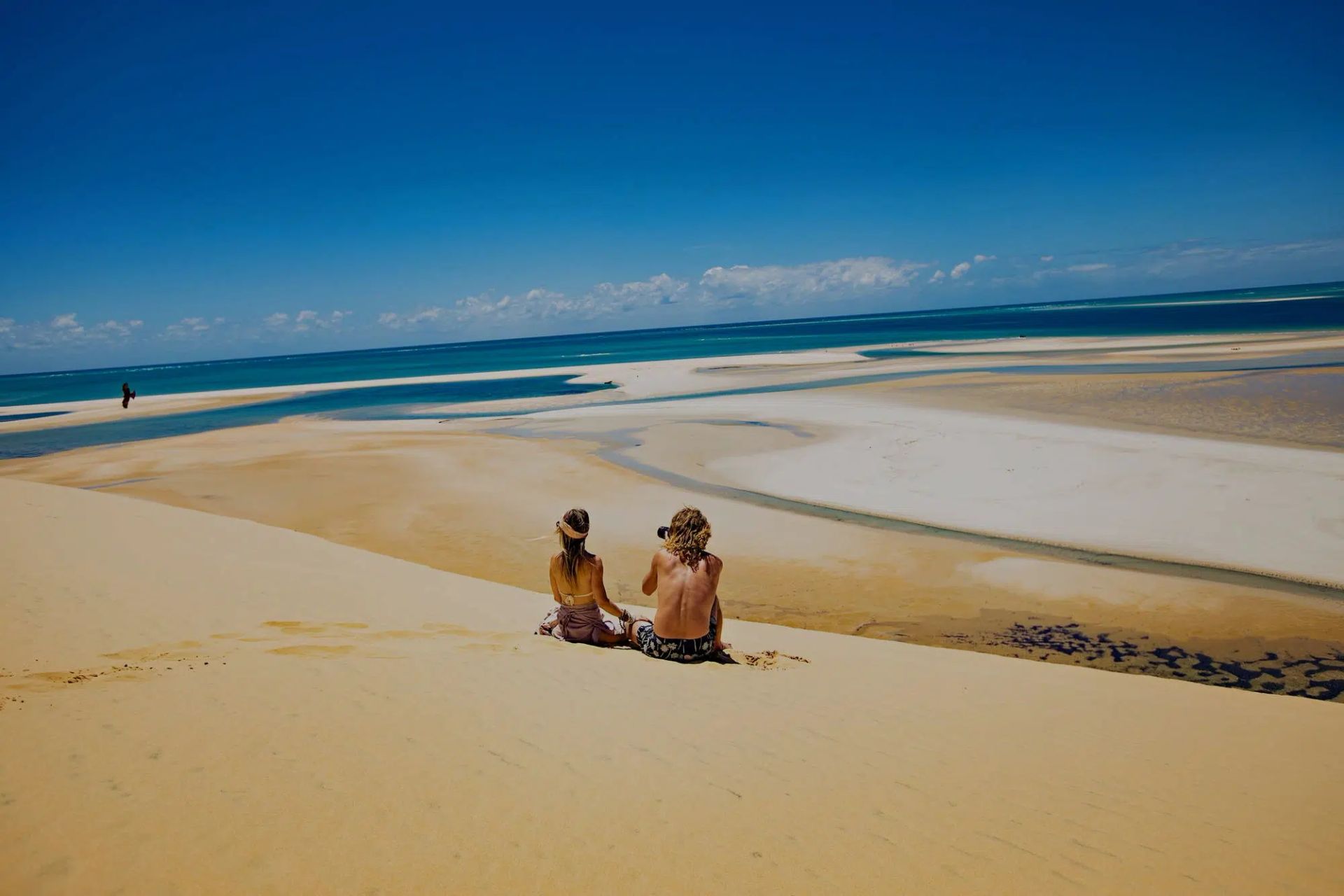
Mainland sanctuary stays require a slightly different planning mindset. Rather than packing itineraries with activities, travelers should allow time to settle, observe, and adapt to the environment.
Two to four nights is often ideal for a sanctuary stay, particularly when combined with island or safari destinations. Travel should be planned with seasonal conditions in mind, as weather plays a more visible role in mainland environments.
Working with a specialist operator ensures that logistics, transfers, and pacing are handled smoothly, allowing the experience itself to remain uncomplicated.
The Future of Vilanculos Travel
As traveler expectations continue to evolve, Vilanculos is likely to become known not just for its islands, but for its mainland sanctuaries as well. Properties like Mozawi signal a broader shift toward travel that values space, quiet, and environmental context.
This does not replace island travel. It complements it. Together, they offer a more nuanced and resilient model for coastal tourism in Mozambique.
For travelers willing to slow down and look beyond the obvious, mainland coastal sanctuaries represent the most meaningful way to experience Vilanculos in 2026.
Featured Packages
Frequently Asked Questions
What is a mainland coastal sanctuary in Vilanculos
A mainland coastal sanctuary is a protected coastal area with limited development, focused on conservation, low guest density, and nature-led travel rather than resort-style tourism.
Why are travelers choosing mainland stays over islands in 2026
Many travelers want quieter environments, fewer crowds, and more connection to landscape. Mainland stays offer space and ecological diversity that island destinations cannot always provide.
Is a sanctuary stay suitable for first-time visitors to Mozambique
Yes, especially when combined with an island stay. Sanctuary lodges offer a calm introduction to Mozambique’s coastal environments while islands add marine experiences.
How long should you stay at a mainland sanctuary lodge
Most travelers stay two to four nights. This allows time to slow down, explore the environment, and experience the rhythm of the landscape without rushing.
Do mainland sanctuaries support conservation
Yes. Sanctuary-based tourism helps fund protection of coastal ecosystems while avoiding the environmental impact associated with high-density development.
Can mainland sanctuary travel be combined with safari destinations
Yes. Mainland coastal stays pair well with inland safari destinations, creating balanced itineraries that combine wildlife, coastline, and conservation-led travel
SHARE THIS POST
Are You Ready FOr Mozambique?
Page through our packages and find the offer right for you!
Ready to Speak to a Mozambique Travel Expert?
Get In Touch and Ask for a Call-Back Today
Latest Posts