Featured Listings
No Listings Added
Add some directory listings to get started.
Where to Stay in Gorongosa in 2027
Choosing where to stay in Gorongosa is mainly a question of location, access and safari logistics. Most leisure travellers should base themselves inside Gorongosa National Park, where they can join guided activities more easily and avoid travelling through the park entrance each day. Staying outside the park may be useful for a late arrival, regional overnight stop or onward journey through central Mozambique, but it is rarely the most practical base for a dedicated safari.
The right choice depends on whether you want a convenient base near the principal Chitengo visitor area, a more remote wilderness experience or a connection night before entering the park. Mozambique Travel has more than 20 years of experience coordinating Gorongosa stays, regional flights, road transfers and onward coastal itineraries. For named properties, facilities and camp comparisons, compare Gorongosa National Park lodges.

Understanding Where to Stay in the Gorongosa Region
Gorongosa National Park covers an extensive and ecologically varied landscape of floodplains, savanna, woodland, wetlands, rivers and mountain environments. Chitengo is the park’s principal visitor and operational area, making it an important reference point for arrivals, visitor facilities and many organised safari activities. Travellers should consider where their base is situated in relation to Chitengo, seasonal road conditions and the areas included in their itinerary.
Most first-time visitors benefit from staying inside the park near the established visitor area. Travellers with more time, previous safari experience or a strong interest in photography and wilderness may prefer an itinerary that reaches quieter parts of Gorongosa. Accommodation outside the park is generally best used for logistical overnight stays rather than as a daily safari base.
Add some directory listings to get started.
Try adjusting your filters to see more results.
Add some directory listings to get started.
Try adjusting your filters to see more results.
Add some directory listings to get started.
Try adjusting your filters to see more results.
Staying inside Gorongosa National Park is normally the most practical choice for visitors whose main purpose is a safari. It reduces repeated travel through the entrance gate and makes it easier to join early-morning and late-afternoon activities, when wildlife viewing and photography can be particularly rewarding. An internal base also creates a stronger sense of immersion, allowing guests to experience the park’s changing light, natural sounds and daily rhythm without returning to a roadside property or regional town each evening.
This option is especially suitable for first-time visitors, international travellers, families requiring coordinated activities, wildlife enthusiasts and guests combining Gorongosa with the Mozambique coast. The exact property should only be selected after the traveller’s budget, comfort expectations, dates and preferred safari style have been established.
The Chitengo visitor area is the most practical starting point for many Gorongosa itineraries. It provides access to established tourism infrastructure and suits first-time visitors, families, road arrivals and travellers with three or four nights available. Although activities may travel into different habitats, guests begin from a recognised and conveniently coordinated base.
More remote areas suit experienced safari travellers, photographers and visitors wanting greater seclusion and longer periods in the field. These itineraries can involve fixed transfer arrangements, fewer conventional facilities, age restrictions and greater dependence on weather or road conditions. A remote base should be chosen because it supports the traveller’s interests, not because it is automatically considered better than Chitengo.

You just can’t wait to plan that holiday…can you?
Enquire with one of our travel specialists now, and we will get back to you shortly.
Three nights provides a short introduction, but late arrivals and early departures may leave only two complete safari days. Four or five nights creates a better-paced first visit with time for several guided activities and changing wildlife conditions. Six or seven nights suits travellers interested in photography, biodiversity, conservation or a more immersive wilderness experience. Always calculate the itinerary according to complete days inside the park rather than the number of nights alone.
Gorongosa requires coordinated planning because regional flights, road transfers, park gate times and accommodation operations must work together. Travellers may arrive through Beira or Chimoio before continuing by arranged transfer, while selected air services may operate on particular dates. Mozambique Travel checks arrival times, transfer arrangements, seasonal road conditions, luggage restrictions and onward connections before recommending where to stay, helping travellers avoid unnecessary overnights, missed connections and reduced safari time.
Gorongosa can be visited as a standalone conservation safari or combined with Vilanculos and the Bazaruto Archipelago. A balanced safari-and-beach journey should allow at least three or four nights in Gorongosa, sufficient time for the regional connection and five or more nights on the coast. The route must be built around actual 2027 schedules, including road, flight, boat and helicopter transfers, rather than assumed connections that may not operate on the required dates.

With over 20 years of safari and beach expertise, Mozambique Travel makes booking your Gorongosa holiday effortless. Our specialists secure preferred lodge rates, reliable transfers, experienced guides, and tailored itineraries that highlight the best of Mozambique’s wilderness and coastline. Whether you are planning a conservation-focused journey, a photographic safari, or a longer bush-and-beach holiday, we deliver a seamless and meaningful travel experience backed by trusted knowledge.
Enquire now to secure your spot in paradise. Contact us today to start planning your unforgettable Mozambique island holiday. Whether you’re booking a Bazaruto honeymoon, family holiday, or romantic getaway, we’ll ensure every detail is effortless.
Costs vary depending on your choice of accommodation and activities. Entry fees are approximately USD 20 per person for international visitors, while Mozambican citizens pay lower resident rates. Daily conservation levies are added to lodge stays, ensuring funds support community projects and wildlife protection. Lodges such as Muzimu and Chicari Camp charge premium rates between $850 and $1100 pppn. Light aircraft transfers from Beira to Chitengo Airstrip average USD 250–350 per seat.
Yes, Gorongosa is family-friendly and welcomes children with a range of activities designed to engage younger travelers. Families can choose guided game drives in open vehicles, birding walks, and cultural tours that introduce children to Mozambican traditions. Lodges like Chicari Camp offer flexible accommodation options suitable for small groups, and private charters can be arranged for added convenience. Educational programs at the E.O. Wilson Biodiversity Laboratory showcase Gorongosa’s science projects in an accessible way for kids. With safety as a priority, professional guides ensure that every family member enjoys an unforgettable and meaningful safari experience
Gorongosa is considered Mozambique’s leading conservation safari destination because it represents one of the most successful wildlife restoration projects in Africa. The park’s ecosystems have recovered significantly, with growing elephant herds, returning lion populations, expanding wild dog packs, and thriving wetlands and floodplains. Community partnerships, scientific research programs, and sustainable tourism models all play key roles in its success. Visitors experience meaningful safari activities, diverse landscapes, and unique conservation stories that set Gorongosa apart from traditional safari parks in the region.
Safari Air operates scheduled seat-in flights from Beira to Gorongosa’s Chitengo Airstrip, taking around 35 minutes. These flights run on select days and offer the fastest way to reach the park. From Chimoio, travelers typically use a prearranged road transfer that takes about 2 to 2.5 hours. Mozambique Travel books these flights and transfers as part of your safari package and ensures that lodge arrival times align with flight schedules. Private charter options are also available for groups or guests needing flexible departure times.
The best time to visit Gorongosa for wildlife and birding in 2026 is during the dry season from mid-April to late November, when the park is open. Wildlife gathers around pans, rivers, and floodplains, making sightings easier. Birding is excellent throughout the dry months, especially around wetlands and mixed woodlands. The park’s opening and closing dates may shift slightly depending on rainfall, so it is best to confirm with Mozambique Travel when planning your trip. Early-season visits in April and May also offer lush landscapes and active birdlife.
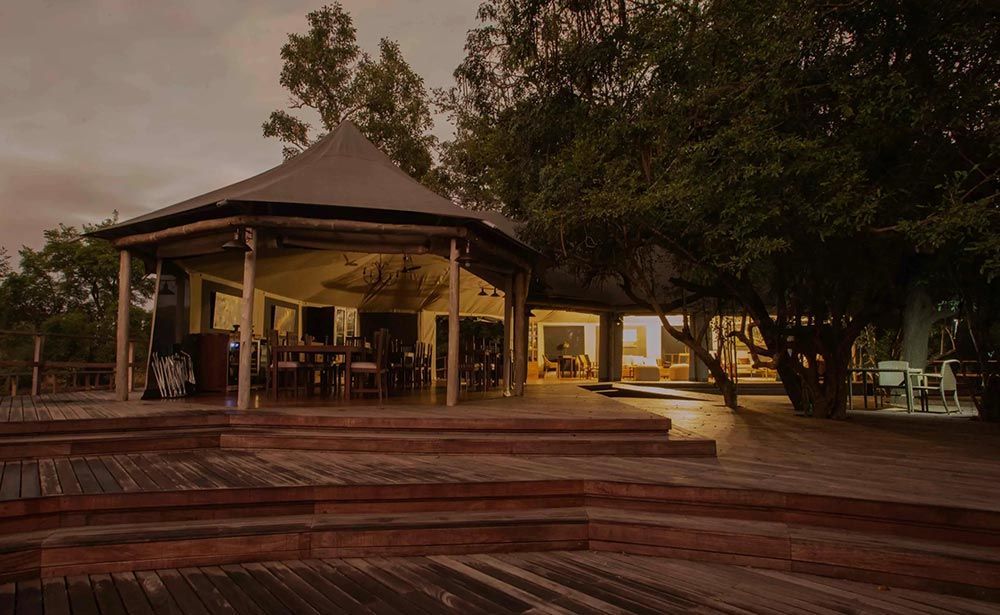
Chicari Camp is best for travelers who want a wild and intimate atmosphere in a seasonal tented setting where the waterhole is the centerpiece of daily wildlife activity. It suits nature lovers, photographers, and guests who enjoy rustic elegance. Muzimu Lodge is the right choice for those who prefer luxury, privacy, and air-conditioned comfort without losing the authenticity of a tented safari. Its location along the Mussicadzi River offers varied landscapes and excellent guiding. Both provide strong wildlife experiences, so your choice depends on whether you prefer adventurous immersion or refined comfort.
Combining Gorongosa with Bazaruto is straightforward thanks to Safari Air’s flights linking Gorongosa, Beira, and Vilanculos. Most travelers enjoy several nights of wildlife viewing in Gorongosa before flying to Vilanculos for transfers to Bazaruto Island lodges. This creates a seamless bush and beach itinerary featuring game drives, conservation experiences, snorkeling, dhow sailing, and island relaxation. Mozambique Travel designs these trips to connect safari schedules with coastal departures, ensuring smooth connections and excellent value for travelers seeking both wilderness and ocean experiences.
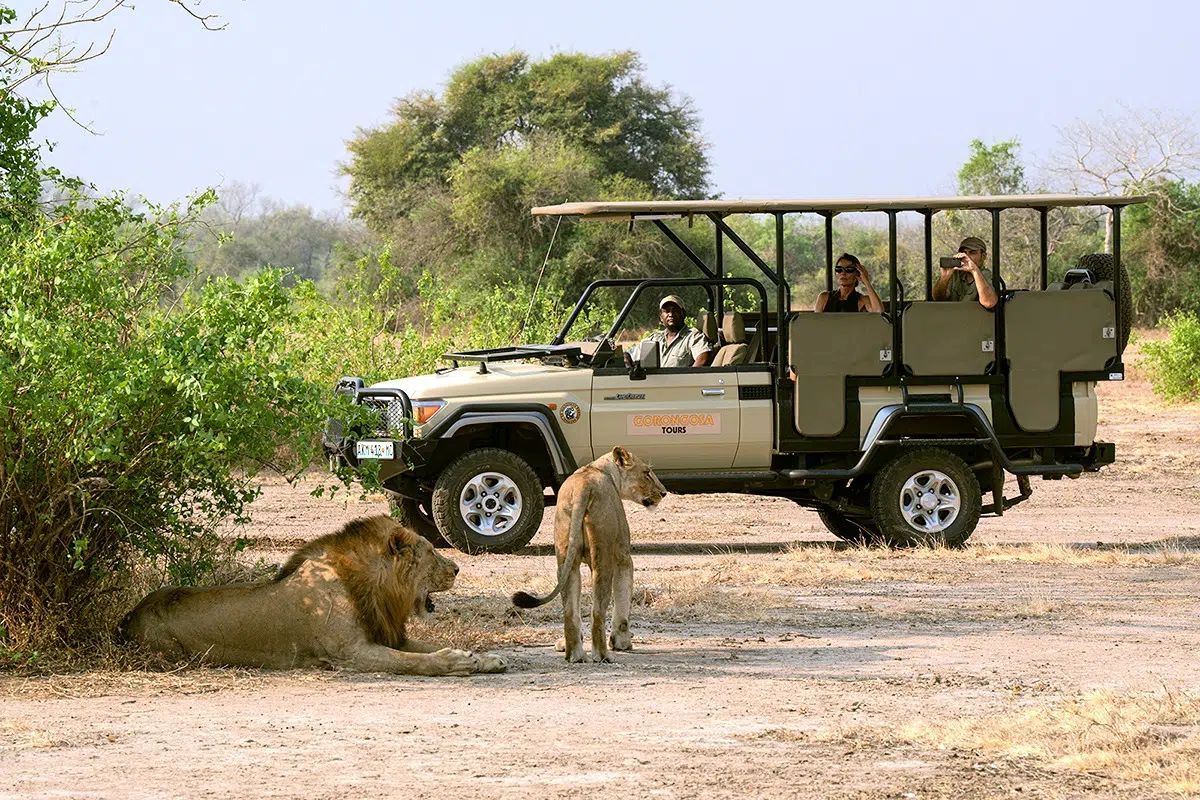
Gorongosa requires all wildlife activities to be conducted with trained guides, which enhances both safety and conservation management. Guests choose from scheduled or private game drives, walking safaris, birding outings, and seasonal activities arranged through their camp or the Chitengo activity center. Guides monitor wildlife positions, weather conditions, and road access to ensure a safe and rewarding experience. This system also supports local employment and ensures minimal disturbance to wildlife. Mozambique Travel coordinates all guided activities when booking your safari, so your itinerary flows smoothly from arrival to departure.
Gorongosa is one of the best photography destinations in Mozambique thanks to its restored floodplains, active wildlife corridors, and dramatic seasonal light. Photographers benefit from elevated hides, open pans around Chicari Camp, riverine scenes near Muzimu, and excellent birding opportunities throughout the dry season. The park’s growing populations of lions, elephants, antelope, and returning predators create diverse subjects. Conservation researchers and filmmakers also travel to Gorongosa to document ecological recovery. Mozambique Travel helps photographers plan travel dates, lodge selection, and guide arrangements for the best possible sightings.