

Snorkelling in the Bazaruto Archipelago: Mozambique’s Premier Reef Experience


By Mozambique Travel May 28, 2026

Why the Bazaruto Archipelago Is Exceptional for Snorkelling

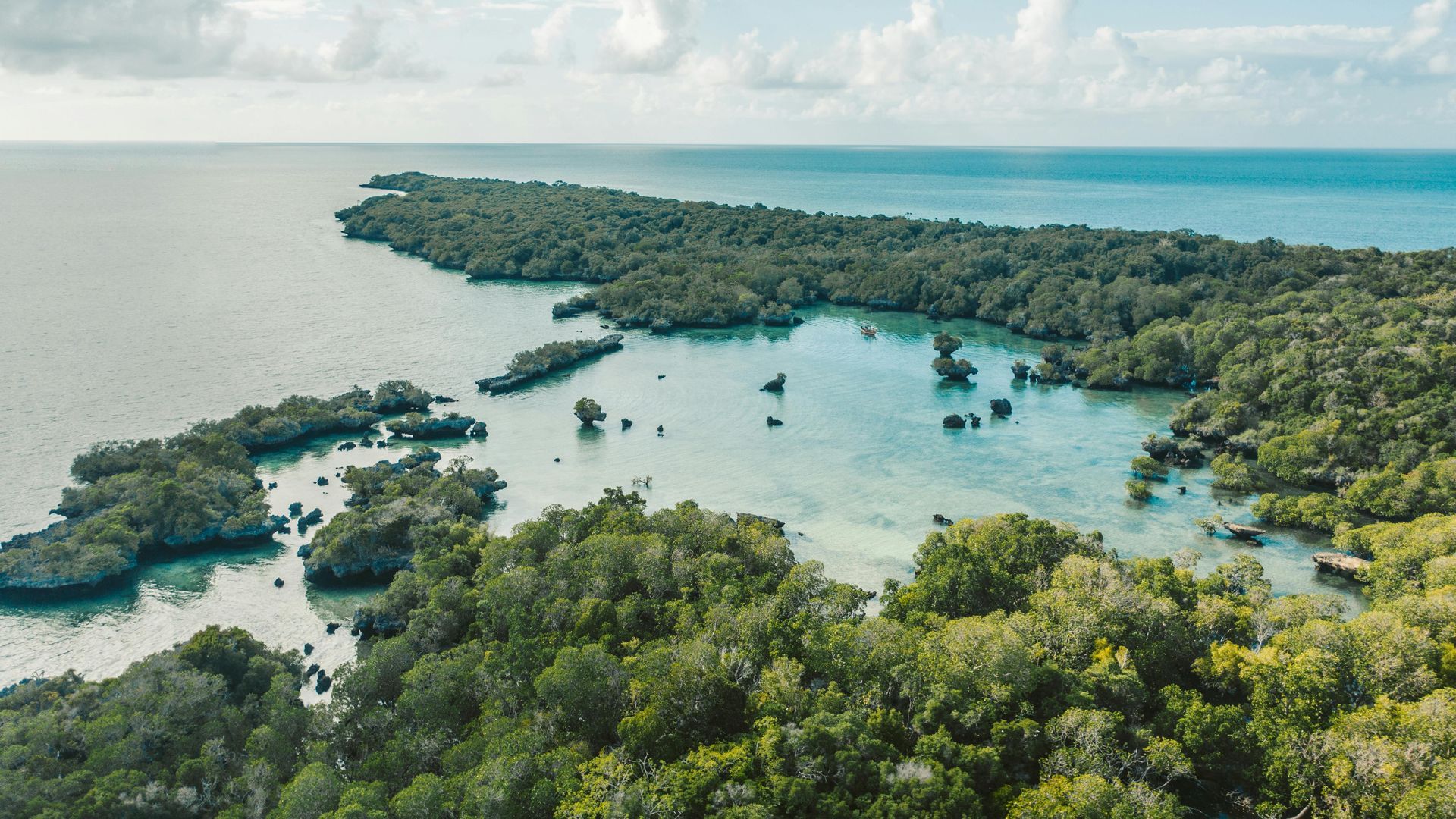
The Bazaruto Archipelago is widely regarded as the finest snorkelling destination in Mozambique and one of the most rewarding marine environments in the western Indian Ocean. Located off the central Mozambican coast, this protected island chain combines coral reefs, seagrass meadows, sandbanks, and shallow lagoons into a marine system that supports remarkable biodiversity.

Unlike destinations where snorkelling is limited to small reef patches, Bazaruto offers scale and variety. Snorkellers can explore expansive coral systems, drift over sandy channels, and observe marine life moving naturally between habitats. The experience feels immersive rather than staged, shaped by tides, light, and natural rhythms.

For travellers combining safari and beach experiences, snorkelling in the Bazaruto Archipelago often becomes the highlight of the coastal portion of the journey, offering calm exploration after the intensity of wildlife encounters on land.


Water Conditions and Visibility in Bazaruto

Snorkelling conditions in the Bazaruto Archipelago are influenced by tides, seasonal winds, and plankton cycles rather than fixed calendars. Water temperatures remain comfortable for most of the year, allowing extended time in the water without thermal stress.

Visibility varies day to day. Periods of clear water reveal intricate coral detail and fish behaviour, while plankton-rich conditions attract larger species and increase overall marine activity. Experienced guides time snorkelling excursions carefully, choosing locations and tides that balance safety and visibility.

Sheltered bays and reef systems close to the islands often provide calm conditions suitable for relaxed snorkelling, including for less confident swimmers.

Speedboat on turquoise water near a sandy beach under a bright blue sky with clouds

Coral Reefs and Snorkelling Landscapes

The Bazaruto Archipelago supports a range of coral reef types that create diverse snorkelling environments. Shallow coral gardens dominate nearshore areas, while deeper reef edges and bommies rise from sandy bottoms further offshore.

Hard corals form the backbone of these systems, with branching and plate corals providing habitat for reef fish. Soft corals appear in areas with stronger water movement, adding colour and motion. Seagrass beds near reefs support herbivorous species and are critical to the wider ecosystem.

This mosaic of habitats allows snorkellers to experience constant variation within a single outing, moving from coral dense zones to open sandy areas and back again.


Marine Life Snorkellers Commonly Encounter

Snorkelling in the Bazaruto Archipelago offers frequent encounters with a wide range of marine life. Reef fish dominate the shallows, including parrotfish, angelfish, butterflyfish, wrasse, triggerfish, and surgeonfish.

Green and hawksbill turtles are regularly seen feeding or resting on coral heads. Rays glide through channels and across sandy patches, while reef sharks occasionally pass along outer reef edges.

Schools of fish create dynamic movement across the reef, giving snorkellers the sense of being inside a living system rather than observing it from above. Octopus, moray eels, and crustaceans reward those who move slowly and observe carefully.

Colorful coral reef underwater with blue ocean and diverse coral formations

Two Mile Reef as the Flagship Snorkelling Site

Within the Bazaruto Archipelago, Two Mile Reef stands out as the most famous and consistently rewarding snorkelling site. Its shallow structure, extensive coral cover, and exceptional biodiversity make it accessible and impressive in equal measure.

Snorkellers at Two Mile Reef can drift over coral gardens just below the surface, often encountering turtles, rays, reef sharks, and dense fish life within a short time. The reef’s size allows for multiple entry points and varied experiences depending on conditions.

While Two Mile Reef is the flagship, it represents the broader quality of snorkelling across the archipelago rather than an isolated highlight.


Other Snorkelling Areas in the Archipelago

Beyond Two Mile Reef, the Bazaruto Archipelago offers numerous snorkelling sites suited to different conditions and experience levels. Fringing reefs around Benguerra Island provide calm, protected snorkelling close to shore.

Sandbanks and shallow reef systems near Santa Carolina Island offer clear water and gentle currents, ideal for relaxed exploration. Seagrass areas support different species and provide contrast to coral focused snorkelling.

This diversity allows guides to adapt outings to conditions, ensuring high quality snorkelling even when one site is less favourable.

Person swimming underwater in a blue ocean, wearing a pink top and black shorts

Snorkelling from Benguerra Island

Benguerra Island is one of the most convenient bases for snorkelling in the Bazaruto Archipelago. Proximity to key reef systems allows short boat journeys and flexible scheduling.

Island based snorkelling trips are often timed around optimal tides, allowing snorkellers to experience reefs at their best. Repeat outings are possible, revealing how conditions and marine life change throughout the day.

For travellers seeking immersion in the marine environment, Benguerra Island offers the most consistent snorkelling access.


Snorkelling from Vilanculos Mainland

Snorkelling in the Bazaruto Archipelago is also accessible from Vilanculos on the mainland. Boat trips depart regularly, allowing travellers staying in coastal lodges or private villas to explore the reefs.

Journeys from Vilanculos are longer, but well organised. These excursions open the archipelago to a wider range of travellers and are an important part of the region’s appeal.

Mainland based snorkelling often focuses on key reef sites and sandbanks, offering rewarding experiences even on day trips.

Four people floating in turquoise ocean water in a circle

Snorkelling Versus Diving in Bazaruto

While the Bazaruto Archipelago is also known for scuba diving, snorkelling offers a distinct and often more relaxed way to engage with the marine environment. Many of the archipelago’s most vibrant reefs sit within snorkelling depth, making tanks unnecessary for memorable encounters.

Snorkelling allows longer observation times, easier entry, and greater flexibility. It suits families, mixed ability groups, and travellers who prefer surface exploration.

For many visitors, snorkelling becomes the primary marine activity, with diving reserved for specific interests rather than as the default choice.


Dugongs and Snorkelling in the Bazaruto Archipelago

The Bazaruto Archipelago is one of the last remaining habitats for dugongs in the western Indian Ocean. While dugongs are not typically encountered while snorkelling on coral reefs, their presence nearby underscores the ecological importance of the area.

Seagrass beds around the islands support these rare marine mammals. Occasional sightings from boats or in shallow areas are possible, but always treated with care and respect.

The continued presence of dugongs reflects the health of the archipelago and the success of conservation efforts.


A manatee swimming underwater in clear blue water, with sunlight shimmering on its back.

Conservation and Responsible Snorkelling

Snorkelling in the Bazaruto Archipelago is shaped by strong conservation principles. Marine protection limits fishing pressure and regulates tourism activity, preserving reef health.

Responsible snorkelling practices are essential. Avoiding contact with coral, maintaining buoyancy, and following guide instructions protect fragile systems. Operators actively educate guests on best practices.

This shared responsibility ensures snorkelling remains exceptional for future generations.


Why Snorkelling in Bazaruto Fits Safari and Beach Travel

Snorkelling in the Bazaruto Archipelago complements safari travel naturally. After early mornings and intense wildlife encounters, snorkelling offers a slower, restorative experience.

The physical rhythm is gentler, yet the sense of discovery remains strong. Marine exploration provides contrast without exhaustion.

For travellers planning safari and beach holidays, snorkelling in Bazaruto delivers depth, variety, and balance that few destinations can match.


Why the Bazaruto Archipelago Dominates Mozambique Snorkelling

The Bazaruto Archipelago dominates snorkelling in Mozambique because it combines scale, protection, accessibility, and biodiversity. It offers consistent quality rather than isolated highlights.

From iconic reefs like Two Mile Reef to sheltered island lagoons, the archipelago provides snorkelling experiences that feel authentic, uncrowded, and ecologically meaningful.

For travellers seeking one of Africa’s finest snorkelling destinations, the Bazaruto Archipelago stands apart, not through marketing claims, but through what is encountered in the water.

Featured Packages


Frequently asked questions about pangolins

  • Is snorkelling in the Bazaruto Archipelago suitable for beginners?

    Yes, snorkelling in the Bazaruto Archipelago is suitable for beginners because many reefs are shallow, calm, and protected from strong currents. Guided excursions are timed around tides and conditions, allowing beginners to snorkel safely while seeing colourful coral, reef fish, and turtles without needing advanced swimming or diving experience.

  • What marine life can you see while snorkelling in the Bazaruto Archipelago?

    Snorkellers in the Bazaruto Archipelago commonly see parrotfish, angelfish, butterflyfish, turtles, rays, and reef sharks. Coral gardens support dense fish life, while sandy channels attract rays and larger species. Seasonal conditions influence sightings, but marine diversity remains high throughout the year across different snorkelling sites.

  • Is Two Mile Reef the best snorkelling site in the Bazaruto Archipelago?

    Two Mile Reef is considered the flagship snorkelling site in the Bazaruto Archipelago due to its shallow coral structure, size, and biodiversity. Snorkellers regularly experience excellent visibility, abundant fish life, turtles, and rays. However, other reefs and island lagoons also offer rewarding snorkelling under the right conditions.

  • Can you snorkel in the Bazaruto Archipelago from Vilanculos?

    Yes, snorkelling in the Bazaruto Archipelago is easily accessed from Vilanculos by boat. Day trips visit key reefs and sandbanks, including areas near Two Mile Reef. While journeys are longer than from island lodges, excursions are well organised and suitable for travellers staying on the mainland.

  • What is the best time of year to snorkel in the Bazaruto Archipelago?

    Snorkelling in the Bazaruto Archipelago is possible year-round, but conditions vary with wind, tides, and plankton levels. Clearer water often occurs during calmer periods, while plankton-rich seasons attract more marine life. Guides adapt locations and timing daily, ensuring good snorkelling experiences throughout the year.

SHARE THIS POST

Are You Ready FOr Mozambique?

Page through our packages and find the offer right for you!


Ready to Speak to a Mozambique Travel Expert?

Get In Touch and Ask for a Call-Back Today

Latest Posts

Pangolin curled up on a rock, showing gray overlapping scales against a blurred green background
By Mozambique Travel May 27, 2026
Pangolins in Mozambique explained in depth. Species, trafficking routes, conservation efforts, threats, and why Africa’s most trafficked mammal faces extinction.
Aerial view of a rocky island in dark blue water beside pink and white salt formations
By Mozambique Travel May 26, 2026
Compare Benguerra Island, Bazaruto Island, and Vilanculos to find the best Mozambique destination for beaches, marine life, accommodation, and travel style.
Three lion cubs resting in grass, with one alert and another grooming beside a blurred cub in the background.
By Mozambique Travel May 25, 2026
Lions in Mozambique explained in depth. Predator populations, conservation success, human conflict, and the future of Africa’s apex predators.
Scuba diver beside a coral reef teeming with colorful tropical fish underwater
By Mozambique Travel May 22, 2026
Two Mile Reef in the Bazaruto Archipelago is Mozambique’s most famous reef. Explore snorkelling, diving, marine life, dugongs, and access.
Sunlit riverbank with tall grasses, dense green trees, and a warm golden sky at dawn or dusk
By Mozambique Travel May 21, 2026
Human–wildlife conflict in Mozambique explained. Lions, elephants, wild dogs, communities, causes, consequences, and what actually works.
Wild African dog standing on a rocky mound against a blurred green background
By Mozambique Travel May 20, 2026
African wild dogs in Mozambique: learn where they survive, conservation efforts, threats, and the future of Africa’s most endangered predator.
Show More