Pangolins in Mozambique: The World’s Most Trafficked Mammal and a Crisis Few Ever See
By Mozambique Travel • May 27, 2026

What Pangolins Are and Why They Matter More Than Most People Realise
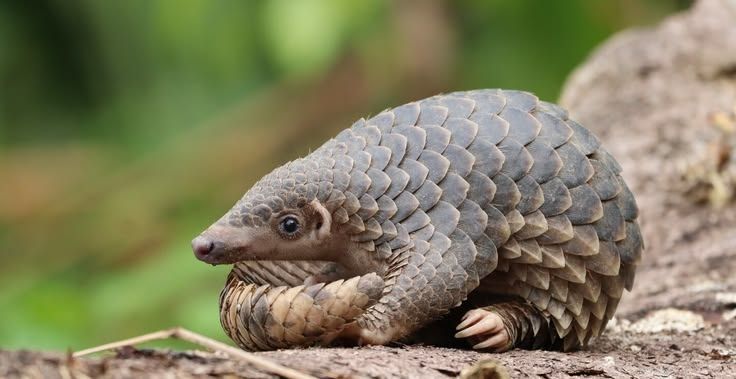
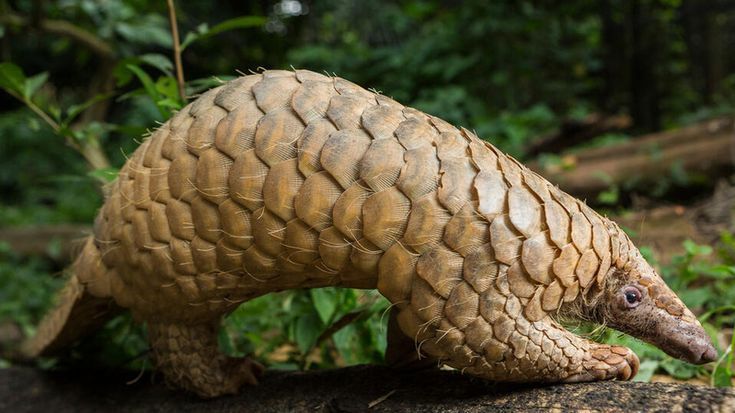
Pangolins are among the most unusual and overlooked mammals on Earth. Covered in overlapping keratin scales, they resemble no other African species and occupy a highly specialised ecological niche. Often described as walking pinecones, pangolins are nocturnal, solitary, and entirely non-aggressive, relying on stealth rather than defence. Their primary ecological role is insect control. A single pangolin can consume millions of ants and termites each year, regulating insect populations, improving soil aeration, and supporting healthier vegetation systems. Their constant foraging creates micro-disturbances that enhance nutrient cycling and soil structure. Despite this importance, pangolins remain largely invisible in conservation narratives, even as they are trafficked at unprecedented levels and disappear silently from ecosystems under pressure.
Which Pangolin Species Occur in Mozambique
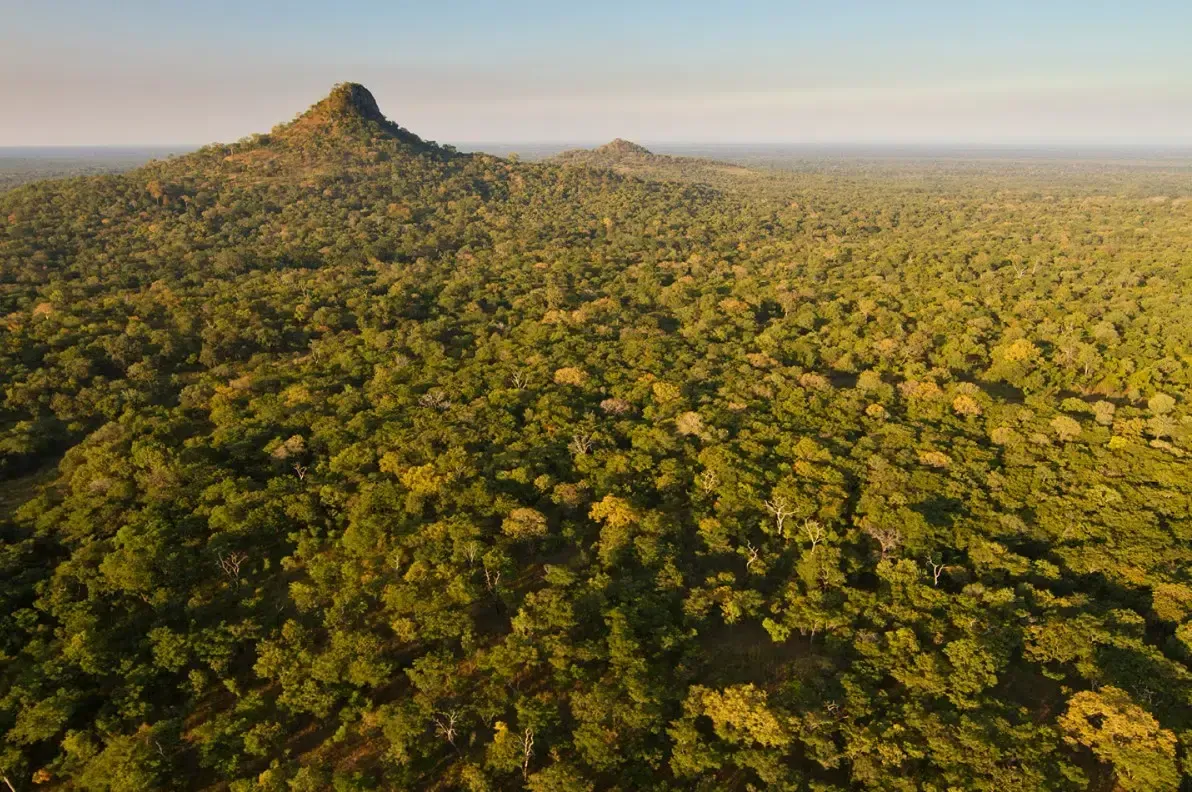
Mozambique sits at the overlap of several African pangolin ranges, although confirmed population data remains limited due to the species’ secretive behaviour and low detectability. The ground pangolin is the species most commonly associated with southern Africa and is believed to occur in parts of central and northern Mozambique, particularly in savanna and woodland habitats. Arboreal species such as the white-bellied pangolin are linked to forested areas further north, where survey coverage is sparse and records are infrequent. All African pangolin species are listed as threatened under international conservation frameworks, meaning any confirmed population in Mozambique carries regional and global significance for long-term survival.
Yes, pangolins still exist in Mozambique, but they are rarely seen and exceptionally vulnerable. Most confirmed records come from rescues, seizures, road incidents, or targeted conservation monitoring rather than tourism sightings or casual encounters. Their absence from safari narratives does not indicate absence from the landscape. Instead, it reflects their nocturnal behaviour, low population density, and intense poaching pressure.
In Gorongosa National Park,
pangolins form part of a broader ecological recovery story, with confirmed records linked to scientific monitoring and anti-trafficking efforts rather than visitor sightings. Gorongosa’s integrated conservation model has helped elevate pangolins within national biodiversity priorities, highlighting their role despite their invisibility. Mozambique is considered both a source country and a transit route within the international pangolin trade, which increases risk even where habitat remains suitable and human presence is relatively low.


Why Pangolins Are the Most Trafficked Mammal on Earth
Pangolins are trafficked primarily for their scales, which are falsely believed to have medicinal properties, and for their meat, which is consumed as a luxury product in certain markets. International trade in pangolins is illegal, yet demand remains high and persistent. As Asian pangolin populations collapsed due to overexploitation, trafficking networks increasingly turned to Africa to supply the same markets. Mozambique’s long coastline, regional transport corridors, and uneven enforcement capacity have made it vulnerable to exploitation by organised criminal syndicates. Unlike ivory or rhino horn, pangolin trafficking attracts less public attention, allowing networks to operate with lower visibility and reduced perceived risk.
Mozambique’s Role in the Pangolin Trafficking Network
Mozambique occupies a strategic position within southern African wildlife trafficking routes. Pangolins are poached locally, but many more are transported through the country en route to international markets. Seizures at ports, border crossings, and airports have confirmed Mozambique’s role as a transit hub rather than only a source country. For every seizure recorded, many shipments likely pass undetected due to the compact nature of pangolin scales and limited inspection capacity. Trafficking cases are complex to prosecute, often involving cross-border networks, weak sentencing, and under-resourced investigative units.

Threats Beyond Trafficking: Habitat, Snares, and Roads
While trafficking is the dominant threat, pangolins in Mozambique also face a range of indirect pressures. Habitat degradation reduces insect availability and forces pangolins closer to settlements where risk increases. Snares set for bushmeat species frequently kill pangolins accidentally. Their instinctive defensive behaviour of curling into a ball makes escape impossible once trapped. Road mortality is an emerging threat as infrastructure expands into previously remote areas, adding another silent pressure to already fragile populations that are slow to recover from losses.
Why Pangolins Are So Difficult to Protect
Pangolins reproduce slowly, usually giving birth to a single offspring after a long gestation period. This low reproductive rate means populations cannot rebound quickly once depleted. Their solitary and nocturnal nature makes monitoring extremely difficult, and sightings are rare even in protected areas. Conservationists struggle to generate accurate population estimates, which complicates threat assessment and protection planning. These biological traits make pangolins uniquely vulnerable to sustained exploitation, even at relatively low levels of poaching.

Conservation Efforts in Mozambique and the Region
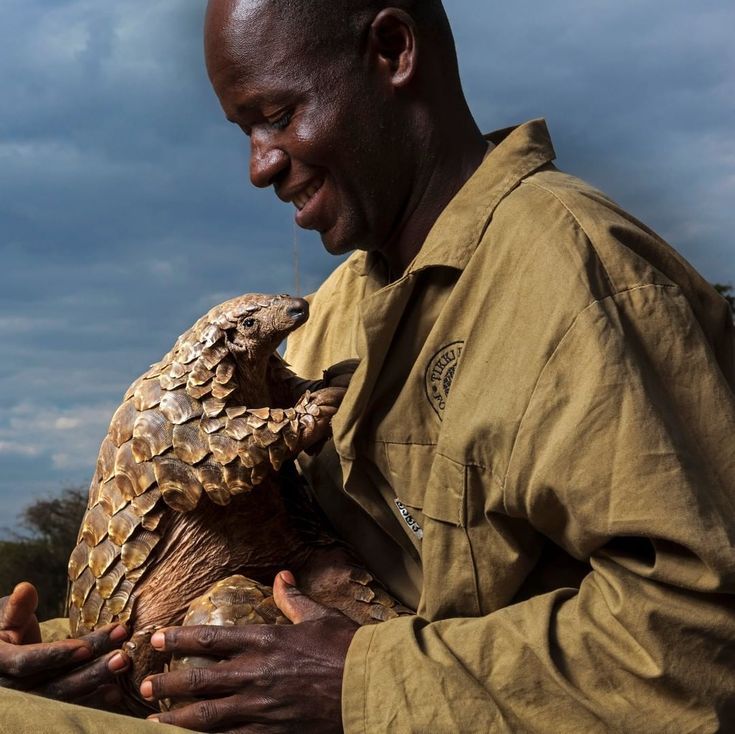
Pangolin conservation in Mozambique relies on a combination of law enforcement, rescue and rehabilitation, and international cooperation. Confiscated pangolins are sometimes rehabilitated and released into protected areas under carefully controlled conditions. Broader conservation recovery initiatives have helped raise awareness of overlooked species, including pangolins, within national biodiversity planning. Training customs officials, strengthening wildlife crime legislation, and improving intelligence sharing across borders are essential components of current efforts, though capacity gaps remain significant.
Community Awareness and the Pangolin’s Survival
Local communities play a decisive role in pangolin conservation outcomes. In many rural areas, pangolins are taken opportunistically rather than actively targeted. Education initiatives that explain their ecological role and international value, combined with alternative livelihood support, have shown promise in reducing pressure. Where communities are engaged as partners rather than treated as offenders, reporting improves and tolerance increases. Long-term success depends on inclusion, trust, and tangible local benefit rather than enforcement alone.
Why Pangolins Matter to Africa’s Ecological Future
Pangolins are ecosystem engineers. By consuming vast quantities of ants and termites, they influence soil composition, water infiltration, and vegetation health. Their burrowing and foraging behaviour supports nutrient cycling and reduces pest pressure in natural systems. The loss of pangolins would remove a natural stabilising force from ecosystems already stressed by climate change and land transformation. Protecting pangolins therefore supports broader ecological resilience, even though their role is rarely visible.

The Future of Pangolins in Mozambique
Mozambique stands at a crossroads for pangolin conservation. With stronger enforcement, consistent sentencing, community engagement, and sustained international cooperation, the country could significantly reduce its role in global trafficking networks. Without long-term commitment, Mozambique risks becoming a corridor through which Africa’s pangolins continue to disappear unnoticed. The outcome will depend on whether conservation policy, governance capacity, and public awareness align over time.

What Responsible Travellers Should Know
Pangolins are not a species to be promoted as a viewing experience. Their survival depends on remaining undisturbed and largely unseen. Travellers can support pangolin conservation by choosing operators committed to ethical wildlife practices and by supporting organisations addressing trafficking, enforcement, and community engagement. Awareness and informed travel choices matter. For pangolins, protection comes from discretion rather than exposure.
Frequently asked questions about pangolins
Why are pangolins so rarely seen by travellers in Mozambique
Pangolins are nocturnal, solitary, and naturally elusive, spending much of their time foraging at night and resting in burrows during the day. Their low population density and extreme sensitivity to disturbance make sightings exceptionally rare. Most confirmed records come from rescues or monitoring rather than tourism encounters, even in protected areas.
Is pangolin trafficking still a serious problem in Mozambique
Yes, pangolin trafficking remains a major concern. Mozambique functions as both a source and transit country within regional trafficking networks. Despite seizures and arrests, limited enforcement capacity and high international demand allow many shipments to pass undetected, placing remaining pangolin populations at continued risk.
Do pangolins have any natural predators in Mozambique
Adult pangolins have few natural predators due to their protective scales, though young individuals may be vulnerable to large carnivores. Human activity is by far the greatest threat. Poaching, snaring, and road collisions account for the vast majority of pangolin deaths across Mozambique and the wider region.
How can conservation efforts realistically protect pangolins long term
Effective protection depends on reducing trafficking incentives, strengthening enforcement, and involving local communities. Education, alternative livelihoods, intelligence sharing, and consistent sentencing all play a role. Because pangolins reproduce slowly, prevention is far more effective than rescue once populations decline.
SHARE THIS POST
Are You Ready FOr Mozambique?
Page through our packages and find the offer right for you!
Ready to Speak to a Mozambique Travel Expert?
Get In Touch and Ask for a Call-Back Today