

How Bad Was Tropical Storm Gezani? Damage Assessment and What It Means


By Mozambique Travel February 15, 2026

Understanding the True Impact of Tropical Storm Gezani in Southern Mozambique

Tropical Storm Gezani moved through southern Mozambique with significant force, drawing international attention as wind speeds intensified over the Mozambique Channel before landfall. While early projections suggested moderate impact, updated assessments confirm that parts of Inhambane Province and Gaza Province experienced stronger winds and heavier rainfall than originally forecast.


This report outlines verified wind speeds, district level impacts, infrastructure strain, and human stories emerging from affected communities. It provides factual context without speculation or tourism positioning.


Confirmed Wind Speeds and Rainfall Data

According to regional meteorological monitoring, sustained wind speeds at peak circulation ranged between 85 and 105 km/h near coastal landfall zones, with localized gusts exceeding 120 km/h in exposed coastal districts. Offshore measurements over the Mozambique Channel indicated higher wind fields before the system weakened slightly upon moving inland.


Rainfall accumulation varied by district. Some areas of southern Inhambane recorded more than 200 mm within a 48 hour window, while low lying zones in Gaza Province experienced prolonged saturation due to previous seasonal flooding. The compounding effect of saturated soils increased runoff and localized flash flooding.


District Level Impact Overview

Inhambane Province

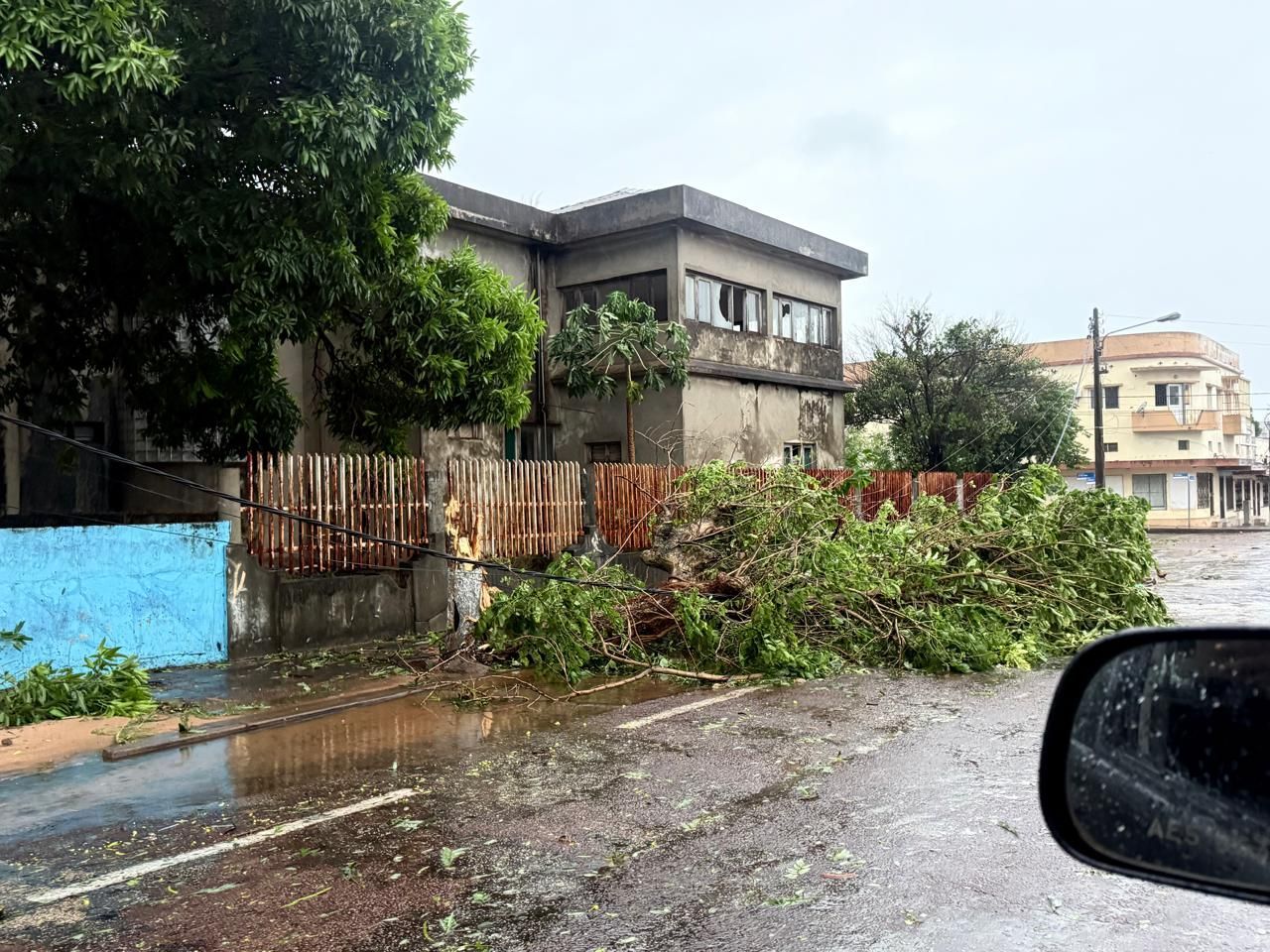
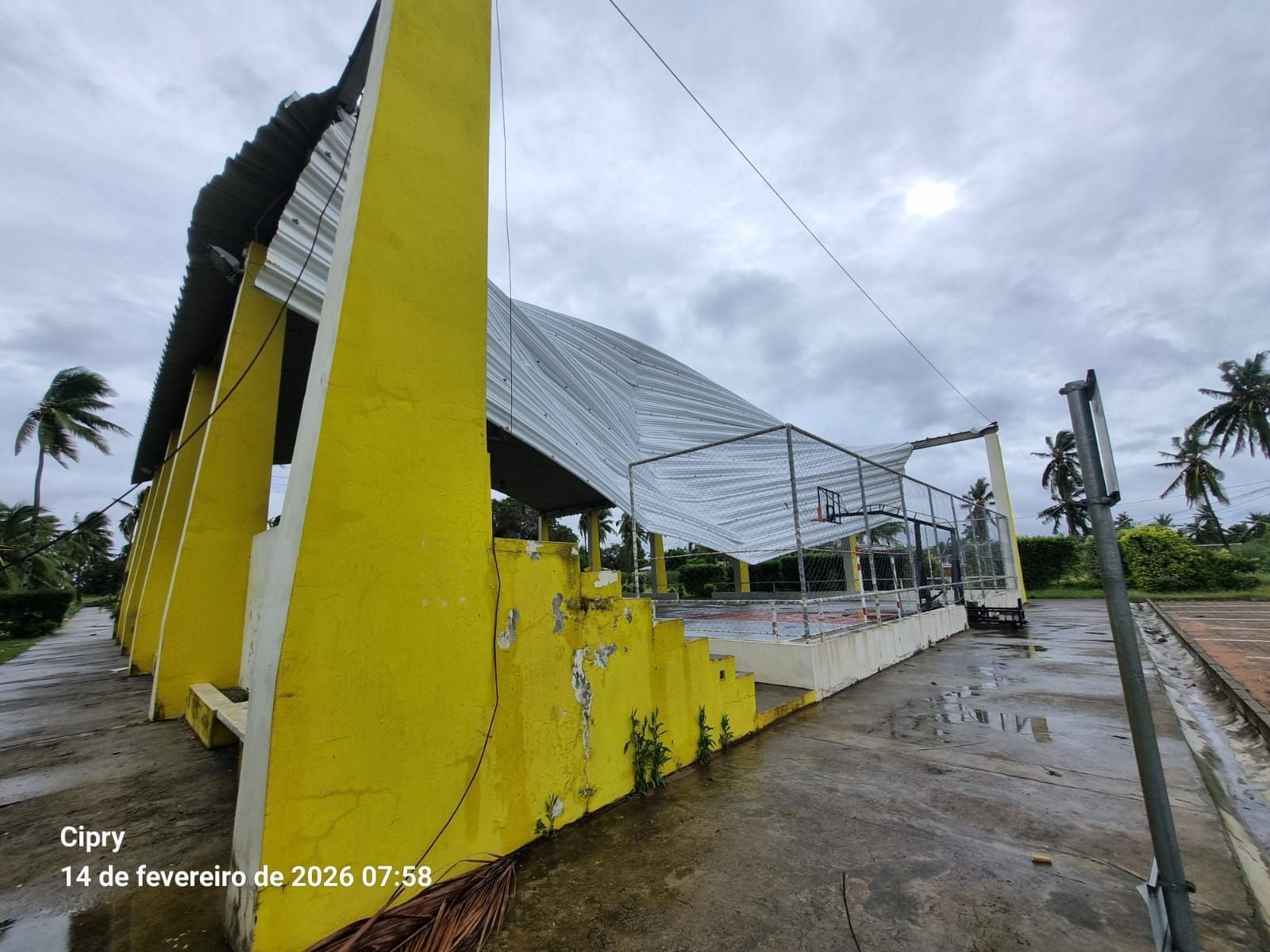
Districts including Massinga, Morrumbene, and parts of Vilankulo reported roof damage, fallen trees, and temporary power outages. Coastal communities faced strong onshore winds and heavy surf conditions, with localized road access temporarily restricted due to debris and standing water.


In rural zones, traditional housing structures were more vulnerable to wind damage. Community leaders reported damaged thatching and minor structural collapse in scattered settlements. No widespread urban collapse has been confirmed, but infrastructure strain was evident in municipal drainage systems.

Yellow building with a metal roof beside a wet road under a cloudy sky

Gaza Province

In Gaza, districts around Xai-Xai and Chibuto faced compounding flood pressure due to already elevated river systems. The Limpopo River basin remains sensitive following previous rainfall patterns, and Gezani’s additional precipitation intensified water levels in flood prone zones.


Emergency services focused on monitoring low lying neighborhoods and relocating vulnerable households where necessary. Several access roads were temporarily submerged, restricting movement for heavy vehicles and relief teams.


Flood Imagery: What the Photos Really Show

Images circulating globally show flooded streets, partially submerged homes, and residents wading through waist deep water. While visually dramatic, context matters. Many of the most widely shared images originate from historically flood prone zones that experience seasonal inundation during heavy rainfall cycles.


Urban drainage overflow, rather than coastal storm surge, accounts for much of the standing water seen in town centers. In rural areas, low lying agricultural land adjacent to river systems absorbed excess rainfall, leading to temporary displacement of families.


The difference between structural collapse and waterlogging is critical. Current assessments indicate significant flooding in specific pockets rather than uniform destruction across entire provinces.


Human Stories from the Ground

For many residents, the storm’s severity was felt most acutely at night, when winds intensified and power failures left communities in darkness. Families described securing roofs with rope and reinforcing doors against pressure gusts. Fishermen along the coast pulled boats further inland before landfall, aware of the heightened swell risk.


In Xai-Xai, one local teacher described moving classroom materials to higher shelves as water entered school grounds. In rural Inhambane, community groups gathered elderly residents into sturdier structures to ride out the peak winds.


These accounts reflect preparedness as much as vulnerability. Mozambique has endured multiple storm systems over the past decade, and community response mechanisms have evolved. Local resilience is often underreported in global coverage.

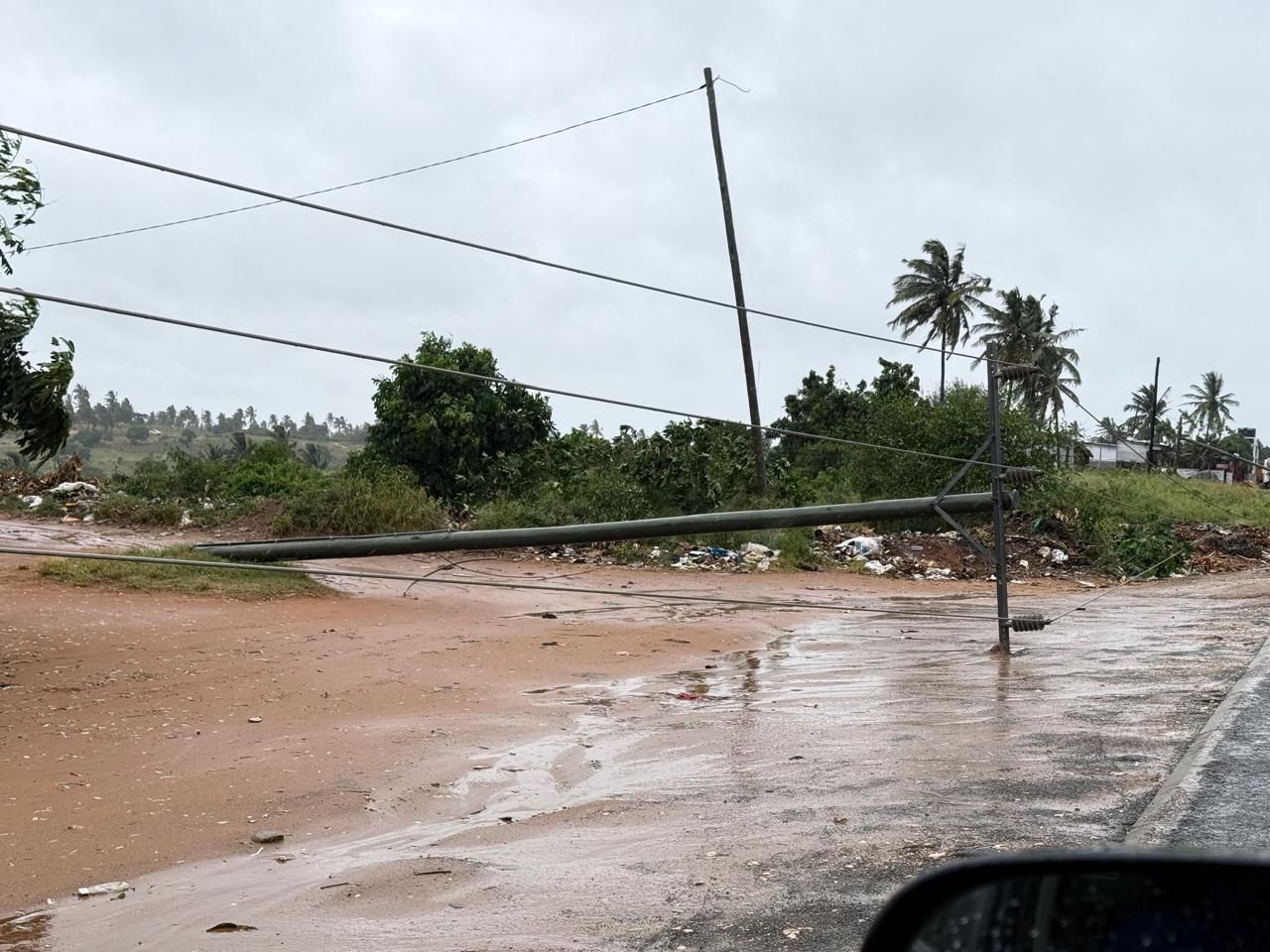
Flooded dirt road with fallen utility pole and palm trees after rain

Infrastructure Strain and Emergency Response

Power outages were reported across several districts as trees fell onto lines and transformers were damaged by wind or water exposure. Restoration efforts began quickly in urban centers, while rural electrification networks may require longer repair timelines.


Road infrastructure faced temporary disruption, particularly gravel roads vulnerable to erosion. Drainage channels in townships were overwhelmed during peak rainfall hours. Health clinics in certain low lying districts reported water ingress but remained operational with emergency support.


Mobile communication networks experienced intermittent outages in some coastal zones during peak winds. However, connectivity was largely restored within 24 hours in major towns.


What Gezani Means in Broader Context

Tropical Storm Gezani underscores several realities:

First, southern Mozambique remains highly vulnerable to compound weather systems, particularly when heavy rainfall follows an already saturated season.


Second, district level impact varies dramatically depending on topography, infrastructure quality, and preparedness.


Third, dramatic flood imagery does not always reflect widespread structural devastation, but it does highlight the vulnerability of specific communities.


Climate scientists continue to monitor patterns in the Mozambique Channel, where warming sea surface temperatures can influence storm formation and intensity. While Gezani did not reach cyclone classification at peak landfall in most districts, its impact demonstrates how even tropical storms can produce severe flooding when rainfall bands stall over sensitive basins.


Conclusion

Tropical Storm Gezani brought sustained winds above 100 km/h in exposed coastal zones, intense rainfall exceeding 200 mm in parts of southern Mozambique, localized infrastructure strain, and renewed pressure on flood prone districts in Inhambane and Gaza Provinces.


Its impact was serious in specific areas, particularly low lying river basins and vulnerable housing zones. At the same time, widespread catastrophic collapse across entire provinces has not been confirmed.

As recovery continues, attention shifts toward drainage management, infrastructure repair, and monitoring of river systems in the days following landfall. Further updates will depend on verified district assessments and meteorological tracking.

Featured Packages

SHARE THIS POST

Are You Ready FOr Mozambique?

Page through our packages and find the offer right for you!


Ready to Speak to a Mozambique Travel Expert?

Get In Touch and Ask for a Call-Back Today

Latest Posts

Wild African dog standing on a rocky mound against a blurred green background
By Mozambique Travel May 20, 2026
African wild dogs in Mozambique: learn where they survive, conservation efforts, threats, and the future of Africa’s most endangered predator.
Aerial view of a white sandbar curving through green-blue water near a small sandy island
By Mozambique Travel May 18, 2026
Benguerra Island accommodation explained in depth. Learn why Benguerra offers the best places to stay in Mozambique’s Bazaruto Archipelago.
Person sitting by a turquoise spring watching goats in a rocky desert landscape
April 27, 2026
Sabi Sands and Bazaruto explained for 2026. Discover how this safari and beach pairing balances wildlife intensity with island recovery for a seamless holiday.
Aerial view of a tropical beach with turquoise water, white sand, and a speedboat leaving a wake.
April 21, 2026
Find the right African island for your travel style. Compare Mozambique, Bazaruto, and Benguerra to match energy, access, and experience with confidence.
Resort pool with blue lounge chairs, palm trees, and a clear blue sky on a sunny day
April 20, 2026
Discover the best luxury lodges in Mozambique for 2026. Explore top island and beachfront resorts offering privacy, space, and refined Indian Ocean experiences.
Four people smiling and posing on a sunny beach with turquoise water and a blue sky
April 20, 2026
Plan the best Mozambique family holidays in 2026. Discover safe beaches, family-friendly resorts, top destinations, and activities for all ages.
Show More