

Mozambique National Parks Safety Guide
By Mozambique Travel • March 26, 2026
Understanding Safety in Mozambique’s National Parks
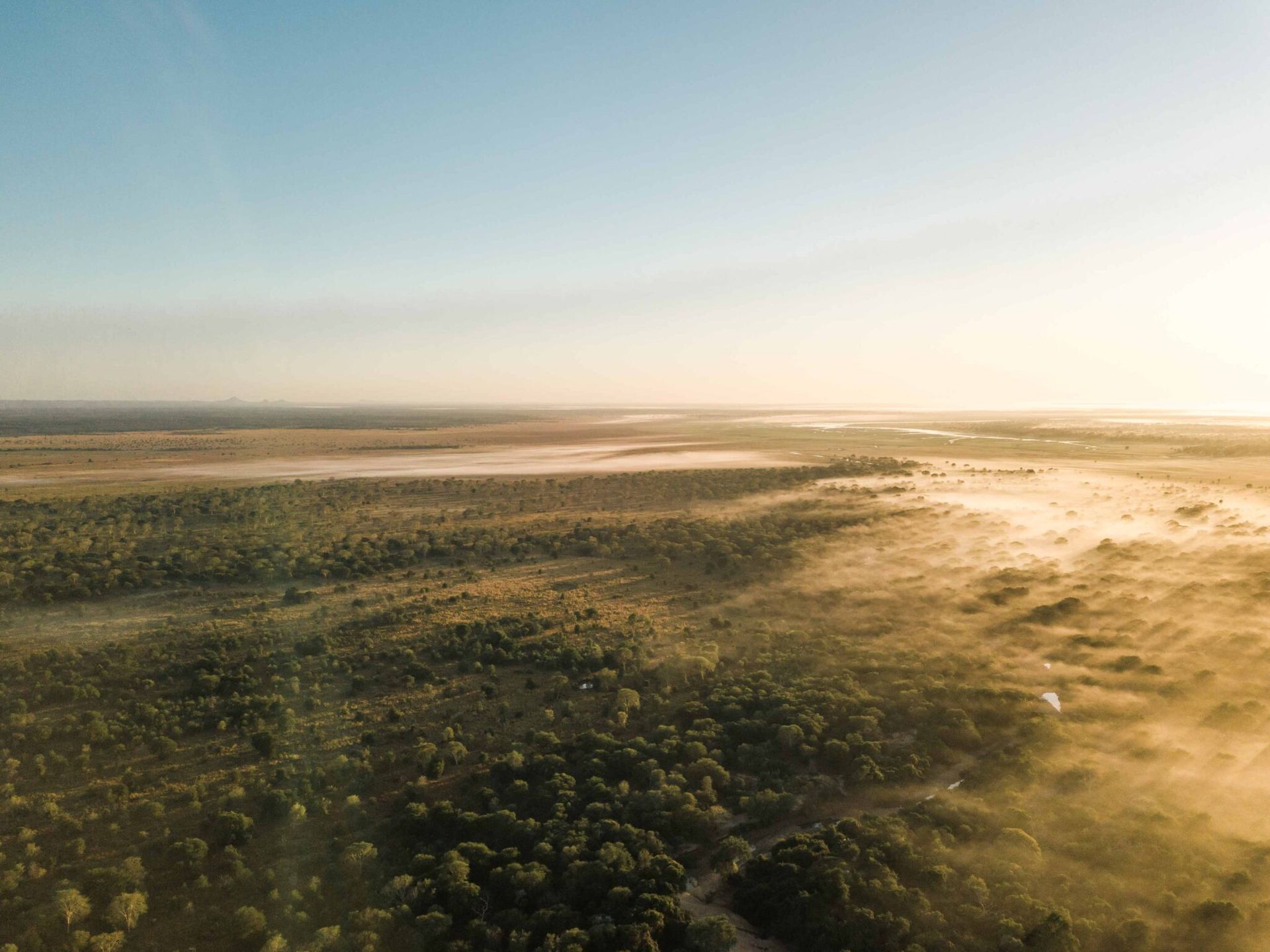
Mozambique’s national parks are gaining attention for conservation recovery, low visitor density, and immersive safari experiences. As interest grows, travellers naturally ask how safe these parks are and what risks are relevant when planning a safari in a less commercial environment.
Mozambique’s national parks are not unsafe, but they operate very differently from high volume safari destinations. Safety here is shaped by remoteness, controlled access, guided activities, and careful logistics rather than extensive infrastructure. This creates a quieter, more deliberate safari environment where risk is managed through planning rather than presence.
This guide explains national park safety in Mozambique in practical terms. It focuses on access, wildlife management, medical realities, travel logistics, and who these parks are best suited to. The aim is clarity rather than reassurance, helping travellers assess safety realistically and make informed decisions.
Park Access and Entry Safety
Access is one of the defining safety features of Mozambique’s national parks. Unlike destinations where visitors arrive independently by road, most parks are reached via domestic flights, charter aircraft, or lodge arranged road transfers. Independent entry is limited and closely controlled.
Parks such as Gorongosa and Zinave operate through designated entry points and approved access routes. Visitors are expected, tracked, and accounted for, which significantly reduces risk. Movements are planned around daylight hours, weather conditions, and park activity schedules.
This structure removes many of the variables that create safety concerns in unfamiliar environments. Travellers are not navigating rural roads alone, guessing directions, or improvising access. From a safety perspective, controlled entry and guided arrival work strongly in the visitor’s favour.
Wildlife Risk and Safari Activity Safety
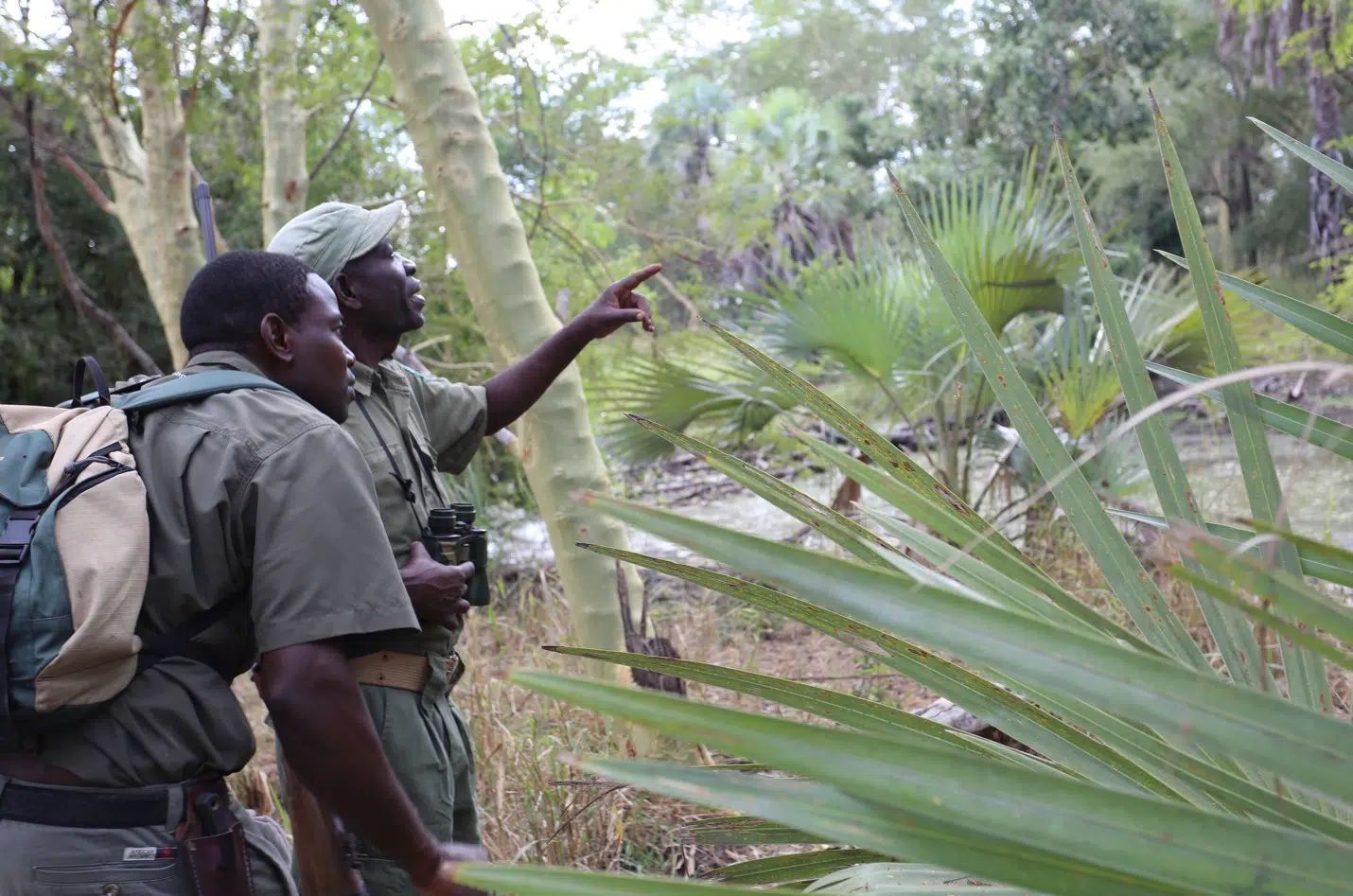
Wildlife safety in Mozambique’s national parks is managed through strict guiding protocols rather than volume control. Game drives, walking safaris, and other activities are conducted by trained guides with deep local knowledge of animal behaviour and terrain.
Vehicle numbers are low, which reduces pressure on wildlife and limits unpredictable encounters. Activities are slower paced, with conservative approach distances and clear briefings before each outing. Guides prioritise situational awareness over proximity, creating immersive but controlled wildlife experiences.
Walking safaris, where offered, are tightly managed. Group sizes are small, routes are carefully selected, and guides carry communication equipment. Wildlife risk is mitigated through experience and restraint rather than constant intervention.
For travellers, this approach often feels calmer and more respectful than busier safari environments, while maintaining strong safety standards.
The Role of Guides and Park Management
Guides are central to safety in Mozambique’s national parks. Many are locally trained, long term residents of the region, and closely connected to park management and conservation teams. Their role extends beyond guest interaction into real time decision making around weather, wildlife movement, and access conditions.
Park authorities work closely with lodge operators to monitor seasonal changes, animal patterns, and infrastructure conditions. When circumstances change, activities are adjusted rather than forced to meet schedules.
Because tourism volume is low, decisions are driven by safety and conservation priorities rather than throughput. This results in fewer risks taken for commercial reasons and a more cautious operating culture overall.
Medical Access and Emergency Response
Medical access is a realistic consideration when visiting Mozambique’s national parks due to their remote nature. On site medical facilities are limited, and serious incidents rely on evacuation rather than immediate hospital access.
Lodges operating in or near national parks maintain clear emergency response plans. These typically include first response training, communication systems, and established relationships with air evacuation providers and regional medical facilities.
Serious medical incidents are rare, but preparedness is essential. Comprehensive travel insurance with evacuation cover is not optional for national park travel. Travellers should understand response timelines and the role of evacuation in advance rather than assuming urban level access.
This model is consistent with other remote safari destinations across Africa, where planning and response protocols matter more than proximity to hospitals.
Logistics, Transfers, and Travel Flow
Logistics play a major role in safety outcomes. Mozambique’s national parks are not destinations where travellers move independently between camps or towns.
Transfers are arranged in advance, travel days are realistic, and movements are planned around daylight and weather. Road transfers, where required, are handled by experienced drivers using vehicles suited to local conditions. Flights and charters are coordinated to minimise delays and unnecessary connections.
This controlled travel flow reduces fatigue, stress, and exposure to unknown variables. It also ensures travellers are supported throughout the journey rather than managing logistics independently in remote environments.
Safety Compared to Other Safari Destinations
Mozambique’s national parks are often compared to better known safari regions in Southern and East Africa. The key difference is scale rather than safety.
Visitor numbers are low, which reduces vehicle congestion, crowd related risks, and pressure on both wildlife and guides. Crime is not a defining safety issue within park environments. The primary considerations are remoteness, weather, and wildlife management.
For travellers comfortable with lodge-based travel and guided activities, Mozambique’s parks are no more risky than other remote safari destinations. In many cases, the slower pace and controlled access create a calmer experience overall.
Who Mozambique’s National Parks Are Best Suited For
Mozambique’s national parks suit travellers who value conservation, space, and authenticity over high intensity game viewing. They appeal to experienced safari travellers, nature focused visitors, and those comfortable with slower travel rhythms.
They work particularly well for couples, mature travellers, and families with older children who appreciate guided experiences and structured itineraries. Travellers seeking nightlife, constant activity, or independent exploration may find these parks less suitable.
Understanding whether this travel style aligns with expectations is an important safety consideration in itself.
Travel Safety Apps and Digital Support in National Parks
Travel safety apps provide a valuable additional layer of support when visiting Mozambique’s national parks, particularly given their remote locations and limited connectivity. These tools assist with live location sharing, emergency contact access, and storing medical information in one secure place.
Apps designed for African travel environments, such as TravelSafe SOS, function as coordination tools rather than replacements for on the ground support. They help bridge communication gaps during transfers, flight delays, or unexpected changes, especially when mobile coverage is inconsistent.
For national park visitors, safety apps are most useful as part of a broader safety framework that includes vetted lodges, arranged transfers, insurance coverage, and clear emergency protocols. Used correctly, they reduce uncertainty and improve response coordination without intruding on the safari experience.
Why Planning Determines Safety Outcomes
Safety in Mozambique’s national parks is the result of planning, structure, and realistic expectations rather than chance. Choosing the right park, lodge, and travel flow dramatically reduces risk.
When movements are supported, activities are guided, and contingency planning is in place, national park travel in Mozambique feels calm and confidence building rather than intimidating.
Travellers who understand this framework consistently report feeling well supported and comfortable, even in remote environments.
Plan Your Mozambique National Parks Safari with Confidence
Planning a national parks safari in Mozambique works best when access, logistics, and safety are considered together. These are not destinations suited to piecing together independent bookings or improvising routes.
Mozambique Travel has extensive experience planning safaris across Mozambique’s national parks, working directly with park authorities, lodge operators, and regional transfer partners. This allows itineraries to be structured around reliable access, realistic travel pacing, and clear emergency protocols.
Accommodation is selected based on guide quality, safety standards, and proximity to park activities.
Transfers are arranged in advance, and insurance requirements are addressed early. With expert planning, Mozambique’s national parks offer immersive safari experiences without introducing unnecessary risk.
Featured Packages
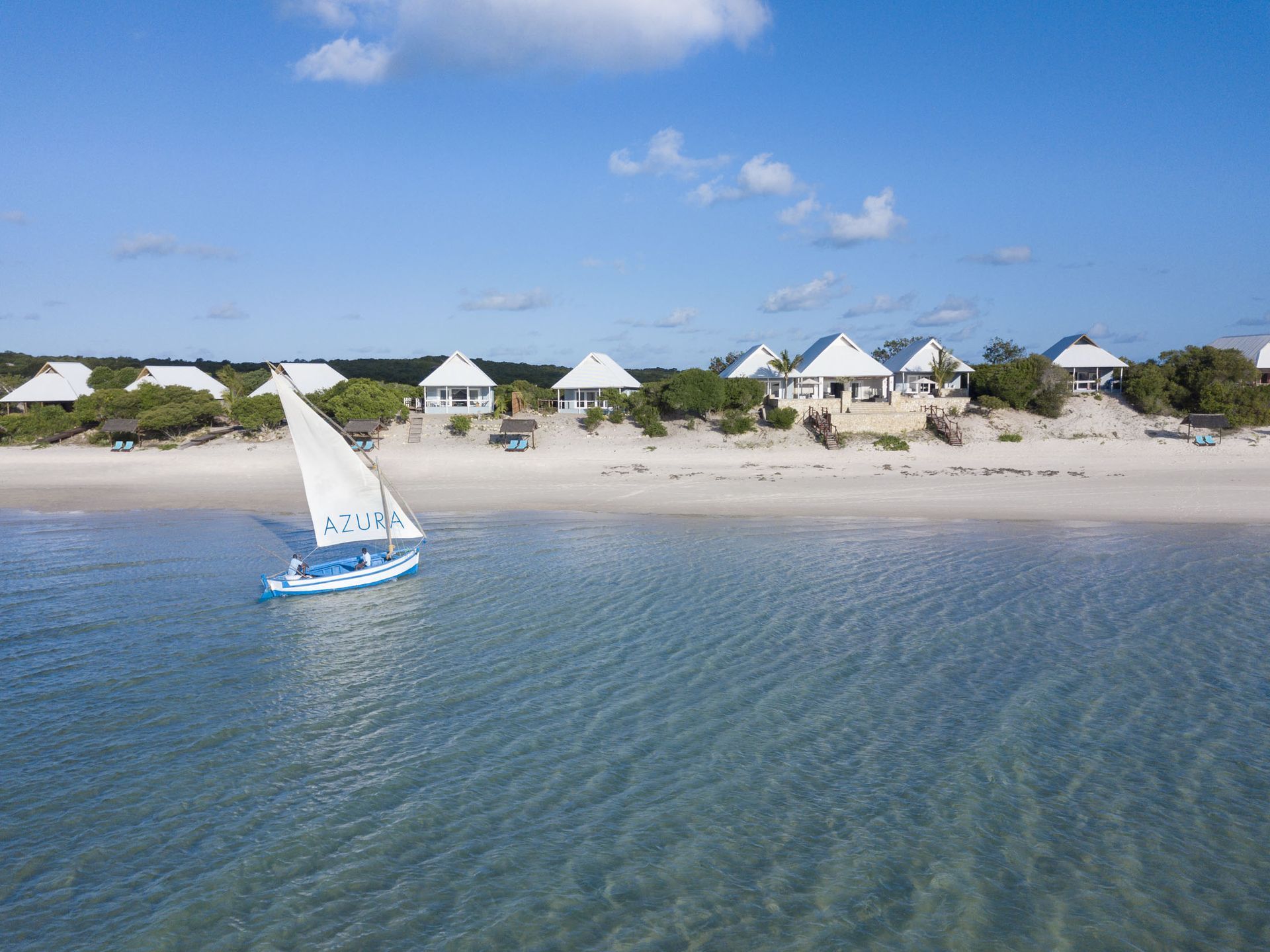
Azura Marlin Beach 5-Night SADC Special
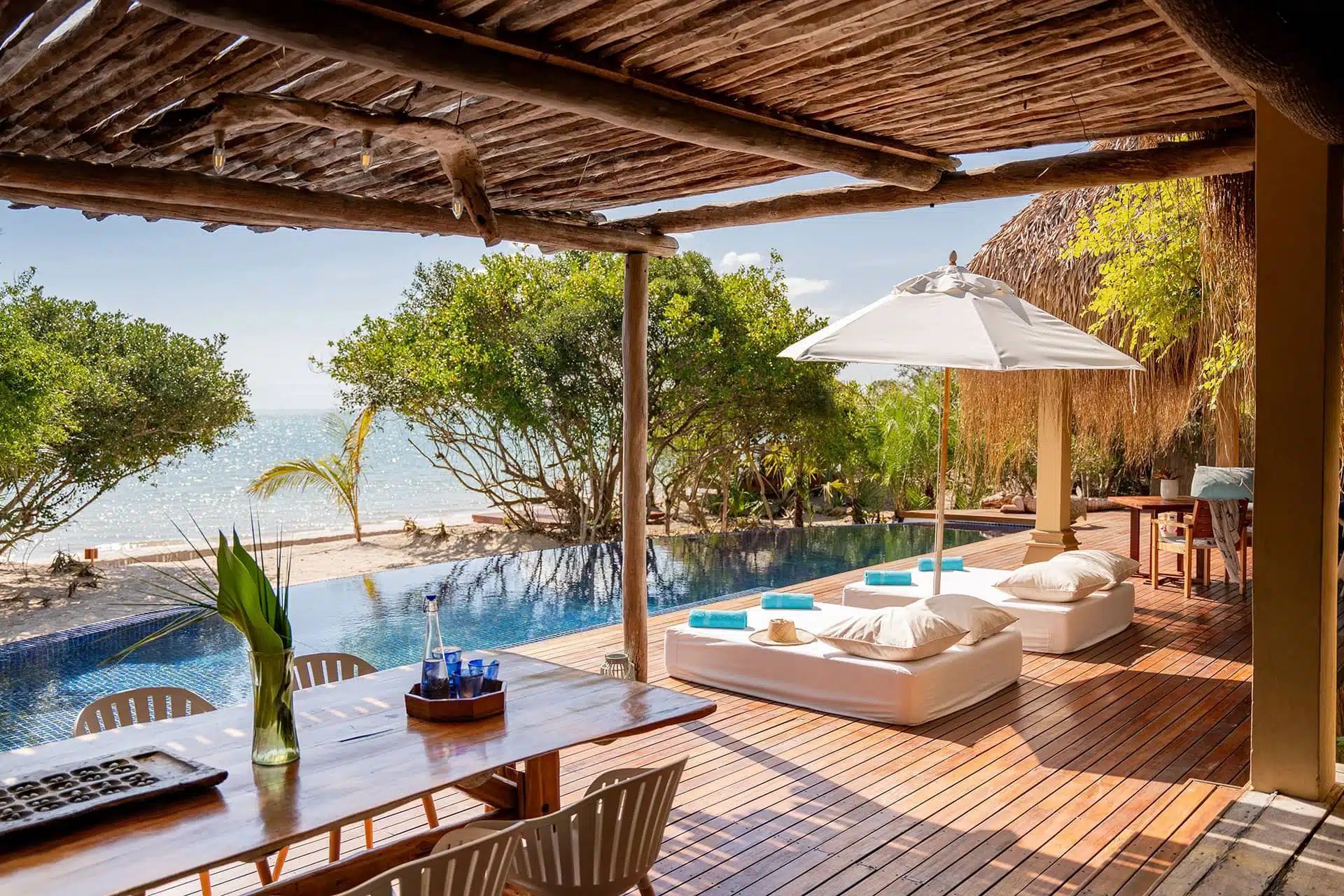
Okavango Delta Safari and Bazaruto Island Beach Holiday
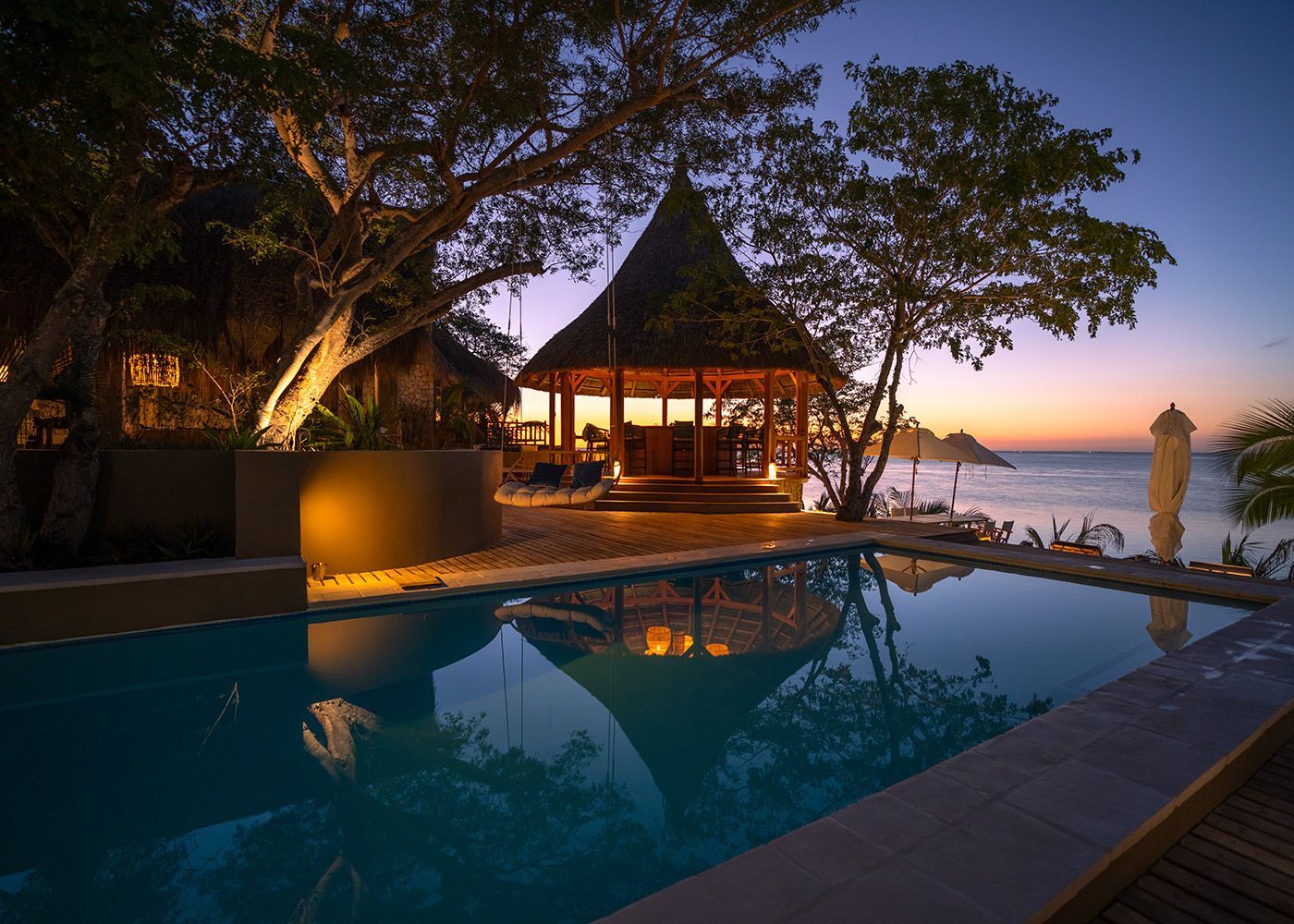
5-Night Mozawi Lodge Private Beach Holiday
Frequently Asked Questions
Is it safe to visit Mozambique’s national parks on safari
Mozambique’s national parks are safe when travel is structured around lodge based stays, guided activities, and arranged transfers. Safety is managed through controlled access, trained guides, and clear emergency protocols rather than heavy infrastructure or high visitor numbers.
How is wildlife risk managed in Mozambique national parks
Wildlife risk is managed through experienced guiding, conservative approach distances, and low vehicle density. Activities are paced carefully, and walking safaris are tightly controlled to minimise unpredictable encounters.
What medical support is available in Mozambique’s national parks
Medical facilities within parks are limited, so lodges rely on evacuation plans and regional medical partnerships. Travel insurance with evacuation cover is essential, and response procedures are clearly established in advance.
Are Mozambique’s national parks suitable for families
These parks suit families with older children who are comfortable with guided activities and slower travel. Safety is strongest when itineraries are lodge based and travel days are realistic.
Do I need a safety app when visiting Mozambique national parks
Safety apps are not mandatory but can be helpful. They support communication, emergency coordination, and location sharing, especially during transfers or in areas with limited mobile coverage.
SHARE THIS POST
Are You Ready FOr Mozambique?
Page through our packages and find the offer right for you!
Ready to Speak to a Mozambique Travel Expert?
Get In Touch and Ask for a Call-Back Today
Latest Posts