

Is It Safe to Travel to Mozambique in 2026?
By • April 12, 2026
A Clear 2026 Answer for Travelers Planning a Mozambique Holiday
Yes, it is safe to travel to Mozambique in 2026 if you plan carefully, choose the right regions, and book with people who understand the country well. Mozambique is not a one-size-fits-all destination, and safety varies by area, season, road conditions, transport links, and how independently you travel. That is exactly why broad headlines often create unnecessary confusion. Most leisure travelers heading to established beach destinations such as Vilanculos, the Bazaruto Archipelago, Inhambane, Tofo, Barra, Maputo, and selected safari areas can enjoy a smooth and rewarding trip when their itinerary is well structured. The real issue is not whether Mozambique is simply safe or unsafe. The better question is which parts of Mozambique are best suited to your travel style, budget, and confidence level.
A well-planned holiday with the right flights, transfers, lodge choices, and local support is very different from an improvised trip with weak logistics. This guide is designed to give travelers a more useful answer by explaining where it is generally safer to go, what risks matter most in practical terms, and how to reduce those risks without losing the magic of a Mozambique beach or safari holiday.
Which Parts of Mozambique Are Safe for Tourists?
Mozambique is a large country with very different travel conditions depending on where you go. The majority of international visitors travel to specific coastal and safari regions that are well-established, regularly serviced, and supported by experienced operators. These areas are considered safe for tourists when travel is properly planned.
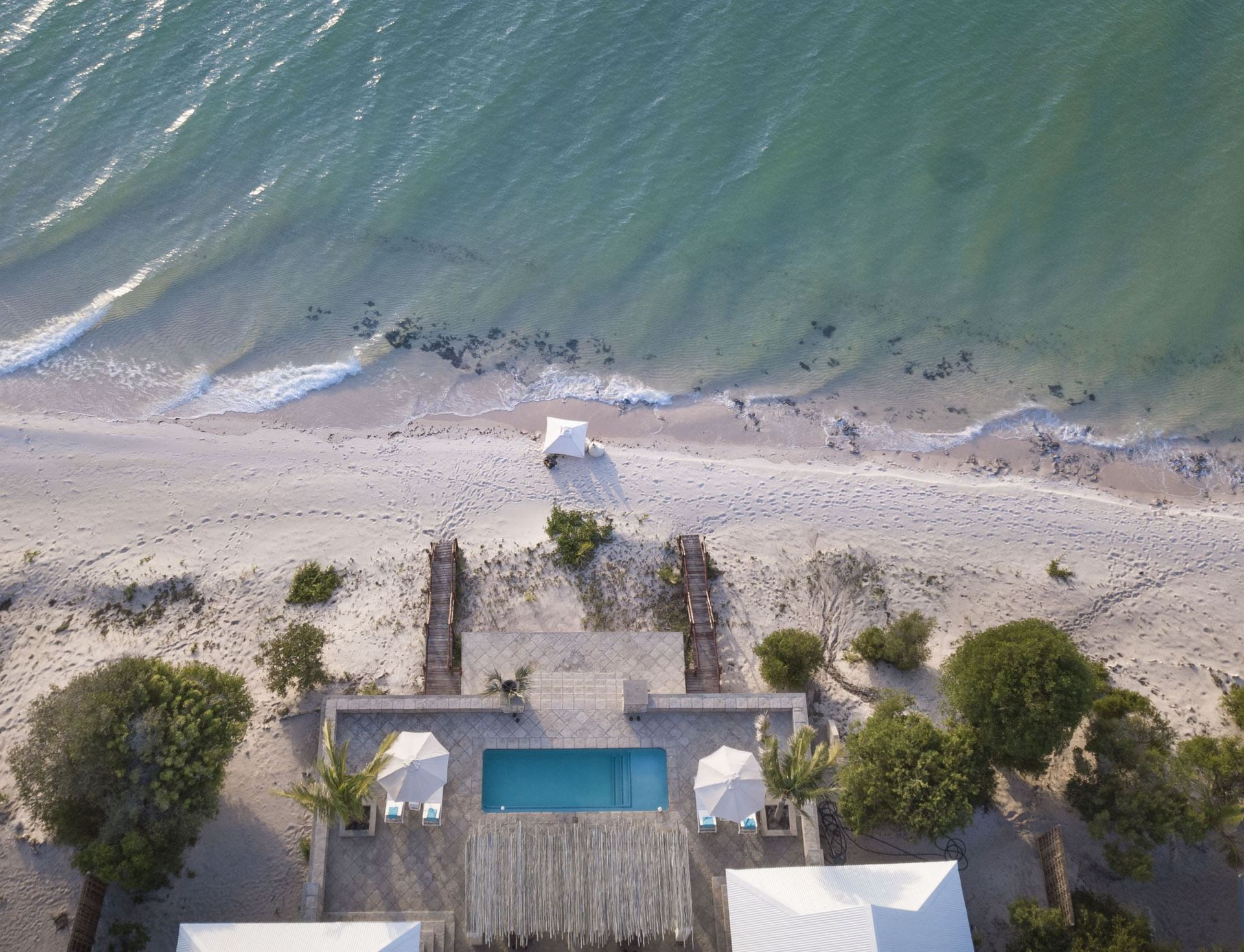
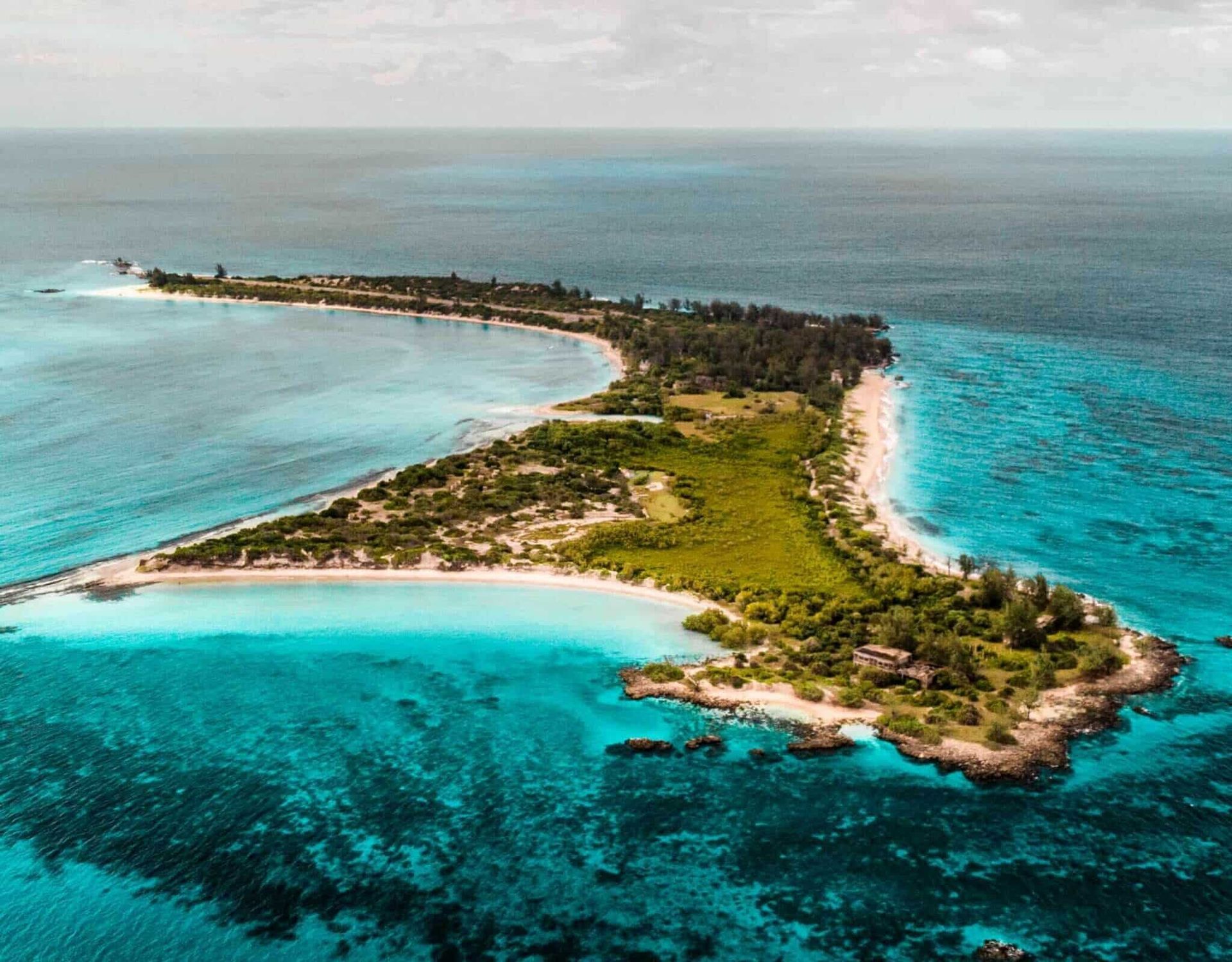
Vilanculos and the Bazaruto Archipelago remain the most reliable beach destinations, with direct access to lodges, structured transfers, and consistent tourism infrastructure. Inhambane, including Tofo and Barra, offers a more relaxed coastal experience with a long track record of international visitors. Maputo, the capital, is widely used as an entry point and short-stay destination, particularly for travelers combining city, beach, and safari experiences.
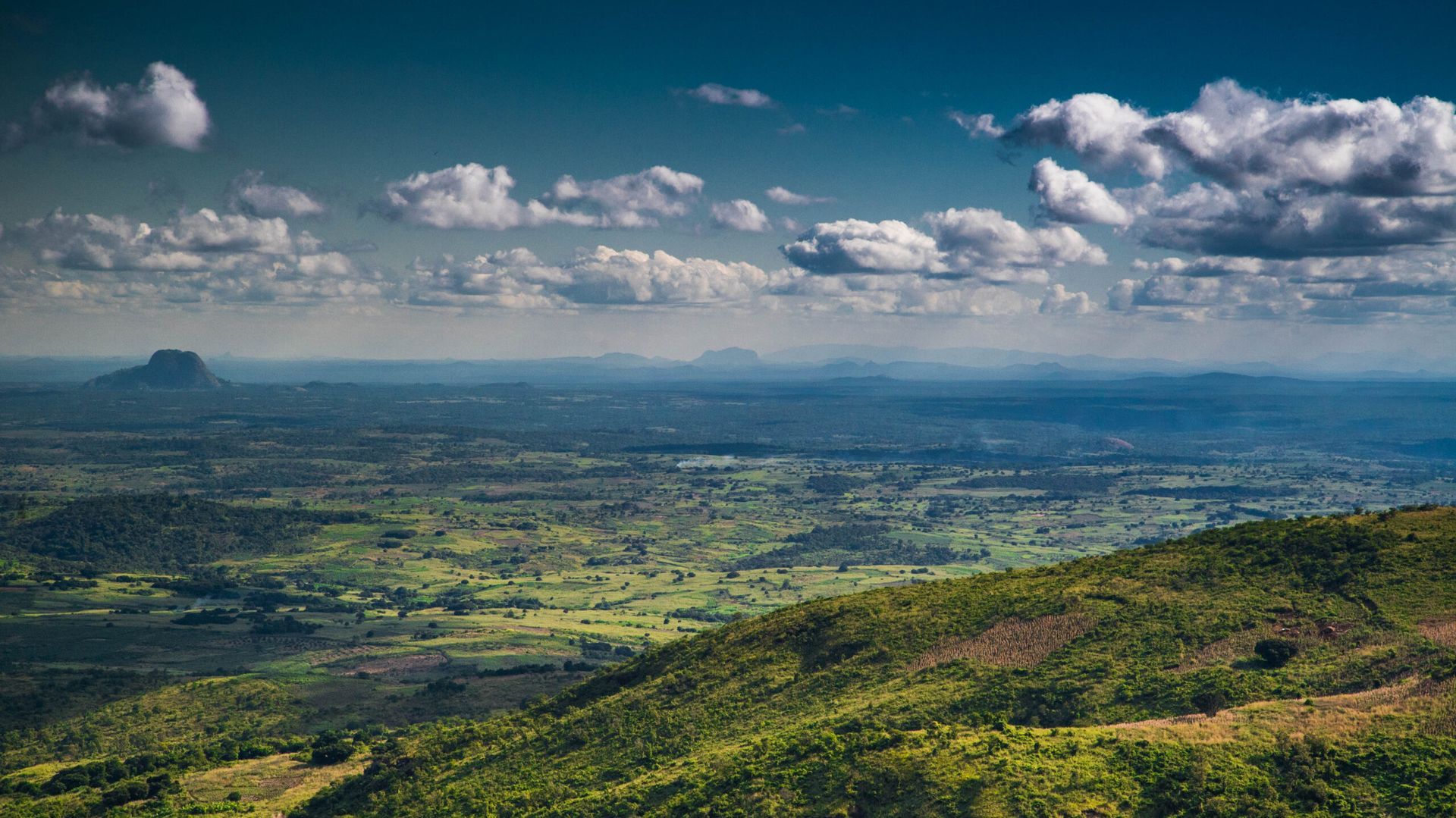
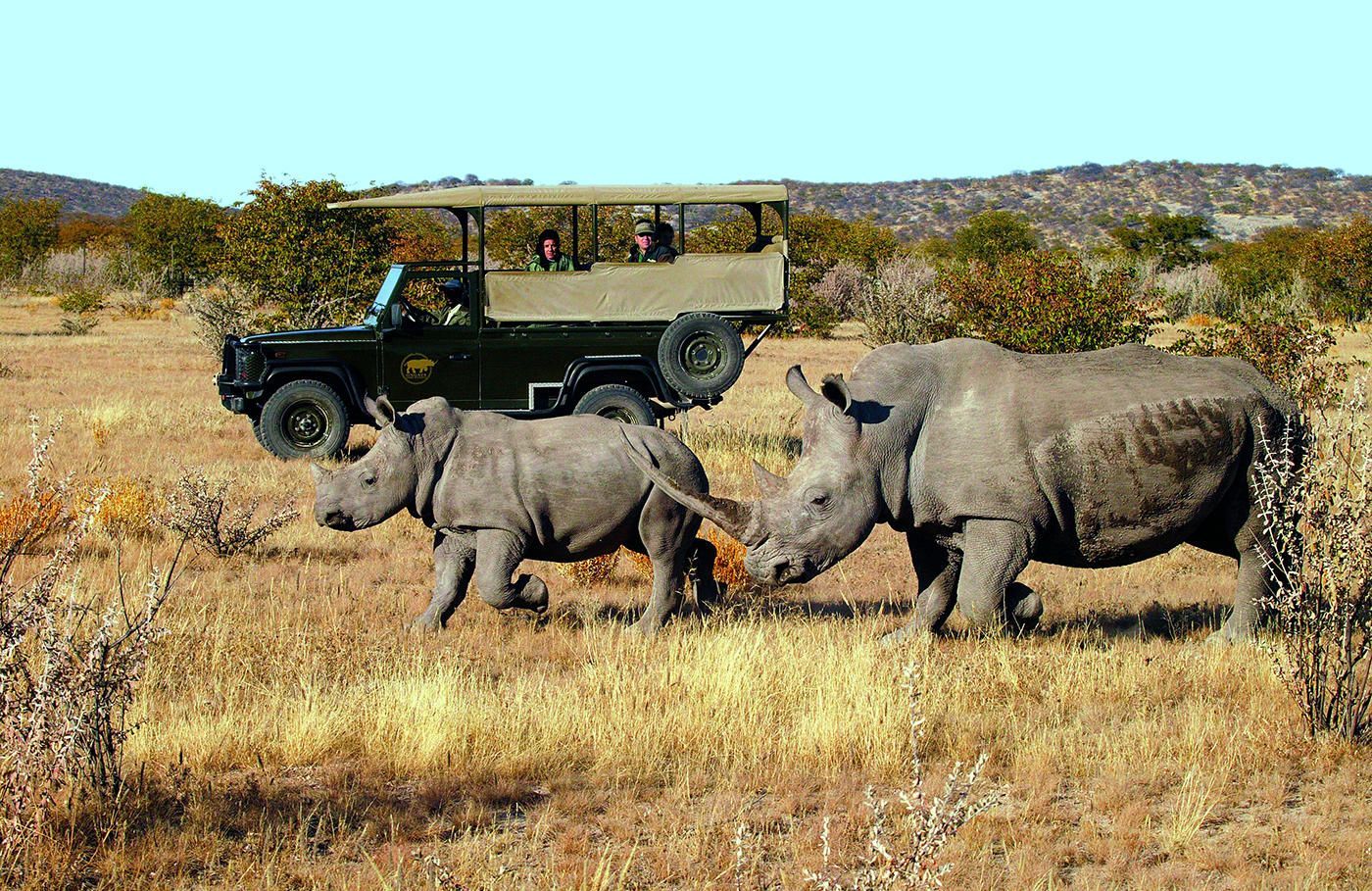
Gorongosa National Park is another standout, offering one of Africa’s most important conservation success stories alongside a controlled and well-managed safari environment. These regions are not only safe in practical terms but also supported by local teams who understand how to manage logistics, security, and guest movement effectively.
Travel outside of these established circuits requires more planning and local knowledge, particularly in remote or less-developed areas.
Is Vilanculos and the Bazaruto Archipelago Safe for Tourists?
Vilanculos and the Bazaruto Archipelago are among the safest and most established travel regions in Mozambique, with a clear tourism infrastructure and well-managed lodge environments. Most safety considerations here relate to ocean conditions, activity planning, and transfer timing rather than crime.
These destinations are ideal for first-time visitors and those looking for a low-stress beach experience. For more practical guidance, read our Vilanculos and Bazaruto safety guide.
Is Gorongosa National Park Safe for Safari Travel?
Gorongosa National Park is one of Africa’s leading conservation areas and is considered safe for safari travel when visiting through established lodges and guided experiences. The park operates within a controlled environment, with structured game drives, trained guides, and clear guest protocols. As with any safari destination, safety depends on following guide instructions and respecting wildlife boundaries. For a deeper understanding, see our Gorongosa travel safety guide.
Understanding the Real Safety Risks in Mozambique
The biggest risks in Mozambique are not typically violent crime against tourists but rather logistical and environmental factors that can disrupt travel if not managed properly. These include long travel distances, inconsistent road conditions, limited signage, and delays in domestic transport connections.
Petty crime can occur in urban areas, particularly in Maputo, as it does in most cities worldwide. Simple precautions such as avoiding displaying valuables, using trusted transport, and staying in reputable accommodation significantly reduce exposure. It is also worth reviewing the latest Mozambique travel advisory for a government perspective on regional conditions.
Health considerations are also important. Malaria is present in many parts of Mozambique, and travelers should take appropriate prophylaxis and precautions. Access to medical facilities can be limited outside major towns, which is why structured travel planning is essential.
Seasonal weather patterns, including heavy rains or tropical systems, can affect accessibility in certain regions. Understanding when and where to travel is a key part of minimizing risk and ensuring a smooth experience.
Is Mozambique Safe Compared to Other African Destinations?
When compared to other African destinations, Mozambique is neither unusually dangerous nor exceptionally risky. It is simply less standardized in terms of infrastructure than countries like South Africa, Kenya, or Tanzania.
This difference often creates the perception of higher risk, when in reality it reflects a more frontier-style travel experience. Roads may be slower, connections less frequent, and services less automated, but this is also part of what keeps Mozambique less crowded and more authentic.
For travelers who are used to fully packaged safari destinations, Mozambique requires a slightly more considered approach. When that approach is applied, safety levels are comparable to many other destinations across Southern and East Africa.
In fact, many travelers find Mozambique to feel calmer and less pressured than busier safari circuits, particularly in its beach regions where tourism remains low-density and well managed.
How to Travel Safely in Mozambique
The most important factor in traveling safely in Mozambique is how your trip is structured. A well-planned itinerary removes the majority of potential risks before you even arrive.
This includes aligning international and domestic flights correctly, arranging reliable transfers, choosing lodges that operate year-round with experienced teams, and avoiding unnecessary long-distance road travel where possible. Many of the issues travelers encounter come from poor sequencing rather than actual safety threats.
Using known routes between established destinations, traveling during daylight hours where road transfers are required, and relying on trusted local operators significantly improves safety outcomes.
Travelers who attempt to build complex itineraries independently often underestimate distances, timings, and seasonal conditions. Working with someone who understands these variables ensures that the trip flows smoothly from start to finish.
The Role of Local Knowledge and Specialist Planning
Mozambique is a destination where local knowledge makes a measurable difference to both safety and overall experience. Unlike highly commercial destinations, not all logistics are visible or bookable online, and small details can have a significant impact.
Specialists who work with Mozambique regularly understand which routes are efficient, which lodges are best suited to different traveler profiles, and how to adapt itineraries based on weather, season, and operational changes. This knowledge reduces uncertainty and prevents common planning mistakes.
They also maintain direct relationships with lodges and transfer providers, allowing for real-time adjustments if needed. This level of coordination is particularly important in destinations where backup options may not be immediately available.
In practical terms, this means fewer disruptions, better timing, and a more secure travel experience overall.
Who Should and Should Not Travel to Mozambique
Mozambique is best suited to travelers who value natural beauty, low-density tourism, and a more relaxed pace of travel. It appeals strongly to those looking for beach extensions after safari, ocean-based experiences, and destinations that feel less commercialized.
It is ideal for couples, honeymooners, and experienced travelers who appreciate well-planned itineraries and are comfortable with slightly longer travel days in exchange for unique locations. Families can also travel successfully, particularly when itineraries are structured around accessible destinations like Vilanculos and the Bazaruto Archipelago.
Travelers who prefer highly standardized infrastructure, short transfer times, and fully predictable logistics may find Mozambique more challenging if they plan independently. However, with the right planning support, even first-time visitors to Africa can travel safely and comfortably.
The key is alignment between expectations, itinerary design, and the level of support in place throughout the journey.
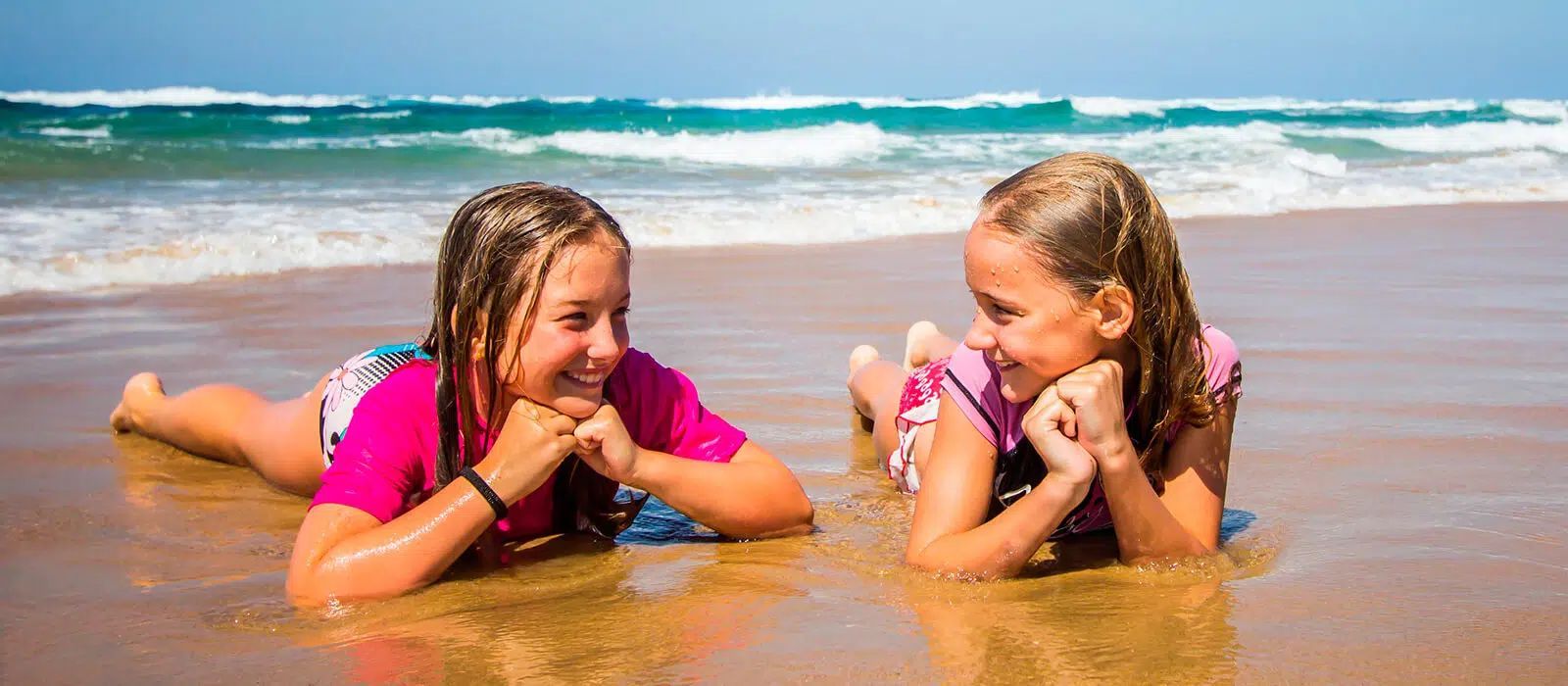
Is It Safe to Travel to Mozambique with Children?
Mozambique is a strong option for family travel when itineraries are kept simple and focused on accessible destinations such as Vilanculos and the Bazaruto Archipelago. The key to safety with children is minimizing long transfers, choosing lodges with family-friendly setups, and ensuring reliable medical access if needed. Structured beach stays and well-managed safari experiences work particularly well for families. For a detailed breakdown of planning a secure trip with children, see our guide to family travel safety in Mozambique https://www.mozambiquetravel.com/blog/family-travel-safety-mozambique/
Is Mozambique Safe for LGBTQ Travelers?
Mozambique is generally considered one of the more tolerant destinations in the region, particularly in tourism areas where international travel is common. However, it remains a culturally conservative country in parts, and discretion is recommended outside of lodge and resort environments. Most LGBTQ travelers experience Mozambique without issue when itineraries are structured around established destinations. For a more detailed perspective, see our LGBTQ travel safety Mozambique guide.
Road Travel and Transport Safety in Mozambique
One of the most important safety considerations in Mozambique is transport. This is where many travel mistakes happen, not because the country is inherently unsafe, but because distances are often underestimated and infrastructure varies widely from one region to another. A journey that looks simple on a map can become tiring or inefficient if flights, transfers, road conditions, and arrival times are not lined up properly.
For most leisure travelers, the safest approach is to keep transport arrangements simple and well-timed. Where possible, use scheduled flights, lodge transfers, and trusted drivers rather than trying to piece together long overland routes independently. This is especially important for first-time visitors to Mozambique or travelers combining several destinations in one trip.
Driving standards can differ from what international travelers are used to, and road quality is inconsistent in some areas. Potholes, limited lighting, livestock on roads, and slow-moving local traffic can all affect journey times. If road transfers are necessary, daytime travel is generally the better option. Arriving after dark in an unfamiliar area is rarely ideal, particularly if signage is limited or mobile signal is weak.
Airport-to-lodge coordination also matters. In stronger itineraries, flights arrive with enough margin to allow for delays, baggage collection, and onward transfer without stress. That kind of sequencing can sound minor, but it plays a major role in how safe and manageable the overall trip feels.
Is It Safe to Self-Drive in Mozambique?
Self-drive travel in Mozambique is possible but requires experience, preparation, and a realistic understanding of road conditions. Distances can be long, signage limited, and driving standards inconsistent in some areas. For most international visitors, guided transfers or fly-in itineraries are the safer and more efficient option. Travelers who choose to self-drive should plan routes carefully and avoid night driving. For full guidance, see our self-drive safety in Mozambique article
Is It Safe to Combine Kruger and Mozambique?
Kruger and Mozambique combinations are one of the most popular and safest ways to experience both safari and beach in Southern Africa. The key to making this route safe and seamless is correct routing, border crossing planning, and transfer coordination. When structured properly, this combination is straightforward and highly rewarding. Most risks arise from poor timing or attempting overly complex connections. For detailed planning advice, see our Kruger and Mozambique safety guide
Is Maputo Safe for Travelers?
Maputo is often the first stop for international visitors, and many travelers understandably ask whether the capital is safe. The answer is yes, for most visitors, provided they use the same level of awareness they would apply in any major city. Maputo is not usually the part of Mozambique that causes the greatest safety problems for tourists. In fact, most short stays in the city are straightforward, particularly when travelers use reputable accommodation and pre-arranged transport.
The main concerns in Maputo are urban rather than destination-specific. Petty theft, opportunistic crime, and avoidable mistakes such as walking in unfamiliar areas late at night or carrying visible valuables create the greatest risk. These are manageable issues. Choosing a well-located hotel, using known drivers, and keeping phones, jewelry, and cash out of sight make a meaningful difference.
For most holidaymakers, Maputo works best as a short city stay, a convenient arrival point, or a gateway to southern beach destinations such as Machangulo and Santa Maria. It can also be a rewarding part of the holiday in its own right, with good restaurants, a distinct cultural identity, and a more relaxed rhythm than many other regional capitals.
Travelers who arrive with realistic expectations and a sensible city strategy generally find Maputo much easier than they feared.
Beach Destination Safety: Vilanculos, Bazaruto, Tofo, and Beyond
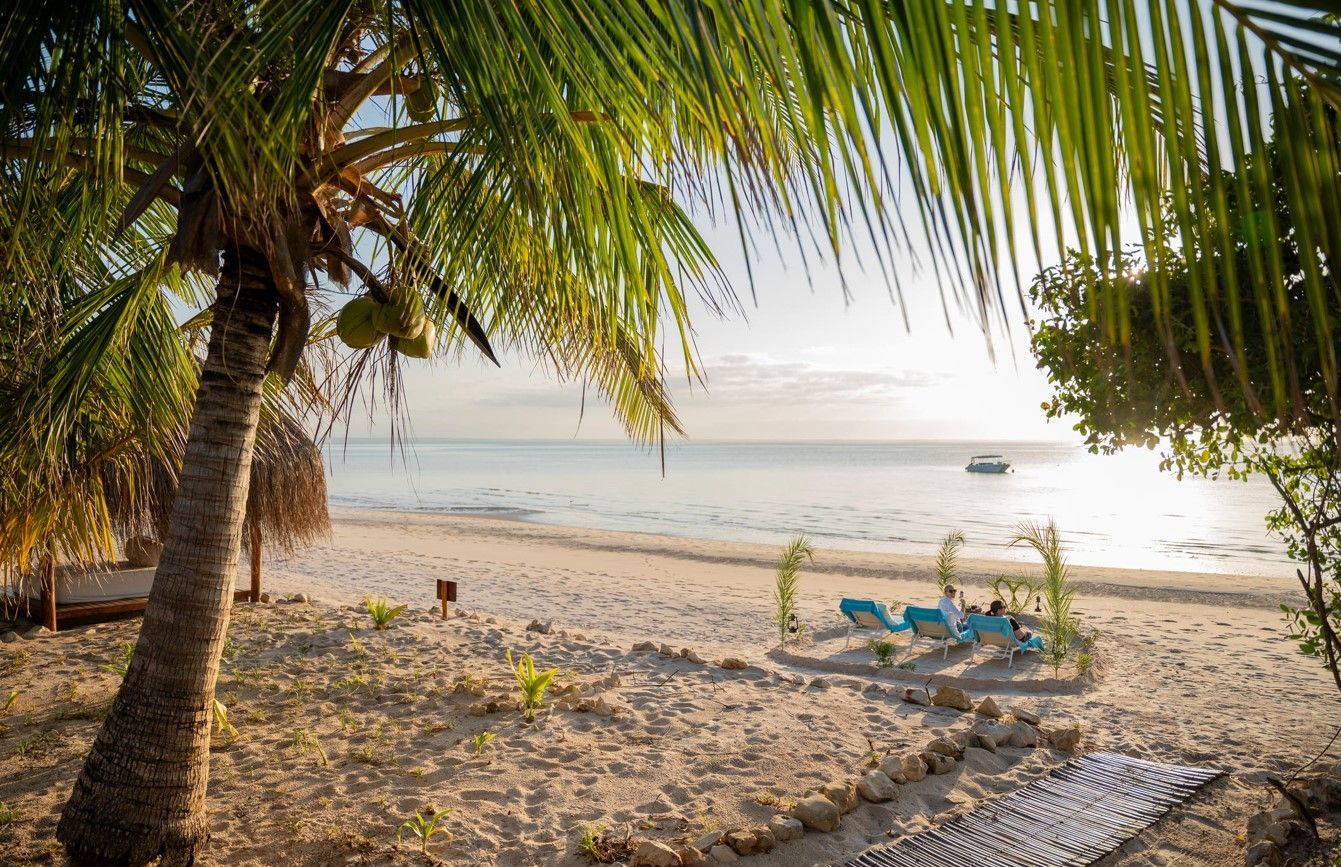
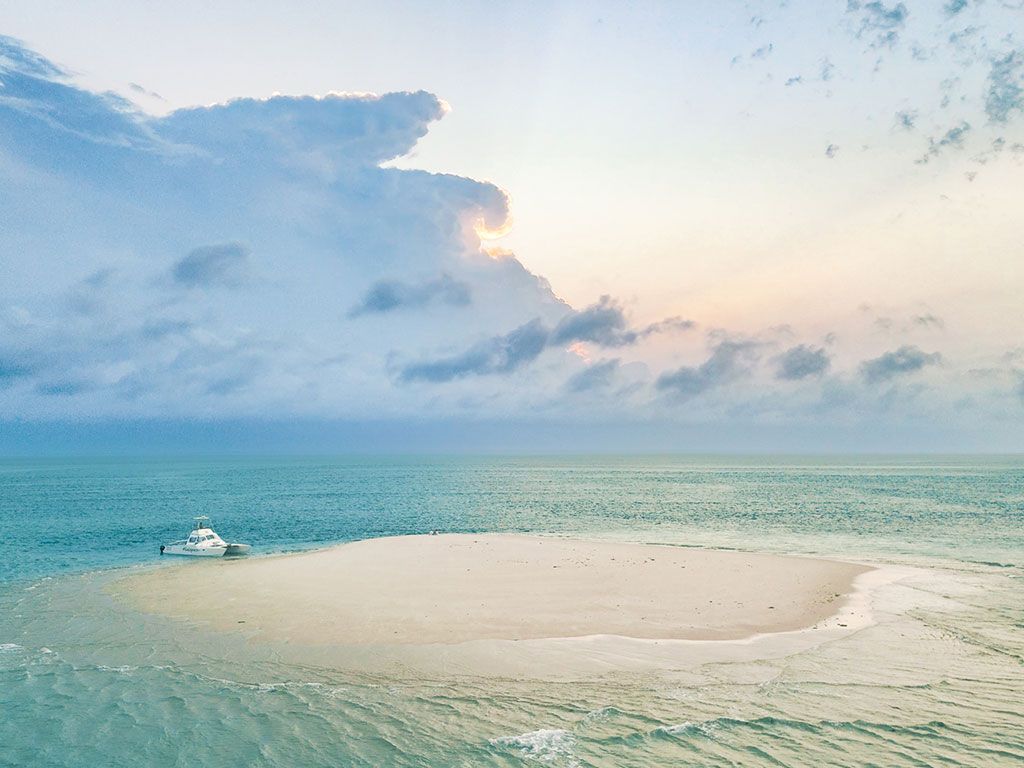
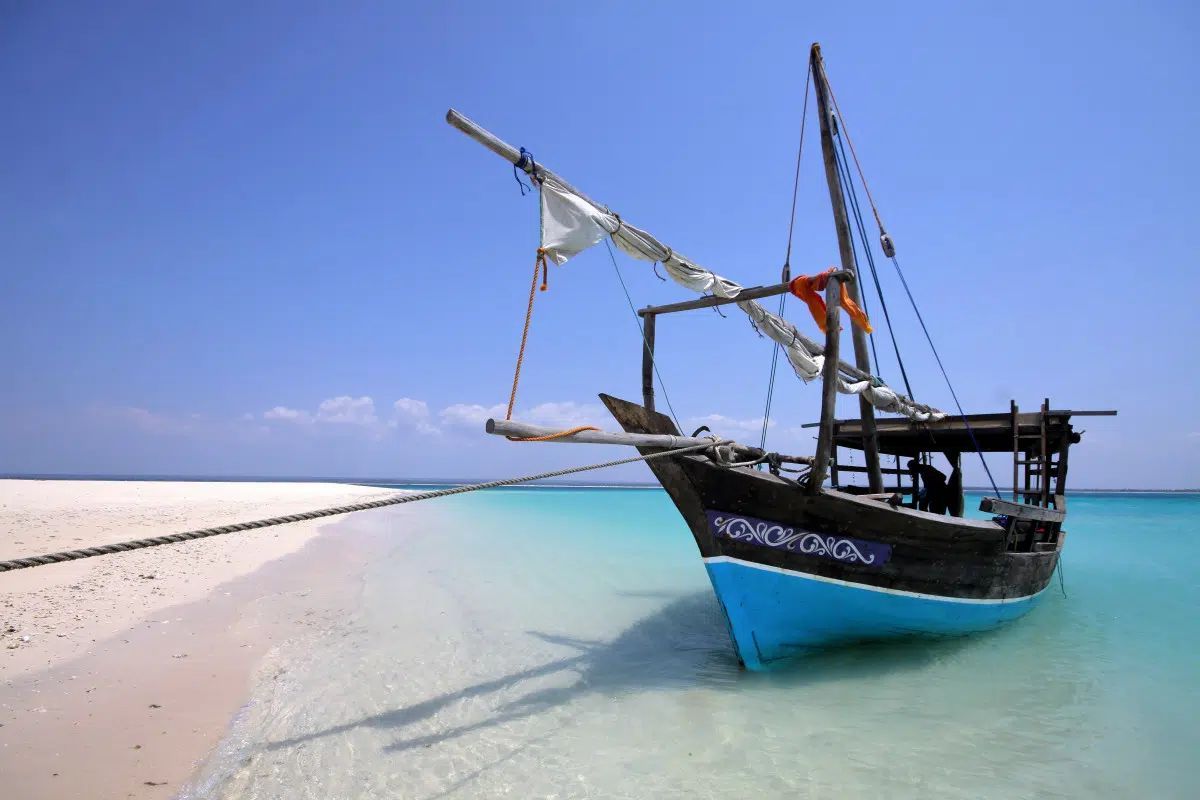
Mozambique’s leading beach destinations are among the safest and most appealing parts of the country for international travelers. Vilanculos and the Bazaruto Archipelago are particularly strong choices because they combine outstanding scenery with a relatively mature tourism setup. There is a clear flow from arrival to transfer to lodge, and visitors are usually in environments that are built around hospitality, guided activities, and controlled guest movements.
This makes these regions especially suitable for couples, honeymooners, families, and first-time visitors to Mozambique. Once guests arrive at a well-run beach lodge or island property, the travel experience is often calm, low-stress, and very secure. Risks are more likely to relate to ocean conditions, sun exposure, dehydration, or activity planning than to crime.
Tofo and Barra offer a more independent and lively coastal atmosphere. These areas are still very attractive for travelers, particularly divers, surfers, and returning visitors, but they require slightly more awareness around movement, accommodation selection, and late-night activity. The right choice of lodge or guesthouse matters more here, as does understanding the type of destination experience you want.
The safest beach holidays in Mozambique are usually those that balance beauty with practicality. Choosing destinations with dependable access, proven accommodation, and strong local support is a smarter approach than chasing remoteness for its own sake.
Health Risks, Malaria, and Medical Access
Health preparation is one of the most important parts of safe travel in Mozambique. For many travelers, this means understanding malaria risk properly rather than reacting to vague fear or online misinformation. Mozambique is a malaria area in many regions, and this should be taken seriously, but it should not automatically deter travel. It simply means that prevention, planning, and early response matter. Travelers should take appropriate precautions and understand malaria risk and prevention guidelines before visiting Mozambique.
Travelers should take professional medical advice before departure, especially regarding malaria prophylaxis, vaccinations, and any personal health conditions that could be affected by heat, humidity, long transfers, or limited access to care. Preventive steps such as mosquito repellent, long sleeves in the evening, screened or air-conditioned rooms, and awareness of early symptoms all help reduce risk.
It is also important to understand that medical facilities vary significantly by location. Major cities offer more options, while remote beach and safari regions may have only basic immediate support before onward referral. That does not make these destinations unsafe, but it does mean travelers should not treat them as if they were operating with urban European or American medical infrastructure.
The practical takeaway is clear: go prepared, understand the region you are visiting, and make sure your trip includes access to reliable local support if something changes.
Weather, Seasons, and When Safety Conditions Change
Mozambique can feel like a completely different destination depending on the season. Safety and travel ease are strongly affected by rainfall, sea conditions, tropical systems, and humidity, especially in coastal areas. This is why timing matters almost as much as destination choice.
The dry season is generally easier for travel planning. Roads tend to be more reliable, marine activities operate more consistently, and overall logistics are simpler. During the wetter months, conditions can shift quickly. Heavy rain may affect road transfers, beach access, air schedules, and boat movements. In some years, southern Africa’s cyclone season also creates additional uncertainty along parts of the coast.
This does not mean travelers should avoid Mozambique outside peak periods. It does mean they should choose destinations carefully and avoid forcing complicated itineraries during times of higher weather volatility. Some properties and regions are far better suited than others to shoulder season or rainy season travel.
A safety-focused Mozambique holiday is not only about choosing the right place. It is also about choosing the right month, the right transport plan, and the right backup options if conditions change.
Why Independent Travel in Mozambique Can Be Harder Than Expected
Mozambique often looks simple online. Beautiful beaches, a handful of flights, a lodge booking, and a transfer can appear easy enough to arrange. In practice, independent planning can become complicated quite quickly, especially if travelers are combining more than one stop or trying to coordinate regional flights with island access, road transfers, and activity schedules.
The challenge is not only availability. It is the interaction between all the moving parts. A short flight delay can affect a boat transfer. A poorly timed arrival can create an overnight stop that was never budgeted for. A beach lodge may look close on a map but still require several stages of travel. These are the kinds of details that separate a smooth holiday from one that feels exposed and stressful.
For experienced independent travelers visiting one mainland destination, self-planning may still work reasonably well. But for higher-value trips, multi-stop holidays, safari-and-beach combinations, or family travel, professional planning usually produces a safer and better result.
Mozambique rewards thoughtful planning more than improvisation. That is one of the clearest themes running through any honest answer to the question, is it safe to travel to Mozambique.
What a Safer, Better-Planned Mozambique Holiday Looks Like
A safer Mozambique holiday usually has a few things in common. The route is realistic. Transfers are arranged in advance. Overnight stops are chosen for convenience as well as quality. The traveler knows who is meeting them, where they are going next, and what happens if flights shift or weather affects the plan.
Accommodation is another part of this. Strong lodges do more than provide a room with a view. They help create an environment where guests feel looked after, informed, and supported. Good operators know local conditions, manage excursions responsibly, and communicate clearly about what is happening on the ground.
The same applies to safari and beach combinations. These can be some of the most rewarding trips in Africa, but only if the routing makes sense. Trying to overpack an itinerary in order to save money or maximize destination count often creates more risk, fatigue, and uncertainty than travelers expect.
The safest way to enjoy Mozambique is not to remove all adventure from the trip. It is to remove the avoidable friction. That is what turns a beautiful destination into a genuinely easy and confidence-building holiday.
So, Is It Safe to Travel to Mozambique in 2026?
Yes, Mozambique is safe to travel to in 2026 for most tourists who plan their trip properly and focus on the right destinations. The country is not unsafe in a general sense, but it is not a plug-and-play destination either. Safety is closely linked to how well your itinerary is structured, how you move between locations, and who you rely on for local support.
Travelers who stick to proven routes, choose established beach and safari areas, and avoid unnecessary complexity typically have smooth and highly rewarding holidays. Those who try to build overly ambitious or poorly connected itineraries are far more likely to encounter stress, delays, or avoidable issues.
The most accurate answer is not a simple yes or no. Mozambique is safe when approached correctly, and that approach is what defines the overall experience.
Why Booking Through a Mozambique Specialist Improves Safety
One of the most effective ways to reduce travel risk in Mozambique is to work with a specialist who understands the country in detail. This is not about adding cost. It is about removing uncertainty and ensuring that every part of the trip works together as a complete system.
A specialist plans the full journey, not just the accommodation. Flights are aligned with transfers. Transfer times are realistic. Lodges are selected based on access, consistency, and suitability for your travel style. Backup options are considered in advance, not improvised on arrival.
This level of planning prevents the most common issues travelers face, including missed connections, poorly timed arrivals, unnecessary long road transfers, and mismatched accommodation choices. It also means there is someone to coordinate support if anything changes while you are in the country.
For a destination like Mozambique, this kind of structure is not a luxury. It is one of the simplest and most effective ways to make travel safer and more predictable.
Travel Safety Apps and Emergency Support for Mozambique Travel
Even with a well-planned itinerary, experienced travelers add an extra layer of protection when visiting destinations like Mozambique where distances are long and response systems can vary between regions. This is where travel safety apps have become an essential part of modern travel, providing immediate access to coordinated support when it matters most.
The TravelSafe SOS app is designed specifically for travel across Africa, giving you a direct way to trigger real-time emergency coordination rather than relying on fragmented local contacts. If something goes wrong, whether it is a medical issue, an incident during a transfer, or an unexpected disruption, the app connects you to a central response team who can coordinate assistance, manage communication, and guide next steps quickly and efficiently.
This becomes particularly important in Mozambique where travel often involves multiple stages, including regional flights, road transfers, and boat access to beach lodges or island properties. It is equally valuable in remote areas such as national parks, as well as coastal destinations like Vilanculos, Inhambane, and the Bazaruto Archipelago, where immediate access to services may be limited.
One of the key advantages of using a platform like TravelSafe SOS is that it works across borders. Travelers combining South Africa and Mozambique, including popular routes between Kruger National Park and Mozambique’s beach destinations, remain covered throughout their journey without needing to switch systems. This continuity is a major benefit for multi-country itineraries where coordination can otherwise become complex.
The app supports all types of travelers, including families, solo travelers, and LGBTQ travelers, by providing a consistent safety layer regardless of location or travel style. For travelers who want more than basic precautions and prefer a structured, reliable safety net throughout their trip, using a dedicated travel safety app is one of the smartest decisions you can make when planning a Mozambique holiday.
Common Travel Mistakes That Create Unnecessary Risk
Most safety issues in Mozambique do not come from the destination itself, but from avoidable planning mistakes. Recognizing these early is one of the easiest ways to improve your travel experience.
Trying to visit too many places in a short time is a common problem. Distances in Mozambique are larger than they appear, and combining multiple remote destinations without proper flight and transfer planning can lead to fatigue and missed connections.
Booking accommodation without understanding access requirements is another frequent issue. Some lodges require flights, boat transfers, or specific timing windows that are not always obvious at the booking stage.
Relying entirely on online platforms without local validation can also create gaps. Availability may be outdated, transfer costs excluded, or seasonal conditions not clearly explained.
Finally, underestimating health preparation, particularly malaria prevention and hydration in hot coastal conditions, can affect the trip more than any external safety concern.
Avoiding these mistakes does not require complicated solutions. It requires better planning and the right level of support.
Who Mozambique Is Perfect For, and Who Should Reconsider
Mozambique is an outstanding destination for travelers who want a more relaxed, natural, and less crowded alternative to mainstream beach locations. It works especially well for safari and beach combinations, where the contrast between wildlife experiences and Indian Ocean coastlines creates a balanced and memorable holiday.
Couples, honeymooners, and returning Africa travelers tend to get the most out of Mozambique, particularly when they value space, privacy, and a slower pace. Families can also travel successfully, provided itineraries are kept simple and focused on accessible destinations.
Travelers who expect highly standardized infrastructure, short travel times between destinations, and fully automated logistics may find Mozambique more challenging if they plan independently. In these cases, the difference between a difficult trip and an exceptional one often comes down to how the itinerary is designed.
Mozambique rewards the right traveler profile. When expectations and planning are aligned, it delivers experiences that are increasingly rare in more commercial destinations.
How Mozambique Travel Safety Compares Across Africa
Mozambique should be viewed within the broader context of African travel rather than in isolation. Many of the perceived risks are similar to those found in other destinations, including transport logistics, health considerations, and regional infrastructure differences. When compared properly, Mozambique is not unusually risky, but it does require more structured planning than highly commercial destinations. For a broader regional view, see our Africa travel safety guide.
Recommended Mozambique Travel Safety Guides
If you are planning a trip to Mozambique, it helps to go a level deeper into specific destinations and travel styles. These detailed safety guides break down exactly what to expect, where to go, and how to plan with confidence.
Start with the full overview in our Mozambique Travel Safety 2026 Guide (you are here), which brings together the key considerations for traveling safely across the country.
For a broader look at safari regions and wildlife areas, our Mozambique National Parks Safety guide explains how different parks operate and what to expect on safari. Families traveling with children should also review Family Travel Safety Mozambique, which focuses on logistics, lodge choices, and practical planning tips.
If your trip is focused on the coast, the Vilanculos and Bazaruto Safety Guide covers one of the most popular and safest beach regions in detail, while the Gorongosa National Park Safety guide is essential reading for anyone considering a safari in this unique conservation area.
City stays require a slightly different approach, and our Maputo Travel Safety Guide explains how to navigate Mozambique’s capital with confidence.
For those combining destinations, the Kruger and Mozambique Safety guide outlines how to structure a seamless safari and beach itinerary, while Self-Drive Safety Mozambique is important reading for travelers considering independent road travel.
Finally, for inclusivity and cultural awareness, our LGBTQ Travel Safety Mozambique guide provides clear guidance on what to expect and how to travel comfortably in different parts of the country.
If you are planning a trip to Mozambique, these detailed safety guides will help you make better decisions about where to go, how to travel, and what to expect in each region.
Plan a Safe, Seamless Mozambique Holiday
Planning a safe trip to Mozambique is not about avoiding the destination. It is about approaching it in the right way from the start. Choosing the correct regions, aligning flights and transfers, and working with people who understand the country makes a measurable difference to both safety and overall enjoyment.
Mozambique Travel has been arranging holidays across Mozambique for over 20 years, working directly with lodges, transfer teams, and local operators who know how to deliver consistent, well-supported travel experiences. This means your itinerary is built around what actually works on the ground, not just what looks good online.
If you are asking is it safe to travel to Mozambique, the next step is not just more research. It is getting the right plan in place. Speak to a Mozambique specialist who can guide you to the safest regions, structure your itinerary properly, and ensure your holiday runs smoothly from arrival to departure.
Featured Packages
Frequently Asked Questions
Is it safe to travel to Mozambique in 2026?
Yes, it is safe to travel to Mozambique in 2026 when you visit established regions such as Vilanculos, the Bazaruto Archipelago, Inhambane, and Gorongosa. Safety depends on planning, transport coordination, and choosing reliable accommodation. Most tourists experience smooth, incident-free holidays when itineraries are structured properly and supported by local expertise.
What are the safest places to visit in Mozambique
The safest places to visit in Mozambique include Vilanculos, the Bazaruto Archipelago, Inhambane, Tofo, Barra, Maputo for short stays, and Gorongosa National Park. These areas have established tourism infrastructure, trusted operators, and consistent visitor flow. Choosing well-known destinations significantly reduces risk and ensures a more predictable travel experience.
Is Maputo safe for international travelers
Maputo is generally safe for tourists who take standard city precautions. Petty crime can occur, so it is important to use trusted transport, stay in reputable hotels, and avoid displaying valuables. Most visitors experience Maputo as a straightforward entry point or short stay destination when movements are planned in advance.
What are the main safety risks in Mozambique
The main safety risks in Mozambique involve road travel, variable medical access in remote areas, ocean conditions, and environmental factors such as heat and dehydration. Violent crime is uncommon in tourism zones. Most risks are predictable and manageable through structured planning and using reputable operators.
Is Mozambique safe for families traveling with children?
Mozambique is safe for families when itineraries are simple and focused on accessible destinations. Beach locations such as Vilanculos and the Bazaruto Archipelago are particularly suitable. The key is minimizing long transfers, choosing family-friendly lodges, and ensuring access to basic medical support if required during the trip.
Do travelers need a safety app in Mozambique
Using a safety app in Mozambique is strongly recommended, particularly for island, remote, or multi-region travel. Apps such as TravelSafe SOS provide emergency coordination, location sharing, and support if plans change. While not a substitute for planning, safety apps add an important layer of reassurance.
Is Mozambique safe for tourists compared to South Africa or Kenya?
Mozambique is generally as safe as other African destinations when trips are properly planned, but it has less standardized infrastructure than South Africa or Kenya. This means logistics require more attention. The actual safety risk is not higher, but the margin for planning error is smaller, making structured itineraries more important.
Is Vilanculos and the Bazaruto Archipelago safe for travelers?
Yes, Vilanculos and the Bazaruto Archipelago are among the safest destinations in Mozambique. These areas are built around tourism, with controlled lodge environments, managed transfers, and experienced operators. Most safety considerations relate to ocean conditions and activity planning rather than crime, making them ideal for first-time visitor
Is it safe to self-drive in Mozambique?
Self-driving in Mozambique is possible but not recommended for most international travelers. Road conditions vary, distances are long, and signage can be limited. Driving standards also differ from what many visitors are used to. Guided transfers or fly-in itineraries are typically safer and more efficient for a stress-free holiday experience.
Is Mozambique safe for LGBTQ travelers?
Mozambique is generally tolerant, especially in tourism areas, but it remains culturally conservative in some regions. LGBTQ travelers typically experience no issues in lodges and beach destinations, though discretion is advised outside these environments. Well-planned itineraries focused on established travel areas provide a safe and comfortable experience.
How can I travel safely in Mozambique?
To travel safely in Mozambique, focus on established destinations, avoid complex routing, use reliable transfers, and plan around seasonal conditions. Booking through a specialist helps align flights, accommodation, and logistics. Adding a travel safety app provides an extra layer of emergency support, especially in remote areas.
SHARE THIS POST
Are You Ready FOr Mozambique?
Page through our packages and find the offer right for you!
Ready to Speak to a Mozambique Travel Expert?
Get In Touch and Ask for a Call-Back Today
Latest Posts