

Mozambique Travel Safety Explained: What Tourists Actually Experience in 2026
By • March 23, 2026
Why Mozambique Feels Safer on the Ground Than Many Travelers Expect
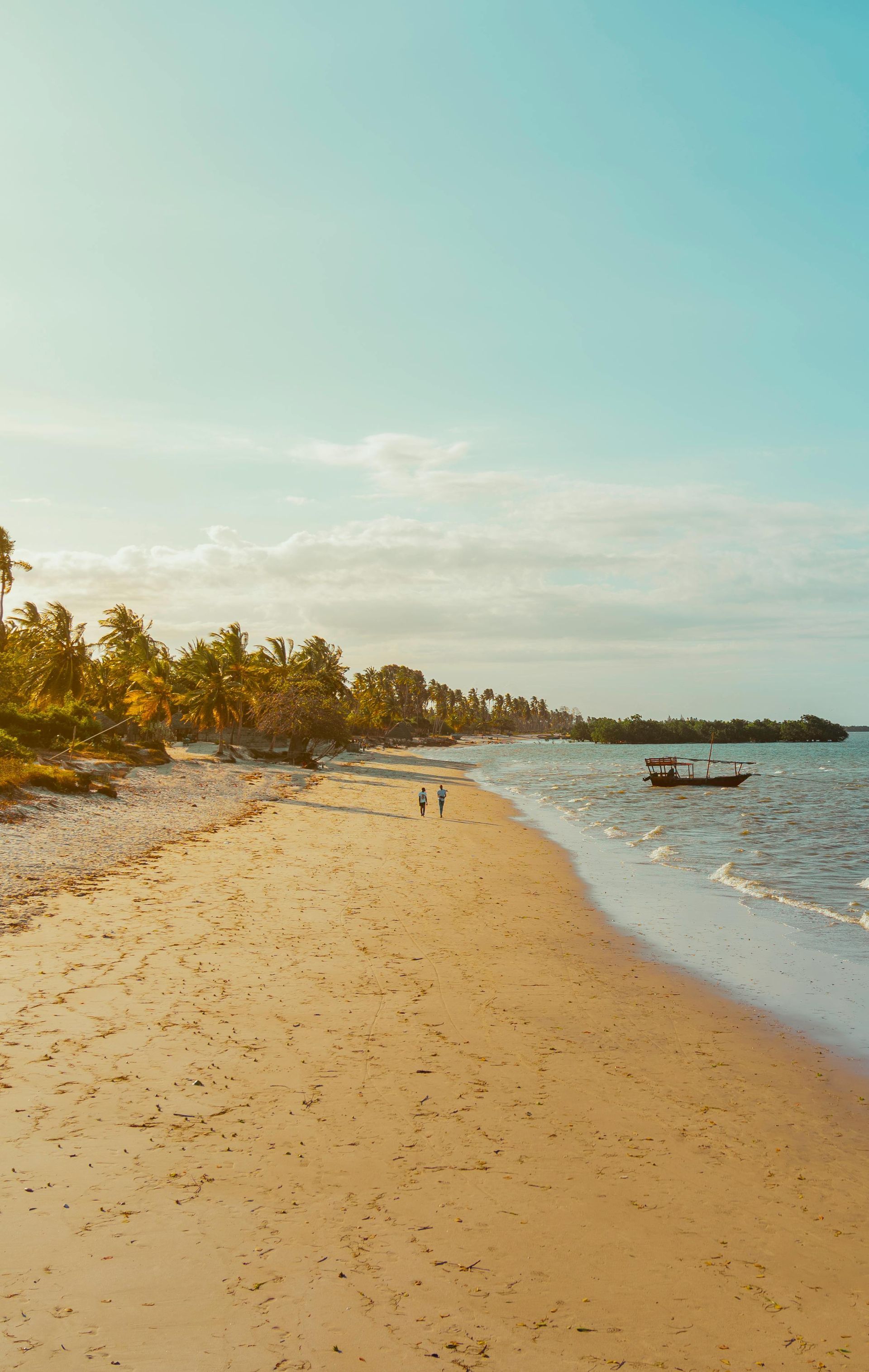
Mozambique is often judged by broad headlines, old assumptions, or regional confusion that does not reflect the real experience of most holidaymakers. In practice, travelers visiting the country’s established beach, island, and safari regions usually find a destination that feels calm, spacious, and surprisingly manageable. The difference lies in where you go, how you travel, and who plans the trip.
Most visitors are not moving randomly through unfamiliar parts of the country. They are flying into structured gateways such as Maputo or Vilanculos, being met by known transfer teams, and continuing to lodges or resorts that operate in highly controlled environments. That kind of travel feels very different from the way Mozambique is sometimes discussed online. Once guests arrive, they are usually in small-scale hospitality settings where the pace is relaxed, staff are attentive, and logistics are handled carefully. If you are looking for a complete answer to whether it is safe to travel to Mozambique, start with our Mozambique travel safety guide.
This is one of the biggest misunderstandings about Mozambique travel safety. For the average tourist, the day-to-day holiday experience is not dominated by risk. It is shaped by lodge coordination, guided activities, low visitor density, and a more personal style of travel. That is why many people leave Mozambique saying it felt easier, quieter, and more comfortable than they expected.
If readers want the complete countrywide answer to the main question, link early in this introduction using the anchor text Mozambique travel safety guide to your main pillar page.
What Travel Safety in Mozambique Actually Looks Like
Travel safety in Mozambique is less about visible policing or heavy infrastructure and more about how well the tourism system functions around the traveler. In the country’s main holiday regions, safety is built into the way trips are designed. Guests are collected by pre-arranged drivers, transferred to properties that know their arrival details, and guided through activities by people who understand local conditions.
This creates a very different type of travel environment from mass-market destinations. In Mozambique, guests often spend much of their time in controlled lodge spaces, on managed marine excursions, or moving between carefully timed transport stages. They are not left to improvise complicated routes or negotiate unknown travel systems unless they choose to do so independently.
For this reason, safety in Mozambique should not be judged only through a generic lens. It is more accurate to think in terms of travel ecosystems. A well-run island lodge, a protected marine area, a safari camp with trained guides, or a specialist-arranged multi-stop itinerary all create their own layer of practical safety. This is especially relevant for travelers who want a beach and safari combination, a family holiday, or a remote-feeling destination without the chaos that often comes with independent travel.
Why Some Safety Concerns About Mozambique Are Misleading
A major problem with online safety discussions is that they often flatten a large and varied country into one sweeping statement. That leads to confusion. Conditions affecting one remote region are sometimes assumed to apply to beach resorts hundreds of kilometers away. Urban caution is mixed up with island travel. General travel warnings are interpreted without any distinction between tourism zones and non-tourism zones.
This matters because most international visitors are not traveling through the areas that create those headlines. They are going to Vilanculos, the Bazaruto Archipelago, Inhambane, Tofo, Barra, Machangulo, Santa Maria, Maputo for short stays, and safari regions such as Gorongosa. These are established travel corridors with known operators, regular guest flow, and hospitality teams that are used to handling international travelers.
Vilanculos and Bazaruto travel safety.
That does not mean Mozambique is risk-free. No destination is. But it does mean travelers need a more intelligent framework. The real question is not whether the whole country is safe or unsafe. The real question is whether your chosen route, destinations, and logistics are appropriate for the kind of trip you are planning. Once that distinction is made, Mozambique becomes much easier to understand and much easier to sell with confidence.
How Lodges, Islands, and Guided Travel Create a Safer Holiday Experience
One of Mozambique’s strongest travel advantages is that many of its best holiday experiences take place in environments that are naturally easier to manage. Island lodges, private beach properties, marine reserve areas, and professionally guided safari camps all limit unnecessary exposure and keep the guest experience focused, structured, and calm.
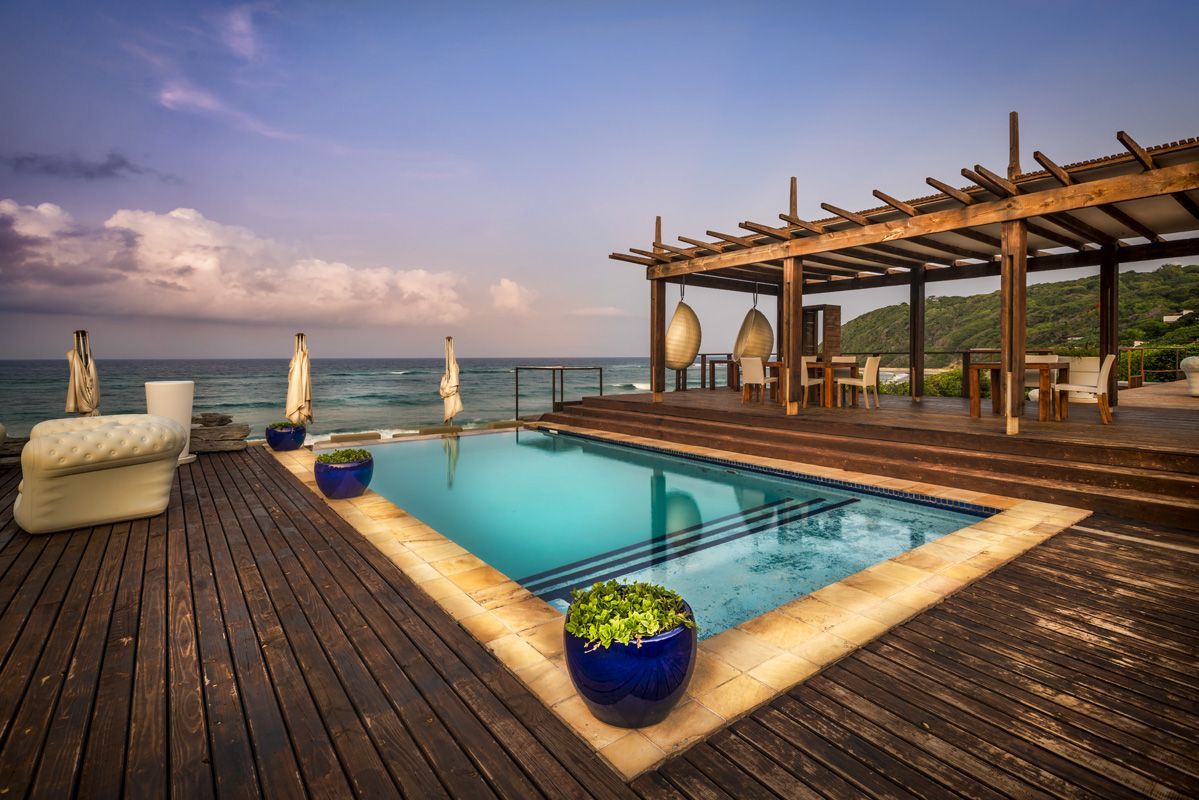
On islands and in marine protected areas, access is already controlled by geography. Guests are arriving through pre-booked transfers, staying at properties with dedicated staff, and joining excursions that are monitored for tides, weather, and marine conditions. This dramatically reduces the unpredictability travelers often worry about before they arrive. Families value the contained nature of these properties, while couples appreciate the privacy and low-density feel.
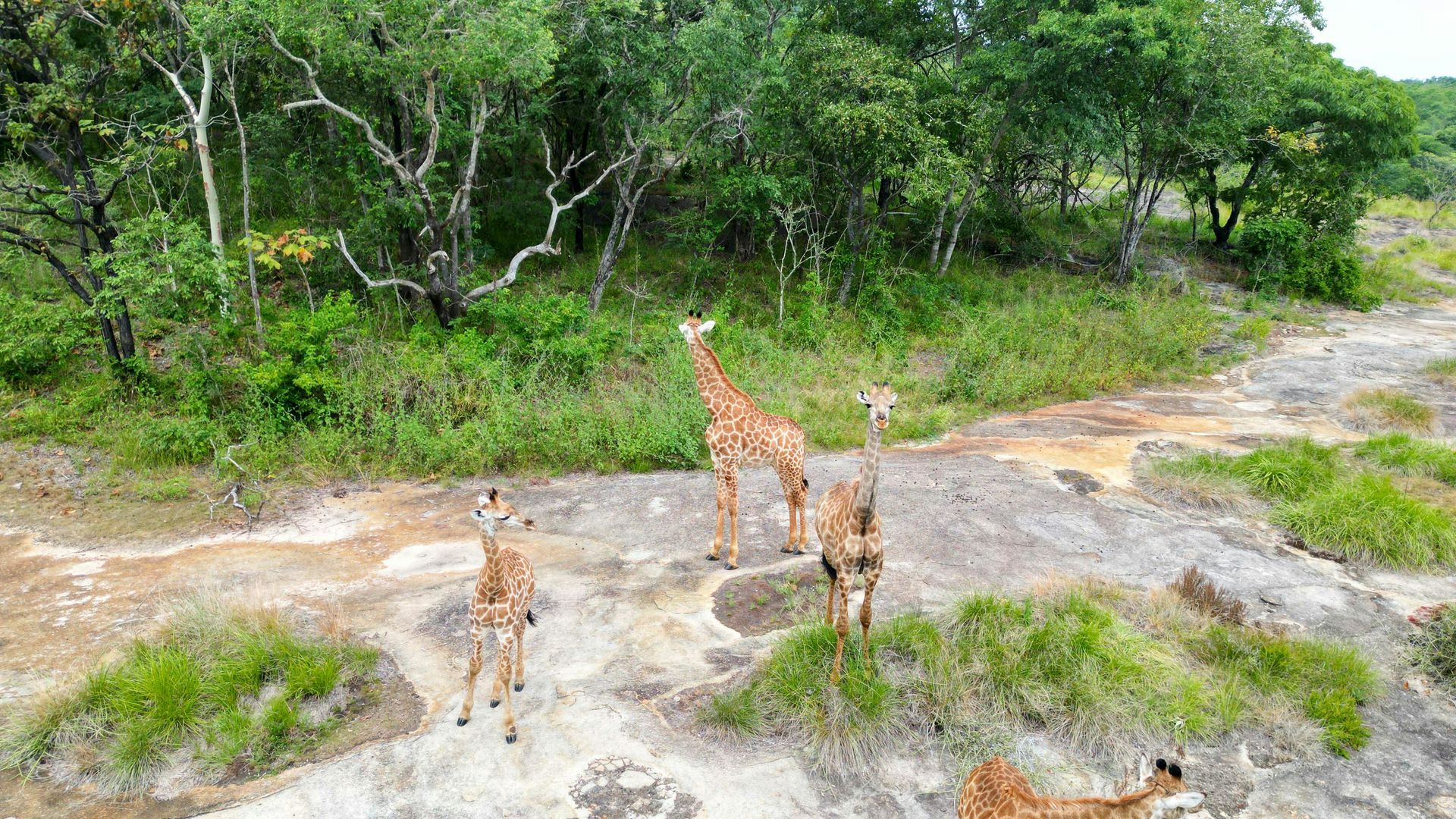
The same principle applies on safari. In places like Gorongosa, guests are not exploring alone. They are moving through a managed conservation area with trained guides, clear protocols, and a tourism model built around expert supervision. Safety is embedded in how the experience is delivered, not bolted on afterward.
Gorongosa National Park safety guide.
This is why Mozambique often works so well for travelers who want somewhere that feels wild and beautiful but still functions within a reliable support structure. The destination may feel remote, but the experience does not have to feel exposed.
Safety in Mozambique’s Most Popular Tourist Areas
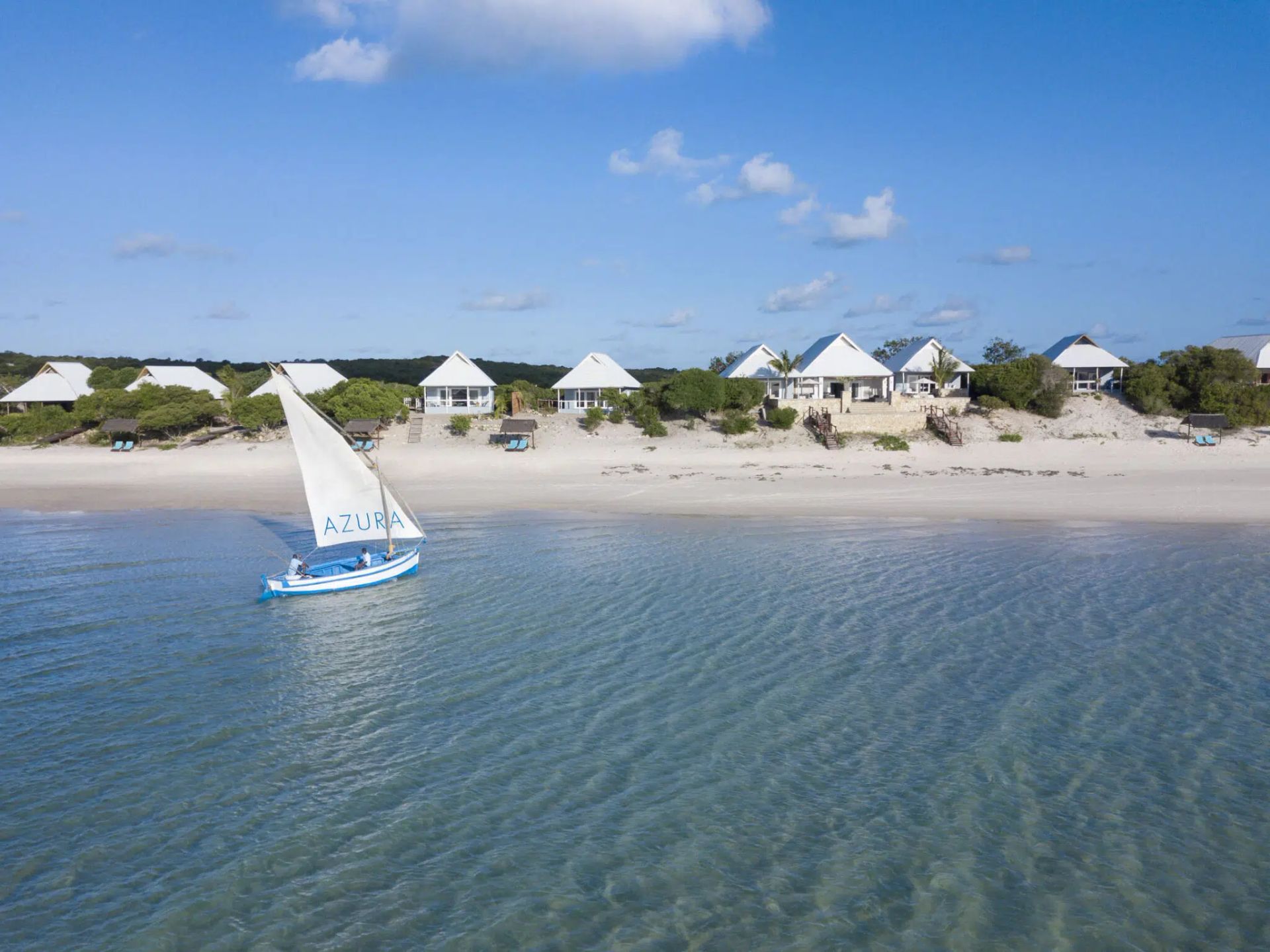
Travellers heading to Mozambique’s high demand holiday regions experience calm, controlled and visitor friendly environments due to professional lodge oversight and strong local hospitality.
- Bazaruto Archipelago remains one of the safest regions due to limited access and controlled island environments
- Benguerra Island provides secluded beaches and attentive resort teams, ideal for couples and families
- Vilanculos continues to offer an established tourism economy, reliable operators and well managed beaches
- Tofo and Barra maintain strong reputations as safe coastal hubs with active dive communities
- Santa Maria Peninsula and Machangulo offer peaceful, quiet settings ideal for relaxed holidays
- Maputo city hotels operate within secure zones with professional security teams
- Gorongosa National Park delivers highly structured safari experiences with expert guides
Travellers staying within recognised tourism areas experience low risk and high service standards.
Where Travel in Mozambique Can Go Wrong
Most travel problems in Mozambique do not come from dramatic external threats. They come from weak planning. This is where a lot of independent travelers misread the destination. The mistakes are usually practical rather than dangerous in the obvious sense, but they can quickly turn a good holiday into a stressful one.
Trips start to unravel when people try to fit too many stops into one itinerary, assume transfer times are shorter than they are, or book accommodation without fully understanding how access works. A beach lodge may require a flight and a boat transfer. A safari stop may need an overnight connection. A route that looks simple on paper may involve several moving parts that only work if timings are realistic.
Another common problem is choosing the wrong destination for the traveler type. A couple looking for a seamless luxury beach break may accidentally book somewhere better suited to backpackers. A family might underestimate how tiring a long overland transfer becomes with children. A first-time Africa traveler may try to self-drive when a fly-in or fully arranged option would be far more sensible, and read about
self-drive safety in Mozambique here.
These are not reasons to avoid Mozambique. They are reasons to respect the logistics. The destination rewards good sequencing, appropriate routing, and specialist input. The more ambitious the trip, the more important that becomes.
The Difference Between a Well-Planned Trip and an Exposed One
Mozambique is one of those destinations where the structure of the holiday often determines how safe and easy it feels. A well-planned trip flows logically. Flights connect properly. Transfers are timed with enough flexibility to handle delays. Overnight stops are chosen with access in mind, not just aesthetics. Guests know who is meeting them, where they are going next, and what support exists if something changes.
An exposed trip looks very different. There may be too many transition points, unclear responsibility for transfers, unrealistic assumptions about road travel, or a mismatch between expectations and the actual destination style. Even when nothing major goes wrong, that kind of travel increases stress and reduces confidence, especially for families, older travelers, or first-time visitors to Southern Africa.
This is where Mozambique specialists make such a difference. They do not just recommend lodges. They build itineraries that remove avoidable friction. They understand seasonality, domestic flight patterns, distance, access, and which combinations genuinely work. For a destination like Mozambique, that expertise is not a luxury extra. It is part of the safety equation itself.
Mozambique for Different Travel Styles and Expectations
Mozambique is not a one-size-fits-all destination, and that is one of the reasons it performs so well for the right traveler. Safety and comfort are closely linked to how well the destination matches expectations. When that alignment is correct, Mozambique feels easy, calm, and highly rewarding.
For beach-focused travelers, particularly those heading to Vilanculos and the Bazaruto Archipelago, the experience is structured, scenic, and low stress. These regions are ideal for first-time visitors, couples, and families looking for a controlled environment with strong hospitality and reliable logistics. The combination of managed transfers, lodge-based living, and guided marine activities creates a naturally secure travel experience.
Safari travelers heading to Gorongosa or combining Mozambique with South Africa’s Kruger National Park benefit from a similarly structured approach. Game drives, park access, and lodge operations are all managed by trained teams, meaning guests are not navigating wildlife areas independently. This is one of the key reasons why safari travel in Mozambique feels safe despite being in remote, wild environments.
For more independent travelers, destinations such as Tofo and Barra offer a different experience. These areas are still popular and welcoming but require slightly more awareness in terms of accommodation choice, movement, and activity planning. They suit travelers who are comfortable with a more flexible, less structured environment.
Travel Safety for Families, Couples, and Solo Travelers
Mozambique performs particularly well across different traveler types because of its low-density tourism model and lodge-based structure. Families often find it easier than expected, especially when itineraries are built around one or two accessible destinations rather than complex multi-stop routes.
Island lodges and beach resorts are especially well suited to families. Children can move freely in contained environments, activities are guided, and staff are used to hosting multi-generational groups. Calm bays, predictable conditions, and attentive service all contribute to a reassuring travel experience for parents.
Family travel safety in Mozambique.
Couples and honeymoon travelers benefit from privacy, space, and minimal external interaction. This reduces many of the variables that create stress in busier destinations. Transfers are pre-arranged, accommodation is self-contained, and daily activities are optional rather than overwhelming.
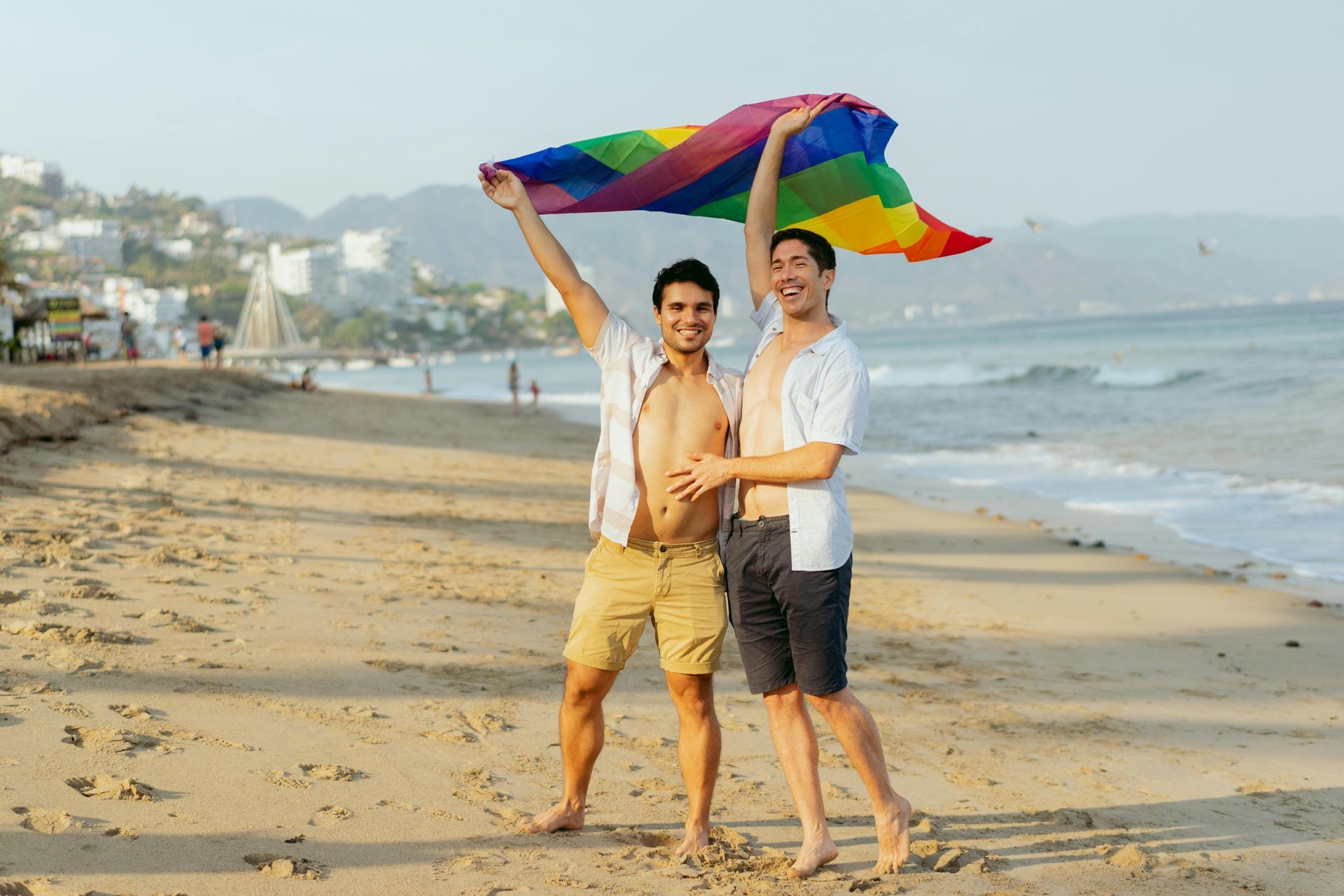
Solo travelers and LGBTQ travelers generally experience Mozambique without difficulty when focusing on established tourism areas. The key is discretion outside lodge environments and choosing destinations where international travel is common. In these settings, the experience is relaxed, welcoming, and supported by hospitality teams who are used to diverse guest profiles.
Cross-Border Travel: Kruger and Mozambique Combinations
One of the most popular travel patterns in Southern Africa is combining a safari in South Africa’s Kruger National Park with a beach extension in Mozambique. This route is not only highly rewarding but also safe when structured correctly.
The transition between countries is usually handled through flights or well-managed road transfers, depending on the itinerary. When planned properly, border crossings are straightforward, and onward travel is coordinated to avoid unnecessary waiting or confusion. The key risk factor here is poor timing, not the route itself.
Travelers who attempt to build these combinations independently often underestimate distances, border procedures, and connection times. In contrast, a specialist-arranged itinerary aligns each stage so that the journey flows smoothly from safari to beach. This is where Mozambique Travel’s experience becomes particularly valuable, ensuring that both sides of the trip work together seamlessly.
This cross-border continuity is also one of the reasons why modern travel safety solutions, including apps and coordinated support systems, are becoming increasingly important for travelers moving between South Africa and Mozambique.
Kruger and Mozambique travel safety.
Transport Reality: Why Simplicity Improves Safety
Transport remains one of the most misunderstood aspects of travel in Mozambique. The safest trips are not the most ambitious ones. They are the ones that are simple, logical, and well sequenced.
Flights into Vilanculos or Maputo provide the most reliable access points, reducing the need for long road transfers. From there, lodge transfers, whether by boat, vehicle, or helicopter, are handled by experienced teams who understand local conditions. This significantly reduces risk compared to attempting complex overland routes without local knowledge.
Self-drive travel is possible but should be approached with caution. Road conditions vary, signage is inconsistent, and driving standards can differ from what many international travelers are used to. For most visitors, especially those on holiday rather than expedition-style travel, guided transfers or fly-in itineraries remain the safer and more efficient choice.
The principle is simple. The fewer moving parts in your itinerary, the safer and more enjoyable the experience becomes.
General Safety Tips for Travellers in 2026
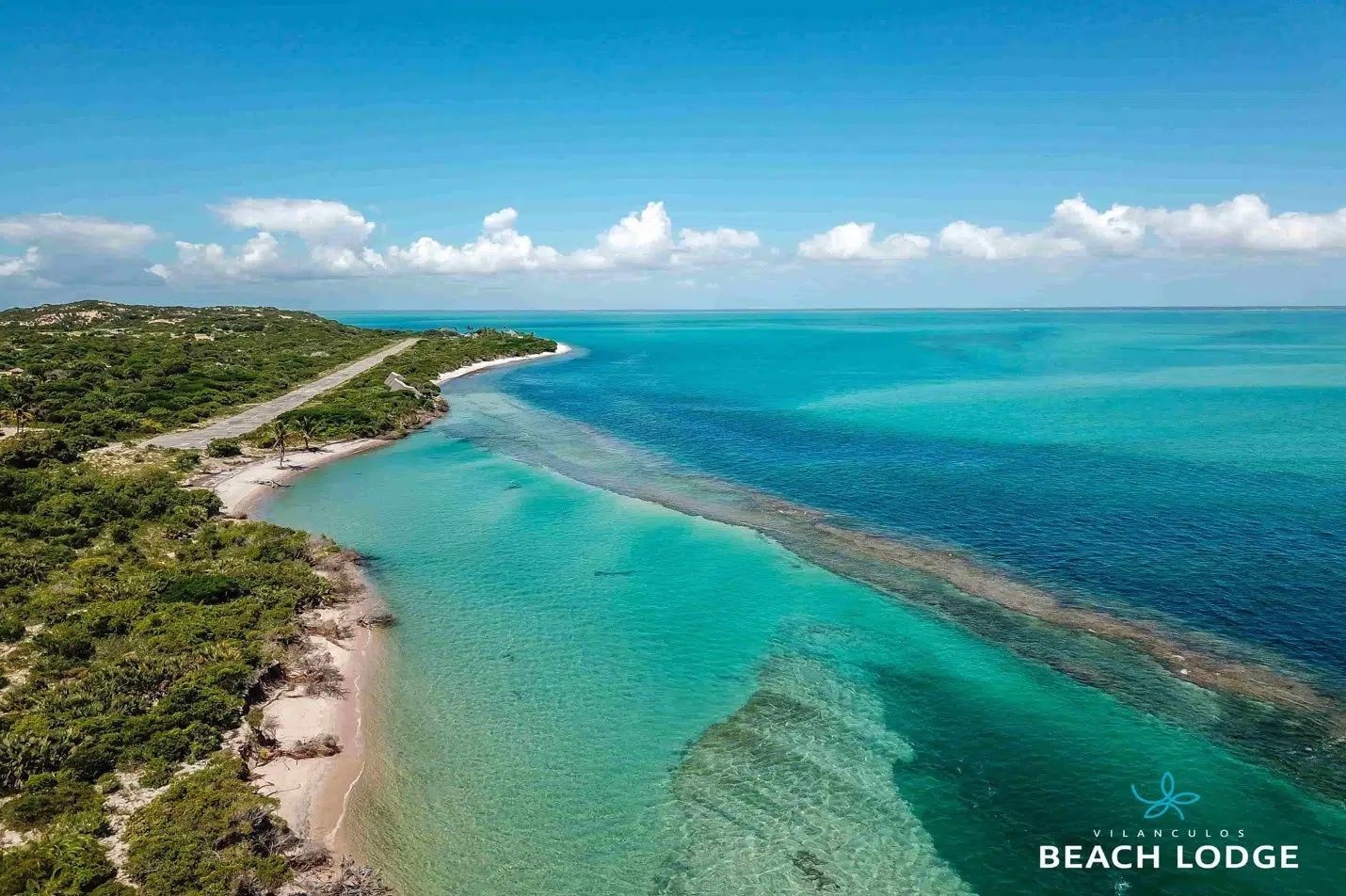
Staying within well established tourism zones greatly reduces risk and ensures a smooth holiday.
- Use reputable operators for transfers and activities
- Follow lodge or hotel safety briefings
- Store passports and valuables securely
- Use common awareness around markets and busy streets
- Keep local currency or cards accessible for small purchases
- Book activities through recognised lodges rather than informal vendors
Travellers visiting Mozambique in 2026 benefit from simple guidelines, including understanding malaria risk and prevention guidance before travel.
Regional Awareness Without Overreaction
Mozambique is a large country with regional differences that matter, but these should be understood in context. The majority of tourism takes place in southern and central regions that are stable, well supported, and far removed from areas that occasionally appear in international news.
Cabo Delgado province, in the far north, is not part of mainstream tourism routes and is easily avoided through normal itinerary planning. Popular destinations such as Vilanculos, Inhambane, Tofo, Barra, Santa Maria, Machangulo, and Gorongosa operate independently from these regions and continue to receive international visitors without disruption.
The mistake many travelers make is assuming that isolated regional issues apply to the entire country. In reality, Mozambique’s tourism map is clearly defined. When you stay within established routes, you are traveling in areas that are designed to host visitors safely and consistently.
See the UK Government latest Mozambique travel advisory.
Do You Need a Travel Safety App in Mozambique?
Travel safety apps have become an essential part of modern travel, especially in destinations like Mozambique where journeys often involve multiple stages and remote locations. Using a platform like TravelSafe SOS gives travelers immediate access to coordinated emergency support Whether you are on a beach in Vilanculos, exploring Gorongosa, or transferring between lodges, the app connects you to a central response team who can assist with medical, logistical, or security situations in real time.
This is particularly valuable for families, solo travelers, and multi-country trips that include South Africa and Mozambique, where consistent cross-border coverage provides added peace of mind throughout the entire journey. This becomes especially important in destinations like Mozambique, where professional support is not always immediately visible but can be critical when needed.
Plan Your Mozambique Travel with Confidence
Mozambique is not a destination that rewards guesswork, but it is one that delivers exceptional experiences when planned correctly. The difference between uncertainty and confidence comes down to understanding how the country works and structuring your itinerary accordingly.
Mozambique Travel has been arranging holidays across the country for more than 20 years, working with trusted lodges, transport providers, and local teams who understand what makes a trip run smoothly. From beach escapes in the Bazaruto Archipelago to safari combinations with Kruger and Gorongosa, every itinerary is built around what works on the ground. Most travel issues in Mozambique come down to planning, not safety.
If you want to experience Mozambique without the stress of managing logistics yourself, the best approach is to work with a specialist who can guide your route, simplify your travel, and ensure that every stage of your journey is supported. That is how Mozambique shifts from a perceived risk to one of the most rewarding and enjoyable destinations in Africa.
Featured Packages
Frequently Asked Questions
Is Vilanculos safe for tourists in 2026
Some perceptions of Mozambique come from outdated information or confusion between regions. Issues in remote northern areas are often incorrectly applied to popular beach and safari destinations in the south. In reality, most travelers visit well-established tourism areas that operate independently from these concerns and offer safe, structured travel environments.
Are Mozambique’s islands safe for visitors
Yes, Mozambique’s islands are considered extremely safe for visitors. Access is limited to scheduled flights and boats, and accommodation is operated by professional lodge teams with strong safety protocols. Marine activities such as snorkelling, diving, and boating are guided and regulated. The controlled nature of island travel, combined with low visitor density, creates a secure and relaxed environment ideal for couples, families, and first-time visitors.
What makes Mozambique feel safe once you arrive?
Mozambique feels safe because most travel is structured around lodges, guided activities, and pre-arranged transfers. Visitors are rarely navigating unknown systems on their own. The combination of low visitor density, attentive service, and controlled environments creates a relaxed and manageable travel experience for most tourists.
Is Mozambique difficult to travel around?
Mozambique can feel difficult if trips are poorly planned, particularly when distances and logistics are underestimated. However, when flights, transfers, and accommodation are aligned correctly, travel becomes straightforward. The key is simplicity. Fewer stops, better routing, and realistic timing make a significant difference to the overall experience.
Is Mozambique safe for family holidays
Yes, Mozambique is highly suitable for family holidays. Calm beaches, warm shallow waters, and lodge-based accommodation create a safe environment for children. Resorts are accustomed to hosting families and offer guided activities, flexible dining, and attentive staff. Families benefit from private transfers, controlled excursions, and accommodation designed for space and comfort, making travel relaxed and secure for all age groups.
What type of traveler enjoys Mozambique the most?
Mozambique is best suited to travelers who value space, natural beauty, and a slower pace of travel. It works especially well for couples, families, and safari and beach combinations. Travelers expecting highly structured, fast-moving itineraries may find it challenging unless their trip is carefully planned by a specialist.
Is Mozambique safer than people expect?
Yes, many travelers find Mozambique to be safer and easier than they expected. This is largely because their experience is centered around managed environments rather than public infrastructure. Once on the ground, most visitors feel relaxed and supported, particularly when traveling through established tourism regions.
What is the biggest mistake travelers make in Mozambique?
The biggest mistake is overcomplicating the itinerary. Trying to visit too many destinations or underestimating travel time creates unnecessary stress. Mozambique rewards simple, well-structured trips. Focusing on one or two key regions with proper planning leads to a much safer and more enjoyable experience.
SHARE THIS POST
Are You Ready FOr Mozambique?
Page through our packages and find the offer right for you!
Ready to Speak to a Mozambique Travel Expert?
Get In Touch and Ask for a Call-Back Today
Latest Posts