

Gorongosa Biodiversity Research 2026, Inside Africa’s Most Ambitious Living Laboratory
By Mozambique Travel • January 5, 2026
Gorongosa Biodiversity Research 2026, Inside Africa’s Most Ambitious Living Laboratory
Gorongosa National Park has become one of the most important conservation and research destinations in Africa. After years of restoration and community partnership, the park now thrives as a living laboratory where scientists, ecologists, students, and field experts study one of the world’s most successful ecosystem recoveries.
Gorongosa Biodiversity Research in 2026 is defined by sophisticated monitoring technology, wildlife reintroduction programs, rainforest rehabilitation, and long term ecological projects that shape the future of conservation in Southern Africa. The park’s ability to integrate science, tourism, and community development makes it both a model for global restoration and a compelling travel destination for visitors seeking depth and meaning in their journeys.
Why Gorongosa Has Become a Global Research Leader
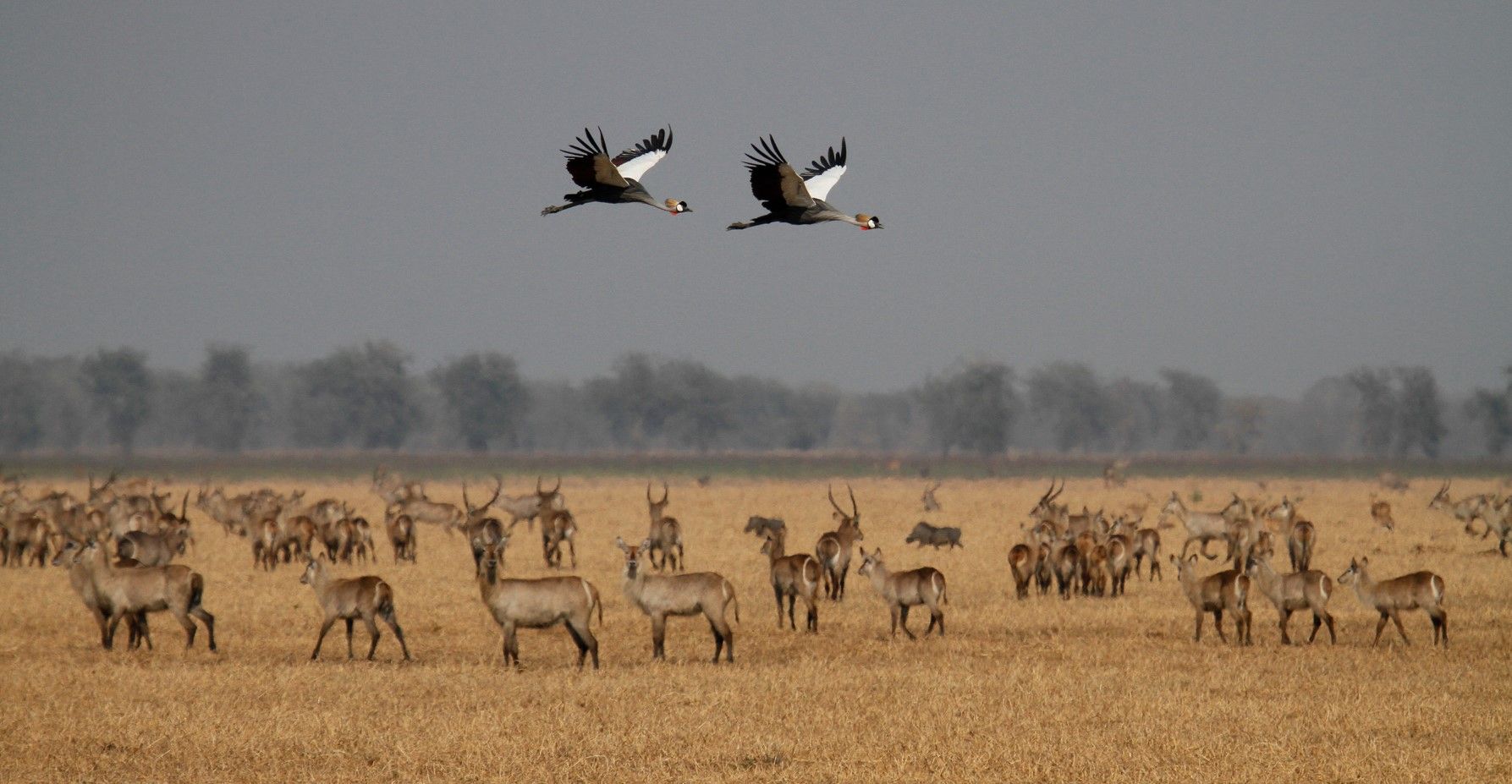
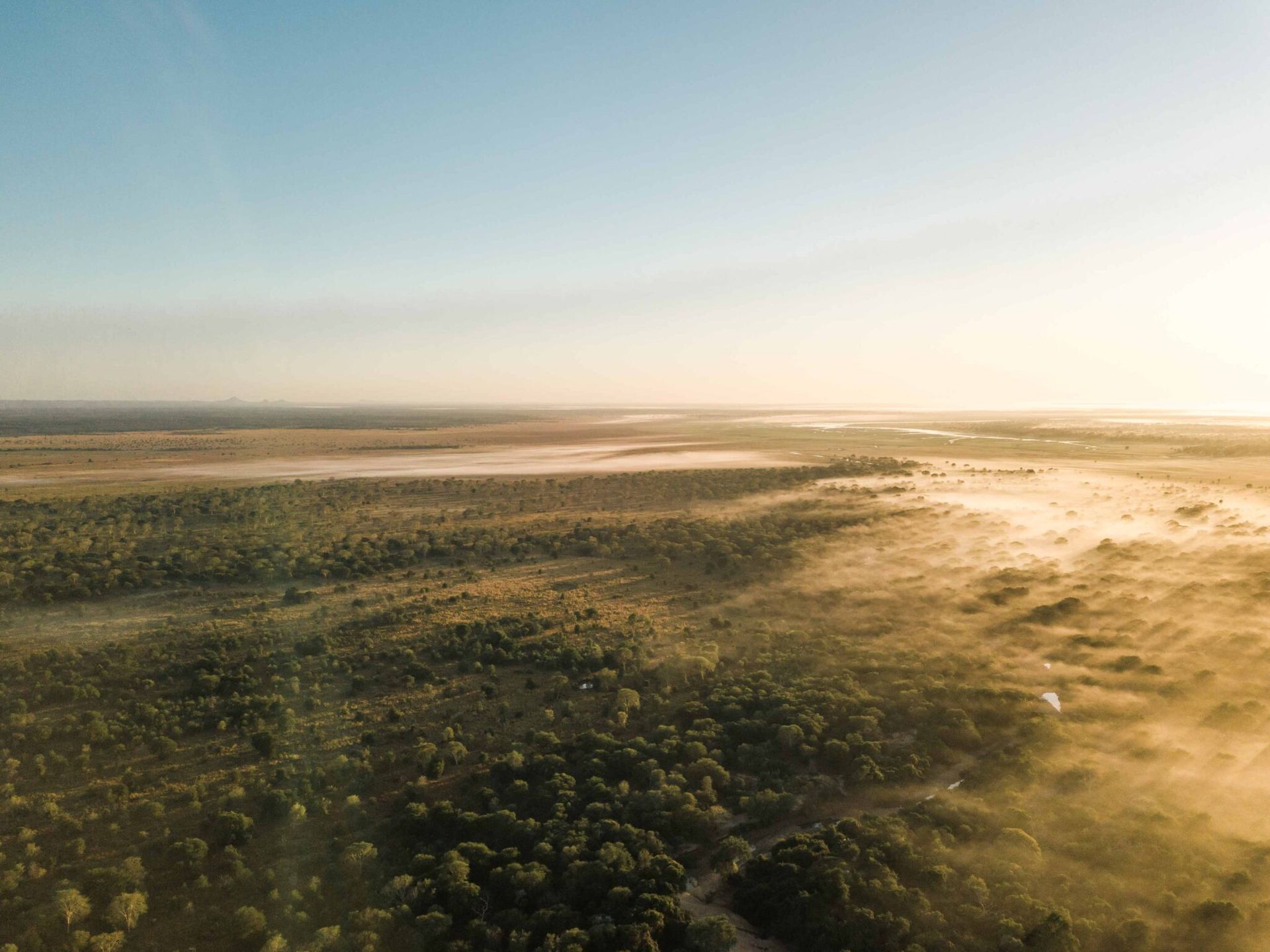
Gorongosa’s unique recovery offers scientists a rare opportunity to study how ecosystems rebuild after conflict and collapse. Few national parks have experienced such a dramatic loss and revival, which makes the restoration process scientifically invaluable. Researchers can observe how predators reclaim territories, how herbivores distribute themselves as vegetation improves, and how landscapes return to balance once key species are reintroduced. Gorongosa’s mix of floodplains, savannas, wetlands, miombo woodlands, and the rainforest on Mount Gorongosa creates one of the most ecologically diverse regions in Mozambique.
This variety attracts experts focused on everything from large carnivores to butterflies, amphibians, and pollinators. Partnerships with universities and conservation institutions add layers of expertise that strengthen long term scientific output.
Technology Driving Modern Conservation
The use of modern technology sets Gorongosa apart from many African parks. Camera trap grids collect images day and night, recording elusive species and documenting population trends. GPS collars placed on elephants, lions, and other key species allow researchers to map movements, avoid conflict zones, and understand how animals use different habitats. Drones survey terrain, detect vegetation changes, and help assess fire patterns after controlled burns. Acoustic sensors capture bird calls, frog activity, and insect soundscapes, generating long term ecological datasets that influence management decisions.
Environmental monitoring systems track rainfall levels, soil moisture, and seasonal flooding, giving scientists a clearer understanding of hydrology in a park shaped by water. These technologies create a detailed picture that supports restoration planning.
Wildlife Research and Species Recovery
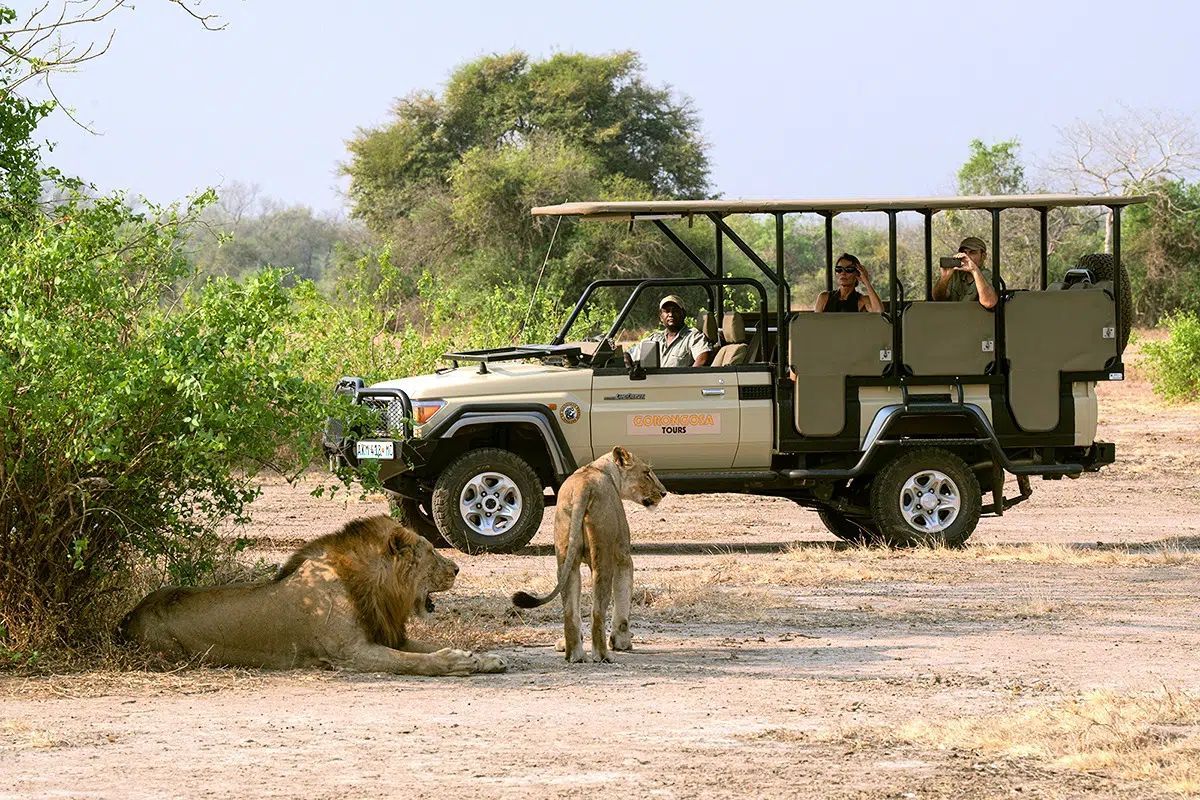
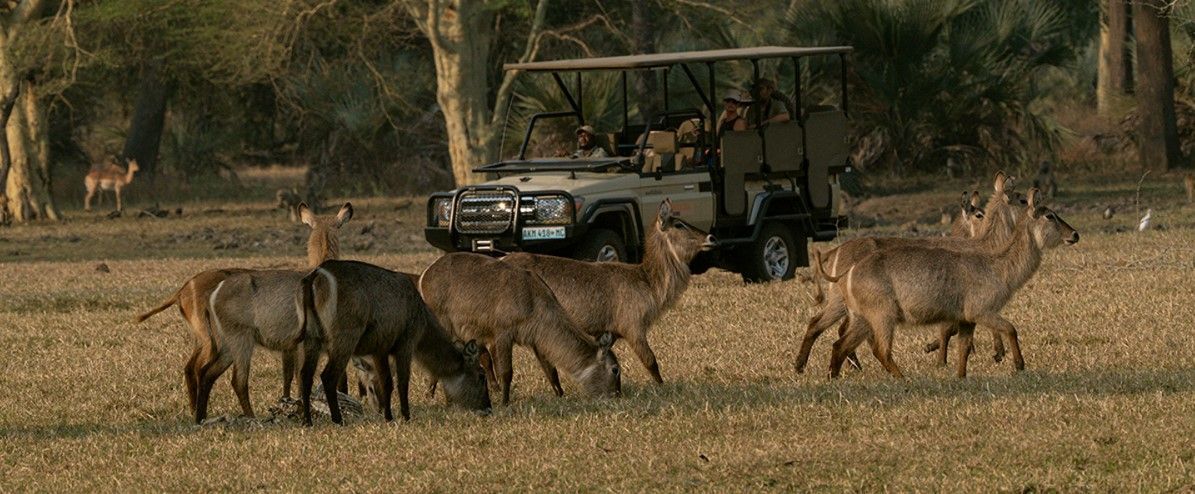
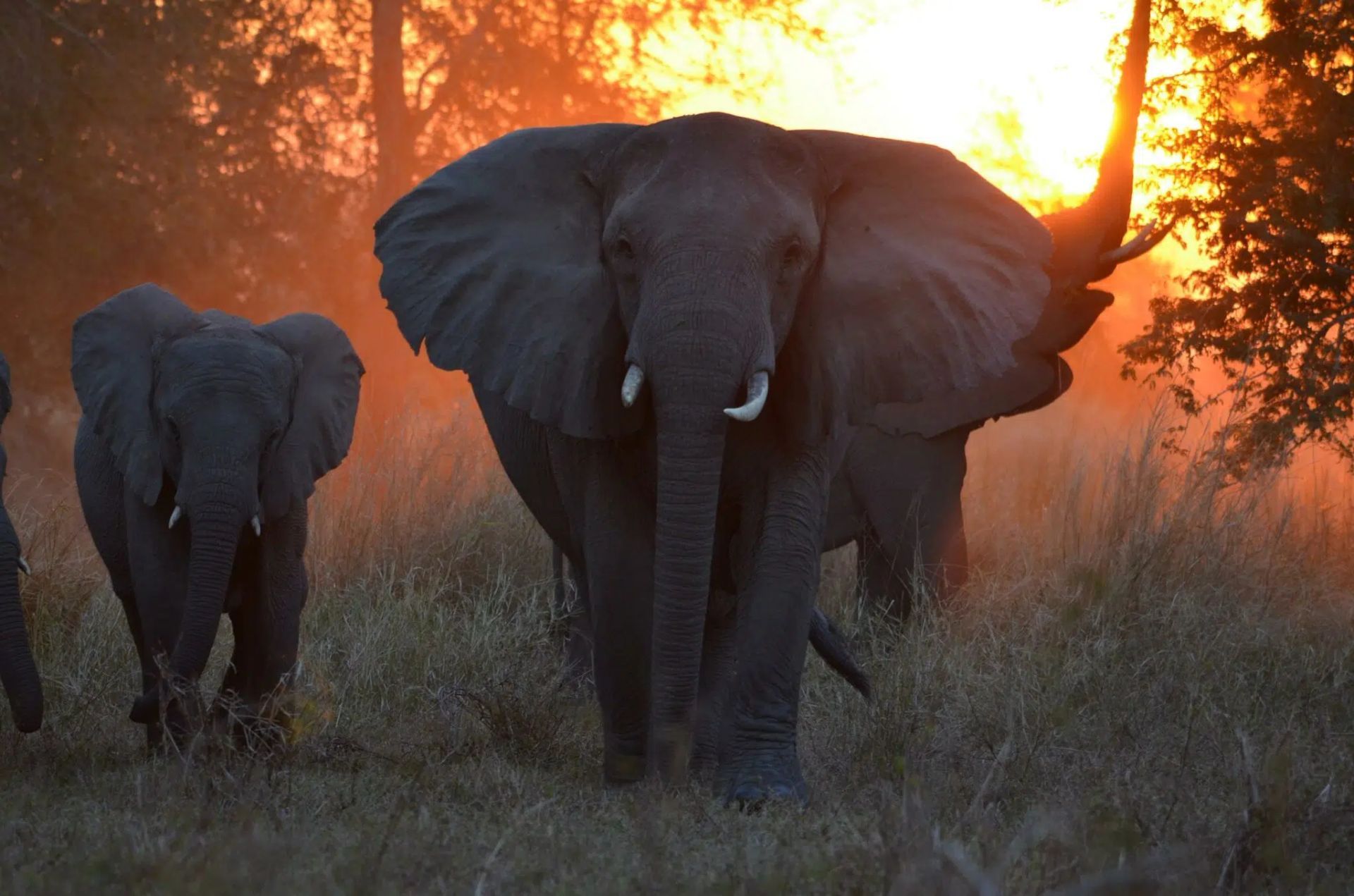
Research teams in Gorongosa focus on understanding species behaviour as the ecosystem rebuilds. Antelope studies help determine how prey populations respond to improved vegetation cover and reduced hunting pressure. Lion researchers monitor prides, study cub survival, and examine how predator numbers influence the balance of herbivores. Elephant researchers track herds to measure their impact on woodland regeneration and grassland structure. Even small species play a major role. Bird ringing programs provide insight into migration and breeding success. Amphibian and insect surveys measure habitat health. Butterfly diversity helps researchers understand vegetation recovery. Each species contributes to the broader ecological puzzle, and these findings guide restoration strategies that strengthen resilience in the face of climate change.
The Scientific Value of Mount Gorongosa
Mount Gorongosa is central to the park’s ecological and scientific success. The rainforest on the mountain feeds the rivers and streams that flow into the vast floodplains below. Researchers study endemic plant species, rare amphibians, orchid ecosystems, montane insects, and high altitude birdlife. Restoration teams work to protect the watershed while collaborating with local farmers who participate in sustainable agriculture and coffee projects. These community run initiatives reduce pressure on forest resources and support agroforestry research. The mountain’s ecological stability influences the entire park, making it a critical area for long term biodiversity studies. Scientists who work on Mount Gorongosa often describe it as a microcosm of resilience and regeneration.
Community Participation in Science
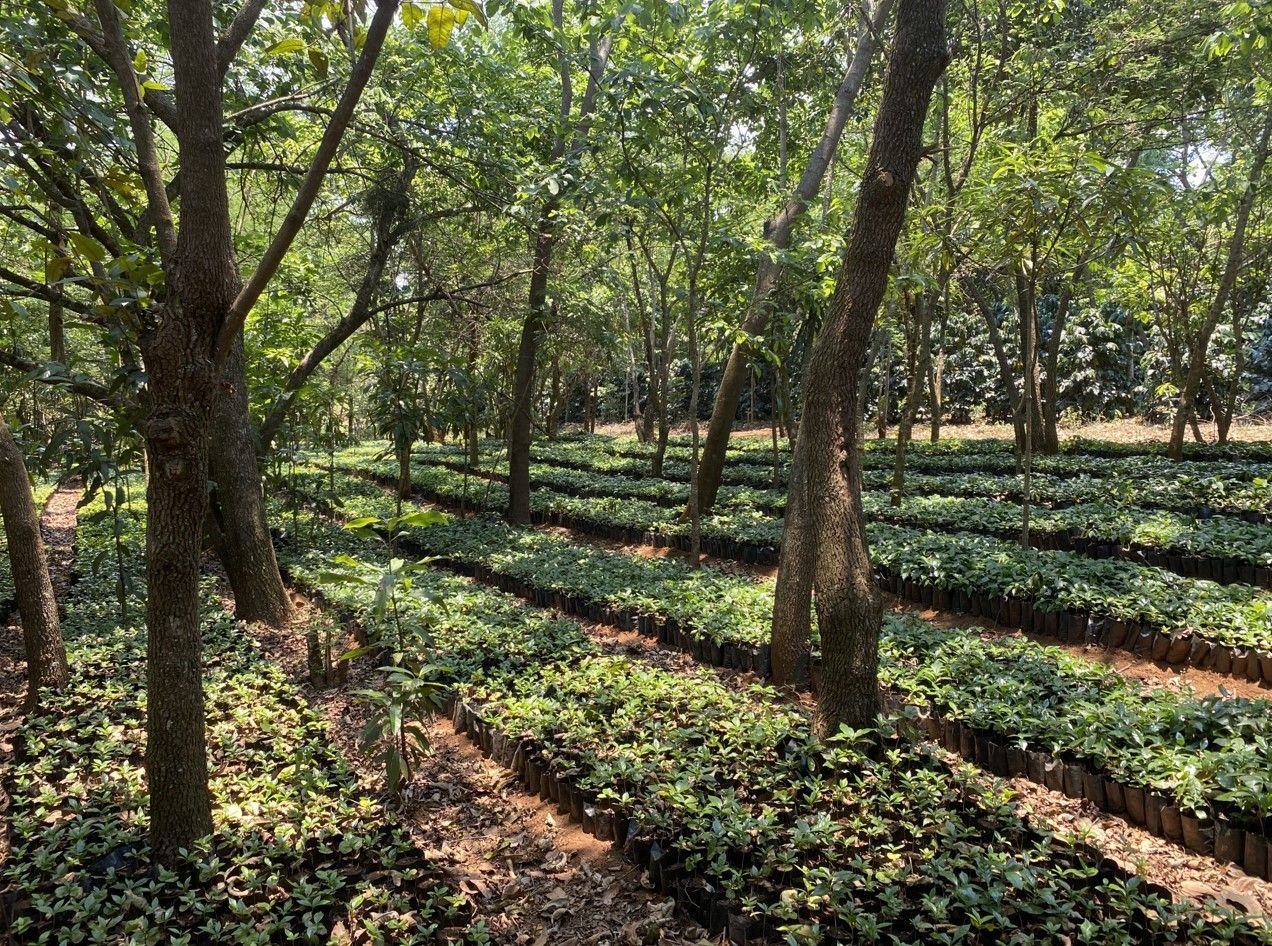
One of the most unique aspects of Gorongosa Biodiversity Research is the involvement of local communities. Residents living around the park participate in data collection, wildlife monitoring, and habitat restoration. Women’s groups manage nurseries that produce seedlings for reforestation projects. Youth training programs prepare students for careers in conservation, introducing them to fieldwork, species identification, and ecological survey techniques. Farmers work with scientists to implement sustainable methods that reduce environmental pressure while improving food security. These partnerships help build local stewardship and ensure that conservation efforts are grounded in cultural understanding and shared responsibility.
Tourism as a Partner in Conservation
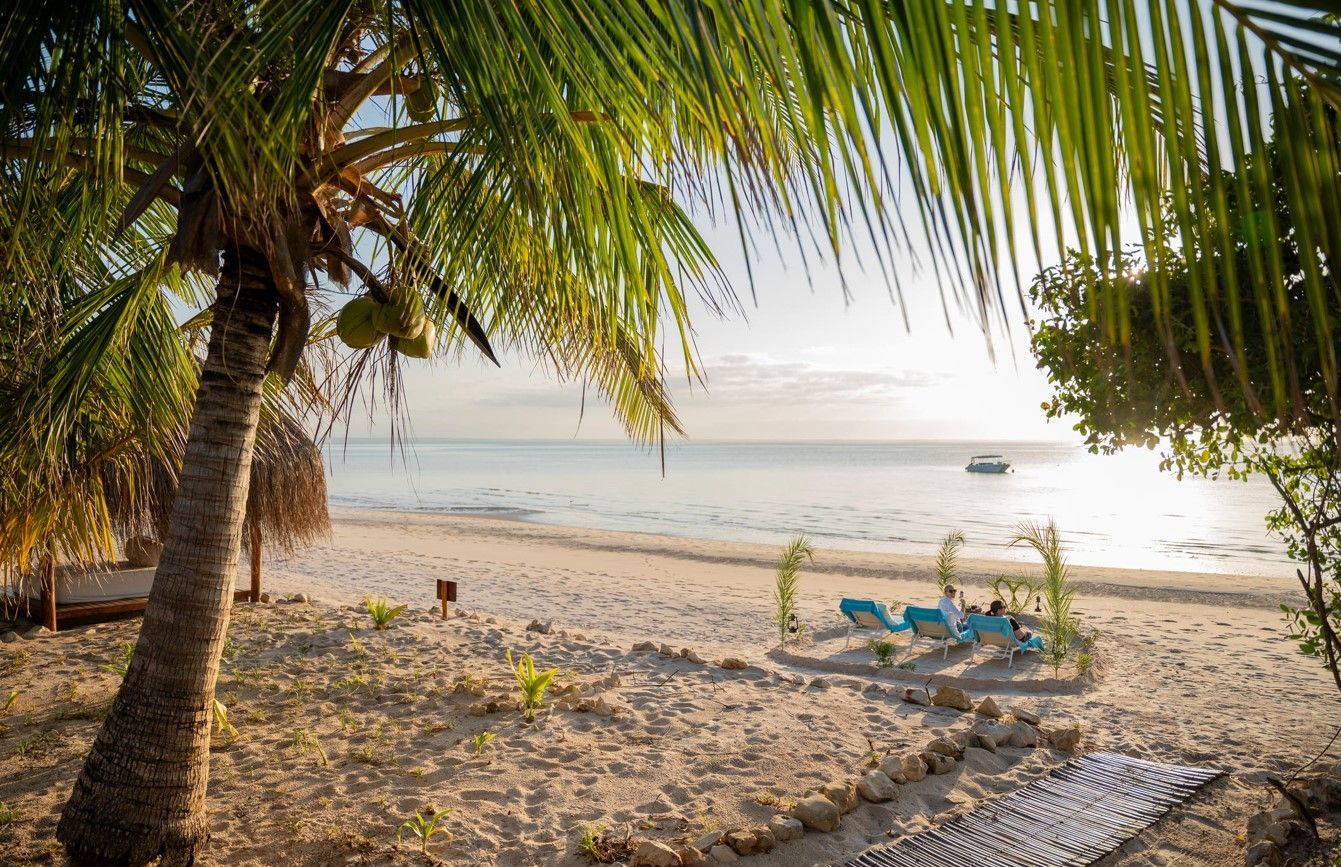
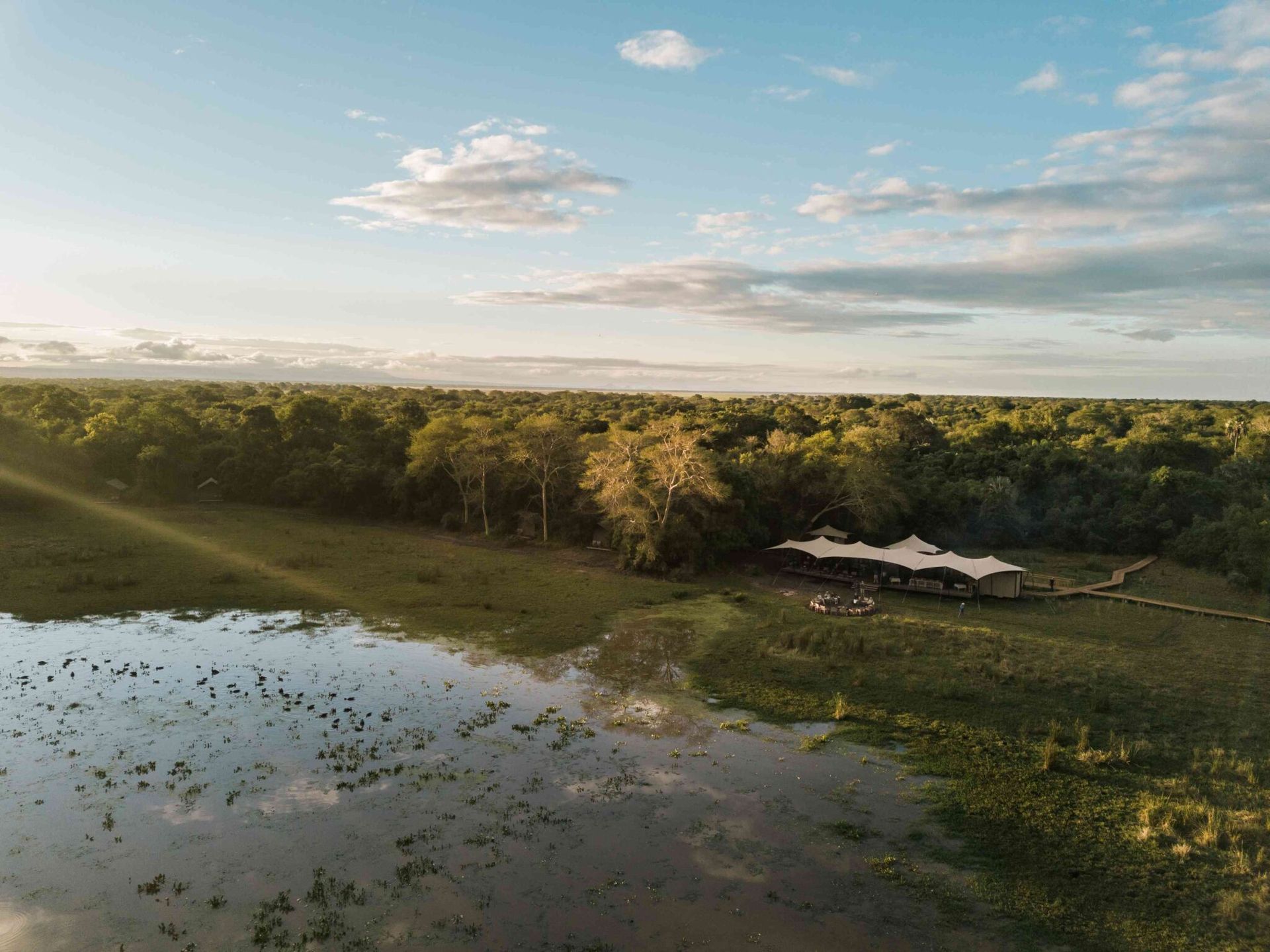
Research and tourism operate hand in hand in Gorongosa. Visitors often encounter researchers in the field, observe scientific projects, and learn about ecological indicators that shape restoration. Guides share updates about predator movements, elephant studies, bird surveys, and botanical findings. Some camps offer guest experiences such as bird ringing mornings, guided ecology walks, or interpretive talks led by research staff. Tourism revenue supports conservation projects, community programs, and long term scientific work. For travellers, this connection creates a deeper understanding of the park’s purpose and adds meaning to wildlife experiences. Many visitors choose to extend their journey with a beach stay, pairing Gorongosa’s unique science based safari with the coastline of Mozambique.
How to Plan a Science Focused Gorongosa Trip in 2026
A visit focused on science is best planned during the dry season when access to the floodplains improves and researchers conduct long term surveys. The early hours of the morning offer opportunities to witness field teams deploying equipment or recording wildlife data. Travellers looking for rainforest and botanical studies may focus their time on Mount Gorongosa, while those interested in predators and large mammals can spend more time on the plains. Planning a combination of safari and coastal relaxation continues to appeal to travellers entering Mozambique for a balanced and rewarding experience.
Gorongosa’s blend of science and wilderness makes it a perfect destination for those seeking deeper purpose in their travels.
Plan a Conservation Journey with Mozambique Specialists
If you want a safari that contributes to real scientific impact, our team can design a Gorongosa itinerary that brings you closer to the research shaping the park’s future. With more than 20 years of experience planning Mozambique holidays, we understand the research calendar, the best wildlife seasons, and how to combine
Gorongosa with the beaches of Mozambique for a complete journey. Speak to our Mozambique Travel experts and let us design a responsible and inspiring holiday for 2026 that supports conservation while giving you an unforgettable experience in one of Africa’s most remarkable parks.
Featured Packages
Mozambique Culture Safari and Beach Package 2026
Five-Night Gorongosa Safari Explorer
Chicari Camp Five-Night Safari From Johannesburg
Frequently Asked Questions
What makes Gorongosa biodiversity research globally significant in 2026?
Gorongosa is one of the only ecosystems where scientists can study full scale ecological recovery after extreme wildlife loss. The restoration process offers insight into species recolonisation, habitat regeneration, and predator prey relationships as they stabilise. The park combines floodplains, savannas, wetlands, and a montane rainforest, giving researchers a rare platform for multidisciplinary studies. These conditions make the park globally significant and highly valuable for long term conservation science.
How has technology improved biodiversity monitoring in Gorongosa?
Technology enhances accuracy, speeds up data collection, and improves long term monitoring. GPS collars show how elephants and lions navigate the landscape, while camera traps capture images of nocturnal species and rare carnivores. Drones help researchers assess vegetation recovery and identify fire scars. Acoustic monitors record biodiversity soundscapes that reveal hidden patterns of birds, frogs, and insects. These tools build detailed datasets that guide restoration decisions.
Why is Mount Gorongosa central to biodiversity studies?
Mount Gorongosa is a rainforest watershed that feeds the water systems of the park. Its forests support endemic plants, specialized insects, amphibians, and unique bird species. Scientific teams study its hydrology, soil systems, and plant communities to understand how the mountain influences the entire park. Community supported agroforestry projects on the slopes also help researchers study sustainable farming, climate adaptation, and reforestation progress.
How do local communities contribute to scientific research?
Local residents assist with ecological surveys, camera trap monitoring, tree nursery management, and sustainable farming projects. Many community members participate in reforestation efforts that support the rainforest on Mount Gorongosa. Youth programs train future conservationists who learn practical skills in biodiversity tracking. This involvement ensures that conservation benefits local people and strengthens long term stewardship.
When is the best time for travellers to experience active research in Gorongosa?
The dry season is the most productive time for observing research activity because wildlife concentrates along water sources and road access improves. Researchers often conduct long term surveys during this period, and visitors may see scientists engaged in fieldwork. Those interested in botanical studies may choose the early rainy season when Mount Gorongosa’s forest is vibrant and rich in flowering plants.
How does tourism support biodiversity research in the park?
Tourism provides financial resources that help fund conservation programs, community projects, and scientific equipment. Guides share current research findings that enhance the wildlife experience for travellers. Some lodges offer educational activities or opportunities to observe field teams in action. By visiting the park, travellers indirectly support the scientific work that makes Gorongosa one of Africa’s most successful restoration stories.
SHARE THIS POST
Are You Ready FOr Mozambique?
Page through our packages and find the offer right for you!
Ready to Speak to a Mozambique Travel Expert?
Get In Touch and Ask for a Call-Back Today
Latest Posts