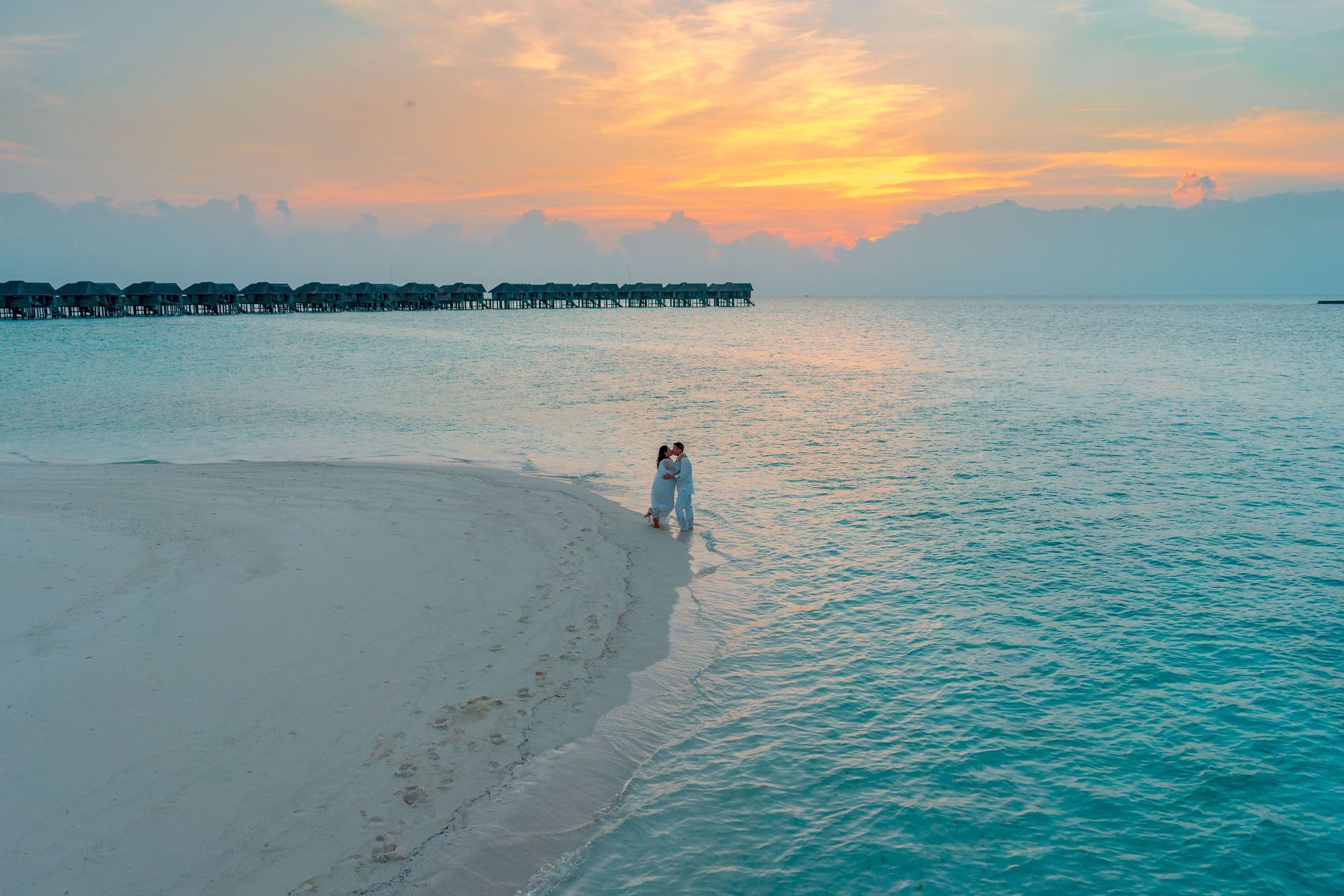


The New African Safari Routes for 2026: Remote, Crowd-Free, and Conservation Led
By Mozambique Travel • December 21, 2025
Why Safari Travel Is Evolving in 2026
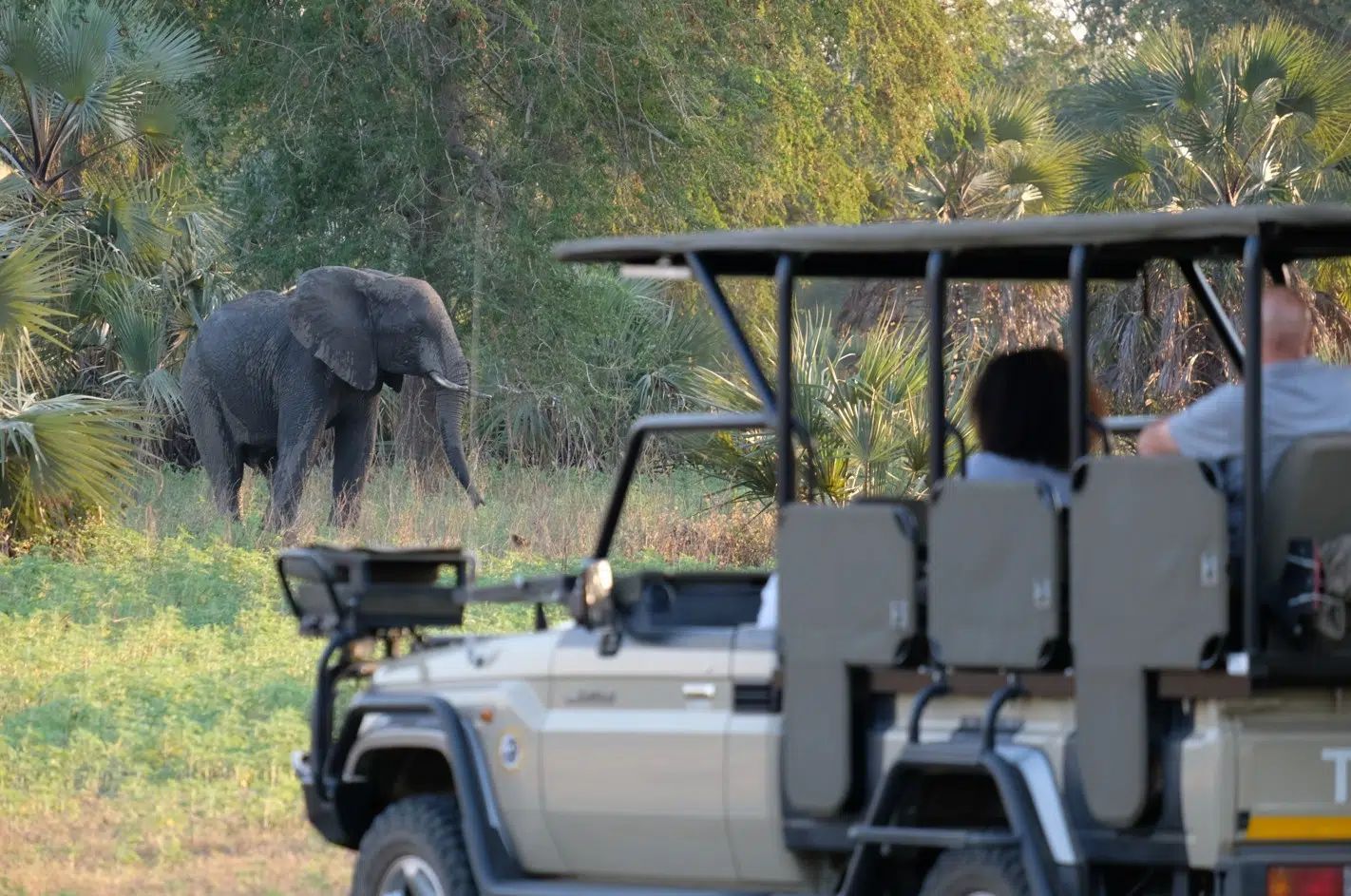
Safari travel in 2026 is shifting from “checklist” experiences toward deeper, more meaningful interactions with Africa’s wild places. Travellers are no longer satisfied with simply ticking boxes of animals seen; they want context, conservation impact, and routes that avoid crowds. The era of packed vehicle lines and over-visited hides is giving way to routes that feel intact, authentic, and intimately tied to local ecosystems.
Several factors are driving this change. First, increased awareness around overtourism has made travellers seek alternatives to classic circuits like the central Serengeti or the Okavango Delta during peak season.
Second, safari operators are innovating with new corridors and lesser-known parks that simultaneously reduce pressure on high volume areas and support conservation. Third, travellers today prioritise impact: they want the parks they visit to be places that benefit from their presence rather than suffer because of it.
These shifts have helped establish a new generation of African safari routes that are remote, crowd-free, and deeply linked to conservation goals. While destinations such as Kenya, Tanzania, Botswana, and South Africa remain foundational, new experiences are emerging across Eastern, Southern, and even Central Africa — and Mozambique is beginning to play a role in this broader transformation.
What Defines a Next Generation Safari Route
A next generation safari route in 2026 has three core characteristics:
- Remoteness: The destination feels far removed from high volume circuits, with few vehicles, quiet lodges, and landscapes that feel almost private.
- Low Crowds: Rather than dozens of vehicles at a sighting, these routes prioritise space. Fewer visitors mean calmer wildlife behaviour, more personalised guiding, and richer narratives.
- Conservation Alignment: Tourism revenue directly supports protection, community wellbeing, and scientific research. Travellers can see, feel, and understand their positive impact.
Rather than being defined by the number of Big Five sightings, this new safari model is defined by the quality of the experience and its connection to ecological resilience.
Gorongosa National Park: Ecosystem Renewal in Mozambique
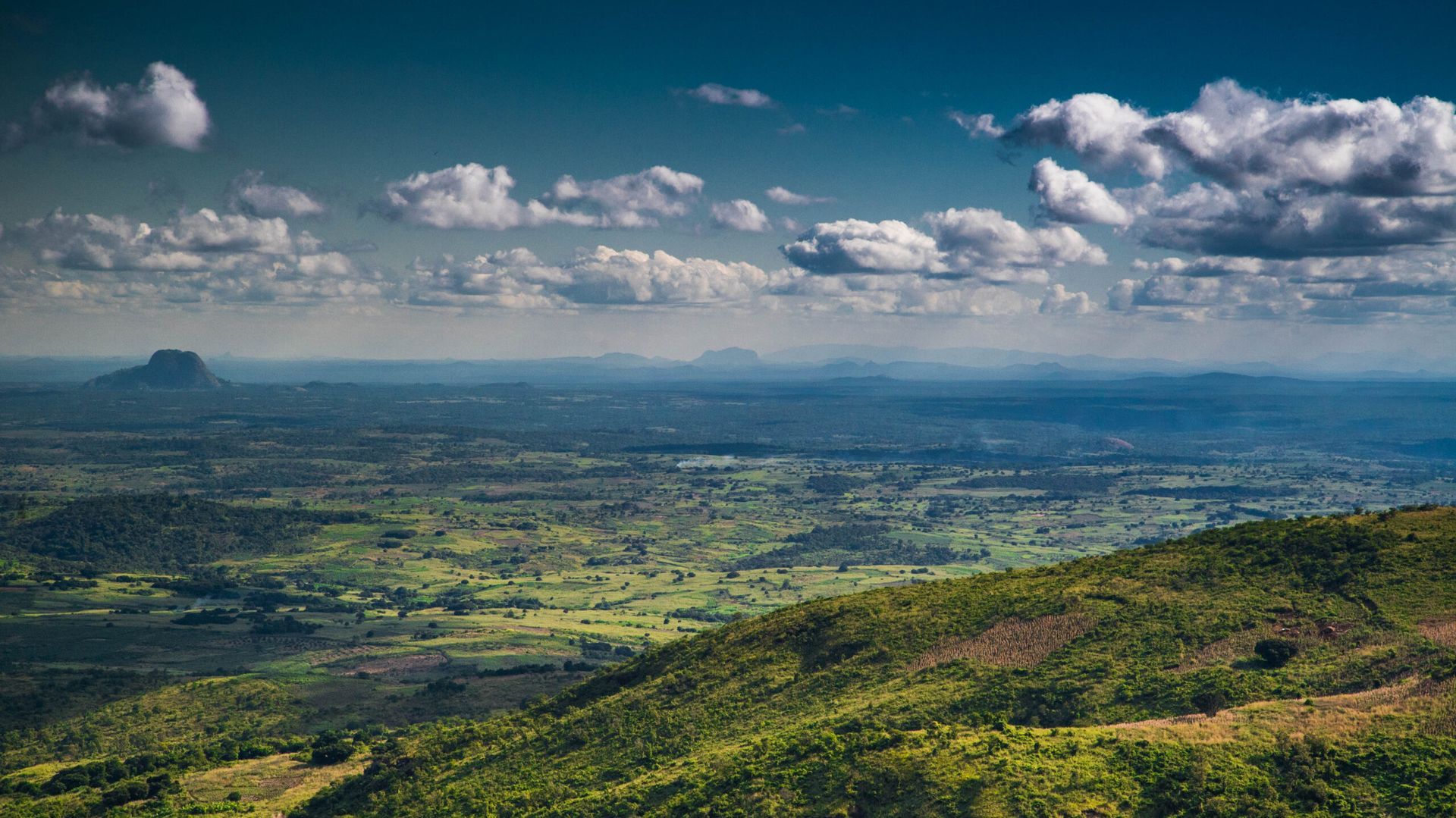
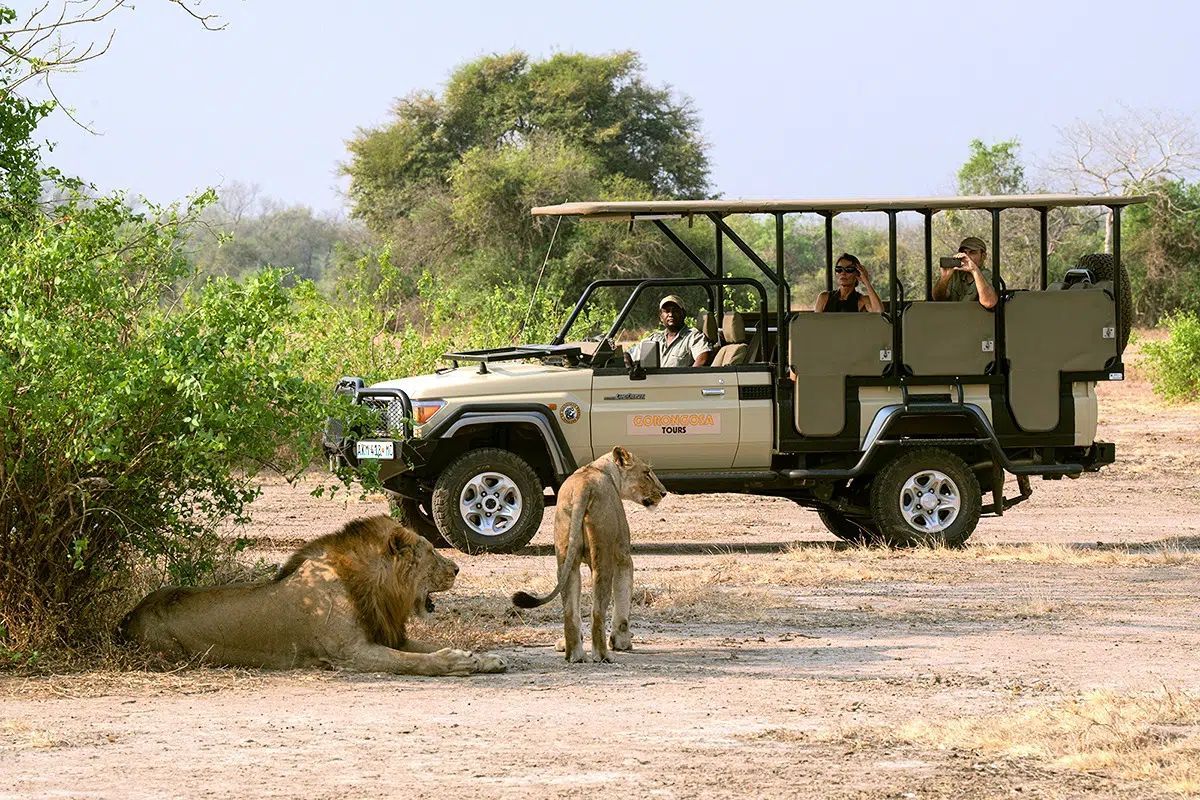
Gorongosa National Park in Mozambique is one of the clearest examples of conservation-led safari evolution in Africa. Often featured in global media for its long term ecological restoration, Gorongosa is more than a wildlife destination — it is a living laboratory for how landscapes and communities can recover together.
In 2026, Gorongosa’s appeal lies in its diversity as much as its animals. Floodplains, savanna, wetlands, and rainforests coexist, providing varied terrain that supports a broad spectrum of species. The park’s predator resurgence — from lions and leopards to hyenas and wild dogs — is not just about numbers, but about ecological function returning in real time.
What makes
Gorongosa truly stand out as a new safari route is that it is not crowded. Visitor numbers are intentionally managed, guiding remains personalised, and walking safaris and cultural elements are emphasised over “sighting quotas.” Conservation efforts are woven into the narrative of every safari, so guests not only see wildlife, they learn how ecosystems recover, how research is conducted, and why parks matter.
Bazaruto Archipelago, Mozambique’s Marine Safari Wilderness
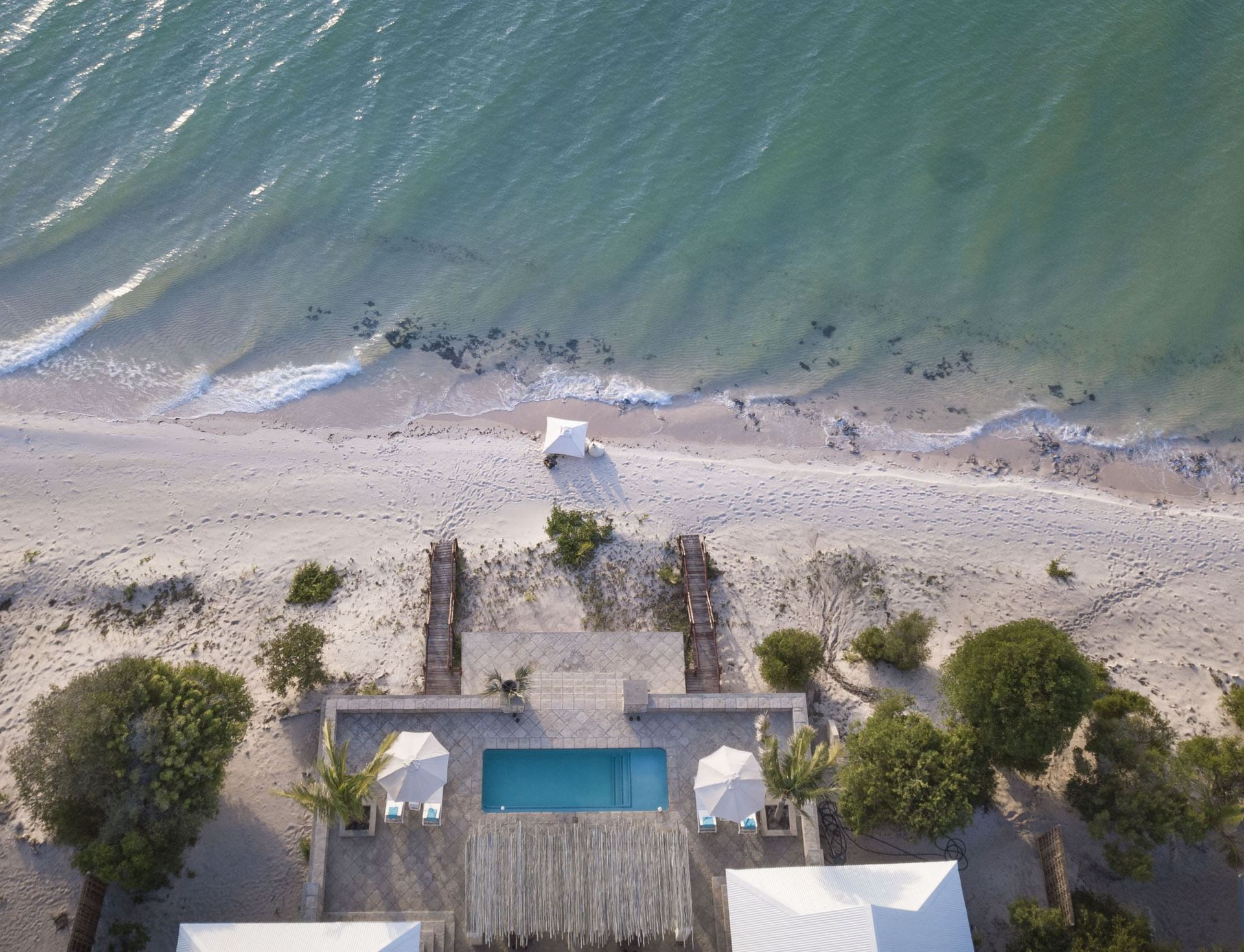
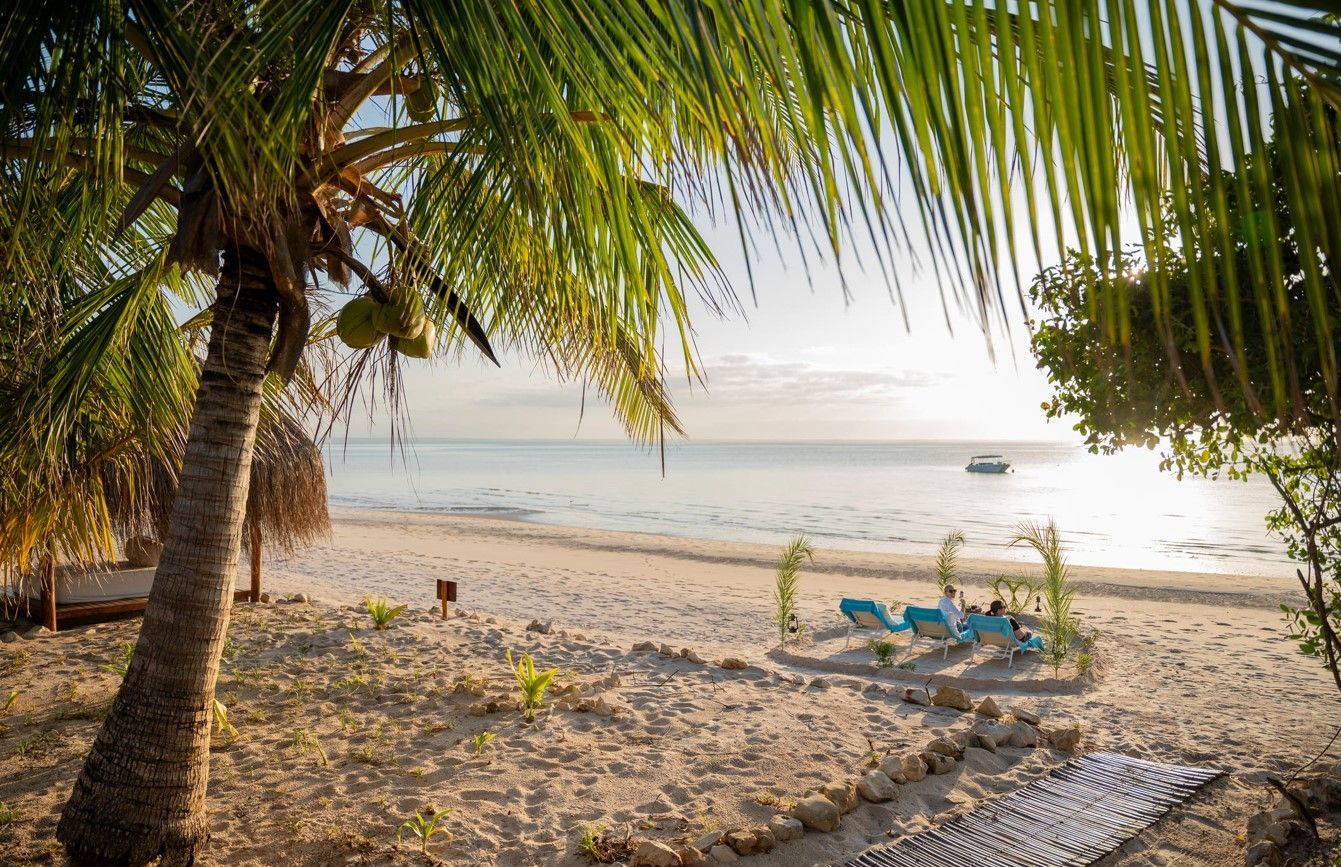
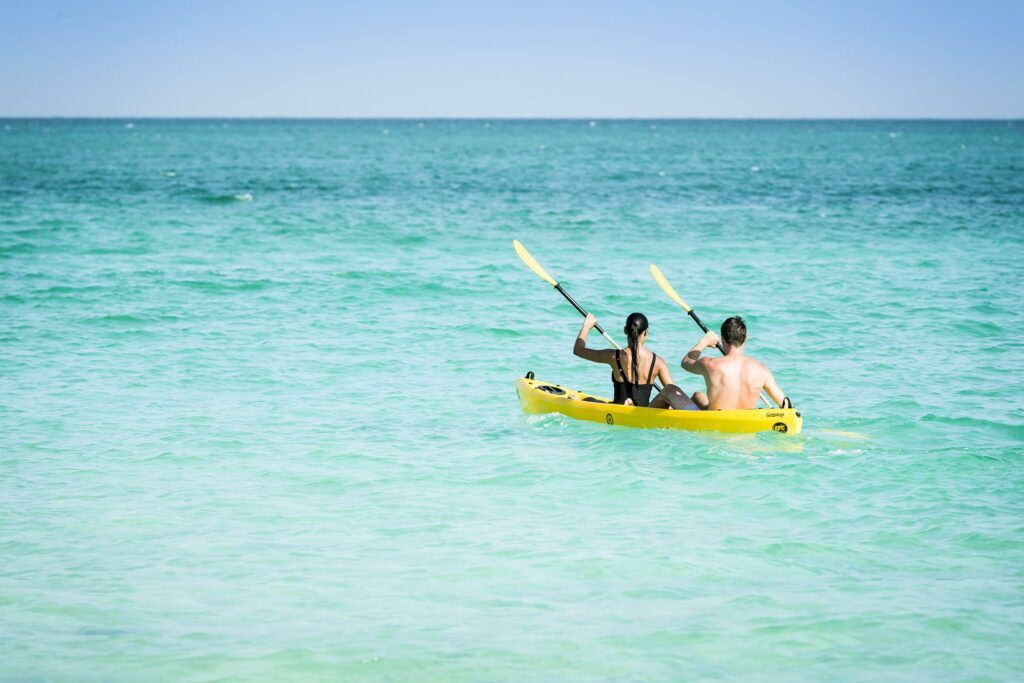
Not all African safaris revolve around big terrestrial game. Some of Mozambique’s most important conservation landscapes are marine, and the Bazaruto Archipelago stands as one of the country’s most significant ocean based wilderness areas. Protected as a national marine park, the archipelago encompasses coral reefs, seagrass beds, sandbanks, and island ecosystems that support dugongs, turtles, dolphins, rays, and diverse reef fish.
In 2026, conservation led travel increasingly recognises the Bazaruto Archipelago as a marine safari destination in its own right. Boat based wildlife encounters, snorkelling over protected reefs, birding on shifting sandbanks, and island exploration offer travellers a different way to engage with biodiversity. While it is not a traditional big game safari, Bazaruto represents the future of diversified safari routes that combine ocean ecosystems, quiet adventure, and long term marine conservation.
Samburu and Laikipia: Northern Kenya’s Remote Heart
Kenya remains a hallmark safari destination, but new routing in 2026 emphasises northern reserves such as Samburu and the Laikipia plateau. These regions are less visited than the Masai Mara, but they have equally compelling wildlife stories.
Samburu’s arid landscape supports species adapted to harsh conditions: Grevy’s zebra, Somali ostrich, and reticulated giraffe among them. Laikipia, with its mix of private conservancies, community lands, and vast tracts of wilderness, offers varied safari styles including mobile tented safaris, walking safaris, and night drives.
What unites these areas is that they are remote within a remote — further from the beaten path than classic circuits but supported by strong conservation models that prioritise habitat protection and community benefit.
South Luangwa and Zambia’s Walking-Focused Trails
Zambia has long been a niche safari choice, but in 2026 it’s gaining attention for walking-focused experiences around South Luangwa National Park and adjacent areas. South Luangwa is renowned as the birthplace of the walking safari, and modern routes emphasise this heritage by combining day walks, night walks, and vehicle based game drives.
These routes appeal to travellers who want to understand the land — to read spoor, recognise bird calls, and notice the smaller creatures that make ecosystems tick. Zambia’s walking safaris are crowd-free compared to offical parks in East Africa and allow for personalised guiding that feels educational rather than transactional.
Sustainable Private Reserves in Botswana: Beyond the Delta
Botswana’s Okavango Delta remains a must see, but new safari routes in 2026 are exploring private reserves that adjoin or lie just outside the classic floodplain circuits. These include areas such as the Selinda Spillway, the Linyanti, and newly accessible concessions that emphasise exclusivity.
Private reserves in Botswana pair unparalleled game viewing with extremely low visitor densities. Some lodges operate under exclusive use, ensuring that parties have the veld to themselves. Conservation here is not incidental — leases and tourism revenue directly support anti-poaching units and community uplift programmes.
These safari combinations work especially well for travellers who have seen the Delta before and want to go deeper.
Uganda’s Rift Valley and Savannah Convergence
In East Africa’s Great Rift Valley, 2026 safari routes increasingly combine lake ecosystems with classic savanna. Parks such as Queen Elizabeth and Murchison Falls offer big game viewing with lakeside landscapes that feel entirely different from arid plains.
These routes are crowd-free compared to the Mara or Serengeti, and they introduce geographic diversity that enriches a safari narrative. Whether it is thousands of hippos in the Kazinga Channel or tree climbing lions on the Ishasha floodplains, this style of safari adds variety in a single trip.
How Technology Is Supporting New Safari Routes
Part of what makes next generation safari travel possible is technology. Apps and real time tracking allow guides to monitor wildlife movement and share updated sighting information with small groups. Safety apps such as TravelSafe SOS provide quick access to emergency support and location sharing, particularly useful in remote areas where traditional networks are limited, offering travellers added reassurance during off grid routes, cross border travel, and extended time in isolated conservation areas.
Mosquito alerts, fire risk monitoring, weather predictions, and real time vehicle tracking all contribute to safer, more confident explorer experiences. Technology in 2026 does not replace expert guides; it enhances their ability to curate routes that are safe, responsive to environmental conditions, and tailored to traveller needs.
Conservation Partnerships That Define New Routes
Conservation-led safari routes are defined as much by who manages them as by where they are. Increasingly, parks and reserves are partnering with scientific institutions, local communities, and international NGOs to co-design travel experiences that fund protection and uplift people.
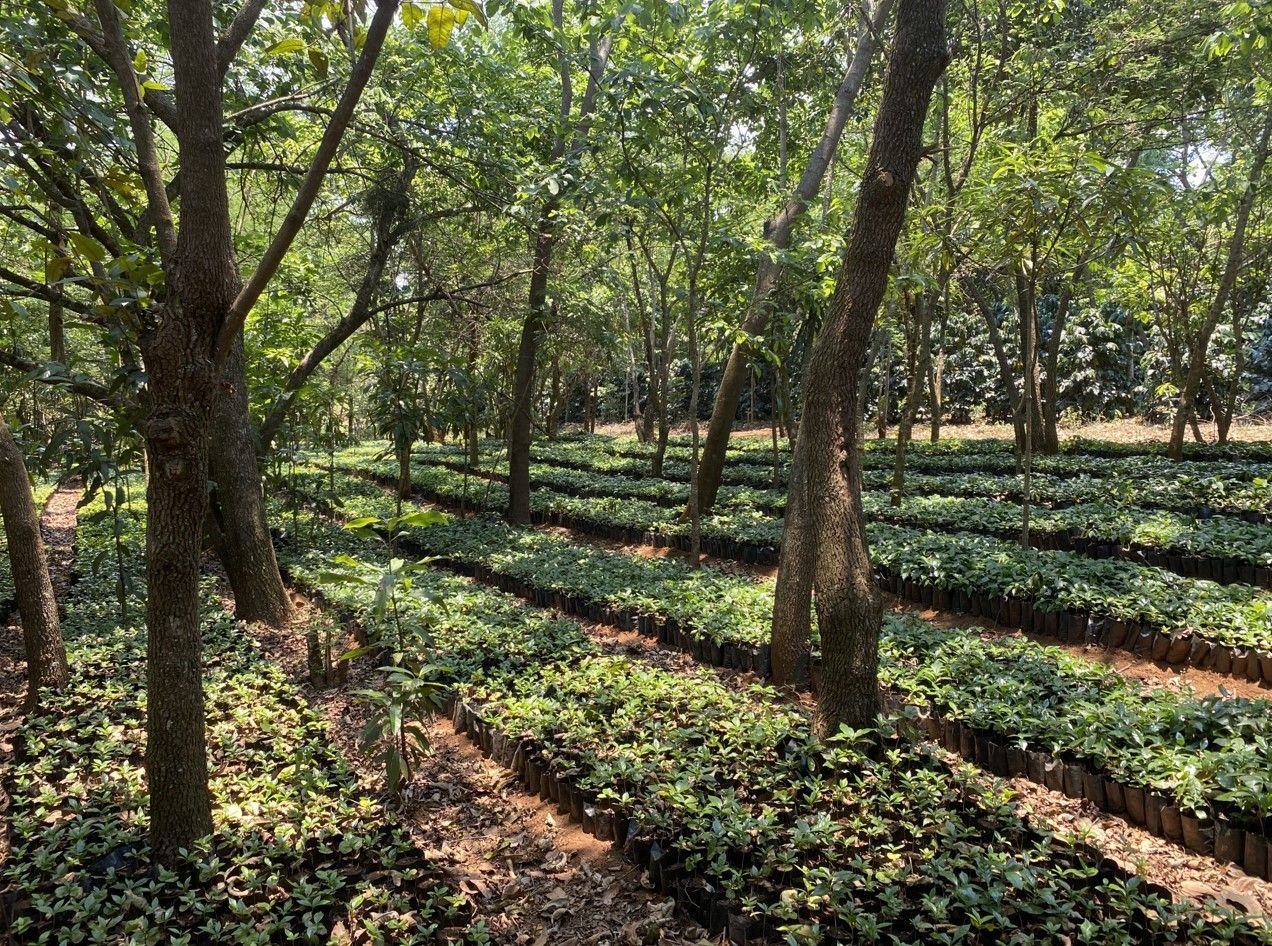
In Gorongosa, this looks like community agriculture programmes linked to forest protection, predator monitoring tied to guiding narratives, and reinvestment of tourism revenue into education and healthcare. In Kenya’s Laikipia, community conservancies share revenue with pastoral families, strengthening the incentive to protect wildlife habitat. In Zambia, revenue from walking safaris funds ranger salaries and anti-poaching infrastructure.
These narratives matter because they turn travel into investment rather than extraction.
What It Feels Like to Travel These Emerging Routes
Travelling new safari routes feels different. There is less noise, fewer vehicles, and more room to pause. Guides spend more time explaining than racing between sightings. At waterholes, silence lasts longer. In villages, curiosity replaces performance.
These routes are best suited to travellers who value understanding over urgency, connection over checklist completion, and context over spectacle. Many couples, families with older children, and repeat safari travellers choose these routes precisely because they feel like journeys rather than vacations.
How to Choose the Right Route for You in 2026
Choosing a next generation safari route depends on what you value most:
- For conservation connection and narrative depth: Gorongosa, Laikipia community conservancies, or Uganda’s Rift Valley
- For dramatic landscapes and remoteness: Primeiras and Segundas coastal wilderness or Zambia’s walking trails
- For classic wildlife with low crowds: Samburu and private reserves in Botswana
- For added variety and context: Combine two or more regions into a single extended safari
Working with specialists who understand seasonal rhythms, regional infrastructure, and conservation dynamics ensures the chosen route aligns with your expectations and pace.
Plan Your 2026 Safari Route With Expert Guidance
Safari travel in 2026 is more varied, meaningful, and conservation-led than ever before. Mozambique Travel has over 20 years of experience designing routes that balance wildlife, culture, and responsible travel.
Whether you want a deep dive into a conservation story, a crowd-free wilderness, or a combination of remote safari and coastal calm, our specialists help you choose the right itinerary. Speak to Mozambique Travel to plan a 2026 safari route that reflects your values, pace, and desire for a truly memorable experience.
Featured Packages
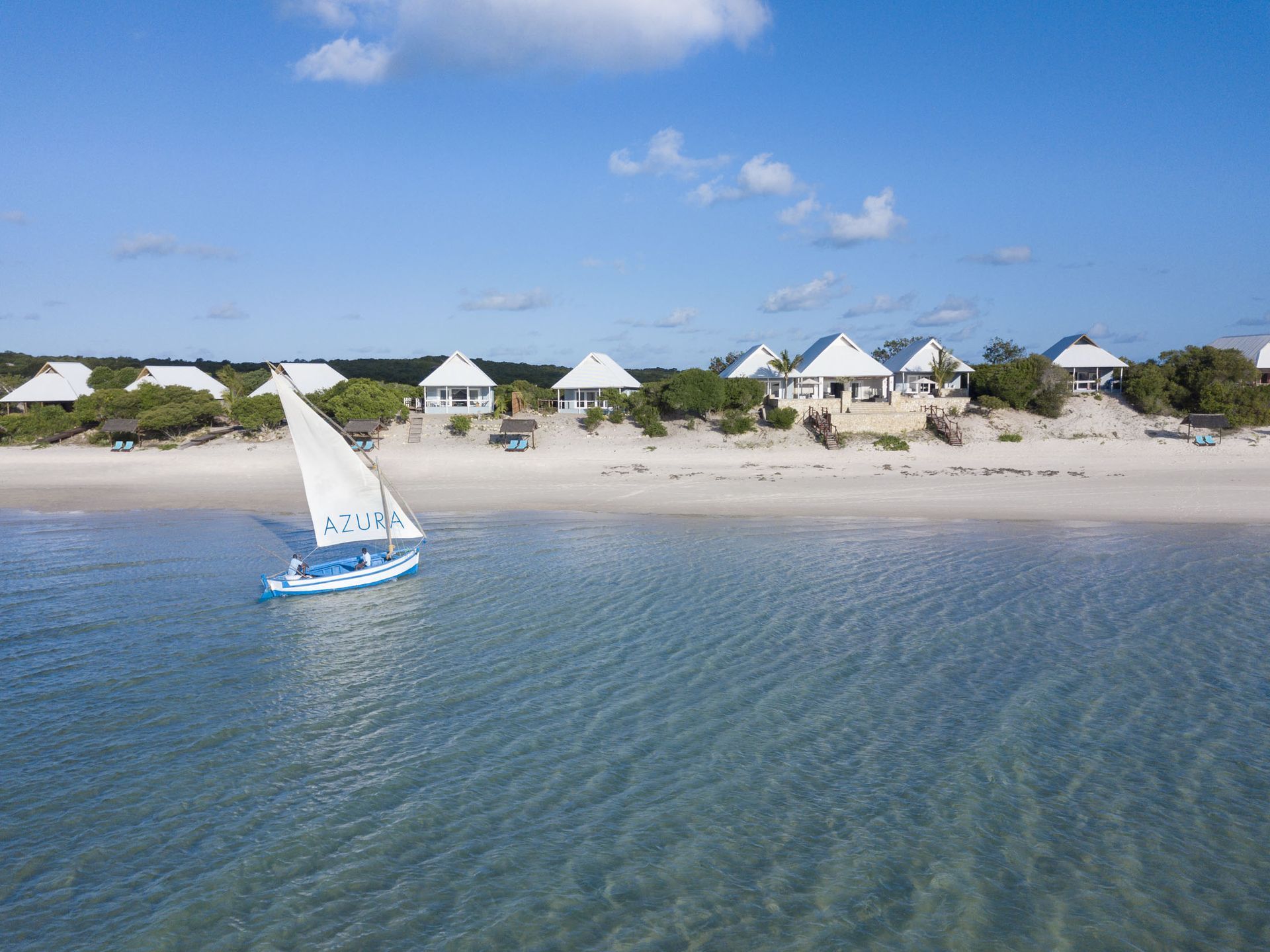
Azura Marlin Beach 5-Night SADC Special
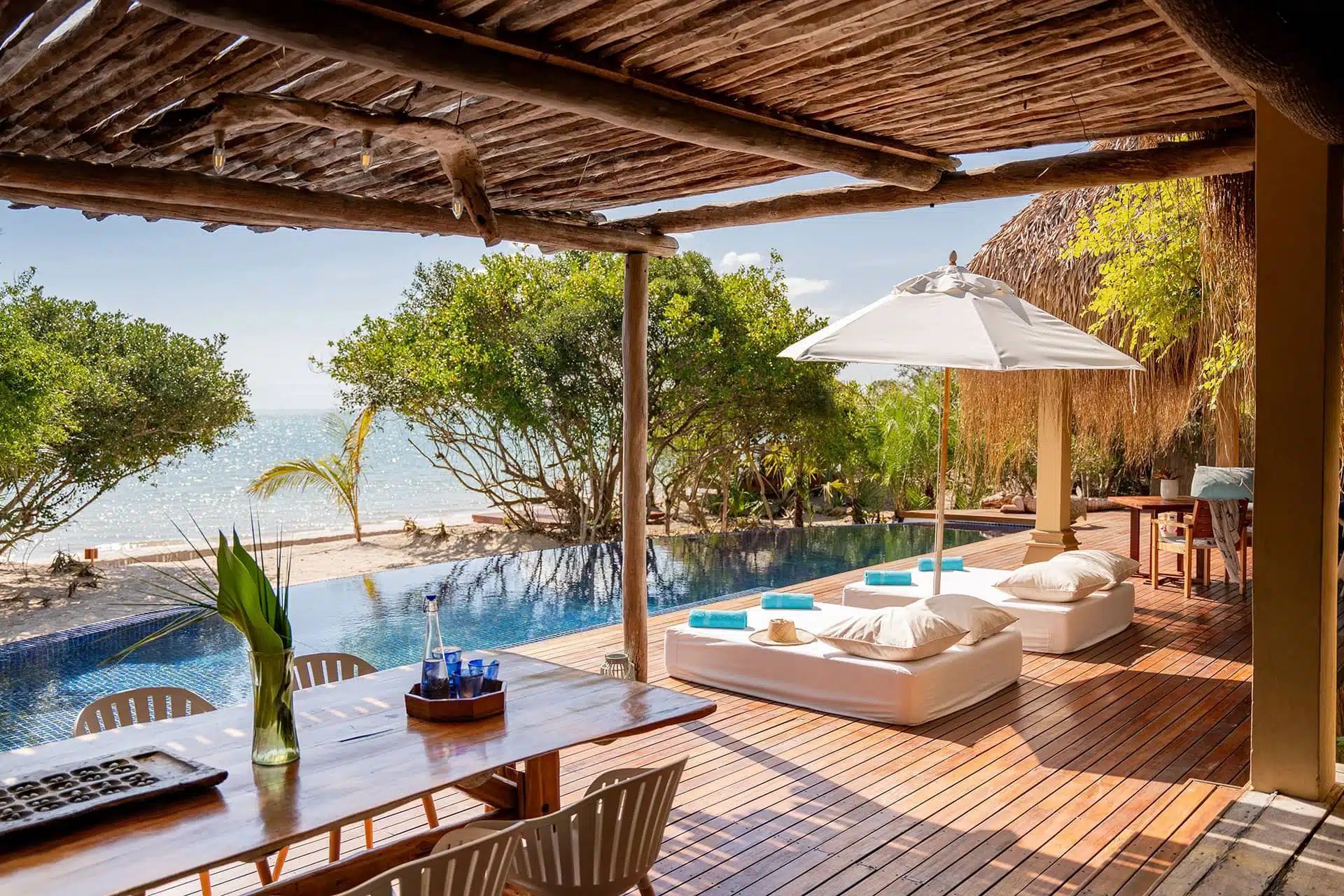
Okavango Delta Safari and Bazaruto Island Beach Holiday
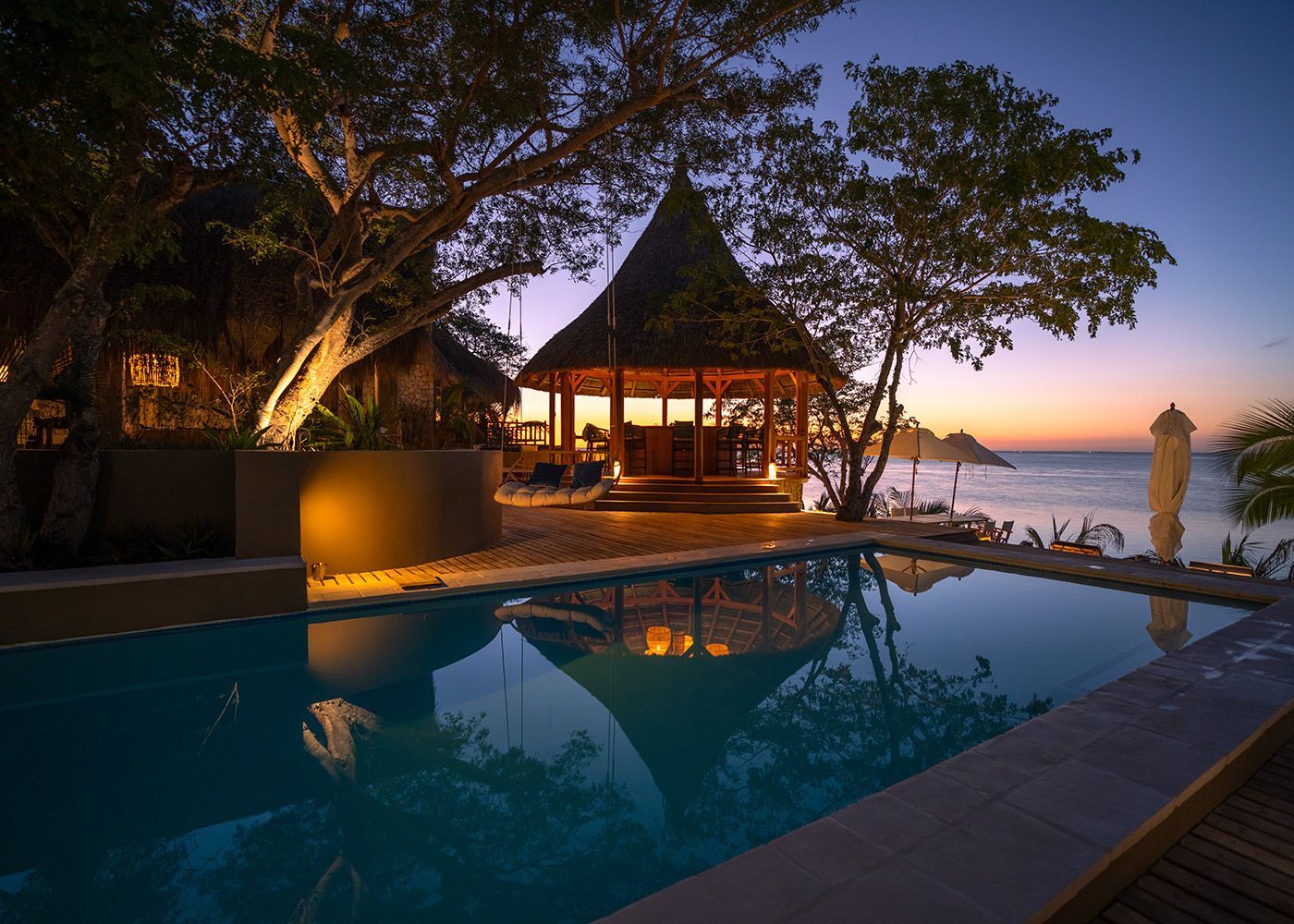
5-Night Mozawi Lodge Private Beach Holiday
Frequently asked questions about mozambique destinations
What makes a safari route “conservation-led”?
A conservation-led safari route is one where tourism revenue directly supports protection efforts, benefits local communities, and funds scientific research. Guides explain conservation work on safari, and parks use tourism funds to maintain rangers, anti-poaching units, and community projects.
Are these new routes safe for families?
Yes, many new safari routes are family friendly when trips are planned with age-appropriate pacing. Guides tailor activities to ensure comfort and safety, and specialists recommend accommodations with reliable staff, medical access, and facilities suited to families.
Can you combine multiple routes in one trip?
Absolutely. Many travellers combine two or more regions — such as Gorongosa and Botswana’s private reserves — to create varied safari narratives in one holiday. Good planning ensures smooth logistics and meaningful experiences across landscapes.
How far ahead should these safaris be booked for 2026?
Booking six to nine months in advance is recommended, especially for remoter lodges and conservation-focused itineraries. Early planning secures the best guides, small group departures, and preferred lodging.
What wildlife can you expect on remote safari routes?
Expect a mix of iconic species, subtle behavioural sightings, and ecological signs — from predator tracking in Gorongosa to tree-climbing lions in Uganda. These routes prioritise quality of experience and understanding, so you may see fewer crowds around sightings.
Are night drives or walks included on these routes?
In many regions, especially Southern and East Africa, guided night drives and walking safaris are available where permitted, with strict safety protocols. These add dimension to the safari experience without compromising comfort or security.
SHARE THIS POST
Are You Ready FOr Mozambique?
Page through our packages and find the offer right for you!
Ready to Speak to a Mozambique Travel Expert?
Get In Touch and Ask for a Call-Back Today
Latest Posts