


Can You See Dugongs in Mozambique? Conservation, Sightings, and Responsible Travel
By Mozambique Travel • June 4, 2026

The Short Answer: Yes, But Not in the Way Most Travelers Expect
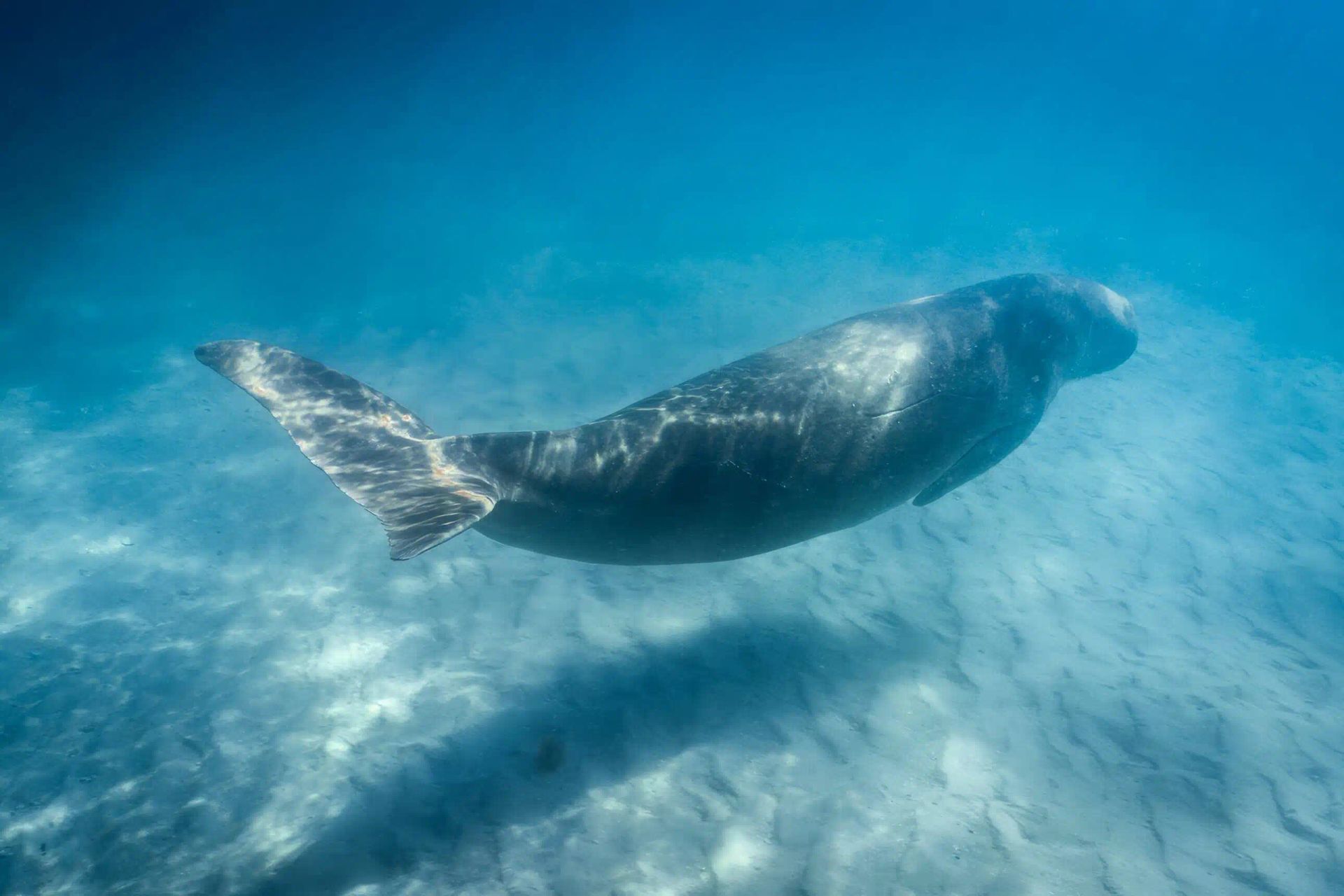
Yes, it is possible to see dugongs in Mozambique, but this is not a destination where sightings are marketed, scheduled, or promised. Dugongs are among the most elusive marine mammals in the region, and their survival depends on remaining largely undisturbed. Unlike dolphins or whale sharks, dugongs do not surface frequently, do not approach boats, and do not tolerate repeated human interaction.
This makes Mozambique fundamentally different from destinations where wildlife encounters are engineered for tourism. Dugong sightings here are incidental rather than orchestrated, and that distinction is central to understanding both conservation and responsible travel in dugong habitat.
Why Dugong Sightings Are So Rare
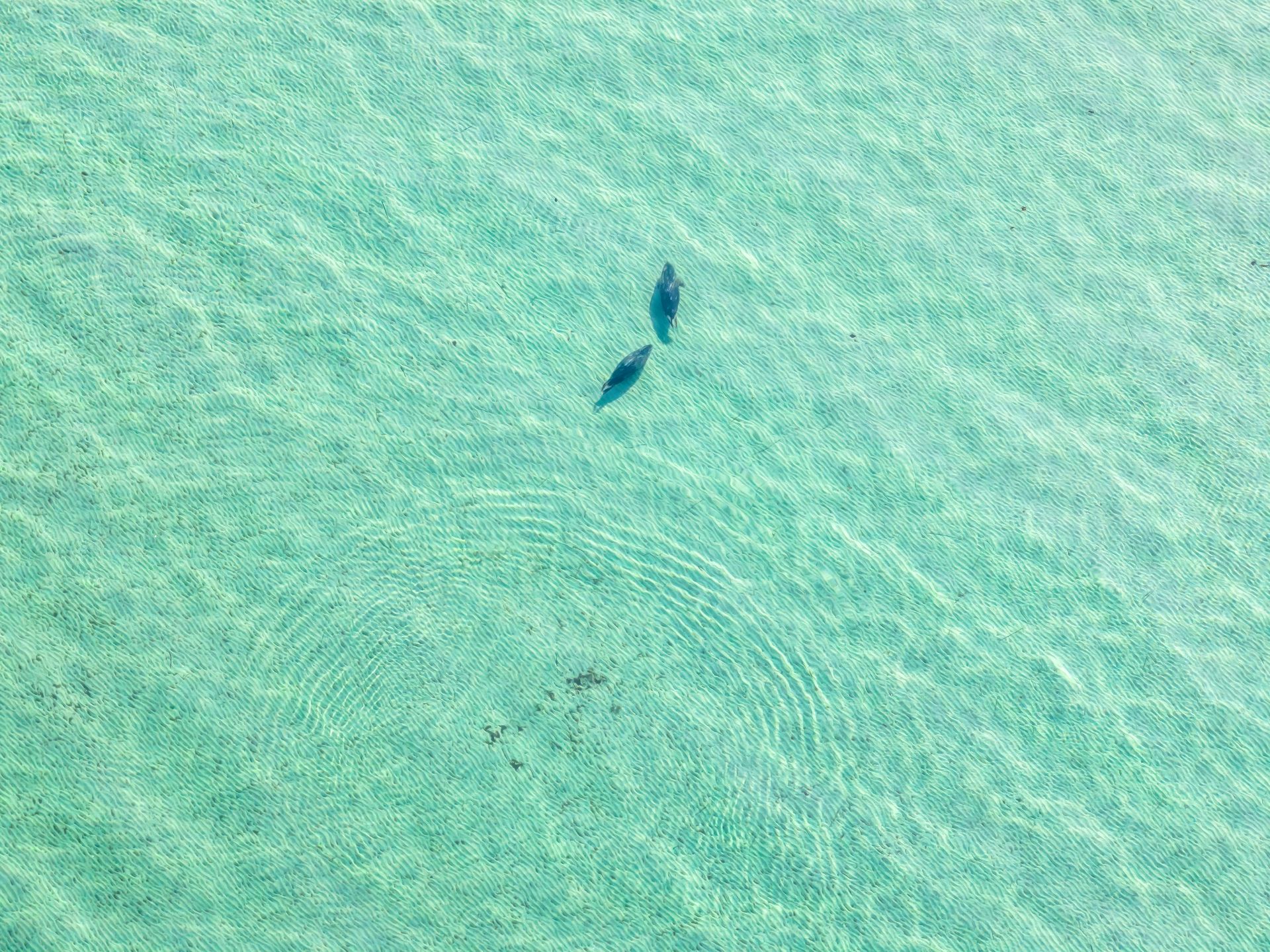
Dugongs are shy, slow-moving, and highly sensitive to disturbance. They spend much of their time feeding on seagrass in shallow waters, surfacing briefly and quietly before returning below. In areas with boat traffic or fishing activity, they alter their behavior, feeding at night or retreating to deeper water.
In Mozambique, dugong populations are small and fragmented. Even in regions where they are known to live, days or weeks may pass without a single sighting. This rarity is not a failure of protection, but evidence that dugongs remain cautious and undisturbed, which is exactly what conservation aims to achieve.

Where Sightings Are Most Likely to Occur
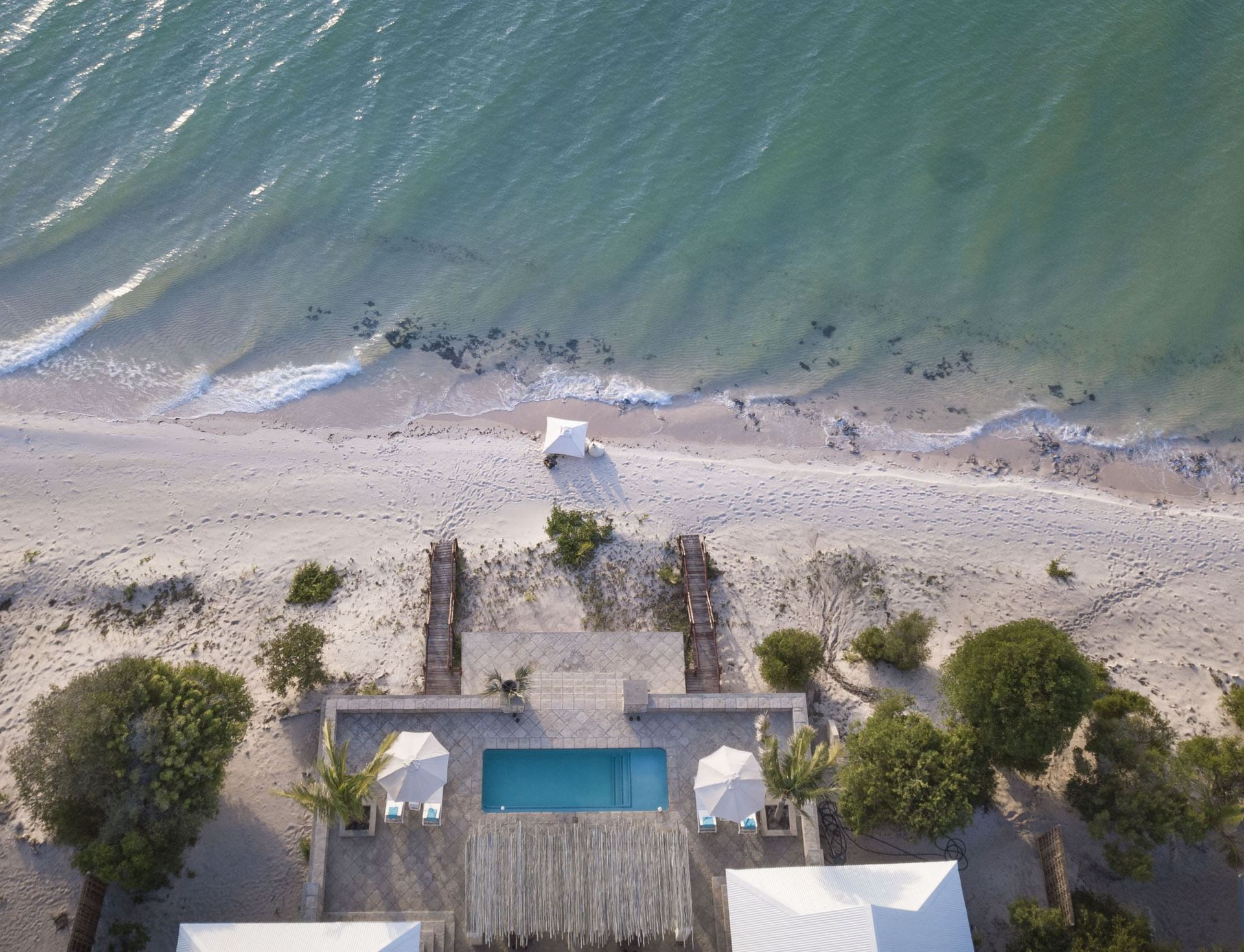
The highest likelihood of dugong sightings in Mozambique remains within the Bazaruto Archipelago, where extensive seagrass meadows and marine protection measures provide suitable conditions. Even here, sightings are unpredictable and usually occur from a distance rather than close interaction.
Outside protected areas, sightings are exceptionally rare. Dugongs avoid busy coastlines, high-speed boat routes, and areas with intensive fishing. Travelers should be wary of any operator suggesting guaranteed dugong encounters, as this often indicates practices that may disturb or endanger the animals.
Why Dugongs Are Not a Tourism Product
Dugongs are not promoted as a tourism product in Mozambique, and this is deliberate. Encouraging regular encounters would increase boat traffic, disrupt feeding patterns, and raise the risk of collision or stress. Conservation authorities prioritize habitat protection over visibility, accepting rarity as the price of long-term survival.
This approach contrasts with wildlife tourism models that depend on frequent sightings to remain viable. In Mozambique, dugongs are protected precisely because they are not pressured into visibility. Their value lies in their presence within the ecosystem, not their accessibility to visitors.
Responsible Travel and Managing Expectations
Responsible travel in dugong habitat begins with managing expectations. Travelers interested in dugongs should approach the experience as an opportunity to learn about conservation rather than to see an animal. Understanding where dugongs live, why they matter, and how they are protected adds depth to a marine-focused journey even without a sighting.
Choosing accommodations and operators that respect marine regulations, adhere to speed limits, and avoid sensitive areas contributes directly to dugong protection. Responsible travelers accept that absence can be as meaningful as presence when it comes to vulnerable species.

The Risk of Disturbance From Increased Interest
As awareness of Mozambique’s dugong population grows, so does the risk of unintended harm. Increased interest can lead to more boat traffic, informal tracking, or pressure on guides to deliver sightings. Even well-intentioned travelers can contribute to disturbance if expectations are not set carefully.
This is why conservation messaging emphasizes restraint. Dugongs survive because they remain out of sight. Responsible travel means resisting the urge to seek encounters and instead supporting the systems that keep dugongs safe.
How Conservation Shapes What Travelers Can and Cannot Do
Marine protection measures in Mozambique restrict certain activities in dugong habitat, including fishing methods, anchoring practices, and boat speeds. These rules are not designed to limit visitor experience, but to reduce cumulative impact on sensitive ecosystems.
Travelers who understand these restrictions are better positioned to appreciate their purpose. Marine protection is most effective when it operates quietly and consistently, rather than being framed as a feature or attraction.

Learning to Value Presence Without Visibility
One of the most important shifts for travelers is learning to value species presence without visibility. Dugongs represent a form of conservation success precisely because they remain hidden. Knowing that they exist beneath the surface, grazing undisturbed seagrass, reflects a functioning marine environment.
This perspective transforms the travel experience. Rather than measuring success by sightings, travelers measure it by understanding, awareness, and contribution to protection efforts.
Safety, Sensitivity, and Marine Awareness
Operating in shallow seagrass environments requires heightened awareness. Boat operators in dugong regions follow navigation rules designed to protect both marine life and passengers. Travelers should avoid activities that damage seagrass beds, such as anchoring in shallow areas or walking through sensitive zones at low tide.
Respecting these environments supports not only dugongs but the broader marine ecosystem, including fish nurseries and invertebrate species that depend on seagrass for survival.

Plan Your Trip
Travel in the dugong regions of Mozambique is best planned around broader marine experiences rather than specific wildlife encounters. Coastal and island itineraries that emphasize snorkeling, reef exploration, and marine education allow travelers to engage meaningfully with the environment without placing pressure on vulnerable species. Understanding the role of dugongs within this system enhances the journey even when sightings do not occur.
Travel in Ways That Help Dugongs Remain Wild
Dugongs persist in Mozambique because certain places remain protected and expectations remain realistic. Mozambique Travel works with destinations and operators that prioritize marine conservation over wildlife exposure. By guiding travelers toward responsible choices and well-managed regions, we help ensure that dugongs continue to live undisturbed in Mozambican waters. If conservation matters to your travel decisions, speak with our team about planning a journey that supports protection rather than pressure.
Frequently asked questions about dugongs
Can tourists reliably see dugongs in Mozambique?
No, tourists should not expect reliable dugong sightings in Mozambique. Dugongs are rare, shy, and avoid human activity. Even in protected areas where they live, sightings are unpredictable. This rarity reflects successful conservation rather than a lack of opportunity.
Are there boat tours dedicated to finding dugongs?
Dedicated dugong-search tours are not encouraged in Mozambique because they increase disturbance and risk to the animals. Responsible operators avoid targeting dugongs directly and focus instead on broader marine experiences that do not pressure vulnerable species.
Why is it important not to chase dugong sightings?
Chasing dugong sightings disrupts feeding behavior, increases collision risk, and adds stress to an already vulnerable population. Dugongs rely on calm, shallow environments, and repeated disturbance can force them out of critical habitat, undermining conservation efforts.
How can travelers support dugong conservation without seeing them?
Travelers can support dugong conservation by choosing accommodations and operators that respect marine protection rules, avoiding activities that damage seagrass, and learning about the ecological role dugongs play. Responsible travel choices help protect habitat and reduce cumulative human impact.
SHARE THIS POST
Are You Ready FOr Mozambique?
Page through our packages and find the offer right for you!
Ready to Speak to a Mozambique Travel Expert?
Get In Touch and Ask for a Call-Back Today