What Most Travelers Get Wrong About Safari and Mozambique


By Mozambique Travel June 3, 2026

The Biggest Mistake: Thinking It Is Just “Safari Plus Beach”

On paper, safari and Mozambique sounds simple. Wildlife followed by ocean. Inland then coast.

It feels linear.

In reality, it is a structured journey that depends on pacing, routing efficiency, flight sequencing and lodge compatibility. It is not two independent bookings placed back-to-back.

Travelers who assume it is simply safari plus beach often underestimate the invisible architecture between those components. They misjudge transfer timing. They compress the beach segment. They overlook wildlife pacing. They treat Mozambique as recovery filler rather than a deliberate second act.

Safari and Mozambique works best when built as one integrated experience, not two stitched segments.

That misunderstanding sits at the root of almost every other planning error.

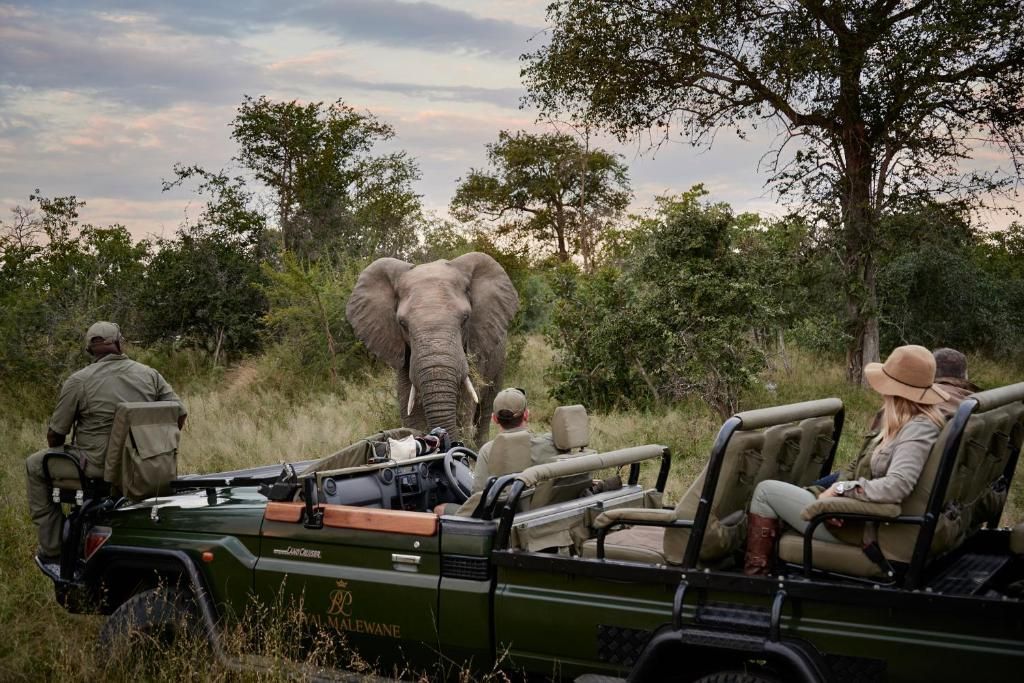
Safari vehicle with tourists watching an elephant in tall grass at sunset

Mistake 1: Underestimating Transfer Time

Many first-time planners focus on flight duration rather than structural travel time.

A one-hour regional flight does not equal one hour of travel.

You must factor airport arrival windows, luggage restrictions, charter coordination, transfer time from airstrip to lodge and check-in sequencing. What appears simple on a map can remove half a day from usable experience.

This is particularly important in shorter itineraries.

Seven-night structures are possible. But when transfers consume disproportionate time, safari immersion or beach recovery gets reduced.

The shortest safari and Mozambique itinerary that feels balanced is rarely under nine nights unless routing is extremely clean.

Time between regions matters as much as time within them.


Mistake 2: Overloading the Itinerary

Ambition often disguises itself as enthusiasm.

Travelers see Victoria Falls, Botswana delta, Kruger and Mozambique on a map and assume proximity equals practicality.

Stacking four major regions into ten nights looks impressive on paper. In practice, it creates fatigue. Flights multiply. Buffer disappears. Beach recovery compresses.

Safari and Mozambique does not require excess layering to feel complete. It requires clean sequencing.

Depth outperforms geography.

One strong safari region paired with Mozambique is almost always more satisfying than three safari regions rushed before a short coastal stop.

Ambition should be measured in immersion, not in border crossings.

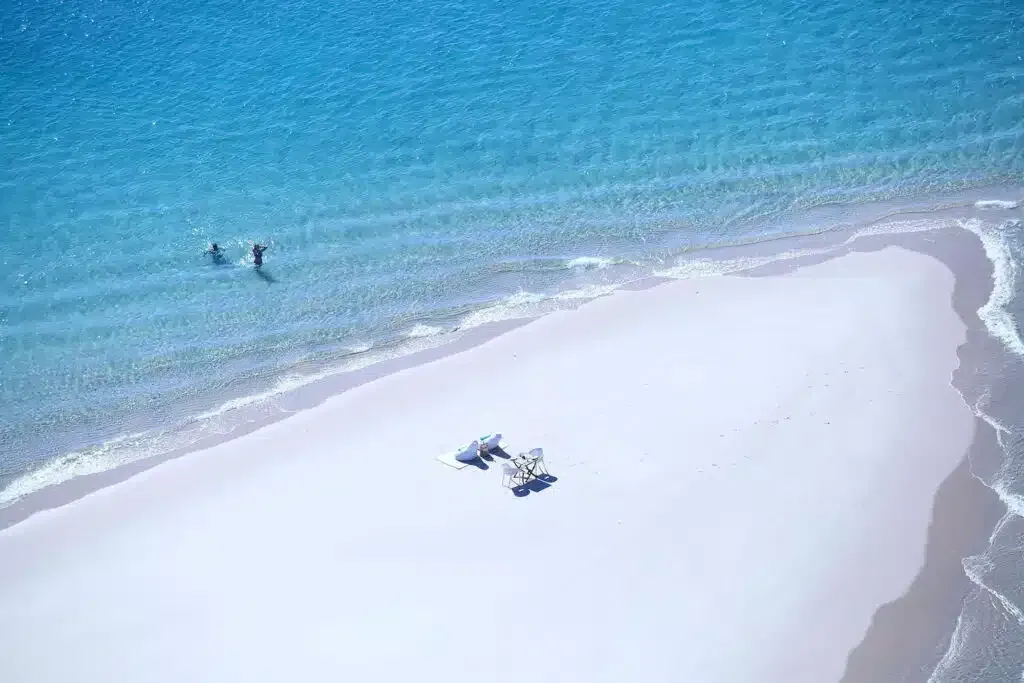
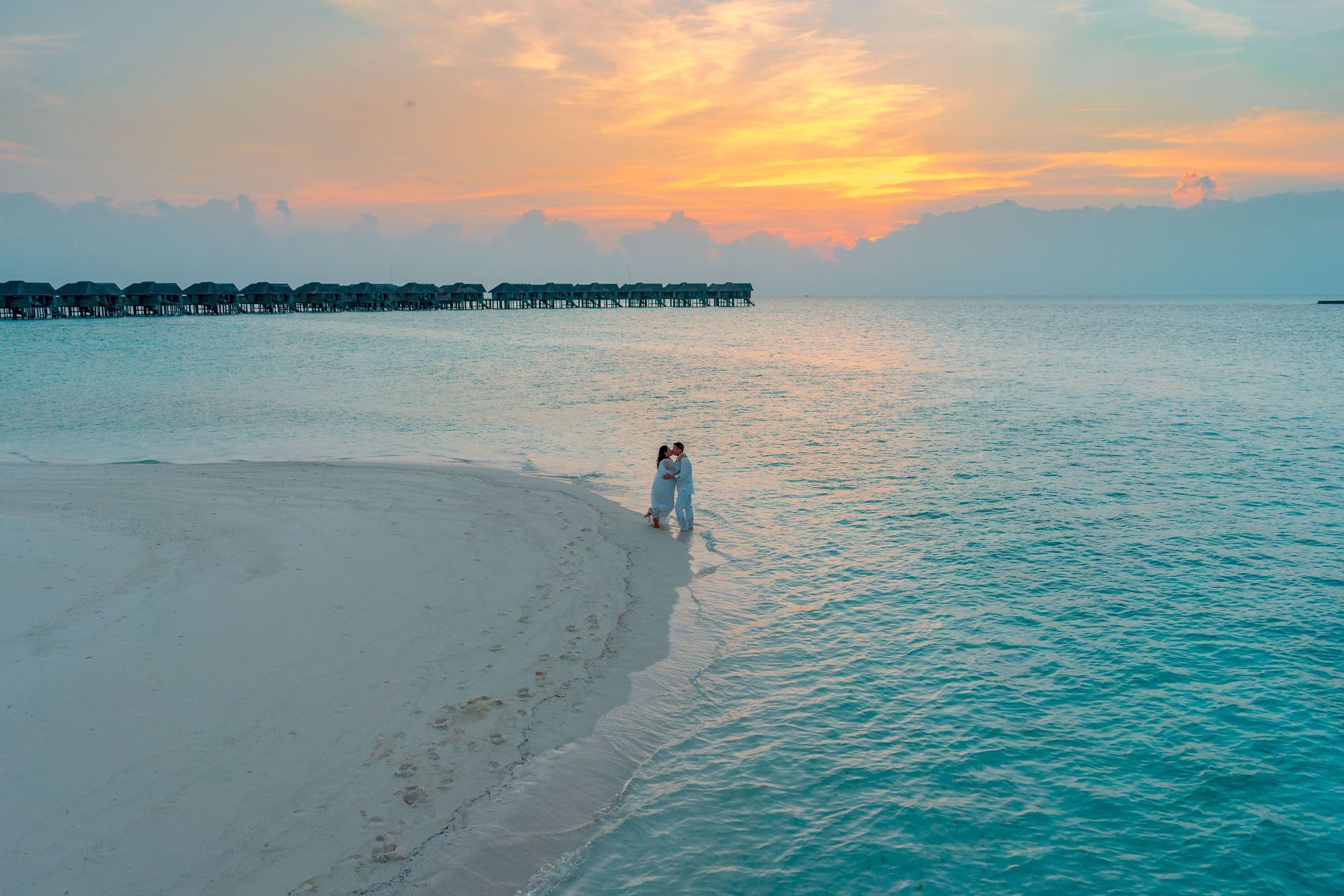
Aerial view of a white sand sandbar in turquoise water with a few people near the shore

Mistake 3: Choosing Safari Based on Brand Recognition

Marketing visibility often drives safari selection.

Serengeti. Okavango. Kruger. Victoria Falls.

Brand recognition is powerful, but it is not structural logic.

The more relevant question is: which safari pairs most cleanly with Mozambique given your available nights?

Greater Kruger is structurally efficient. Flight connectivity is strong. Predator density is high. Routing is simple.

Botswana offers extraordinary wilderness but requires more time and light aircraft coordination.

Zambia adds immersive walking safaris but increases complexity.

Wildlife quality across Southern Africa is consistently excellent. What changes is routing efficiency and pacing integrity.

Choosing safari purely on brand without evaluating corridor logic is a common mistake.


Mistake 4: Compressing Beach Time

Safari is intense.

Early mornings. Concentrated wildlife focus. Adrenaline spikes. Structured days.

Beach time is not decorative.

It is neurological decompression.

Four beach nights is often the minimum threshold to reset rhythm. Five or six nights create genuine restoration. Seven nights allow marine exploration layered with unstructured time.

Travelers who compress beach time to “just relax at the end” misunderstand its purpose. Mozambique’s coastline is not filler. It is the counterbalance that protects the emotional arc of the entire trip.

When beach nights are too short, safari fatigue lingers into departure.

When beach nights are sufficient, the entire journey feels expansive rather than hurried.


Mistake 5: Ignoring Seasonality Differences

Safari and Mozambique operate on parallel but distinct seasonal rhythms.

Dry season inland improves wildlife visibility. Vegetation thins. Animal movement concentrates.

Coastal Mozambique follows marine and weather cycles that may not perfectly mirror inland safari conditions.

Travelers who select dates based solely on safari peak without considering coastal conditions may misalign expectations.

The best safari and Mozambique journeys evaluate both ecosystems simultaneously. Strong wildlife viewing combined with stable coastal conditions creates synergy.

Seasonal modeling protects experience integrity.

Aerial view of a road dividing autumn forest and green coniferous trees

Mistake 6: Assuming It Is Financially Out of Reach

Safari and Mozambique is premium travel. It involves conservation fees, remote logistics and high service ratios.

However, many travelers assume it is categorically more expensive than East Africa safari and Zanzibar combinations or Southern Europe long-haul beach holidays.

Cost depends on region, lodge tier, island versus mainland beach, duration and season.

Balanced correctly, safari and Mozambique pricing can align competitively with comparable premium African experiences.

The key is structural clarity.

When travelers understand where money is allocated, cost anxiety reduces dramatically.


Mistake 7: Believing It Is Too Complex for First-Time Africa Visitors

Another persistent misconception is that safari and Mozambique is suitable only for experienced Africa travelers.

In reality, a clean Kruger and Vilanculos structure is one of the simplest safari and beach combinations available.

One primary hub.
One inland region.
One coastal region.

The complexity is optional.

First-time visitors thrive when routing is restrained and duration is sufficient. Safari and Mozambique does not require expertise. It requires discipline in design.


Mistake 8: Booking Components Separately Without Alignment

Booking safari and beach segments independently can create subtle but costly misalignments.

Arrival times that do not match lodge transfer windows.
Insufficient buffer between international and regional flights.
Lost safari nights due to connection miscalculations.
Compressed beach recovery because departure flights are mis-timed.

Safari and Mozambique performs best when flights, lodge timing and pacing are aligned from the outset.

Architecture matters more than availability.

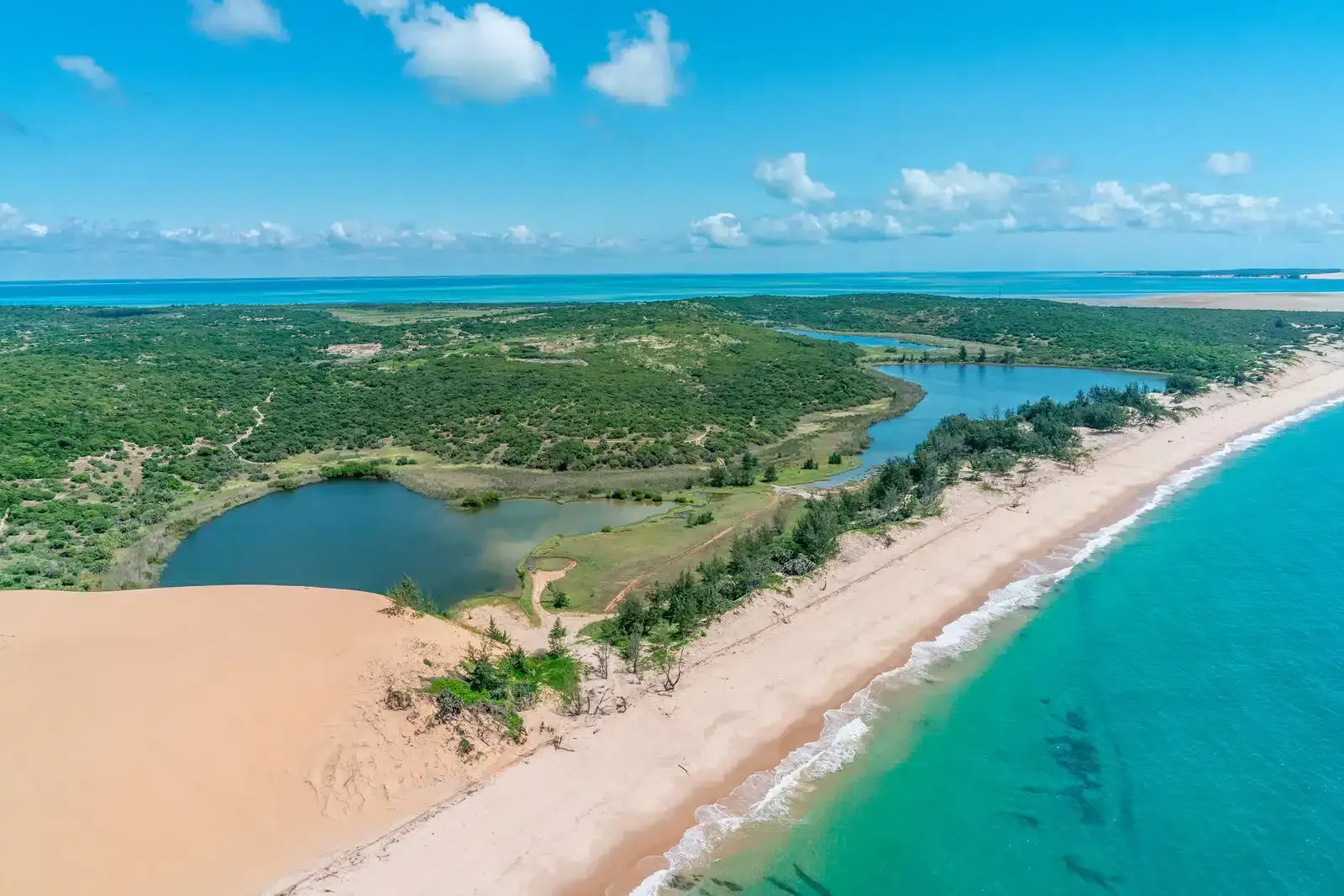
Aerial view of a tropical beach, turquoise sea, sand dunes, and green wetlands with lagoons

Mistake 9: Underestimating Psychological Flow

Many travelers evaluate safari and Mozambique purely in logistical terms.

The more important variable is psychological sequencing.

High-focus wildlife immersion followed by horizon-driven coastal calm creates a narrative arc that feels complete.

If that sequence is reversed, compressed or disrupted by excessive transit, the emotional memory shifts.

Safari and Mozambique works because it respects human rhythm.

When that rhythm is ignored, the journey feels disjointed.


Mistake 10: Treating Mozambique as an Afterthought

Some travelers treat Mozambique as a secondary extension after the “main” safari.

In reality, Mozambique’s marine ecosystems, dhow culture and low-density coastline are central components of the experience.

Bazaruto’s sandbanks.
Vilanculos’ marine access.
Mainland sanctuaries along quiet peninsulas.

The coast is not a passive ending.

It is the stabilizer.

When planned with intention, Mozambique elevates safari rather than merely following it.


What Travelers Get Right When It Works

When structured properly, safari and Mozambique delivers:

Predator immersion in controlled conservation environments.
Low-density coastline with genuine space.
Marine ecosystems rarely accessed by mass tourism.
Psychological decompression before long-haul return.

The wildlife-to-ocean contrast is rare globally. Few destinations offer this environmental duality within a coherent arc.

When pacing, routing and season align, safari and Mozambique becomes one of the most balanced journeys available in Africa.

The difference is not geography.

It is discipline.


Build Your Safari and Mozambique Journey the Right Way

Most mistakes in safari and Mozambique planning stem from underestimating structure. The geography is simple. The sequencing is not.

Mozambique Travel has been designing cross-border safari and beach journeys for more than 20 years. We model routing efficiency, seasonal timing, lodge compatibility and night thresholds that protect flow.

If you are planning a 2026 safari and Mozambique holiday from the USA, Canada, Europe or Australia, design the journey as one connected arc. When structured correctly, safari and Mozambique is not complicated.

It is seamless.

Featured Packages


Frequently asked questions about safari and beach

  • Is safari and Mozambique difficult to plan?

    It can be if routing and transfers are not modeled correctly. With coordinated flights, aligned lodge timing and realistic pacing, safari and Mozambique becomes one of the most balanced safari and beach combinations in Southern Africa.

  • How many nights prevent safari and Mozambique from feeling rushed?

    Ten nights is widely considered optimal. Four safari nights and six beach nights allow immersion and recovery without compression. Seven nights can work, but it feels efficient rather than expansive.

  • Is Kruger the best safari before Mozambique?

    Kruger is often the most structurally efficient option due to strong flight connectivity and high predator density. Other regions such as Botswana or Zambia require additional time to avoid compression.

  • Do I need to include multiple countries?

    No. A single safari region paired with Mozambique is often stronger than stacking multiple countries into a short itinerary. Depth typically delivers more satisfaction than excessive geographic spread.

  • Is Mozambique beach just an add-on to safari?

    No. The beach segment provides essential decompression after safari intensity. Compressing it weakens the emotional arc of the journey and can leave travelers feeling fatigued.

SHARE THIS POST

Are You Ready FOr Mozambique?

Page through our packages and find the offer right for you!


Ready to Speak to a Mozambique Travel Expert?

Get In Touch and Ask for a Call-Back Today

Latest Posts

Elephants grazing in a sunlit savanna at dusk, with birds flying overhead.
By Mozambique Travel June 2, 2026
Elephants in Mozambique explained. Human elephant conflict, migration corridors, conservation challenges, and what coexistence really looks like.
Leopard in dappled forest light, facing left in profile
By Mozambique Travel June 1, 2026
Leopards in Mozambique explained. How Africa’s most adaptable predator survives near communities, causes conflict, and what coexistence really looks like.
Person sitting at the end of a wooden dock, facing a calm lake and distant mountains under cloudy skies
By Mozambique Travel May 29, 2026
Solo woman travel in Mozambique explained. Learn where women travel safely, key safety considerations, and how to plan with confidence.
Aerial view of a tropical lagoon with turquoise water, dense green shoreline, and distant ocean horizon
By Mozambique Travel May 28, 2026
Snorkelling in the Bazaruto Archipelago offers clear water, coral reefs, turtles, rays, and dugongs, with access from Vilanculos and Benguerra Island.
Pangolin curled up on a rock, showing gray overlapping scales against a blurred green background
By Mozambique Travel May 27, 2026
Pangolins in Mozambique explained in depth. Species, trafficking routes, conservation efforts, threats, and why Africa’s most trafficked mammal faces extinction.
Aerial view of a rocky island in dark blue water beside pink and white salt formations
By Mozambique Travel May 26, 2026
Compare Benguerra Island, Bazaruto Island, and Vilanculos to find the best Mozambique destination for beaches, marine life, accommodation, and travel style.
Show More