

Lions and Predators in Mozambique: Conservation Recovery, Conflict, and the Fight for Space
By Mozambique Travel • May 25, 2026
Mozambique’s Predators and Why They Matter
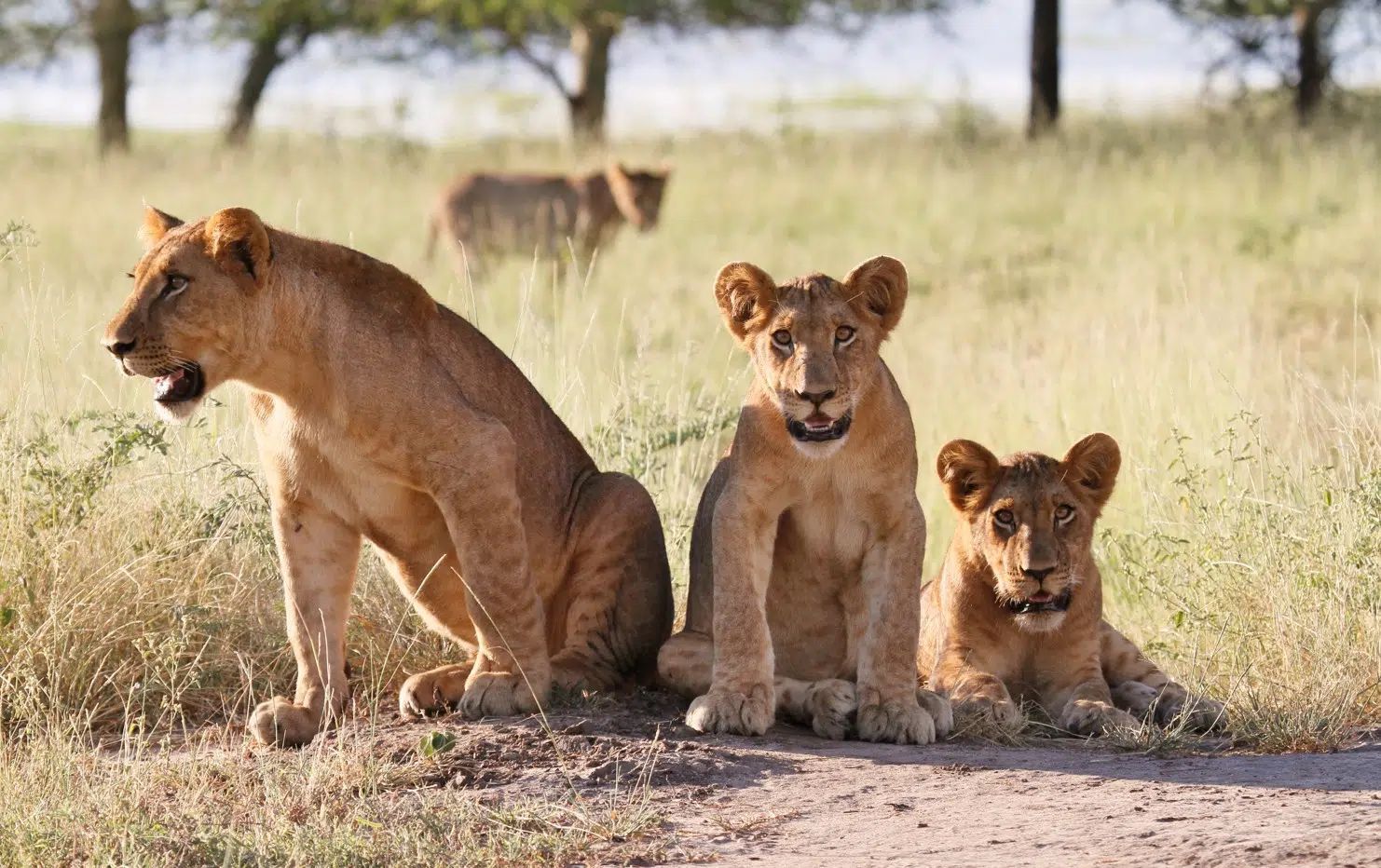
Mozambique is home to some of Africa’s most important predator populations, including lions, leopards, hyenas, cheetahs, and African wild dogs. These species play a critical ecological role by regulating prey populations, maintaining healthy ecosystems, and shaping landscape dynamics across savannas, floodplains, and woodland systems. Predators influence where herbivores move, how vegetation regenerates, and how disease and overgrazing are controlled.
Predators are indicators of ecosystem health. Where lions and other apex predators persist, prey populations are more evenly distributed, vegetation recovers more naturally, and biodiversity tends to be higher across multiple species groups. Their presence signals that an ecosystem is functioning with natural checks and balances rather than merely surviving under pressure.
Mozambique’s predator story is complex and uneven. It includes dramatic losses during decades of conflict, followed by some of Africa’s most ambitious restoration efforts, alongside ongoing threats such as habitat fragmentation, human expansion, and illegal hunting. Recovery is real, but stability remains fragile.
Lions in Mozambique: Past Decline and Present Reality
African lions once ranged widely across Mozambique, from coastal plains to inland savannas and riverine systems. Civil war, habitat loss, poaching, and severe prey depletion caused catastrophic population declines during the late twentieth century, breaking up once continuous lion landscapes.
By the early 2000s, lions had disappeared from large areas of the country or survived only in isolated pockets with limited genetic exchange. Protection was inconsistent, and many remaining lions lived outside formally managed reserves, increasing conflict risk.
Today, Mozambique’s lion population is recovering in specific regions but remains fragmented and vulnerable. The country is now considered a key landscape for lion conservation in southern Africa, not because of sheer numbers, but because of remaining habitat scale and the opportunity for long-term recovery if land-use pressure, conflict, and enforcement challenges are carefully managed.
Key Lion Landscapes in Mozambique
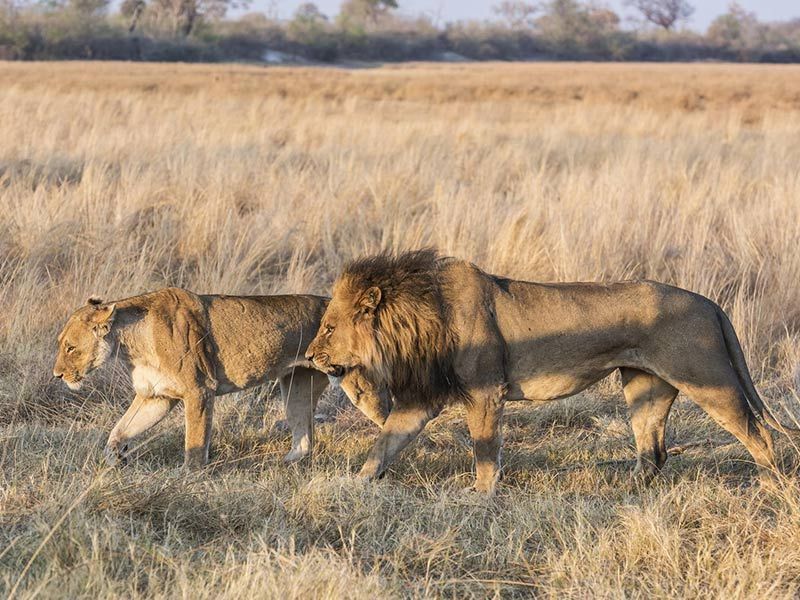
Gorongosa National Park has become the most visible symbol of lion recovery in Mozambique. Once devastated by war, the park has undergone extensive ecological restoration, including prey reintroduction, habitat rehabilitation, and long-term scientific monitoring.
Lions have returned to Gorongosa as prey numbers rebounded. Their behaviour, pride structures, and hunting strategies reflect a population rebuilding itself within a recovering ecosystem, offering rare insight into how predators respond when natural systems are restored rather than artificially managed.
Niassa National Reserve represents another crucial lion landscape. As one of Africa’s largest protected areas, Niassa has historically supported significant predator populations, including lions, leopards, and wild dogs. Conservation there faces challenges linked to remoteness, limited infrastructure, enforcement capacity, and pressures along its borders, making it a landscape of high potential but ongoing risk.
The Return of Lions to Marromeu and the Zambezi Delta
The return of lions to the Marromeu Complex and wider Zambezi Delta marks one of Mozambique’s quieter but most important predator recovery stories. Following decades of decline driven by civil conflict, uncontrolled hunting, and prey collapse, lions had largely disappeared from this vast wetland landscape. As stability improved and protection increased, prey species began to recover across floodplains, savannas, and riverine habitats. This created the ecological conditions needed for lions to recolonise naturally from neighbouring areas rather than through forced reintroduction.
Today, lions are once again being recorded within parts of the Zambezi Delta, including Marromeu National Reserve, moving along river systems and seasonal wildlife corridors. Their return highlights the importance of large, connected landscapes and patient conservation rather than rapid interventions. While numbers remain low and distribution is still fluid, these sightings signal renewed ecological function in one of southern Africa’s most important wetland systems and reinforce Mozambique’s long-term predator recovery potential.
Leopards, Hyenas, and the Predator Guild
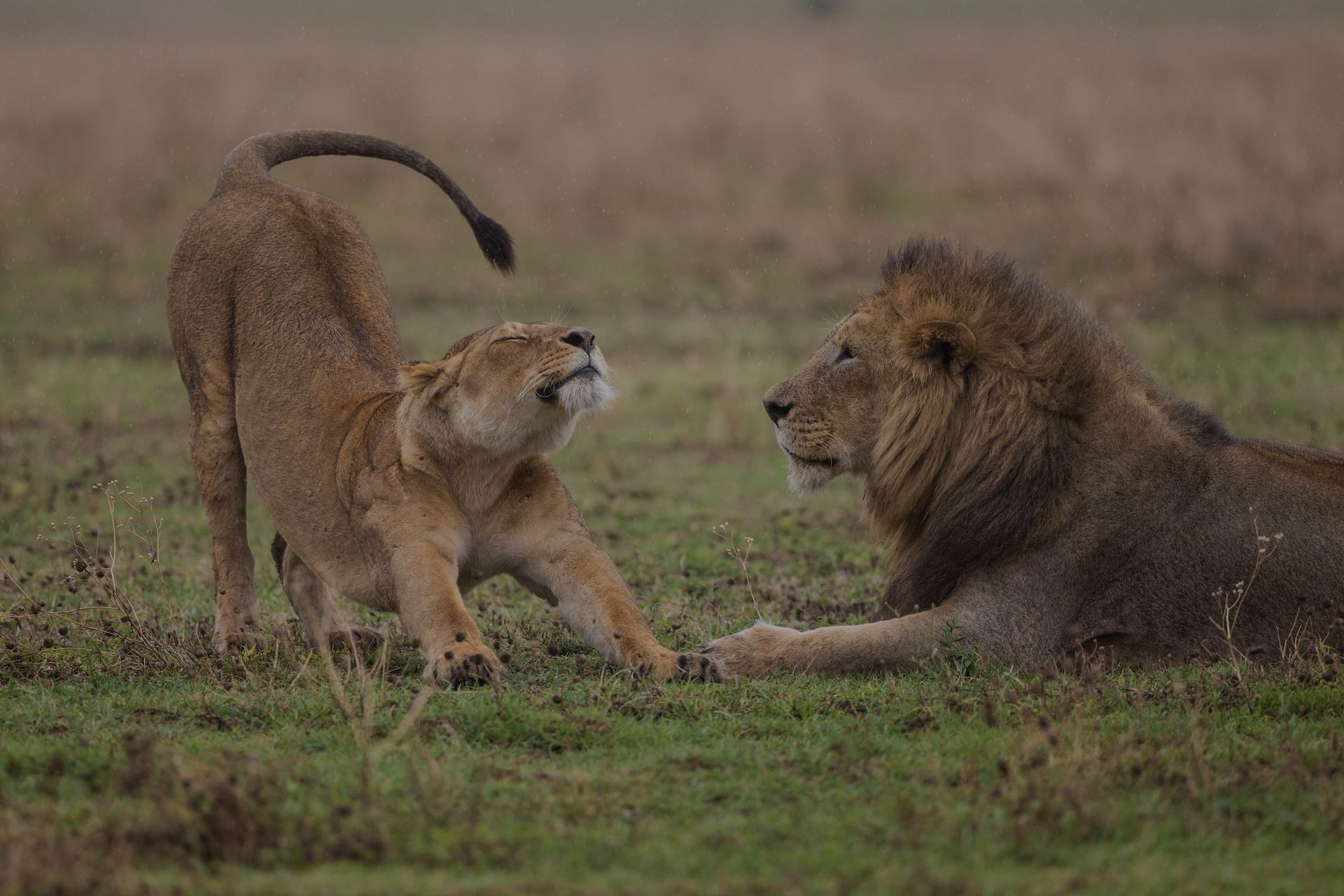
Lions do not exist in isolation. Mozambique’s predator landscapes are shaped by interactions between multiple carnivore species that compete, coexist, and adapt to shared pressures.
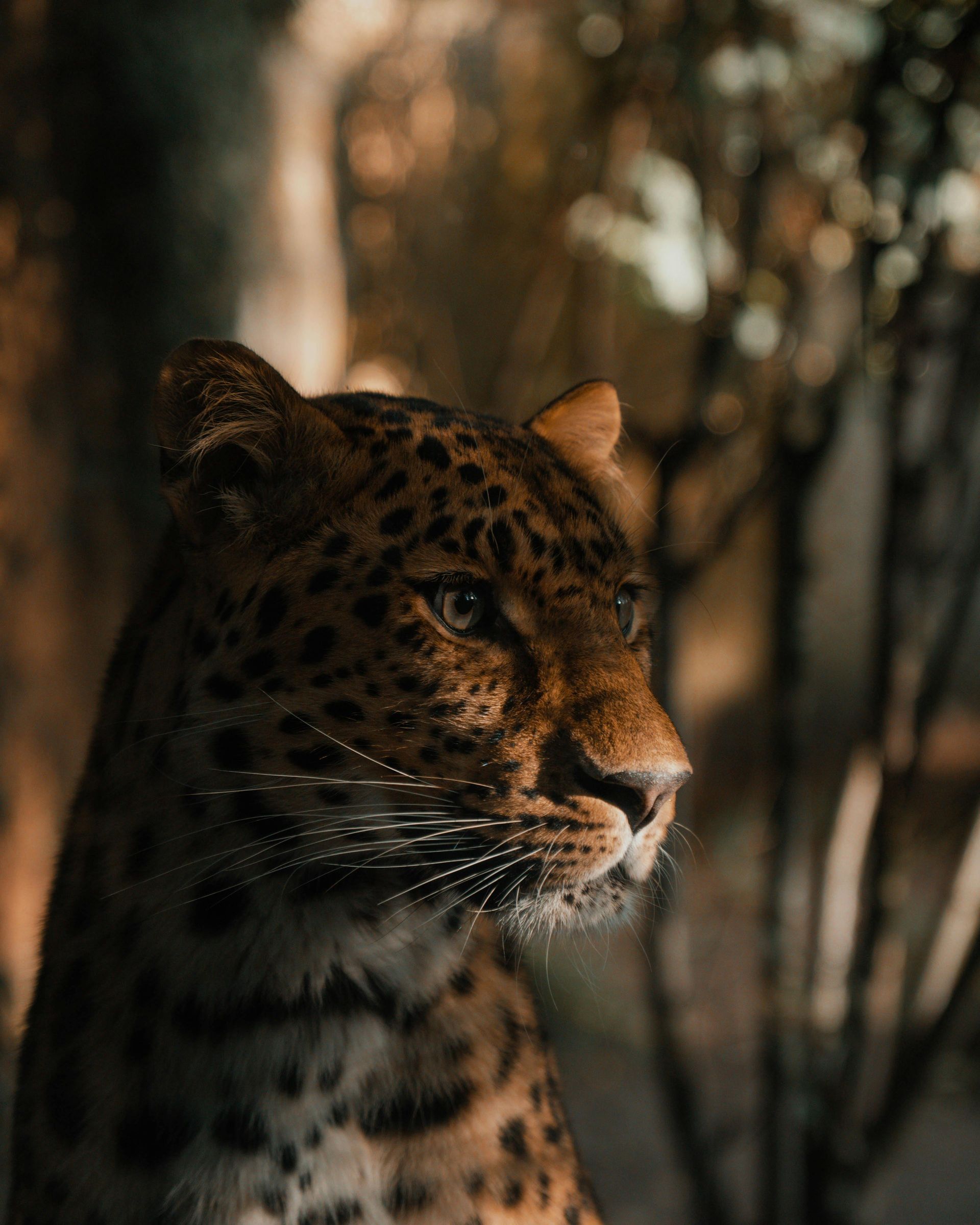
Leopards are widespread and highly adaptable, often persisting even where lions decline. Their ability to live near human settlements makes them resilient but also exposes them to snaring and conflict.
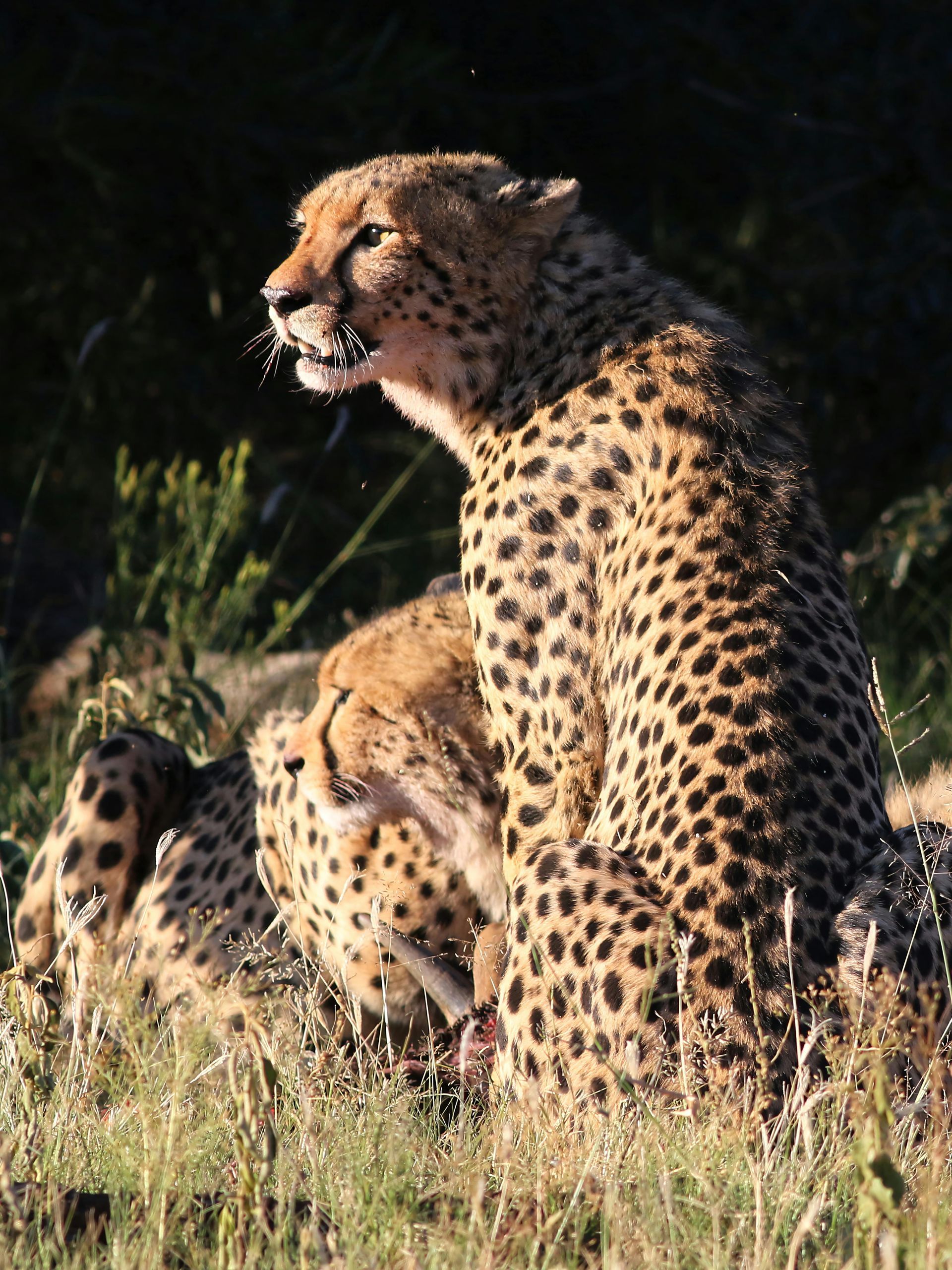
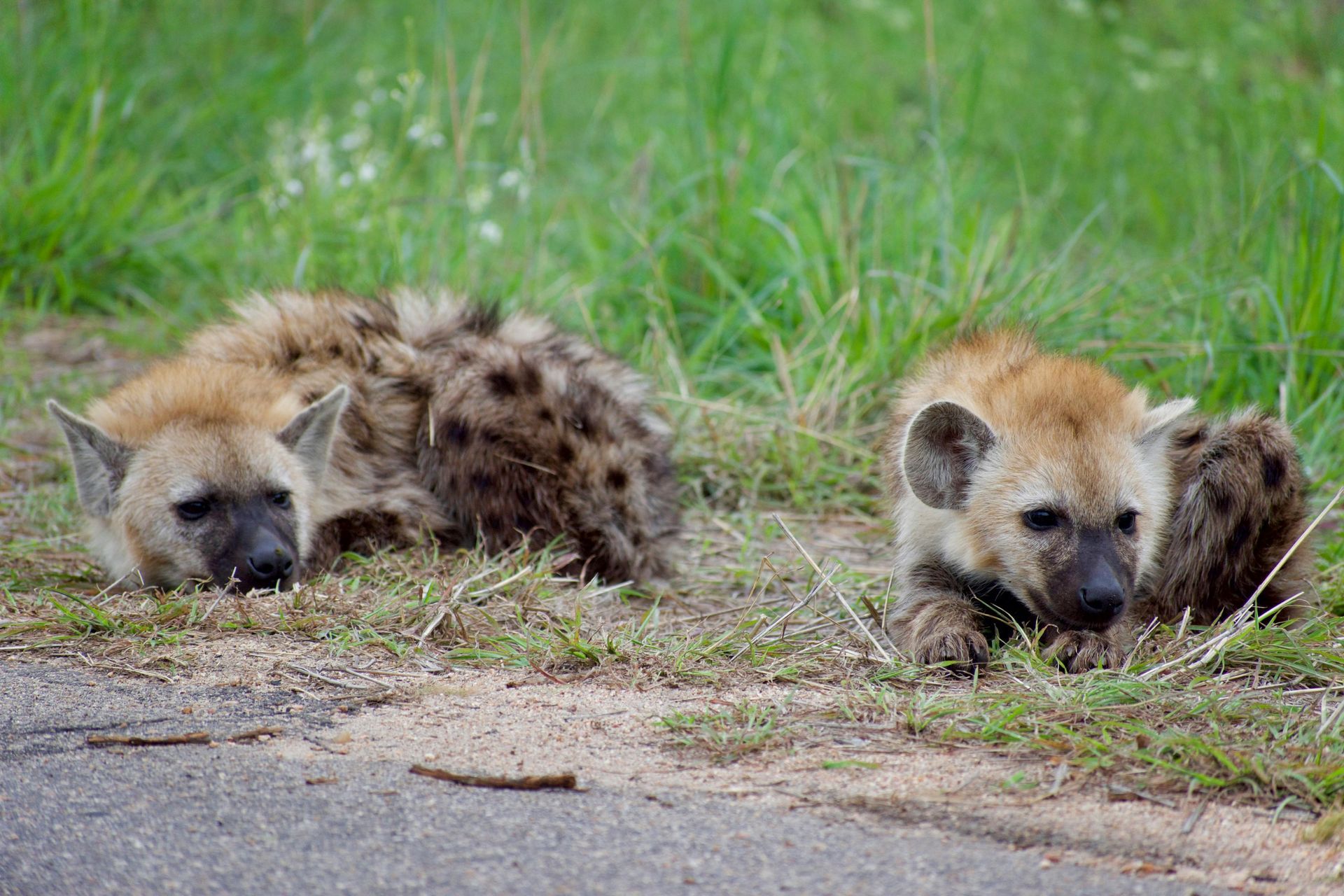
Spotted hyenas are successful predators and scavengers, playing a vital role in nutrient recycling. Their interactions with lions influence territory use, carcass access, and cub survival. Cheetahs occur in very low numbers, reflecting long-term prey loss and habitat fragmentation.
Together, these species form a predator guild that structures prey behaviour and ecosystem balance.
Human–Predator Conflict in Mozambique
Human–predator conflict remains one of the greatest challenges facing lion conservation in Mozambique. As communities live near protected areas, livestock losses can trigger retaliatory killings.
Lions are often blamed for predation events caused by other species, escalating conflict. Poisoning, snaring, and direct persecution remain serious threats, particularly outside well-protected zones.
Long-term conservation depends on conflict mitigation strategies such as improved livestock management, rapid response systems, compensation mechanisms, and community-based education rather than enforcement alone.
Poaching, Prey Loss, and Indirect Threats
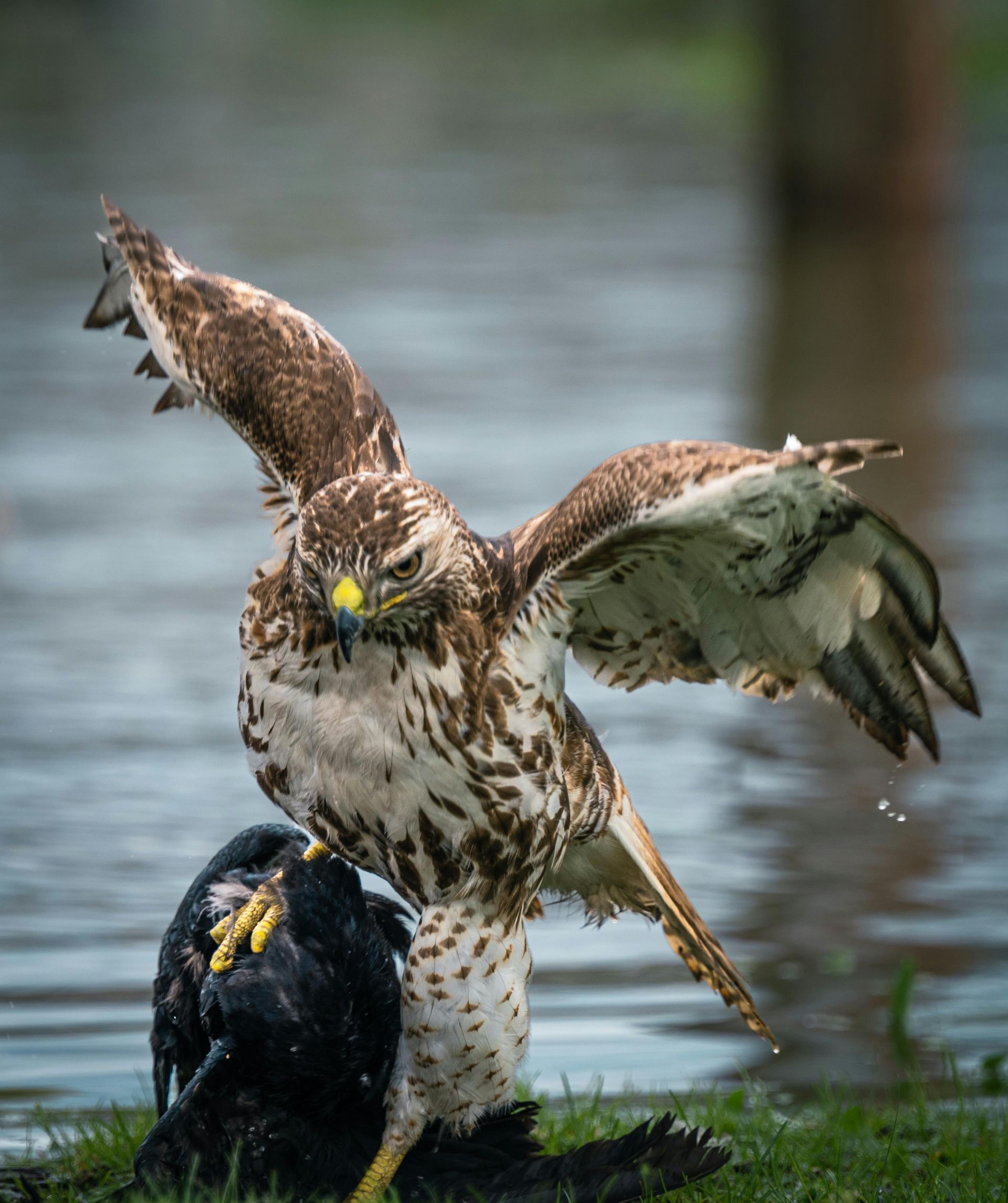
Predators depend on healthy prey populations. In Mozambique, bushmeat poaching has historically reduced antelope numbers, undermining predator survival even where lions themselves were not directly targeted.
Snaring kills predators accidentally and reduces prey availability, while poisoned carcasses can eliminate entire predator guilds in a single incident. These indirect threats are among the most damaging and hardest to detect.
Addressing predator decline requires ecosystem-wide anti-poaching strategies rather than species-specific protection.
The Role of Community-Based Conservation
Community involvement is central to predator conservation in Mozambique. Where communities benefit through employment, revenue sharing, and infrastructure development, tolerance for predators increases.
Projects linked to protected areas show that when local people see tangible benefits, retaliatory killings decline. Education initiatives also help reshape perceptions around predator behaviour and ecological value.
Long-term success depends on aligning conservation goals with human livelihoods and security.
Predator Recovery and Conservation Success Stories
Mozambique demonstrates that predator recovery is possible under the right conditions. Gorongosa’s lion recovery shows how restoring prey, habitat, and protection allows apex predators to return naturally.
These successes are fragile but meaningful. They provide models for other degraded landscapes while highlighting the need for long-term investment, governance stability, and adaptive management.
Why Predators Need Large, Connected Landscapes
Lions and other large predators require extensive territories. Fragmentation isolates populations, reduces genetic diversity, and increases conflict risk.
Mozambique’s remaining wild landscapes offer rare opportunities for large-scale conservation, especially when linked to transboundary ecosystems. Maintaining corridors and limiting further fragmentation are essential to long-term survival.
Tourism, Ethics, and Predator Protection
Responsible tourism supports predator conservation by funding protected areas, creating employment, and incentivising habitat protection.
Tourism must remain ethical. Predators should not be baited, pressured, or disturbed for sightings. Mozambique prioritises ecological integrity over guaranteed encounters, benefiting predators long term.
The Future of Lions and Predators in Mozambique
The future of Mozambique’s predators depends on integrated approaches addressing habitat, prey, conflict, and governance together.
Lions will not return everywhere, and predator densities will remain lower than in heavily marketed destinations. This reflects ecological reality, not conservation failure.
Mozambique’s strength lies in scale, authenticity, and the potential for sustained recovery.
What Travellers Should Understand About Predators in Mozambique
Predator encounters in Mozambique occur within functioning ecosystems rather than curated experiences.
Travellers should approach predator travel with patience, understanding that absence on one drive does not mean absence from the landscape.
Supporting conservation-focused destinations helps ensure predators remain part of Mozambique’s natural heritage.
Featured Packages
Mozambique Culture Safari and Beach Package 2026
Five-Night Gorongosa Safari Explorer
Chicari Camp Five-Night Safari From Johannesburg
Frequently asked questions about predators in mozambique
Are lions common in Mozambique compared to other safari countries?
Lions in Mozambique exist at lower densities than in destinations like Kenya or Tanzania. This reflects historical conflict, prey loss, and limited infrastructure rather than ecological failure. Mozambique’s lions live in large, recovering ecosystems where sightings are less predictable but more natural. This makes encounters rarer but often more meaningful for travellers seeking authentic conservation-driven experiences.
Where are the best places to see lions in Mozambique?
Gorongosa National Park currently offers the strongest chance of seeing lions due to successful prey recovery and monitoring. Niassa National Reserve also supports lions, though sightings are less frequent because of its size and remoteness. Mozambique prioritises ecosystem health over high encounter rates, so patience and multiple game drives improve chances.
Why do lions come into conflict with communities in Mozambique?
Conflict occurs mainly near protected area boundaries where livestock and wildlife overlap. Lions may target cattle or goats when natural prey is scarce or poorly protected. Losses can trigger retaliation if support systems are weak. Effective conflict reduction focuses on livestock protection, rapid response, and community benefit rather than punishment alone.
How does prey loss affect lion survival in Mozambique?
Lions depend on stable prey populations. Bushmeat poaching reduces antelope numbers, forcing lions to range wider or target livestock. Even when lions are protected, prey loss undermines their survival. Successful conservation therefore focuses on restoring entire ecosystems, not just predator numbers, ensuring food availability and reducing conflict pressure.
Are predators in Mozambique dangerous for tourists?
Predators pose minimal risk to travellers when visits are guided and managed responsibly. Most conflict involves livestock, not people. Lodges operate within controlled environments with trained guides and safety protocols. Travellers should follow guide instructions, respect wildlife space, and avoid walking unescorted in wildlife areas, especially at night.
Can tourism really help protect lions and predators in Mozambique?
Yes, when managed responsibly. Tourism funds conservation, creates local employment, and increases tolerance for predators among communities. It also supports monitoring, anti-poaching, and habitat protection. Ethical tourism avoids disturbing wildlife and ensures benefits reach local people, making predators valuable assets rather than perceived threats.
SHARE THIS POST
Are You Ready FOr Mozambique?
Page through our packages and find the offer right for you!
Ready to Speak to a Mozambique Travel Expert?
Get In Touch and Ask for a Call-Back Today
Latest Posts