

Two Mile Reef in the Bazaruto Archipelago: Mozambique’s Most Iconic Reef
By Mozambique Travel • May 22, 2026
Why Two Mile Reef Matters in Mozambique
Two Mile Reef is widely regarded as the most famous reef in Mozambique and one of the most significant marine ecosystems in the Indian Ocean off Africa’s east coast. Located within the protected waters of the Bazaruto Archipelago, the reef has achieved near legendary status among divers, snorkellers, and marine biologists alike.
Its reputation is built on scale, biodiversity, and consistency. Few reefs offer such reliable coral structure, fish density, and encounters with rare species across both snorkelling and scuba diving depths. Unlike many reefs that excel in one discipline only, Two Mile Reef supports exceptional experiences for surface snorkellers, advanced divers, and underwater photographers.
For travellers combining safari and beach experiences in Mozambique, Two Mile Reef often becomes the defining marine highlight of the journey. It is not an incidental snorkelling stop. It is a destination in its own right.
Where Two Mile Reef Is Located
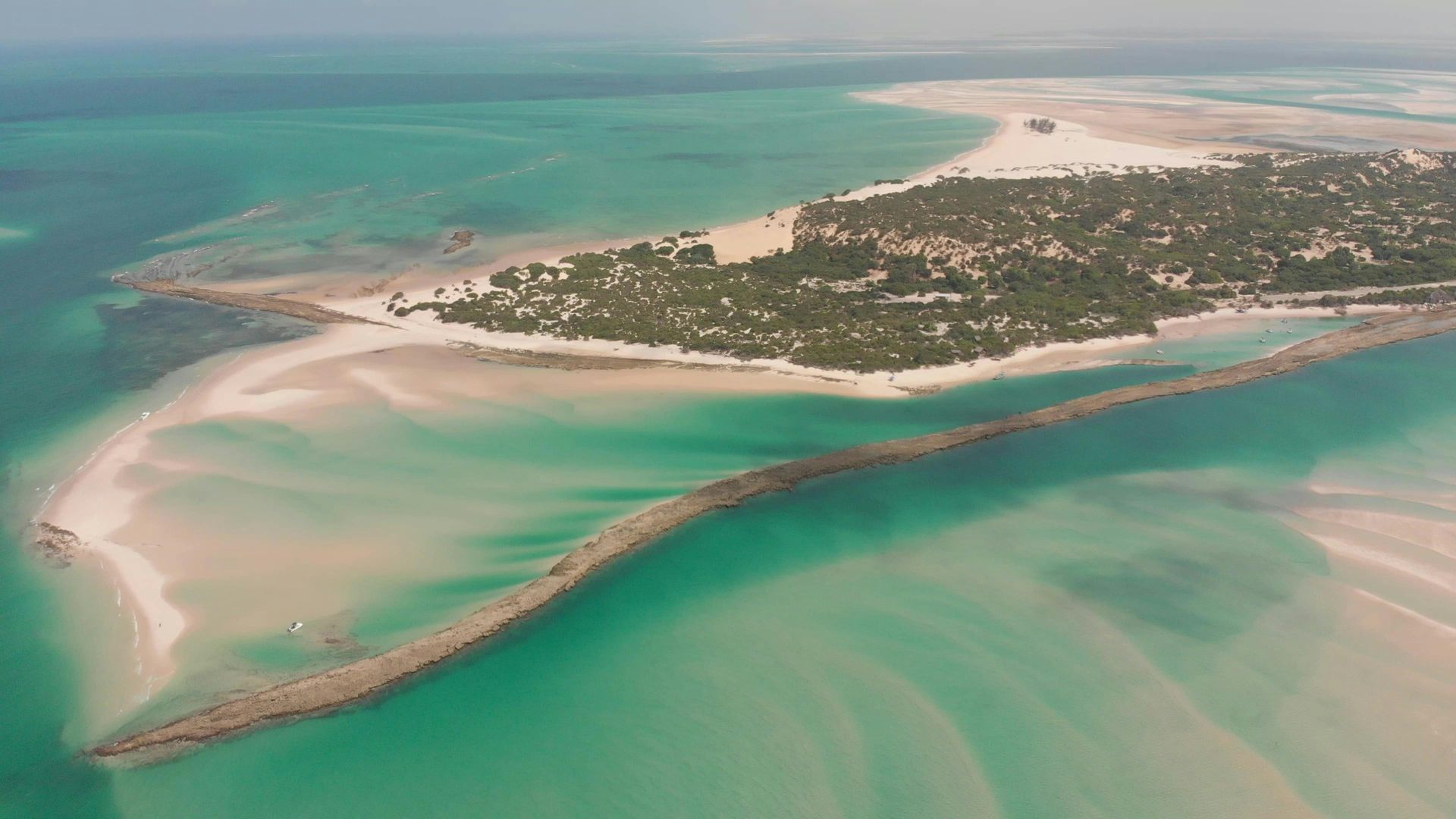
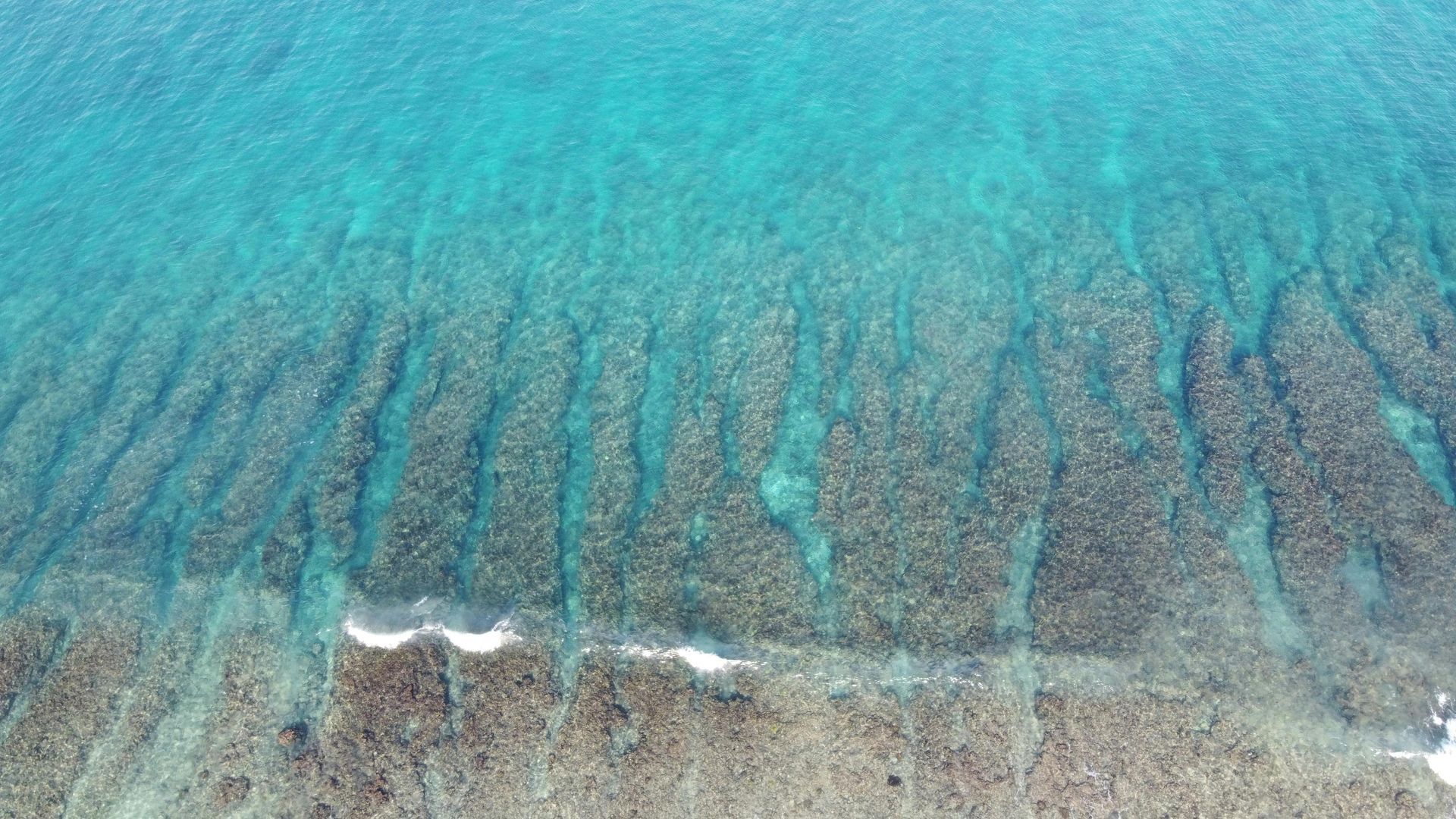
Two Mile Reef sits off the western edge of Benguerra Island, the second largest island in the Bazaruto Archipelago. The reef runs parallel to the island’s coastline, forming a long, shallow reef system that stretches for several kilometres.
Its position within a protected marine reserve shields it from heavy boat traffic and commercial fishing. The reef’s proximity to both island lodges and the mainland town of Vilanculos makes it uniquely accessible without sacrificing its wild character.
This combination of accessibility and protection is a key reason why Two Mile Reef has remained healthy while many global reefs have declined.
Why Two Mile Reef Is Mozambique’s Most Famous Reef
Two Mile Reef earned its reputation over decades of consistent marine encounters and strong conservation management. Unlike patch reefs that offer brief bursts of life, Two Mile Reef is a continuous system with varied coral formations, ledges, and channels.
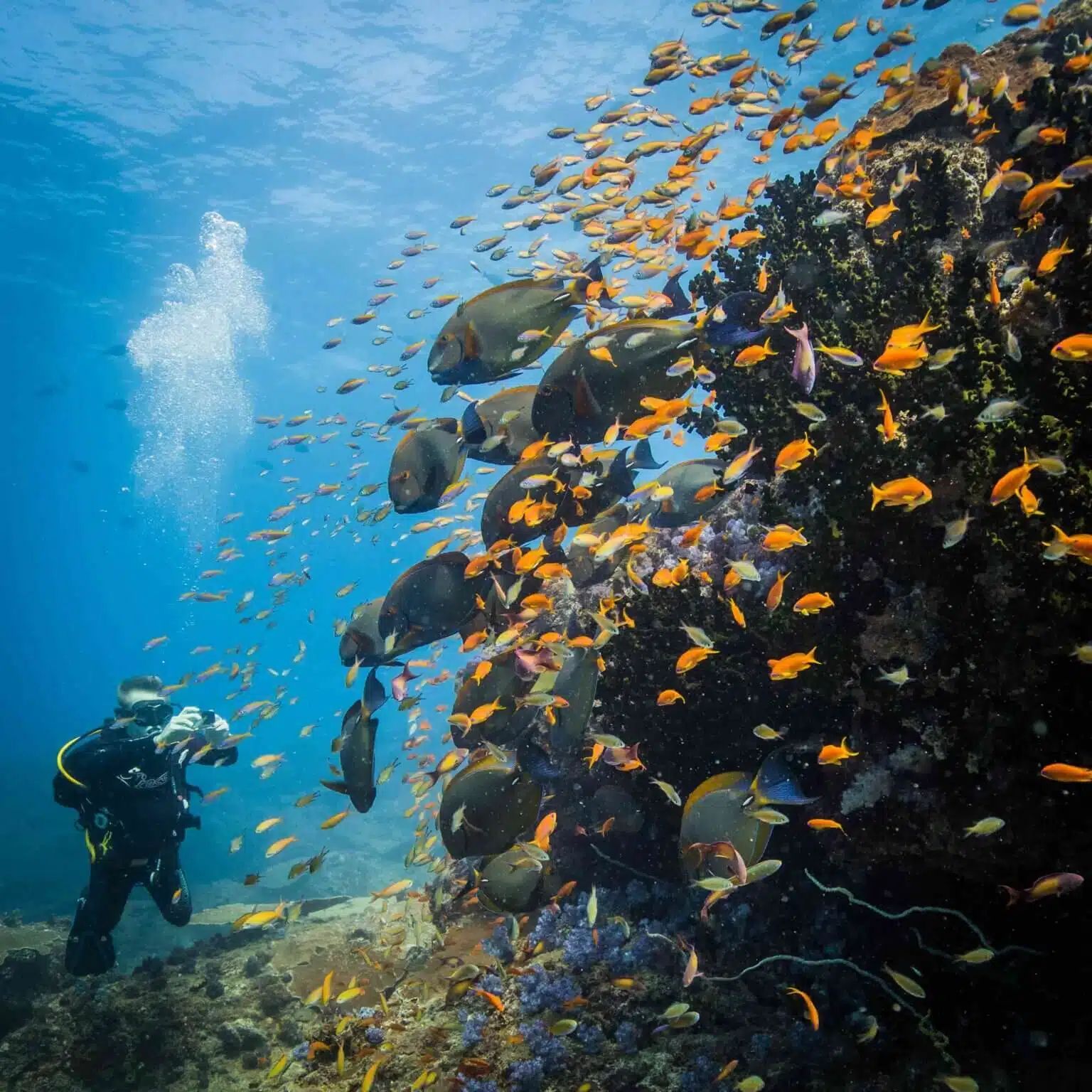
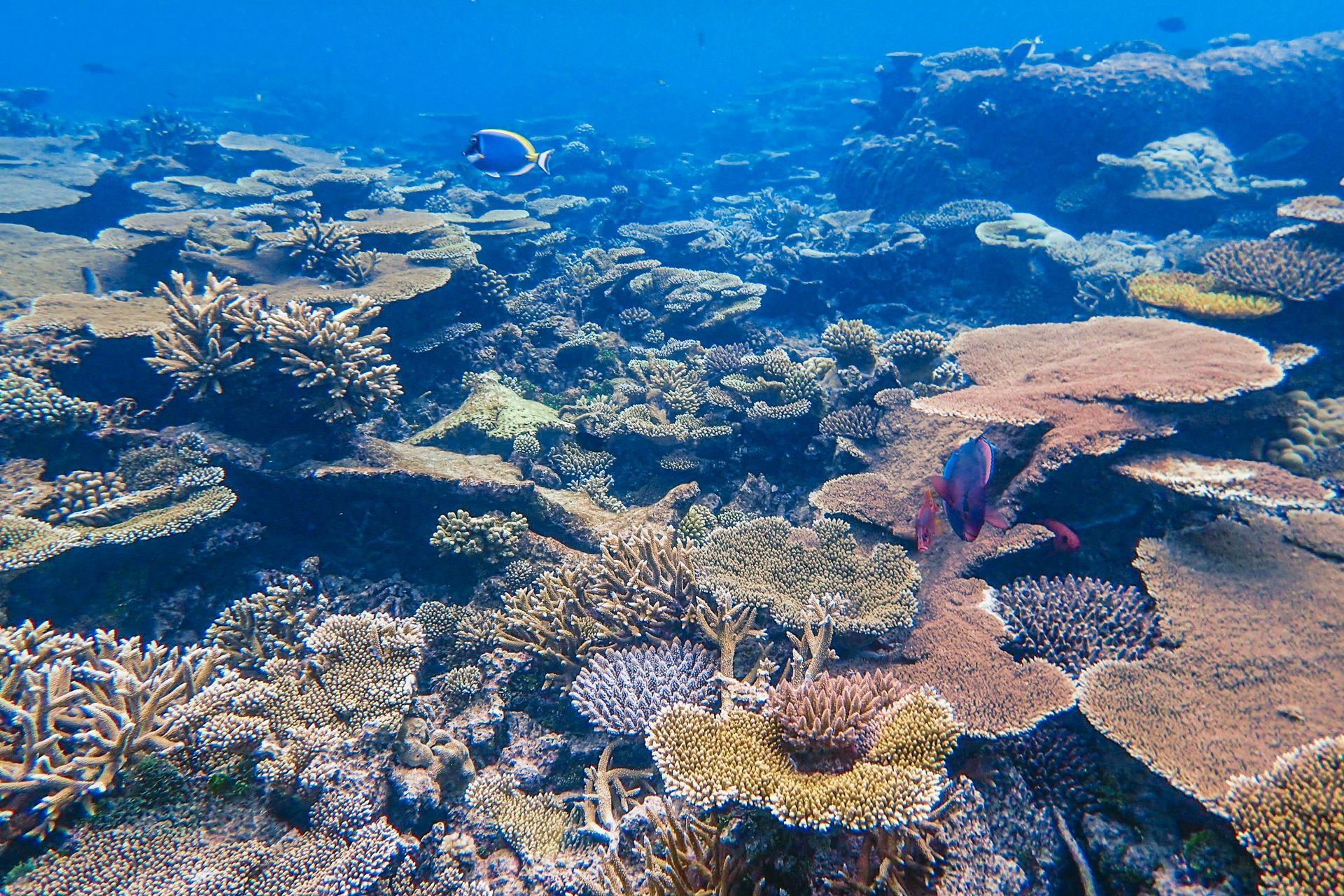
Visibility is often excellent, particularly during calm conditions. Coral cover remains strong, with hard corals dominating the reef structure and soft corals adding colour in deeper sections. Fish life is dense and diverse, with schooling species, reef predators, and large pelagics regularly encountered.
Another defining factor is reliability. Visitors do not need perfect conditions or advanced skills to experience something special here. Even short snorkelling sessions regularly deliver turtles, rays, reef sharks, and vast schools of tropical fish.
Reef Structure and Underwater Topography
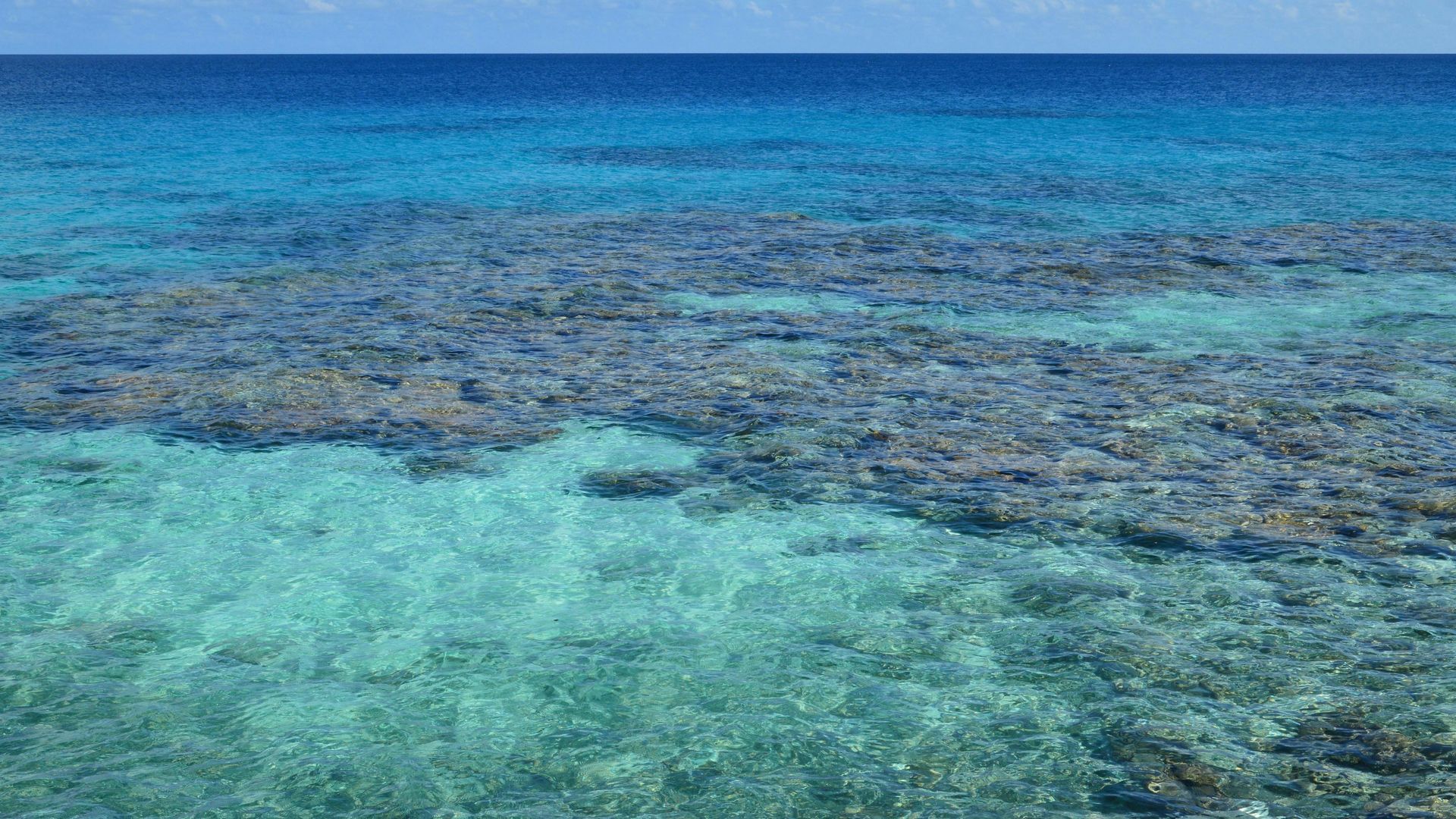
Two Mile Reef is best understood as a layered system rather than a single wall or drop-off. The reef crest sits close to the surface, making it accessible to snorkellers, while deeper terraces and channels extend outward for divers.
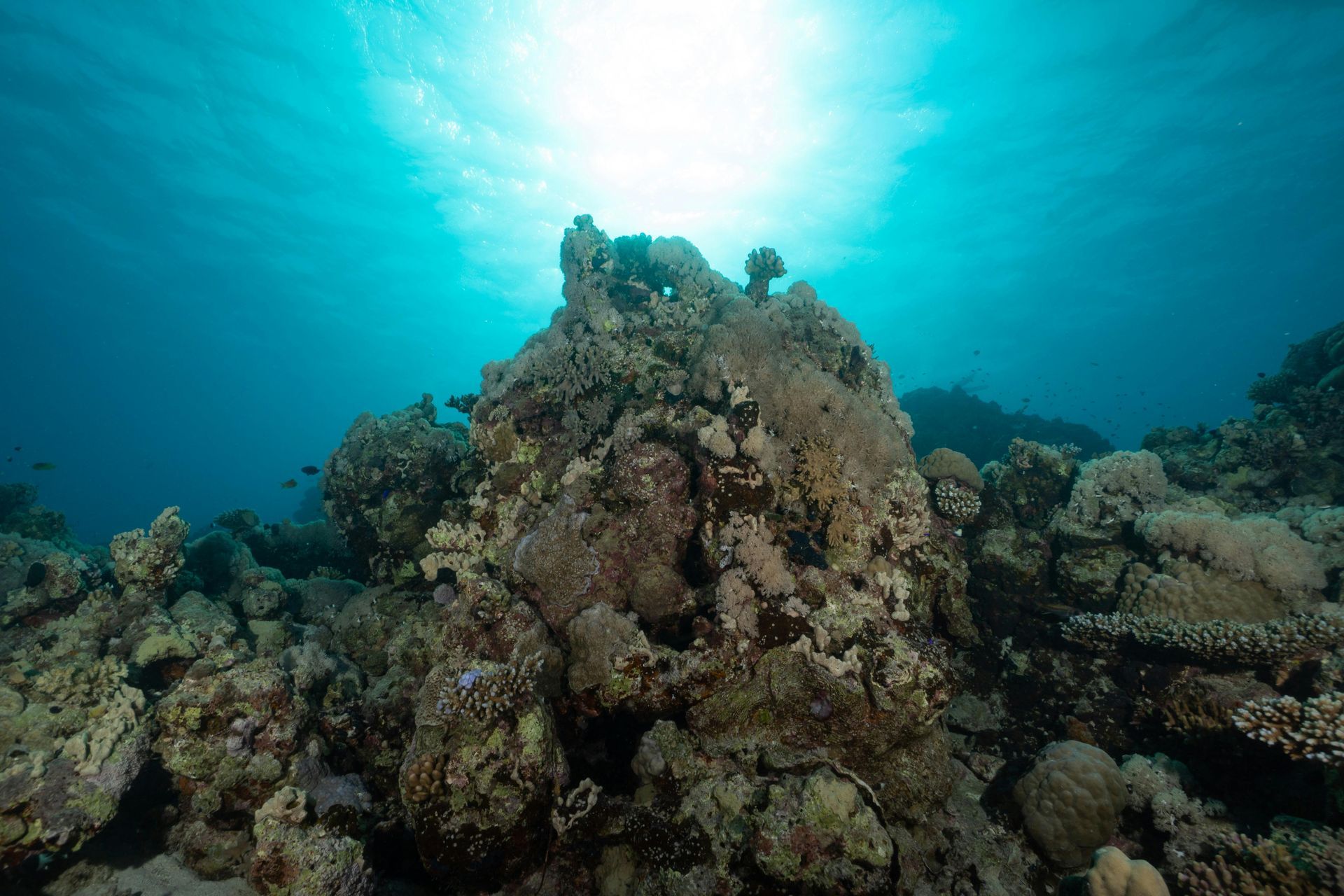
Coral bommies rise from sandy patches, creating natural habitats for reef fish and shelter for juveniles. Channels allow water movement that brings nutrients and supports plankton, which in turn attracts larger species.
This structural diversity explains why the reef supports such a wide range of marine life and why both snorkelling and diving are productive across different skill levels.
Snorkelling at Two Mile Reef
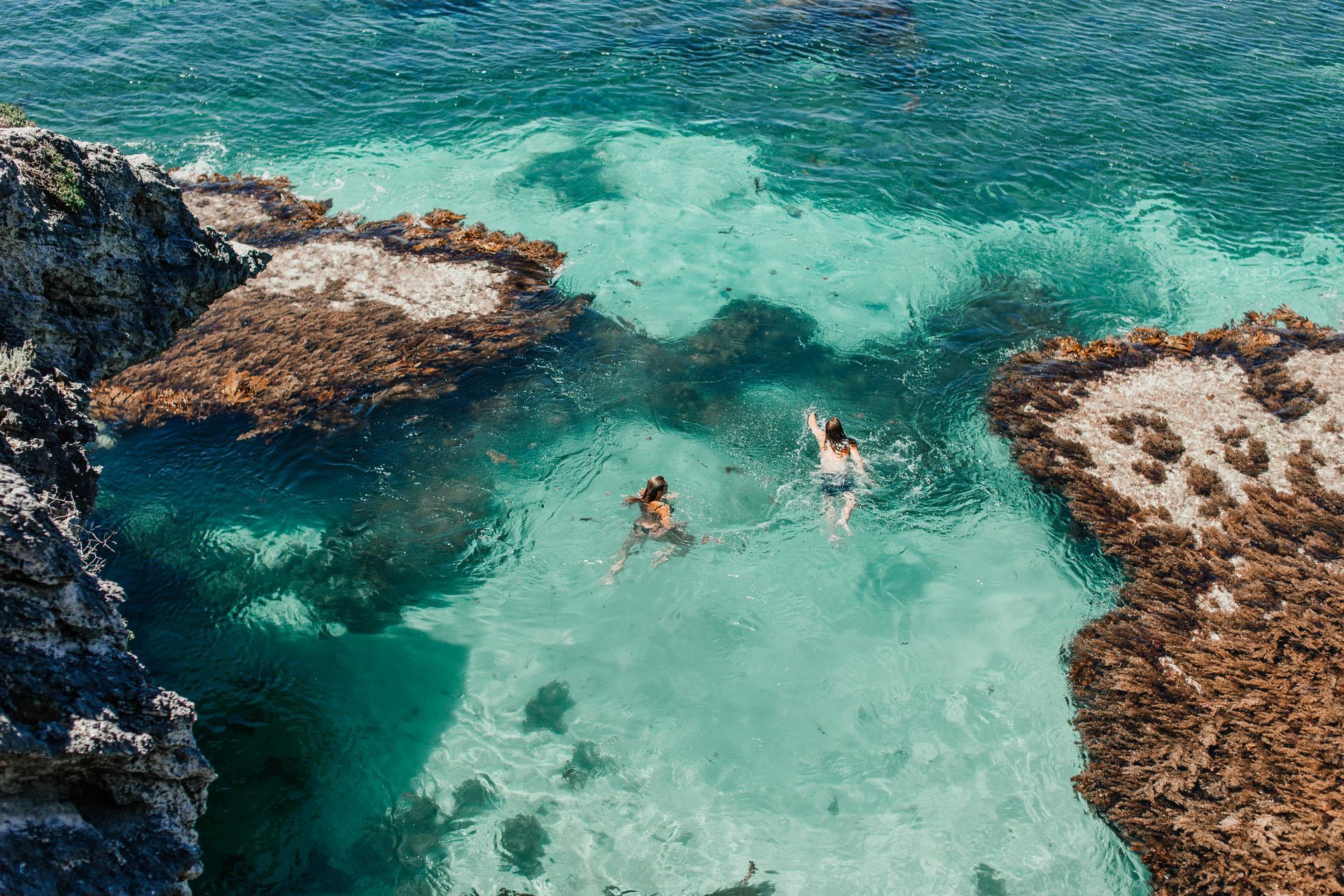
Snorkelling at Two Mile Reef is considered among the best in Mozambique and rivals well known Indian Ocean destinations. Calm conditions allow snorkellers to drift slowly across coral gardens in shallow water, often within metres of the surface.
The reef’s shallow profile means colour and detail are visible even without diving equipment. Parrotfish, angelfish, butterflyfish, and surgeonfish are abundant. Turtles are frequently seen grazing on coral heads, while rays glide across sandy channels below.
Snorkelling trips are typically timed to tides and weather, ensuring safe entry and exit points. This controlled approach preserves the reef while maximising the quality of the experience.
For many travellers, snorkelling Two Mile Reef becomes the moment when the marine richness of Mozambique truly reveals itself.
Scuba Diving at Two Mile Reef
Two Mile Reef is equally renowned as a scuba diving site. Divers can explore deeper sections of the reef where coral density increases and larger species become more common.
Reef sharks patrol the outer edges, while moray eels, octopus, and nudibranchs occupy crevices and overhangs. Larger pelagic species appear when conditions are right, drawn by currents that sweep along the reef.
Diving here rewards patience rather than speed. Slow, observational dives reveal layers of life that change with depth and light. For experienced divers, extended bottom times and multiple dive profiles make Two Mile Reef endlessly engaging.
Marine Life at Two Mile Reef
Marine biodiversity is the foundation of Two Mile Reef’s reputation and the primary reason it is regarded as Mozambique’s most important reef system. The reef supports an exceptionally wide range of species across multiple trophic levels, from microscopic plankton to apex predators. This diversity is not incidental. It is the result of reef structure, nutrient flow, and long-term protection within the Bazaruto Archipelago marine reserve.
Hundreds of reef fish species inhabit the coral gardens and channels. Parrotfish, angelfish, butterflyfish, triggerfish, and surgeonfish dominate the shallower sections, grazing on algae and maintaining coral health. Their constant movement creates the visual energy snorkellers associate with the reef. Juvenile fish shelter among branching corals, while larger individuals patrol bommies and reef edges.
Predatory species play a critical role in maintaining balance. Reef sharks, including whitetip and blacktip species, are regularly encountered cruising outer sections of the reef. Giant trevally, barracuda, and snapper move through the water column, keeping prey populations in check and contributing to the reef’s stability.
Turtles are frequent visitors, particularly green and hawksbill turtles that feed on algae and sponges. Rays glide across sandy channels and seagrass margins, while octopus, moray eels, and crustaceans occupy crevices and overhangs, rewarding patient observers.
Seasonal variation adds another layer of richness. Changes in water temperature, currents, and plankton density influence which species are most visible at any given time. Increased plankton may reduce visibility but attracts larger fish and pelagic visitors, while clearer conditions highlight coral detail and reef fish behaviour.
There is no true off season at Two Mile Reef. Each visit reveals a different expression of the ecosystem, shaped by natural cycles rather than tourism schedules. This dynamic, living quality is what elevates Two Mile Reef beyond a simple snorkelling site and cements its status as one of the most biologically significant reefs in the western Indian Ocean.
Dugongs and Two Mile Reef
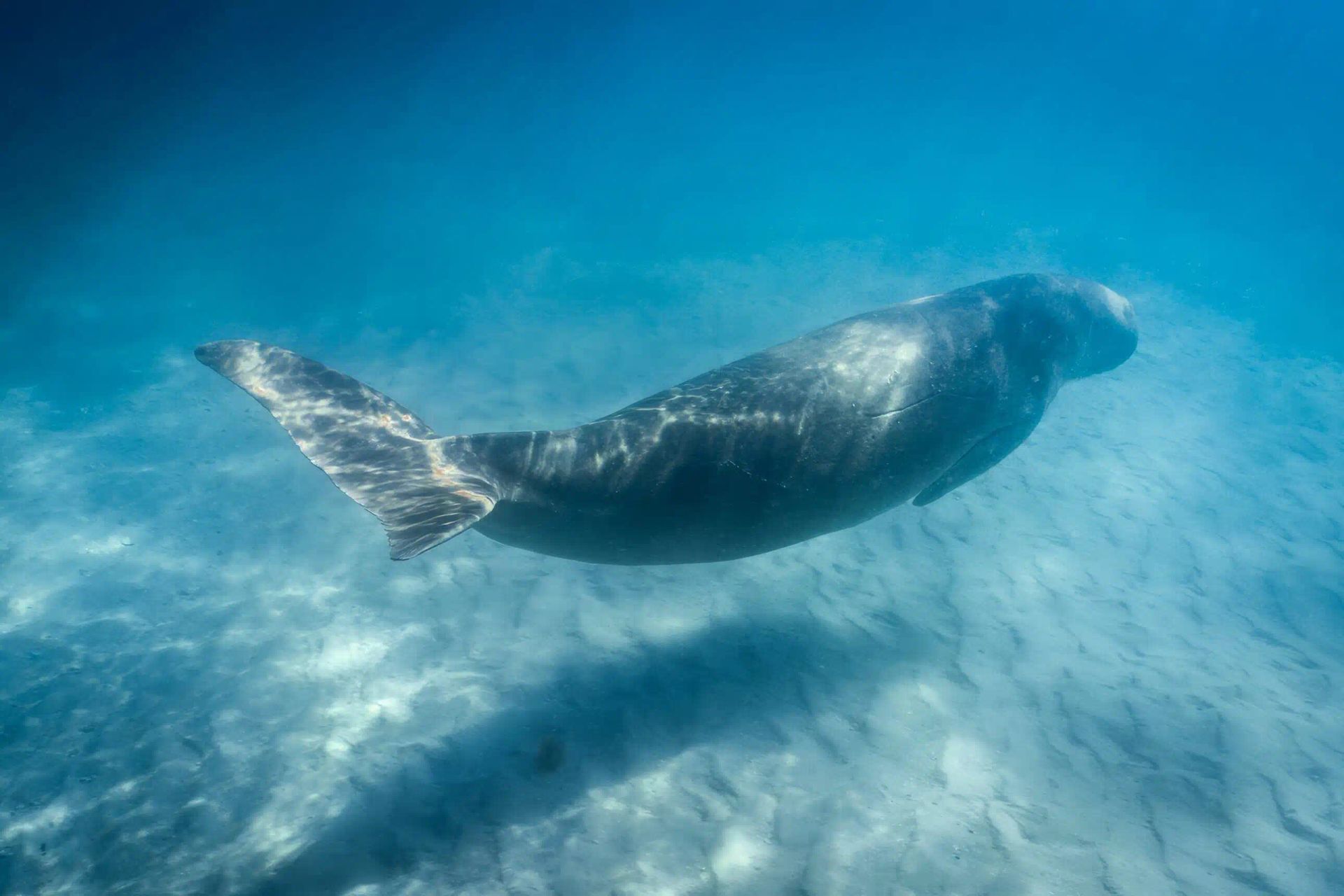
The waters surrounding Two Mile Reef form part of one of the last remaining habitats for dugongs in the western Indian Ocean. These gentle marine mammals depend on healthy seagrass beds found near the reef and throughout the archipelago.
While dugong sightings are never guaranteed, the Bazaruto Archipelago remains one of the best places in Africa to encounter them. Their presence is a powerful indicator of the reef’s ecological health.
Responsible tourism and strict marine protection have played a critical role in preserving this fragile population. Encounters, when they occur, are carefully managed to minimise disturbance.
Seasonal Conditions and Visibility
Conditions at Two Mile Reef vary with seasons, tides, and prevailing winds. Generally, calmer months offer clearer water and easier snorkelling, while periods of increased plankton attract more marine life.
Visibility can change daily, which is part of the reef’s natural rhythm. Experienced guides plan outings around conditions to ensure safety and optimal viewing.
Understanding these patterns helps travellers appreciate the reef as a living system rather than a static attraction.
Conservation and Marine Protection
Two Mile Reef lies within a protected marine reserve that restricts fishing, anchoring, and uncontrolled access. Conservation measures are enforced through collaboration between local authorities, communities, and tourism operators.
Luxury lodges and dive operators contribute to reef monitoring, education, and sustainable practices. This shared responsibility has allowed the reef to thrive while supporting local livelihoods.
Visitors play a role as well. Responsible snorkelling and diving practices ensure the reef remains intact for future generations.
Accessing Two Mile Reef from Benguerra Island
Guests staying on Benguerra Island enjoy direct access to Two Mile Reef via short boat transfers. This proximity allows flexible timing and repeated visits under varying conditions.
Island lodges typically operate dedicated marine teams who understand the reef’s patterns intimately. This expertise enhances safety and improves the quality of each outing.
For travellers seeking immersive marine experiences, Benguerra Island offers the most seamless access to the reef.
Accessing Two Mile Reef from Vilanculos
Two Mile Reef is also accessible from Vilanculos on the mainland. Day trips and snorkelling excursions depart by boat, making the reef reachable for travellers staying in coastal lodges or private villas.
While trips from Vilanculos involve longer boat journeys, they remain well organised and popular. Mainland access broadens the reef’s appeal beyond island stays and allows more travellers to experience its significance.
Why Two Mile Reef Defines the Bazaruto Experience
Two Mile Reef is not simply one of many snorkelling sites in Mozambique. It is the reef that defines the marine identity of the Bazaruto Archipelago.
Its fame is earned through consistency, protection, and ecological richness rather than marketing. For travellers seeking meaningful marine encounters as part of a safari and beach holiday, Two Mile Reef delivers depth, beauty, and authenticity.
In a world where reefs are increasingly fragile, Two Mile Reef stands as a reminder of what protected marine ecosystems can still offer when managed with care.
Featured Packages
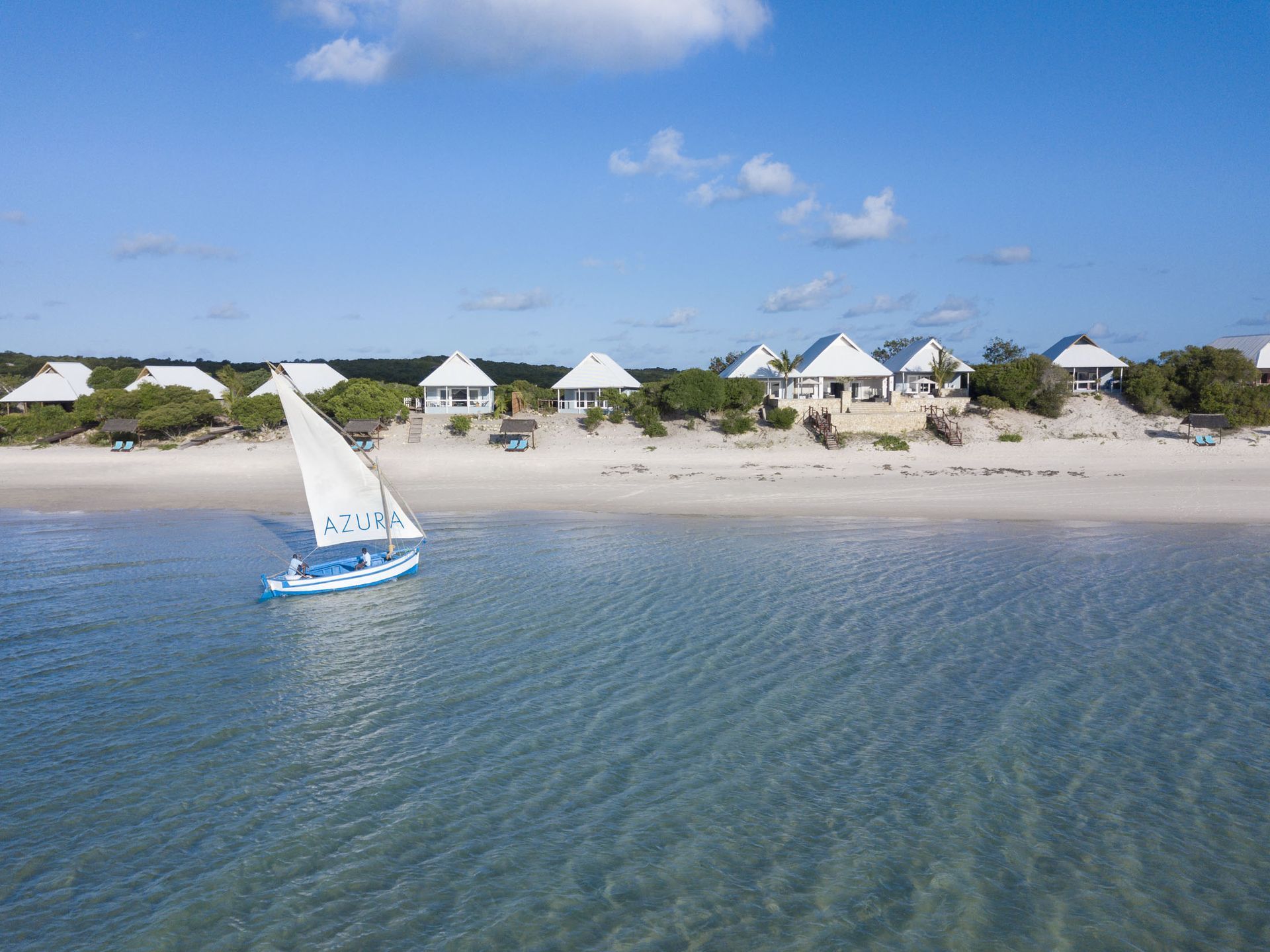
Azura Marlin Beach 5-Night SADC Special
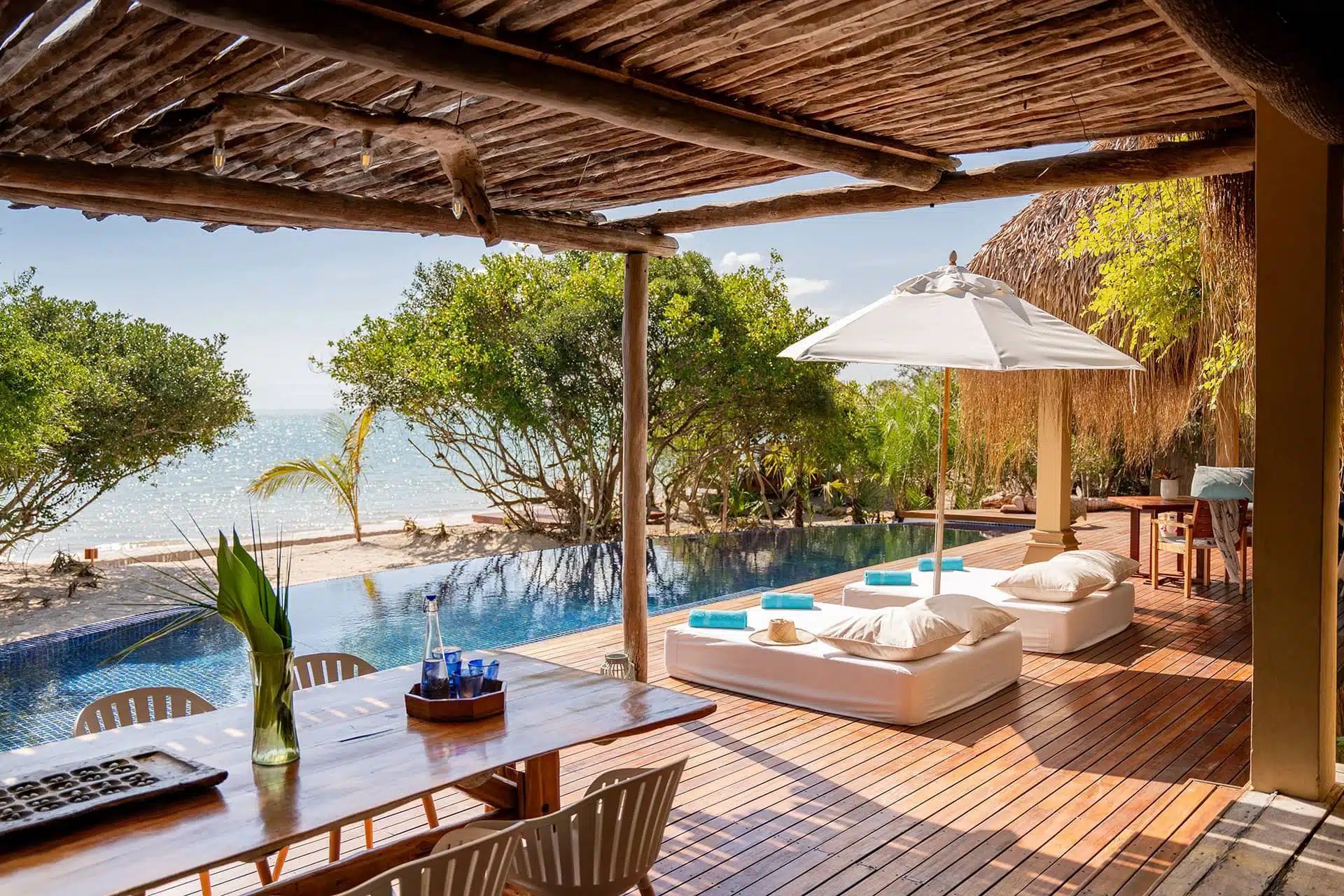
Okavango Delta Safari and Bazaruto Island Beach Holiday
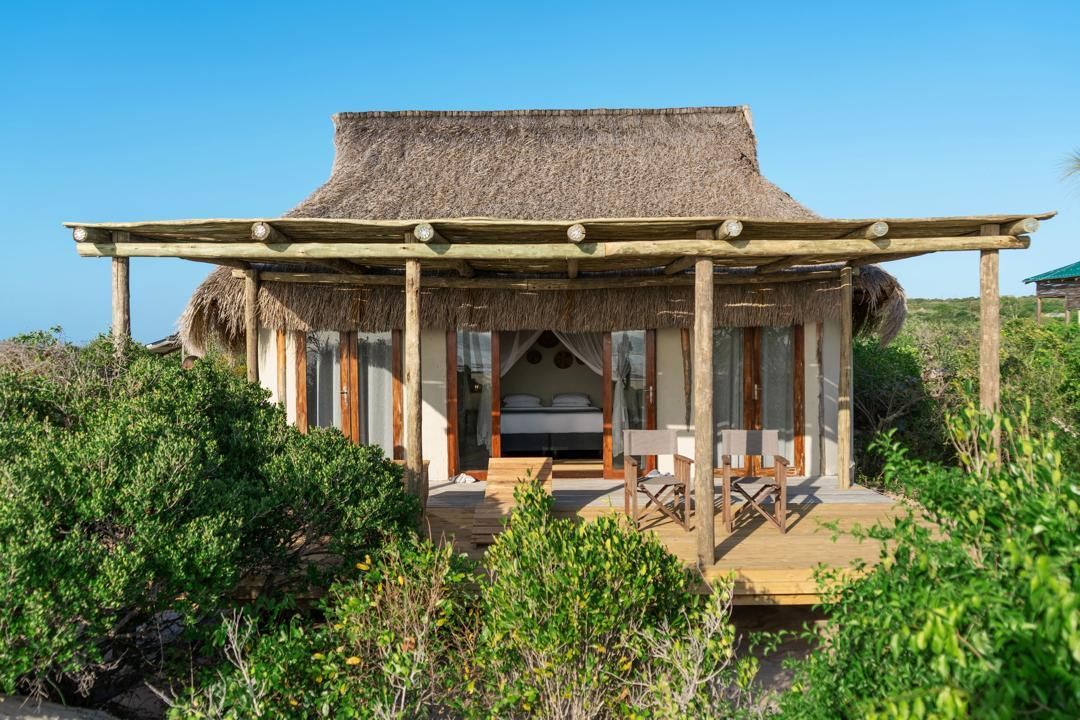
Bazaruto Sands 5-Night SADC Island Package
Frequently asked questions about Two mile reef
Why is Two Mile Reef considered the most famous reef in Mozambique?
Two Mile Reef is considered Mozambique’s most famous reef because of its size, biodiversity, and reliability for both snorkelling and scuba diving. Located within the protected Bazaruto Archipelago marine reserve, the reef supports healthy coral systems, large fish populations, turtles, rays, reef sharks, and occasional dugongs. Its shallow structure allows excellent snorkelling, while deeper sections provide rewarding diving, making it accessible and exceptional across skill levels.
Is Two Mile Reef better for snorkelling or scuba diving?
Two Mile Reef is unusual in that it offers outstanding conditions for both snorkelling and scuba diving. Snorkellers benefit from shallow coral gardens close to the surface with excellent visibility and abundant fish life. Divers can explore deeper terraces, channels, and coral bommies where reef sharks, rays, and larger species are more common. This dual suitability is a key reason the reef is so highly regarded internationally.
What marine life can you expect to see at Two Mile Reef?
Marine life at Two Mile Reef is diverse and abundant. Common sightings include parrotfish, angelfish, butterflyfish, turtles, rays, moray eels, and reef sharks. Seasonal conditions may attract larger pelagic species, while healthy coral systems support dense reef fish populations year-round. The surrounding waters are also part of a protected habitat for dugongs, making the reef ecologically significant beyond typical snorkelling and diving encounters.
Can you see dugongs at Two Mile Reef?
Dugongs are present in the wider Bazaruto Archipelago, including areas surrounding Two Mile Reef, although sightings are not guaranteed. They depend on nearby seagrass beds rather than the reef itself. The archipelago remains one of the last strongholds for dugongs in the western Indian Ocean. Responsible tourism and marine protection have helped preserve this population, making occasional sightings a meaningful indicator of ecosystem health.
How do you access Two Mile Reef from Benguerra Island or Vilanculos?
Two Mile Reef is accessed by boat, either from Benguerra Island or from Vilanculos on the mainland. Benguerra Island offers the shortest and most flexible access, with reef trips often lasting only minutes. From Vilanculos, snorkelling and diving excursions involve longer boat journeys but remain well organised. Both access points rely on experienced marine guides who plan trips around tides and conditions for safety.
What is the best time of year to snorkel or dive at Two Mile Reef?
Two Mile Reef can be visited year-round, but conditions vary seasonally. Calmer months typically offer clearer visibility and easier snorkelling, while periods with increased plankton may reduce visibility but attract more marine life. Tides, wind, and daily weather patterns also influence conditions. Experienced operators time excursions carefully, meaning excellent reef experiences are possible throughout the year rather than during a single peak season.
SHARE THIS POST
Are You Ready FOr Mozambique?
Page through our packages and find the offer right for you!
Ready to Speak to a Mozambique Travel Expert?
Get In Touch and Ask for a Call-Back Today
Latest Posts