

Mount Gorongosa Travel Guide 2027: Discover Mozambique's Most Important Sky Island


By Kevin Record June 25, 2026

Why Mount Gorongosa Should Be Part of Every Gorongosa Safari


Most visitors arrive at
Gorongosa National Park expecting exceptional wildlife viewing.


Few realise that the mountain rising above the floodplains is the reason the park exists in its current form.


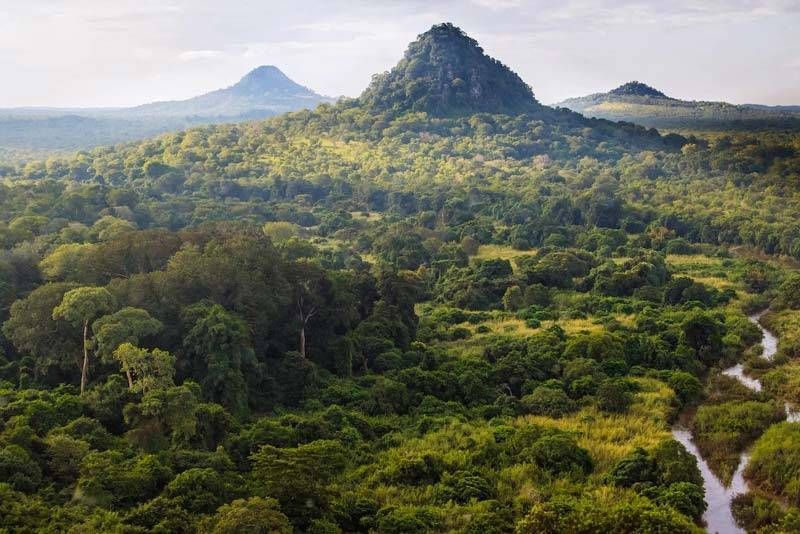
Mount Gorongosa is far more than a hiking destination. It is the ecological heart of Gorongosa National Park, supplying the water that feeds Lake Urema, sustaining the wetlands that support thousands of animals and protecting one of Southern Africa's most important rainforest ecosystems. Without the mountain, Gorongosa would be a completely different landscape.


For travellers, this creates an opportunity that few African safari destinations can offer.


Instead of experiencing only wildlife, visitors can discover how rainforest, rivers, local communities and
conservation combine to create one interconnected ecosystem. A journey to Mount Gorongosa transforms a traditional safari into a deeper exploration of how one of Africa's greatest conservation success stories continues to evolve.


Rather than treating the mountain as a separate excursion, Mozambique Travel recommends incorporating it as an integral part of every longer Gorongosa itinerary.


One of Mozambique's Five Recognised Sky Islands


Mount Gorongosa is recognised as one of
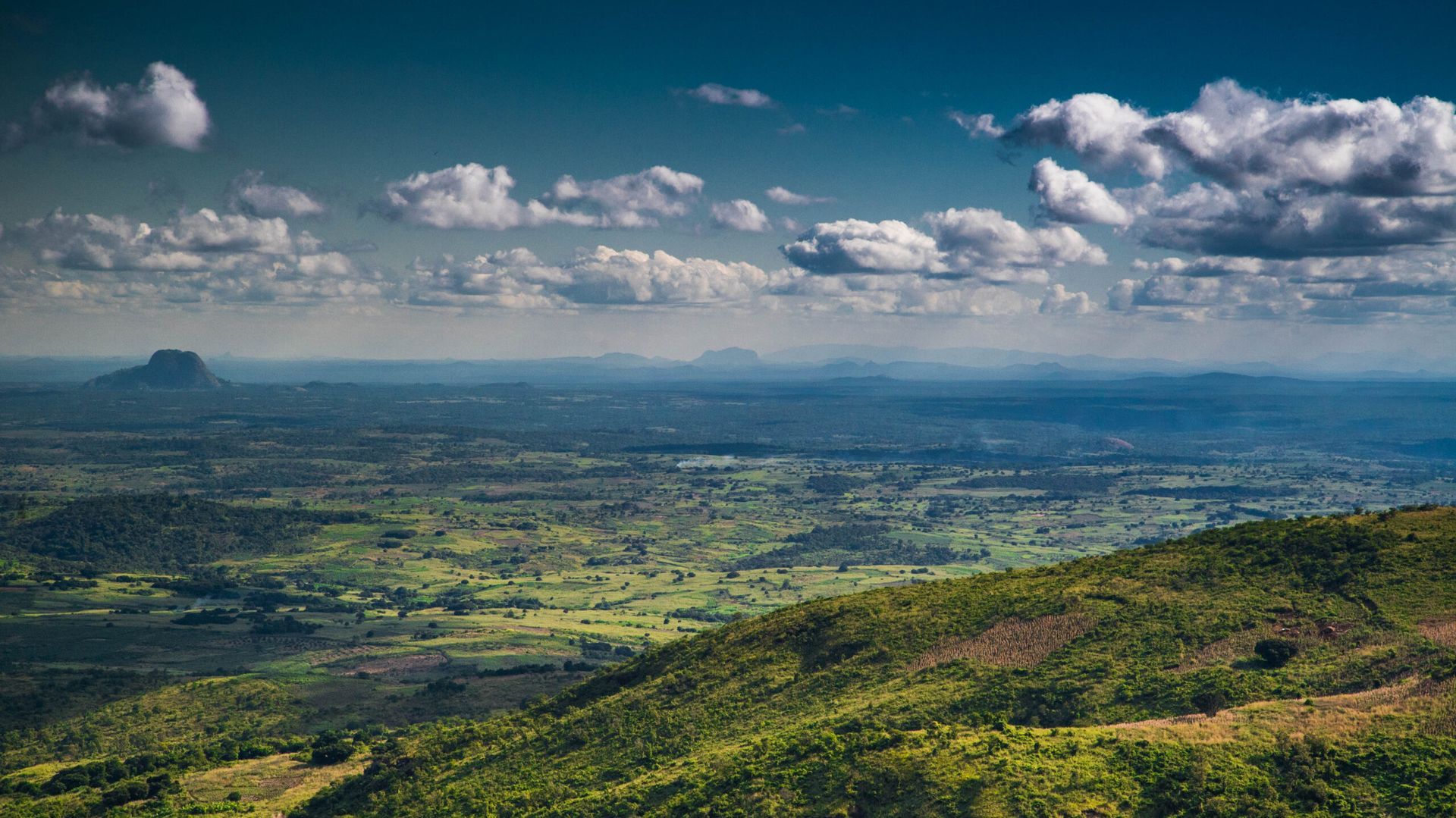
Mozambique's five remarkable Sky Islands, isolated mountain ecosystems that rise dramatically above the surrounding plains and support completely different climates, vegetation and wildlife.


These high-altitude landscapes function like biological islands.


Their cooler temperatures, persistent mist and reliable rainfall allow rainforest species to survive hundreds of metres above the hot savanna below. Over thousands of years this isolation has produced unique plant communities, specialised birds, amphibians and insects that occur nowhere else in the surrounding lowlands.


The importance of Mount Gorongosa extends far beyond biodiversity.


The mountain captures moisture from Indian Ocean weather systems and releases it gradually throughout the year, feeding rivers that sustain the entire Gorongosa ecosystem. Scientists often describe the mountain as the park's natural water tower because every healthy floodplain, wetland and grassland below ultimately depends on the forests growing on its slopes.


For travellers interested in conservation, climate resilience and ecological recovery, visiting one of Mozambique's Sky Islands adds an entirely new dimension to a Gorongosa safari.

Wild dogs walk together along a sunlit tree-lined dirt road in the forest

The Mountain That Keeps Gorongosa Alive


Every safari traveller notices
Gorongosa's extraordinary wildlife.


Far fewer understand what makes that wildlife possible.


Rain falling across Mount Gorongosa filters slowly through ancient forests before emerging as springs and streams that feed the park throughout the year. This steady flow maintains wetlands, nourishes grazing areas and supports countless species during the long dry season.


When forests are damaged, this delicate balance begins to fail. Water runs rapidly downhill, erosion increases and the plains below become less productive. This is why rainforest restoration has become one of the most important conservation priorities within Gorongosa National Park.


Standing beside one of the mountain's waterfalls or overlooking the forests from a higher ridge makes this relationship immediately obvious. Visitors quickly understand that Gorongosa is not simply a wildlife reserve. It is a complete living system where mountain, forest, rivers and floodplains depend entirely upon one another.


Experiencing both the plains and the mountain provides a far richer understanding of Gorongosa than game drives alone ever could.


More Than a Hike, An Immersive Conservation Experience


Travellers sometimes assume that Mount Gorongosa is primarily for hikers.


That is no longer an accurate description.


Walking on the mountain certainly forms part of the experience, but the journey is really about understanding
conservation in action. Guided visits reveal rainforest ecology, community-led restoration projects, sustainable coffee farming, scientific research and the remarkable recovery of landscapes that were once under considerable environmental pressure.


The pace is deliberately slower than a traditional safari.


Visitors stop to examine orchids growing beneath the forest canopy, listen to birds found nowhere on the surrounding plains and watch waterfalls emerging from dense indigenous forest. Local guides explain how communities, scientists and conservationists work together to restore both biodiversity and livelihoods.


The result is an experience that feels educational without becoming academic and adventurous without becoming physically demanding.


Mount Gorongosa appeals particularly strongly to travellers who want to understand the story behind Gorongosa's extraordinary recovery rather than simply observe its wildlife.

Two people riding on the roof of a jeep in a sunny field, one holding a camera.

How Mount Gorongosa Fits Into a Gorongosa Itinerary


The mountain should never be viewed as a standalone destination.


Its greatest strength lies in how naturally it complements a safari based around Gorongosa National Park.


A typical itinerary combines game drives across the floodplains with a full or half-day exploration of Mount Gorongosa. Visitors experience lions, elephants, wild dogs and antelope in the lowlands before discovering the rainforest, waterfalls and community conservation projects higher on the mountain. The contrast between these environments creates one of the most diverse wildlife and conservation experiences available anywhere in Africa.


Accommodation at
Chicari Camp or Muzimu Lodge provides an ideal base because both allow travellers to balance early morning game drives with mountain excursions later in the itinerary.


Rather than competing for time, safari and mountain exploration strengthen one another. By the end of the journey, visitors understand not only what makes Gorongosa spectacular, but also why protecting Mount Gorongosa is essential to the future of the entire park.


Rainforest, Waterfalls and One of Southern Africa's Most Important Mountain Ecosystems


The scenery on Mount Gorongosa surprises almost every visitor.


Within a relatively short drive from the open floodplains, the landscape changes dramatically. Dense rainforest replaces savanna, temperatures become noticeably cooler and waterfalls emerge from steep valleys surrounded by indigenous forest. It feels like entering a completely different world despite remaining within the boundaries of Gorongosa National Park.


The mountain supports one of Mozambique's richest
rainforest ecosystems. Moss-covered trees, orchids, ferns and towering indigenous species create habitats for specialised birds, butterflies, amphibians and insects rarely encountered elsewhere in the country. Every change in altitude reveals another layer of biodiversity, making the mountain one of the most scientifically important environments in Southern Africa.


The waterfalls are more than beautiful viewpoints.


They demonstrate how the mountain continually supplies water to the rivers that sustain the plains below. Every stream contributes to the ecological processes that support wildlife throughout Gorongosa National Park.


For travellers, the rainforest experience complements the safari perfectly. It offers tranquillity, cooler temperatures and a completely different perspective on the landscapes that make Gorongosa internationally recognised.

Sunset over a lush forested valley with trees silhouetted against the orange sky

Community Conservation and the Gorongosa Coffee Project


One of the most inspiring aspects of Mount Gorongosa is that conservation is not limited to wildlife.


The future of the mountain depends equally on the people who live on its slopes.


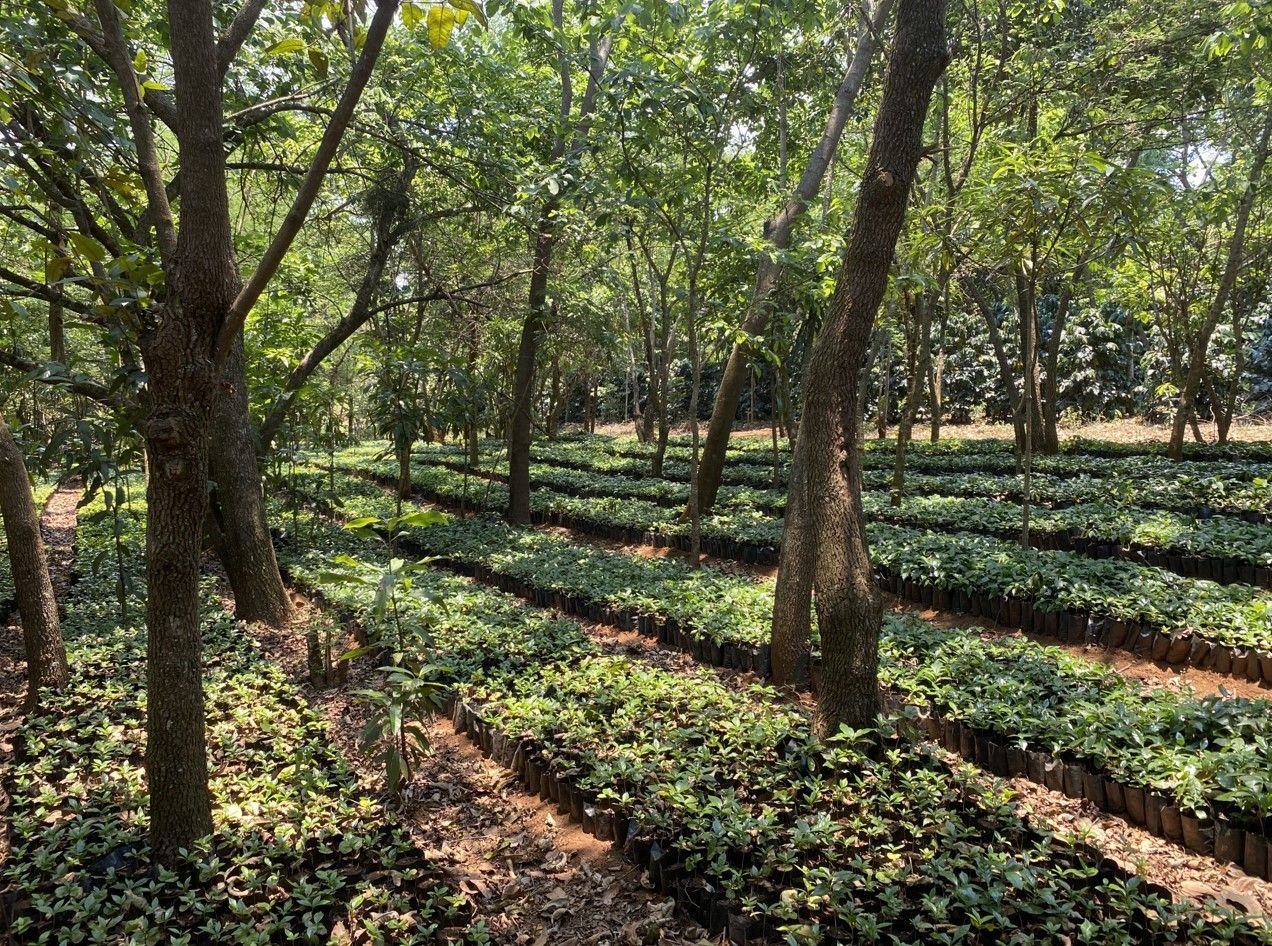
Over the past two decades, community-based conservation has transformed the relationship between local livelihoods and rainforest protection. One of the most successful initiatives has been the development of shade-grown coffee, where coffee plants are cultivated beneath indigenous forest canopies instead of replacing them.


This approach protects biodiversity while creating sustainable income for local farming communities. Forest cover remains intact, soils become more stable and rivers continue functioning naturally. Visitors quickly realise that every cup of
Mount Gorongosa coffee represents a conservation success rather than agricultural expansion.


Many guided visits include opportunities to learn about these projects directly from community members and conservation staff. These encounters provide a practical understanding of how ecological restoration succeeds when local communities become active partners rather than passive beneficiaries.


The coffee programme has become an internationally recognised example of conservation supporting both people and biodiversity.


Hiking, Fitness and What to Expect


Despite its reputation, Mount Gorongosa is not an extreme hiking destination.


Most visitors participating in organised excursions require only a moderate level of fitness. Trails vary according to interests and available time, with experienced guides selecting routes that balance scenery, waterfalls, rainforest exploration and community visits.


Walking takes place at a comfortable pace with regular opportunities to stop for photography, birdwatching and interpretation. The objective is understanding the mountain rather than completing a strenuous ascent.


Visitors should wear lightweight hiking footwear, carry drinking water, use sun protection where appropriate and expect changing weather conditions. The rainforest creates its own microclimate, and cooler temperatures are common even when the surrounding plains are considerably warmer.


Travellers looking for demanding mountain expeditions may find other destinations more suitable.


Mount Gorongosa is best experienced as a conservation landscape where walking becomes the means of discovering rainforest ecology rather than the primary objective of the day.

Two hikers walking on a gravel trail beside dense green trees under a bright sky

Combining Mount Gorongosa with Safari and Beach Holidays


One of Mount Gorongosa's greatest strengths is how naturally it integrates into broader Mozambique itineraries.


A three or four-night stay in Gorongosa allows travellers to combine classic game drives with rainforest exploration, community conservation projects and birdwatching. This creates a far richer understanding of the park than wildlife viewing alone.


Many visitors then continue east towards
Vilanculos and the Bazaruto Archipelago. After several days exploring rainforest, floodplains and wildlife-rich savannas, the Indian Ocean provides the perfect conclusion to the journey. Snorkelling, dhow cruises, island excursions and luxury beach lodges create a striking contrast with the forests and mountains of central Mozambique.


This combination has become one of Mozambique Travel's signature itineraries because it showcases two completely different sides of the country.


Rather than choosing between safari and beach, travellers experience mountain rainforest, conservation, wildlife and the Indian Ocean within a single, carefully balanced holiday.


Suggested Mount Gorongosa Itineraries


Travellers with limited time should consider a three-night Gorongosa itinerary incorporating two game drives and one full-day Mount Gorongosa excursion. This provides an excellent introduction to both the plains and the mountain while maintaining a relaxed pace.


A four or five-night itinerary allows greater flexibility. Additional game drives can be combined with extended rainforest exploration, birdwatching, community visits and time to appreciate Gorongosa's diverse ecosystems without feeling rushed.


For travellers visiting Mozambique for ten nights or longer, Mozambique Travel recommends combining Gorongosa with a luxury beach stay in Vilanculos or the Bazaruto Archipelago. The transition from rainforest and wildlife to the Indian Ocean creates one of Southern Africa's most rewarding safari and beach experiences.


Every itinerary should be built around the traveller's interests, whether those priorities include wildlife photography, conservation, birding, hiking, family travel or luxury accommodation.

Thatched beach cabana with hanging hammock, poolside loungers, and ocean view at sunset

Discover Mount Gorongosa with Mozambique Travel


Mount Gorongosa is far more than a mountain rising above Gorongosa National Park. It is the source of the rivers, forests and ecosystems that make one of Africa's greatest conservation success stories possible. Exploring the mountain alongside the floodplains reveals a complete picture of Gorongosa that few visitors experience and transforms a traditional safari into a far deeper journey of discovery.
Mozambique Travel has specialised in designing Mozambique holidays for more than 20 years and can combine Mount Gorongosa with stays at Muzimu Lodge, Chicari Camp, luxury beach escapes in the Bazaruto Archipelago and tailor-made safari itineraries that showcase the very best of central Mozambique.

Featured Packages


FAQs About Mount Gorongosa

  • Is Mount Gorongosa worth visiting during a Gorongosa safari?

    Yes. Mount Gorongosa provides a completely different experience from the floodplains, allowing visitors to explore rainforest, waterfalls, community conservation projects and one of Mozambique's most important ecological landscapes.


  • Is Mount Gorongosa one of Mozambique's Sky Islands?

    Yes. Mount Gorongosa is recognised as one of Mozambique's five Sky Islands, isolated high-altitude ecosystems that support unique biodiversity and play a vital role in regional water security.


  • How difficult is the Mount Gorongosa hike?

    Most guided walks require only moderate fitness. The emphasis is on exploring rainforest, waterfalls and conservation projects rather than completing a demanding mountain ascent.

  • Can I visit Mount Gorongosa from Chicari Camp or Muzimu Lodge?

    Yes. Both Chicari Camp and Muzimu Lodge provide excellent bases for combining classic safari activities with guided excursions onto Mount Gorongosa.


  • What wildlife can I see on Mount Gorongosa?

    The mountain is better known for rainforest birds, butterflies, orchids, amphibians and smaller forest species than large mammals. Its biodiversity complements the wildlife found on the surrounding plains.


  • How many days should I spend in Gorongosa to include Mount Gorongosa?

    A minimum of three nights is recommended, although four or five nights allows sufficient time to enjoy game drives, rainforest exploration and community conservation experiences at a comfortable pace.


  • Can I combine Mount Gorongosa with a Mozambique beach holiday?

    Absolutely. Many travellers combine Gorongosa with Vilanculos and the Bazaruto Archipelago, creating one of Mozambique's finest safari, mountain and beach itineraries.


  • When is the best time to visit Mount Gorongosa?

    The dry season generally offers excellent hiking conditions and wildlife viewing, while the green season showcases lush rainforest, flowing waterfalls and exceptional birdlife. Both seasons provide rewarding but different experiences.


  • Why is Mount Gorongosa important to conservation?

    The mountain captures rainfall, feeds Gorongosa's rivers, protects rainforest biodiversity and supports community-led conservation initiatives such as shade-grown coffee and reforestation.


  • Why book Mount Gorongosa through Mozambique Travel?

    Mozambique Travel has more than 20 years of experience creating tailor-made Mozambique holidays and can seamlessly combine Mount Gorongosa with Gorongosa safaris, luxury accommodation and Indian Ocean beach extensions.


SHARE THIS POST

Are You Ready FOr Mozambique?

Page through our packages and find the offer right for you!


Ready to Speak to a Mozambique Travel Expert?

Get In Touch and Ask for a Call-Back Today

Latest Posts

Oceanfront resort lawn with palm trees, lounge chairs, and a pool overlooking the sea
By Mozambique Travel July 15, 2026
Discover why Mozambique luxury holidays are attracting discerning travellers seeking exclusive beaches, safari and beach combinations and world-class lodges.
Sunlit ancient Greek temple ruins with tall stone columns against a blue sky
By Mozambique Travel July 13, 2026
Discover why Vilanculos is becoming one of Mozambique's most popular holiday destinations for families, couples and safari-and-beach travellers.
Three people standing barefoot at the shoreline as waves wash over the beach at sunset
By Mozambique Travel July 10, 2026
Discover the best Mozambique family holidays in 2027, including beach resorts, villas, safari and beach combinations, costs, activities and expert planning advice.
Couple standing in shallow ocean water at sunset with colorful clouds and waves
By Mozambique Travel July 8, 2026
Plan the perfect Mozambique honeymoon in 2027 with expert advice on Benguerra Island, Vilanculos, safari and beach holidays, luxury lodges and romantic experiences.
Wild dogs walking along a sunlit dirt road under arching trees in a forest
By Mozambique Travel July 6, 2026
Discover why Gorongosa National Park is attracting safari travellers from around the world and how to combine it with Mozambique's leading beach destinations.
People relaxing on a shallow tropical beach with pale green water and a cloudy blue sky
By Mozambique Travel July 3, 2026
Compare Benguerra Island, Bazaruto Island and Vilanculos. Discover the best Mozambique beach holiday for honeymooners, families, luxury travellers and safari combinations.
Show More