

How Mozambique’s National Parks Are Recovering Through Conservation Tourism
By Mozambique Travel • June 11, 2026
Why Mozambique’s National Parks Required a Different Recovery Path
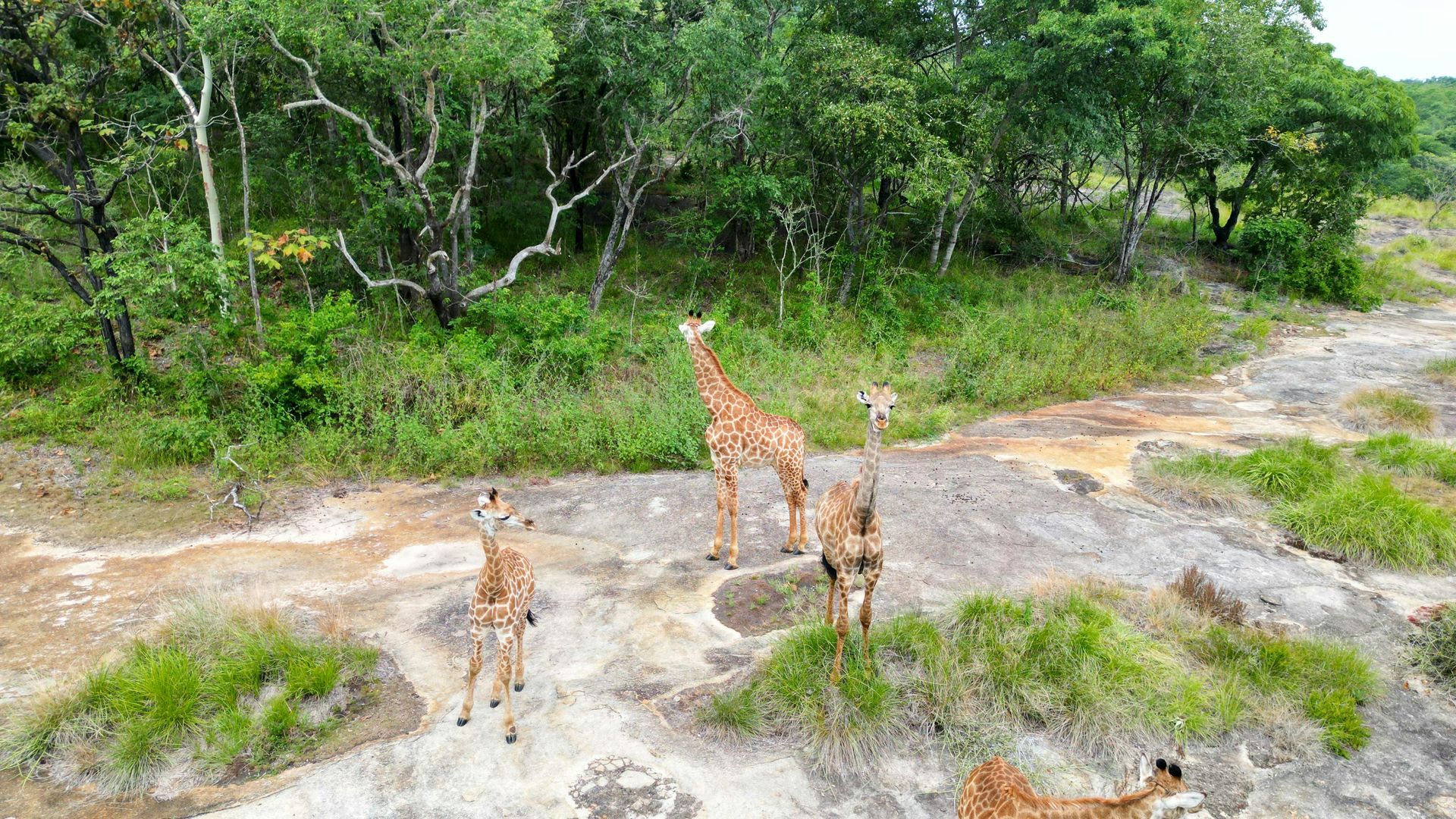
Mozambique’s national parks did not decline gradually through overuse or poor tourism management. Many collapsed almost entirely as a result of prolonged civil conflict, widespread poaching, breakdown of governance, and the disappearance of effective law enforcement. Wildlife populations were decimated, infrastructure fell into disrepair, and vast protected areas became unmonitored landscapes rather than functioning conservation zones.
This history matters because it defines what recovery can realistically look like. Mozambique could not simply reopen parks, attract visitors, and expect wildlife to rebound. There were no dense animal populations to market and no established safari circuits to revive. Recovery required rebuilding from the ground up, starting with security, habitat stability, and trust with surrounding communities.
Conservation tourism in Mozambique therefore emerged as a supporting mechanism rather than a leading driver. Tourism was designed to fund protection and restoration, not to dictate the pace or direction of recovery.
What Conservation Tourism Actually Means in Mozambique
In a Mozambican context, conservation tourism is not shorthand for safari lodges or wildlife viewing alone. It is a deliberately structured system where tourism revenue supports core conservation functions over the long term.
This includes funding ranger salaries, patrol logistics, equipment, infrastructure maintenance, ecological monitoring, and community outreach. Visitor numbers are intentionally limited, and tourism concessions are closely aligned with park management objectives rather than operating independently of them.
The success of conservation tourism here is measured less by arrivals and more by outcomes: reduced poaching, stabilising wildlife populations, improved habitat quality, and growing tolerance for protected areas among local communities.
From Poaching Crisis to Protection First
The first phase of recovery in Mozambique’s parks focused almost entirely on protection. Before wildlife could return, parks needed trained rangers, reliable patrol systems, legal authority, and consistent funding.
Tourism plays a critical role by providing predictable revenue streams that supplement donor funding and reduce reliance on short-term grants. Entrance fees, long-term concessions, and conservation-aligned lodges generate income that can be reinvested directly into enforcement and monitoring.
Where protection has been restored and maintained, poaching pressure has declined significantly, allowing ecosystems to begin recovering naturally rather than through constant intervention.
Gorongosa National Park as a Mature Conservation Tourism Model
Gorongosa National Park is often cited as Mozambique’s flagship conservation success, but its recovery is frequently oversimplified. Gorongosa did not recover because tourism arrived early. Tourism followed years of ecological restoration, scientific research, and community development.
Large herbivore populations, particularly floodplain grazers linked to Lake Urema’s seasonal dynamics, have rebounded strongly. Predator populations, including lion and hyena, are now breeding consistently, supported by improving prey availability. The park’s extraordinary bird diversity reflects the health of its wetland and woodland systems.
Tourism revenue supports far more than wildlife protection. It underwrites education programs, healthcare access, employment, and agricultural support for surrounding communities, creating a social buffer that reduces pressure on park resources. Gorongosa demonstrates how conservation tourism can reinforce recovery when sequenced correctly and kept aligned with ecological priorities.
Zinave National Park and the Reality of Long-Term Rewilding
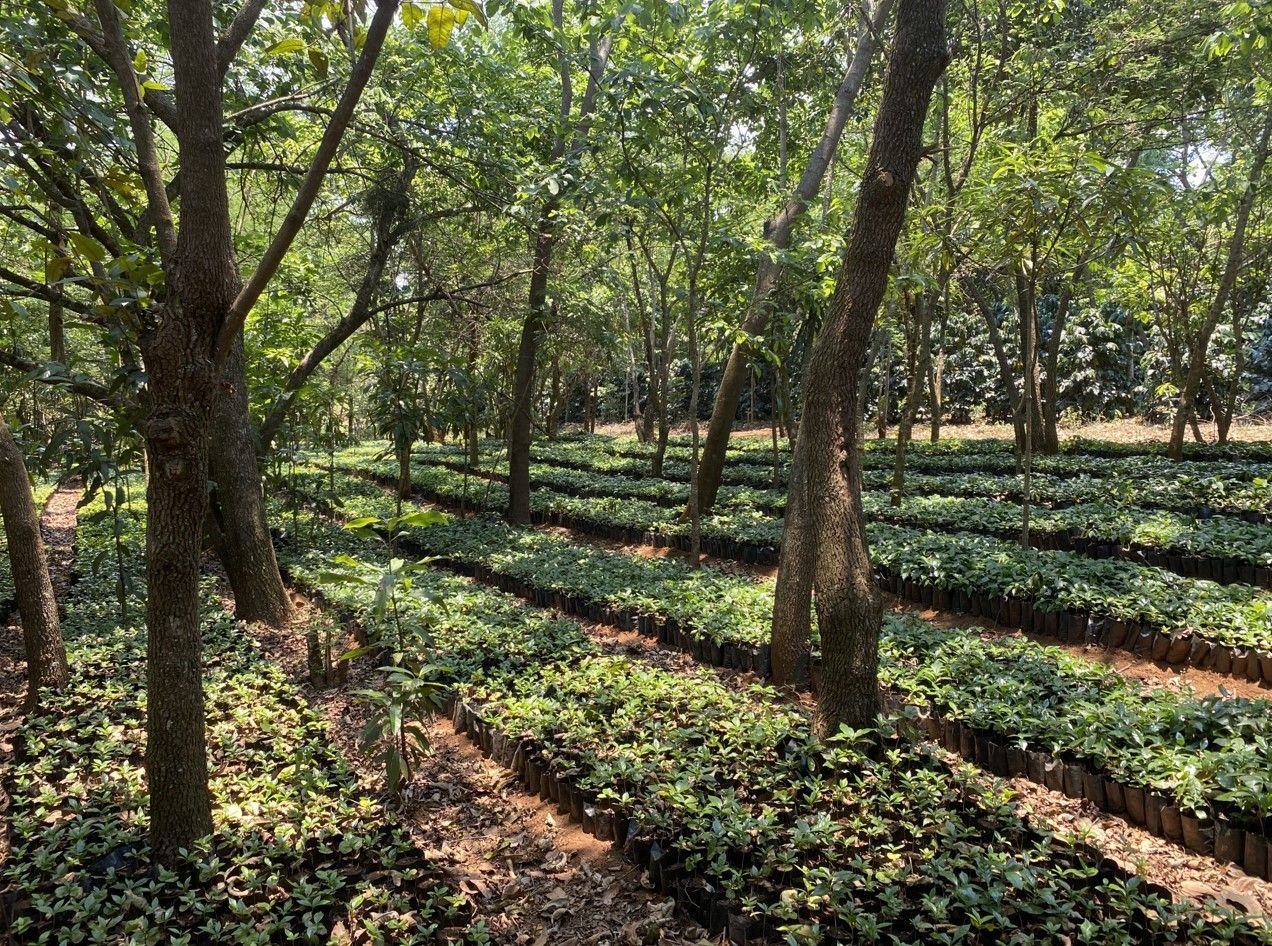
Zinave National Park illustrates conservation tourism at an earlier and more fragile stage. Once heavily depleted, Zinave has become the focus of a large-scale rewilding effort aimed at restoring ecological function rather than immediate tourism appeal.
Multiple large mammal species have been reintroduced based on habitat capacity and protection readiness. Wildlife numbers remain modest compared to established safari destinations, but population trends are positive and stable. Predator recovery is expected to follow naturally as prey populations increase.
Tourism infrastructure remains intentionally limited. Small-scale, low-impact visitation generates revenue for ranger operations and monitoring without placing pressure on recovering ecosystems. Zinave shows that conservation tourism can add value even when wildlife density is still low, provided expectations are managed honestly.
Maputo National Park and Integrated Land–Sea Conservation
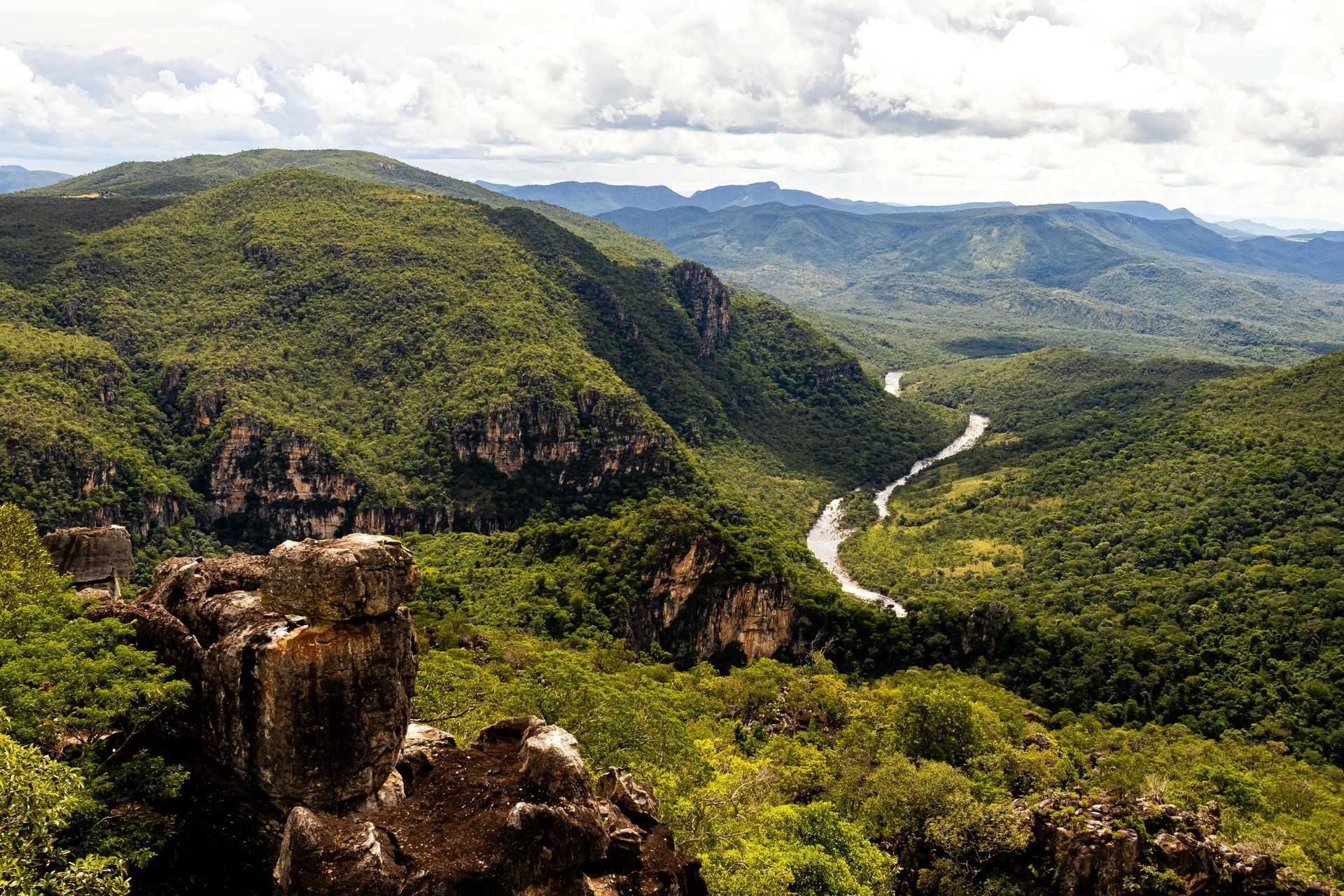
Maputo National Park is one of Mozambique’s most ecologically complex protected areas. Unlike inland parks, it protects a continuous system of coastal forest, wetlands, lakes, estuaries, and marine environments.
Elephants move between inland habitats and coastal zones. Hippos and crocodiles occupy freshwater systems that connect directly to the ocean. Offshore waters support dolphins, seasonal whale movements, and turtle nesting beaches.
Tourism revenue here supports enforcement across both terrestrial and marine zones, helping regulate fishing pressure, control coastal development, and protect critical habitats. This integrated land–sea model is rare in Africa and positions Maputo as a globally significant conservation landscape.
Limpopo National Park and Transfrontier Conservation Tourism
Limpopo National Park forms part of the Greater Limpopo Transfrontier Conservation Area, linking Mozambique with South Africa and Zimbabwe. This connectivity restores historic wildlife movement corridors and allows for genetic exchange across borders.
Wildlife densities in Limpopo remain lower than in neighbouring reserves, but natural recolonisation continues as protection improves. Tourism demand here is niche and conservation-focused, attracting travelers interested in scale, remoteness, and landscape-level recovery rather than classic game drive density.
Conservation tourism supports cross-border collaboration, shared enforcement strategies, and coordinated ecological management across one of southern Africa’s largest protected systems.
Marine Protected Areas and Coastal Success Stories
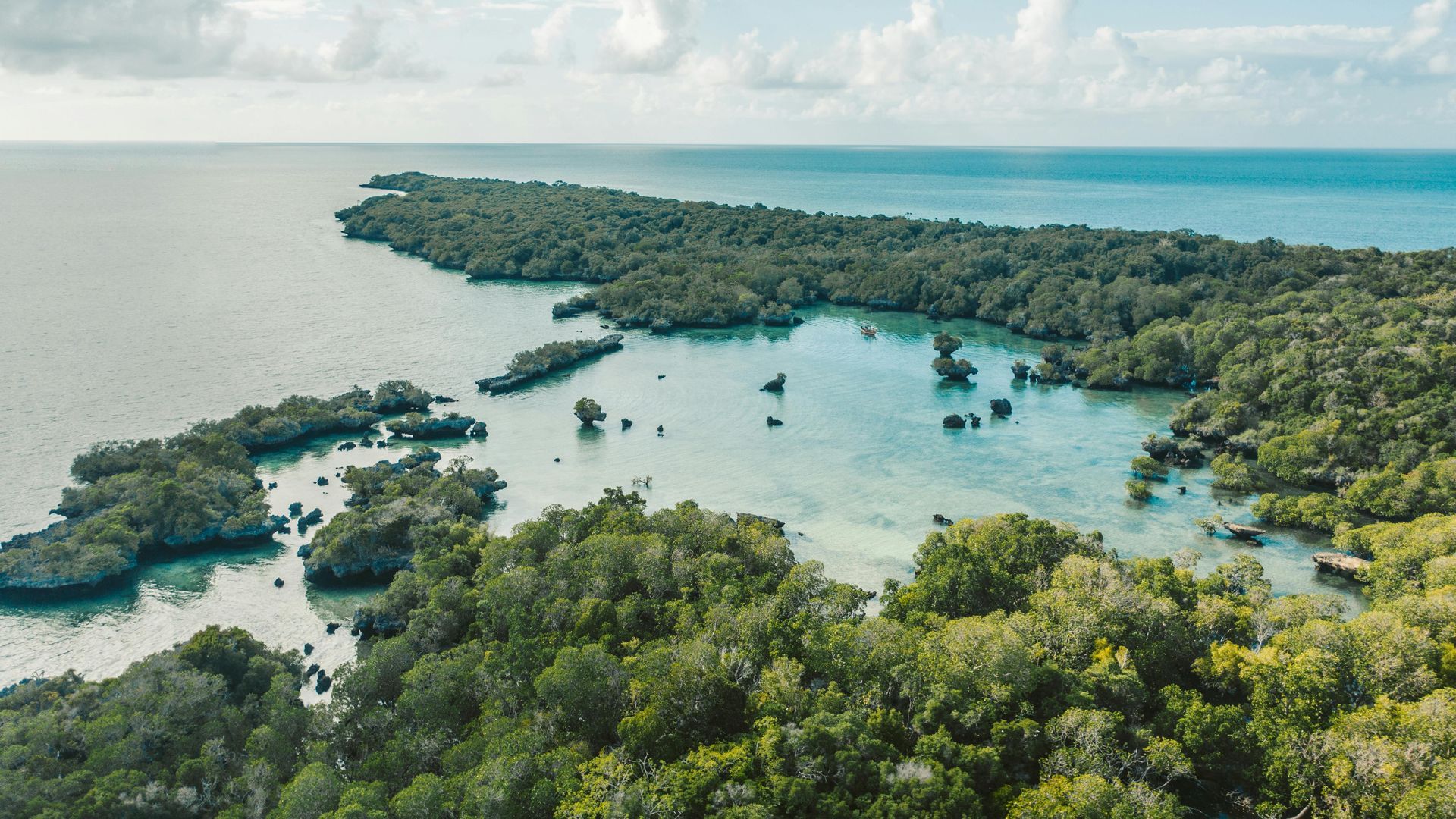
Mozambique’s conservation recovery extends beyond terrestrial parks into marine protected areas that safeguard some of the western Indian Ocean’s most threatened species.
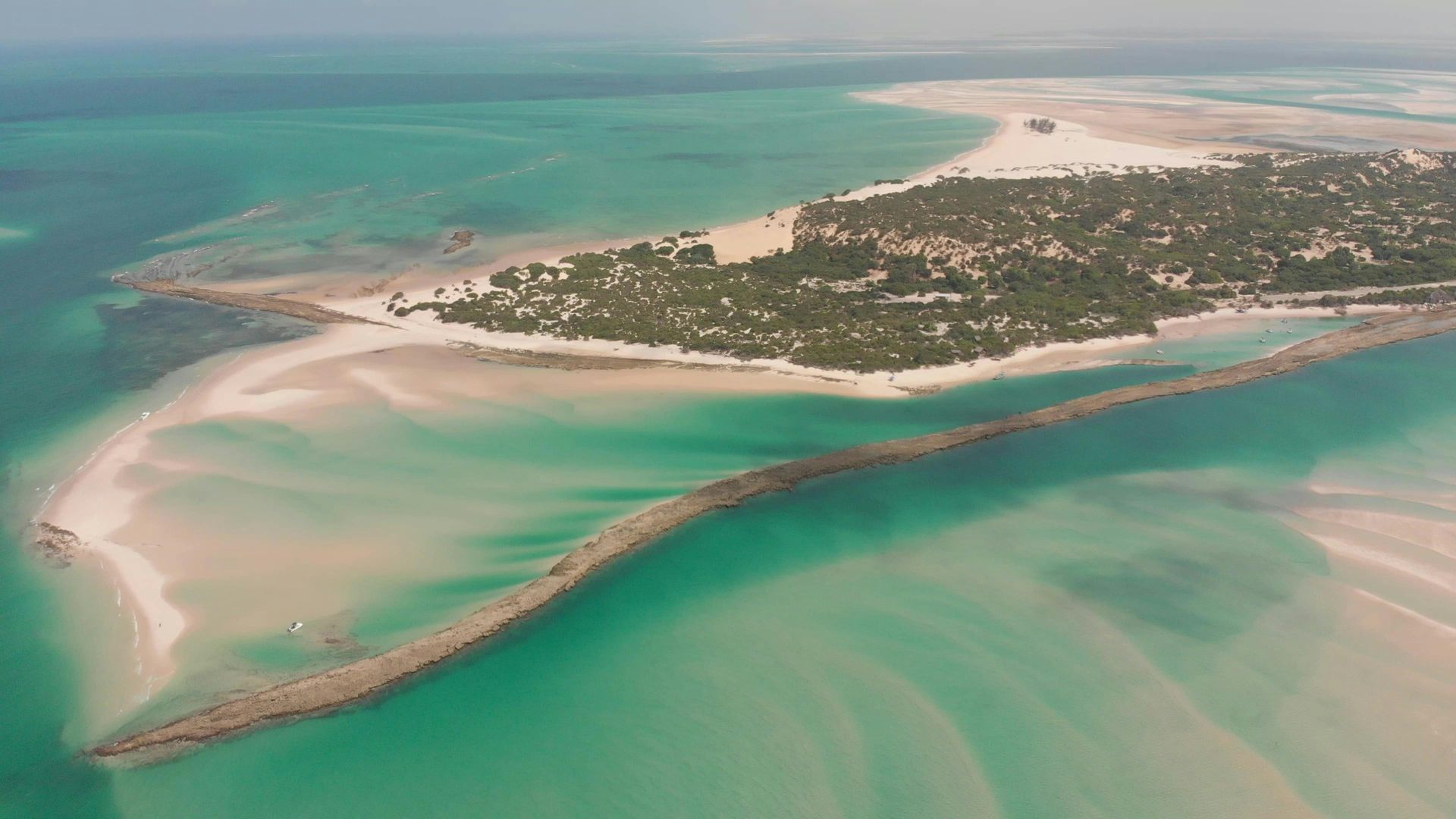
The Bazaruto Archipelago Marine National Park protects vital seagrass meadows that support one of the region’s last viable dugong populations. Fishing pressure is regulated, boat traffic is managed, and community engagement has reduced illegal activity. Dugong numbers remain small but stable, a rare achievement globally.
Along the coast, protected zones support whale shark movement corridors, humpback whale breeding areas, and critical turtle nesting beaches. Tourism revenue funds patrols, monitoring, and education, linking marine protection directly to local livelihoods.
Community Economics and Conservation Buy-In
Mozambique’s parks are bordered by communities that historically depended on hunting, fishing, and land use for survival. Excluding these communities from conservation efforts would undermine recovery.
Conservation tourism creates employment opportunities in guiding, hospitality, maintenance, monitoring, and park operations. Training and skills development link livelihoods directly to protected areas, increasing tolerance for wildlife and reducing illegal resource use.
Successful conservation programs also invest in schools, clinics, and infrastructure, ensuring communities experience tangible benefits from living alongside national parks.
Tourism Demand and the Type of Traveler Mozambique Attracts
Tourism demand for Mozambique’s national parks is selective rather than mass-market. Visitors are often experienced travelers seeking depth, authenticity, and conservation context rather than guaranteed sightings.
Demand is strongest in parks where recovery is visible, such as Gorongosa, and where ecosystems are unique, such as Maputo National Park’s land–sea interface. Zinave and Limpopo attract smaller numbers of high-value visitors interested in restoration and long-term conservation outcomes.
This demand profile aligns naturally with low-volume tourism models and reduces pressure to overdevelop fragile landscapes.
Why Low-Volume Tourism Is Essential for Recovery
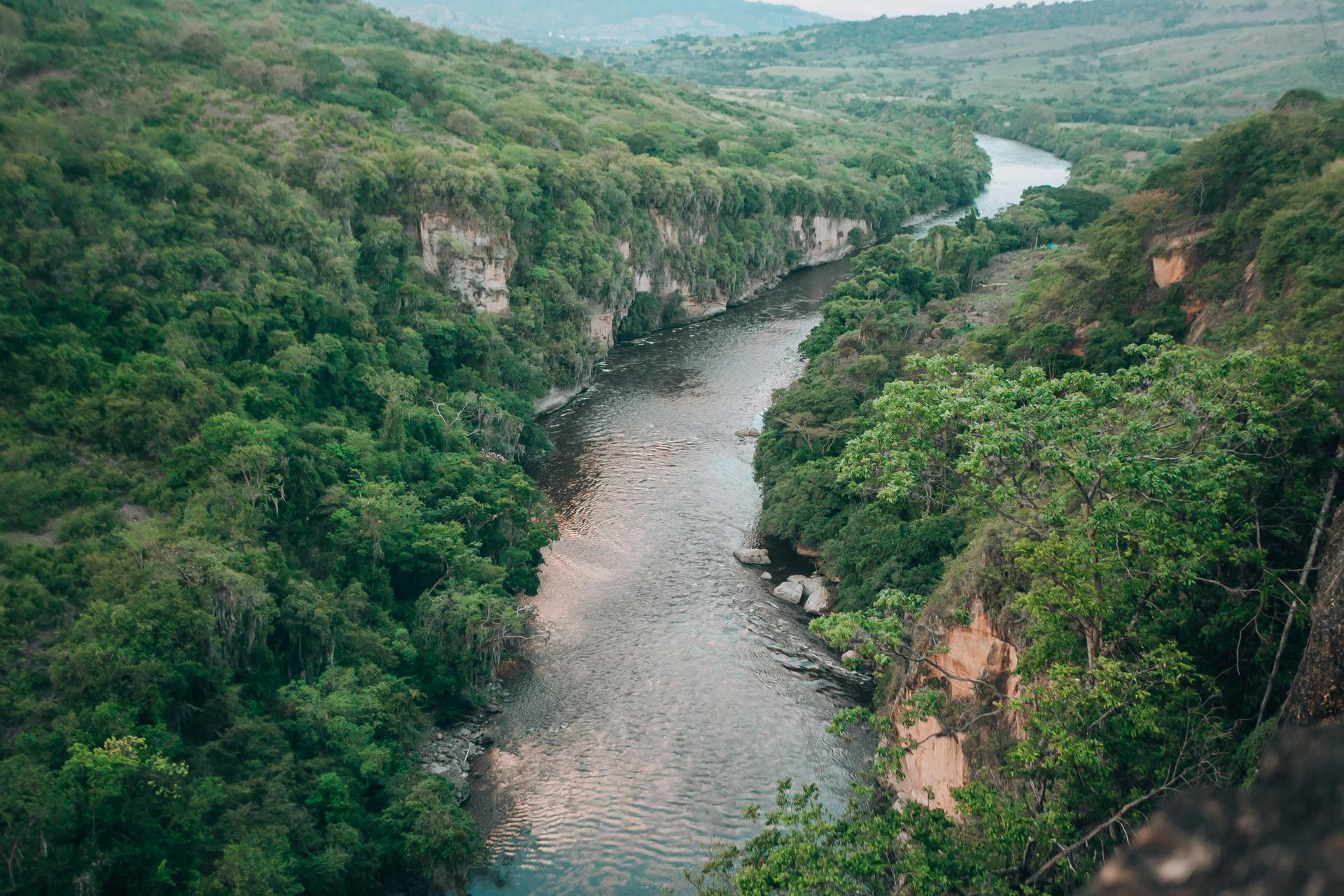
Mozambique’s recovering parks cannot absorb high visitor volumes without compromising decades of work. Wildlife populations remain sensitive, infrastructure is limited, and enforcement resources must prioritise protection over visitor management.
Low-volume tourism reduces disturbance while still generating meaningful revenue. Fewer vehicles, fewer beds, and slower growth protect both wildlife behaviour and visitor experience. This approach sacrifices short-term gains in favour of long-term ecological resilience.
What Recovery Really Looks Like on the Ground
Recovery is uneven, gradual, and rarely linear. Wildlife numbers fluctuate, predators lag behind prey, and habitats take years to regenerate. Conservation tourism provides the financial patience needed to allow these processes to unfold without artificial pressure.
Mozambique’s national parks are not finished products. They are living recovery systems, and tourism plays a supporting role rather than driving outcomes.
Plan Your Trip
Experiencing Mozambique’s recovering national parks requires realistic expectations and thoughtful planning. Some parks showcase advanced recovery, while others offer insight into restoration in progress. Matching the right park to your interests is essential for a meaningful journey.
Travel That Supports Long-Term Conservation
Mozambique’s national parks are recovering because protection, science, community partnerships, and tourism are aligned. Mozambique Travel works with conservation-focused partners who understand where each park stands in its recovery journey. If you want your travel choices to support long-term protection rather than short-term pressure, our team can help design an itinerary that contributes positively to conservation in action.
Featured Packages
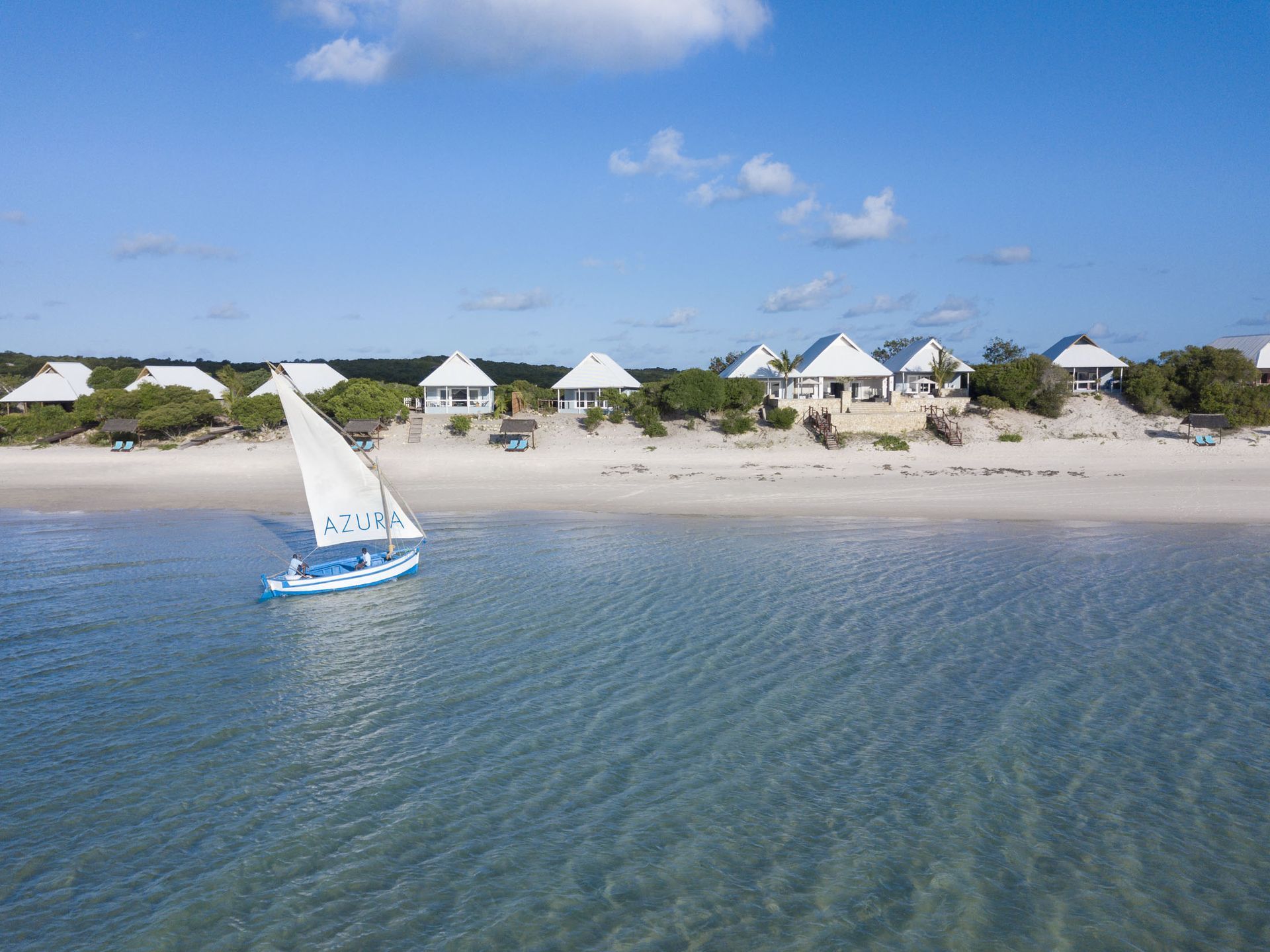
Azura Marlin Beach 5-Night SADC Special
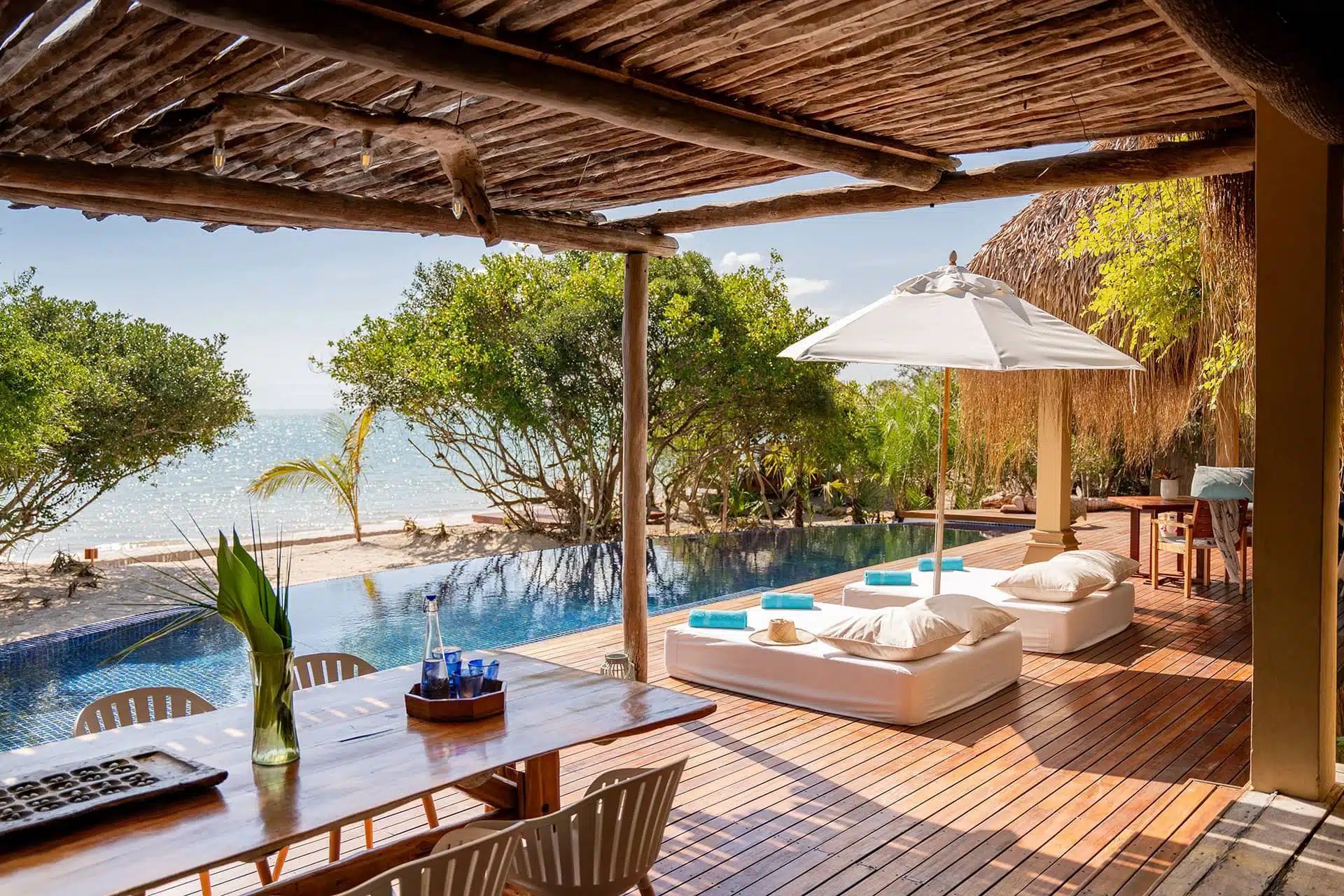
Okavango Delta Safari and Bazaruto Island Beach Holiday
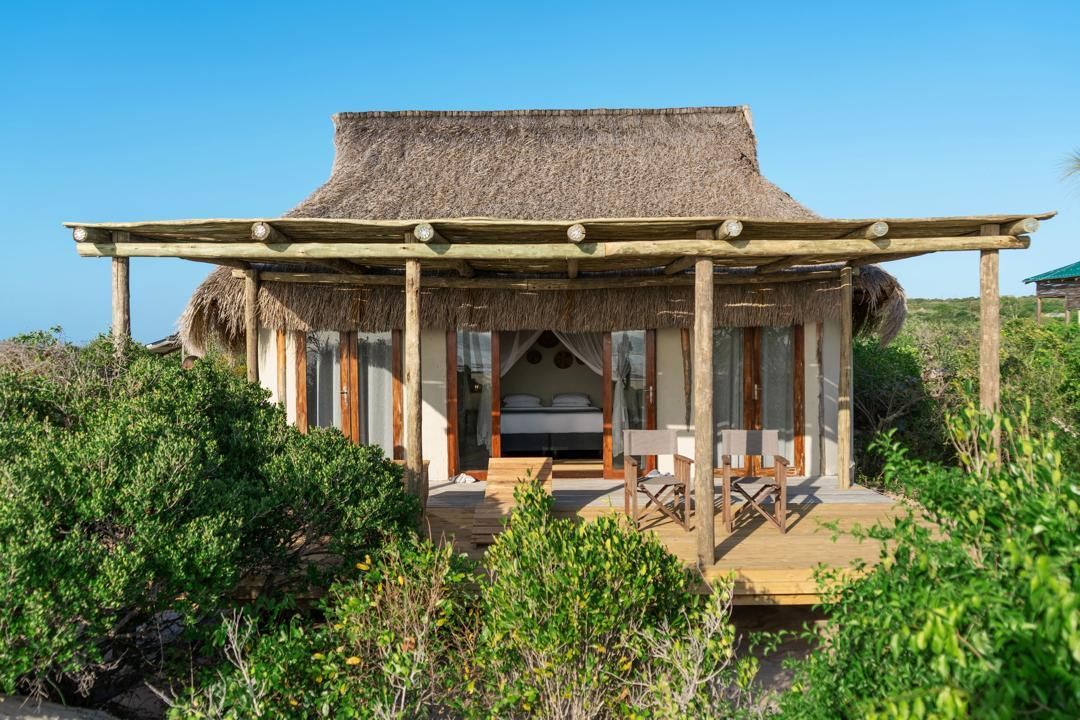
Bazaruto Sands 5-Night SADC Island Package
Frequently asked questions about mozambique national parks
Which Mozambique national parks benefit most from conservation tourism?
Gorongosa National Park currently shows the most advanced results from conservation tourism, with stable wildlife populations and strong community programs. Zinave National Park benefits by funding rewilding and protection during early recovery stages. Maputo National Park uses tourism to support integrated land and marine conservation, while Limpopo National Park benefits through transfrontier collaboration. Each park uses conservation tourism differently, depending on ecological condition, recovery stage, and surrounding community dynamics.
Is conservation tourism effective if wildlife numbers are still low?
Yes, conservation tourism is often most important when wildlife numbers are still recovering. Revenue generated during early stages funds ranger operations, monitoring, and habitat management before wildlife densities increase. Low expectations and limited visitor numbers prevent pressure on fragile ecosystems while allowing protection systems to stabilize. In Mozambique, parks like Zinave demonstrate that tourism can contribute meaningfully long before a destination becomes a classic wildlife-viewing hotspot.
How does conservation tourism support local communities in Mozambique?
Conservation tourism creates employment opportunities linked directly to protected areas, including guiding, hospitality, maintenance, monitoring, and park operations. Training programs build long-term skills while revenue supports schools, clinics, and infrastructure in surrounding communities. When communities benefit economically from conservation, tolerance for wildlife increases and illegal activities decline. This social integration is critical in Mozambique, where many parks border rural communities with limited alternative livelihoods.
Why is low-volume tourism important for Mozambique’s national parks?
Low-volume tourism reduces disturbance in ecosystems that are still stabilizing after decades of decline. Wildlife behaves more naturally without constant vehicle pressure, and habitats have time to regenerate. Limited infrastructure also allows park management to focus resources on protection rather than visitor control. In Mozambique, prioritizing fewer visitors over higher numbers ensures conservation gains are not undermined by premature or excessive tourism development.
How can travelers ensure their trip supports conservation recovery in Mozambique?
Travelers can support conservation recovery by choosing operators aligned with park management, selecting low-impact lodges, and maintaining realistic expectations about wildlife sightings. Longer stays, fewer destinations, and conservation-focused itineraries reduce pressure while increasing economic contribution. Working with specialists who understand each park’s recovery stage helps ensure tourism supports protection, community development, and long-term ecological resilience rather than short-term commercial demand.
SHARE THIS POST
Are You Ready FOr Mozambique?
Page through our packages and find the offer right for you!
Ready to Speak to a Mozambique Travel Expert?
Get In Touch and Ask for a Call-Back Today
Latest Posts