

My Gorongosa Safari Review: Why I Recommend the Park
By Kevin Record • September 29, 2026
My First-Hand Assessment Following My July 2026 Visit
I returned to Gorongosa National Park in July 2026 to conduct a new first-hand assessment, inspect Muzimu Lodge and Chicari Camp, spend time with the guides, and continue onto Mount Gorongosa with my son.
I have known Gorongosa since 2003, when the park, its wildlife and its tourism infrastructure were at a very different stage of recovery. That history matters because my assessment is not based on one short visit, information supplied by a lodge or research completed from behind a desk.
I have watched Gorongosa develop for more than two decades. Mozambique Travel continued visiting the park, promoting it and sending clients there while its wildlife recovered and the quality of its accommodation, guiding and access gradually improved.
Is Gorongosa worth visiting?
For experienced safari travelers, birders, photographers and anyone looking for a wild, uncrowded African safari, my answer is yes.
Gorongosa offers excellent guiding, varied wildlife, intimate camps and an opportunity to experience one of Africa’s most important conservation recoveries.
It is not the most obvious choice for someone whose only priority is seeing the Big Five as quickly and predictably as possible. Gorongosa is larger, wilder and more complex than that.
Its appeal lies in the quality of the guiding, the range of habitats, the scarcity of other visitors and the chance to understand an ecosystem that is still recovering.
I returned impressed by the wildlife, the two principal safari camps and the people responsible for the visitor experience. I was also encouraged by the investment being made in guide development, walking, fly-camping and expedition-style travel.
Why My Relationship With Gorongosa Matters
My first visit to Gorongosa was in 2003.
Mozambique’s civil war had devastated the park’s wildlife and infrastructure. Much of what made Gorongosa one of Africa’s celebrated wildlife destinations during the 1960s and early 1970s had been lost.
Rebuilding the park required far more than reintroducing animals or repairing roads. It required long-term protection, scientific research, habitat restoration, education, healthcare, employment, and cooperation with the communities surrounding the park.
I have followed that recovery through different stages.
I remember when Gorongosa’s tourism experience was far more limited, and its wildlife recovery was still in its early years. I have watched new accommodation open, guiding develop, and the park’s international reputation grow.
That longer history affects how I assess Gorongosa today. I can consider what has changed, what has genuinely improved, and where travelers still need realistic expectations.
Mozambique Travel has specialized in holidays and expeditions throughout Mozambique for 25 years. Genuine destination knowledge comes from returning, inspecting accommodation, speaking directly with the people managing the destination, and understanding which travelers will appreciate the experience.
Our relationship with Gorongosa is not based on a passing trend. We have supported the destination through bookings, promotion, and first-hand travel while the park has continued to rebuild.
My July 2026 visit was an opportunity to assess its recent development and decide whether I could continue recommending it with confidence.
I can.

What Makes a Gorongosa Safari Different?
Gorongosa should not be promoted as a smaller version of the Okavango Delta, Serengeti, Chobe or Sabi Sands. It has its own identity and should be chosen for its own strengths.
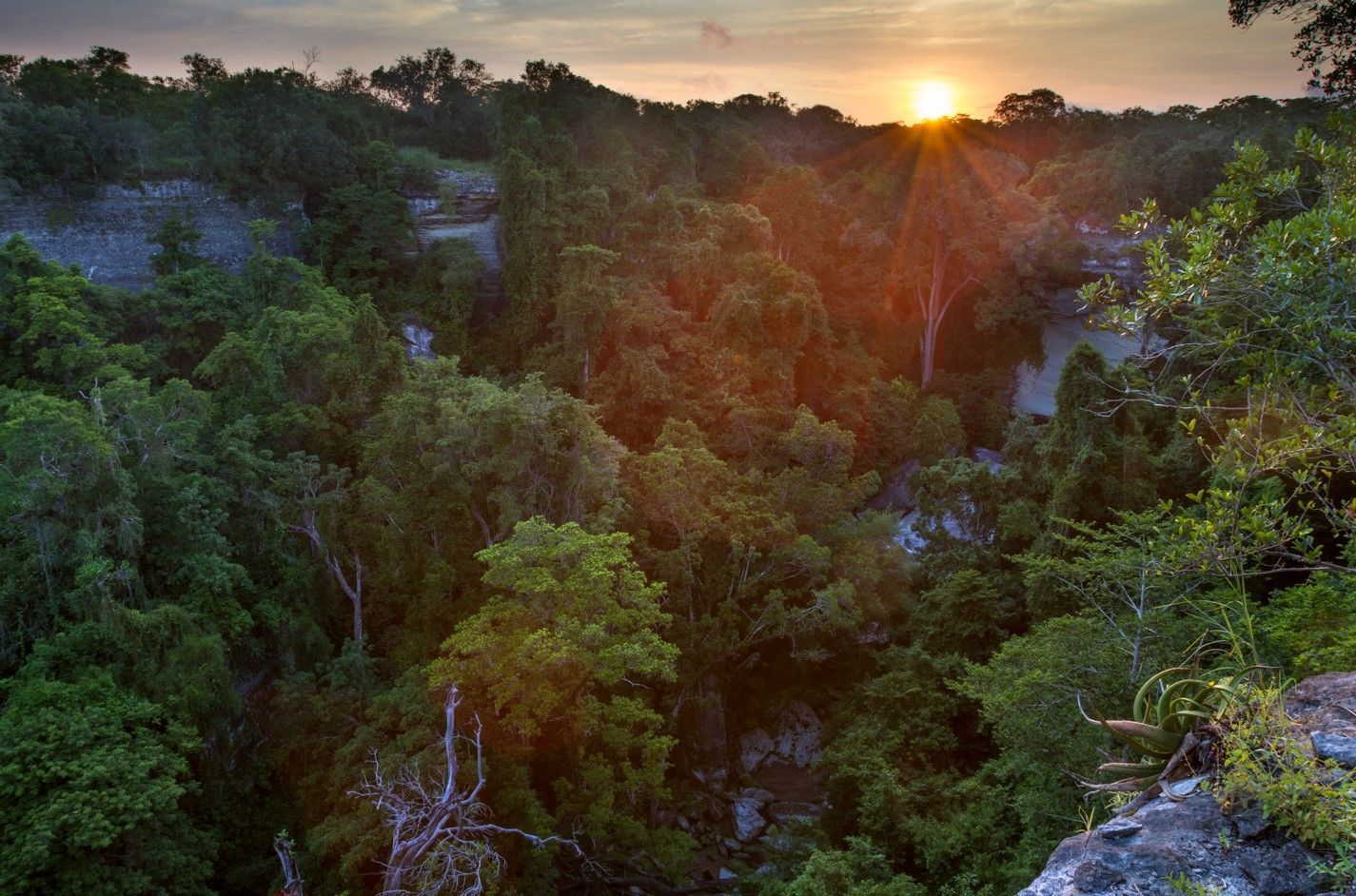
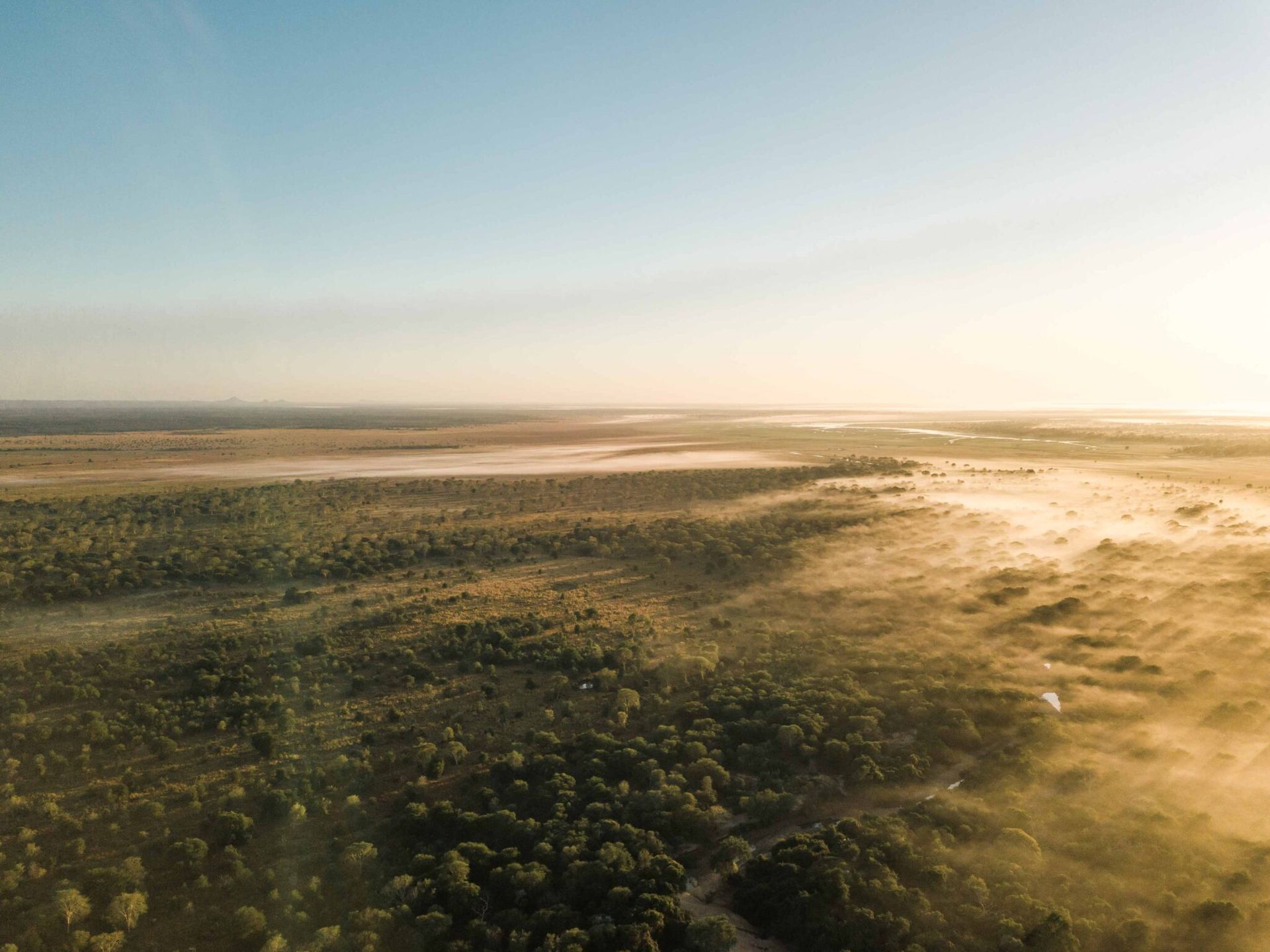
The park lies at the southern end of the Great African Rift Valley in central Mozambique. Its landscapes include broad floodplains, grasslands, woodland, wetlands, river systems, limestone gorges and the forested slopes of Mount Gorongosa.
This variety creates a safari experience extending well beyond large mammals.
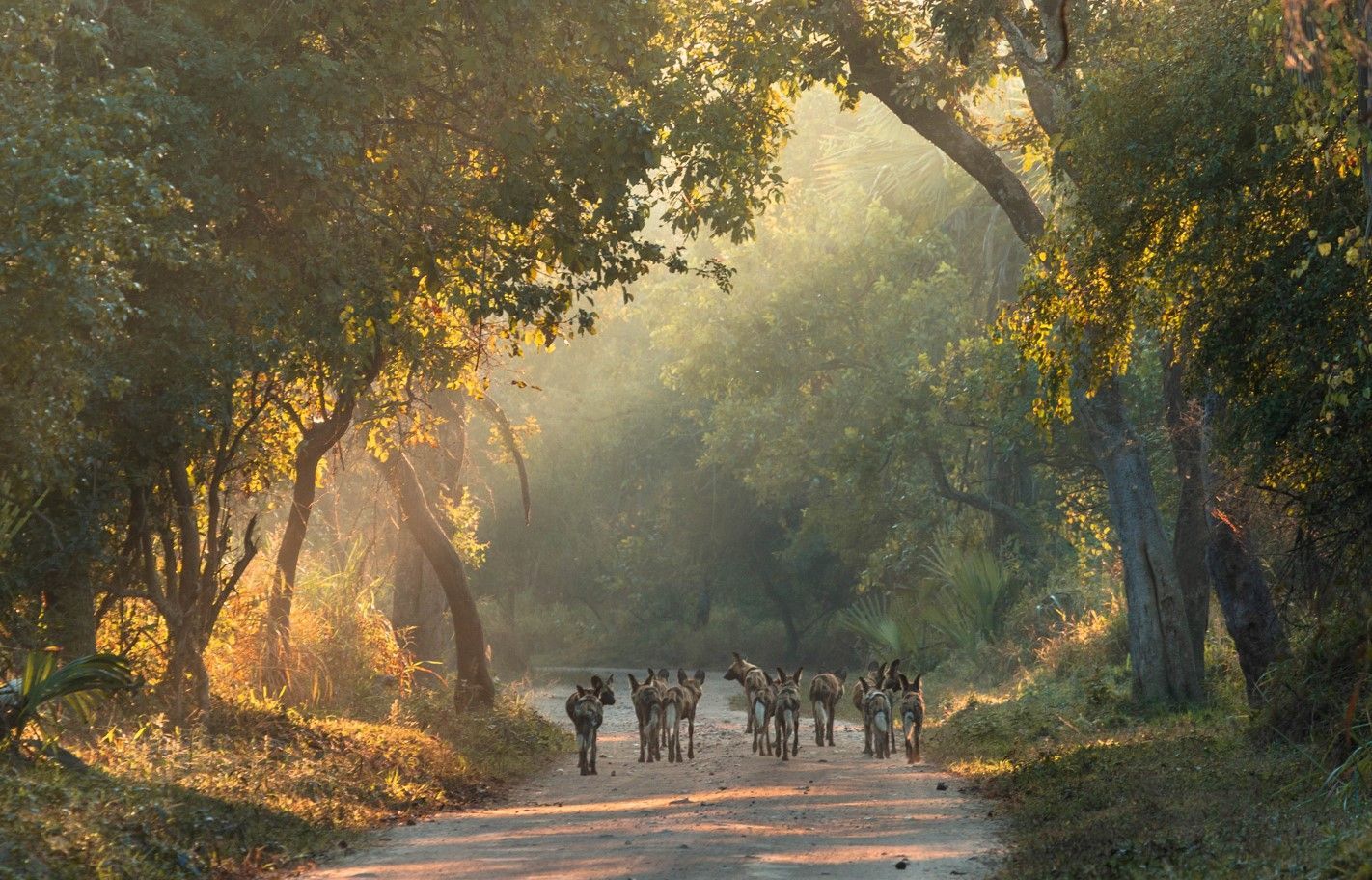
A game drive may reveal lions, elephants, buffalo, antelope, hippos, crocodiles or African wild dogs. However, the experience also includes birds, insects, reptiles, tracks, seasonal water systems and the ecological relationships between different habitats.
Wildlife is not always positioned conveniently beside the road. Sightings can require patience, and some animals remain more cautious than those in reserves that have experienced decades of uninterrupted tourism.
For me, this does not diminish the experience. It gives it integrity.
Gorongosa feels like a functioning wilderness rather than a wildlife showroom. Guides can follow tracks, investigate activity, and allow the landscape to determine the direction of a drive.
Travelers who appreciate that sense of discovery are likely to find Gorongosa deeply rewarding.
A Safari With Space and Very Few Other Vehicles
One of Gorongosa’s greatest advantages is its exceptionally low concentration of visitors.
There are relatively few tourism beds within an immense protected landscape. The park does not have the density of lodges, vehicles and guests associated with many established safari regions.
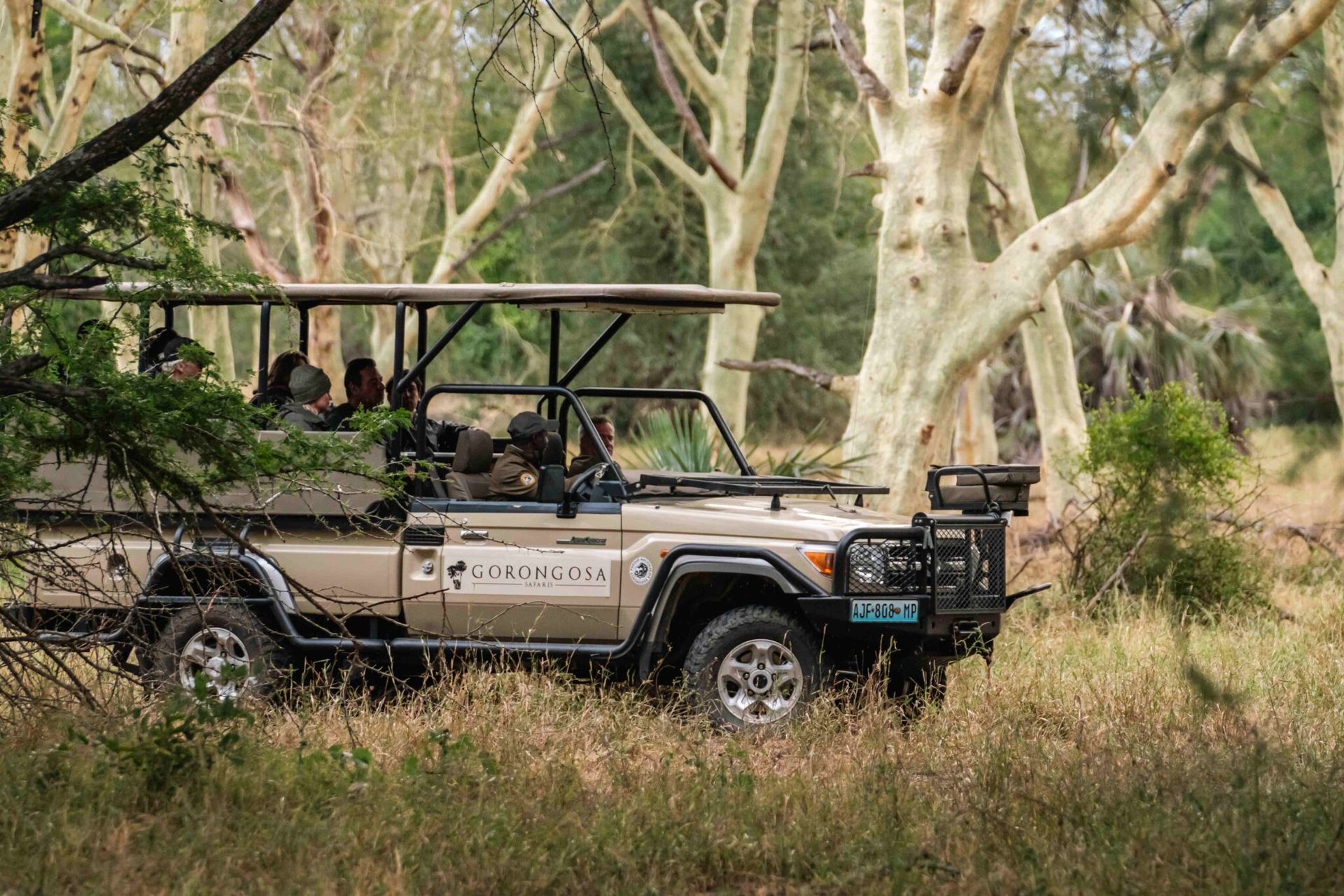
You are unlikely to encounter numerous vehicles competing for position around one sighting. Another vehicle may occasionally arrive, but there is also a realistic possibility that a special encounter will be experienced alone.
This changes the rhythm of the safari.
There is time to stop, observe and listen. Guides are not under constant pressure to move aside for the next vehicle. A sighting can develop naturally, whether it involves predators, a herd crossing the floodplain or the behavior of a single bird.
For travelers who have already visited busy safari regions, this sense of space has become increasingly valuable. Many no longer want to accumulate sightings as quickly as possible. They want time to understand the landscape and observe animal behavior without feeling that they are part of a crowded tourism circuit.
Gorongosa provides that opportunity.
My Honest View of Gorongosa’s Wildlife
Gorongosa’s wildlife recovery is extraordinary, but expectations must still be managed honestly.
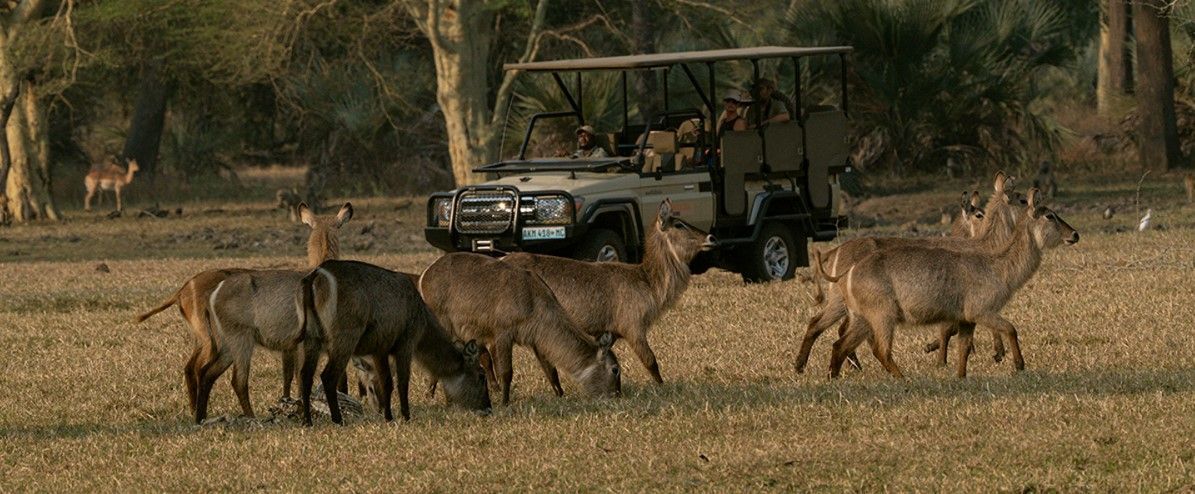
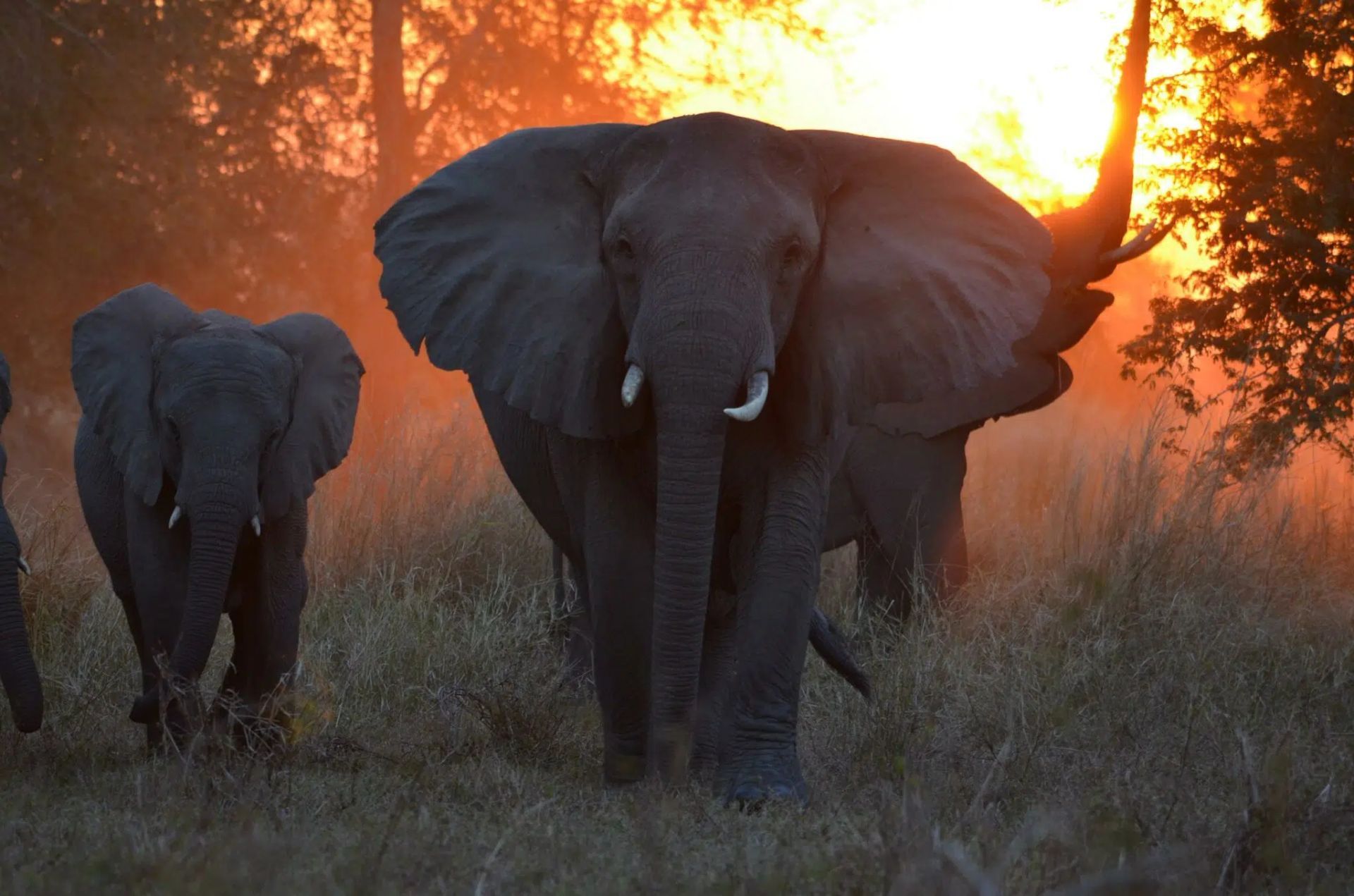
The park supports lions, elephants, buffalo, hippos, crocodiles, numerous antelope species, and African wild dogs. Its floodplains can hold impressive concentrations of waterbuck and other herbivores, while its varied habitats support exceptional birdlife.
Wildlife viewing can be extremely rewarding, but it is not as predictable as it is in a small, intensively managed private reserve. Gorongosa covers an immense area, and animal movements are affected by vegetation, seasonal water, temperature, and road access.
A knowledgeable guide can use tracks, bird calls, vegetation and subtle changes in the landscape to explain what is happening even when the largest animals are not immediately visible.
Travelers who require close predator sightings on every outing may prefer a more conventional reserve. Those who enjoy searching, observing and understanding how an ecosystem functions are likely to find Gorongosa considerably more satisfying.

Why the Guiding Impressed Me
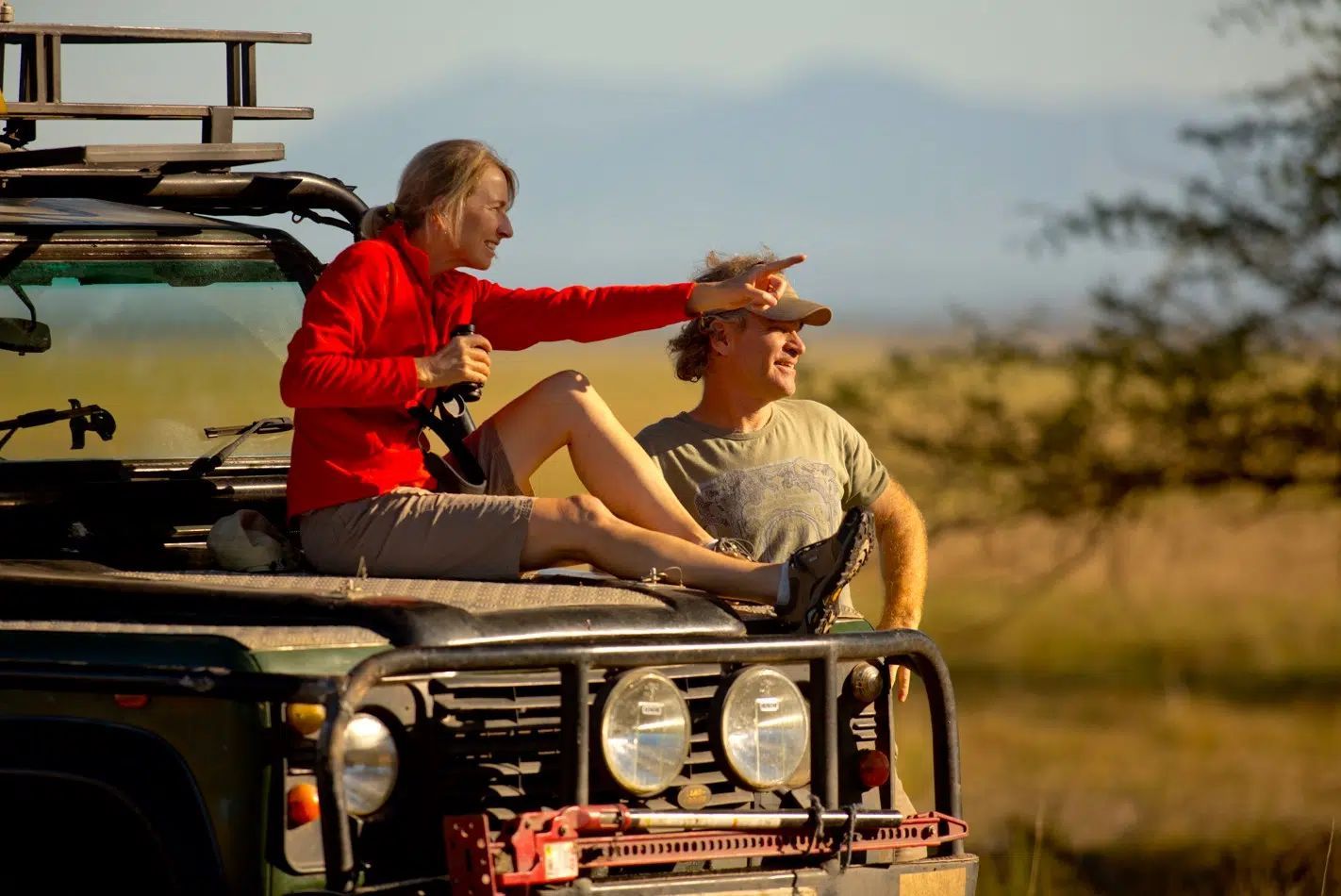
I have trained guides and managed safari operations, so I assess guiding critically.
An expensive lodge cannot compensate for weak guiding. Conversely, an excellent guide can transform an apparently quiet drive into an absorbing exploration of animal behavior, tracks, plants, birds, insects and ecology.
The standard of guiding was one of the strongest aspects of my July visit.
The guides demonstrated genuine enthusiasm for Gorongosa and understood that the park’s story extends beyond its largest animals. They were interested in the relationships between wildlife and habitat and were prepared to stop for details that less experienced guides might overlook.
This is essential in Gorongosa. The park should never be sold purely around its lions, elephants or wild dogs. Its appeal includes its floodplain ecology, forests, birdlife, insects, reptiles, mountain environments and the recovery of an entire landscape.
Following the journey, I discussed our experience directly with Doug Flynn, CEO and Tourism Director at Gorongosa. Guide development remains an important part of improving the visitor experience.
The park is drawing on expertise from guides and trainers with experience in other leading African safari destinations. This investment matters because wildlife and accommodation may attract a visitor, but the guide determines how that visitor understands what they encounter.
The commitment to developing Mozambican guiding talent was evident during my stay and is one of the principal reasons I am confident about Gorongosa’s future.
My Review of Muzimu Lodge
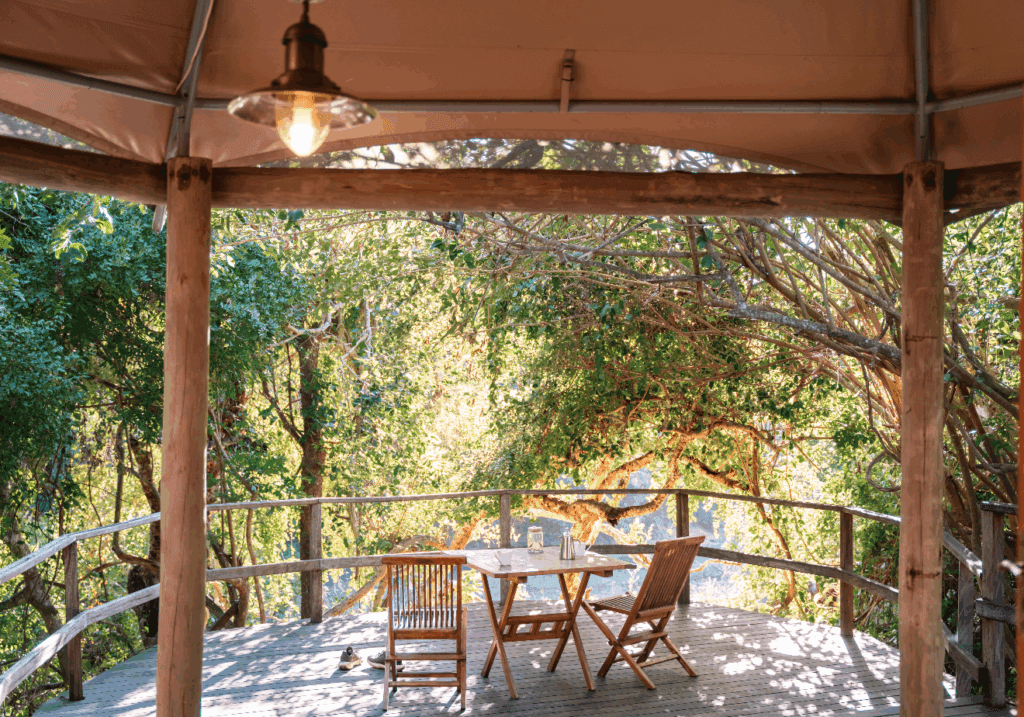
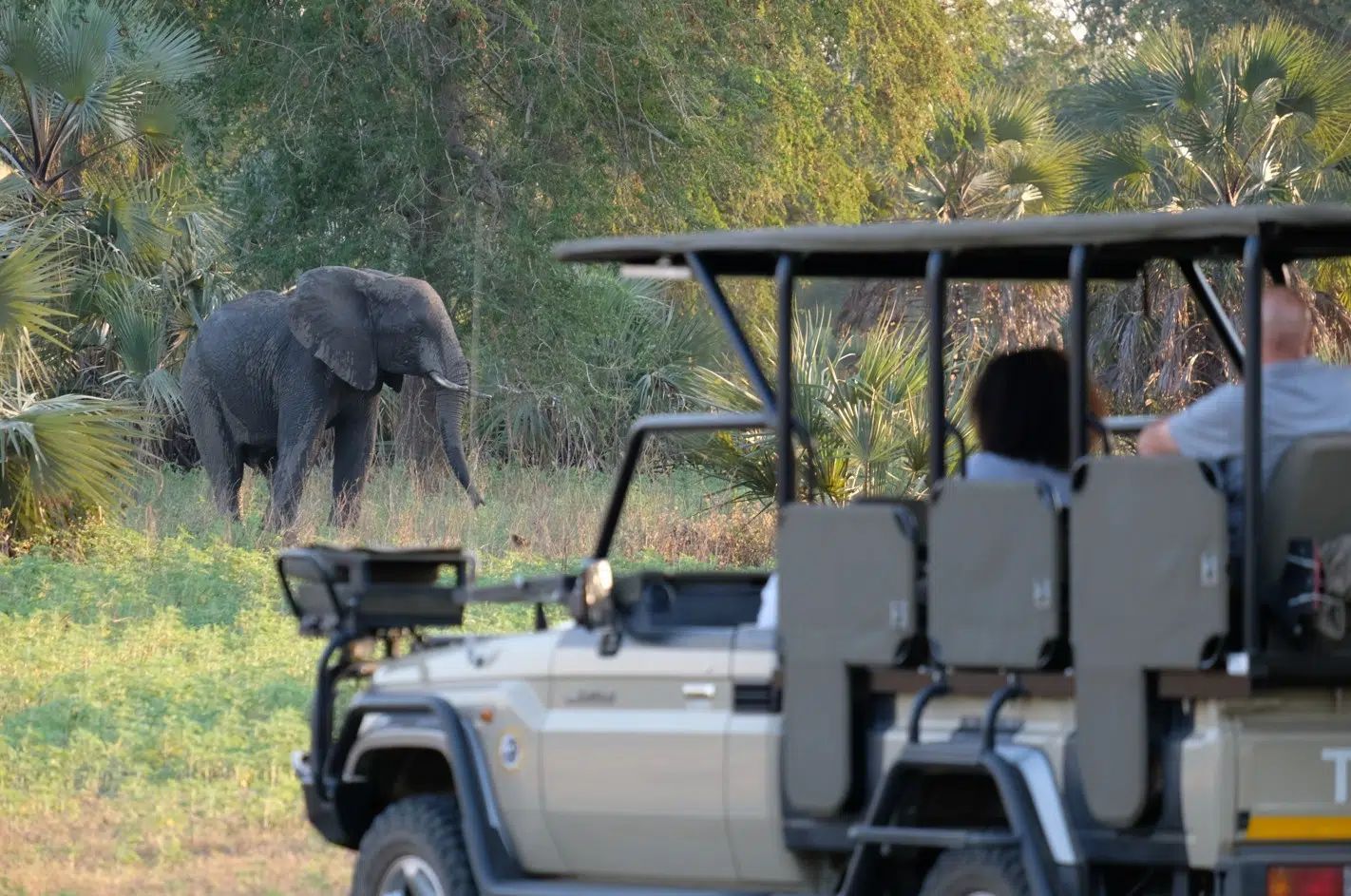
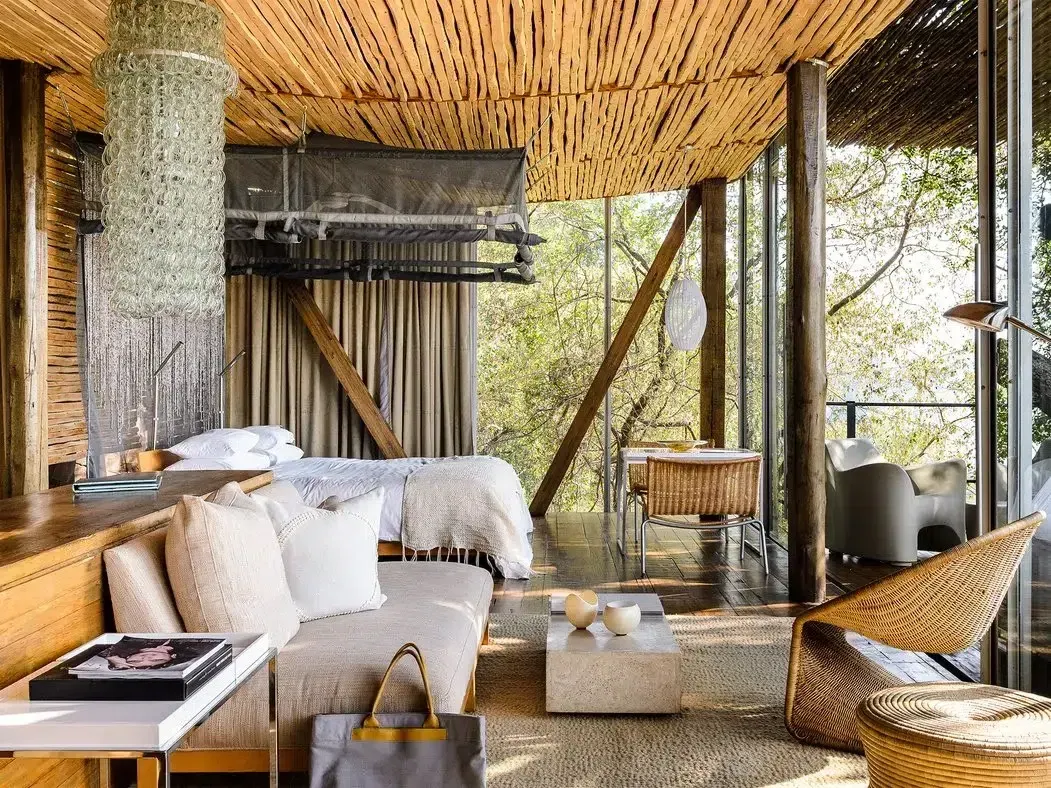
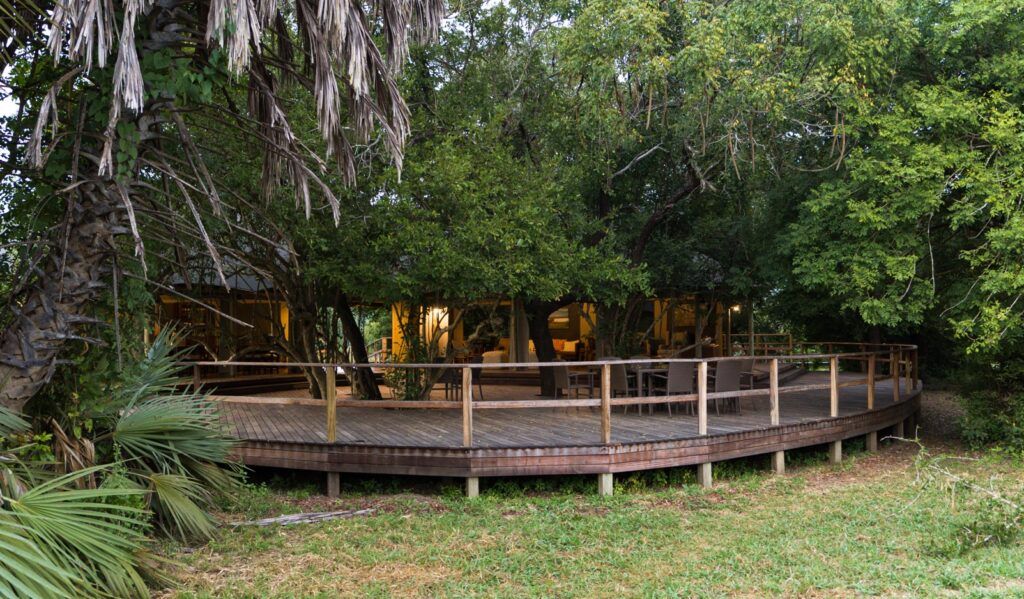
Muzimu Lodge is an intimate safari property overlooking the Mussicadzi River.
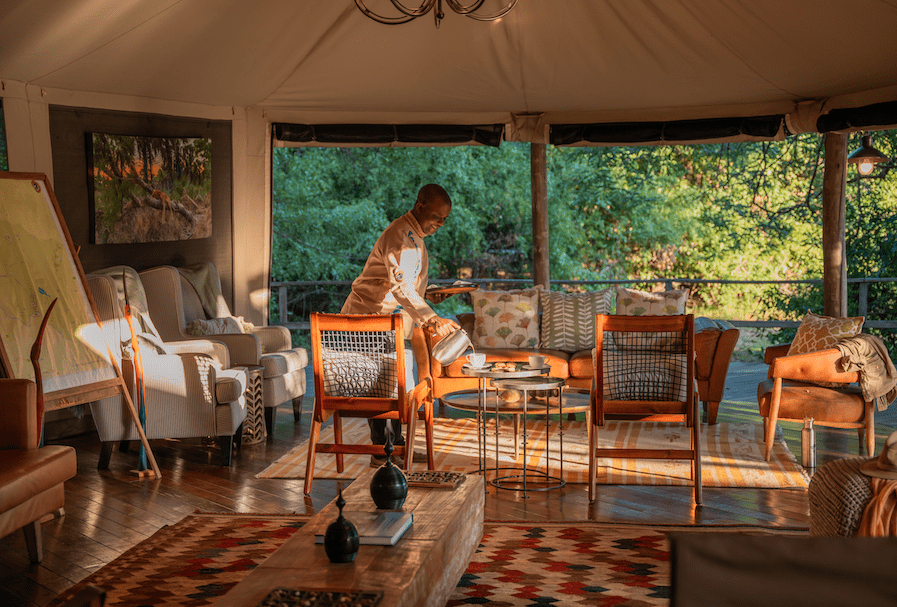
It has six East African-style tented suites, each with an en-suite bathroom and private deck. The main areas include a lounge, dining space and swimming pool overlooking the surrounding landscape.
Muzimu does not attempt to compete with a large safari resort through an extensive range of facilities. Its strengths are its riverside location, intimate scale, privacy and personal hosting.
The river remains part of the experience throughout the day. Wildlife moves through the surrounding area, and guests continue to feel connected to the park while relaxing at the lodge. The safari does not feel as though it ends when the vehicle returns to camp.
I was impressed by the warmth of the team and the style of service. Muzimu is comfortable and refined without separating guests from the environment they have traveled to experience.
It will suit couples, honeymooners, photographers, experienced safari travelers, and guests who appreciate a small lodge with personal hosting.
It is also the stronger option for travelers seeking a higher level of comfort while retaining a genuine wilderness atmosphere.
My Review of Chicari Camp
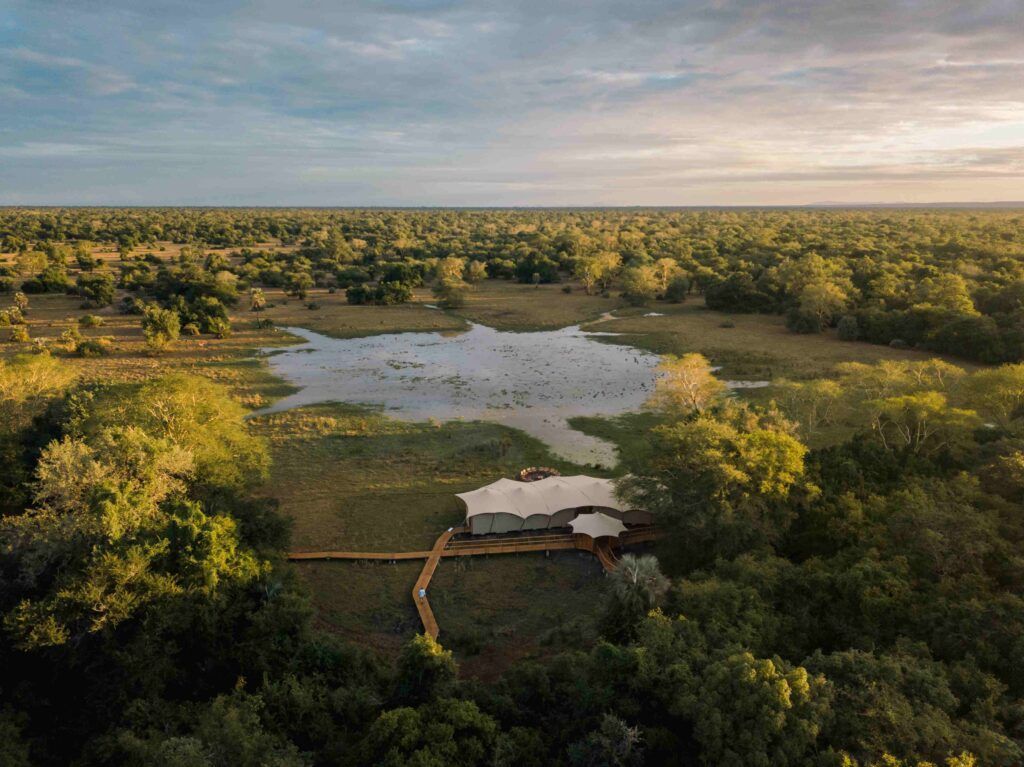
Chicari Camp provides a more seasonal and immersive safari experience.
The camp overlooks a permanent pan surrounded by fever trees and woodland. Its position allows animals and birds to become part of camp life throughout the day.
During my visit, the pan attracted a steady movement of waterbuck, bushbuck, bush pigs, impala, and birdlife. The pleasure did not depend on one dramatic sighting. It came from sitting quietly and watching the environment change.
This is one of the qualities I value most in a safari camp. Guests should not always have to enter a vehicle before they feel connected to the wilderness.
Chicari has ten safari tents, including two Treehide Tents. Each has an en-suite bathroom and private deck overlooking the pan.
The camp is comfortable, but its primary appeal is not an extensive collection of lodge facilities. It is the opportunity to remain immersed in the wildlife and atmosphere of the park.
Chicari will appeal particularly to naturalists, photographers, experienced safari travelers, and guests who enjoy patient observation. Its connection to the pan and surrounding woodland is precisely why the camp works.
Should You Choose Muzimu Lodge or Chicari Camp?
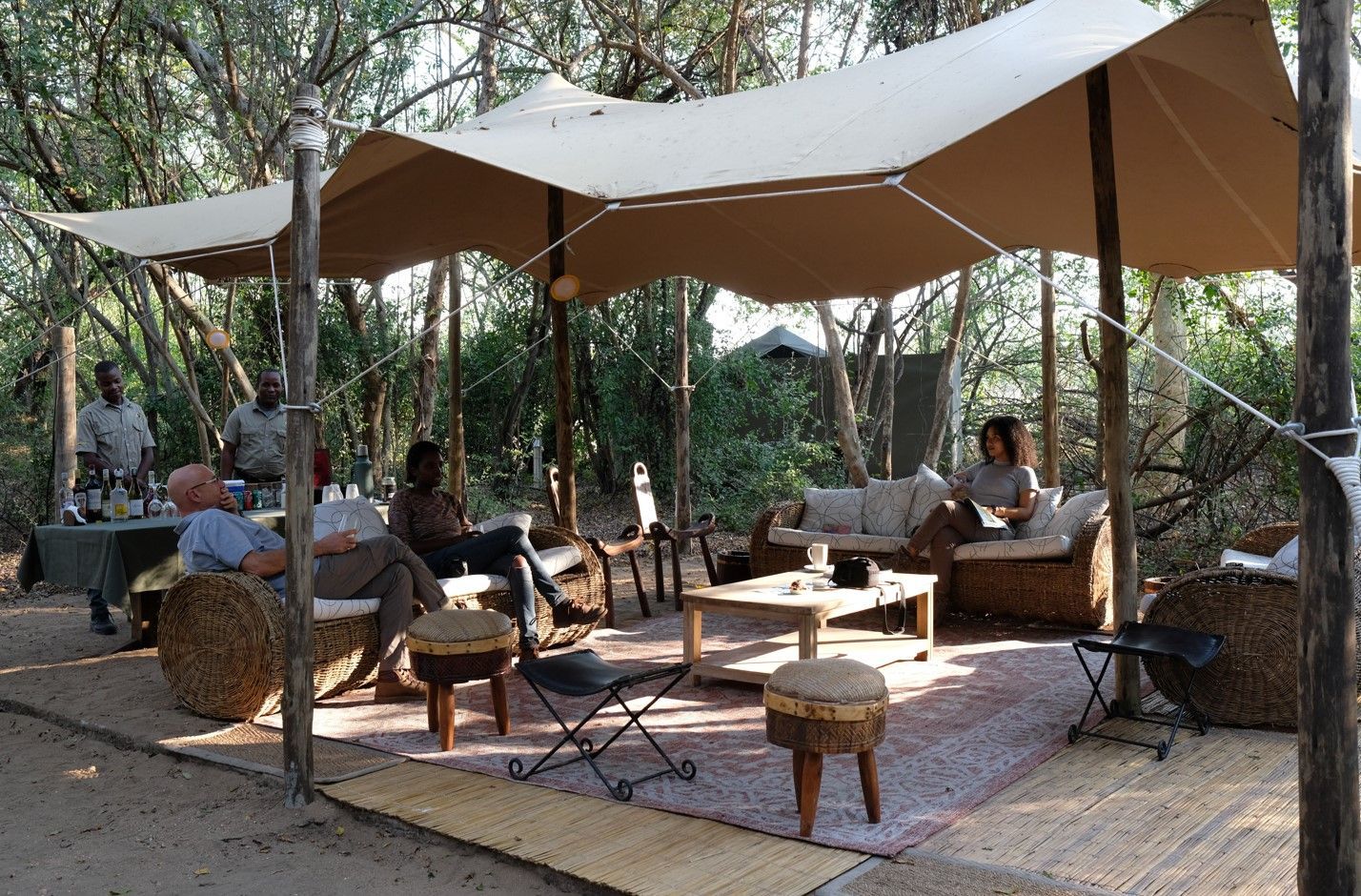
Muzimu and Chicari are both small safari properties, but they offer distinctly different experiences.
Muzimu is the more refined lodge, with six tented suites, a riverside setting, and a greater emphasis on personal hosting and relaxed comfort.
Chicari is seasonal and more closely connected to the daily wildlife activity around its permanent pan. It provides a stronger feeling of being removed from conventional lodge infrastructure.
Neither camp is automatically better.
Muzimu is likely to suit travelers who prioritize refined accommodation, privacy, and a more established lodge environment. Chicari will appeal to guests who want a seasonal wilderness camp and the opportunity to watch wildlife without leaving the property.
A longer itinerary can combine both camps. This gives travelers two different settings and two styles of safari within the same national park.
Because Mozambique Travel has personally inspected both properties, we can explain these practical differences rather than relying only on published lodge descriptions.
Our
Gorongosa accommodation guide provides a broader comparison of Muzimu, Chicari, Montebelo Gorongosa and the park’s developing Expedition Camp.
Combining Gorongosa With Azura Benguerra
Gorongosa works particularly well as the safari component of a longer Mozambique bush and beach holiday.
After several days of game drives, conservation experiences and wilderness exploration, travelers can continue to Azura Benguerra Island for private-pool accommodation, beaches, diving, snorkeling and time to relax in the Bazaruto Archipelago.
The contrast is one of the itinerary’s greatest strengths. Gorongosa provides wildlife, guiding and conservation depth. Benguerra Island provides warm Indian Ocean water, private beachfront living and a slower final stage to the journey.
Our verified nine-night Gorongosa and Azura Benguerra safari and island holiday combines four nights at Muzimu Lodge with five nights at Azura Benguerra.
A Chicari and Benguerra Island combination can also be costed around suitable camp dates and flight connections, even when it is not displayed as a fixed online package.
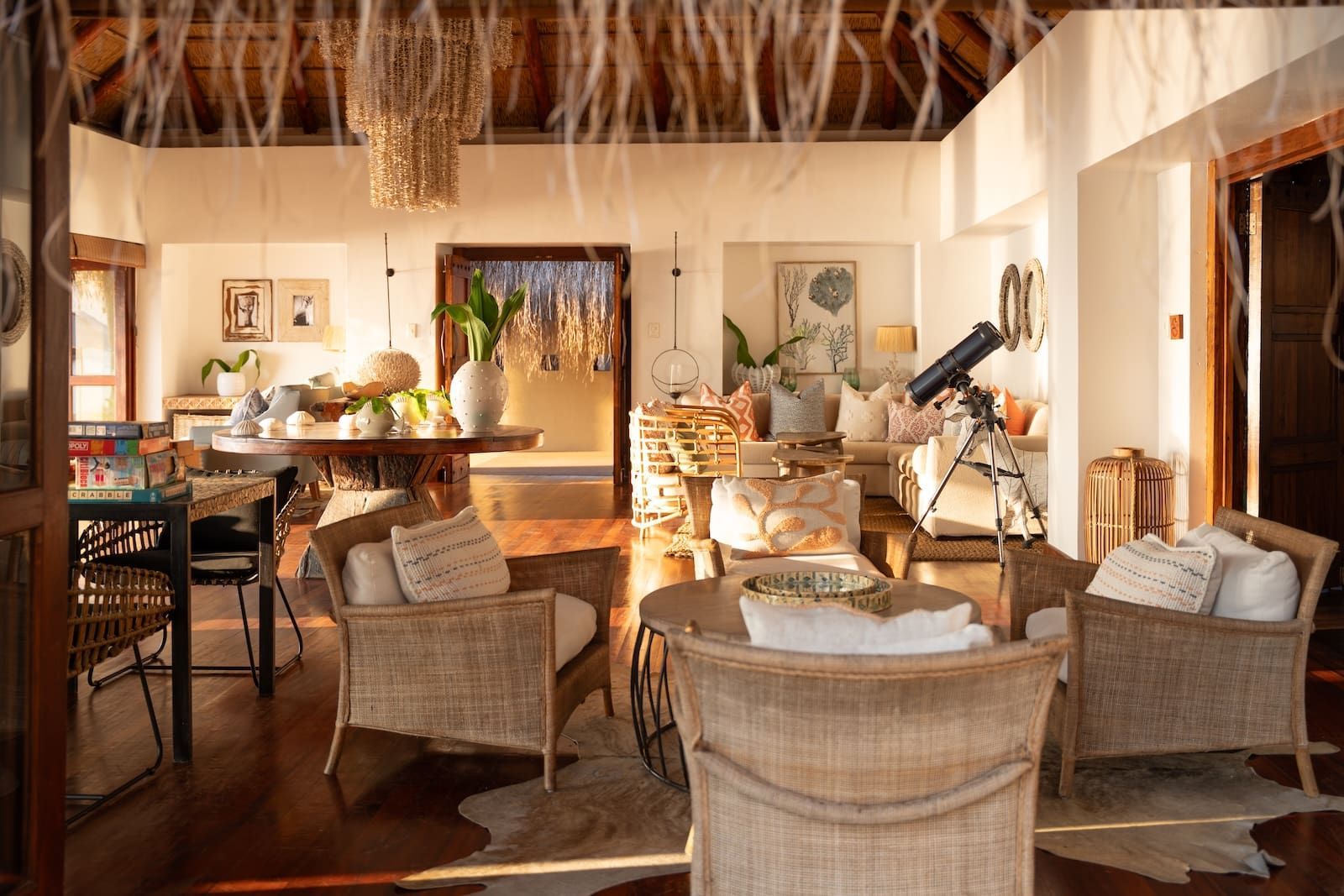
Mount Gorongosa Beyond the Traditional Safari
Gorongosa cannot be fully understood from the floodplains alone.
Mount Gorongosa rises above the park and its surrounding communities. Its forests and water systems are critical to the wider landscape, while its remaining Afromontane habitat supports plants, birds, insects and smaller species that differ substantially from those found on the plains.
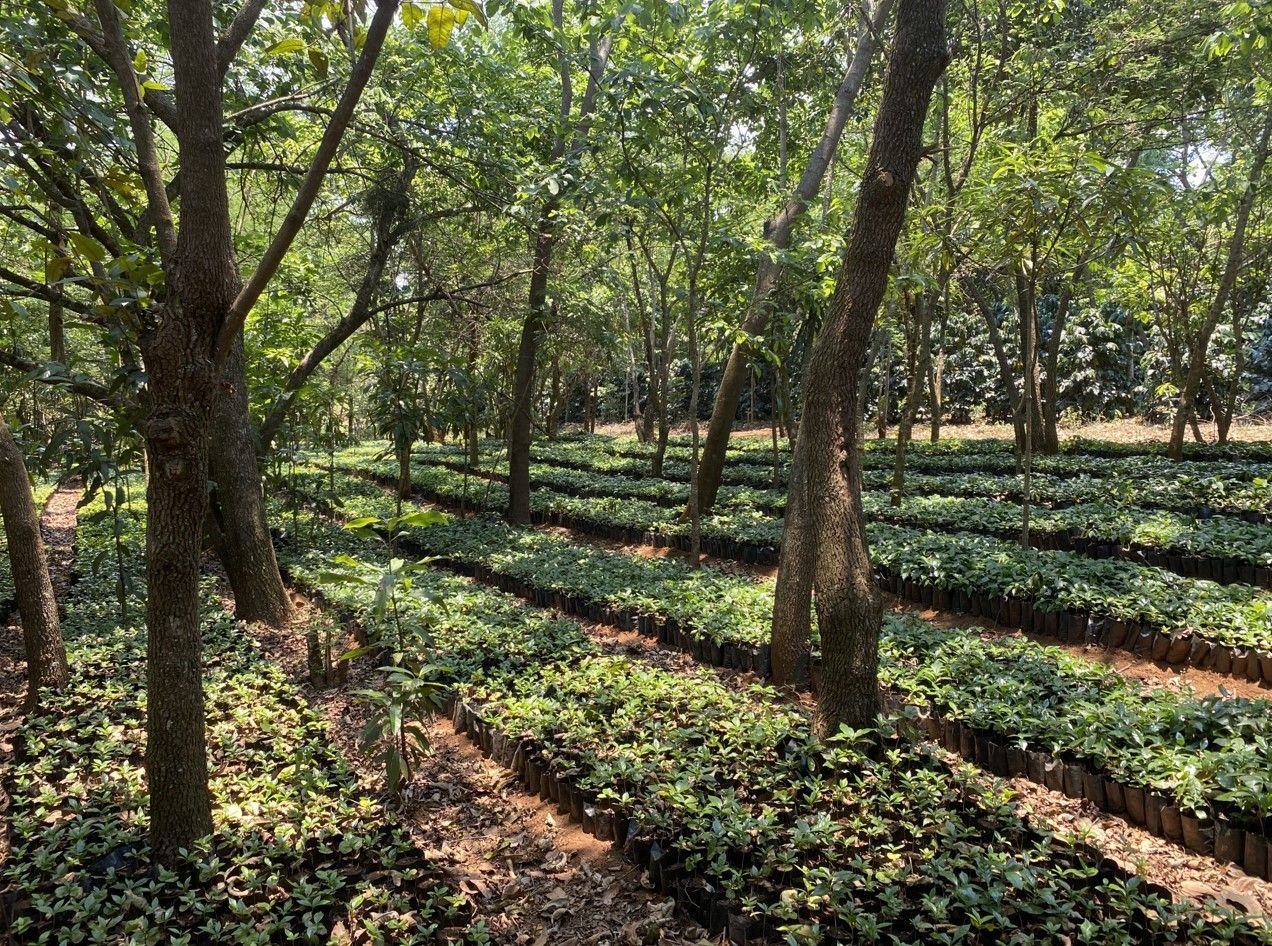
During our journey, my son and I stayed at a coffee collection point partway up the mountain before walking toward the remaining forest the following day.
The environment changed as we climbed. The warmer lower slopes gave way to cooler, wetter forest habitat. We encountered Livingstone’s turaco, yellow-billed waxbills and the green-headed oriole, one of the mountain’s important specialist birds.
For birders, hikers and travelers interested in forest ecology, Mount Gorongosa introduces a completely different dimension to the safari.
The mountain is also central to the Gorongosa Coffee Project. Coffee cultivation provides income for local farmers while supporting the restoration of indigenous tree cover. Replanting helps protect the forest and the water systems flowing toward the lower landscape.
Gorongosa’s account of its coffee and rainforest restoration work explains how coffee production is being connected to livelihoods and forest recovery on Mount Gorongosa.
This relationship between community income, forest restoration, and the health of the wider park is one of Gorongosa’s most important stories.
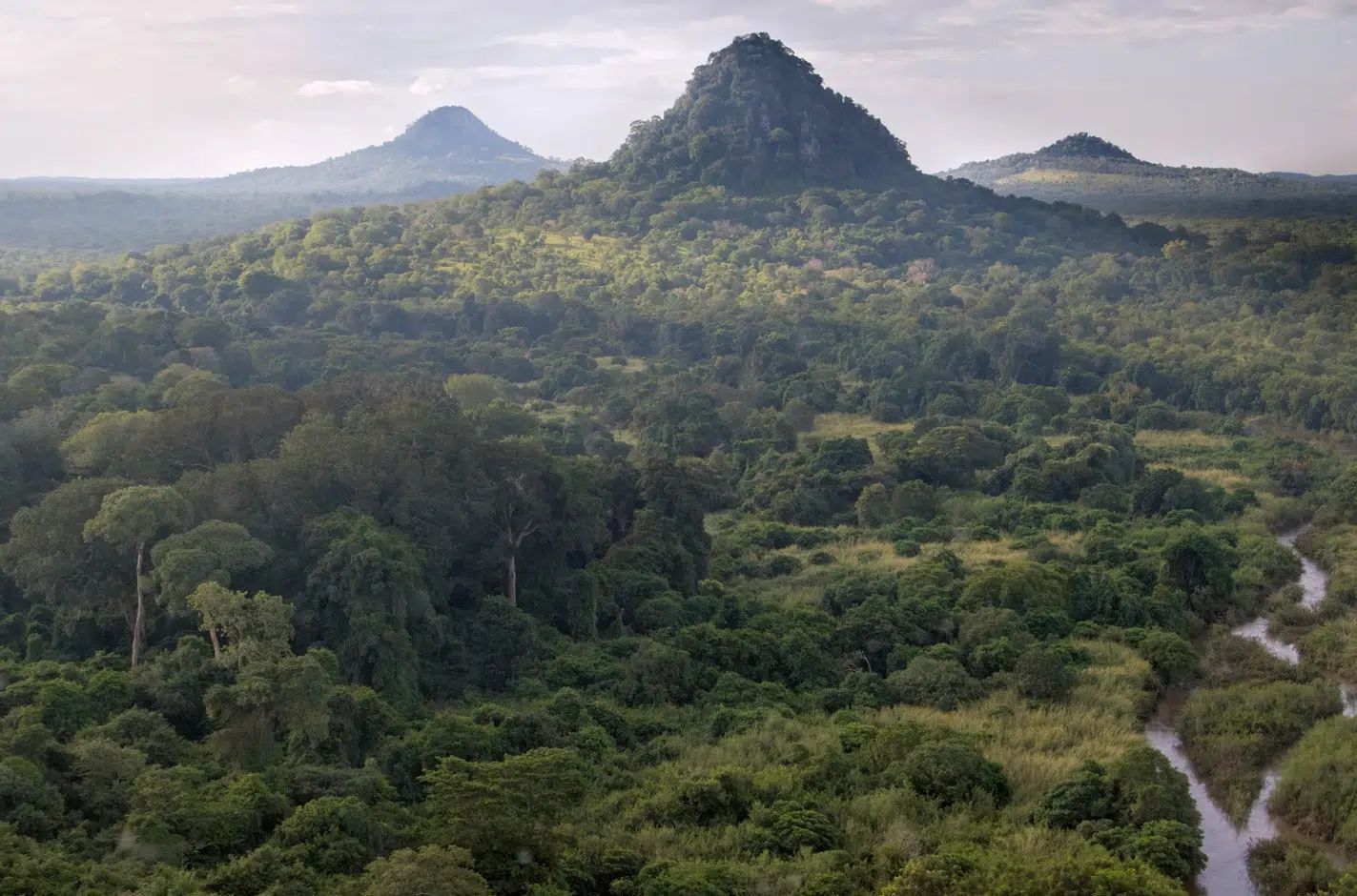
A Personal Moment on Mount Gorongosa
We continued to Gorongosa Falls during our mountain journey.
Above the falls, I scattered some of my mother’s ashes into the river. She had died shortly before the expedition, and this became an intensely personal moment.
I do not want to turn that experience into part of a travel sales story. It was simply a place that felt right.
The water, forest, and isolation gave me a quiet opportunity to say goodbye. After knowing Gorongosa professionally for more than two decades, the mountain became part of my personal history as well.
That moment reinforced something I have always felt about Gorongosa. Its impact is not limited to the number of animals seen during a game drive. The landscape, its scale, and the stories of recovery surrounding it can affect visitors in unexpected ways.
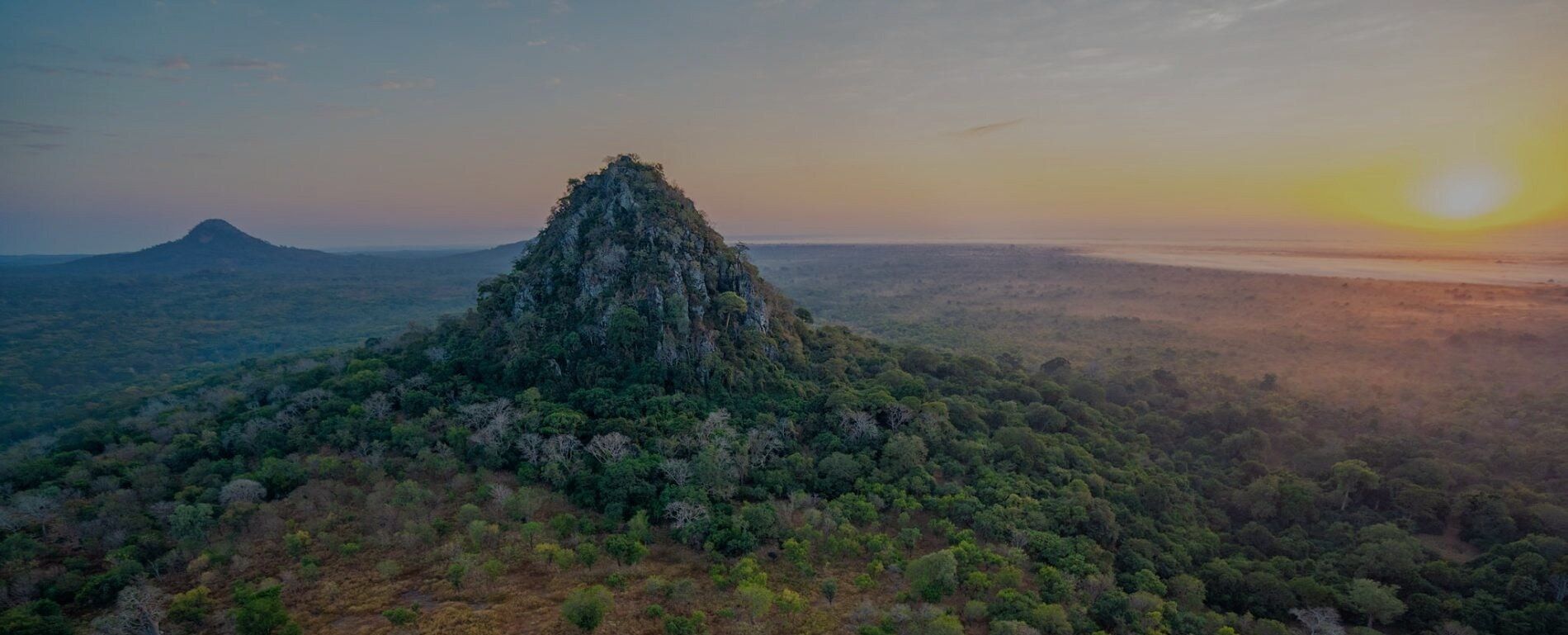
Gorongosa and Our Sky Islands Expedition
Our Gorongosa visit formed the beginning of the wider Mozambique Travel Sky Islands Expedition.
After leaving the park, my son and I continued north toward Mount Mabu, Mount Lico and Mount Namuli near Gurué.
These isolated mountains rise above the warmer surrounding lowlands, creating separate forest environments in which distinctive plants, birds, insects, reptiles and amphibians have developed.
Reaching them required difficult roads, local knowledge, considerable planning and patience.
Gorongosa was the appropriate starting point because it connected the more familiar safari landscape of floodplains and large mammals with the forests, watersheds and communities of Mount Gorongosa.
The complete stories of Mount Mabu, Mount Lico and Mount Namuli belong in our separate Sky Islands expedition series. Their relevance here is that they demonstrate how much of Mozambique’s natural history exists beyond conventional safari circuits.
Gorongosa is one of the few destinations where a journey can begin with large mammals on the floodplains and continue into forest ecology, community conservation, and remote mountain exploration.
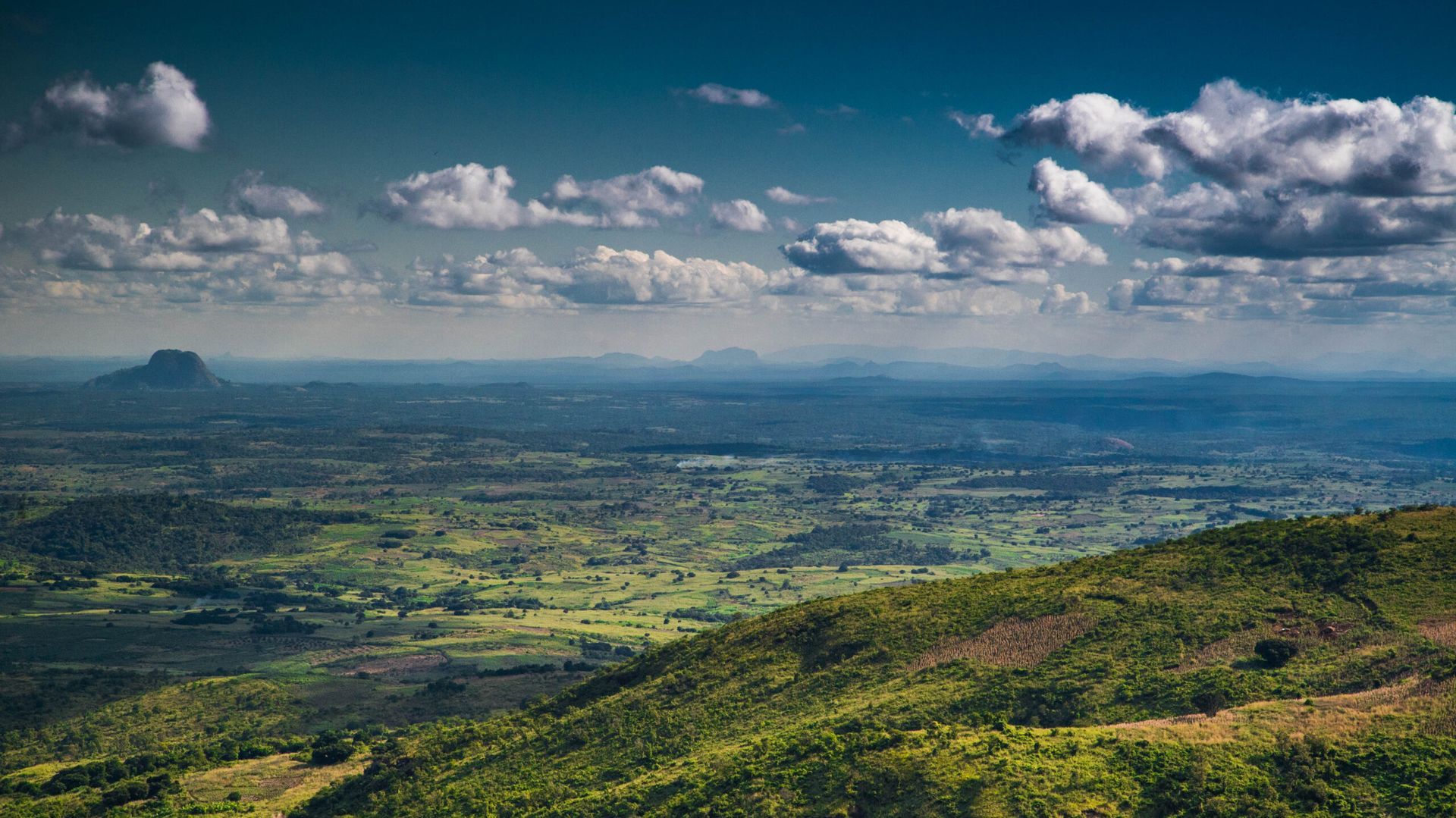
One of Africa’s Great Conservation Recoveries
The history of Gorongosa cannot be separated from Mozambique’s civil war.
Wildlife populations were devastated by conflict, hunting, and poaching. Tourism infrastructure collapsed, and several important species disappeared from the ecosystem.
The long-term partnership between the Government of Mozambique and the Gorongosa Project created a recovery model extending beyond conventional wildlife protection.
Animals have been protected and reintroduced, scientific monitoring has expanded, habitats have been restored, and Mozambicans have been trained and employed across conservation, science, education, healthcare and tourism.
The park’s specialist Carnivore Recovery Project works on the protection and recovery of species including lions, painted wolves, pangolins and elephants.
The connection between conservation and neighboring communities is equally important. A protected area cannot succeed indefinitely if the people living around it receive no meaningful benefit.
The Gorongosa Coffee Project demonstrates this connection particularly well. Farmers gain an income from coffee while planting shade and indigenous trees that help restore forest on Mount Gorongosa. That forest protects water systems supporting wildlife, agriculture and communities across the wider landscape.
Gorongosa’s recovery is not complete, and it should not be presented as though every challenge has been resolved. Conservation on this scale remains difficult, expensive and dependent on sustained commitment.
Visitors can nevertheless see genuine progress. They can travel across floodplains where wildlife has recovered, encounter predators that have returned and meet Mozambicans whose careers are developing alongside the park.
National Geographic’s independent account of Gorongosa’s wildlife recovery provides further context on the rebuilding of the ecosystem and the relationship between wildlife recovery and community development.
This gives a Gorongosa safari a depth that cannot be measured through a wildlife checklist alone.
The New Expedition Camp
One of the most interesting additions to Gorongosa’s accommodation portfolio is its Expedition Camp.
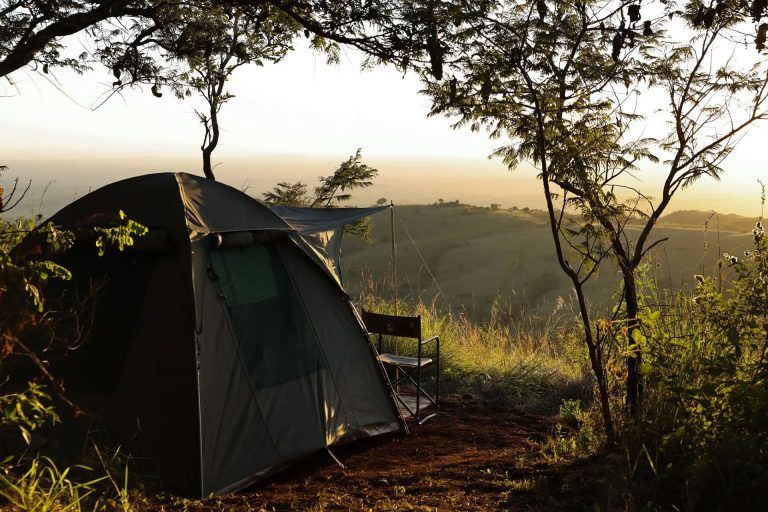
The Expedition Camp is an exclusive-use mobile fly camp designed for travelers wanting access to remote and rarely explored areas of Gorongosa. It combines a private camp with specialist walking guides and a more exploratory style of safari.
This expands the ways experienced visitors can engage with the park. Gorongosa’s immense scale cannot be appreciated entirely from established roads and permanent lodges.
I did not personally stay at the completed Expedition Camp during my July inspection, so I do not present this as a first-hand accommodation review.
Mozambique Travel will assess its confirmed operating dates, location, logistics, and suitability before recommending it to a client.
However, its introduction supports the direction discussed during my visit: smaller groups, walking, fly-camping and carefully managed access to less-visited areas.
For adventurous and experienced safari travelers, this could become one of Gorongosa’s most distinctive experiences.
Who I Would Recommend Gorongosa To
I recommend Gorongosa most strongly to travelers who value wilderness, interpretation, and conservation alongside wildlife viewing.
It is particularly suitable for:
- Experienced African safari travelers
- Birders and naturalists
- Wildlife and landscape photographers
- Guests interested in conservation and ecological recovery
- Active travelers interested in walking and mountain environments
- Travelers who prefer small camps and very low vehicle density
- Couples wanting to combine a meaningful safari with Benguerra Island
An hour watching wildlife move around Chicari’s pan may become as memorable as a predator sighting. A guide interpreting a track, bird call or insect can reveal more about the ecosystem than a hurried sequence of photographs.
Gorongosa can also work for thoughtful first-time safari travelers, provided they understand what makes it different and do not require a guaranteed Big Five checklist.
The essential requirement is an interest in the complete landscape rather than only its most famous animals.
Who May Prefer Another Safari Destination?
Gorongosa is not the correct recommendation for every client.
Someone planning a first and possibly only African safari may prefer the predictable wildlife concentrations and highly habituated animals found in a more conventional reserve.
Travelers who expect close predator encounters on every drive, or who judge a safari primarily by how quickly they complete the Big Five, may find Gorongosa less predictable.
The park also requires flexibility. Weather, road conditions, camp seasonality, and flight schedules can influence the itinerary.
At Mozambique Travel, we would rather recommend a different destination than place a client in a safari that does not match their priorities.
Honest matching is more valuable than trying to sell the same experience to every traveler.
My Final Verdict on Gorongosa
Gorongosa has reached an important stage in its recovery.
Its wildlife is rebuilding, its guides are developing, and its small camps provide access to an immense landscape with exceptionally few other visitors.
Muzimu Lodge and Chicari Camp offer two different ways to experience the park. Mount Gorongosa adds walking, birding, forest ecology, and community conservation. The Expedition Camp introduces the potential for more remote and adventurous journeys.
The park still has challenges. Wildlife viewing is less predictable than in some intensively managed reserves, and its logistics require careful planning.
For the correct traveler, these limitations are outweighed by the feeling of discovery, the quality of the interpretation and the opportunity to experience a conservation recovery that is still unfolding.
I have known Gorongosa since 2003, but my July 2026 visit changed how I view its future.
I returned impressed by its people, guides, camps, and wildlife. I also left convinced that its combination of safari, mountains, conservation and community involvement could make it one of Africa’s most interesting destinations for thoughtful and adventurous travelers.
For someone wanting to explore a genuinely uncrowded wilderness, understand a recovering ecosystem and meet the people shaping its future, I recommend Gorongosa without hesitation.
Plan Your Gorongosa Safari With Mozambique Travel
Mozambique Travel has specialized in holidays and expeditions throughout Mozambique for 25 years. I have known Gorongosa since 2003 and returned in July 2026 to inspect Muzimu Lodge, Chicari Camp, and the developing experiences around Mount Gorongosa.
Our advice is based on first-hand inspections, long-standing relationships and a practical understanding of traveling through Mozambique.
We can help you:
- Choose between Muzimu Lodge and Chicari Camp
- Combine both camps in a longer Gorongosa itinerary
- Arrange regional flights, light-air connections and transfers
- Assess whether Mount Gorongosa or Expedition Camp is suitable
- Combine Gorongosa with Azura Benguerra or another Mozambique beach lodge
- Match the safari to your wildlife, birding, photography, or walking interests
Explore our current Gorongosa safari packages or speak directly to our team.
We will help you select the correct camp, length of stay, and flight arrangements, with the option of adding a carefully planned Mozambique beach extension.
Featured Packages
Mozambique Culture Safari and Beach Package 2026
Five-Night Gorongosa Safari Explorer
Chicari Camp Five-Night Safari From Johannesburg
Gorongosa Safari FAQs
When is the best time to visit Gorongosa National Park?
Gorongosa’s principal safari season normally runs from April to November, when the park is accessible and its main camps are operating. The drier months generally provide easier wildlife viewing, while June to August can bring cool mornings and cold nights. Exact camp dates, flights, and mountain activities should always be checked for the intended travel month.
How far in advance should a Gorongosa safari be booked?
Muzimu has only six tented suites, while Chicari is seasonal and has ten tents. Travelers requiring a particular camp, flight connection or school-holiday date should plan several months ahead. Specialist walking or Expedition Camp arrangements may require additional notice.
Can children stay at Muzimu Lodge or Chicari Camp?
Child policies and minimum ages may differ between camps and activities. Walking safaris and specialist experiences can have higher minimum-age requirements than game drives. Families should provide the ages of all children before Mozambique Travel recommends a camp or confirms an itinerary.
What luggage can be taken on flights to Gorongosa?
Light-aircraft baggage allowances are normally more restrictive than international airline allowances, and soft-sided luggage may be required. The exact weight limit depends on the aircraft and route confirmed for the itinerary. Mozambique Travel provides the applicable baggage requirements before departure.
Can Gorongosa be combined with Benguerra Island?
Yes. Gorongosa and Benguerra Island create one of Mozambique’s strongest safari and beach combinations. Travelers can begin with Muzimu or Chicari before continuing through Vilanculos to Azura Benguerra or another Bazaruto Archipelago lodge. Flight schedules, camp dates and island availability must be coordinated carefully.
SHARE THIS POST
Are You Ready FOr Mozambique?
Page through our packages and find the offer right for you!
Ready to Speak to a Mozambique Travel Expert?
Get In Touch and Ask for a Call-Back Today
Latest Posts