


Conservation Success Stories in Mozambique | Parks, Wildlife and Recovery
By • April 7, 2026
What Conservation Success Really Means in Mozambique
Conservation success in Mozambique cannot be measured by dramatic wildlife density or instant transformation. Most of the country’s protected areas are rebuilding from severe historical decline rather than managing abundance. Success here is defined by stabilisation, recovery trajectories, reduced pressure, and the re-establishment of ecological function.
In many cases, preventing further loss is itself a success. Protecting remaining habitats, maintaining viable populations, and restoring protection systems form the foundation for long-term recovery. Mozambique’s conservation story is therefore not about quick wins. It is about sustained progress under difficult conditions, often with limited resources and low tourism volumes.
Understanding this context is essential. Mozambique’s successes are quieter, slower, and more structural than in long-established safari destinations, but they are no less significant.
Gorongosa National Park: From Collapse to Ecological Recovery
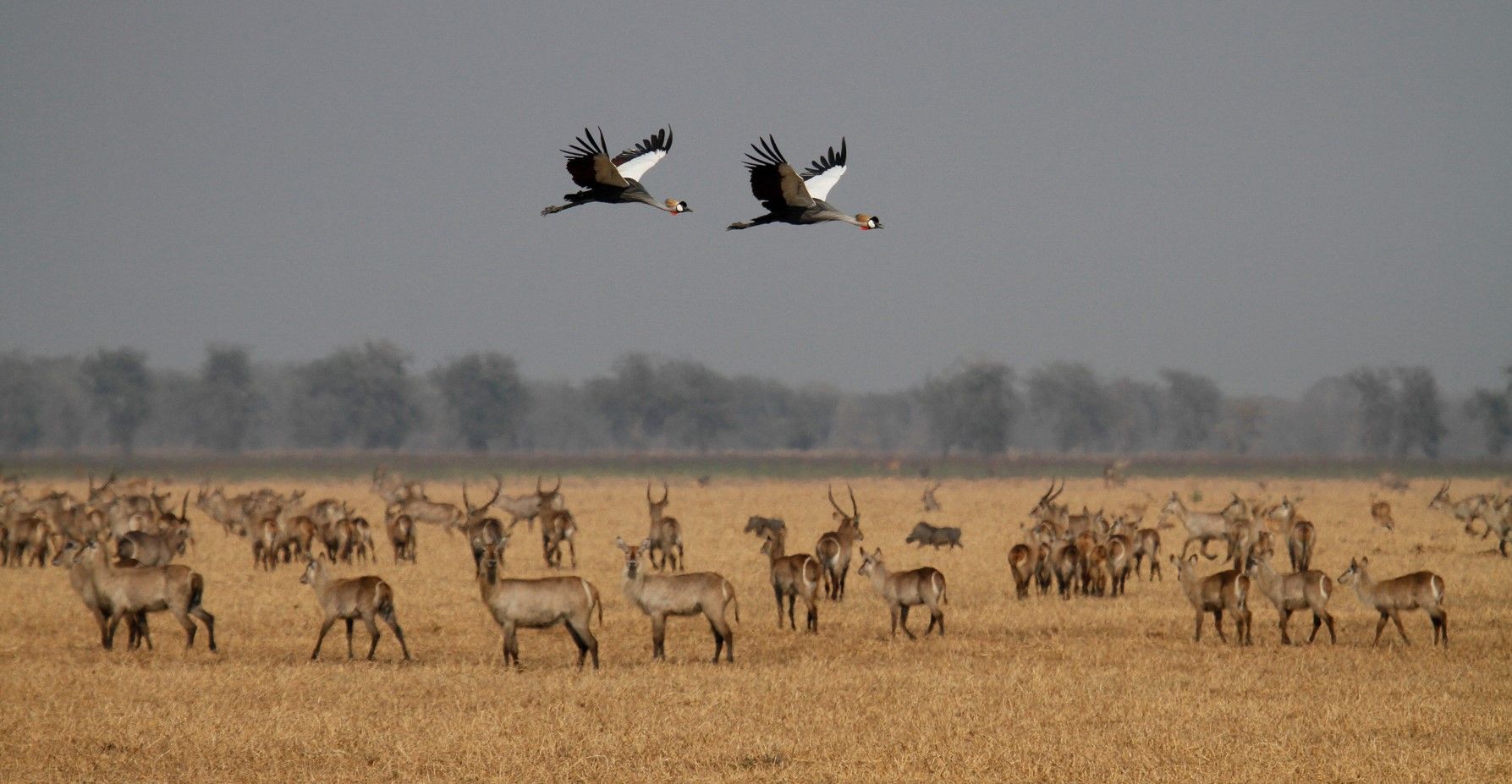
Gorongosa National Park represents Mozambique’s most comprehensive conservation success to date. Once heavily depleted, the park has undergone long-term restoration focused on protection, science, and community integration rather than tourism growth alone.
Large herbivore populations have rebounded, particularly species linked to floodplain systems around Lake Urema. Predator populations, including lion and hyena, are now breeding consistently, reflecting improved prey availability and ecosystem stability. Bird diversity exceeds 400 recorded species, placing Gorongosa among southern Africa’s most important avian landscapes.
What makes Gorongosa a success story is not just wildlife numbers, but systems. Ranger capacity, ecological monitoring, education programs, healthcare access, and community livelihoods are all integrated into conservation outcomes. Tourism supports this system without driving it, reinforcing recovery rather than defining it.
Zinave National Park: Rewilding as a Measure of Success
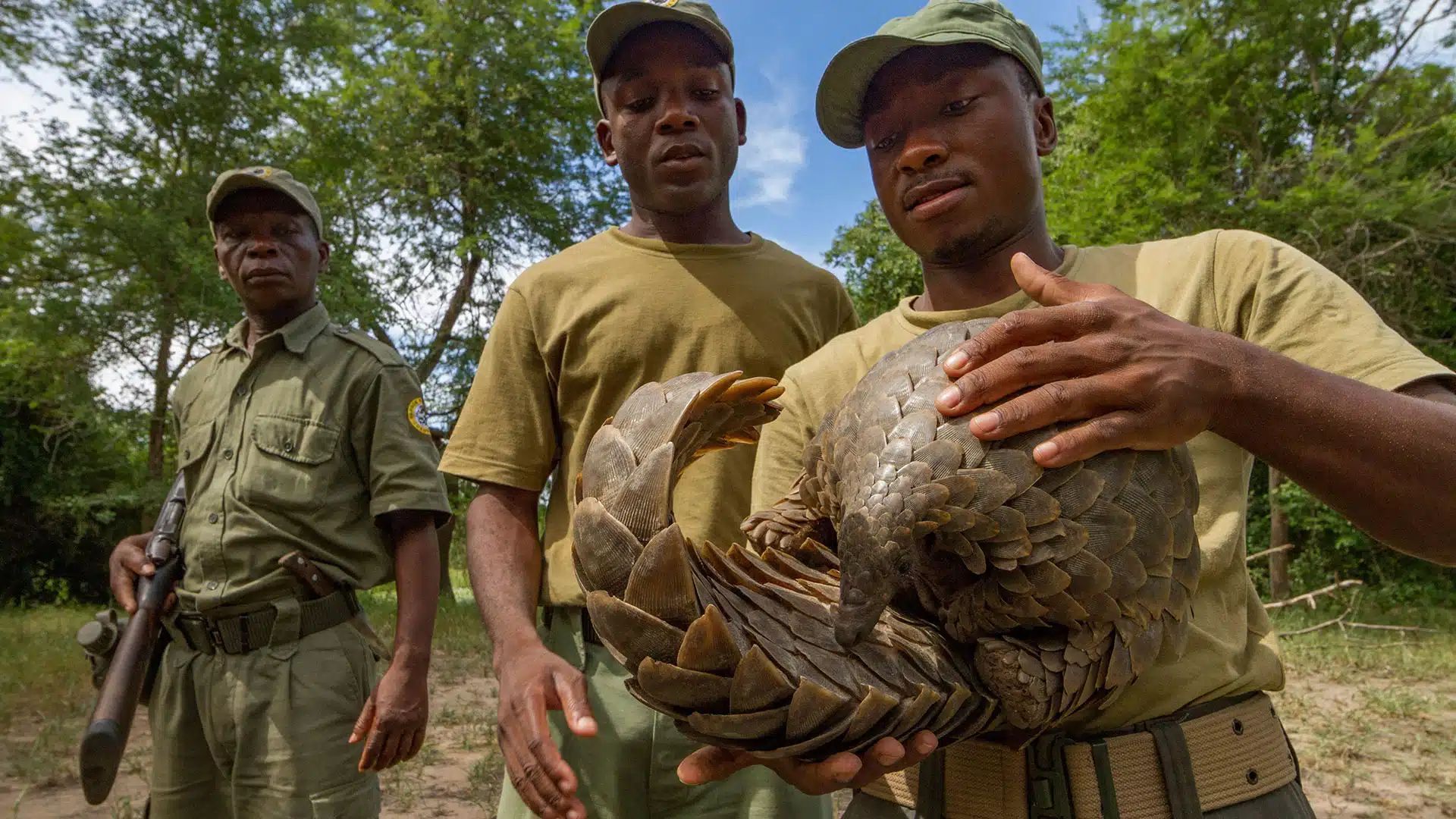
Zinave National Park illustrates a different form of conservation success. Rather than recovery from abundance, Zinave represents rebuilding from near absence. The park has become a focal point for large-scale rewilding in southern Africa.
Key herbivore species have been reintroduced based on habitat capacity and protection readiness. Wildlife numbers remain modest, but population trends are positive and stable. Predator recovery is expected to follow naturally as prey bases strengthen.
Success in Zinave is measured by ecological function rather than sightings. Ranger coverage has improved, illegal activity has declined, and habitats are stabilising. Tourism plays a supporting role, funding protection and monitoring during early recovery stages without placing pressure on fragile systems.
Maputo National Park: Land and Sea Conservation Working Together
Maputo National Park is one of Mozambique’s most significant conservation successes because it protects interconnected terrestrial and marine ecosystems under a single management framework.
Elephants, hippos, and crocodiles occupy wetlands and lakes that link directly to estuarine and marine environments. Offshore waters support dolphins, seasonal whale movements, and turtle nesting beaches. Protection efforts here address land use, fishing pressure, and coastal development simultaneously.
Success in Maputo is measured by maintained connectivity. Wildlife movement between habitats continues, marine resources are regulated, and enforcement covers both land and sea. Tourism revenue supports patrols, monitoring, and community engagement across this complex landscape, demonstrating how integrated conservation can function effectively.
Bazaruto Archipelago: Marine Conservation Success Against the Odds
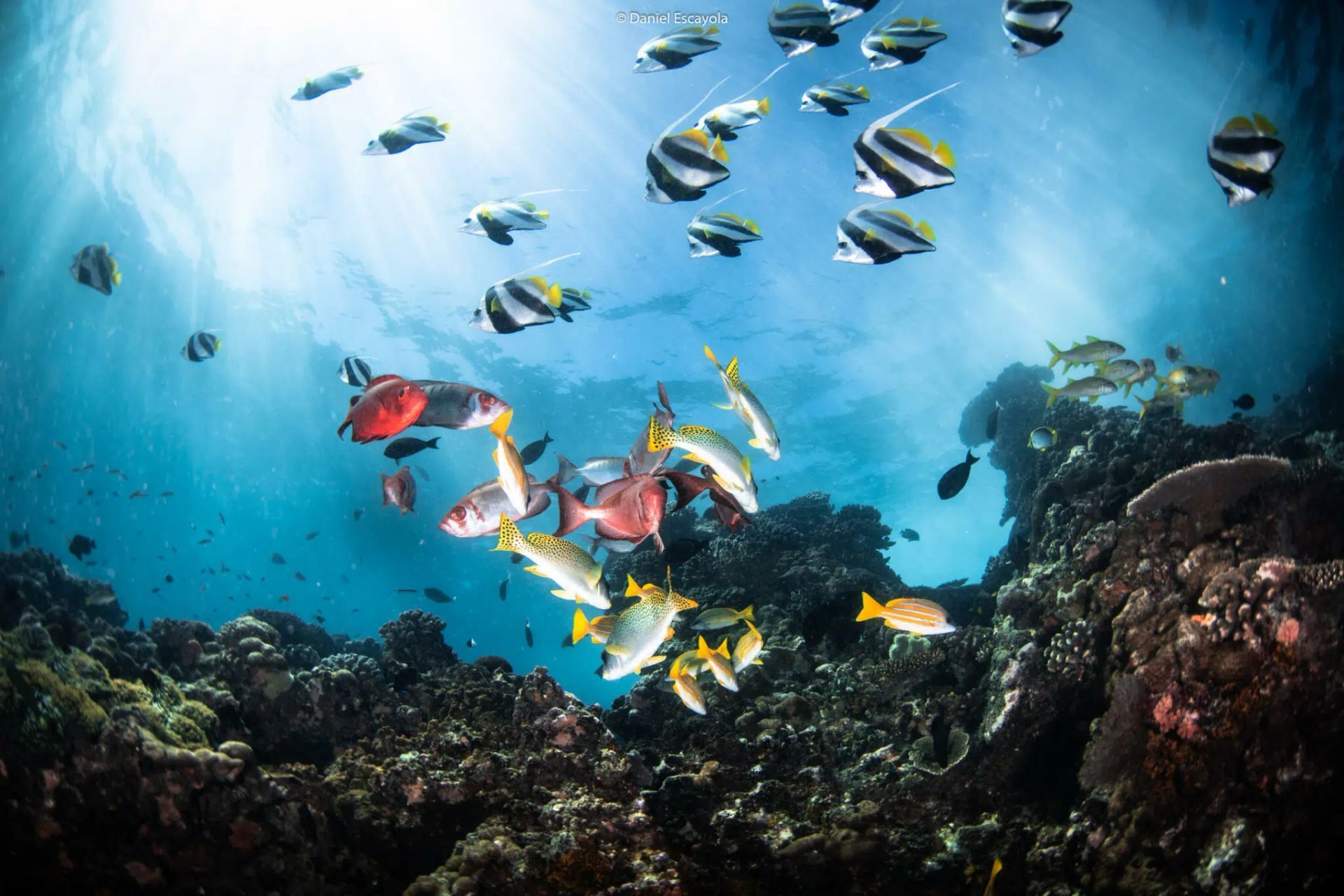
The Bazaruto Archipelago Marine National Park represents one of Mozambique’s most important marine conservation successes. The park protects coral reefs, seagrass meadows, and coastal ecosystems that support threatened marine species.
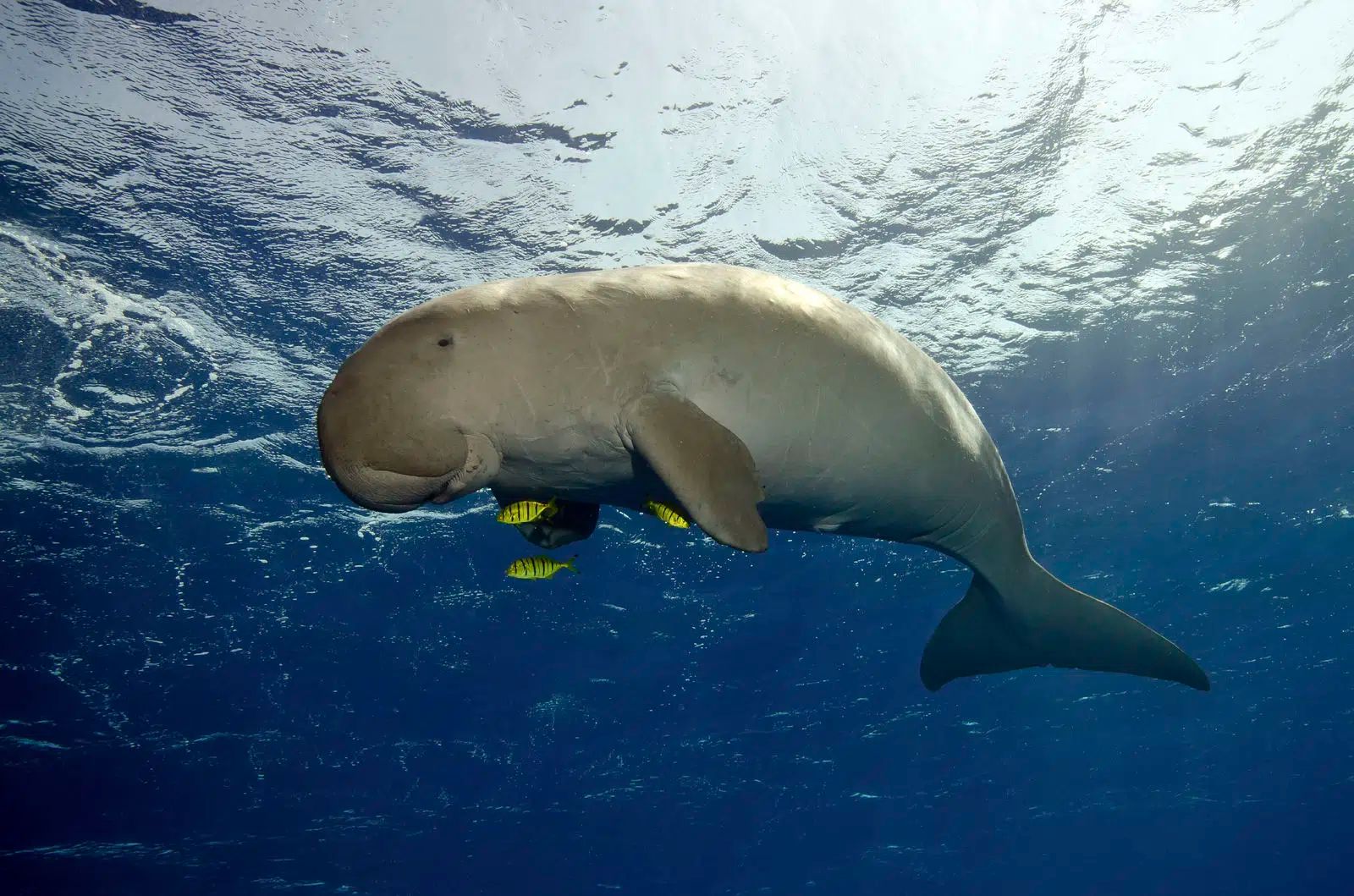
Most notably, Bazaruto remains one of the last refuges for dugongs in the western Indian Ocean. Dugong numbers are small but stable, an achievement that reflects effective regulation of fishing, boat traffic, and coastal use. Turtle nesting beaches are protected, and reef systems continue to support diverse marine life.
Success here is defined by prevention. In a region where dugong populations have collapsed elsewhere, maintaining stability is a major conservation win. Tourism revenue supports patrols and monitoring while providing alternative livelihoods for coastal communities.
Reduced Pressure as a Conservation Achievement
In many Mozambican parks, success is best measured by reduced pressure rather than visible abundance. Declining poaching incidents, improved patrol coverage, and stronger governance all contribute to long-term recovery even when wildlife numbers remain low.
This form of success is less visible to visitors but critical for conservation outcomes. Stabilising ecosystems allows natural processes to resume, creating conditions for gradual population growth. Mozambique’s experience shows that conservation gains often begin with absence of loss rather than presence of spectacle.
Community Outcomes as Conservation Metrics
Mozambique’s conservation successes are inseparable from community outcomes. Employment linked to parks, education initiatives, healthcare access, and alternative livelihoods all reduce reliance on illegal resource use.
Where communities benefit directly from conservation, tolerance for wildlife increases and conflict decreases. These social indicators are increasingly recognised as valid conservation metrics alongside ecological data. In Mozambique, conservation success includes improved human well-being as a prerequisite for long-term protection.
Rhino Reintroduction as a Long-Term Conservation Commitment
Rhino reintroduction in Mozambique is one of the country’s most demanding conservation efforts. Unlike species that recover through protection alone, rhinos require translocation, intensive security, and sustained funding. Their return signals confidence in long-term protection systems rather than short-term conservation gains.
In parks such as Zinave, reintroduction followed years of preparation, including habitat assessment, ranger training, anti-poaching systems, and governance reform. Rhinos are only introduced once protection capacity is strong enough to ensure continuous safeguarding, making this as much an institutional achievement as an ecological one.
Success is measured conservatively. The focus is on survival, stable breeding, and the absence of poaching, not rapid population growth. Limited public disclosure reflects risk management and conservation maturity.
Tourism supports rhino conservation indirectly through funding for rangers, monitoring, and park management. The presence of rhinos also strengthens the conservation value of protected areas, reinforcing long-term investment in systems designed to protect species that cannot afford failure.
Wild Dogs and the Importance of Landscape-Scale Conservation
African wild dogs are strong indicators of landscape-scale conservation success. They require vast, connected territories and are highly vulnerable to fragmentation, conflict, and disease. Their presence in Mozambique reflects improving ecological connectivity rather than isolated recovery within fenced reserves.
Wild dogs move across transfrontier conservation areas and multiple land-use zones, making their survival dependent on cooperation between parks, communities, and neighbouring countries. They are not confined to single reserves, and their conservation cannot rely on park boundaries alone.
Success is measured by persistence rather than regular sightings. Packs are mobile, sightings are rare, and populations fluctuate naturally. Mozambique’s value lies in providing space, tolerance, and reduced persecution within a wider regional landscape.
Tourism plays a supporting role by funding protection across large areas and reducing threats such as snaring. While wild dogs are not a focus species for visitors, their continued presence signals recovery at a scale large enough to support wide-ranging predators.
Large Predator Recovery and the Return of Ecological Balance
The gradual return of large predators such as lions, leopards, and hyenas indicates that Mozambique’s ecosystems are stabilising. Predators re-establish only once prey populations recover and human pressure declines, reflecting rebuilding food webs rather than artificial management.
In Gorongosa, predators have resumed breeding as herbivore numbers increased and protection improved. Elsewhere, recovery is slower and uneven, shaped by prey availability, habitat condition, and historical pressure. This variation highlights the need for long-term monitoring rather than short-term expectations.
Predator survival also depends on community tolerance. Conflict mitigation, education, and shared benefits are essential, as predators often come into contact with surrounding communities.
Tourism supports predator recovery through funding and by reinforcing the value of intact ecosystems. Low vehicle density and large wilderness areas allow predators to behave naturally, even if sightings are less predictable. Here, recovery reflects restored ecological balance rather than guaranteed viewing.
Elephant Stabilisation and the Protection of Wildlife Corridors
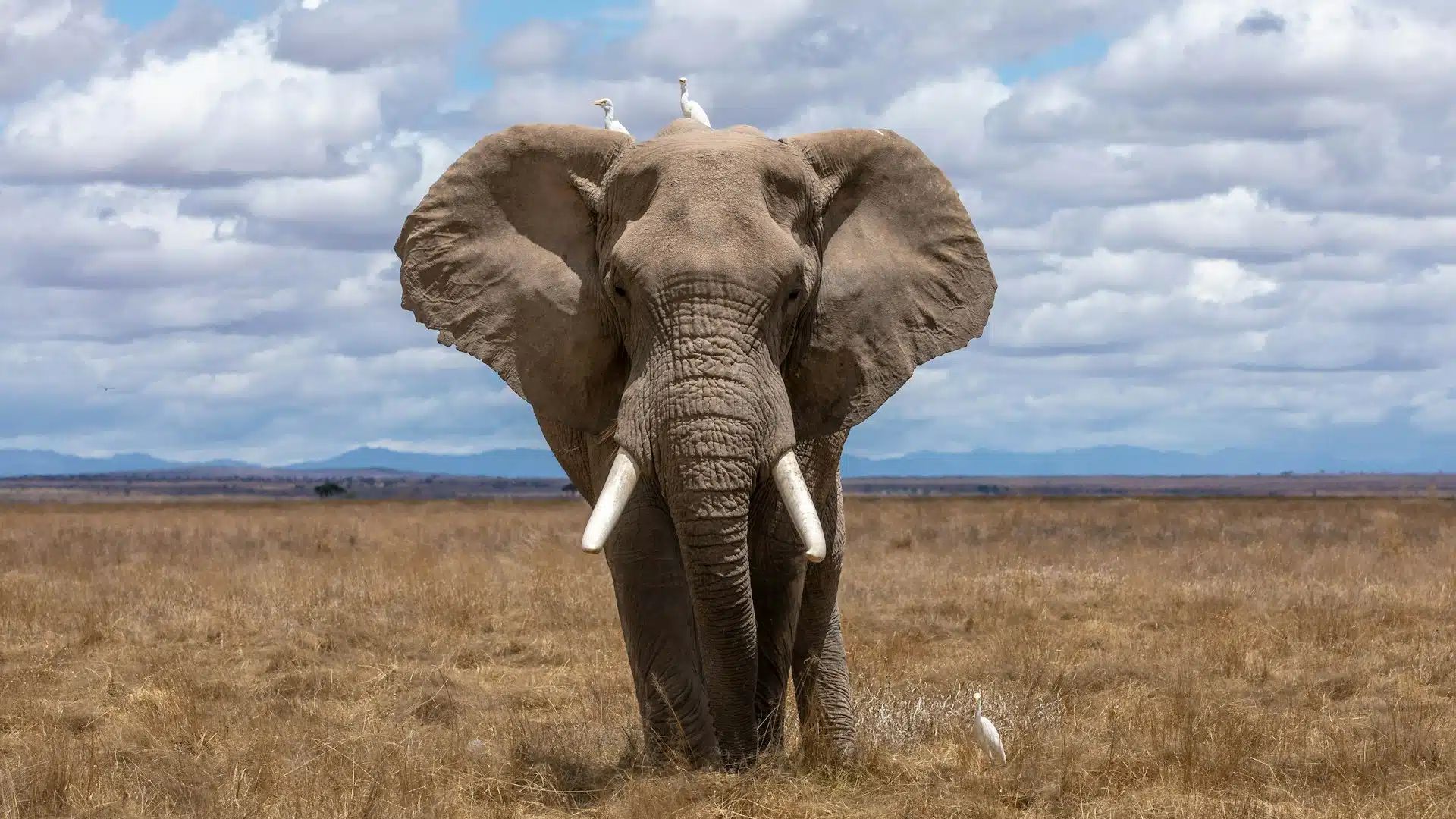
Elephant conservation in Mozambique has shifted from crisis response to long-term stabilisation. After decades of poaching and habitat disruption, success is now measured by survival, movement, and reduced conflict rather than rapid population growth. In areas such as Maputo and Limpopo National Parks, elephants are moving through historic ranges once again.
This movement depends on functional wildlife corridors that link wetlands, forests, and transfrontier systems. Corridor protection allows natural behaviour, supports genetic exchange, and reduces pressure on isolated habitats, making it one of Mozambique’s most important conservation achievements.
Stabilisation reflects stronger protection and improved community tolerance. Anti-poaching capacity has increased, while crop damage mitigation, land-use planning, and shared benefits have reduced conflict.
Tourism contributes indirectly by funding ranger operations, monitoring, and corridor protection rather than concentrated viewing. Low visitor density allows elephants to move freely without habituation. In Mozambique, elephant conservation success is defined by coexistence and connectivity, not density.
Dugong Protection as a Rare Global Marine Conservation Success
Dugong conservation in Mozambique is a rare global marine success. Across much of the western Indian Ocean, dugong populations have collapsed due to habitat loss and fishing pressure. Mozambique remains one of the few countries where dugongs persist, largely due to protection of seagrass habitats and regulated coastal use.
The strongest example is the Bazaruto Archipelago Marine National Park, where seagrass meadows are protected and fishing practices managed. Dugong numbers remain small, but stability is a significant achievement for a species that struggles to recover once populations decline.
Protection relies on enforcement and community cooperation. Marine patrols regulate boat traffic and fishing, while education has increased awareness of dugong vulnerability. Tourism revenue helps fund patrols and monitoring, creating incentives to protect marine ecosystems.
Mozambique avoids overexposure by not promoting dugongs as a guaranteed experience. This reduces pressure on the species and reflects conservation maturity. Maintaining a viable refuge in a region where many populations have disappeared represents a conservation outcome of genuine international importance.
Why Not All Success Stories Look the Same
Mozambique’s conservation successes vary by context. Gorongosa reflects mature recovery. Zinave reflects early-stage rebuilding. Maputo reflects integrated land-sea protection. Bazaruto reflects marine stabilisation.
These differences matter. Expecting identical outcomes across all parks ignores ecological, social, and historical realities. Mozambique’s strength lies in adapting conservation strategies to local conditions rather than forcing uniform models.
The Role of Tourism in These Successes
Tourism supports Mozambique’s conservation successes when it is low-volume, regulated, and aligned with protection goals. Revenue funds rangers, monitoring, and community programs, providing financial stability without overwhelming fragile ecosystems.
Importantly, tourism follows recovery rather than leading it. This sequencing helps ensure conservation outcomes are not compromised by premature development or unrealistic visitor expectations.
Plan Your Trip
Experiencing Mozambique’s conservation success stories requires understanding what success looks like in each context. Some parks showcase visible recovery; others offer insight into long-term rebuilding. Choosing destinations aligned with your interests and expectations is essential.
Travel That Supports Real Conservation Outcomes
Mozambique’s conservation success stories are the result of sustained protection, community partnership, and carefully managed tourism. Mozambique Travel works with conservation-aligned partners who understand these dynamics. If you want your travel to support genuine conservation progress rather than surface-level claims, our team can help guide you toward experiences that contribute meaningfully.
Featured Packages
Frequently Asked Questions
Has conservation actually worked in Mozambique?
Yes, conservation has delivered measurable success in Mozambique, though outcomes vary by park. Gorongosa shows significant wildlife recovery, Zinave demonstrates effective rewilding, and marine parks such as Bazaruto have stabilised threatened species. Success is often incremental and long-term, focused on protection, reduced pressure, and system recovery rather than rapid population growth.
Which animals have benefited most from conservation efforts?
Large herbivores in Gorongosa, reintroduced species in Zinave, and marine species such as dugongs and turtles in Bazaruto have all benefited from conservation. Predator recovery is slower but ongoing. Many bird species have also responded positively to improved habitat protection and wetland restoration.
Why are some parks still quiet despite conservation investment?
Some parks remain quiet because recovery takes time. Wildlife populations rebuild slowly, and tourism is intentionally limited during early stages. Reduced activity often reflects protection success rather than failure. Quiet parks allow ecosystems to stabilise without pressure from mass visitation.
Is marine conservation in Mozambique really effective?
Marine conservation in Mozambique has been effective where enforcement, regulation, and community involvement are strong. Stabilised dugong populations and protected turtle nesting beaches demonstrate positive outcomes. Tourism revenue plays a key role in funding patrols and monitoring in marine protected areas.
How does tourism contribute to conservation success?
Tourism contributes by funding protection, monitoring, and community programs through park fees and concessions. Low-impact tourism provides recurring income that supports long-term conservation without overwhelming ecosystems. Tourism is most effective when aligned with park management goals.
Can Mozambique’s conservation model be replicated elsewhere?
Elements of Mozambique’s model, such as low-volume tourism, community integration, and land-sea conservation, are transferable. However, success depends on local context, governance, and long-term commitment. Mozambique’s experience shows that conservation works best when adapted rather than copied wholesale.
SHARE THIS POST
Are You Ready FOr Mozambique?
Page through our packages and find the offer right for you!
Ready to Speak to a Mozambique Travel Expert?
Get In Touch and Ask for a Call-Back Today
Latest Posts

Mainland Coastal Sanctuaries in Vilanculos: Why Mozawi Signals a New Direction for Mozambique Travel