

Gorongosa in 2026: New Developments, New Wildlife Sightings, and Why It’s Africa’s Most Exciting Park
By • December 17, 2025

Why Gorongosa Is the Park Everyone Is Talking About in 2026
Gorongosa has shifted from “promising comeback story” to a park that is actively defining what modern African conservation looks like. It is not trying to compete with the classic safari icons by doing the same thing louder. Instead, it is rebuilding an entire ecosystem, supporting communities at scale, and inviting travellers into a place where every game drive has context. That combination is rare, and it is why so many experienced safari travellers are putting Gorongosa at the top of their shortlist for 2026.
What makes Gorongosa feel exciting right now is momentum. Wildlife numbers are continuing to stabilise and expand, predator populations are being monitored with increasing precision, and tourism access is improving through new camp options and more refined safari operations. At the same time, the park’s science and community programmes have become part of the visitor story, not something hidden in the background.
If you have already done a “big name” safari, Gorongosa offers something fresh. If you are new to safari, it offers a powerful, meaningful first experience, provided you understand what makes it different: this is ecosystem safari, not a tick-box, predator-count race.
The New Developments That Make Safari Planning Easier
One of the biggest shifts for visitors is the evolution of Gorongosa’s safari offering itself. The park has expanded its high end accommodation options in ways that open up new areas and new styles of safari, without turning Gorongosa into a crowded circuit.
A standout development is Chicari Camp, a seasonal tented camp positioned around wildlife-rich pans, designed to deepen access to productive habitats and bring a more immersive, expedition feel to a Gorongosa. This matters because Gorongosa is huge and diverse, and where you stay influences what you see and how your days flow. A camp format that is closer to key areas can mean fewer long drives and more time in the action, especially during prime dry-season months.
There is also increasing emphasis on making the visitor journey smoother from arrival to the start of safari, including clearer lodge seasons, refined guiding operations, and better aligned logistics. Those improvements might not sound glamorous, but they are exactly what turns a “wish list” trip into a seamless trip.
New Wildlife Sightings and What They Signal About Recovery
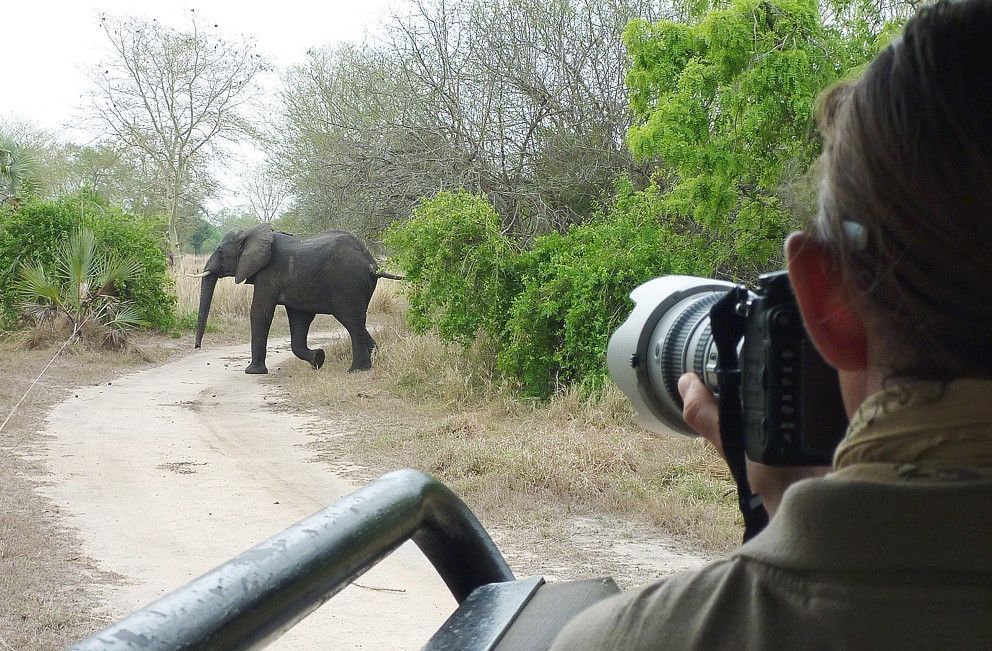
The most exciting sightings in Gorongosa are not always the rarest animal, they are the signs that the system is functioning again. When a park starts to regain balance, you see it in predator behaviour, in herd composition, in waterbird density, and in the way animals use different habitats through the season.
Monitoring updates have reported stable tracked carnivore populations, including lions, hyenas, leopards, and wild dogs, with ongoing tracking of health and movement patterns. The numbers matter, but what matters more for a traveller is what that monitoring enables: better guiding accuracy, stronger conservation decision-making, and a clearer understanding of where and when predator encounters are more likely.
There have also been public updates highlighting continued predator restoration work, including leopard translocations into the park in recent reporting and project highlights. When leopards begin to establish territories and behave like they do in long-protected systems, it is a strong indicator that prey availability and habitat security are improving.
Expectations still matter. Gorongosa is not designed to guarantee constant predator sightings every hour. The experience is richer than that, and many guests find the “story plus sightings” combination more memorable than a pure numbers safari.
Why Gorongosa’s Floodplains Feel Alive Again
Gorongosa’s floodplain scenes are a big part of what makes the park feel so different from many Southern African reserves. Water systems create a dynamic landscape: open grass, wetlands, palm stands, fever tree forests, and shifting channels. This habitat complexity supports the kind of wildlife density that creates memorable safari moments, particularly among antelope, waterbuck, and other grazers.
Recent coverage has described the return of large herbivore numbers and the feeling of an ecosystem reawakening across the plains. For photographers and first-time safari travellers, this can be more emotionally powerful than a single dramatic predator scene because it creates scale. You see life everywhere, and you understand what “recovery” looks like in real terms.
This also improves predator potential over time. As prey bases stabilise and expand, predator populations can hold, breed, and spread more naturally, which strengthens the long-term safari product without artificial intensity.

The Sky Islands and Rainforest Angle That No Other “Big Safari Park” Offers
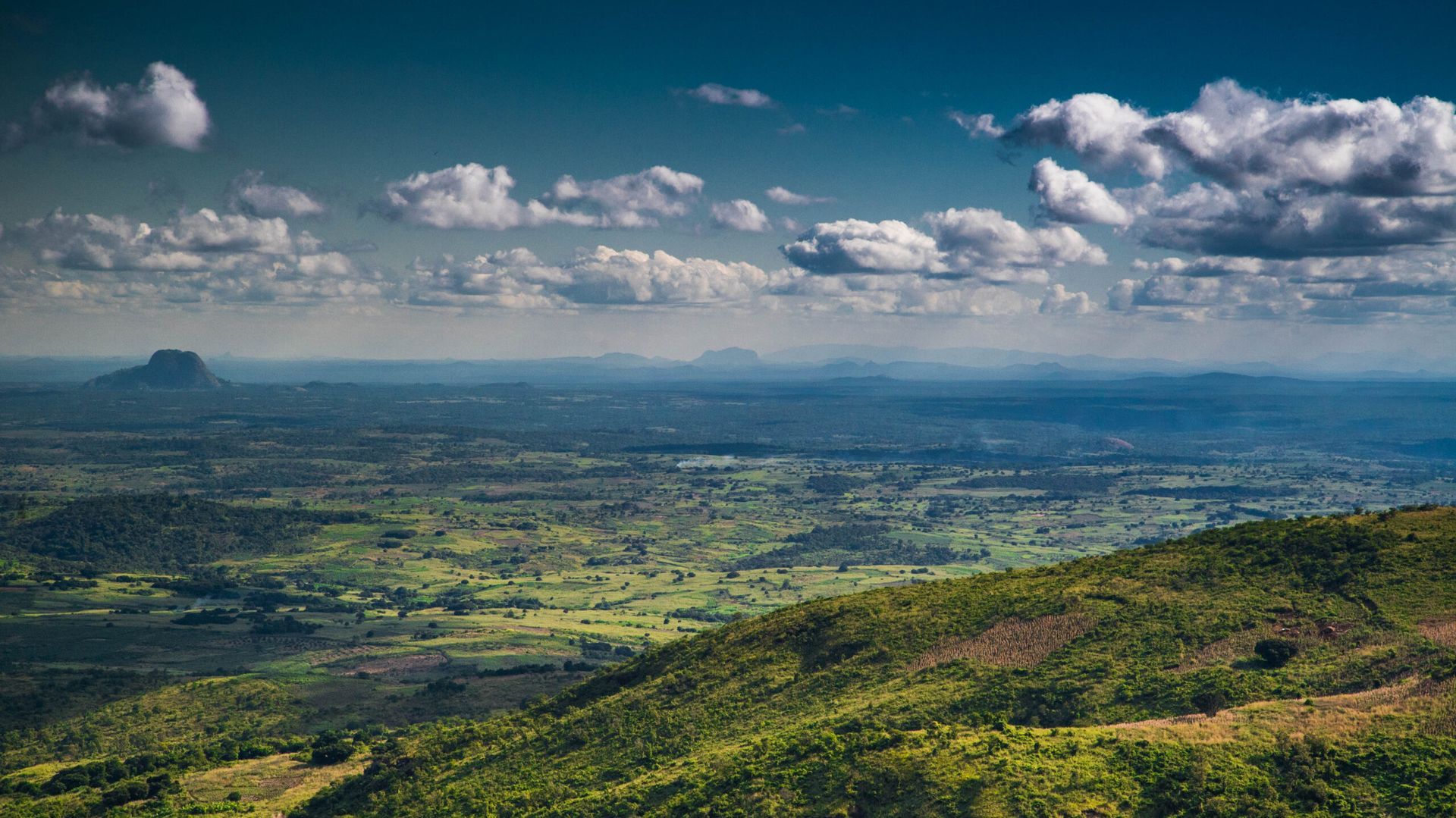
Gorongosa’s uniqueness is not only on the plains. Mount Gorongosa and its rainforest “sky island” ecosystem give the park a biodiversity dimension that few travellers expect, and few competitors can match. The research focus on mountain forest cover, biodiversity discovery, and ecological function is part of why Gorongosa attracts scientists and conservation travellers as much as classic safari-goers.
This is where Gorongosa becomes bigger than safari. It is savanna, wetlands, lakes, and rainforest within one protected landscape, and that breadth supports a more varied itinerary. For travellers who have visited the classic savanna parks already, this ecological diversity is a major reason Gorongosa feels new.
Community Projects That Are Changing What Conservation Looks Like
Gorongosa is increasingly used as an example of conservation that includes people, not as an afterthought, but as a foundation. A recurring theme in reports and features is that livelihoods, education, and local employment reduce pressure on wildlife and create long-term stability around the park.
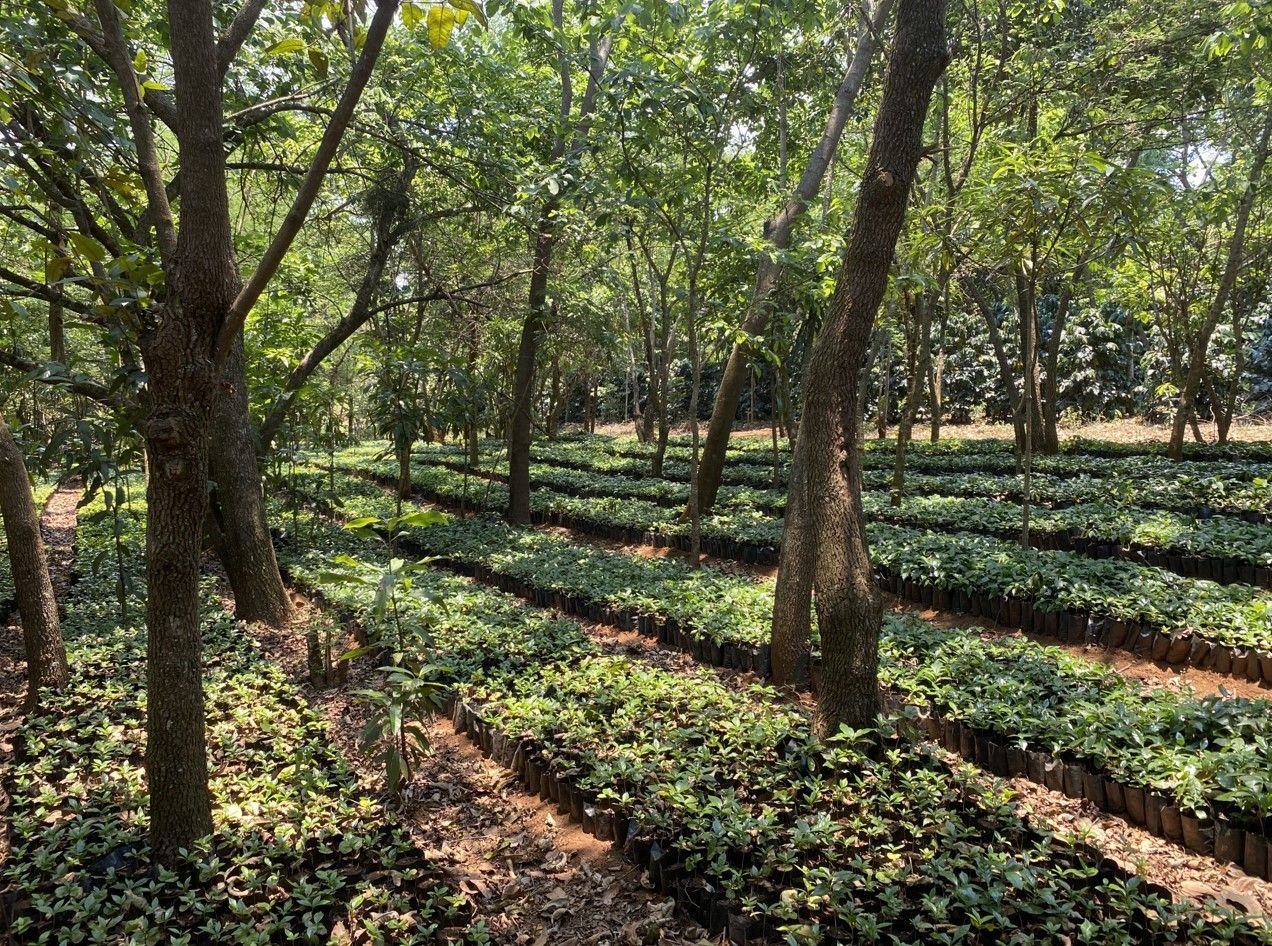
The coffee initiative on Mount Gorongosa is one of the most visible examples, framed as a way to support farmers while reducing deforestation pressure on the rainforest through shade-grown methods and forest renewal work. For a traveller, this matters because it explains why Gorongosa’s recovery continues to hold. It is not only anti-poaching, it is a broader system designed to make the park and its buffer zone resilient.
This is also why guides in Gorongosa often explain more than they “hunt sightings.” The safari style is educational and story-driven, which many families and multigenerational groups find especially rewarding.
Best Times to Visit and What You Should Expect Seasonally
For 2026 planning, the dry season is still the easiest entry point for most travellers because roads are more reliable, wildlife concentrates around water, and safari days tend to run smoothly. Chicari Camp’s seasonality is also a useful planning cue when you want that more immersive tented-camp experience.
If your priority is birdlife and lush landscapes, shoulder periods can be compelling, but they require more flexible expectations. Gorongosa is a park of systems, so seasonal shifts can change what you see and how you experience it.

How to Combine Gorongosa With Mozambique’s Coast
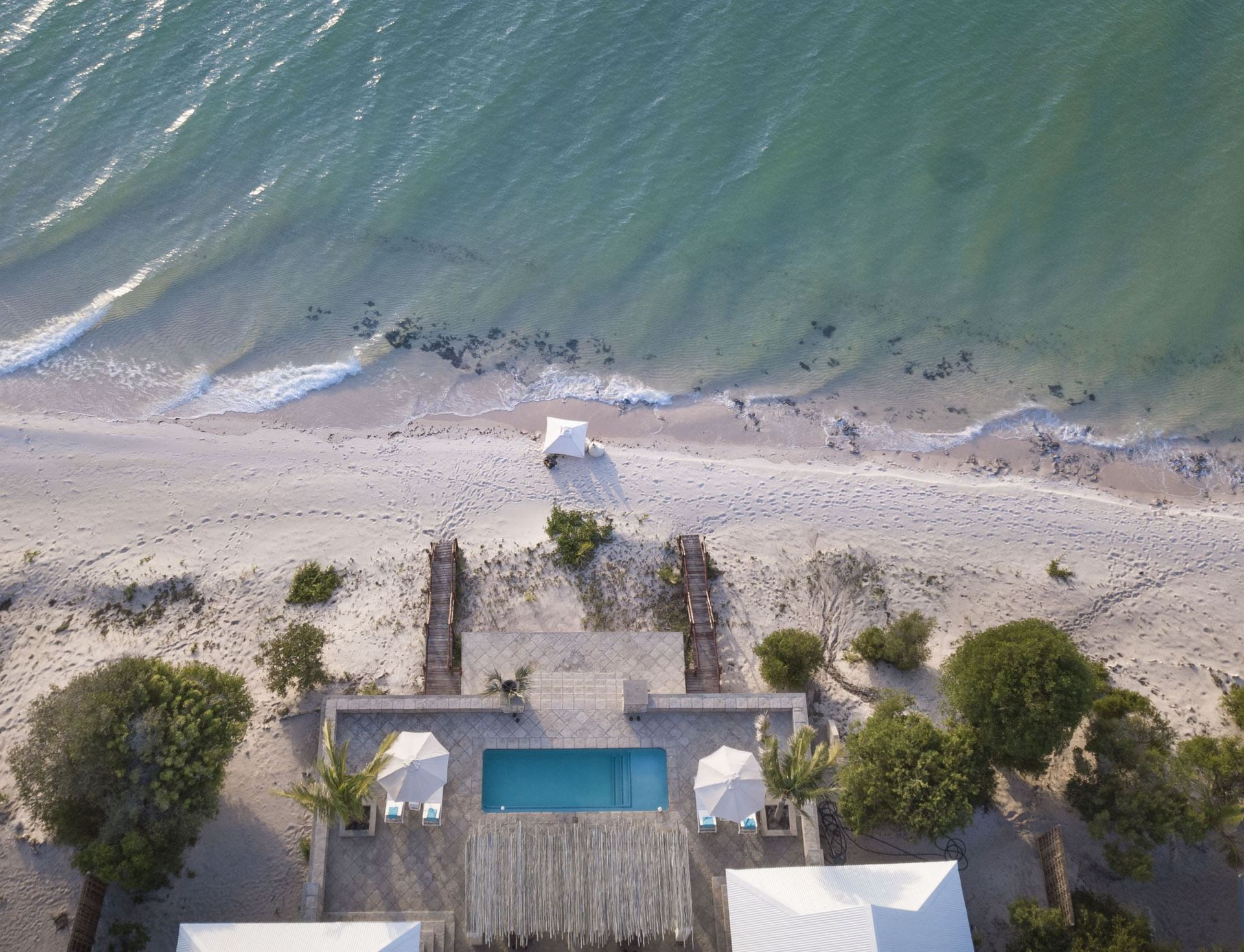
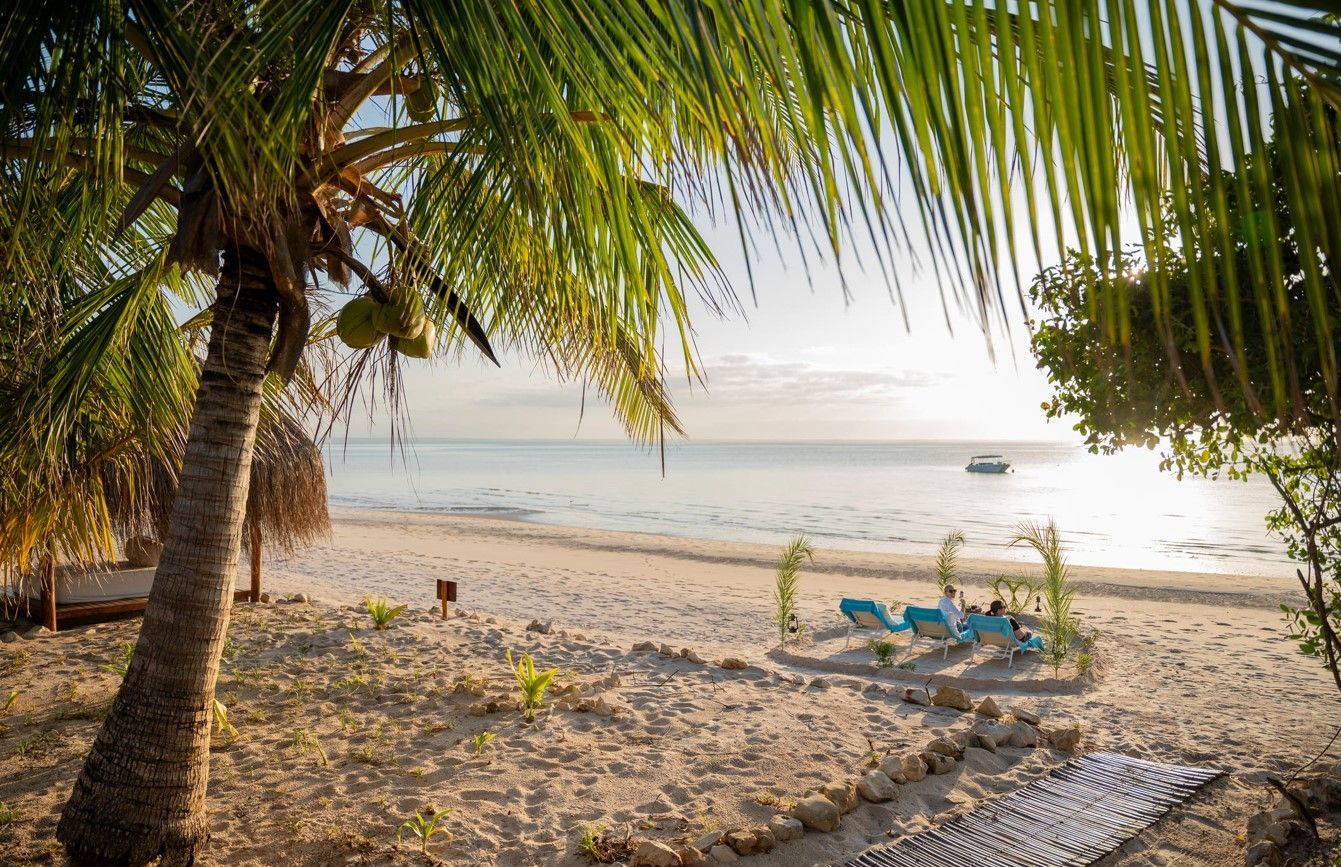
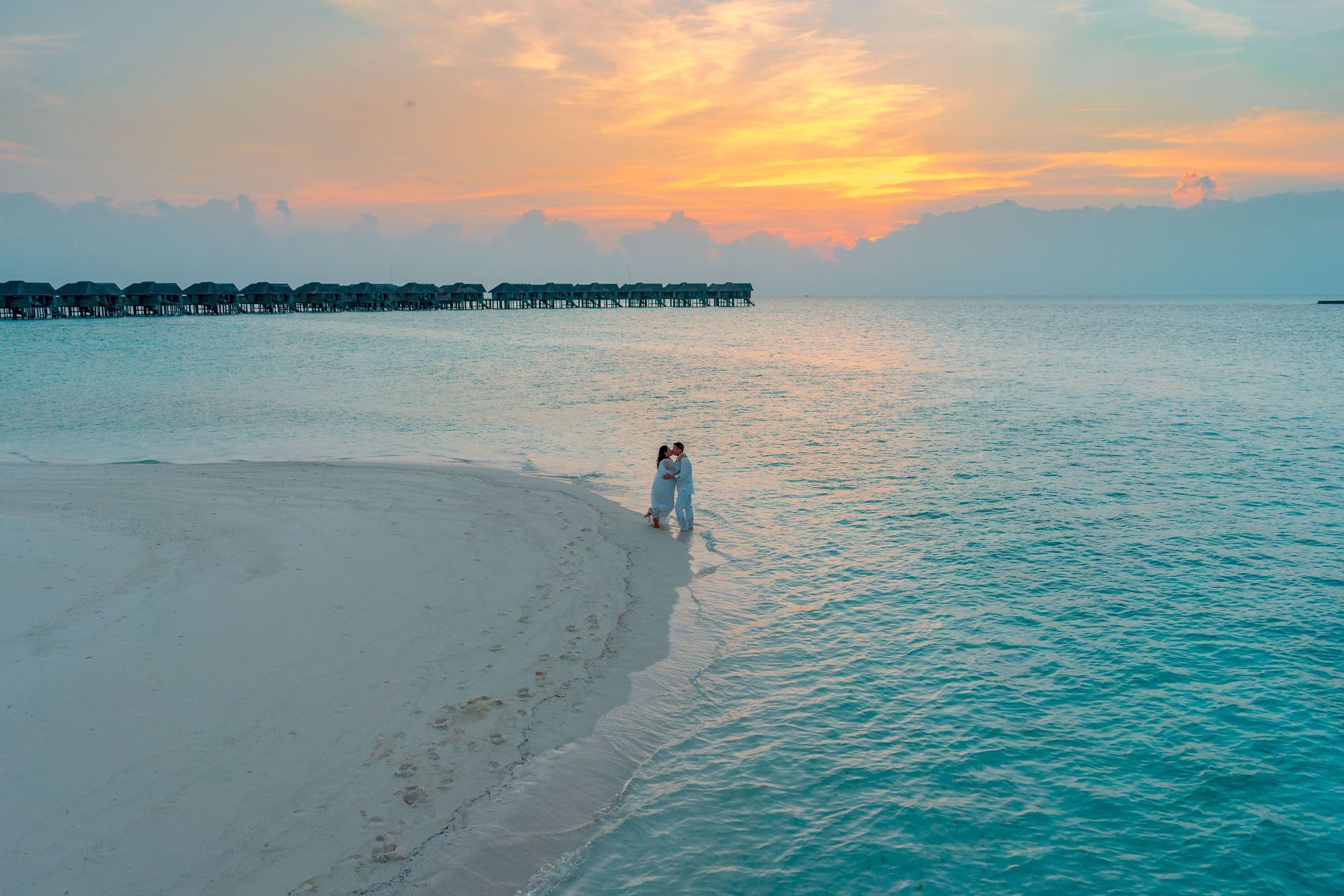
A safari and beach pairing is one of the smartest ways to experience Mozambique in 2026 because you get contrast without complicated long-haul flights between countries. After a few days of early mornings and game drives, the coast gives you recovery time: warm water, slower rhythms, and easy days.
The key is to keep the beach extension supportive rather than dominant. Gorongosa is the main event in this itinerary, and the coast becomes the decompression chapter. Mozambique Travel often builds this with trusted coastal and island partners, including seamless logistics for travellers who want safari depth and beach comfort in one plan.
Who Will Love Gorongosa Most in 2026
Gorongosa is ideal for travellers who want meaning with their safari. If you like understanding why ecosystems function, why wildlife returns, and how conservation and communities link, you will find this park deeply satisfying.
It is also excellent for second-time safari travellers who want something fresh, photographers who want varied habitats, and families with curious kids who engage with guiding that explains rather than rushes.
If your only goal is maximum predator density in a short stay, you may prefer a more established high-intensity predator destination. Gorongosa can deliver predators, but it delivers them as part of a bigger ecological story.
Plan Your 2026 Gorongosa Safari With Mozambique Travel
Choosing the right Gorongosa itinerary is about matching your expectations to the park’s strengths, including habitat diversity, conservation context, and the best camp style for your travel dates.
Mozambique Travel has over 20 years of experience planning safaris in Mozambique, including Gorongosa journeys that balance prime wildlife areas, smooth logistics, and the right pace for couples, families, and multigenerational travellers. Contact Mozambique Travel to build a 2026 Gorongosa plan that delivers real sightings, real story, and real value.
Featured Packages
Frequently Asked Questions
What are the newest safari developments in Gorongosa for 2026?
One of the most notable changes is the evolution of safari access through newer camp options, including Chicari Camp, which adds a more immersive tented style in a wildlife-rich area. These developments help travellers spend more time in productive habitats and less time on long transfers. Expect a more refined safari flow, clearer seasons, and better aligned logistics overall.
What new wildlife sightings can travellers realistically expect?
Travellers can expect a stronger chance of varied, balanced sightings across floodplains, wetlands, and forests, plus increasing predator consistency over time. Monitoring updates report stable tracked carnivore populations including lions, hyenas, leopards, and wild dogs, with ongoing movement and health tracking. Leopard restoration work has also been highlighted in recent project reporting, supporting long-term sightings potential.Describe the item or answer the question so that site visitors who are interested get more information. You can emphasize this text with bullets, italics or bold, and add links.
Is Gorongosa better than other African parks for a 2026 safari?
“Better” depends on what you want. Gorongosa stands out for ecosystem diversity, conservation context, and a safari experience that feels educational and uncrowded. It is especially exciting for travellers who have done classic safari circuits and want something different. If your priority is constant Big Five intensity, other parks may deliver a more predictable predator-focused pattern.
How many nights should you stay in Gorongosa to feel the full experience?
Most travellers should plan at least three to five nights to experience the park’s variety and avoid a rushed safari rhythm. Gorongosa’s strength lies in habitat diversity and story, so time allows you to explore floodplains, forests, and water systems with deeper context. Longer stays also improve your chance of predator encounters because you cover more conditions and areas.
What makes Gorongosa’s conservation story genuinely different?
Gorongosa is often presented as a holistic restoration model, combining ecosystem recovery with community programmes like education, health, and livelihoods, which reduce pressure on wildlife and support stability. Major features highlight local employment and broader development linked to conservation, while park reporting also documents measurable progress in wildlife monitoring and research. This combination is a key reason recovery holds.
Can you combine Gorongosa with a beach holiday without losing the safari focus?
Yes, and it works best when the beach is positioned as a recovery phase after safari rather than the main purpose of the trip. Mozambique’s coastline and islands make an easy pairing, especially when flights and transfers are coordinated cleanly. Many travellers choose this to balance early safari mornings with slower coastal days, while keeping Gorongosa as the headline experience.
SHARE THIS POST
Are You Ready FOr Mozambique?
Page through our packages and find the offer right for you!
Ready to Speak to a Mozambique Travel Expert?
Get In Touch and Ask for a Call-Back Today
Latest Posts