

The First Permanent Ocean Observatory in the Indian Ocean, and in Mozambique.


By  November 14, 2023

Exploring the Ecological Diversity of the Bazaruto Archipelago

Diving in the Bazaruto Archipelago takes on new meaning when divers become part of vital ocean research in Mozambique. The dedicated work and commitment of the Bazaruto Center for Scientific Studies (BCSS) contribute greatly to marine conservation and research in the country. Diving for recreation and science on BCSS diving expeditions is the ultimate diving experience because divers do what they love and they get to learn about vital marine research in the Indian Ocean. This is the first permanent ocean observatory in the Indian Ocean and in Mozambique!

Are you a passionate diver with at least your PADI Open Water Certification? You are invited to share your passion for ocean exploration during a thrilling week of 8 dives on the Explorer Diving Package with the Bazaruto Center for Scientific Studies (BCSS). This extraordinary PADI 5* diving centre was created hand in hand with scientific research in the Indian Ocean ecosystem of the Bazaruto Archipelago. Your diving experience will open your mind and heart to marine wildlife and the research of their vital habitat. You will learn from researchers how they conduct field projects, participate in surveys observing scientific techniques, and location scouting.

Dive with BCSS Ocean Experts for Dream Marine Careers

BCSS scientists have spent thousands of hours surveying the underwater terrain using special seabed beam technology to get the perfect picture of the innate biodiversity which they then bring to your diving party. How incredible that your exploration into world-renowned dive sites has already been 3D mapped for you to enjoy a unique diving experience. You can open doors for your own career in marine biology!


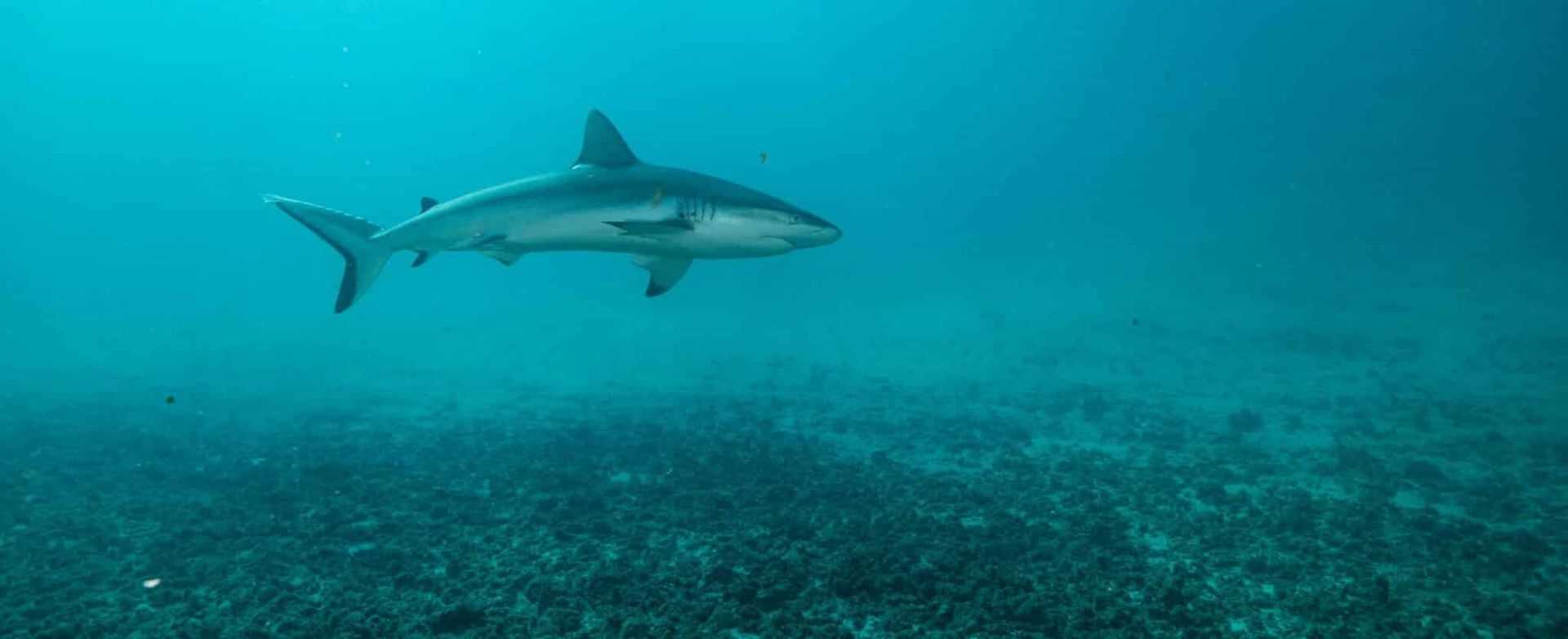
Many dives at the BCSS Mozambique are perfectly timed to coincide with cyclical whale and shark migrations, increased dolphin activity, and the prevalence of whale sharks, dugongs, and black marlin. Passionate divers can choose from 9 different courses in 13 different dive sites. The aim is to seek the “big five” animal groups usually encountered in these waters: cetaceans (whales and dolphins, elasmobranchs (sharks, rays, skates, and sawfish), reptiles (turtles, sea snakes and kraits), sirenians (herbivorous mammals including dugongs) and bony fish (snappers, trevallies and groupers).

There are millions of crabs found on the beaches and around the island in the Bazaruto ~ Photo Credit @BCSS & Orlando, Miranda+Salvador Colvee.

Maybe you are already a pro diver or involved in ocean conservation and research? Then the Expedition Diving Package is for you! This is the best place for you to get your acclaimed professional PADI Dive Master qualifications in a highly respected, world-renowned diving destination with highly trained divers, scientists and marine biologists. Get first-hand knowledge and groundbreaking research about marine wildlife endemic to the Bazaruto Archipelago, paving the way for your PhD one day. The Expedition Diving Package is a 12-night adventure.


Diving packages are created for all levels of divers to press forward with personal achievements while diving expeditions take the diver a step further. These are specifically for divers with a passion to save the oceans and do the research to learn more and do more – staying at the BCSS for 12 nights increases interactions with both skilled researchers and marine wildlife and the opportunity to complete 16 dives with all equipment included is an irresistible offer. Meet like-minded people in your quest to do more for the ocean. 


Did you know that less than 3% of the ocean is properly protected? This is not enough! If we want to preserve marine biodiversity the time to act is now and we must conserve at least 30% of the ocean. The BCSS on Benguerra Island has been focusing on the annual migration of Humpback whales from their freezing Southern Ocean of the Antarctic to the balmy Indian Ocean depths around Benguerra Island. 


The Work of BCSS Marine Conservation Mozambique

The latest news from the BCSS reveals intricate migration patterns of Humpback Whales. Recent observations of these gentle giants of the deep – as they travel from the freezing Southern Ocean of the Antarctic to the balmy Indian Ocean depths around Benguerra Island – reveal that pods of whales are spread out over vast distances and individuals seem completely on their own mission.

The Humpback whale (megaptera novaeangliae) is one of the most active whales and therefore one of the most sought after to watch seeing as they are known for regularly breaching out the water. ~ Photo Credit @BCSS & Orlando, Miranda+Salvador Colvee.

Yet a closer look reveals that the whales remain part of their larger migrating group, some opportunistically feeding, others instinctively giving birth and still more chivalrously escorting mothers and new calves to safe bays where they cavort and teach one another survival techniques. It’s a long and arduous journey and it seems that some non-pregnant females remain in the colder zones of the eastern Weddell Sea in the Antarctic region right through the winter. This could be part of the instinctive Humpback whale survival technique, ensuring that some females remain safe ‘at home’ because they don’t have to give birth and teach their calves the ways of the wild ocean, where to feed, migrate and which routes to follow.


This is just one small part of all that happens at the BCSS, but the main attraction is for divers to upskill and assist at the same time. Imagine exploring a marine sanctuary packed with more than 2000 fish species, the rarest dugong, various dolphins, turtles and whales, sharks, whale sharks, manta rays and more? Imagine being part of a scientific research project learning data gathering, fieldwork techniques, identifying species, being trained on writing up scientific papers and working in onsite laboratories to experiment, collate and conclude. Enhance your career prospects at the BCSS if you want to be a top marine biologist, scientist or conservationist! 

Diving is a Community Affair 

One of the main aims of the BCSS is to train local people to be marine biologists in a two-pronged bid to save the oceans and improve the quality of life for all who live in the Bazaruto Archipelago. Benguerra is the second largest island in the Bazaruto Archipelago and only about 11km x 5.5 km, some 14 km offshore from Vilanculos. One small school hosts the 300 or so children who live on the island, the total population being around 2000 people, who utilise just a few small trading posts. 


The BCSS employs between 80-90% of their team from local communities, with the remaining 10-20% coming from overseas. This has created a unique multicultural research and management team that believes in honesty, effort and transparency – and an overwhelming sense of pride and respect for the environment. 

The field marine station situated on the shore of Benguerra Island in Mozambique ~ Photo Credit @BCSS & Orlando, Miranda+Salvador Colvee.

“Our founding principles are to understand, protect and guarantee, in the best possible way, marine science in Eastern African marine ecosystems to further support present and future generations within this unique environment.” The best way to do this is to share all research and results with the rest of the world, for free. 


The BCSS works closely with the Western Indian Ocean Marine Science Association (WIOMSA) established in 1994 to ensure sustainable use and conservation of all marine resources throughout the Western Indian Ocean (WIO) region – including the 10 countries of Somalia, Kenya, Tanzania, Mozambique, South Africa, Comoros, Madagascar, Seychelles, Mauritius, and Réunion. 


Benguerra Island Facts

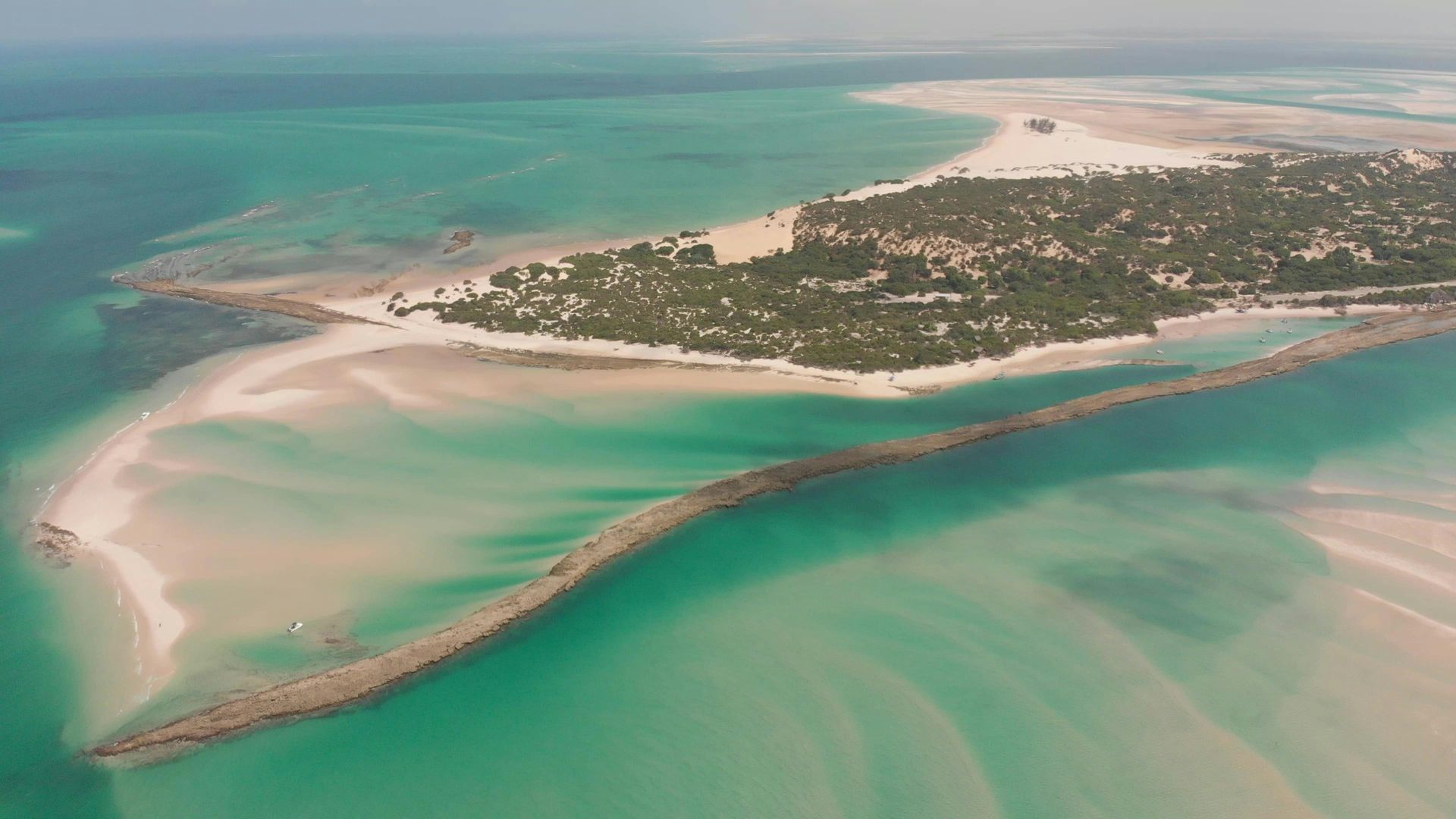
Benguerra Island in Mozambique is a little smaller than the largest island in the archipelago, Bazaruto, and broke away from the mainland thousands of years ago. The island is 11 km long x 5.5 km wide and lies 14km offshore from Vilanculos. Portuguese explorers also gave the island the name Santa Antonio after one of their saints and today it offers a spiritual retreat in nature – hikes into the dune forests, picnics on pristine white beaches, PADI dive courses into exceptional dive sites, brilliant horseback riding and mind-blowing fishing. Declared a national park in 1971, Benguerra Island is surrounded by a marine reserve and freshwater crocodiles can be found in the three lakes, evidence that once the island was joined to the mainland. Extremes between high and low tides mean that some activities are only possible during low tide such as picnics on huge sand banks that arise out of the sea. At high tide, access to the ocean for swimming is much easier. 

The unique eco-system of the Bazaruto Archipelago sustains diverse fauna and flora. Visitors exploring the islands will find huge dunes, forest and savannah, inland lakes and wetlands. ~ Photo Credit @BCSS & Orlando, Miranda+Salvador Colvee.

Ecotourism is responsible tourism on Benguerra Island – to conserve all marine resources. Luxury lodges are committed to the local people who are the main shareholders in all aspects of their management and success. No fishing zones allow marine wildlife to breed and feed while environmental education deepens everyone’s earth wisdom. Benguerra Island is a top tourist destination.


The Bazaruto National Park Facts

It is here that a rare marine sanctuary protects the ocean wonders that live here in harmony: humpback whales, dolphins, turtles, whale sharks, manta rays and the very shy, rare dugong or sea cow. Imagine being part of a 1400 square km ocean park where 5 islands float, two completely wild and uninhabited, the other three transformed into tranquil holiday destinations fit for royalty. A sensory explosion awaits, of enormous flocks of pink flamingos, fish eagles calling, samango monkeys, green coucals, blue-cheeked bee-eaters, bushbuck, red duiker, porcupine and crocodiles – inhabiting the beautiful wetlands, grasslands and huge dunes. 

Did you know? Declared a protected area in 1971, Bazaruto (meaning ‘island of the mist’) is the country’s oldest marine park. ~ Photo Credit @BCSS & Orlando, Miranda+Salvador Colvee.

Mind-blowing snorkelling in the clear azure waters around the isles brings visitors face to face with more than 2000 types of fish and a wealth of large marine wildlife. Friendly fisher folk have lived here for centuries in their rustic simple villages, relying on the ocean bounty. Ecotourism initiatives engage the local communities in natural resource conservation. The Bazaruto Archipelago Marine National Park, a vital marine sanctuary, was set in place in the 1970s to protect the rare dugong, other megafauna and their ocean ecosystem. This is surely one of the most rewarding wilderness destinations in Mozambique, if not the world. 


Visit the Ocean Observatory at the Bazaruto Center for Scientific Studies (BCSS).

Diving in the Bazaruto Archipelago for ocean research in Mozambique contributes to marine science. Divers get to enjoy fantastic reefs and sightings in supreme dive sites while learning about marine research helping biodiversity preservation in this Indian Ocean region. Top diving courses and expeditions for keen divers and ocean enthusiasts highlight the captivating beauty of the Bazaruto Archipelago in Mozambique! 

Featured Packages

SHARE THIS POST

Are You Ready FOr Mozambique?

Page through our packages and find the offer right for you!


Ready to Speak to a Mozambique Travel Expert?

Get In Touch and Ask for a Call-Back Today

Latest Posts

By Mozambique Travel August 5, 2026
Choosing Between Benguerra and Bazaruto for a Mozambique Honeymoon One of the most common questions we receive from honeymoon couples is surprisingly simple: should we stay on Benguerra Island or Bazaruto Island? At first glance, the decision appears straightforward. Both islands sit within the Bazaruto Archipelago . Both offer beautiful beaches, warm Indian Ocean waters, marine adventures and access from Vilanculos. Both are associated with luxury travel and feature heavily in photographs used to market Mozambique around the world. The reality is more nuanced. For most honeymoon couples, the choice between Benguerra and Bazaruto will have a bigger impact on the overall holiday experience than the choice of lodge itself. The atmosphere, scale, privacy levels, activities and style of travel differ significantly between the two islands. After helping travellers plan Mozambique honeymoons for more than 20 years, one pattern is clear. Many couples begin by focusing on accommodation before deciding what type of honeymoon they actually want. That often leads them towards the wrong island. A couple seeking complete privacy and a castaway atmosphere may find Benguerra exactly matches their expectations. A couple wanting more varied landscapes, longer beaches and a broader sense of exploration may prefer Bazaruto. Neither option is automatically better. The right answer depends on what kind of honeymoon experience matters most to you. For most luxury honeymoon travellers, our recommendation is usually Benguerra Island. The combination of intimate lodges, exceptional service, marine experiences and romantic atmosphere makes it easier to justify for couples celebrating a special occasion. However, that does not mean Benguerra is always the correct choice. One of the biggest misconceptions about Mozambique honeymoons is that the most exclusive island automatically delivers the best experience. In practice, the best honeymoon is usually the one that aligns most closely with your expectations, travel style and budget. Before comparing lodges, transfers or activities, it is worth understanding how these two islands differ. What Makes Benguerra Island So Popular With Honeymoon Couples? Benguerra Island has become synonymous with luxury honeymoons in Mozambique . Located just offshore from Vilanculos, it combines beautiful natural scenery with some of the country’s most sought-after accommodation. The island feels intimate, uncrowded and deliberately removed from everyday life. Many couples arrive expecting relaxation and leave remembering the sense of space and exclusivity more than anything else. One reason Benguerra performs so well for honeymoons is scale. The island is large enough to offer diverse scenery yet small enough to maintain a feeling of seclusion. Couples can spend days exploring beaches, enjoying dhow cruises, horse riding along the shoreline, snorkelling coral reefs or simply relaxing without ever feeling surrounded by other visitors. In our experience, honeymoon travellers often underestimate how valuable privacy becomes during a beach holiday. Resorts elsewhere in the Indian Ocean can deliver luxury accommodation but still feel busy. Benguerra tends to provide a stronger sense of escape. This is particularly true at properties such as Azura Benguerra and &Beyond Benguerra Island, where villa spacing and personalised service create a highly private atmosphere. Another major advantage is the marine environment. The waters surrounding Benguerra offer exceptional snorkelling, diving and fishing opportunities. Seasonal whale sightings, dolphin encounters and dugong habitat add further appeal. For couples who want their honeymoon to include memorable experiences rather than simply beach time, Benguerra often delivers more variety than expected. There is also a practical consideration. Many travellers compare Mozambique directly with destinations such as Mauritius, the Seychelles or the Maldives. While those destinations may offer larger resort infrastructure, Benguerra frequently wins when couples prioritise authenticity, privacy and a stronger sense of discovery. Mozambique is not necessarily the easiest Indian Ocean destination. For many honeymoon couples, that is precisely the attraction.
Sunset beach with palm trees and two people walking along the shoreline
By Mozambique Travel August 3, 2026
Discover Mozambique honeymoon destinations, from Benguerra and Vilanculos to tailored safari and beach escapes.

Two people on a small boat with a canopy, floating on clear water under a bright blue sky.
By Mozambique Travel July 29, 2026
Discover the best Mozambique diving holidays, where to stay, when to go and how to choose the right diving destination.
Aerial view of three small green islands in deep blue ocean with turquoise shallows
By Mozambique Travel July 27, 2026
Discover the best islands in Mozambique and learn which island destination is right for your budget, travel style and holiday goals.
Aerial view of beachfront thatched cottages with palm trees and sandy paths near turquoise water.
By Mozambique Travel July 24, 2026
Discover the best beach resorts in Mozambique, from luxury island lodges to mainland retreats, with expert advice on choosing the right stay.
Hands holding a banknote in front of a scenic bay with limestone cliffs and calm water
By Mozambique Travel July 22, 2026
Discover realistic Mozambique holiday costs for 2027, including honeymoon budgets, family holidays, luxury island escapes and safari and beach combinations.
Show More