Travel to Mozambique After Cyclone
By • February 20, 2026

What Recovery Actually Looks Like on the Ground in Mozambique
When dramatic cyclone footage fades from international headlines, the real operational question begins: what does travel to Mozambique after a cyclone actually look like on the ground?
The answer is almost never reflected in peak-impact coverage. Media captures landfall. It rarely captures the structured recovery that begins immediately afterward. By the time international focus shifts elsewhere, Mozambique’s transport authorities, airport engineers, and municipal teams are already clearing roads, restoring electricity, inspecting runways, and reopening supply routes to key tourism hubs such as Vilanculos, Inhambane, and Maputo.
Understanding recovery rhythm is critical for accurate travel planning. Cyclone intensity is brief. Infrastructure recovery is phased, organized, and measurable.
The First 72 Hours: Assessment and Stabilization
The first three days following landfall are dedicated to structured assessment and stabilization. Emergency services prioritize national highways and main arterial roads. Engineering teams inspect bridges and flood-prone transport corridors. Airports temporarily suspend operations only during unsafe wind thresholds and resume after full runway and navigation inspections confirm operational standards.
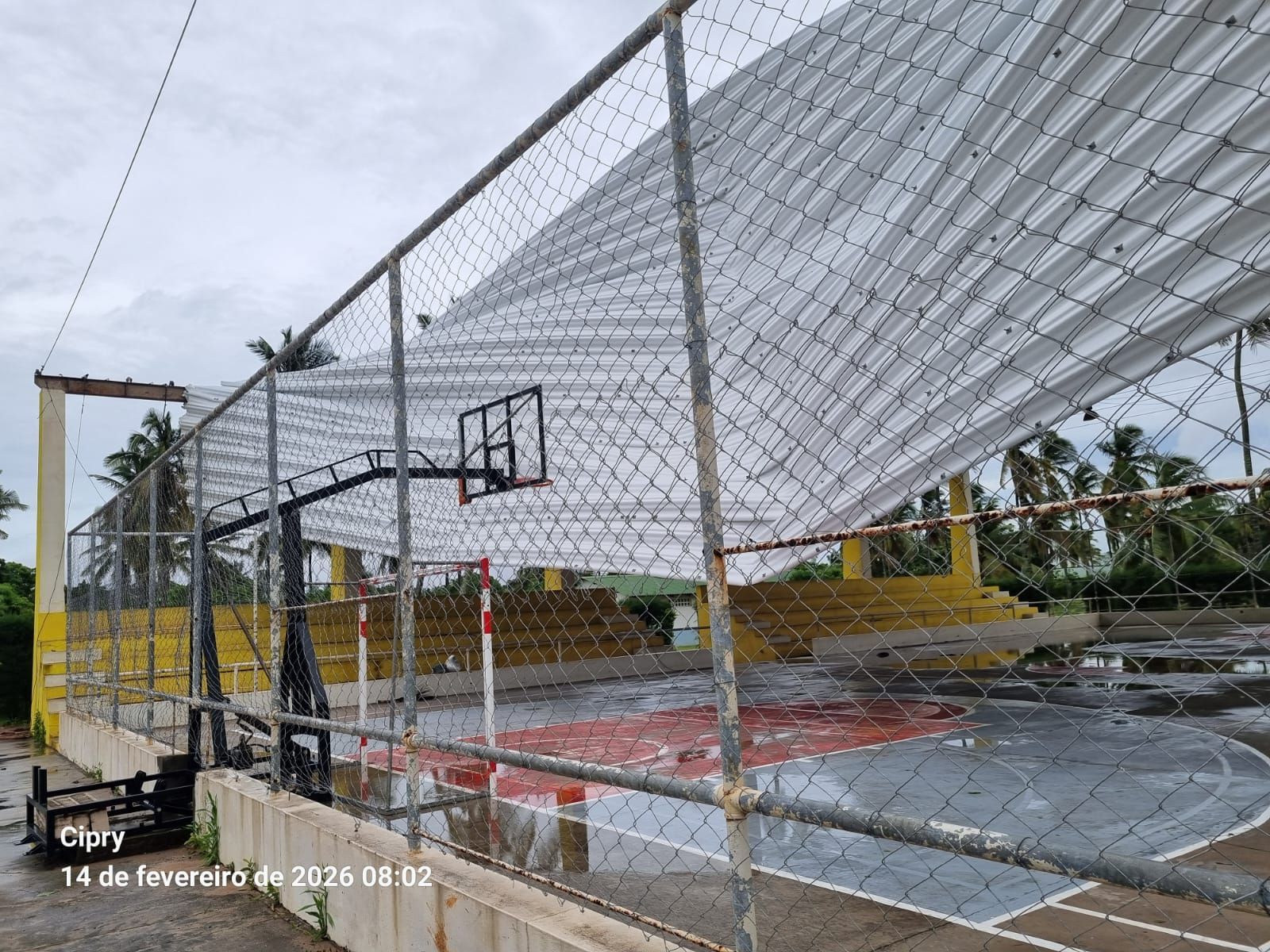
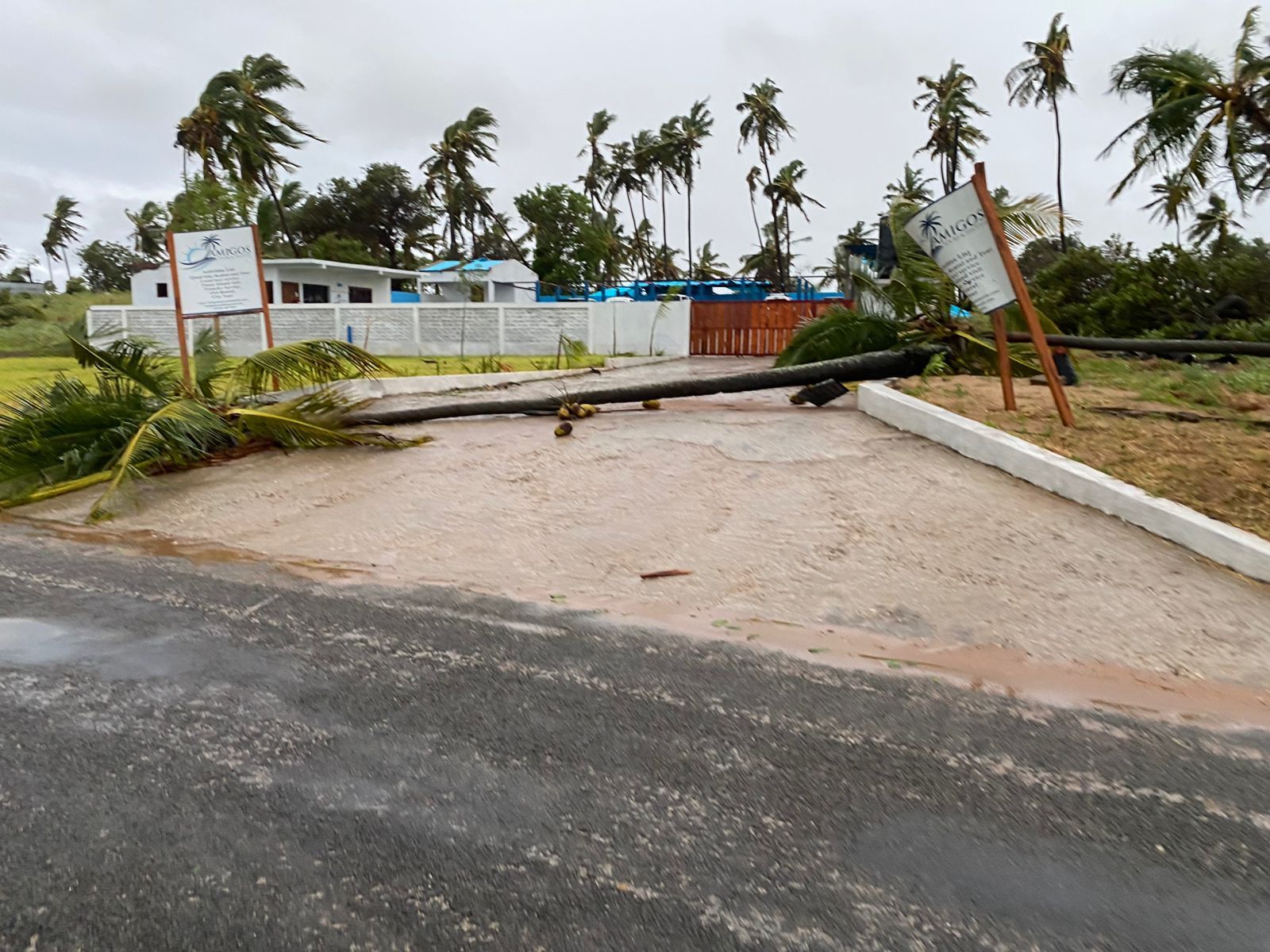
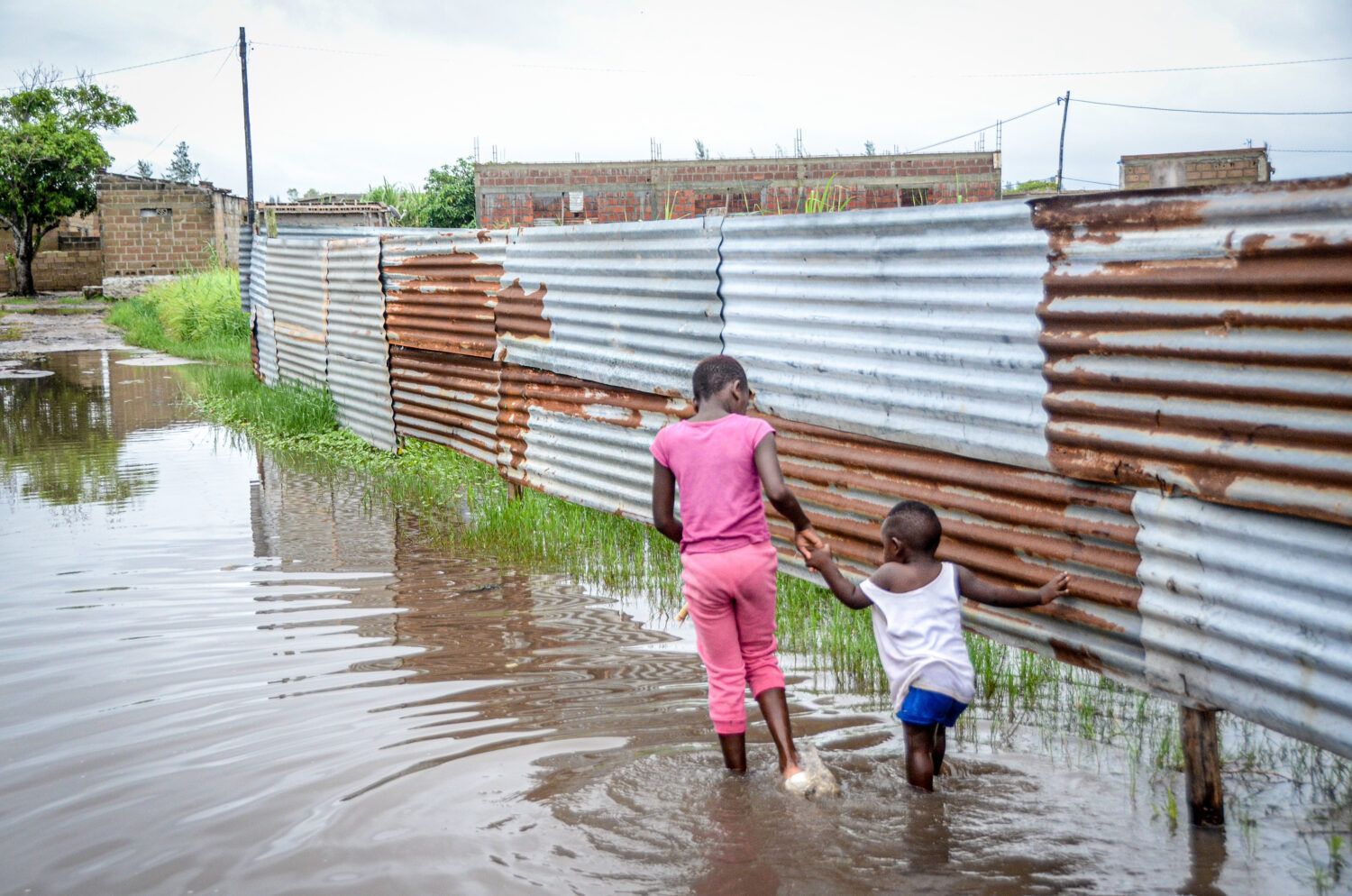
Standing water may remain visible in low-lying districts during this window. Secondary roads can experience temporary debris restrictions. Power interruptions may persist in isolated neighborhoods.
This period is transitional and technical. It is not prolonged collapse. Tourism infrastructure in established destinations such as Vilanculos and the Bazaruto Archipelago is built with storm resilience in mind and undergoes formal safety clearance before reopening.
Days Four to Seven: Phased Infrastructure Normalization
By day four, visible normalization typically accelerates. Primary highways are cleared. Floodwater in sandy coastal regions drains rapidly once rainfall intensity drops. Municipal teams shift from emergency containment to debris removal, surface repair, and utility stabilization.
Airports reopen in phases depending on inspection outcomes and aircraft scheduling backlogs. Flights resume progressively, often with minor schedule adjustments before full normalization. Travel logistics during this period are defined by coordination rather than instability.
In destinations such as Inhambane and Tofo, drainage efficiency and coastal topography often allow beach zones to stabilize quickly, even if inland rainfall totals were high.
How Geography Determines Recovery Speed
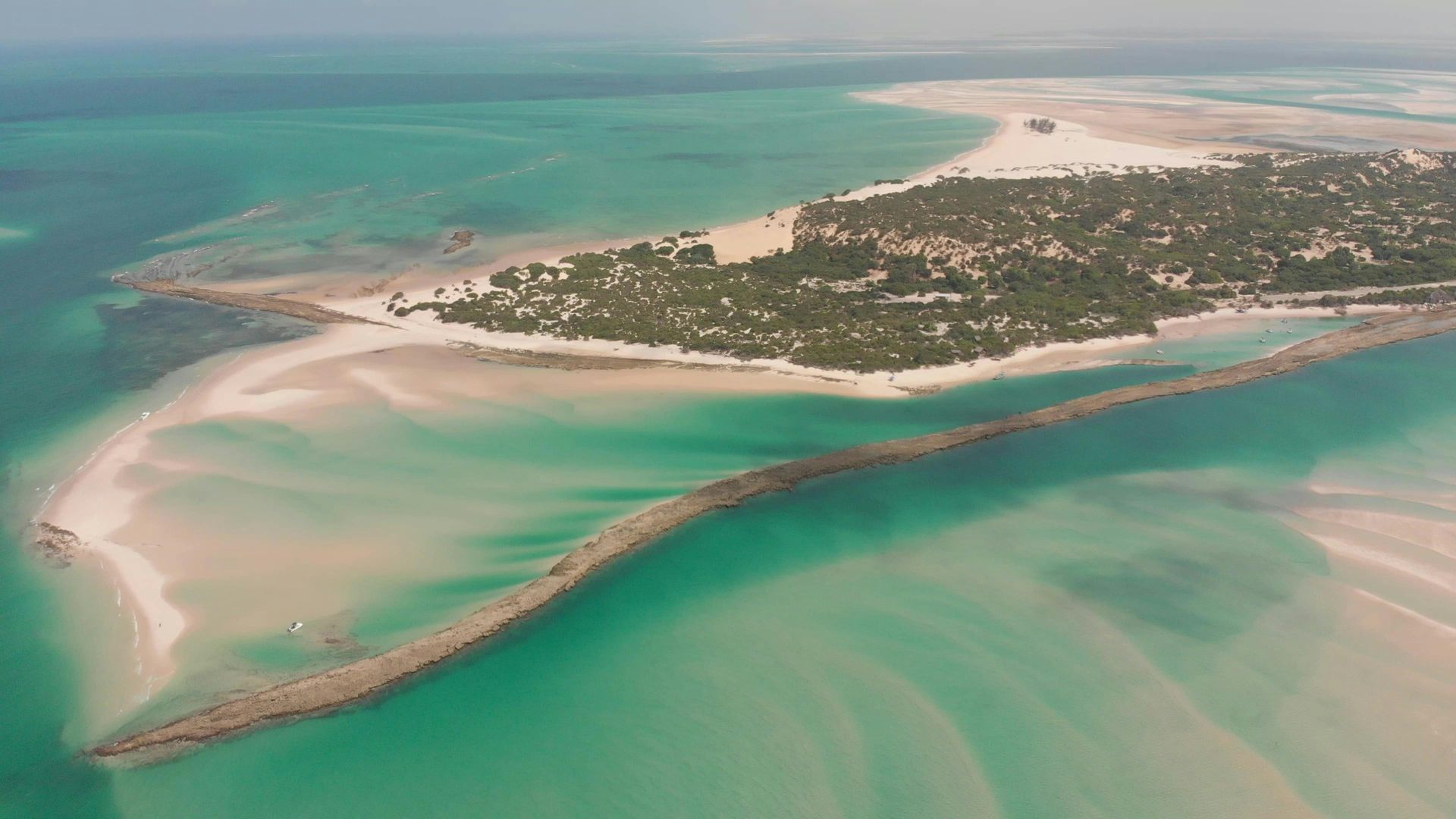
Southern and central Mozambique’s coastline is dominated by porous sand systems, dune belts, and marine terraces. These geological characteristics play a significant role in recovery speed. Once rainfall decreases, water drains through sandy substrates rather than remaining trapped in clay-based basins.
This natural drainage dynamic explains why imagery can show dramatic surface flooding during peak rainfall, yet conditions stabilize rapidly afterward. The difference between short-term surface water and structural floodplain saturation is critical.
In areas such as Vilanculos and the Bazaruto Archipelago, elevated dune positioning and natural water flow channels contribute to quicker stabilization compared to inland floodplain regions.
Recovery in Mozambique is therefore not random. It follows geography, engineering protocol, and coordinated infrastructure management.
For travelers researching travel to Mozambique after cyclone conditions, the most important factor is verified local intelligence rather than headline imagery. Established tourism corridors are assessed, cleared, and reopened systematically, with coastal destinations often stabilizing faster than global coverage suggests.


Tourism Infrastructure Recovery Protocols
Established tourism properties operate within defined storm protocols. Before landfall, loose outdoor structures are secured. Backup power systems are tested. Water storage and food supply buffers are activated.
After peak conditions pass, structural inspections occur immediately. Roof integrity, electrical systems and water infrastructure are assessed. Maintenance teams address minor damage rapidly to prevent escalation.
Properties that suspend operations do so cautiously and reopen in stages. The objective is safe resumption, not indefinite closure.
Travel to Mozambique after cyclone conditions is rarely defined by abandoned resorts. It is defined by inspection, repair and phased normalization.
What Travelers Actually Notice Two Weeks Later
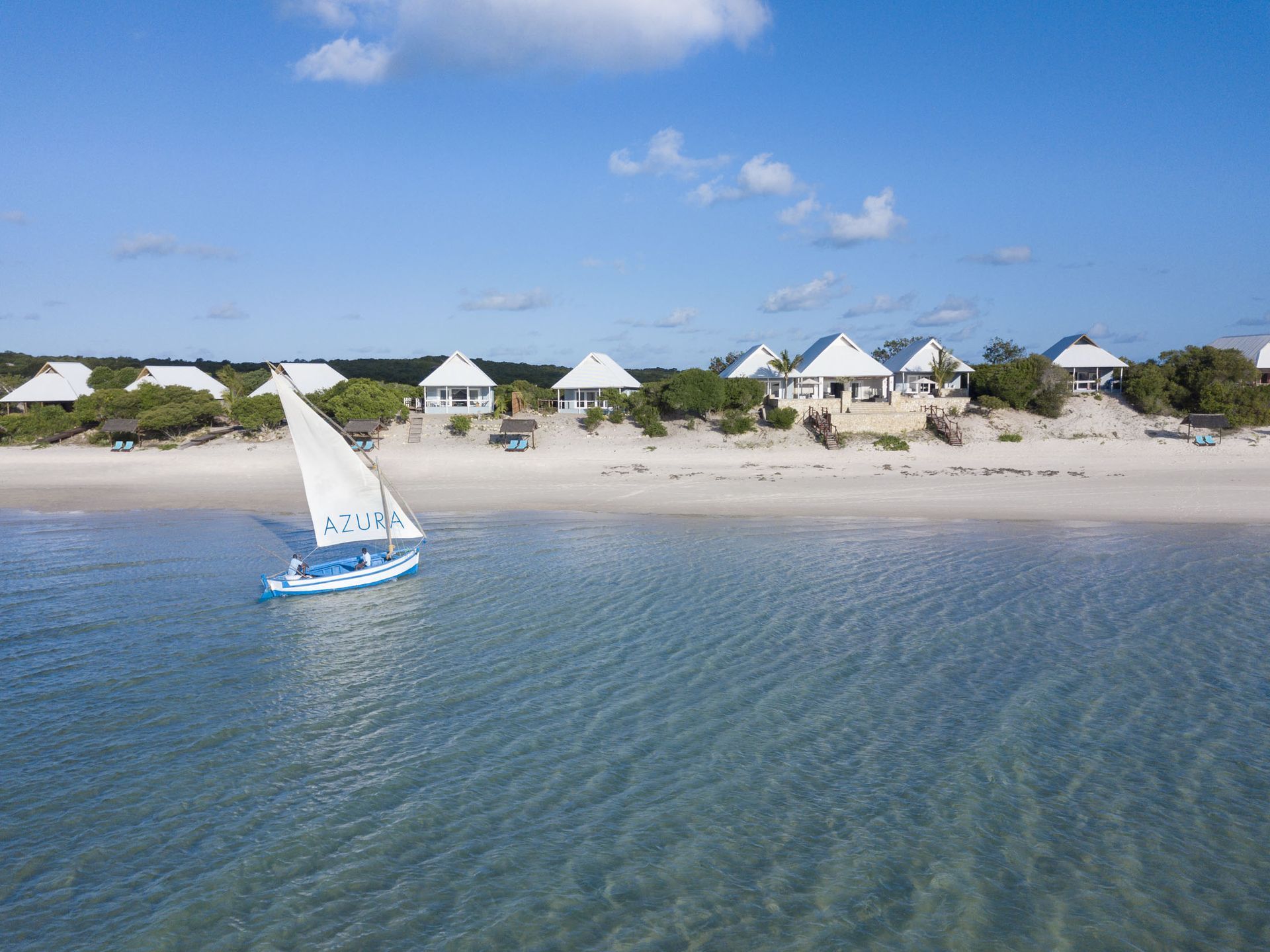
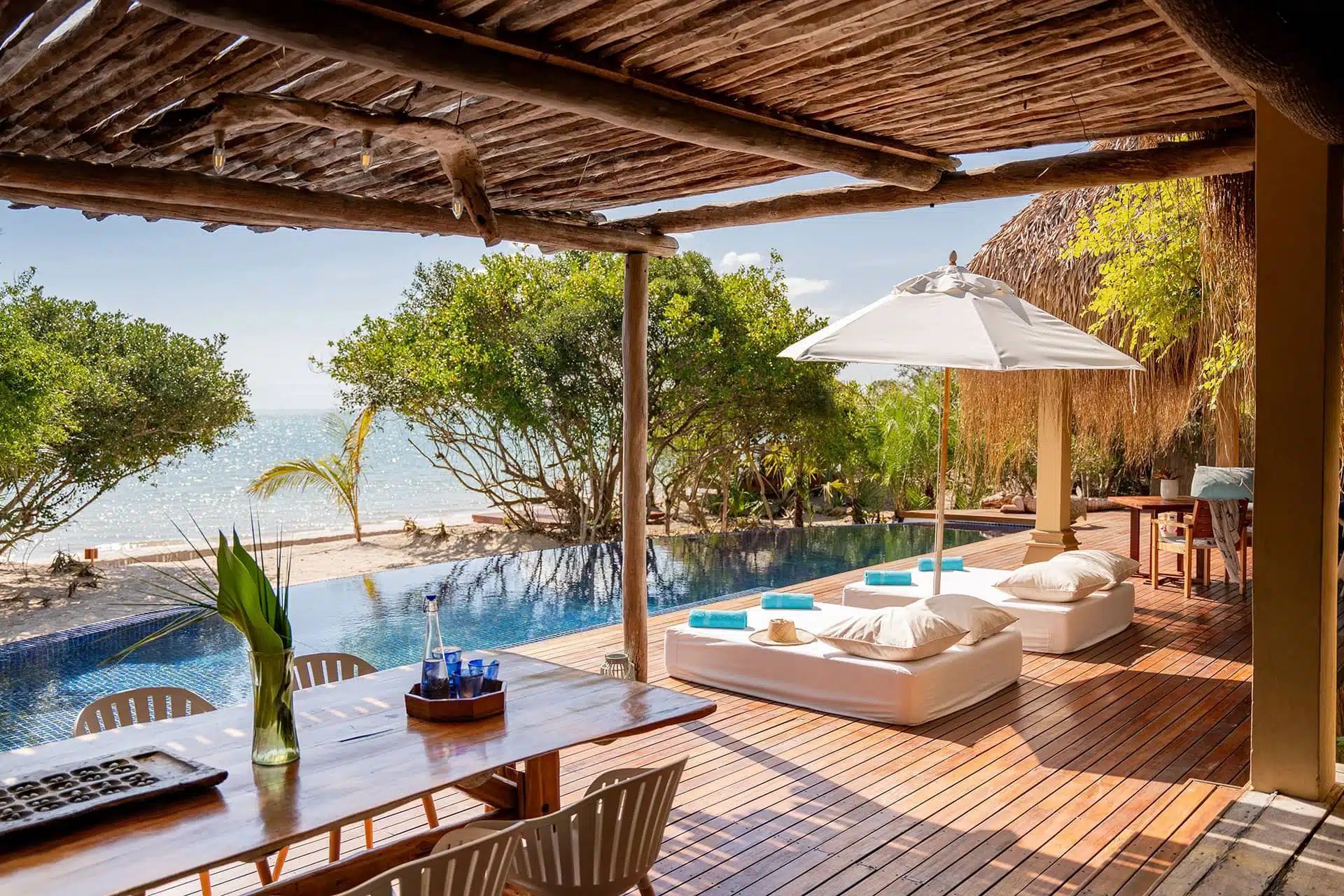
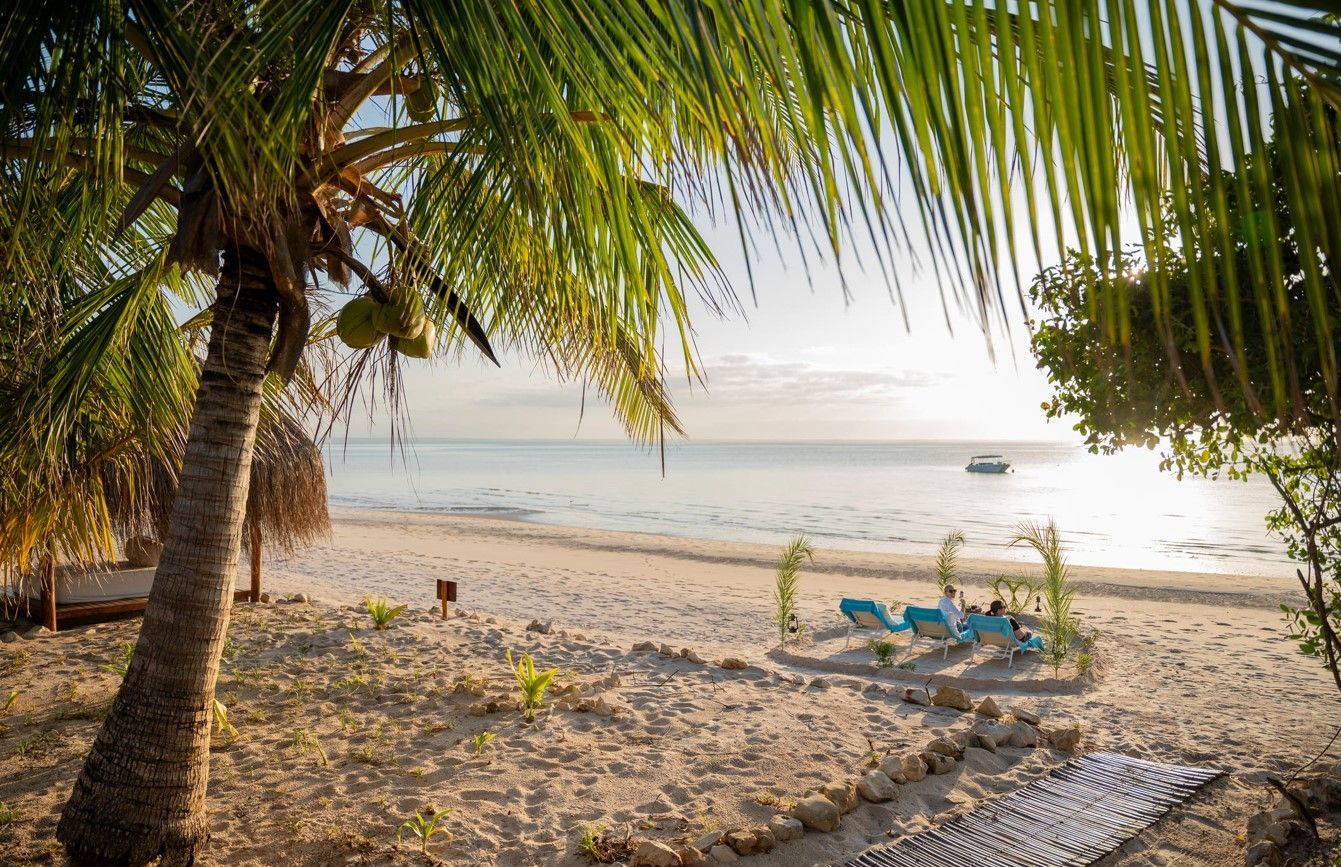
Visitors arriving 10 to 14 days after a storm often describe a surprisingly calm environment. Beaches are clear. Ocean conditions stabilize as swell dissipates. Air clarity improves after heavy rainfall removes atmospheric haze.
Some visible reminders may remain: wind-stressed vegetation, minor exterior repairs or ongoing municipal clean-up in urban areas. These are signs of recovery, not indicators of instability.
Physical landscapes normalize faster than online perception shifts.

Air Travel and Regional Access Patterns
Aviation recovery follows structured safety criteria. During landfall, aircraft are repositioned to avoid high wind exposure. Afterward, runway inspections and navigation system checks determine reopening timelines.
Commercial flight schedules typically stabilize within several days. Temporary backlogs may occur, but extended airport shutdown across unaffected regions is uncommon.
Primary transport routes are prioritized for clearance because they serve both local communities and commercial logistics. Secondary rural roads may require longer restoration, but core tourism access corridors are rarely isolated for prolonged periods.
Ocean Conditions and Marine Recovery
Cyclones can temporarily disturb marine conditions. Strong winds increase wave height and sediment movement. Visibility for diving and snorkeling may be reduced immediately after a storm.
However, ocean stabilization occurs quickly once wind speeds drop. Swell patterns normalize. Sediment settles. Coral reef systems are resilient to short-duration turbulence.
Travel to Mozambique after cyclone events two weeks post-landfall often includes stable marine conditions, particularly in sheltered archipelago zones.
Psychological Timing Versus Physical Timing
Travel hesitation often lags behind physical recovery. When global audiences see repeated storm imagery, perception of risk extends beyond the actual disruption period.
By the time international news cycles move on, infrastructure may already be functioning normally in many regions. Travelers who rely solely on peak-impact visuals risk misjudging current conditions.
Recovery is not abstract reassurance. It is measurable in reopened roads, restored power grids and resumed flight schedules.
When to Evaluate Travel Decisions
Travel decisions after a cyclone should be geographically specific. Impact varies by province and district. Verifying conditions through updated regional sources provides clarity.
In many cases, 7 to 14 days post-landfall represents a stabilized phase where infrastructure has resumed core functionality. Travel to Mozambique after cyclone conditions should be assessed based on verified access and location-specific impact rather than on generalized national headlines.
Storm cycles are seasonal. So are recovery cycles.
Featured Packages
-
Azura Marlin Beach 5 Nights SADC Residents 2026
From R49 040 per person sharingSee Package
-
Okavango Delta Safari and Bazaruto Island Beach Holiday
10 Day Botswana and MozambiqueSee Package
-
Mozawi Lodge Mozambique Private Beach Holiday
See Package
Frequently Asked Questions
Is it safe to travel to Mozambique two weeks after a cyclone?
Safety depends on the specific district affected, but many coastal tourism areas stabilize within one to two weeks after landfall. Airports, primary roads and power infrastructure are typically prioritized for restoration, allowing travel to resume in phases once inspections confirm operational safety.
How quickly do flights resume after a cyclone in Mozambique?
Flights are suspended during peak wind thresholds. Once winds decrease and runway inspections are completed, commercial schedules resume gradually. In many cases, operations stabilize within several days, depending on aircraft repositioning and backlog management.
Do resorts usually remain closed for long periods after storms?
Most established resorts conduct structural inspections immediately after landfall. Minor damage is repaired quickly to prevent escalation. Temporary closures may occur for safety checks, but prolonged region-wide shutdown across major tourism zones is uncommon.
Will beaches and marine activities be affected weeks after a cyclone?
Strong winds can temporarily disturb marine visibility and increase swell. However, ocean conditions typically normalize once wind speeds drop and sediment settles. Two weeks after landfall, many marine environments return to stable operating conditions.
Does post-cyclone travel mean ongoing bad weather?
Cyclones are intense but short-lived systems. After dissipation, weather often improves rapidly. Clear skies and calmer wind patterns frequently return within days, depending on broader regional atmospheric conditions.
Are roads in southern Mozambique usually inaccessible long term?
Are roads in southern Mozambique usually inaccessible long term? Primary transport corridors are prioritized for debris removal and inspection. While secondary rural roads may take longer to restore, core tourism access routes are typically reopened in phases following safety assessments.
Is post-storm travel quieter than peak season?
In some cases, travelers arriving shortly after recovery phases experience reduced visitor numbers. This can result in quieter beaches and less crowded excursions while infrastructure remains fully operational.
How should travelers verify current conditions?
Travelers should review updated regional reports and confirm access status through verified local sources. Geographic specificity provides clearer guidance than relying solely on international headline imagery.
SHARE THIS POST
Are You Ready FOr Mozambique?
Page through our packages and find the offer right for you!
Ready to Speak to a Mozambique Travel Expert?
Get In Touch and Ask for a Call-Back Today