Surfing in Mozambique: Best Breaks, Seasons, and Skill Levels


By Mozambique Travel June 12, 2026

Why Surfing in Mozambique Feels Different From Other Destinations

Surfing in Mozambique is defined less by hype and more by space. Long stretches of untouched coastline, warm Indian Ocean water, and minimal surf tourism create an environment where waves still feel discovered rather than managed. Unlike heavily developed surf destinations, Mozambique has retained a raw, exploratory quality that appeals to surfers seeking uncrowded lineups and natural rhythm rather than polished infrastructure.

This difference is immediately noticeable. Many breaks sit far from towns, accessed via sandy tracks or small fishing communities rather than surf resorts. The result is a surfing experience shaped by tides, wind, and local knowledge rather than surf schools and crowds. For surfers willing to trade convenience for authenticity, Mozambique delivers something increasingly rare.


Understanding Mozambique’s Coastline and Wave Formation

Mozambique’s coastline stretches for more than 2,500 kilometers along the Indian Ocean, creating a wide variety of surf conditions. The country’s eastern exposure allows it to receive long-period swells generated deep in the Southern Ocean. These swells travel north and break along sandbanks, reefs, and points depending on local geography.

Many of Mozambique’s best waves are reef-based, formed by coral and limestone shelves that create clean, peeling walls when conditions align. Sand-bottom beach breaks also exist, particularly near river mouths and bays, offering more forgiving waves for beginners and intermediate surfers. Understanding bottom type is critical, as reef breaks demand stronger wave awareness and respect for tides.

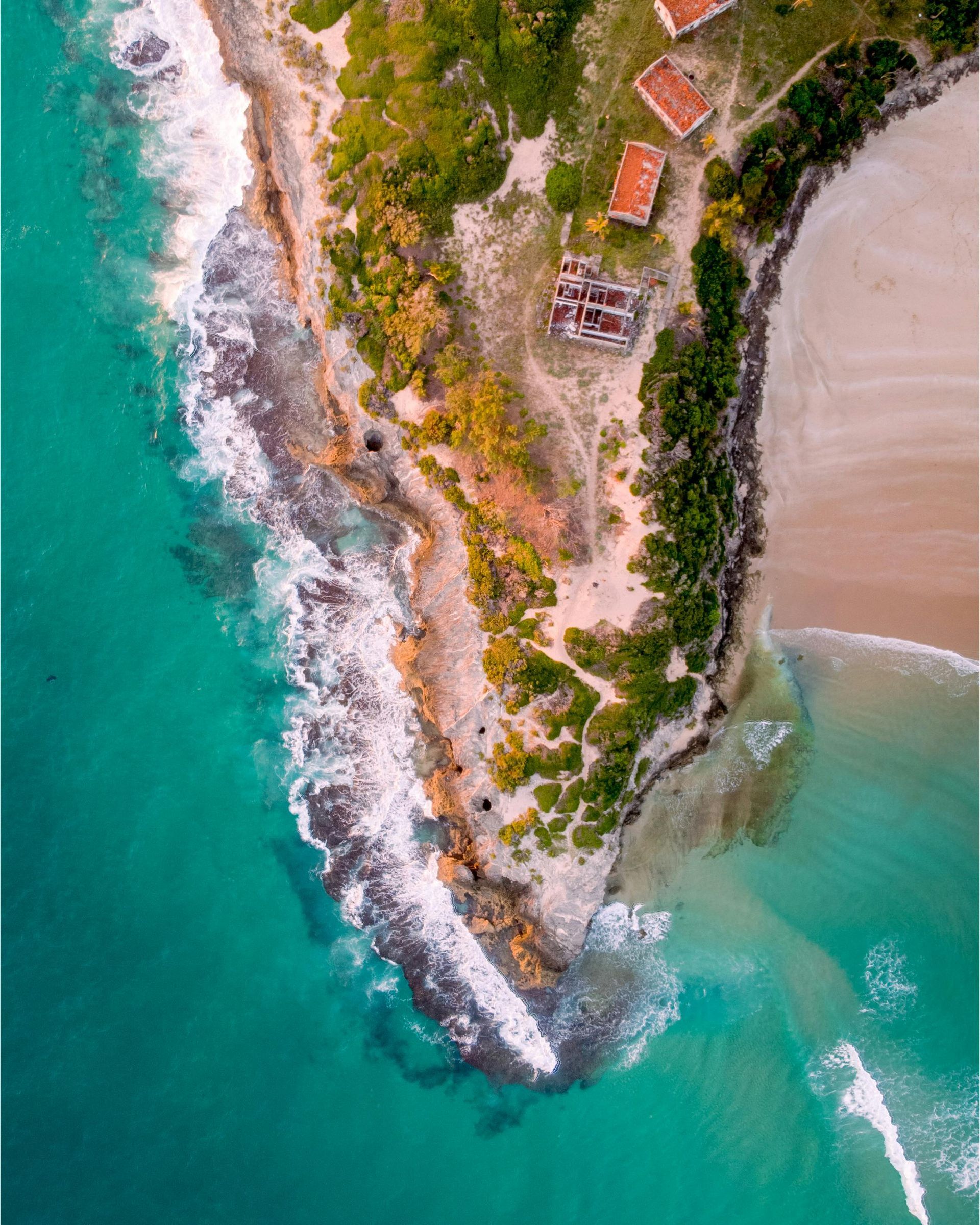
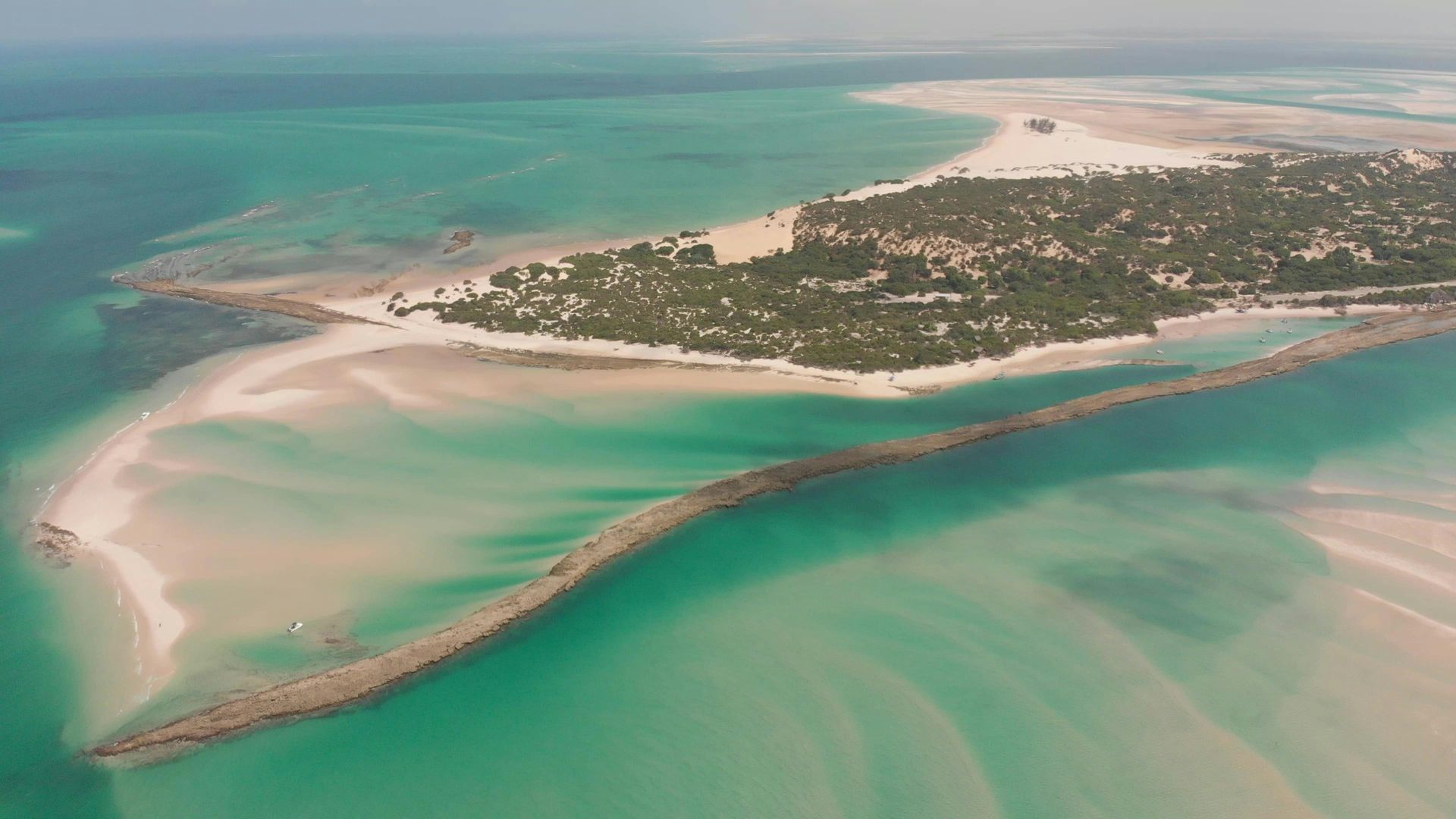
Aerial view of a rocky tropical point with turquoise water, white surf, and a sandy beach cove.

The Best Surf Regions in Mozambique

Southern Mozambique is the most accessible surf region, with a concentration of known breaks near Inhambane, Tofo, Barra, and further south toward Ponta do Ouro. These areas offer a mix of reef and beach breaks suitable for different skill levels. Tofo is particularly well known for consistent swell exposure and multiple breaks within short distances.

Central Mozambique, including areas around Vilanculos and remote coastal stretches further north, offers less-documented surf. Waves here are more seasonal and require exploration, but rewards include complete solitude and untouched setups. Northern Mozambique remains largely unexplored from a surf tourism perspective, with long distances and limited access making it a destination for experienced surf travelers only.


Best Surf Seasons and Swell Patterns

Mozambique receives surf year-round, but conditions vary significantly by season. The strongest and most consistent swells typically arrive during the southern hemisphere winter months, when cold fronts generate powerful swells that travel up the Indian Ocean. These months produce the largest waves and best reef conditions but may be less forgiving for beginners.

Summer months bring smaller, more playful swells combined with warmer water and lighter winds. This period suits intermediate surfers and those focused on long sessions rather than size. Wind patterns are generally favorable in the early mornings, with offshore or light winds creating clean faces before afternoon sea breezes develop.


Surfing by Skill Level: What to Expect

Beginner surfers can find suitable waves at selected beach breaks with sandy bottoms and manageable swell sizes. These areas are best surfed on smaller swell days and around mid-tide, when waves soften and offer forgiving take-offs. Beginners should avoid reef breaks until they are confident in wave control and ocean awareness.

Intermediate surfers will find Mozambique particularly rewarding. Many reef breaks offer long, workable walls ideal for progression, while beach breaks provide room to experiment without pressure. Advanced surfers can access powerful reef setups capable of producing hollow, high-quality waves, particularly during peak swell periods. Knowledge of tides, swell direction, and wind is essential at this level.
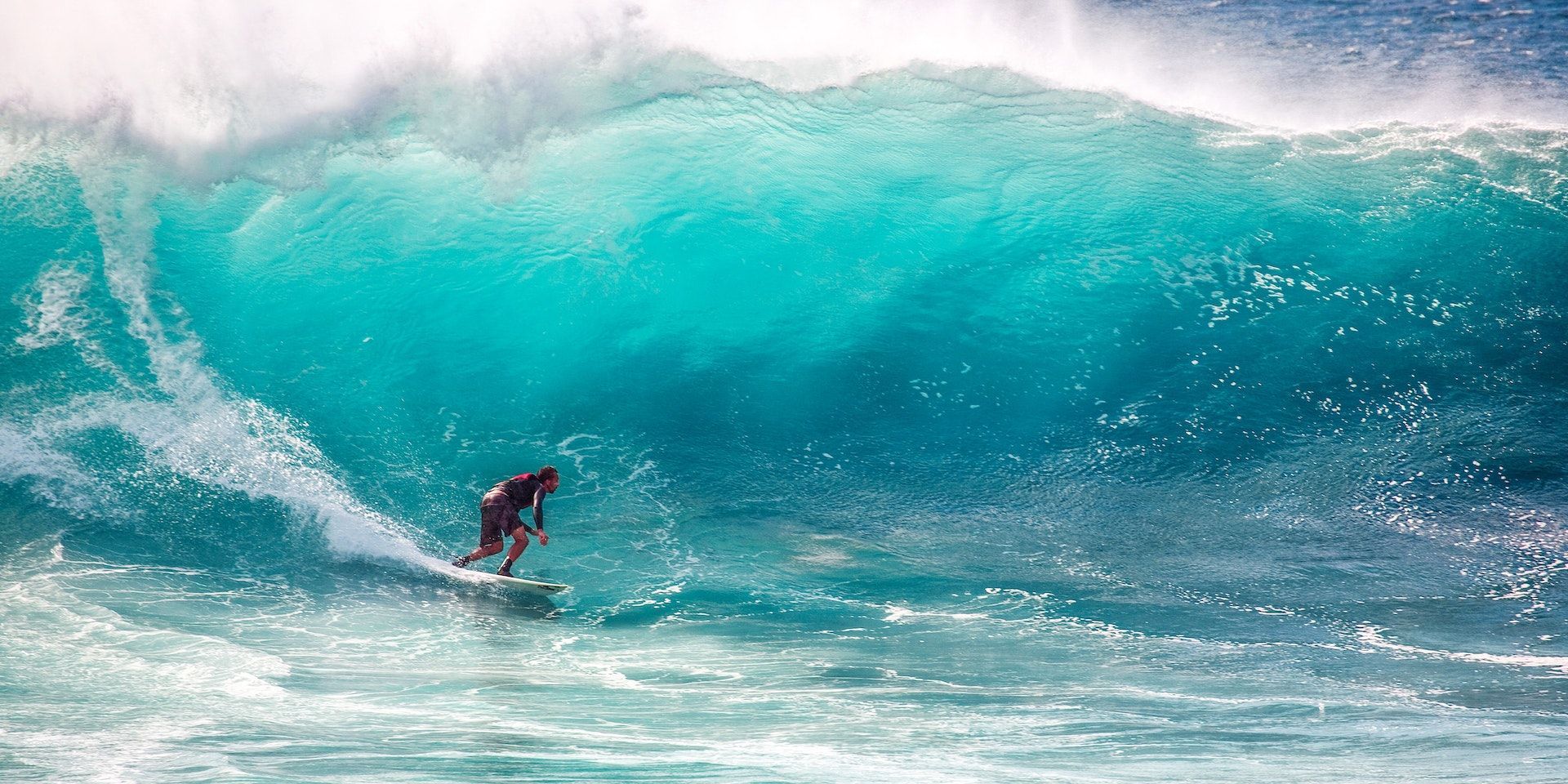
Surfer riding a large turquoise wave

Crowds, Access, and Surf Etiquette

One of Mozambique’s greatest surf assets is the lack of crowds. Even at well-known breaks, surfers often find themselves sharing waves with only a handful of others. This low density creates a relaxed lineup dynamic but also places responsibility on visiting surfers to behave respectfully.

Access to breaks often involves driving on sand, walking through fishing communities, or launching boats. Respect for local customs and livelihoods is essential. Surf etiquette matters more in remote locations, where cooperation and patience maintain harmony both in and out of the water.


Surfboard Choices and Equipment Considerations

Mozambique’s reef breaks favor boards with good paddle power and control. Many surfers opt for slightly more volume than they would use in crowded destinations, allowing easier wave entry and longer rides. Reef booties are recommended at many breaks due to sharp coral and shallow sections.

Water temperatures remain warm throughout the year, with most surfers comfortable in boardshorts or light wetsuits depending on season. Sun protection is essential, as sessions can be long and shade limited. Bringing spare equipment is advisable, as surf shops and repair facilities are scarce outside major towns.


Safety, Conditions, and Ocean Awareness

Surfing in Mozambique requires self-reliance. Medical facilities and emergency response can be limited in remote areas, making risk management essential. Understanding tides, currents, and reef layout reduces the chance of injury. Surfers should avoid solo sessions at unfamiliar breaks and always check conditions with locals where possible.

Marine life encounters are part of the experience. While incidents are rare, surfers should remain aware of their surroundings and follow local advice regarding conditions and seasonal considerations. Mozambique rewards surfers who approach the ocean with respect rather than entitlement.

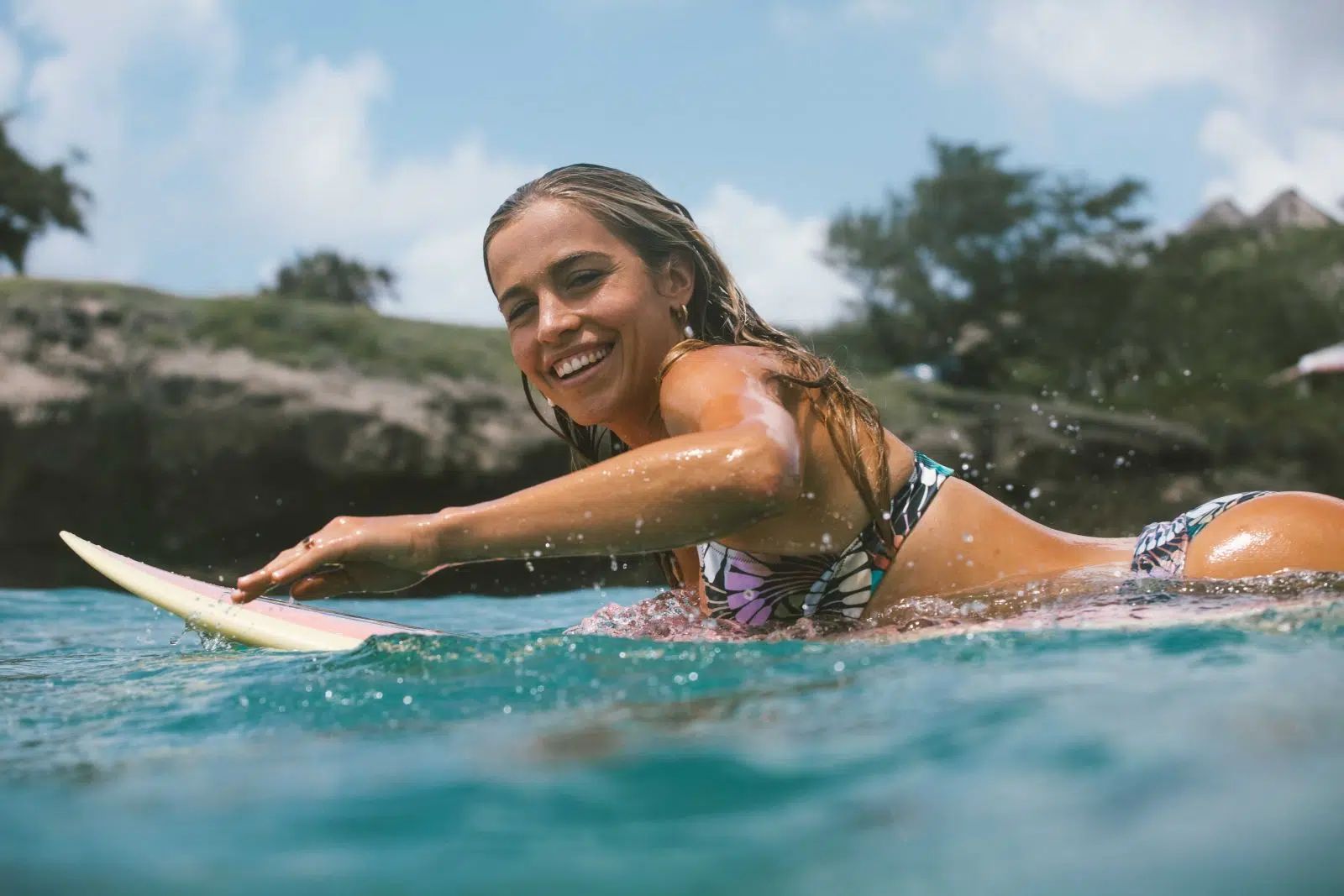
Woman smiling on a surfboard in turquoise water under a sunny sky

Plan Your Trip

Surfing in Mozambique works best when integrated into a broader coastal itinerary rather than planned as a rigid surf-only mission. Many surfers base themselves near Inhambane or Tofo, allowing access to multiple breaks while balancing surf sessions with rest days. Combining surfing with beach stays, snorkeling, or cultural exploration helps manage physical fatigue and changing conditions.

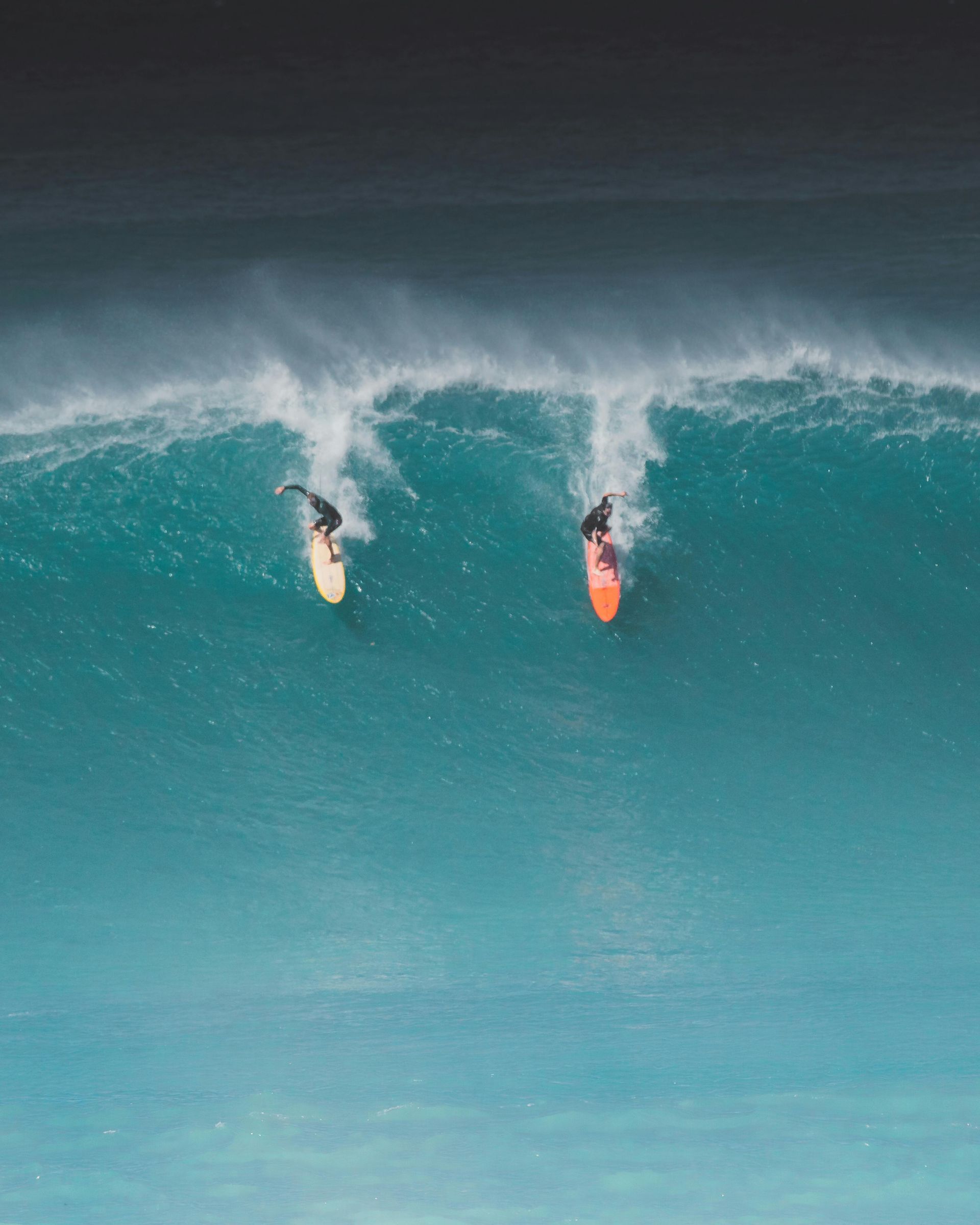
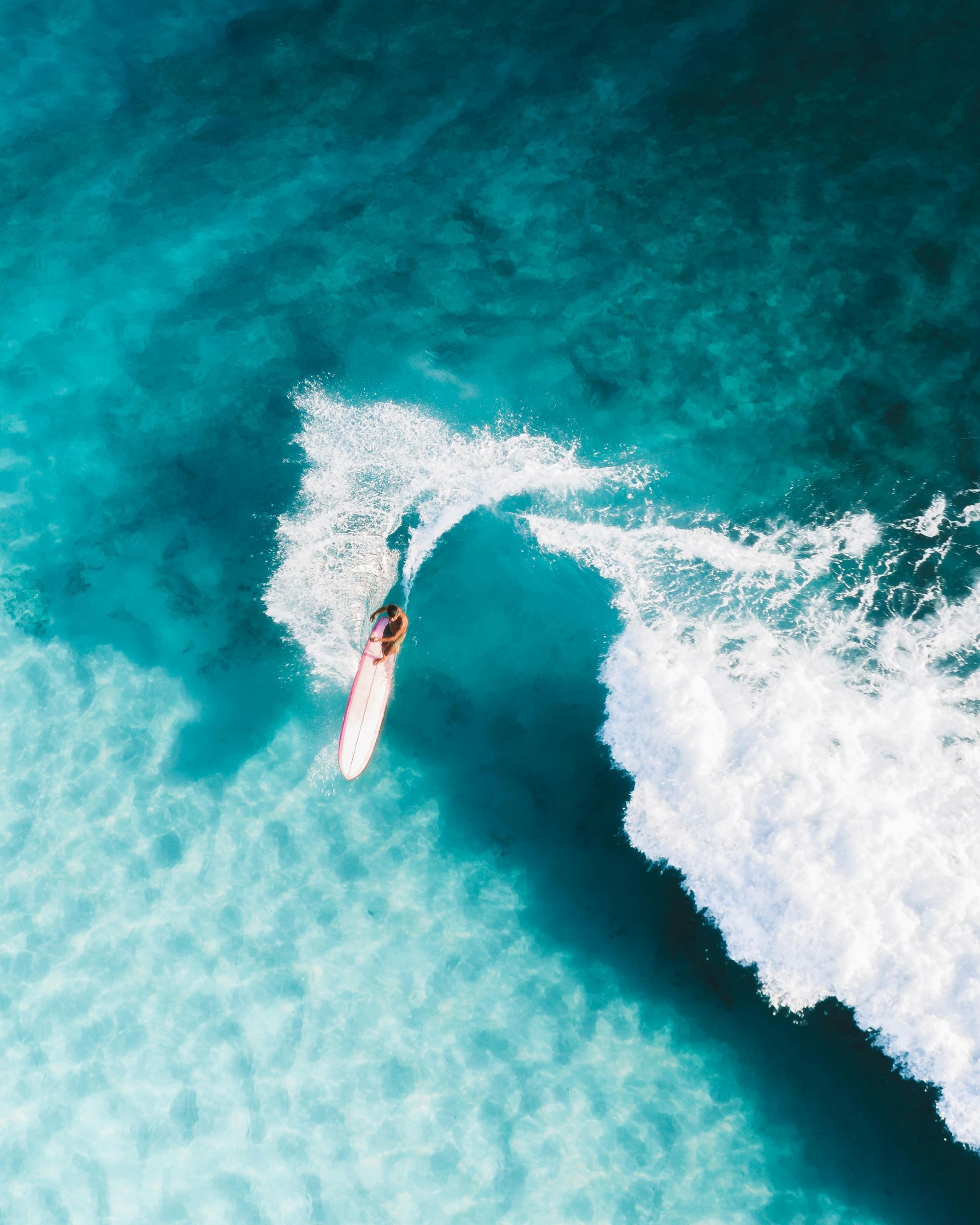
A surfer carving through turquoise waves, leaving a white spray trail.

Plan a Mozambique Surf Journey Built Around Conditions, Not Crowds

Surf travel in Mozambique is about timing, flexibility, and understanding the coastline rather than chasing guaranteed waves. Mozambique Travel has spent decades working along this coast, advising travelers on where to stay, when to move, and how to plan realistic itineraries that allow for changing surf conditions. If surfing is central to your Mozambique plans, speak with our team about designing a journey that balances wave quality, access, and downtime without the pressure of crowded lineups.

Featured Packages


Frequently asked questions about surfing in mozambique

  • Is Mozambique suitable for beginner surfers?

    Mozambique can be suitable for beginner surfers, but conditions vary widely by location and swell. Sandy beach breaks offer the safest learning environments, particularly on smaller swell days. Beginners should avoid reef breaks until they have strong board control and ocean awareness, and should consider surfing with experienced companions.

  • What is the best time of year to surf in Mozambique?

    Mozambique receives surf year-round, with larger and more powerful swells arriving during winter months. These conditions favor experienced surfers. Summer months bring smaller, more forgiving waves and warmer water, making them suitable for intermediate surfers and longer sessions. Early mornings generally offer the best conditions.

  • Are Mozambique’s surf breaks crowded?

    Most surf breaks in Mozambique are uncrowded, even during peak swell periods. Tourism remains limited compared to major surf destinations, resulting in relaxed lineups. However, visiting surfers should follow good etiquette and respect local surfers and fishing communities to maintain this low-pressure environment.

  • Do you need a 4x4 vehicle to access surf spots?

    Many of Mozambique’s best surf spots require access via sandy tracks or coastal roads, making a 4x4 vehicle highly recommended. Some breaks can be reached by boat or on foot, but flexibility and reliable transport greatly expand the range of surfable locations and improve overall trip safety.

SHARE THIS POST

Are You Ready FOr Mozambique?

Page through our packages and find the offer right for you!


Ready to Speak to a Mozambique Travel Expert?

Get In Touch and Ask for a Call-Back Today

Latest Posts

Three giraffes standing on rocky ground near a green forest path.
By Mozambique Travel June 11, 2026
Mozambique conservation tourism is helping national parks recover through protection funding, community partnerships, and low-impact travel models.
Lion lying in grass and dirt, looking ahead in a natural habitat.
By Mozambique Travel June 10, 2026
Gorongosa predator comeback 2026 reveals how lions, leopards, hyenas, and prey species returned after decades of loss, reshaping the park’s ecosystem.
Whale shark swimming underwater near divers in clear blue ocean
By Mozambique Travel June 9, 2026
Swimming with whale sharks in Mozambique offers ethical, open-ocean encounters. Learn what to expect, how trips work, and how to do it responsibly.
Sandy tropical beach with palm trees, gentle waves, and a small boat offshore at sunset.
By Mozambique Travel June 8, 2026
African beach holidays offer beauty and wildlife, but expectations often differ from reality. Learn what travellers should know before choosing.
Two people holding a rainbow flag on a beach, standing by the shoreline with waves and mountains in the background.
By Mozambique Travel June 5, 2026
Plan a gay honeymoon in Mozambique for 2026, with private villas, island resorts, quiet beaches, and expert honeymoon planning.
Seal swimming underwater in clear blue ocean
By Mozambique Travel June 4, 2026
Can you see dugongs in Mozambique? Learn where sightings occur, why they are rare, and how responsible travel supports dugong conservation.
Show More