Mozambique Surf Travel Guide: Where to Stay, When to Go, and What to Pack


By Mozambique Travel June 15, 2026

Why Mozambique Requires a Different Approach to Surf Travel

Surf travel in Mozambique is not plug-and-play. Unlike established surf destinations with dense infrastructure, surf schools on every corner, and clearly marked breaks, Mozambique demands a more considered approach. The reward for this extra effort is access to uncrowded waves, warm water, and a coastline that still feels largely unfiltered by mass tourism.

This guide focuses on the practical realities of planning a surf trip in Mozambique. Where you stay affects which breaks you can access. When you travel determines not just wave size, but wind, water conditions, and overall comfort. What you pack can significantly influence how much time you spend surfing versus solving problems in remote locations.


Choosing the Right Region for a Surf-Focused Trip

Mozambique’s coastline is vast, and not all regions are equally suitable for surf travel. Southern Mozambique is the most practical starting point for most surfers due to accessibility, accommodation options, and wave consistency. Areas around Inhambane, Tofo, and Barra offer multiple breaks within reasonable driving distance, making them ideal bases for exploratory surf trips.

Central Mozambique presents more remote opportunities, particularly for experienced surfers comfortable with limited infrastructure. Regions further north are far less developed from a surf tourism perspective and should only be considered by travelers with strong logistical planning, local contacts, and flexible expectations.

Selecting the right region is less about chasing a specific break and more about positioning yourself where conditions, access, and accommodation align.


Where to Stay for Surf Access and Flexibility

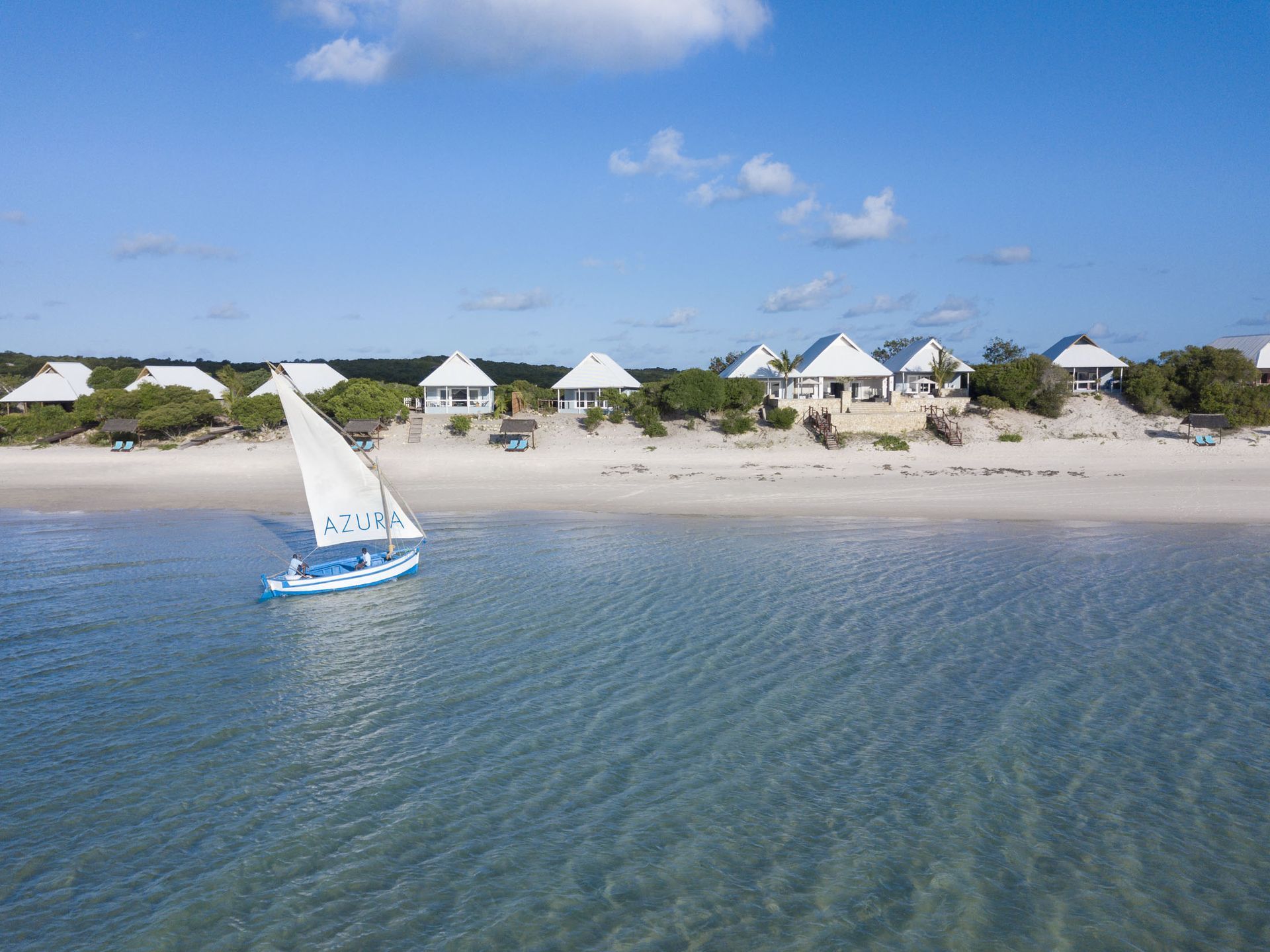
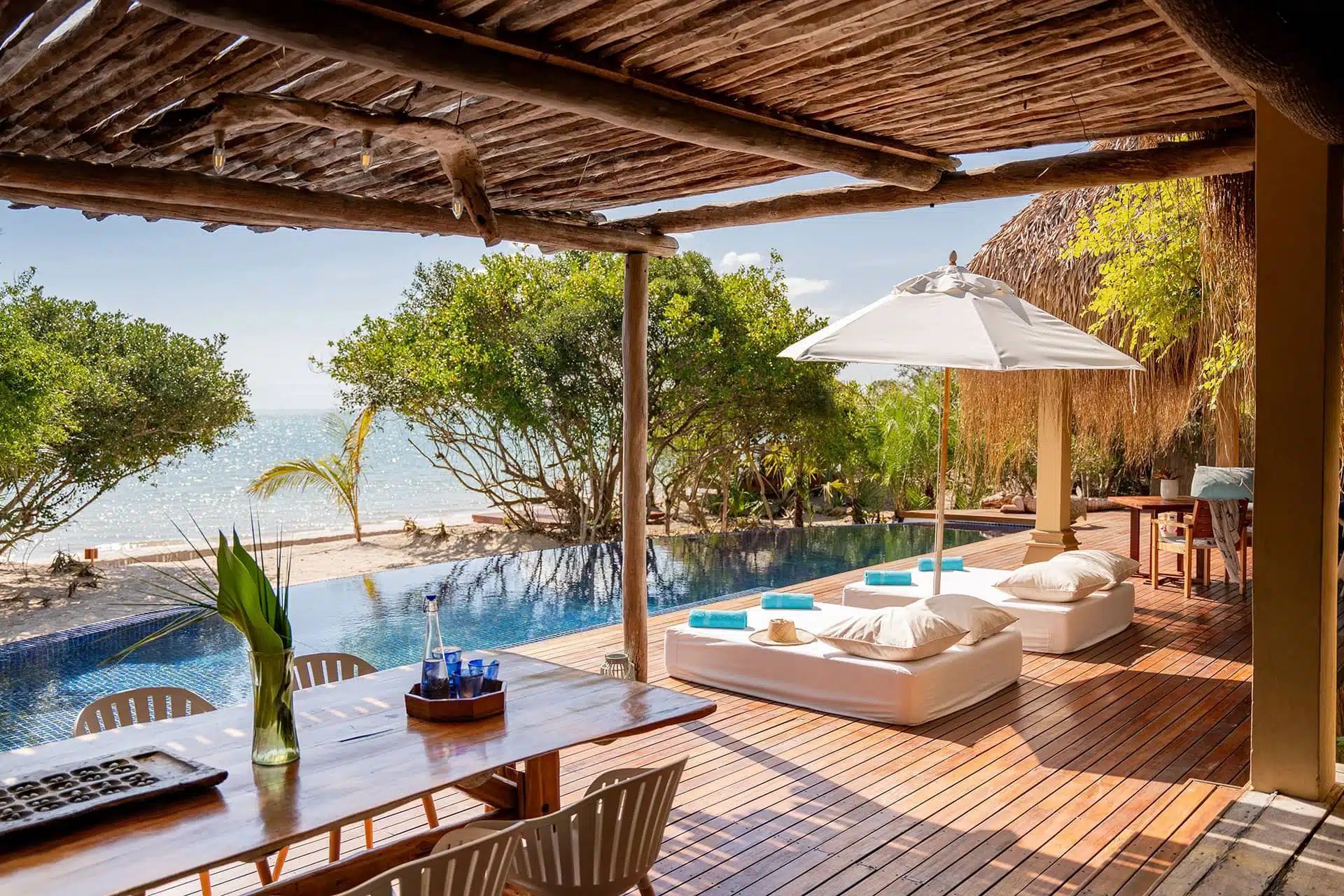
Accommodation choice plays a critical role in a successful Mozambique surf trip. Staying close to the coast reduces travel time and allows you to respond quickly to changing conditions. Many surfers opt for small lodges, guesthouses, or self-catering accommodation that offers flexibility rather than resort-style schedules.

In established surf regions, staying near multiple breaks allows you to choose the best option based on swell direction and wind. Some accommodations cater specifically to surf travelers, offering storage space for boards, early breakfasts, and local knowledge about conditions. In more remote areas, accommodation may be basic, making self-sufficiency essential.

Comfort matters, but location and flexibility matter more.

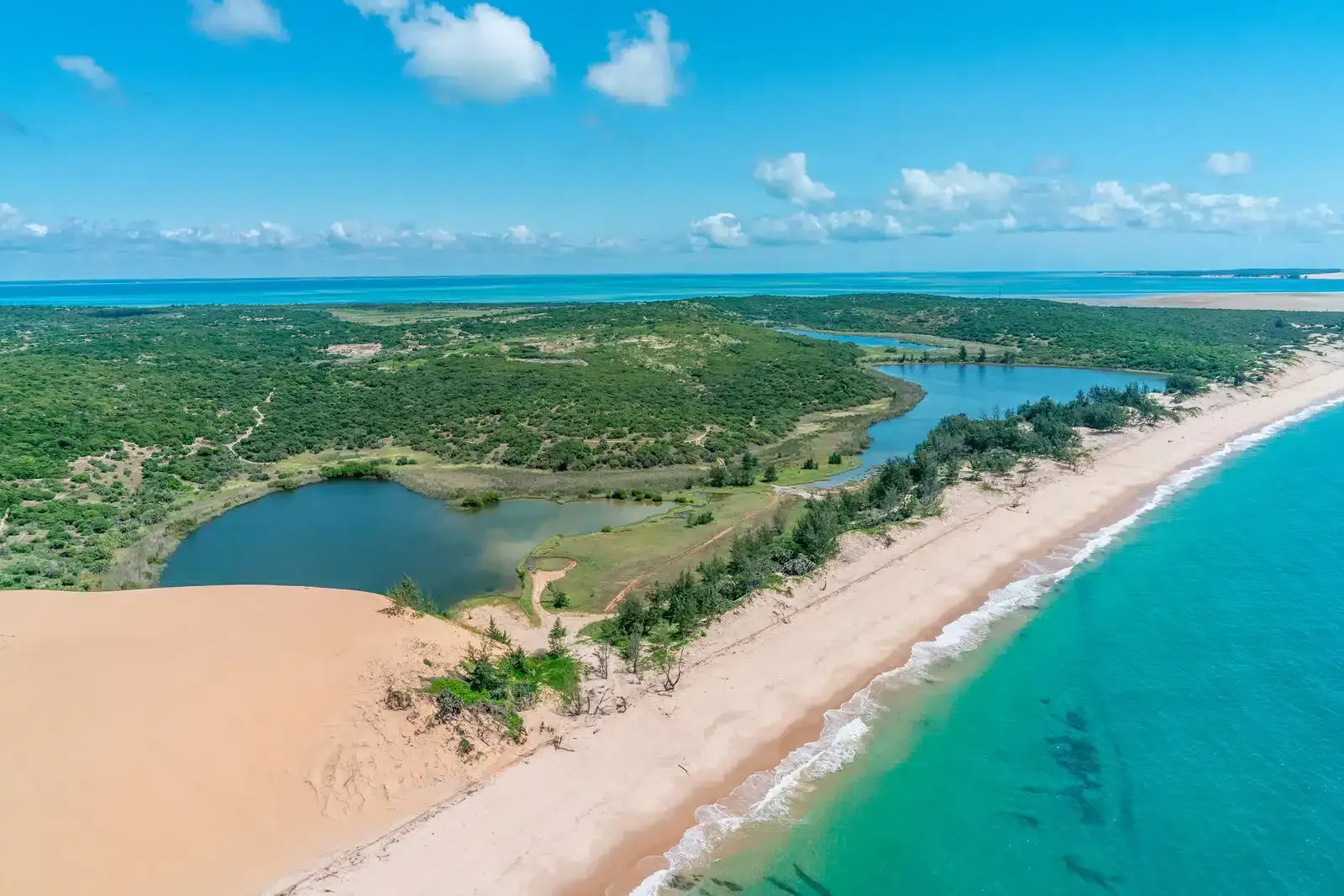
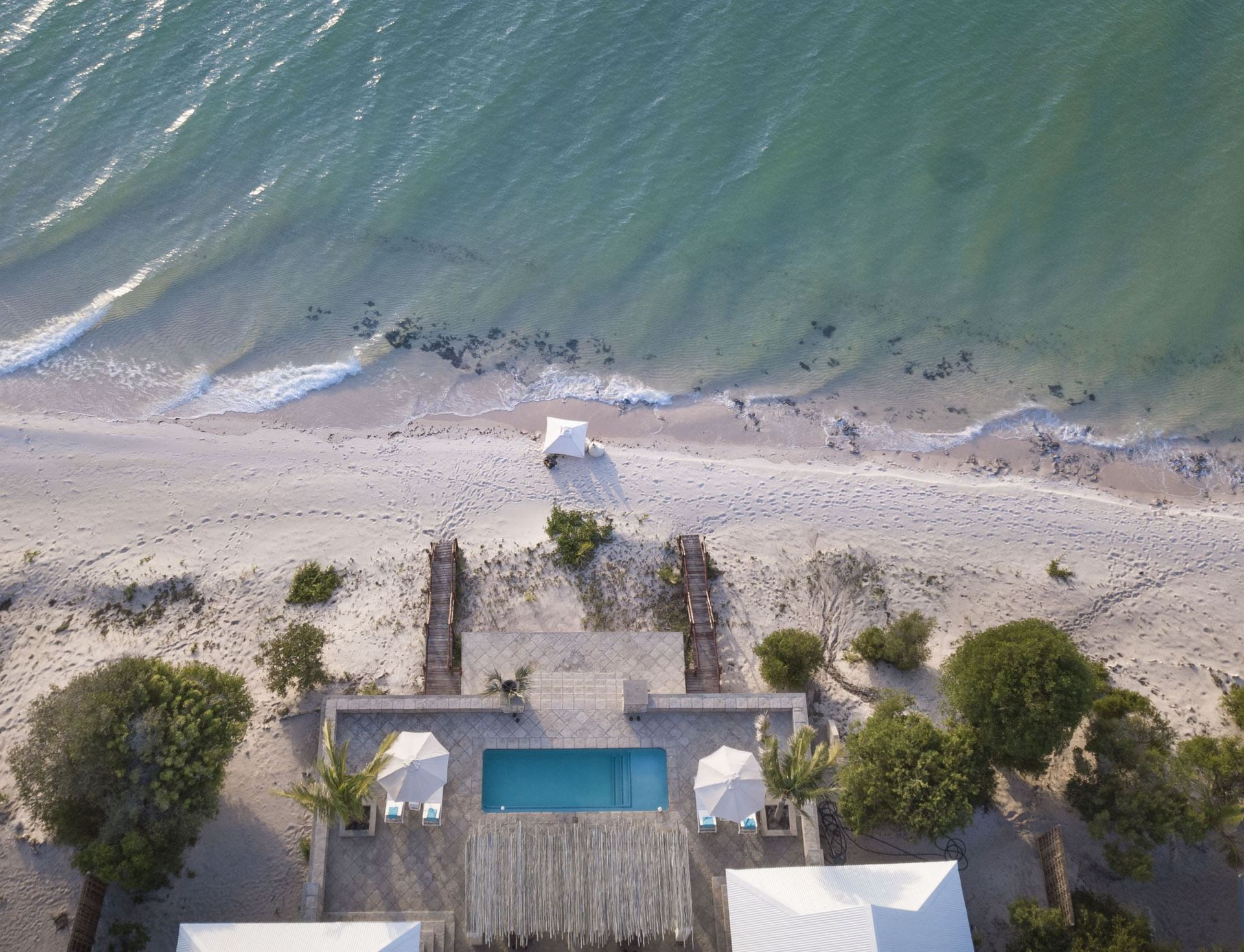
Aerial view of a sandy beach, turquoise water, green mangroves, and a lagoon under a blue sky

Understanding Seasonal Trade-Offs

Mozambique offers surf throughout the year, but each season presents trade-offs that affect travel planning. Larger swells arrive during cooler months, producing more powerful waves that suit experienced surfers. These periods may also bring stronger winds and cooler evenings, particularly in southern regions.

Warmer months deliver smaller, more manageable waves combined with lighter winds and warmer water. While wave size may be reduced, consistency often improves, and longer sessions become more comfortable. These conditions appeal to intermediate surfers and those prioritizing time in the water over wave height.

Choosing when to go should reflect your skill level, comfort preferences, and tolerance for variable conditions rather than chasing a single swell window.


Daily Surf Planning and Timing

Surf sessions in Mozambique are often dictated by wind rather than swell alone. Early mornings typically offer the cleanest conditions, with offshore or light winds grooming reef and beach breaks before onshore breezes develop later in the day. Planning your schedule around dawn sessions significantly improves wave quality.

Tides also play an important role, particularly at reef breaks where water depth determines wave shape and safety. Learning local tide patterns and how they interact with specific breaks is essential. Many experienced surfers plan their day around one primary session rather than multiple rushed outings.


What to Pack for a Mozambique Surf Trip

Packing for a surf trip in Mozambique requires more foresight than traveling to destinations with well-stocked surf shops. Bringing at least two boards is advisable, as repairs can be difficult to arrange. Reef booties are strongly recommended for coral and shallow reef breaks.

Sun protection is essential. Long sessions in tropical conditions increase exposure, making rash vests, reef-safe sunscreen, and hats important both in and out of the water. A basic first-aid kit, board repair supplies, and spare leashes should be considered essential items rather than optional extras.

Travelers should also pack adaptors, headlamps, and offline navigation tools, particularly when exploring remote areas.

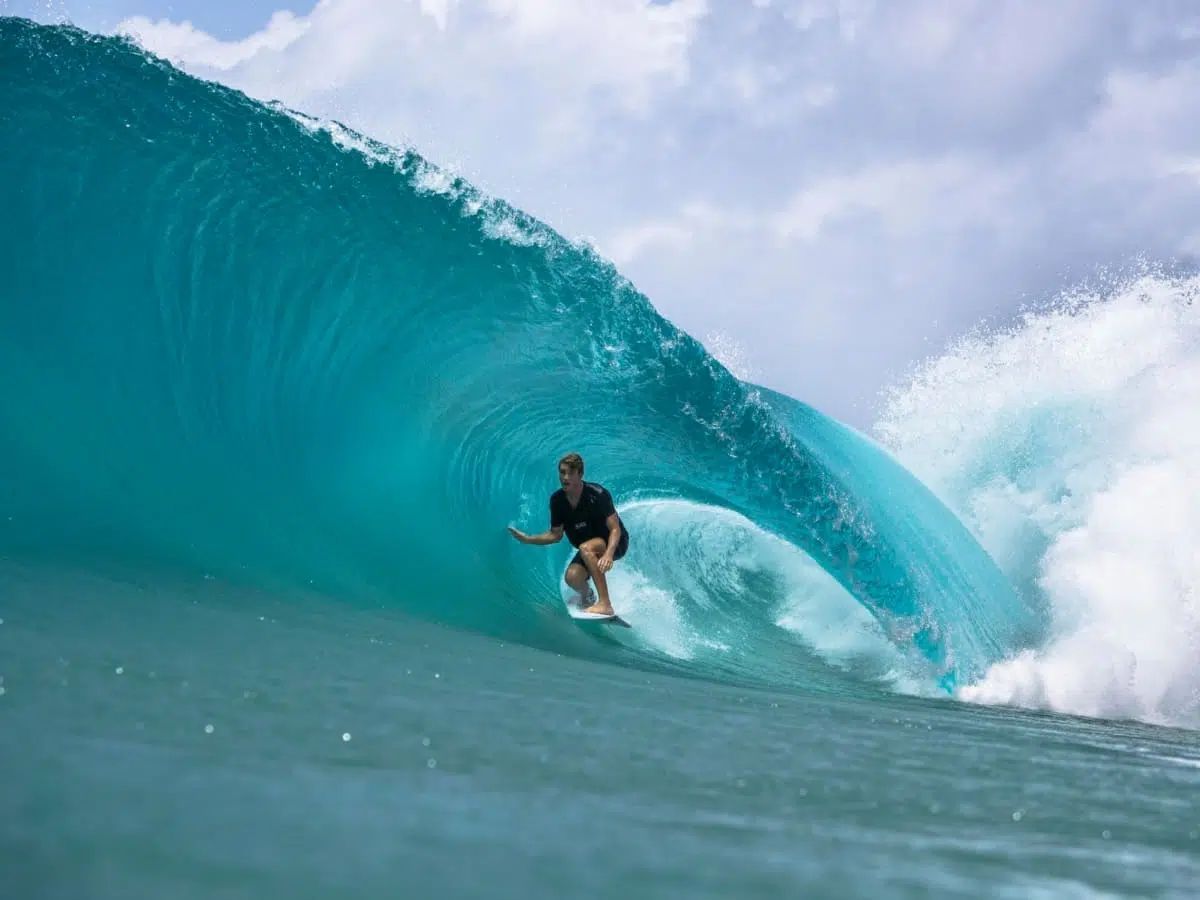
Surfer riding inside a turquoise wave with spray curling overhead

Transport and Getting Around

Accessing surf breaks in Mozambique often requires a 4x4 vehicle. Sandy roads, beach tracks, and river crossings are common, particularly outside major towns. Renting a suitable vehicle improves safety and greatly expands the range of accessible surf spots.

Some breaks are accessed by boat, while others require walking through coastal communities or along beaches. Understanding access points in advance helps avoid unnecessary disturbance to local livelihoods and reduces environmental impact. Fuel availability can be limited in remote areas, making route planning essential.


Local Etiquette and Cultural Awareness

Surfing in Mozambique involves interacting with fishing communities whose relationship with the ocean predates surf tourism by generations. Respecting local customs, avoiding interference with fishing activities, and seeking permission where appropriate helps maintain positive relationships.

Lineups are typically relaxed, but etiquette still matters. Waiting your turn, sharing waves, and avoiding aggressive behavior preserves the calm atmosphere that makes Mozambique special. Visitors who approach the surf scene with humility are far more likely to be welcomed and assisted by locals.


Safety Considerations for Surf Travelers

Mozambique’s surf environment requires self-awareness and preparation. Medical facilities can be limited outside major centers, making injury prevention critical. Reef cuts, dehydration, and fatigue are common risks that can be managed through proper equipment, pacing, and rest days.

Surfers should avoid solo sessions at unfamiliar breaks and always assess conditions carefully. Understanding currents, exit points, and emergency procedures reduces risk significantly. Mozambique rewards surfers who plan conservatively rather than pushing limits in unfamiliar territory.

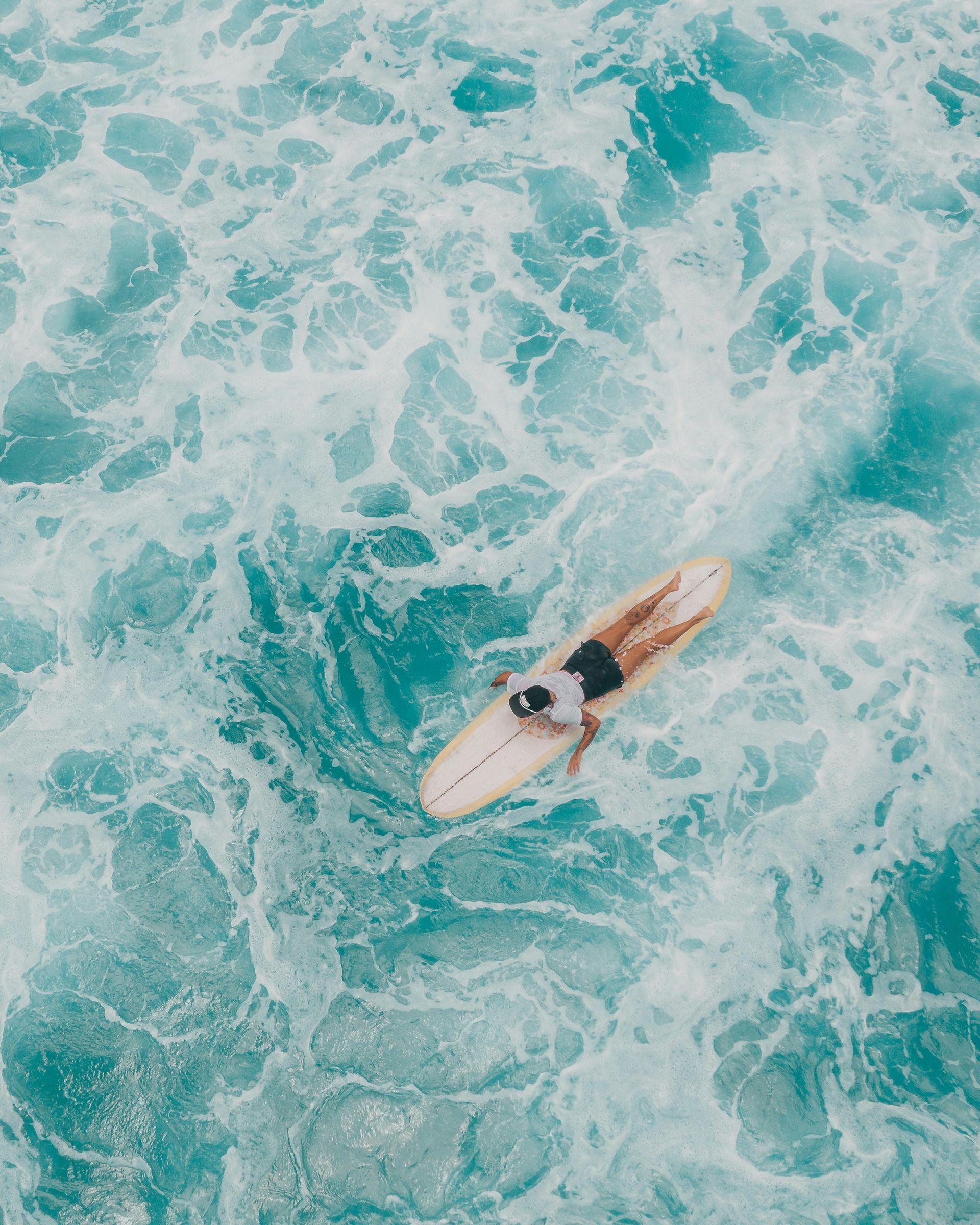
Surfer on a white board in turquoise, foamy ocean water

Balancing Surfing with the Rest of the Trip

One of the advantages of surfing in Mozambique is the ability to balance surf sessions with other experiences. Rest days can include snorkeling, swimming, cultural exploration, or simply recovering on the beach. This balance reduces burnout and allows surfers to enjoy the destination beyond wave quality alone.

Integrating surf travel into a broader itinerary also helps manage expectations. When conditions are not ideal, alternative activities ensure the trip remains rewarding rather than frustrating.


Plan Your Trip

A successful Mozambique surf trip is built around flexibility rather than fixed schedules. Choosing a base with access to multiple breaks, allowing time for changing conditions, and planning rest days are all essential. Surfing here works best when combined with relaxed accommodation, reliable transport, and realistic expectations rather than chasing guaranteed waves.

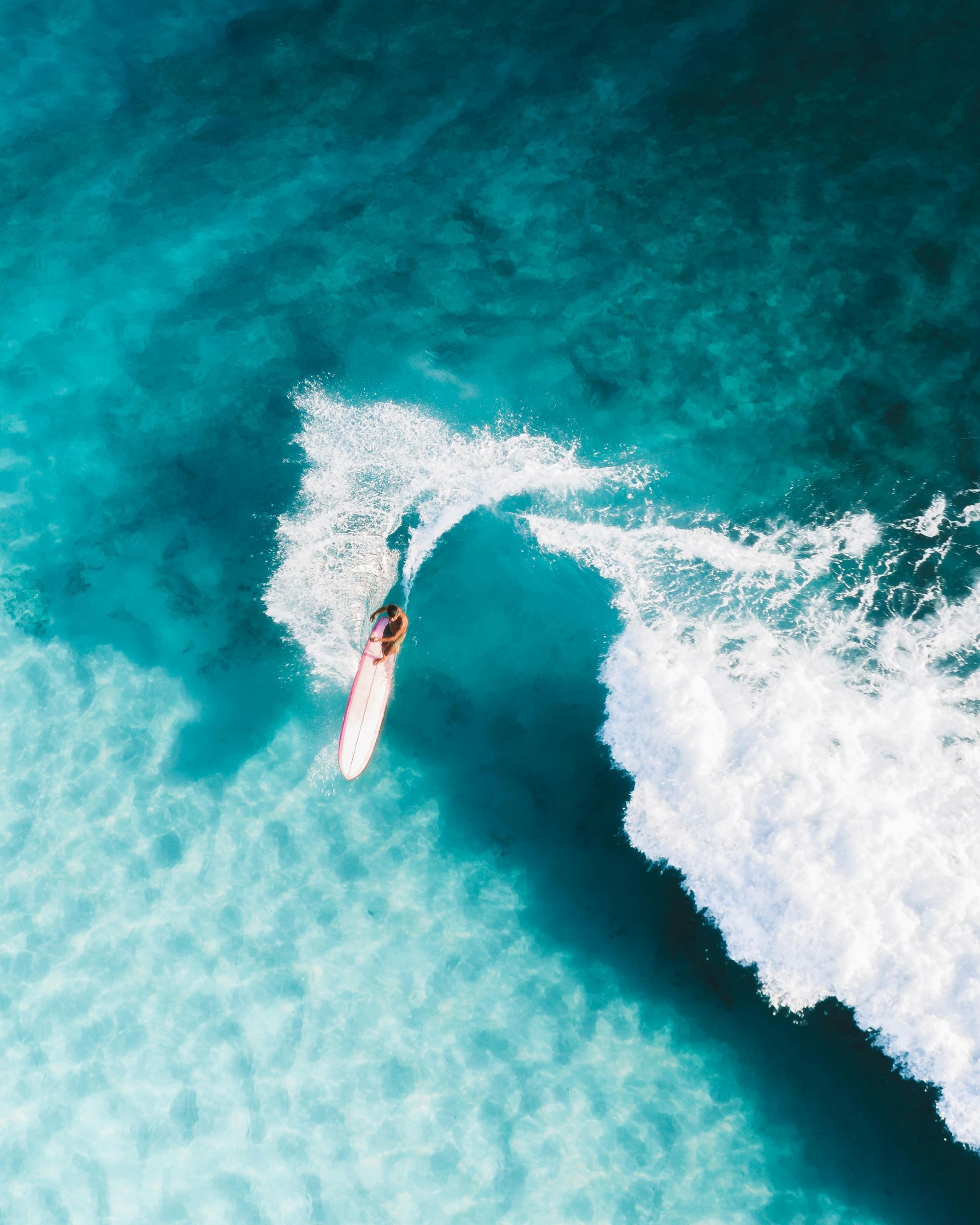
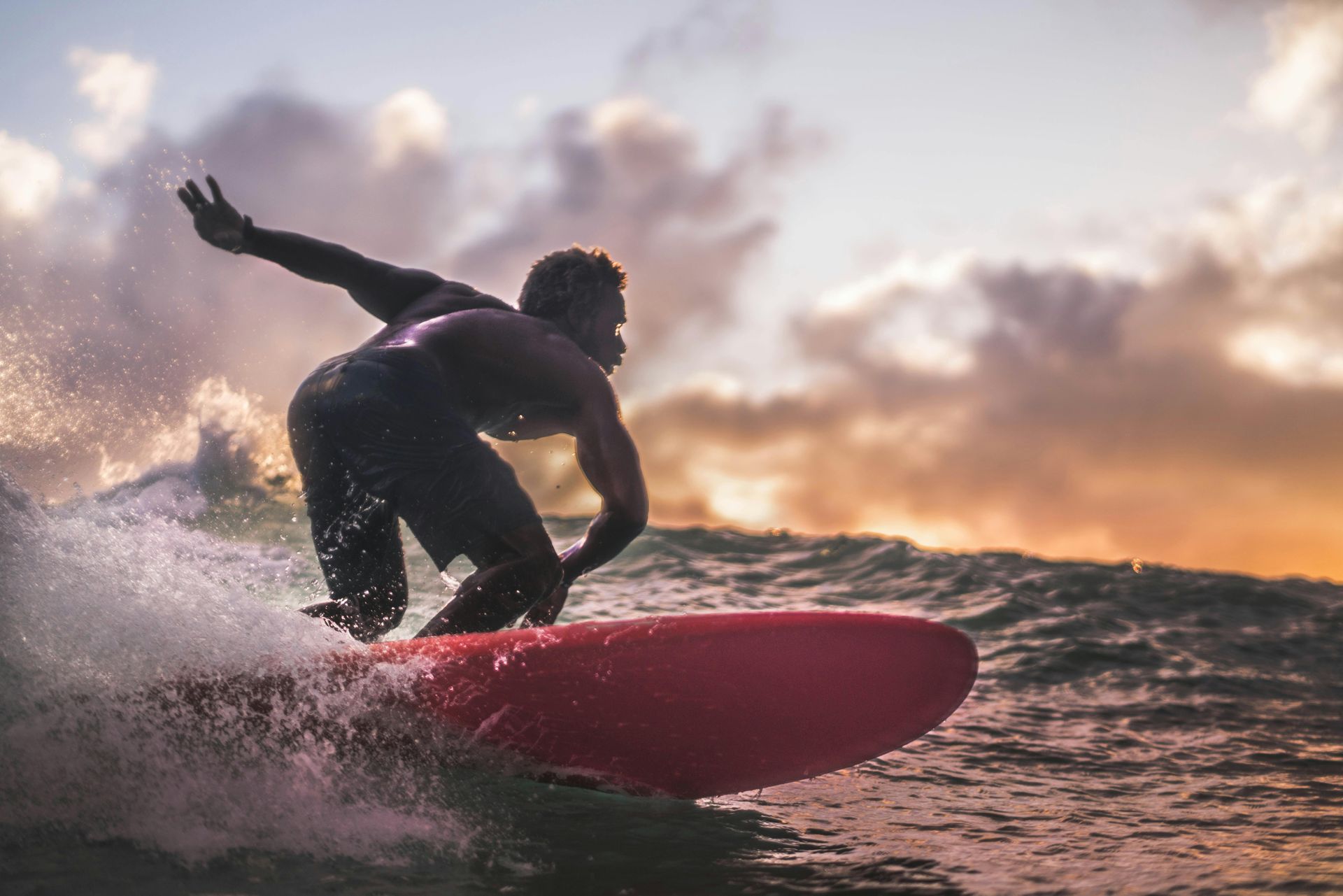
Surfer riding a red board on a wave at sunset, with water spray and a cloudy sky.

Plan a Surf Journey That Matches Mozambique’s Rhythm

Surfing in Mozambique is about adapting to the coast rather than forcing outcomes. Mozambique Travel has spent years advising travelers along this coastline, helping them choose where to stay, when to move, and how to plan surf-focused itineraries that reflect real conditions. If surfing is central to your travel plans, speak with our team about shaping a journey that balances wave access, safety, and downtime without unnecessary pressure.

Featured Packages


Frequently asked questions about surfing in mozambique

  • Where is the best place to stay for surfing in Mozambique?

    The best place to stay for surfing in Mozambique is typically along the Inhambane coastline, where multiple breaks are accessible within short driving distances. This region offers a mix of accommodation options and relatively consistent conditions. Staying close to several breaks allows flexibility based on wind and swell rather than relying on a single location.

  • Do you need to bring your own surfboards to Mozambique?

    Yes, bringing your own surfboards is strongly recommended when traveling to Mozambique. Surf shops and rental options are extremely limited, especially outside major towns. Bringing at least two boards, spare leashes, and basic repair supplies helps prevent equipment issues from cutting trips short.

  • Is Mozambique suitable for first-time surf travelers?

    Mozambique can suit first-time surf travelers if expectations are realistic and planning is thorough. While conditions are uncrowded, infrastructure is limited, and breaks can be remote. First-time surf travelers should focus on accessible regions, travel with experienced companions, and avoid pushing into isolated areas without local knowledge.

  • What type of vehicle is best for a Mozambique surf trip?

    A 4x4 vehicle is highly recommended for surf travel in Mozambique. Many breaks are accessed via sandy roads or coastal tracks that standard vehicles cannot manage safely. Having suitable transport improves safety, access, and flexibility, particularly when conditions change unexpectedly.

SHARE THIS POST

Are You Ready FOr Mozambique?

Page through our packages and find the offer right for you!


Ready to Speak to a Mozambique Travel Expert?

Get In Touch and Ask for a Call-Back Today

Latest Posts

Two surfers dropping into a turquoise wave from above, with white spray and dark water behind them
By Mozambique Travel June 12, 2026
Surfing in Mozambique offers uncrowded breaks, warm water, and waves for all skill levels. Discover the best surf spots, seasons, and conditions.
Three giraffes standing on rocky ground near a green forest path.
By Mozambique Travel June 11, 2026
Mozambique conservation tourism is helping national parks recover through protection funding, community partnerships, and low-impact travel models.
Lion lying in grass and dirt, looking ahead in a natural habitat.
By Mozambique Travel June 10, 2026
Gorongosa predator comeback 2026 reveals how lions, leopards, hyenas, and prey species returned after decades of loss, reshaping the park’s ecosystem.
Whale shark swimming underwater near divers in clear blue ocean
By Mozambique Travel June 9, 2026
Swimming with whale sharks in Mozambique offers ethical, open-ocean encounters. Learn what to expect, how trips work, and how to do it responsibly.
Sandy tropical beach with palm trees, gentle waves, and a small boat offshore at sunset.
By Mozambique Travel June 8, 2026
African beach holidays offer beauty and wildlife, but expectations often differ from reality. Learn what travellers should know before choosing.
Two people holding a rainbow flag on a beach, standing by the shoreline with waves and mountains in the background.
By Mozambique Travel June 5, 2026
Plan a gay honeymoon in Mozambique for 2026, with private villas, island resorts, quiet beaches, and expert honeymoon planning.
Show More