

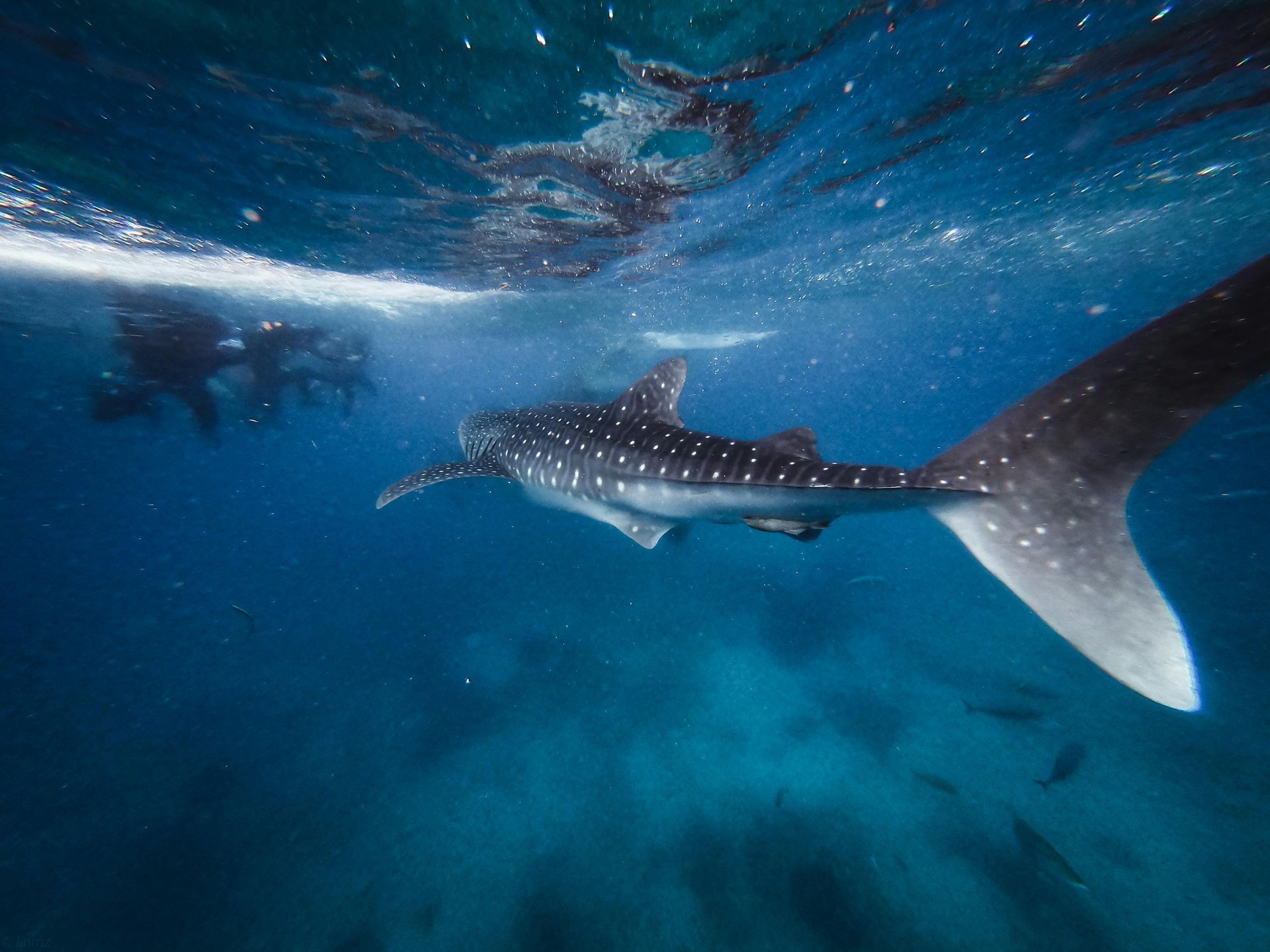

Swimming With Whale Sharks in Mozambique: What to Expect and How to Do It Responsibly
By Mozambique Travel • June 9, 2026

What Swimming With Whale Sharks in Mozambique Really Involves
Swimming with whale sharks in Mozambique is not a choreographed wildlife activity or a guaranteed checklist experience. It is an open-ocean encounter shaped by natural feeding behavior, weather conditions, and seasonal marine patterns. Travelers who arrive expecting reef-style dives or predictable sightings often misunderstand the nature of the experience. Mozambique offers something more authentic, encounters that happen on the ocean’s terms rather than on a fixed schedule.
Most encounters take place offshore, where whale sharks surface to feed on plankton. Boats search actively rather than anchoring at a known site, and swimmers enter the water only when conditions allow for calm, respectful interaction. This approach results in fewer encounters overall compared to baited destinations, but the quality and integrity of each experience is significantly higher.
Where Swimming With Whale Sharks Takes Place
The most established region for swimming with whale sharks in Mozambique is the Inhambane coastline, particularly around Tofo and Barra. These waters intersect plankton-rich currents that attract whale sharks during peak feeding periods. The area is supported by experienced skippers, long-standing marine research programs, and clear codes of conduct that guide interactions.
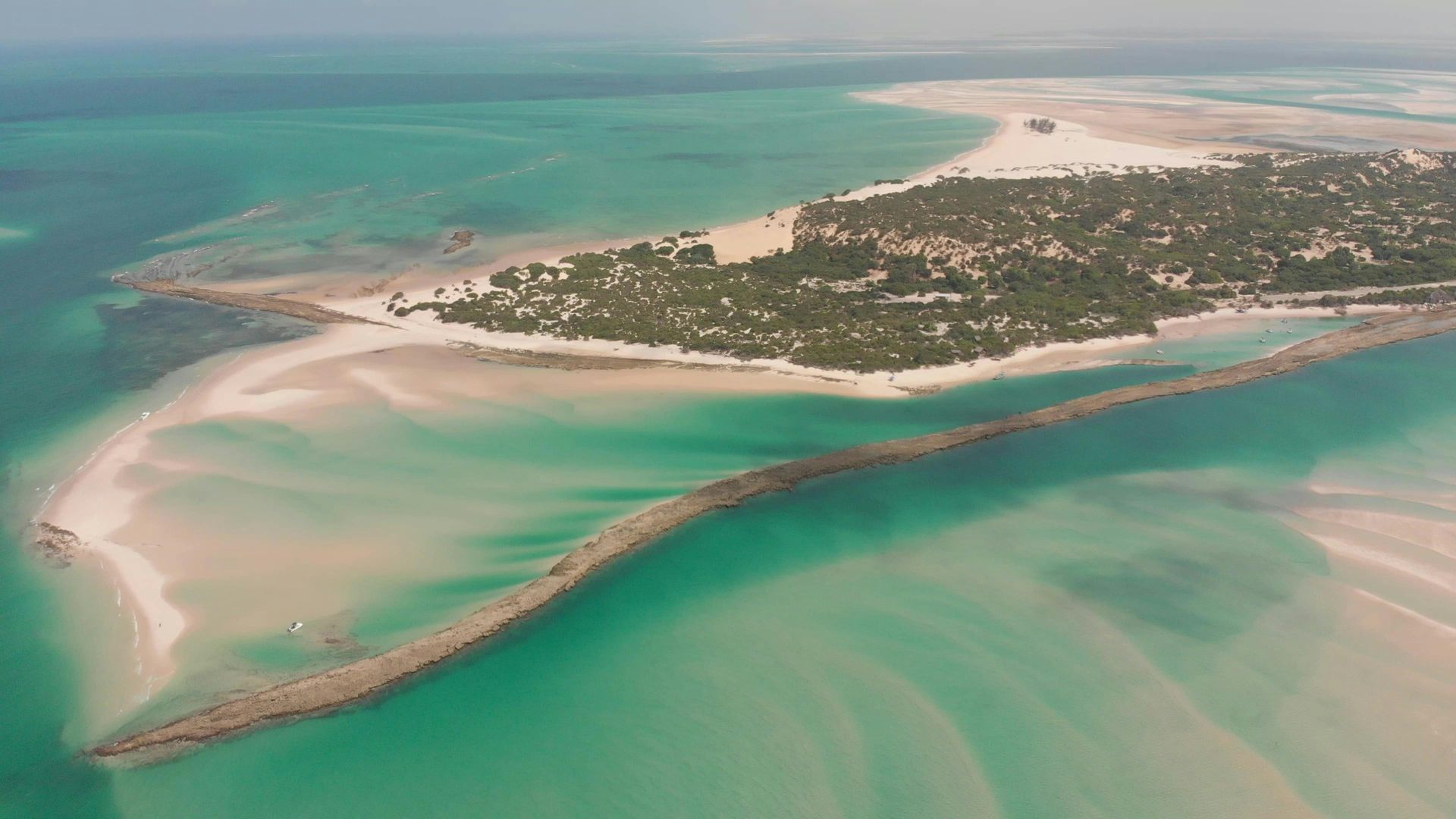
Whale shark encounters also occur further north along the coast near Vilanculos and offshore waters surrounding the Bazaruto Archipelago. While sightings here are less predictable, they offer the opportunity to combine open-ocean encounters with island stays and protected marine environments. Location choice should be guided by seasonal timing and itinerary flexibility rather than promises of guaranteed sightings.

What to Expect on the Day of a Whale Shark Swim
A typical whale shark excursion begins with a briefing covering safety, approach behavior, and environmental conditions. Boats then head offshore to search feeding zones, with spotters scanning the surface for whale shark movement. When a whale shark is located, swimmers enter the water in small groups, maintaining distance and allowing the animal to move freely.
Encounters may last only a few minutes or extend longer depending on the whale shark’s behavior. Visibility varies, particularly during peak plankton blooms, and swimmers should be comfortable in open water. The experience is calm rather than high-energy, defined more by observation and presence than speed or action.
Responsible Interaction Guidelines You Must Follow
Responsible whale shark tourism in Mozambique is governed by strict interaction principles designed to minimize stress on the animals. Swimmers are required to keep a respectful distance, avoid approaching from the front, and never attempt to touch or block the whale shark’s path. Flash photography, chasing, and crowding are prohibited.
These guidelines exist not to limit the experience, but to protect it. Whale sharks that are allowed to feed and move naturally are more likely to remain in the area, supporting long-term sustainability rather than short-term encounters. Choosing operators who enforce these rules consistently is essential for anyone serious about ethical wildlife travel.
Physical Requirements and Who This Experience Is Suitable For
Swimming with whale sharks in Mozambique is best suited to confident swimmers who are comfortable in open ocean conditions. While advanced diving certification is not required, basic swimming ability, good fitness, and confidence in the water are important. Seas can be choppy, and entry into the water is typically from a moving boat.
This experience appeals to travelers who value patience and realism over guaranteed outcomes. Families with older children, experienced snorkelers, and travelers with a genuine interest in marine life often find these encounters deeply rewarding when expectations are set appropriately.

Why Mozambique’s Approach Is Considered Ethical
Mozambique’s whale shark encounters are widely regarded as ethical because they rely on natural feeding behavior rather than artificial attraction. There is no baiting, no fixed aggregation site, and no pressure to deliver sightings at all costs. While this means encounters are less predictable, it preserves the integrity of the experience and protects whale sharks from habituation or stress.
Many local operators collaborate with marine researchers to log sightings and contribute data to regional conservation efforts. This partnership between tourism and science strengthens Mozambique’s reputation as a responsible whale shark destination rather than a mass-market attraction.
Timing Your Trip for the Best Experience
Swimming with whale sharks is most consistent between October and March, with peak months typically falling between December and February. During this period, warmer water temperatures and increased plankton blooms create ideal feeding conditions. Planning multiple ocean days into your itinerary increases the likelihood of encounters and reduces pressure on any single outing.
Travelers should avoid planning whale shark swims as a one-day add-on. Flexibility is key, and successful experiences often result from allowing the ocean to dictate timing rather than forcing encounters into tight schedules.
Safety, Conditions, and Reassurance for Travelers
Safety during whale shark excursions is managed through local knowledge rather than rigid rules. Skippers monitor weather patterns, sea state, and visibility, postponing trips when conditions are unsuitable. Boats are equipped with safety gear, and briefings ensure swimmers understand entry techniques and behavioral expectations.
Mozambique’s established marine tourism regions maintain strong safety records, particularly where experienced crews and consistent operators are involved. Travelers who book through reputable planners benefit from operator vetting and realistic itinerary design rather than last-minute decisions driven by availability.

Plan Your Trip
Swimming with whale sharks fits best into a coastal itinerary that allows time and flexibility. Most travelers base themselves in Inhambane or Vilanculos, scheduling multiple ocean days alongside relaxed beach time. This experience pairs naturally with island stays, snorkeling, and slow-paced coastal travel, creating space for encounters to happen without pressure or disappointment.

Plan a Responsible Whale Shark Experience for 2026
Swimming with whale sharks is not about ticking off an activity, it is about being present for a rare and natural encounter. Mozambique Travel has spent more than twenty years planning coastal journeys that respect seasonal marine behavior and realistic conditions. We help travelers choose the right base, allow sufficient time, and work only with operators who prioritize ethical interaction. If swimming with whale sharks is part of your 2026 plans, speak with our team about shaping an itinerary that puts responsibility and experience first.
Frequently asked questions about whale sharks
Is swimming with whale sharks in Mozambique ethical?
Yes, swimming with whale sharks in Mozambique is considered ethical because encounters rely on natural feeding behavior rather than baiting or artificial aggregation. Operators follow strict interaction guidelines that limit swimmer numbers and prevent touching or chasing. This approach protects whale sharks while allowing meaningful encounters that support long-term conservation and responsible tourism practices.
Do you need diving experience to swim with whale sharks?
No diving experience is required to swim with whale sharks in Mozambique, as encounters take place at the surface using snorkel equipment. However, swimmers should be confident in open water and comfortable entering the ocean from a boat. Good fitness and calm water confidence significantly improve the overall experience.
How close can you get to a whale shark?
Swimmers are required to maintain a respectful distance from whale sharks, typically several meters from the head and tail. Approaching from the side is permitted when the animal is feeding calmly. Touching, blocking movement, or swimming directly in front of a whale shark is not allowed under responsible interaction guidelines.
Can whale shark swimming be combined with other Mozambique activities?
Yes, whale shark swimming combines well with beach holidays, island stays, and wider coastal travel in Mozambique. Many travelers pair marine encounters with Vilanculos, the Bazaruto Archipelago, or relaxed lodges in Inhambane. Building flexibility into your itinerary allows you to enjoy alternative activities when ocean conditions are not suitable.
SHARE THIS POST
Are You Ready FOr Mozambique?
Page through our packages and find the offer right for you!
Ready to Speak to a Mozambique Travel Expert?
Get In Touch and Ask for a Call-Back Today