

Gorongosa Predator Comeback , How Lions, Leopards, and Hyenas Reclaimed a Lost Wilderness
By Mozambique Travel • June 10, 2026

How Gorongosa’s Predators Returned and What Their Recovery Means
Gorongosa National Park once stood as one of Africa’s most extraordinary wildlife destinations, but conflict and ecological collapse severely reduced its predator populations. For years, lions, leopards, hyenas, and other carnivores were almost completely absent. Today, thanks to long term restoration efforts, scientific partnerships, and community involvement, Gorongosa is witnessing one of the most remarkable predator recoveries in modern African conservation. Gorongosa Predator Comeback 2026 explores how carnivores returned, what research reveals about their behaviour, and why the resurgence of apex predators signals a healthy ecosystem with a promising future.
Understanding the History of Predator Decline
During the Mozambican civil war, wildlife faced extreme pressure from hunting, habitat destruction, and lack of park management. Large mammals, especially predators, declined sharply. Lions survived in very small numbers, while leopards and hyenas were rarely seen. Without apex predators, herbivore populations became unbalanced and ecological processes deteriorated. The absence of carnivores also reduced biodiversity signals that scientists use to measure ecosystem health. Rebuilding such populations required years of restoration, increased protection, and close monitoring.
How Restoration Set the Stage for Predator Recovery
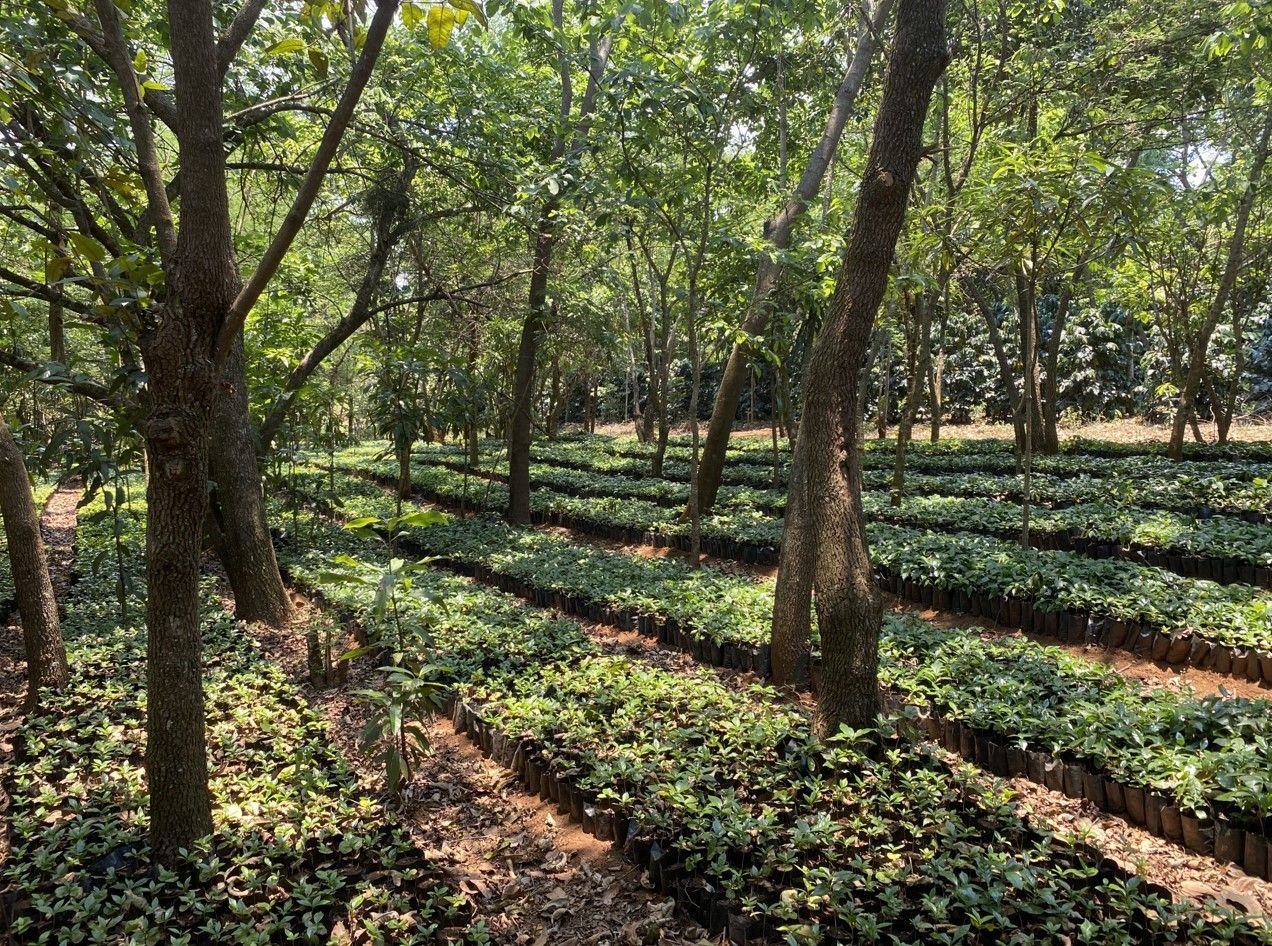
Gorongosa’s revival began with improving habitat quality, increasing prey numbers, and implementing strong protection. Reforestation, wetland rehabilitation, controlled burns, and reduction of illegal hunting created a stable foundation for predator return. Anti poaching units trained and supported by conservation partners prevented further losses. Camera traps, field surveys, and wildlife monitoring programs revealed early signs of carnivore movement into restored areas. As herbivore populations grew, predators gradually reoccupied their historical ranges.

The Comeback of Lions
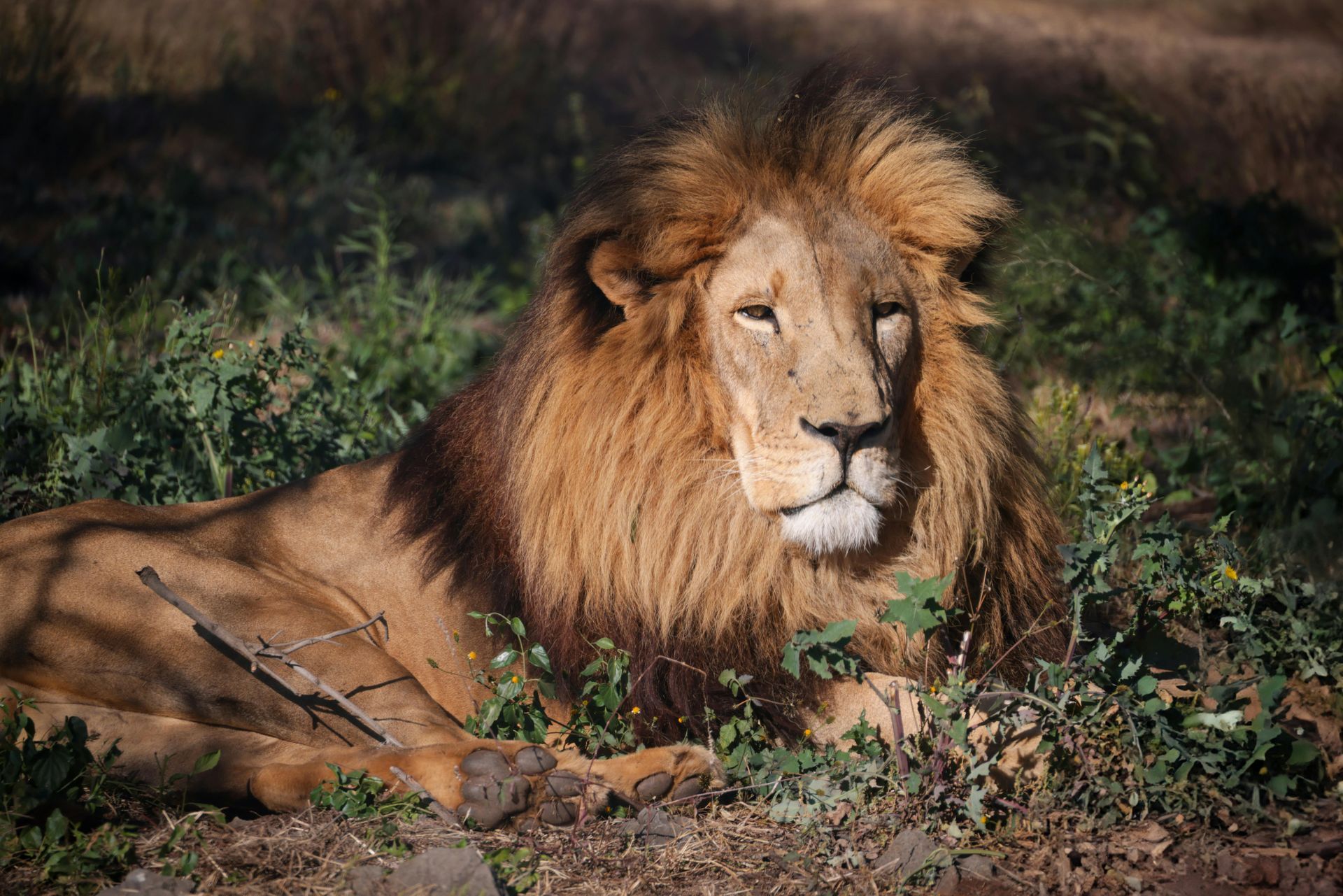
Lions are one of the most visible and scientifically important indicators of Gorongosa’s predator recovery. Once locally extinct due to war-driven poaching and habitat collapse, lions have returned through natural recolonisation supported by prey restoration and long-term ecosystem repair. Conservation teams have documented the formation of new prides, steady expansion of territorial ranges, and a marked increase in cub survival rates, all key signals of a stabilising apex predator population.
Lions are now regularly recorded hunting across Gorongosa’s floodplains, mixed woodlands, and river corridors, demonstrating that herbivore populations such as buffalo, waterbuck, and antelope have recovered sufficiently to support sustained predator growth. This landscape-wide use of habitat is particularly significant, as it indicates functional connectivity between ecosystems rather than isolated predator pockets.
Ongoing research plays a central role in understanding this recovery. Scientists track lion movements and pride dynamics using GPS collars, camera trap networks, spoor analysis, and long-term behavioural observation. These data sets are used to monitor territory size, hunting success, breeding patterns, and interactions with other predators such as leopards and hyenas. Findings from Gorongosa contribute to broader African lion conservation research and are frequently referenced in academic and conservation policy studies.
For travellers, the steady increase in lion numbers has translated into more consistent and meaningful sightings, often involving natural behaviours such as hunting, cub rearing, and pride social interaction. More importantly, the return of lions confirms that Gorongosa is once again functioning as a complete ecosystem, where predators regulate prey populations and maintain ecological balance. Their recovery stands as one of the strongest proofs that long-term, science-led conservation can restore even the most damaged landscapes.
Leopards Return to Their Historic Territory
Leopards were once elusive survivors, present only in small, scattered populations. Today, their numbers are rising due to improved habitat, prey availability, and protection. Camera trap images show leopards patrolling night routes, hunting in woodlands, and reclaiming ranges where they were absent for decades. Leopards require dense vegetation and healthy prey populations, both of which have been strengthened through restoration. As ecological conditions stabilise, leopard sightings have become more common, and researchers expect continued recovery.

Spotted Hyenas and Their Expanding Clans
Spotted hyenas are essential for maintaining ecological balance through scavenging and social hunting. After the war, hyenas nearly disappeared from Gorongosa, leaving carcasses unmanaged and nutrient cycles disrupted. In recent years, hyena clans have reappeared, establishing dens in areas where prey density is high. Their social calls echo across the plains at night, signalling a recovering carnivore guild. Scientists study hyena behaviour to understand how their return influences competition, scavenging, and disease reduction.
The Role of Prey Species in Predator Return
Predator recovery depends on abundant and stable prey populations. Gorongosa’s successful restoration of antelope herds, warthogs, zebras, and other herbivores has created the conditions necessary for large carnivores to return. The growth of waterbuck, kudu, and impala populations provides food for lions and leopards, while grazers such as buffalo influence predator movement across the plains. The relationship between predators and prey is a vital part of the natural cycle now returning to balance.
How Technology Helps Study and Protect Predators
Modern technology plays a crucial role in predator research.
GPS tracking collars monitor lions and leopards, revealing their territorial boundaries and hunting routes.
Camera trap networks capture images of carnivores, providing data on distribution and population trends.
Acoustic sensors detect hyena calls and territorial communication.
Drones assist in assessing habitat quality and observing wildlife without disturbance.
These tools help scientists measure progress, identify threats, and support long term management strategies that benefit the entire ecosystem.

Predator Behaviour in a Rebuilding Ecosystem
Predators in Gorongosa exhibit behaviours shaped by recovery and ecological change. Lions are reclaiming old territories, adjusting hunting strategies, and competing with other carnivores. Leopards are expanding into restored woodlands, taking advantage of increased prey. Hyenas are rebuilding social structures and adopting new denning areas. Researchers study how these carnivores interact, coexist, and influence ecosystem balance. These behavioural insights offer valuable information for global conservation efforts.
Why the Predator Comeback Matters for Biodiversity
Apex predators are essential for maintaining healthy ecosystems. They regulate herbivore populations, prevent overgrazing, and create opportunities for smaller species to thrive. Lions influence where herbivores graze, allowing plants and smaller animals to recover. Leopards control medium sized prey that would otherwise multiply unchecked. Hyenas help recycle carcasses quickly, reducing disease risks and supporting nutrient cycling. The predator comeback indicates a return to ecological functionality that benefits all wildlife in Gorongosa.

Visitor Experiences With Growing Predator Populations
As predator populations continue to stabilise and expand, visitor experiences in Gorongosa have become noticeably richer and more immersive. Safari drives now deliver more frequent and more natural predator sightings, particularly around floodplains, riverbeds, and seasonal water sources where prey species concentrate. Travellers often encounter lion prides resting during the heat of the day or actively hunting in the early morning and late afternoon, offering rare insight into authentic predator behaviour rather than chance sightings.
Woodland habitats provide excellent conditions for tracking leopards, with experienced guides interpreting tracks, alarm calls, and territorial markings to locate these elusive cats. After dark, the park’s soundscape transforms, with hyena calls, distant lion roars, and other nocturnal activity reinforcing the presence of a fully functioning predator hierarchy. These sensory experiences help visitors understand how predators shape ecosystem health beyond what is visible during daylight hours.
Many travellers value the educational depth that accompanies these encounters. Guides explain how predator recovery depends on prey restoration, habitat protection, and community-based conservation, helping guests connect what they see on safari to long-term conservation outcomes. Visitors increasingly appreciate that their stay directly contributes to funding research, anti-poaching patrols, and local livelihoods, making each safari experience part of Gorongosa’s wider recovery story rather than a passive wildlife viewing exercise.
Combining Predator Viewing with Other Gorongosa Highlights
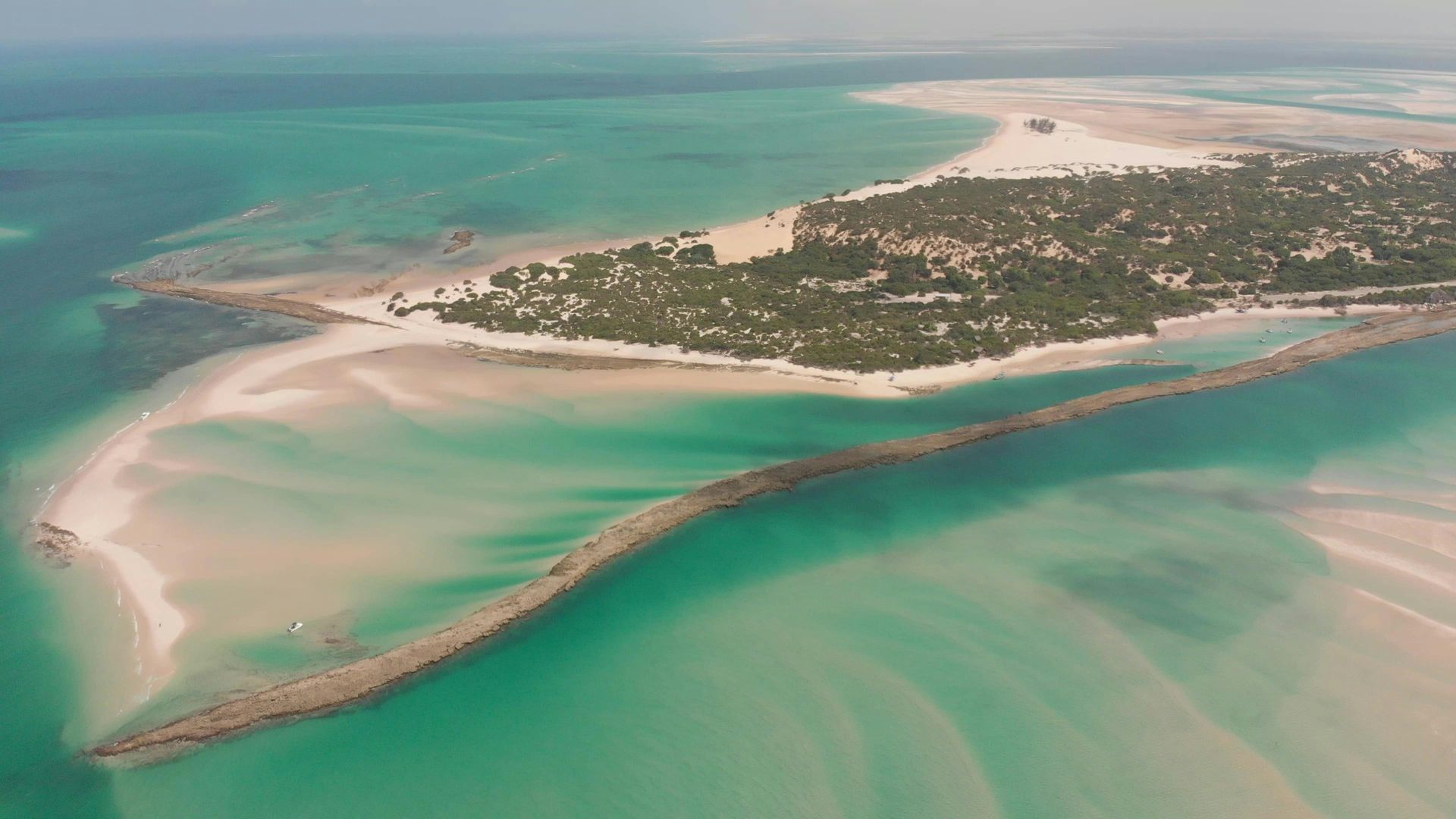
A predator focused safari can be combined with Mount Gorongosa rainforest excursions, birdwatching, and broader ecological experiences. Travellers often pair their visit with a beach extension to the Mozambique coast for a balanced holiday. The combination of wildlife, community projects, scientific insight, and coastal relaxation makes Gorongosa one of the most rewarding destinations for nature enthusiasts in 2026.
Plan a Predator Focused Safari with Expert Mozambique Travel Planners
If you want to experience lion prides, elusive leopards, and hyena clans returning to a restored wilderness, our Mozambique Travel experts can design the ideal 2026 safari for you. With more than 20 years of experience planning journeys across Mozambique, we know the best wildlife areas, viewing seasons, and combinations with coastal destinations. Speak to our team and let us create a personalised itinerary that highlights the predator comeback while supporting conservation and sustainable tourism.
Frequently asked questions about predators in mozambique
What caused the decline of predators in Gorongosa and how did recovery begin?
Predators declined during decades of conflict, hunting, and habitat loss. Recovery began when restoration programs improved habitat, increased prey numbers, and strengthened anti-poaching operations. Scientific monitoring and long-term protection helped predators slowly reclaim their historical territories.
How many lions are now found in Gorongosa National Park?
Lion populations have grown steadily due to restoration and protection. Exact numbers change as prides expand, cubs mature, and territorial ranges shift, but researchers confirm consistent growth over recent years. Sightings are now far more common on safari than a decade ago.
Are leopards difficult to see in Gorongosa?
Leopards are naturally elusive, but improved habitat and prey abundance have increased sightings. Camera trap data shows their range expanding across woodlands and river corridors. Patient observation during early mornings or late afternoons offers the best chances for sightings in 2026.
How do hyenas contribute to ecological restoration?
Hyenas maintain ecosystem health by scavenging carcasses, reducing disease spread, and balancing medium sized prey populations. Their return indicates an increasingly functional carnivore guild and a more resilient ecosystem overall.
Does predator recovery make Gorongosa safer or more dangerous for visitors?
Predator recovery has not compromised visitor safety. Safari vehicles follow strict guidelines, and trained guides understand predator behaviour. Visitors enjoy controlled, respectful viewing experiences that allow safe observation of lions, leopards, and hyenas.
Can a predator focused safari be combined with other activities in Gorongosa?
Yes. Travellers often combine predator viewing with birdwatching, Mount Gorongosa hikes, community visits, and general game drives. Many extend their trip with a beach stay for a complete Mozambique holiday.
SHARE THIS POST
Are You Ready FOr Mozambique?
Page through our packages and find the offer right for you!
Ready to Speak to a Mozambique Travel Expert?
Get In Touch and Ask for a Call-Back Today