

Elephants in Mozambique: Human Conflict, Migration Corridors, and the Challenge of Coexistence


By Mozambique Travel June 2, 2026

Why Elephants Matter in Mozambique’s Landscapes

Elephants are one of the most influential species in Mozambique’s ecosystems. As mega-herbivores, they shape vegetation structure by opening dense woodland, maintaining grasslands, creating access to water points, and dispersing seeds across vast distances. Their movements influence where other wildlife feeds, drinks, and migrates. Elephants help maintain ecological diversity, but their impact is not subtle.

They consume large quantities of vegetation and move unpredictably in response to water, forage, and seasonal change. In Mozambique, elephant conservation is inseparable from human livelihoods. Where elephants recover and thrive, interaction with people is inevitable, making coexistence one of the country’s most complex and pressing conservation challenges rather than a purely ecological one.


Where Elephants Occur in Mozambique Today

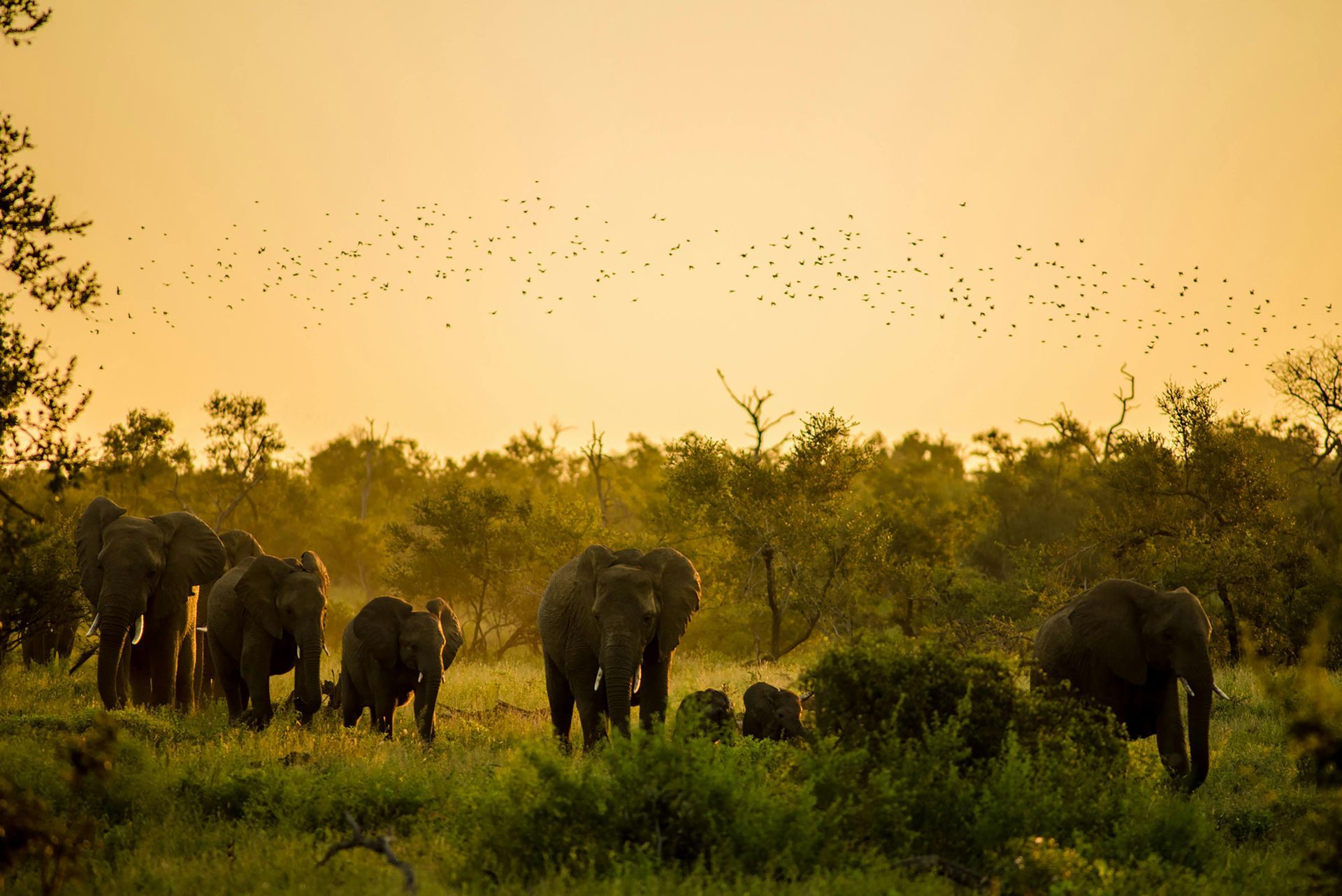
Elephants are found primarily in northern and central Mozambique, closely linked to large protected landscapes and remaining migration routes. Niassa National Reserve supports one of the country’s largest elephant populations and forms part of a wider transboundary ecosystem extending into southern Tanzania. Its scale has historically allowed elephants to move with relative freedom, although recent pressures from poaching, settlement, and land conversion have altered traditional movement patterns.

Gorongosa National Park has seen elephant numbers recover alongside broader ecosystem restoration. As populations increase, elephants increasingly move beyond park boundaries, interacting with surrounding farming communities. Smaller elephant groups also occur in other protected areas and wildlife corridors, often much closer to human settlement, where conflict risk is highest.

Person relaxing in a turquoise infinity pool overlooking lush greenery and two elephants nearby

Human–Elephant Conflict and Rural Reality

Human–elephant conflict in Mozambique is driven primarily by crop raiding. Elephants are attracted to maize, cassava, rice, bananas, and fruit crops, which provide concentrated nutrition compared to wild forage. For subsistence farmers, a single night of crop damage can erase months of labour and threaten household food security. Unlike predator conflict, elephant damage is highly visible, widespread, and often repeated over multiple nights. Encounters can also be dangerous. Elephants defending calves or responding to perceived threats may injure or kill people, increasing fear, stress, and resentment toward conservation efforts. The emotional toll of guarding fields at night is an often overlooked part of this conflict.


Why Elephant Conflict Is Increasing

Several interconnected factors are driving increased conflict between elephants and people in Mozambique. As elephant populations recover in protected areas, density increases and younger animals disperse into surrounding landscapes. At the same time, human populations around parks continue to grow, with farming expanding into former wildlife movement zones and floodplains.

Climate variability intensifies pressure further. Drought reduces natural forage and water availability, pushing elephants toward cultivated areas where resources are more predictable. Flooding can also displace elephants into higher ground occupied by farms. The result is a narrowing of space for both people and elephants, increasing the frequency and intensity of encounters.


Migration Corridors and Why They Matter

Elephants are naturally migratory, historically moving seasonally between feeding and watering areas across wide landscapes. Migration corridors allow elephants to move without becoming trapped in agricultural zones or settlements. When corridors are blocked by fencing, roads, or expanding villages, elephants are forced into closer and more frequent contact with people. In Mozambique, maintaining and restoring elephant corridors is one of the most effective long-term strategies for reducing conflict. Corridors reduce pressure on farms, limit repeated crop raiding, and preserve genetic connectivity between populations, supporting healthier elephant herds over time.

Two elephants in tall grass, one dark and one light, standing side by side in a forest clearing

Corridors, Borders, and Transboundary Conservation

Mozambique’s elephant conservation is closely tied to neighbouring countries. Northern Mozambique connects to elephant landscapes in southern Tanzania, while central regions historically linked to wider southern African systems. Transboundary conservation recognises that elephants do not respect political borders and require coordinated management.

Cooperation between countries improves migration planning, reduces poaching pressure, and strengthens monitoring. Where borders are enforced without ecological planning, elephants pay the price through restricted movement, heightened stress, and increased conflict with communities on either side of the boundary.


Poaching, Ivory, and Indirect Pressures

Although elephant poaching in Mozambique has declined from peak crisis levels, it remains a serious threat, particularly in remote northern regions. Ivory trafficking has historically undermined population stability and altered herd structure. Poaching also changes elephant behaviour.

Survivors may become more nocturnal, more defensive, and more likely to move through human areas to avoid detection. Even when poaching decreases, its legacy persists through disrupted migration routes, heightened aggression, and long-term trauma within elephant populations, all of which influence conflict patterns.

Two elephants walking through tall grass at sunset with orange light behind them

What Works in Reducing Human–Elephant Conflict

No single solution eliminates human–elephant conflict, but combined approaches have proven effective. Early warning systems, community patrols, and coordinated response teams help farmers prepare before elephants reach fields.

Physical deterrents such as chilli-based barriers, watch fires, and beehive fences can reduce crop raiding when consistently maintained. Crucially, land-use planning that protects corridors, limits farming in high-risk zones, and establishes buffer areas delivers the greatest long-term benefit by preventing conflict rather than reacting to damage after it occurs.


The Role of Communities in Elephant Conservation

Communities living alongside elephants carry the greatest costs of conservation. Without tangible benefits, tolerance declines rapidly. Community-based conservation initiatives that provide employment, revenue sharing, education, and support services improve attitudes toward elephants.

Where communities are included in decision-making, reporting improves, conflict response becomes faster, and illegal killing declines. Elephant conservation succeeds only when communities are treated as partners whose safety and livelihoods are integral to conservation outcomes.


Tourism, Elephants, and Responsibility

Tourism plays a complex role in elephant conservation. Revenue from tourism supports protected area management, monitoring, and community programmes. However, tourism can exacerbate conflict if elephants are prioritised over human safety or if benefits bypass local residents. Responsible tourism in Mozambique emphasises distance, respect, and ecological integrity rather than close encounters or staged experiences. When done well, tourism supports coexistence rather than increasing pressure on elephants and people.

Two elephants touching trunks beside a smaller elephant in a dry, bushy landscape.

The Future of Elephants in Mozambique

Elephants in Mozambique face a future shaped by decisions made today. Corridor protection, community engagement, strong governance, and regional cooperation offer a realistic path forward. Without these measures, conflict will intensify as both human and elephant populations grow. Mozambique remains one of the few countries where elephants still have space to move, adapt, and recover. Preserving that opportunity is central to the future of both wildlife conservation and rural livelihoods.


What Travellers Should Understand About Elephants in Mozambique

Elephant encounters in Mozambique occur within real, working landscapes rather than isolated wildlife enclaves. Conservation here prioritises coexistence over spectacle and accepts that conflict is part of recovery. Travellers support solutions by choosing operators committed to ethical practices and community engagement. Elephants are not just icons of wilderness. They are neighbours, and learning to live alongside them remains Mozambique’s greatest conservation challenge.

Featured Packages


Frequently asked questions about elephants

  • Why is human–elephant conflict so common in Mozambique

    Conflict is common because elephants and people rely on the same land, water, and fertile soils. As elephant populations recover and farming expands, overlap increases. Crops provide high nutritional value, drawing elephants repeatedly. Without protected corridors and buffer zones, elephants are forced into agricultural areas, making conflict frequent and difficult to avoid.

  • Are elephants in Mozambique dangerous to travellers

    Elephants pose minimal risk to travellers when activities are guided responsibly. Most incidents involve farmers protecting crops, not visitors. Lodges operate with safety protocols, trained guides, and controlled viewing distances. Travellers should follow instructions carefully, respect elephant space, and avoid unsupervised movement in wildlife areas, especially near water or dense vegetation.

  • Do elephant corridors really reduce conflict

    Yes, functioning corridors allow elephants to move between habitats without passing through farms. This reduces repeated crop raiding and limits stress on both elephants and communities. Corridors also maintain genetic diversity and healthier herds. Long-term planning and community cooperation are essential for corridors to remain effective.

  • How can tourism help elephant conservation in Mozambique

    Tourism funds protected areas, anti-poaching efforts, and community projects that improve tolerance for elephants. When benefits reach local people through jobs and revenue sharing, support for conservation increases. Ethical tourism that avoids disturbance and respects community needs strengthens coexistence rather than worsening conflict.

SHARE THIS POST

Are You Ready FOr Mozambique?

Page through our packages and find the offer right for you!


Ready to Speak to a Mozambique Travel Expert?

Get In Touch and Ask for a Call-Back Today

Latest Posts

Leopard in dappled forest light, facing left in profile
By Mozambique Travel June 1, 2026
Leopards in Mozambique explained. How Africa’s most adaptable predator survives near communities, causes conflict, and what coexistence really looks like.
Person sitting at the end of a wooden dock, facing a calm lake and distant mountains under cloudy skies
By Mozambique Travel May 29, 2026
Solo woman travel in Mozambique explained. Learn where women travel safely, key safety considerations, and how to plan with confidence.
Aerial view of a tropical lagoon with turquoise water, dense green shoreline, and distant ocean horizon
By Mozambique Travel May 28, 2026
Snorkelling in the Bazaruto Archipelago offers clear water, coral reefs, turtles, rays, and dugongs, with access from Vilanculos and Benguerra Island.
Pangolin curled up on a rock, showing gray overlapping scales against a blurred green background
By Mozambique Travel May 27, 2026
Pangolins in Mozambique explained in depth. Species, trafficking routes, conservation efforts, threats, and why Africa’s most trafficked mammal faces extinction.
Aerial view of a rocky island in dark blue water beside pink and white salt formations
By Mozambique Travel May 26, 2026
Compare Benguerra Island, Bazaruto Island, and Vilanculos to find the best Mozambique destination for beaches, marine life, accommodation, and travel style.
Three lion cubs resting in grass, with one alert and another grooming beside a blurred cub in the background.
By Mozambique Travel May 25, 2026
Lions in Mozambique explained in depth. Predator populations, conservation success, human conflict, and the future of Africa’s apex predators.
Show More