

Gorongosa National Park Travel Guide 2026
By Mozambique Travel • August 28, 2025
The Ultimate Travel Guide to Exploring Gorongosa National Park
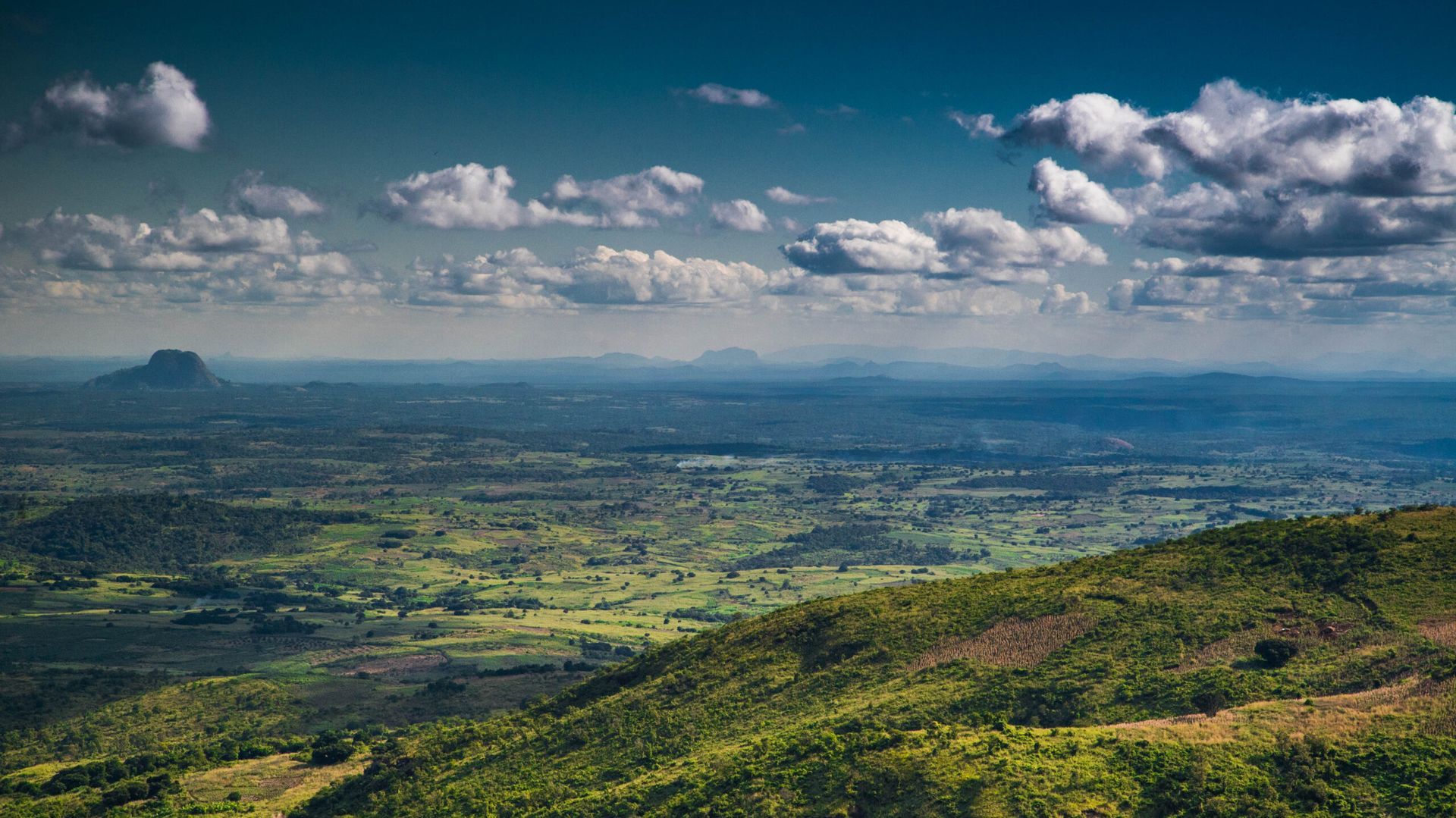
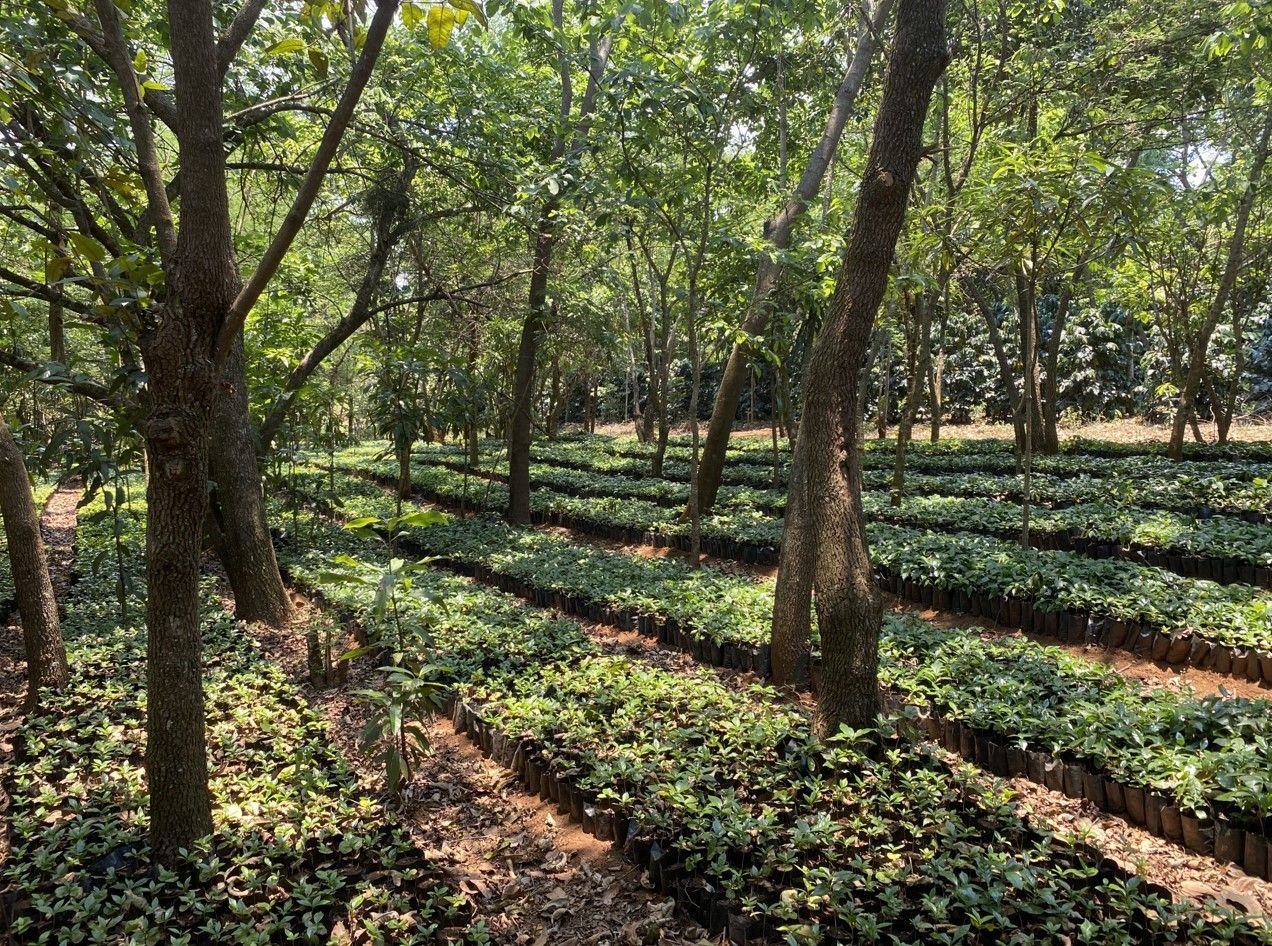
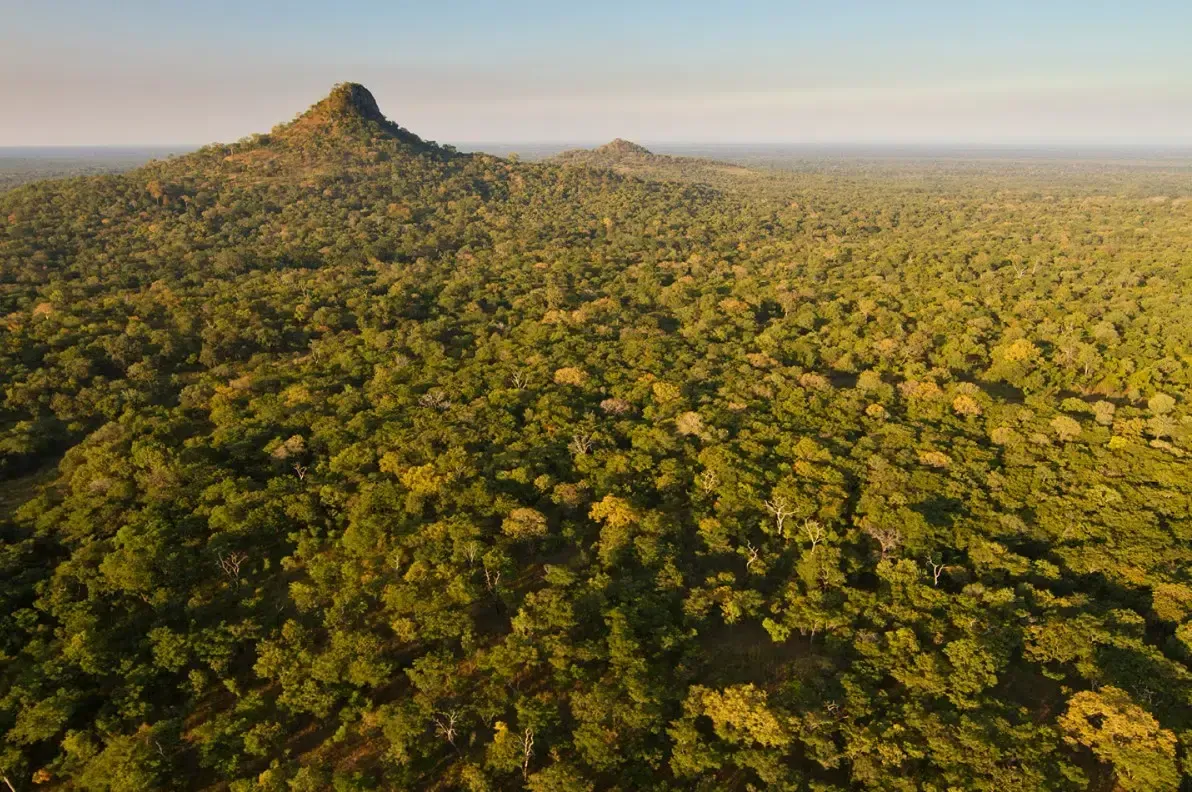
Gorongosa National Park remains one of Mozambique’s most extraordinary wilderness destinations, often praised for its sweeping floodplains, rich forests, and powerful story of ecological revival. Known for its diverse habitats, the park covers more than 1,500 square miles of wetlands, river systems, savannas, and montane forests shaped by Mount Gorongosa’s unique microclimates. Wildlife viewing is exceptional, and the park’s ongoing conservation programs make every visit both impactful and unforgettable.
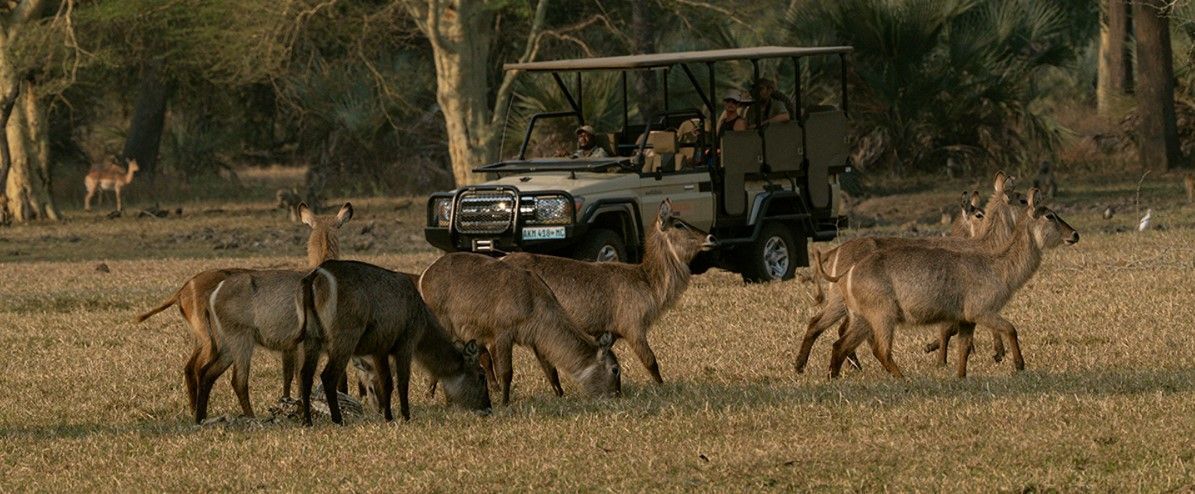
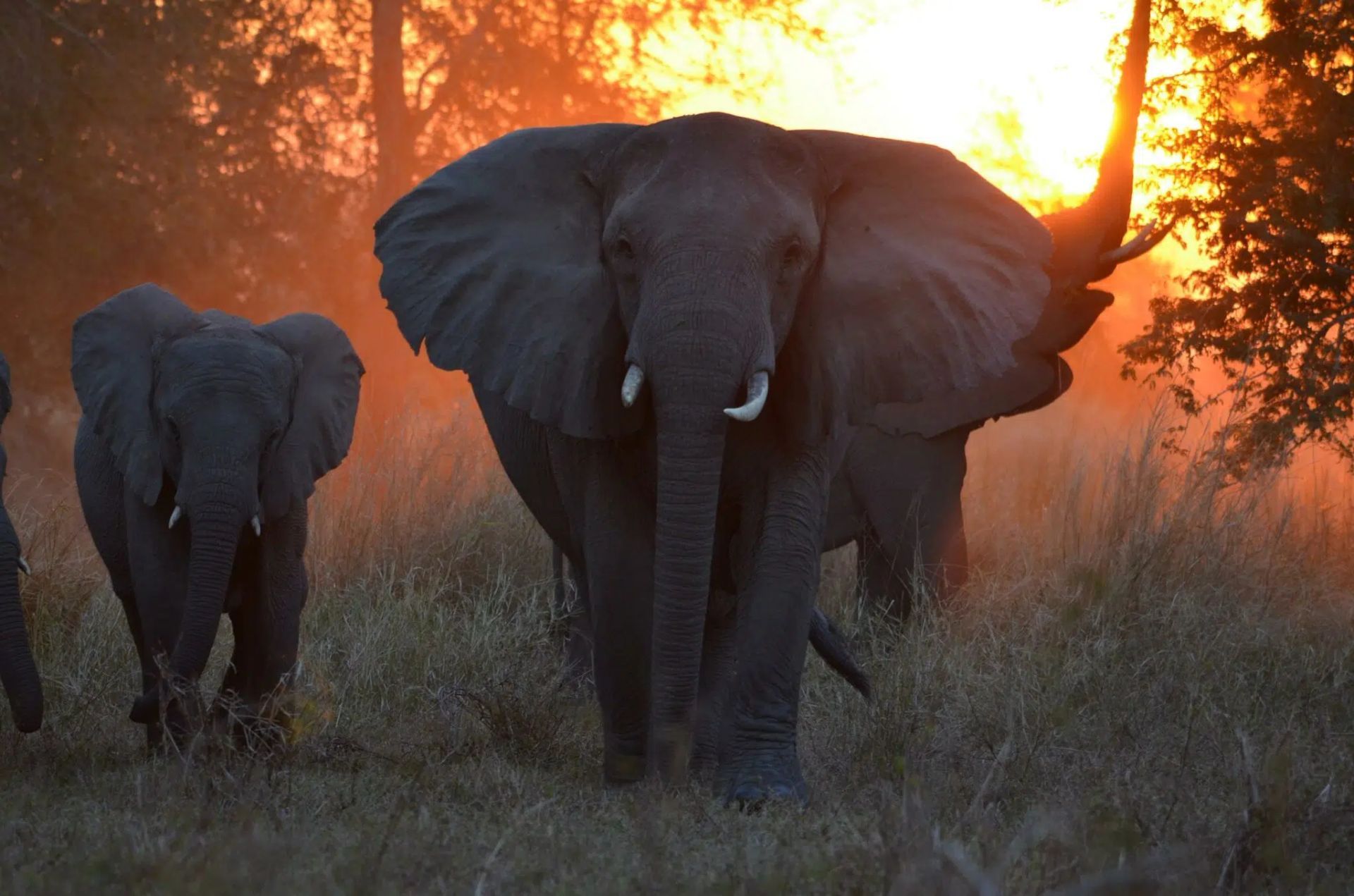
Visitors enjoy rewarding safari experiences that include sightings of elephants, lions, hippos, and wild dogs. Guided walks reveal the smaller, intricate rhythms of the ecosystem, while birdwatchers appreciate more than 500 species including kingfishers, hornbills, bee-eaters, and secretive forest species. Its dramatic Rift Valley landscape offers sunrise photography, waterfall hikes, and special access to habitats rarely explored by mainstream safari crowds.
Tourism directly fuels Gorongosa’s model of conservation, helping fund anti-poaching patrols, wildlife monitoring, community health projects, and sustainable agriculture. Few national parks in Africa blend biodiversity protection,
community upliftment, and scientific research as successfully as Gorongosa. For travelers seeking purpose and wilderness, this is a rare destination where every safari directly supports a brighter future.
Gorongosa’s Landscape and Wildlife Highlights
Gorongosa’s terrain is exceptionally varied, offering contrasting ecosystems within short distances. Seasonal floodplains and grasslands draw herds of antelope, buffalo, and zebra, while lake systems attract hippos and prolific birdlife. The higher slopes of Mount Gorongosa support rare plants, endemic creatures, and cool montane forests that create a completely different safari mood.
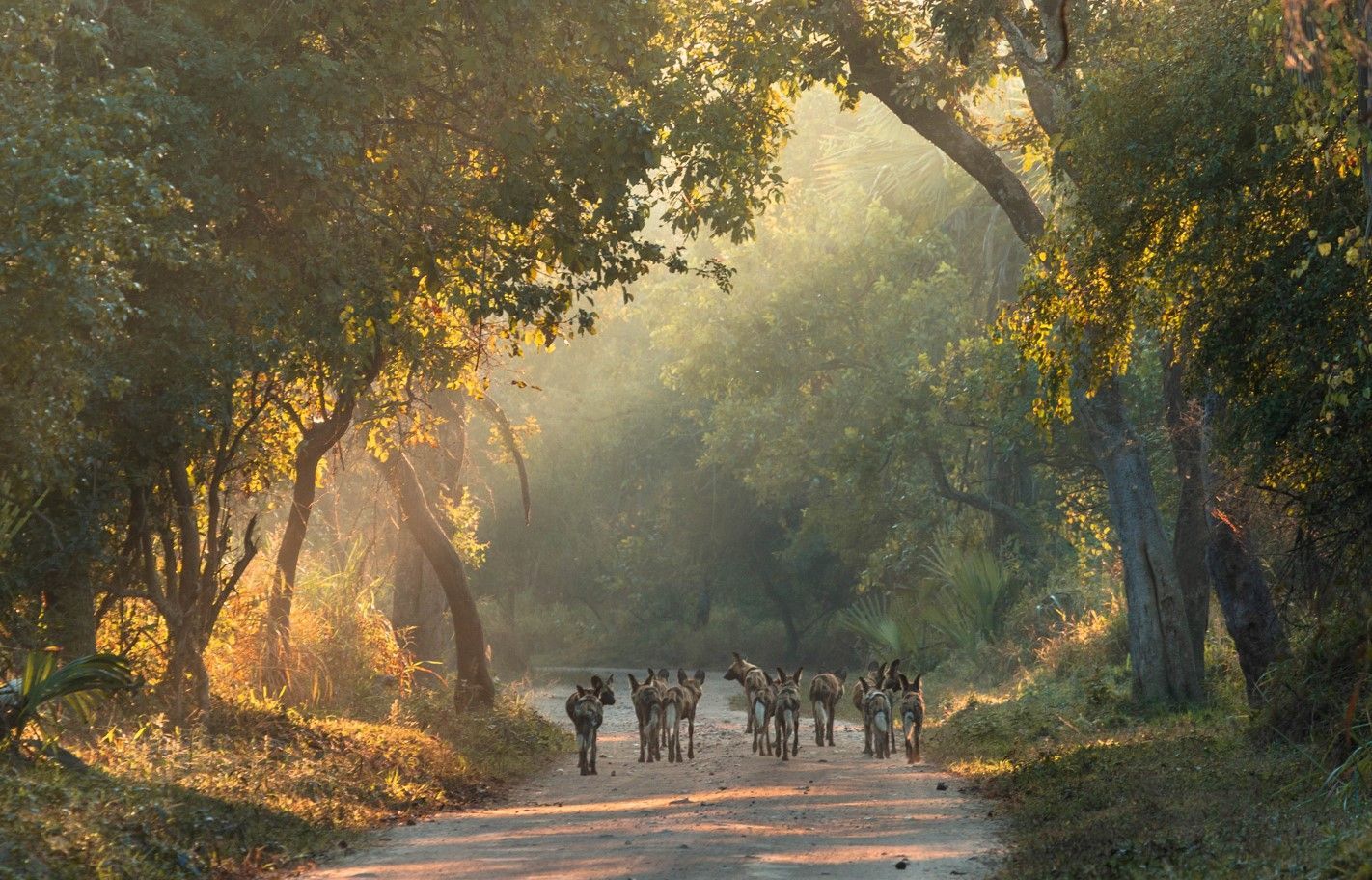
Wildlife sightings focus on elephants, recovering lion populations, thriving antelope species, and the successful return of African wild dogs. Canoe trips offer different perspectives of the waterways, while scenic drives reveal panoramic Rift Valley views. With rising species numbers and fewer crowds than other African parks, Gorongosa remains an excellent choice for meaningful wildlife travel.
Where to stay in Gorongosa – a new camp and new safari experiences for 2026
Visitors can choose between immersive tented camps, refined bush retreats, and comfortable mid-range options depending on travel style and season.
Chicari Camp
Chicari Camp provides a close-to-nature safari experience, positioned around an active waterhole. This seasonal camp features eight spacious safari tents and two unique treehide tents, each with ensuite facilities, views over natural bush, and solar-powered lighting. Raised walkways offer privacy while keeping guests connected to the landscape.
Guests enjoy relaxed lounge areas, storytelling around the fire, guided activities, and the thrill of staying in one of Mozambique’s most unspoiled safari environments.
Muzimu Lodge
Muzimu Lodge lines the Mussicadzi River and blends eco-luxury with wilderness solitude. Six spacious tents feature private decks, ensuite bathrooms, and East African-inspired design. The dining deck, lounge, and pool overlook riverine forest, creating serene spaces for downtime between guided drives.
Muzimu is ideal for travelers who appreciate conservation leadership, tranquil settings, and meaningful safari experiences with expert guides.
Chitengo Camp
Montebelo Chitengo Safari Camp offers a mid-range alternative with comfortable rooms and family-friendly bungalows. It is well-suited to travelers wanting modern amenities while staying close to the park’s main activity hub. The camp provides easy access to game drives, pool areas, dining options, and educational facilities linked to the park’s science programs.
Predator Reintroductions and Recent Conservation Milestones
Gorongosa’s predator restoration efforts continue to show remarkable progress. In late 2024, the park welcomed two additional leopards and seven spotted hyenas as part of a long-term recovery plan. These new arrivals strengthen ecological balance, improve prey regulation, and support overall biodiversity.
Since 2020, six leopards have been relocated successfully, while hyena numbers continue to rise. The project is a collaboration between Mozambique Wildlife Alliance, TotalEnergies LNG, Karingani Game Reserve, and ANAC, forming a strong foundation for long-term predator stability.
Beyond these reintroductions, Gorongosa’s predator program continues to expand through enhanced monitoring, collaring initiatives, and habitat management designed to support long-term survival. Field teams now track key individuals daily, collecting data that informs future releases and strengthens genetic diversity across the park. Community involvement also plays an important role, with education programs helping reduce human-wildlife conflict in nearby villages. As prey populations grow and ecosystems stabilise, Gorongosa is steadily rebuilding a functional predator guild capable of sustaining itself for generations.
Partners in the collaborative effort include the Mozambique Wildlife Alliance, the Karingani Game Reserve, the Administração Nacional das Áreas de Conservação and TotalEnergies’ Mozambique LNG.
How to Get to Gorongosa National Park in 2026?
By Air
Most visitors fly into Beira International Airport, which offers reliable connections from Johannesburg, Maputo, Nairobi, and other African hubs. Light aircraft flights from Beira to Chitengo Airstrip take about 30 minutes and provide scenic aerial views of the Rift Valley and surrounding wilderness. Mozambique Travel helps coordinate seat-rate flights operated by Safari Air, which run on most days except Wednesday.
By Road
Gorongosa is roughly 200 km from Beira. The drive takes about two and a half hours depending on weather and road conditions. A standard vehicle can be used in the dry season, although a 4×4 remains the safest choice. The park closes annually from 1 December to 15 April due to flooding, and private game driving is not permitted.
How much does it cost to visit Gorongosa in 2026?
The cost of a trip to Gorongosa can vary widely depending on the level of accommodation and activities chosen. Here’s a rough breakdown of potential expenses:
- Park Entrance Fees: $20 per person per day for international visitors, and a $100 conservation fee to stay at Chicari and Muzimu.
- Guided Game Drives and game activities are included in the below rates
- Muzimu from $950 per person sharing per night
- Chicari Camp from $850 per person sharing per night
- Charter Flights and seat rates: $250 per person for a one-way flight from Beira to Gorongosa.
Wildlife You’ll See in Gorongosa
Gorongosa’s renewed ecosystems support some of the most varied wildlife encounters in Mozambique, offering exceptional sightings across forests, floodplains, and river systems. As the park continues its ecological recovery, animal numbers rise steadily, and species diversity strengthens each season. Visitors can expect rewarding game viewing with a mix of large mammals, predators, rare birds, and unique endemic species found only in this remarkable landscape.
- Elephants in growing numbers
- Lions with improving genetic lines
- Success stories of African wild dogs
- Hippos and crocodiles in rivers and lakes
- Buffalo, zebra, and varied antelope species
- More than 400 bird species including cranes and pittas
- Endemic species such as bush pigs and suni antelope
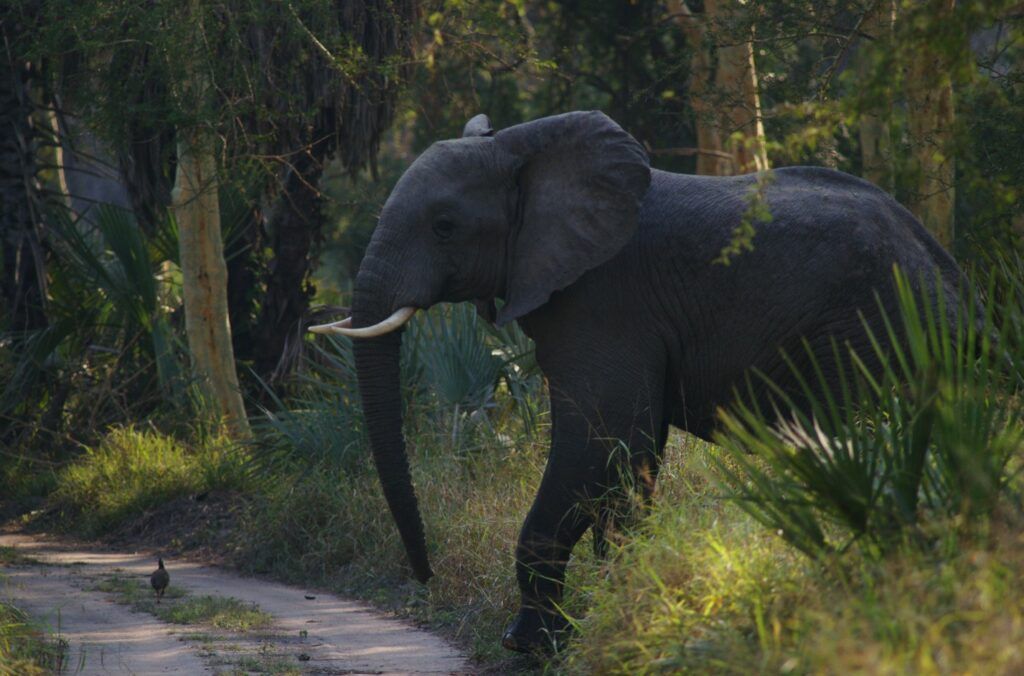
The History of Gorongosa National Park
Early Development
Gorongosa became a hunting reserve in 1920 and a national park in 1960. Its diverse landscapes made it one of the most prominent safari destinations in southern Africa, drawing international travellers seeking big game and rugged adventure.
Civil War and Decline
The civil war between 1977 and 1992 devastated wildlife, habitats, and local communities. Predator populations collapsed, herbivores were nearly wiped out, and infrastructure fell into disrepair. This period remains a defining chapter in Gorongosa’s history, showing how quickly natural systems can unravel.
Conservation Revival
The Gorongosa Restoration Project launched in the early 2000s through a partnership with the Mozambican government and philanthropist Greg Carr. Reintroduction programs, anti-poaching units, scientific research, and community engagement transformed the park into one of Africa’s most admired conservation models. Educational outreach and the Gorongosa Science and Conservation Initiative now support a new generation of Mozambican conservationists.
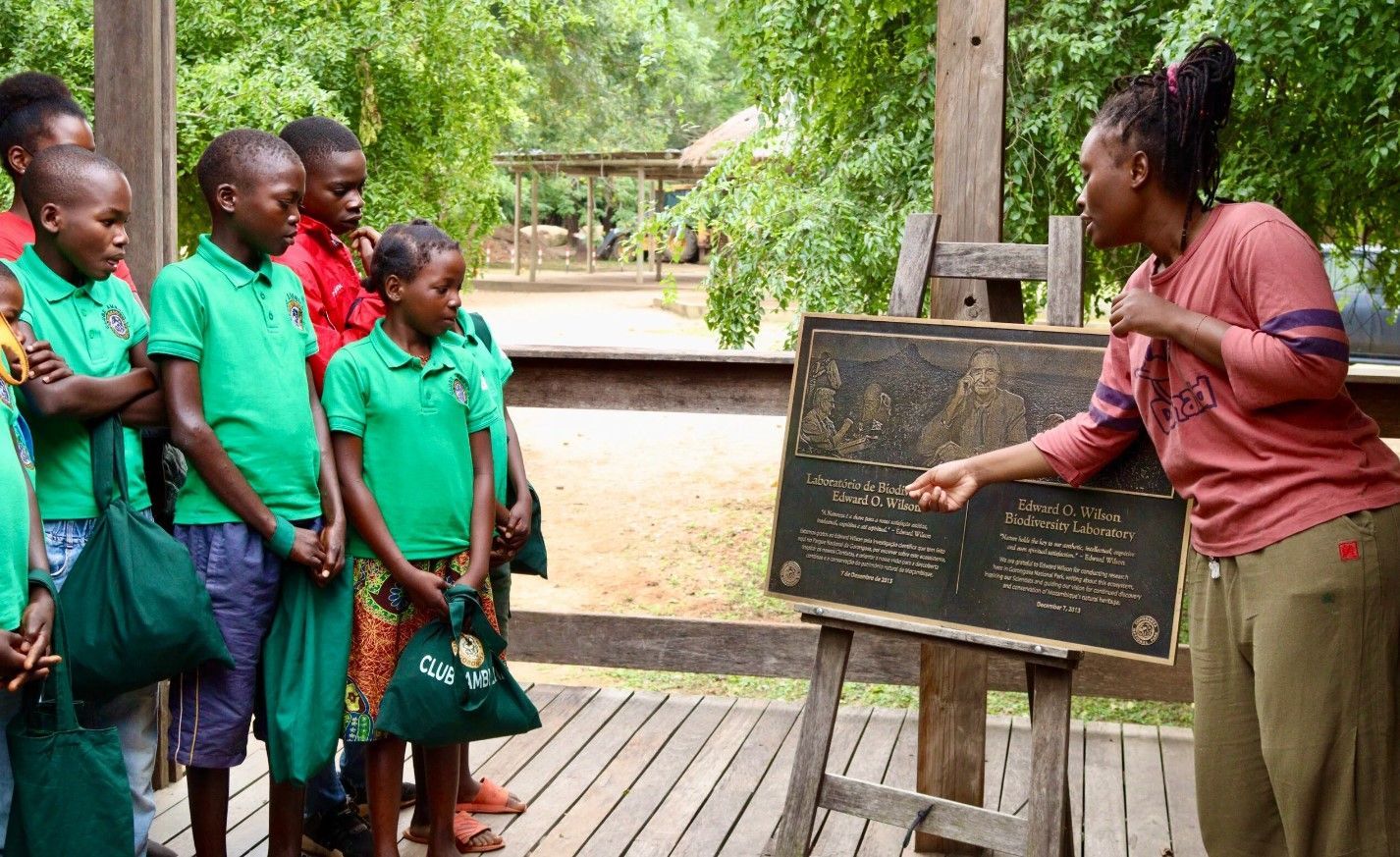
Key successes of Gorongosa National Park include:
- Reintroduction of key species, including wild dogs and pangolins.
- Significant growth in lion and elephant populations.
- Expansion of park boundaries to protect more habitats.
- Sustainable tourism that benefits local communities.
The Gorongosa Science & Conservation Initiative, which trains Mozambican scientists and researchers.
Best Time to Visit Gorongosa
Dry Season (May-October)
The best time for wildlife viewing is during the dry season when animals congregate around water sources, making them easier to spot. The cooler temperatures also make safaris more comfortable. Note that the park is closed 1 December to 15 April annually as the floodplains become impassable.
Book Your Gorongosa Safari with Mozambique Travel
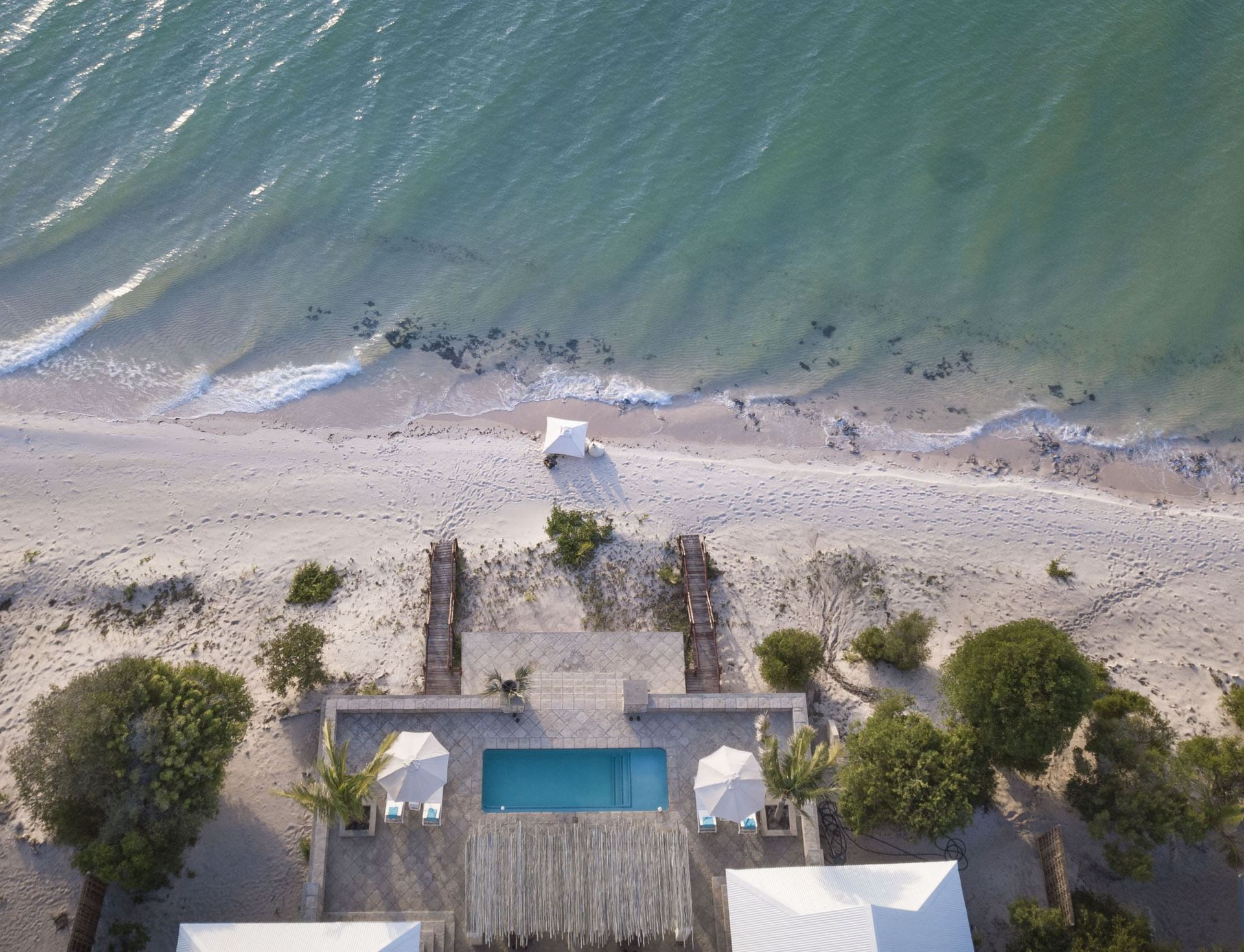
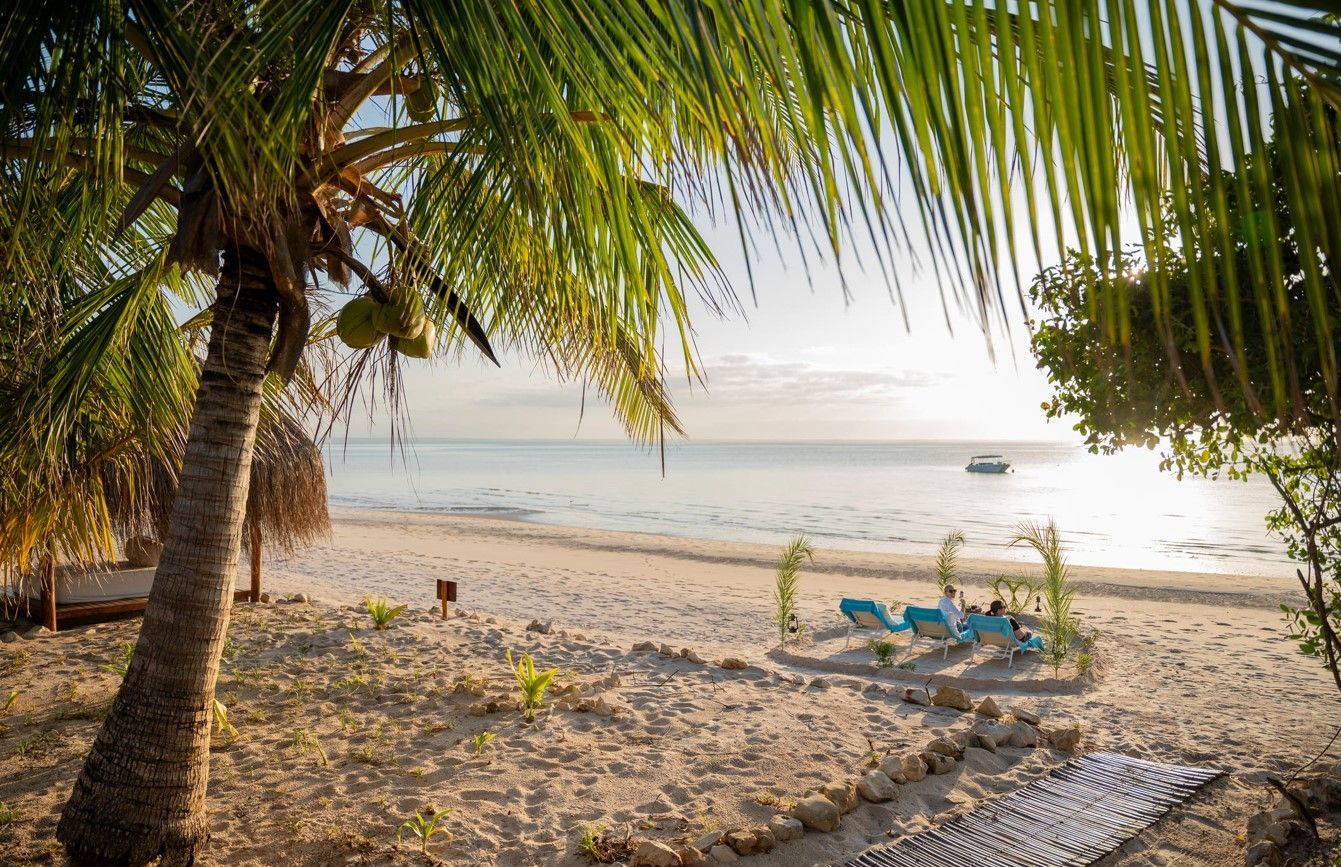
Gorongosa National Park is a compelling destination for travelers seeking conservation-focused safaris, scenic diversity, and authentic wildlife encounters. With decades of experience, Mozambique Travel arranges seamless safari itineraries, lodge bookings, transfers, and extensions to Mozambique’s beaches for a complete holiday experience.
Start planning your 2026 Gorongosa adventure with specialists who understand the landscape, the wildlife, and the conservation mission that makes this park so extraordinary.
Read our other comprehensive blogs on this incredible National Park in Mozambique here:
How to Get to Gorongosa National Park?
What the future holds for Gorongosa?
Featured Packages
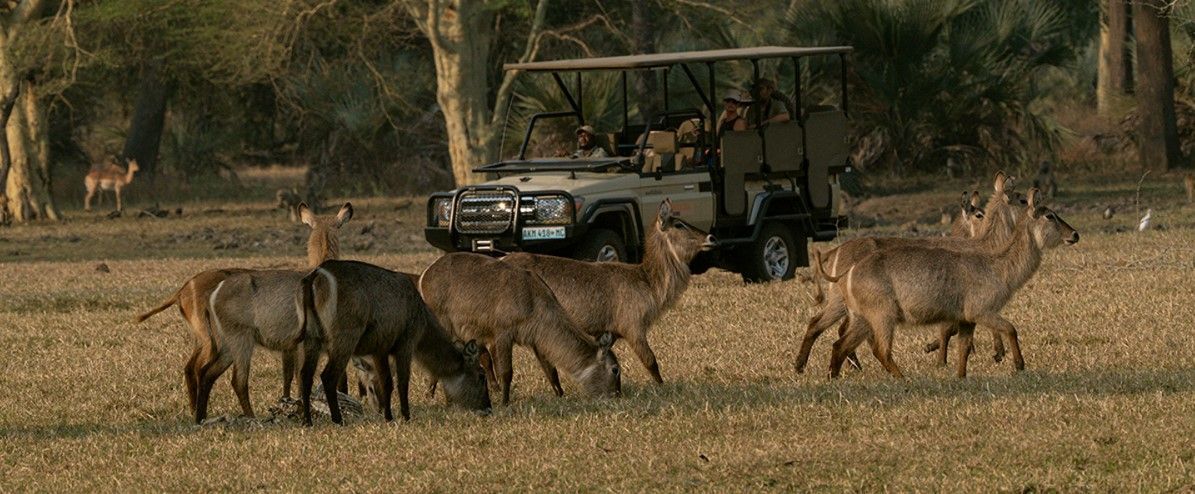
Mozambique Culture Safari and Beach Package 2026
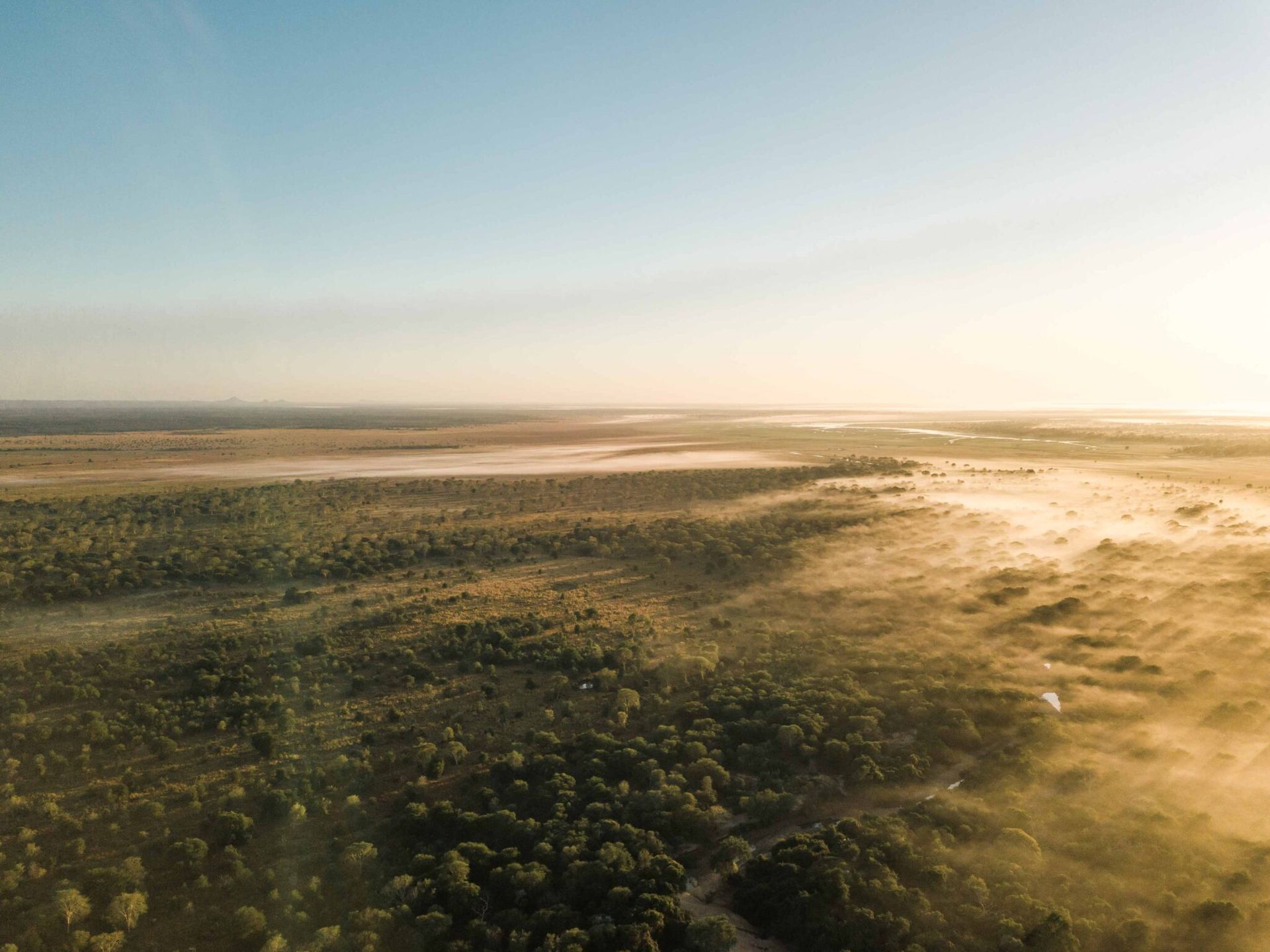
Five-Night Gorongosa Safari Explorer
Chicari Camp Five-Night Safari From Johannesburg
Frequently asked questions
What is the best way to plan a Gorongosa National Park safari itinerary for 2026?
The most effective way to plan a Gorongosa safari is to decide first how many nights you want in the park and what kind of activities matter most. Three to four nights allows time for game drives, walking safaris, and visits to community or conservation projects. Once your dates are set, secure accommodation at Muzimu, Chicari, or Chitengo, then arrange transfers through Mozambique Travel. They coordinate flights, seat-rate air links, and park access, making the entire itinerary smooth and efficient.
Can I visit Gorongosa all year round?
No, the park is closed annually from 1 December to 15 April due to flooding on the plains. The best time to visit is the dry season from May to October, when game viewing is at its best.
What makes Gorongosa different from better-known safari parks in Kenya or Tanzania?
Gorongosa offers uncrowded wilderness and a strong conservation focus. Unlike some commercialized parks, it blends thrilling wildlife encounters with community-driven initiatives, scientific research, and rewilding projects. Visitors enjoy a more intimate safari while supporting sustainable tourism.
How do I choose between Muzimu Lodge, Chicari Camp, and Chitengo for my Gorongosa stay?
Muzimu Lodge is ideal for travellers who want a quiet, high-end experience with elevated river views and guided activities. Chicari Camp suits guests who prefer immersive tented stays close to wildlife, natural waterholes, and night skies. Chitengo is best for families or travellers who want comfort, dining options, and easy access to the park’s main hub. Your choice depends on your budget, style of travel, and the type of atmosphere you prefer on safari.
What wildlife experiences are unique to Gorongosa compared to other parks in southern Africa?
Gorongosa offers several wildlife encounters that stand out in the region. The recovering wild dog population is a major highlight, along with the chance to see lions from re-established pride lines. The floodplain scenery creates dramatic sightings of antelope herds, wading birds, and wetland predators. Mount Gorongosa also provides specialised birding and botanical experiences not found in most southern African parks. With lower visitor numbers, the sightings feel more intimate and unhurried.
What are the most affordable ways to combine Gorongosa with Mozambique’s beaches?
The most cost-effective combination pairs a few nights at Chitengo or Chicari Camp with a beach stay in Vilanculos or Tofo, where mid-range lodges offer good value. Travellers can take road transfers between destinations or book short seat-rate flights that reduce travel time. Choosing shoulder-season dates outside peak holidays also helps keep costs down. Mozambique Travel can package both the safari and coastal stay to secure lower rates and reliable connections.
How does Gorongosa support local communities through responsible tourism in 2026?
Gorongosa’s model strongly integrates community development into every tourism activity. Visitor fees help fund clinics, schools, sustainable farming programs, and conservation training for young Mozambicans. Many local residents are employed as guides, rangers, lodge staff, and researchers. The park further invests in education through the Gorongosa Conservation and Science Initiative, which offers scholarships and field training. Travellers directly contribute to these programs simply by visiting and choosing locally supported lodges.
SHARE THIS POST
Are You Ready FOr Mozambique?
Page through our packages and find the offer right for you!
Ready to Speak to a Mozambique Travel Expert?
Get In Touch and Ask for a Call-Back Today
Latest Posts