Gorongosa Birdwatching Guide, Discover Africa’s Most Diverse Bird Habitats in One Park


By Mozambique Travel January 13, 2026

Gorongosa Birdwatching Guide Overview for 2026

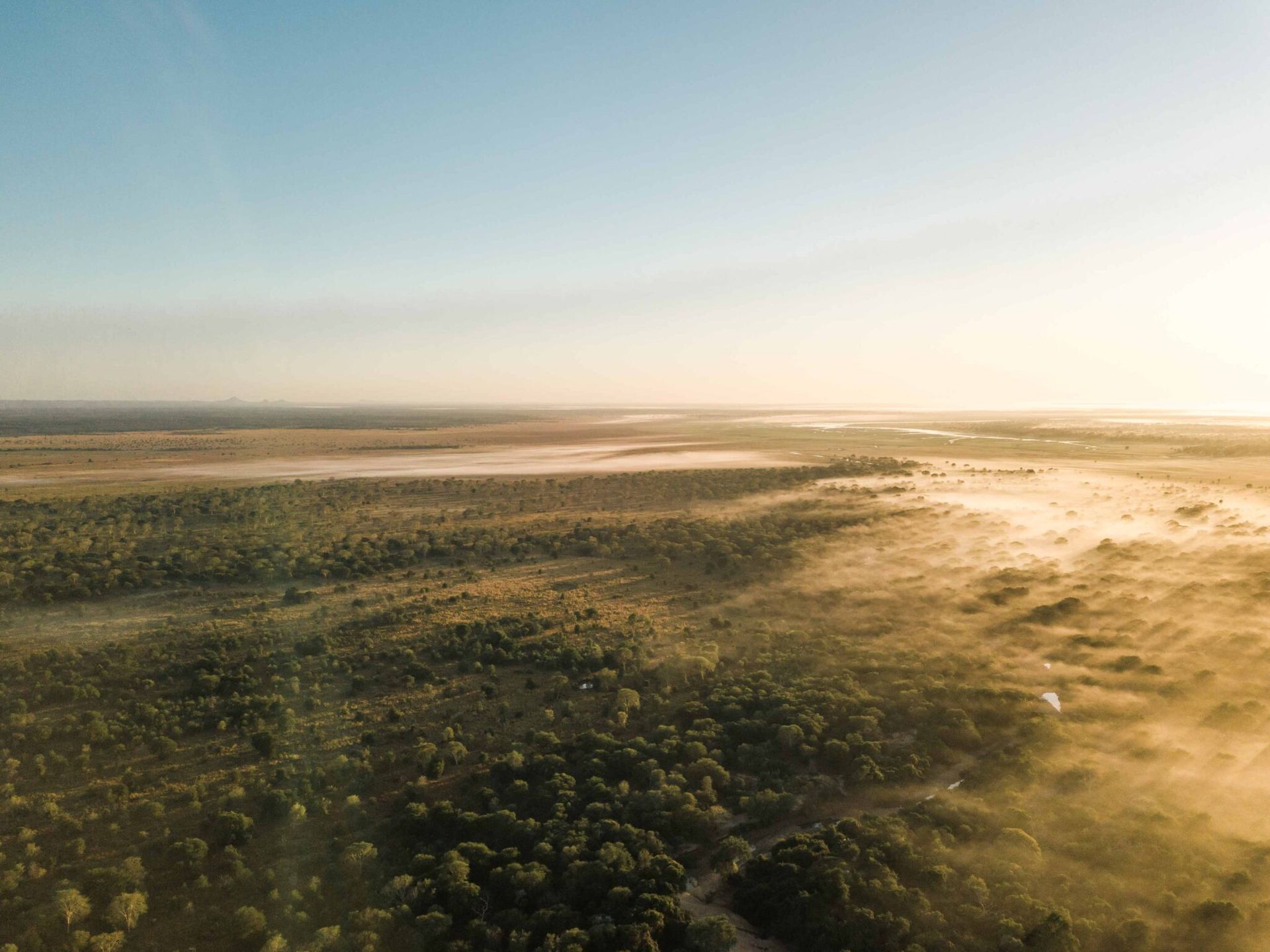
Gorongosa National Park is one of the richest birding destinations in Southern Africa, offering an extraordinary range of habitats that support more than 500 recorded species. Floodplains, wetlands, woodlands, open grasslands, and the rainforest of Mount Gorongosa create a rare concentration of environments where resident and migratory birds thrive side by side. This Gorongosa Birdwatching Guide explores the species to look for, the best seasons for sightings, and why the park has become a must-visit destination for birders worldwide.


From vibrant bee eaters and powerful raptors to wetland specialists, endemic forest species, and long-distance migrants, Gorongosa delivers a birding experience rooted in conservation success and ecological restoration. The park’s recovery has strengthened habitats across the ecosystem, making birdwatching here both rewarding and meaningful.


Why Gorongosa Is a Top Birding Destination

Gorongosa’s appeal lies in its extraordinary habitat diversity within a single protected area. Birders can encounter savanna species, wetland specialists, forest birds, and montane endemics without travelling long distances between ecosystems. This makes Gorongosa particularly attractive to ornithologists, wildlife photographers, and travellers seeking in-depth ecological experiences.


Ongoing wetland rehabilitation and forest regeneration have improved breeding conditions and food availability for many species. Scientific research conducted in the park frequently contributes valuable insights that enhance guided birding experiences, adding depth and context to sightings.


Key Bird Habitats Across Gorongosa

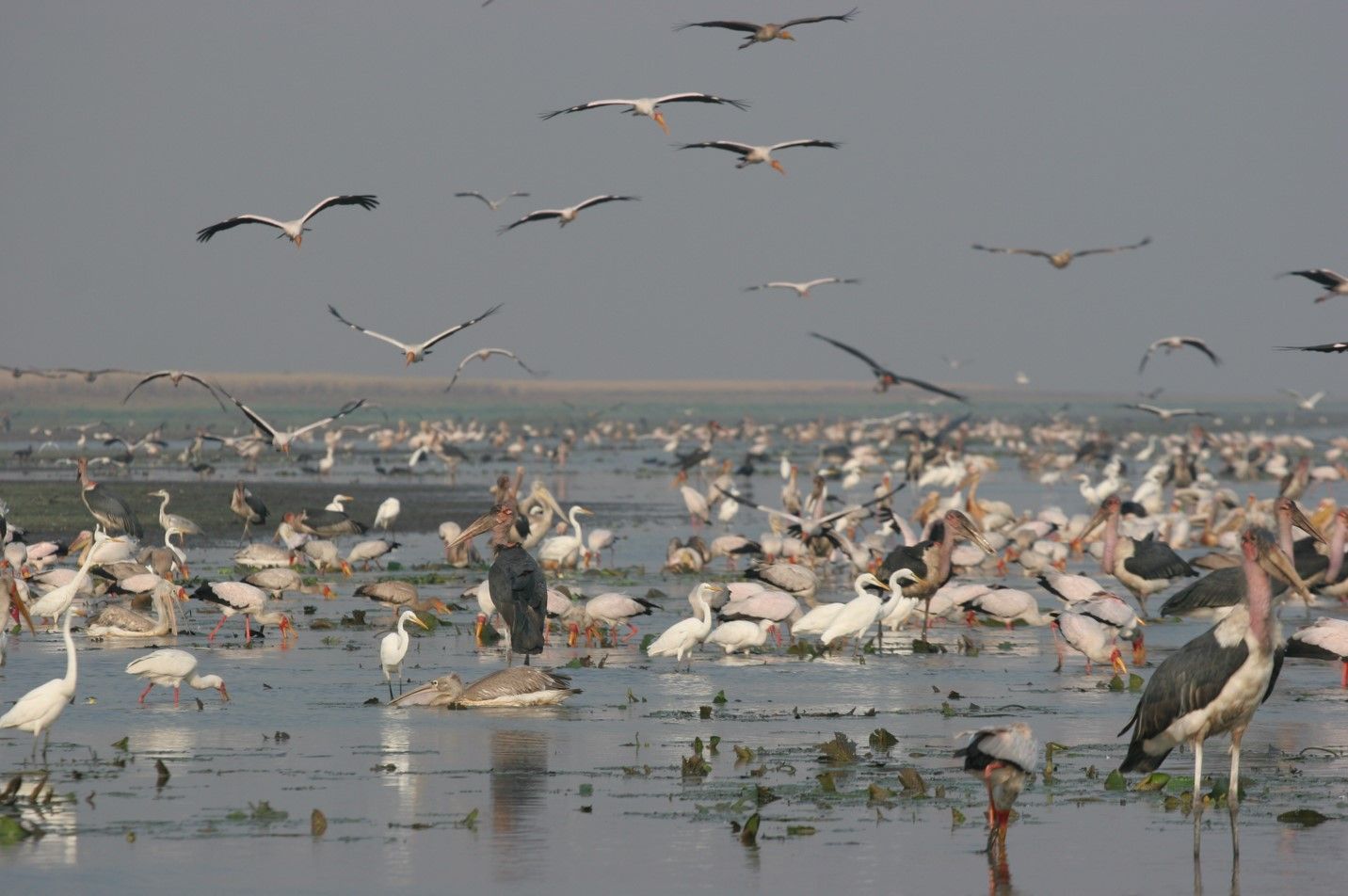
Understanding Gorongosa’s habitats enriches the birdwatching experience. The floodplains attract waterbirds, waders, and raptors such as African Fish Eagles and Bateleurs. Wetlands and lakes host herons, egrets, storks, jacanas, and kingfishers. Woodlands support cuckoos, rollers, hornbills, and woodpeckers, while grasslands reveal bustards, longclaws, and Secretarybirds.


Mount Gorongosa’s rainforest introduces an entirely different avian community, home to forest specialists and endemic species. This concentration of habitats allows travellers to experience exceptional species variety within one destination.


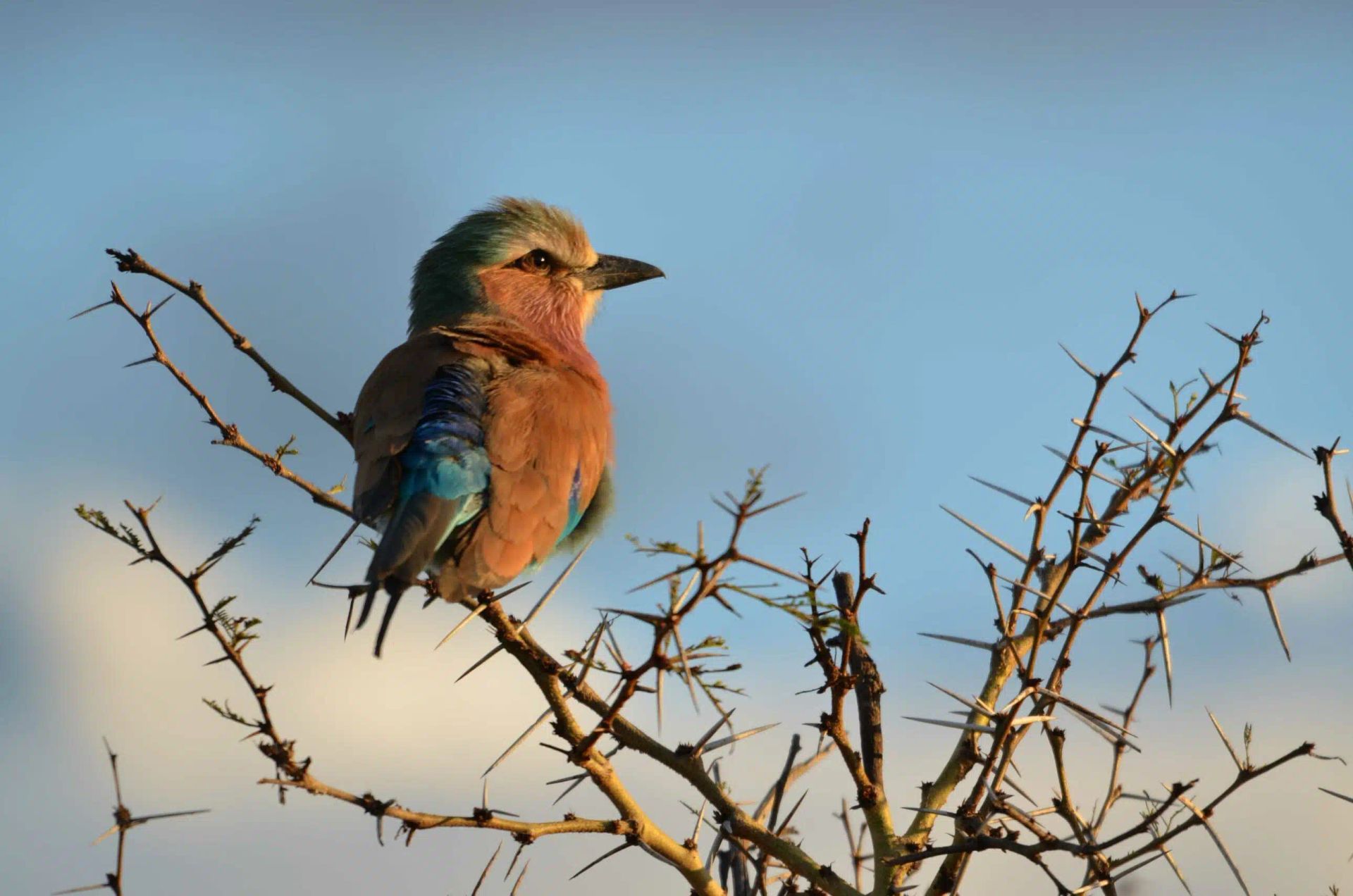
Colorful bird perched on bare branches against a clear blue sky

Bird Species Not to Miss in 2026

Gorongosa’s extensive species list includes several standout sightings. The Green Headed Oriole, endemic to Mount Gorongosa, is a highlight for serious birders. Narina Trogon adds flashes of colour to woodland encounters, while African Skimmers skim lake surfaces using their distinctive feeding technique.


Pel’s Fishing Owl remains one of Africa’s most sought-after nocturnal birds and is often found near waterways. Bohm’s Bee Eater, Collared Palm Thrush, Broad Billed Roller, and a growing range of raptors such as Martial Eagles and Crowned Eagles reflect the park’s ecological recovery and balance.


Seasonal Bird Patterns and Migration

Seasonality plays an important role in Gorongosa birding. The dry season offers clear visibility, concentrated water sources, and increased raptor activity over open floodplains. The rainy season transforms the park into a lush green landscape that attracts breeding species and migratory birds from Europe and North Africa.


Breeding plumage, courtship displays, and increased insect activity make the early rains especially rewarding for birders. Understanding these seasonal shifts helps travellers plan visits based on their specific birding interests.


Birdwatching on Mount Gorongosa

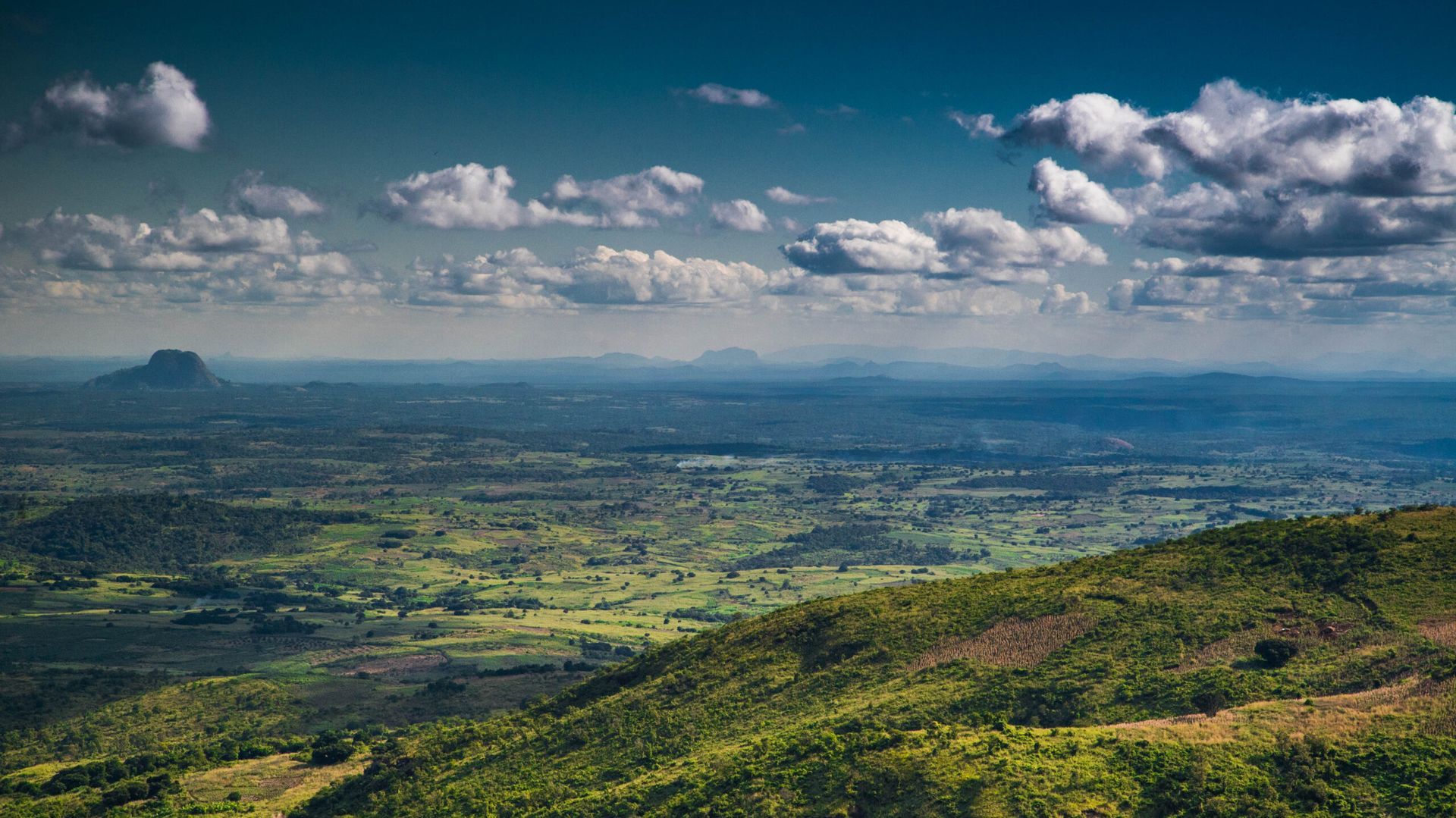
Mount Gorongosa delivers a dramatically different birding experience from the lowlands. Misty rainforest mornings reveal species such as Lemon Dove, East Coast Akalat, and Green Barbet. Higher elevations host montane specialists adapted to cooler temperatures and dense vegetation.


Streams and waterfalls attract moisture dependent species, while the mountain’s varied altitudes support unique bird communities. Many visitors consider Mount Gorongosa the highlight of their birding journey due to its atmosphere, rarity of species, and striking landscapes.

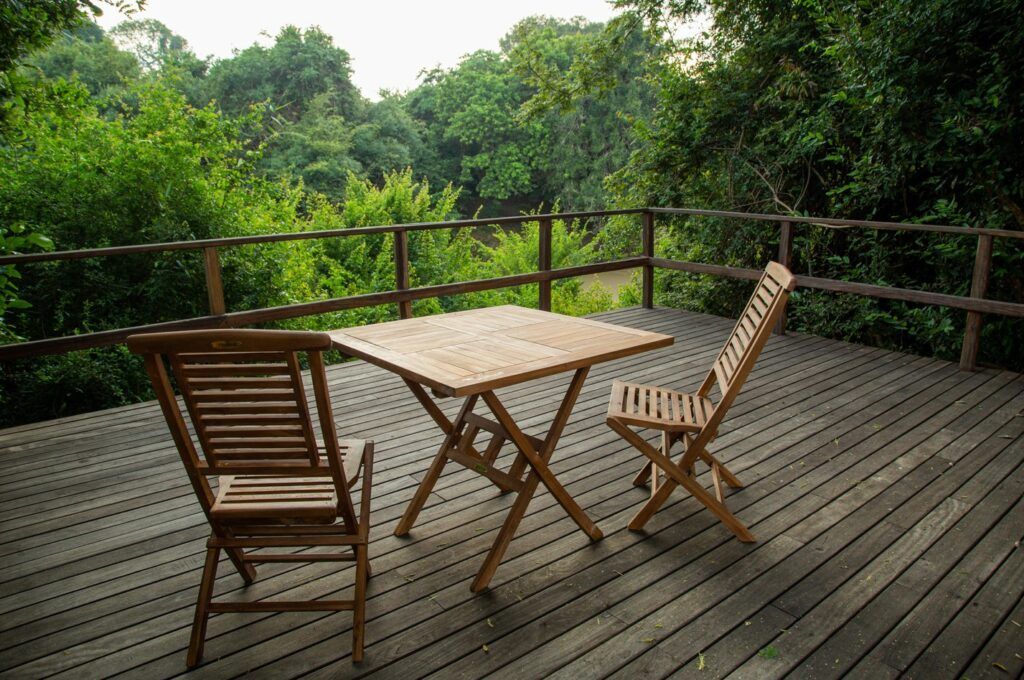
Wooden deck with table and chairs overlooking a lush green forest

How Conservation Efforts Support Birdlife

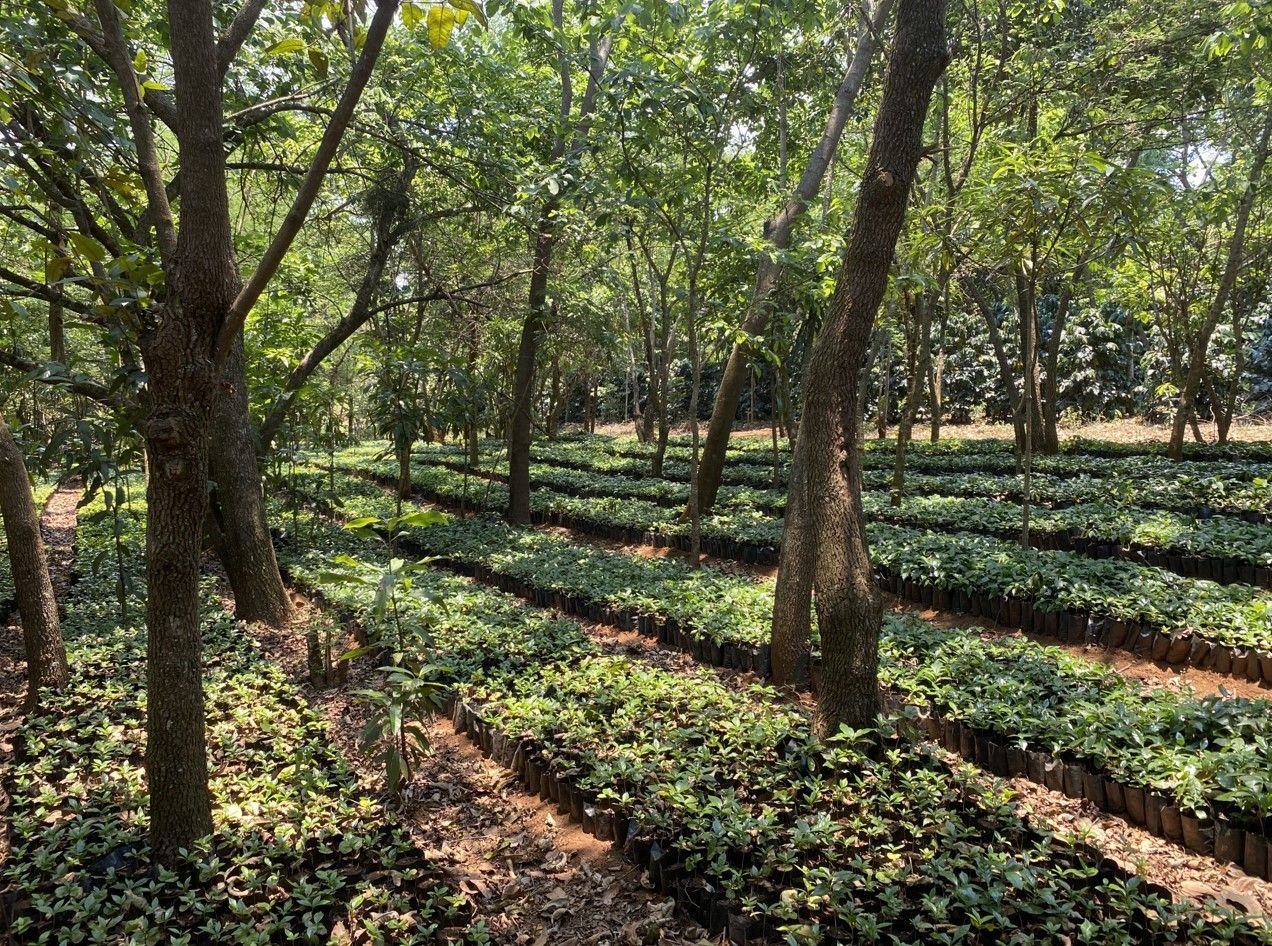
Bird diversity in Gorongosa is closely tied to long-term conservation initiatives. Wetland restoration improves breeding areas for waterbirds and waders. Reforestation on Mount Gorongosa stabilises watersheds and expands habitat for forest species. Balanced predator and herbivore populations influence vegetation structure, indirectly shaping bird habitats.


Bird populations are monitored as ecological indicators, helping researchers assess the success of restoration projects. Birdwatching tourism contributes directly to conservation funding, supporting scientific research, habitat protection, and community programmes.


Photography Tips for Birdwatchers in Gorongosa

Gorongosa offers exceptional bird photography opportunities. Early mornings provide soft light and peak bird activity. Floodplain perches and water edges allow clear compositions, while woodland photography benefits from following filtered sunlight through tree canopies.


Mount Gorongosa’s mist adds atmosphere but may require adjusted camera settings. Patience, quiet movement, and familiarity with habitat rhythms greatly improve photographic results. Many travellers combine bird photography with wider wildlife imagery to document the park’s full ecological story.


Combining Birdwatching With a Broader Safari

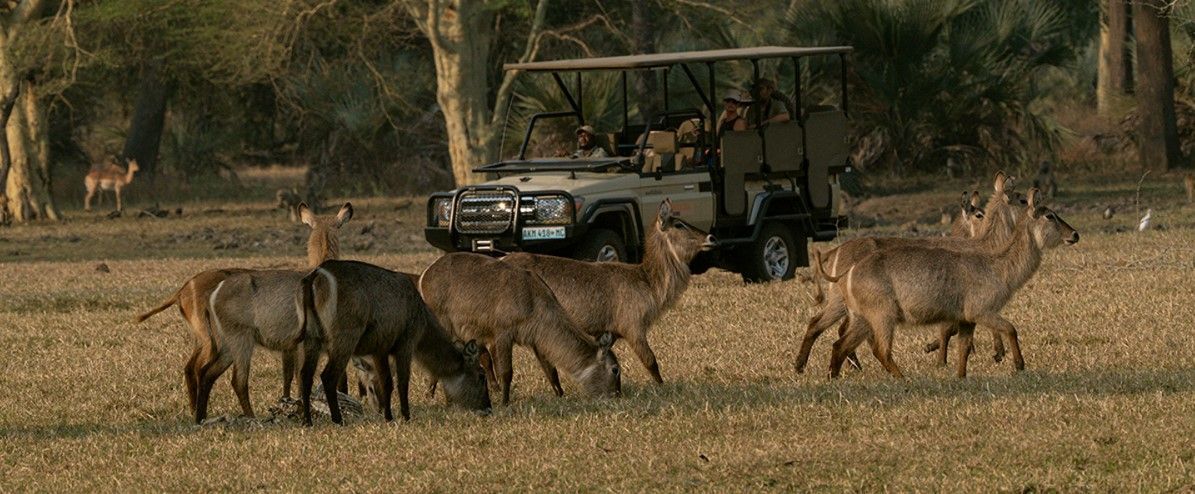
Birdwatching can be easily combined with general safari activities in Gorongosa. Game drives, guided ecology walks, and Mount Gorongosa excursions add depth to bird focused itineraries. After a safari, many travellers extend their journey to Mozambique’s coast, creating a balanced experience that blends wildlife immersion with beach relaxation.


Plan a Birding Safari with Mozambique Travel Experts

If you are planning a birdwatching holiday that includes rare forest species, wetland specialists, raptors, and the unique endemics of Mount Gorongosa, Mozambique Travel can design it for you. With more than 20 years of experience planning journeys in Mozambique, our team understands the best seasons, habitats, and specialist guides for birding safaris. We can also combine your safari with a coastal extension for a complete 2026 itinerary. Speak to our experts today to begin planning a personalised birdwatching adventure that supports conservation and delivers exceptional sightings.

Featured Packages


Frequently asked questions about mozambique destinations

  • What makes Gorongosa one of the best birdwatching destinations in Southern Africa?

    Gorongosa offers an exceptional variety of habitats in one park, allowing hundreds of bird species to thrive. Wetlands, woodlands, grasslands, and rainforest environments create rare biodiversity supported by ongoing conservation efforts.

  • When is the best time to visit Gorongosa for birdwatching in 2026?

    The dry season offers excellent visibility and raptor activity, while the rainy season attracts migratory birds and breeding displays. Each season offers distinct advantages depending on birding priorities.

  • What rare or endemic species can be found on Mount Gorongosa?

    Mount Gorongosa hosts species such as the Green Headed Oriole, Lemon Dove, East Coast Akalat, and Green Barbet. These forest specialists depend on the mountain’s rainforest habitat.


  • How does conservation support bird populations in Gorongosa?

    Reforestation, wetland restoration, and anti poaching initiatives improve habitat quality, breeding success, and ecological balance. Bird monitoring helps guide long term conservation decisions.

  • Is Gorongosa suitable for beginner birdwatchers?

    Yes. High species diversity, open landscapes, and knowledgeable guides make Gorongosa accessible for beginners while still rewarding experienced birders.

  • Can birdwatching be combined with a traditional safari in Gorongosa?

    Yes. Many travellers enjoy combining birding with game drives, guided walks, and Mount Gorongosa excursions for a well rounded safari experience.

SHARE THIS POST

Are You Ready FOr Mozambique?

Page through our packages and find the offer right for you!


Ready to Speak to a Mozambique Travel Expert?

Get In Touch and Ask for a Call-Back Today

Latest Posts

Two people sailing on a boat in bright sun, smiling on a blue ocean with a white sail.
By Mozambique Travel June 3, 2026
Discover the biggest misconceptions about safari and Mozambique holidays. Learn what travelers often misunderstand about routing, cost, timing and structure.
Elephants grazing in a sunlit savanna at dusk, with birds flying overhead.
By Mozambique Travel June 2, 2026
Elephants in Mozambique explained. Human elephant conflict, migration corridors, conservation challenges, and what coexistence really looks like.
Leopard in dappled forest light, facing left in profile
By Mozambique Travel June 1, 2026
Leopards in Mozambique explained. How Africa’s most adaptable predator survives near communities, causes conflict, and what coexistence really looks like.
Person sitting at the end of a wooden dock, facing a calm lake and distant mountains under cloudy skies
By Mozambique Travel May 29, 2026
Solo woman travel in Mozambique explained. Learn where women travel safely, key safety considerations, and how to plan with confidence.
Aerial view of a tropical lagoon with turquoise water, dense green shoreline, and distant ocean horizon
By Mozambique Travel May 28, 2026
Snorkelling in the Bazaruto Archipelago offers clear water, coral reefs, turtles, rays, and dugongs, with access from Vilanculos and Benguerra Island.
Pangolin curled up on a rock, showing gray overlapping scales against a blurred green background
By Mozambique Travel May 27, 2026
Pangolins in Mozambique explained in depth. Species, trafficking routes, conservation efforts, threats, and why Africa’s most trafficked mammal faces extinction.
Show More