
Kruger and Mozambique Safari and Beach Holidays 2026: The Ultimate Planning Guide
By • February 28, 2026
Why Kruger and Mozambique Remain the Smartest Safari and Beach Combination in 2026
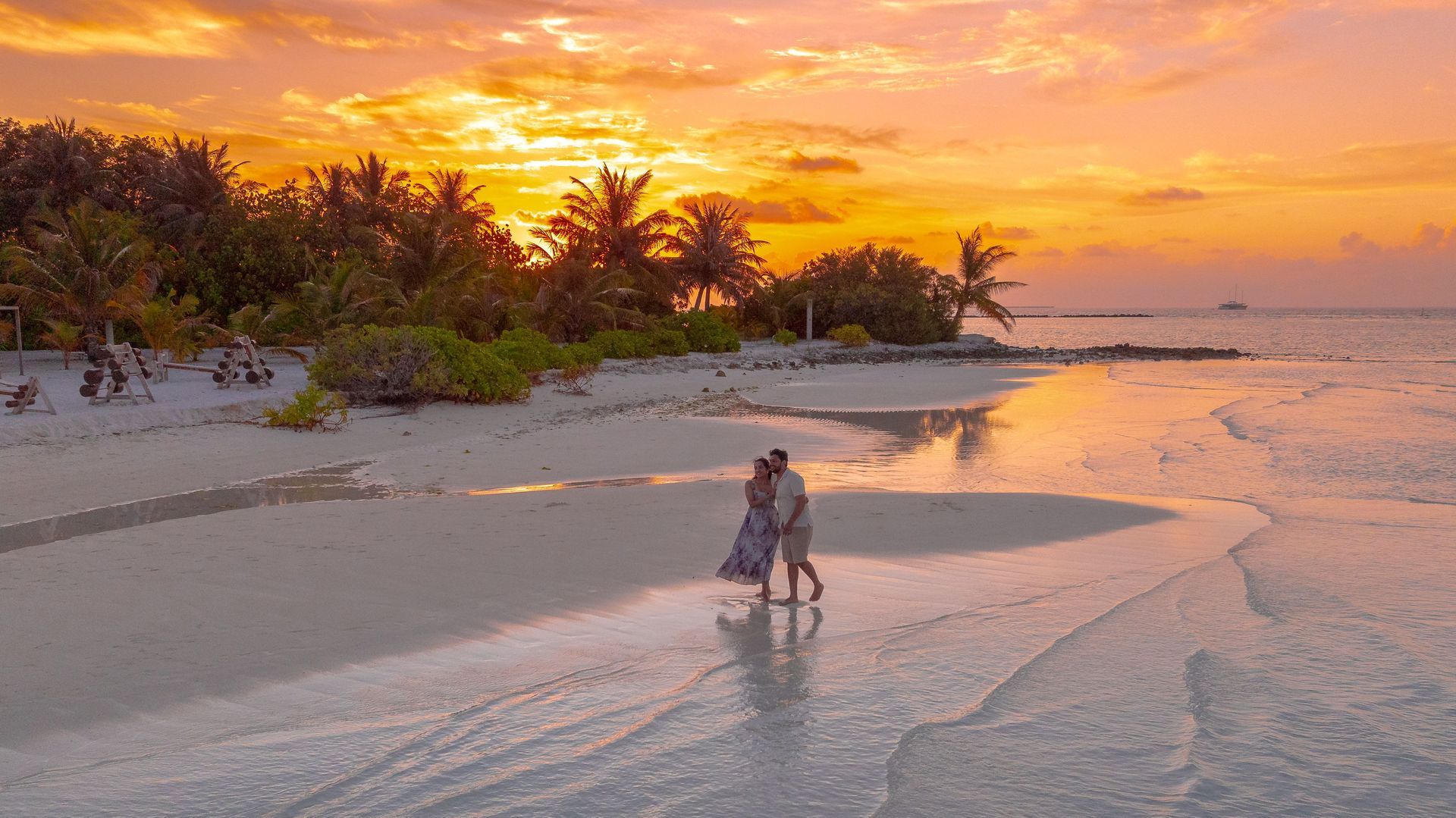
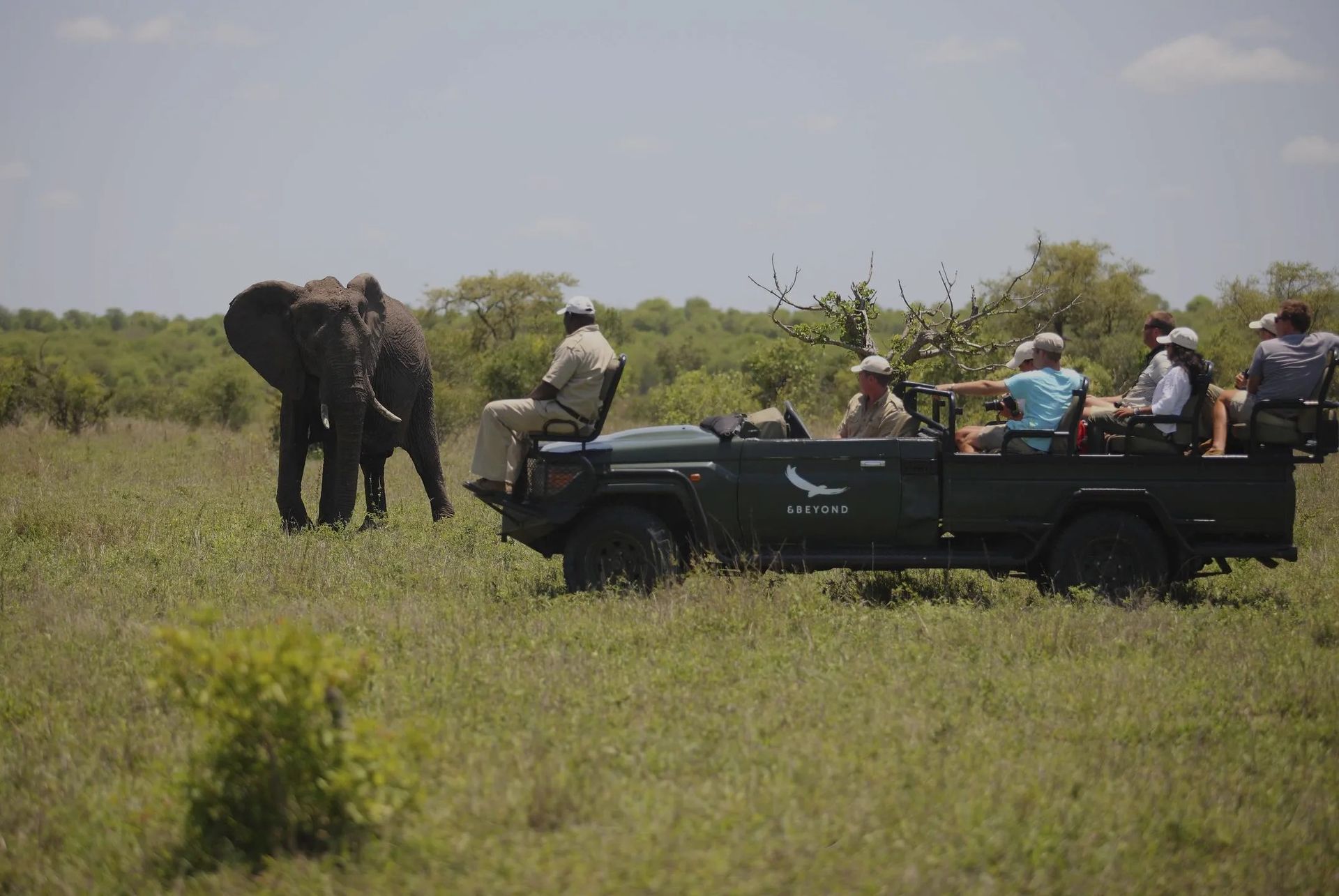
A Kruger and Mozambique safari and beach holiday continues to outperform other African pairings because it delivers contrast without operational friction. Kruger National Park offers one of the continent’s most structured and professionally managed wildlife ecosystems, with exceptional guiding standards, strong conservation infrastructure, and reliable year round game viewing. Mozambique delivers something entirely different yet perfectly complementary: Indian Ocean openness, marine biodiversity, low density beaches, and boutique coastal lodges that feel immersive rather than commercial.
In 2026, high value travelers are prioritizing three core factors: space, reliability, and emotional pacing. They want Big Five encounters without overcrowding. They want warm ocean water without mass tourism. They want a journey that builds in intensity, then softens naturally. Kruger and Mozambique answer that demand with precision.
From a planning perspective, this pairing makes strategic sense. Regional flight routing from Johannesburg is efficient. Border crossings between South Africa and Mozambique are well established. Internal connections are manageable without long multi country air chains. Lodge standards align across both destinations, creating continuity of service rather than disruption between segments.
The result is not just a safari followed by a beach stay. It is a carefully structured progression from wildlife immersion to coastal restoration. That balance is why Kruger and Mozambique safari and beach holidays remain one of Southern Africa’s strongest performing travel combinations for 2026.
The Kruger Region in Detail: Not All Safaris Are Equal
To design a strong safari and beach itinerary, you must understand the safari component properly.
Southern Kruger
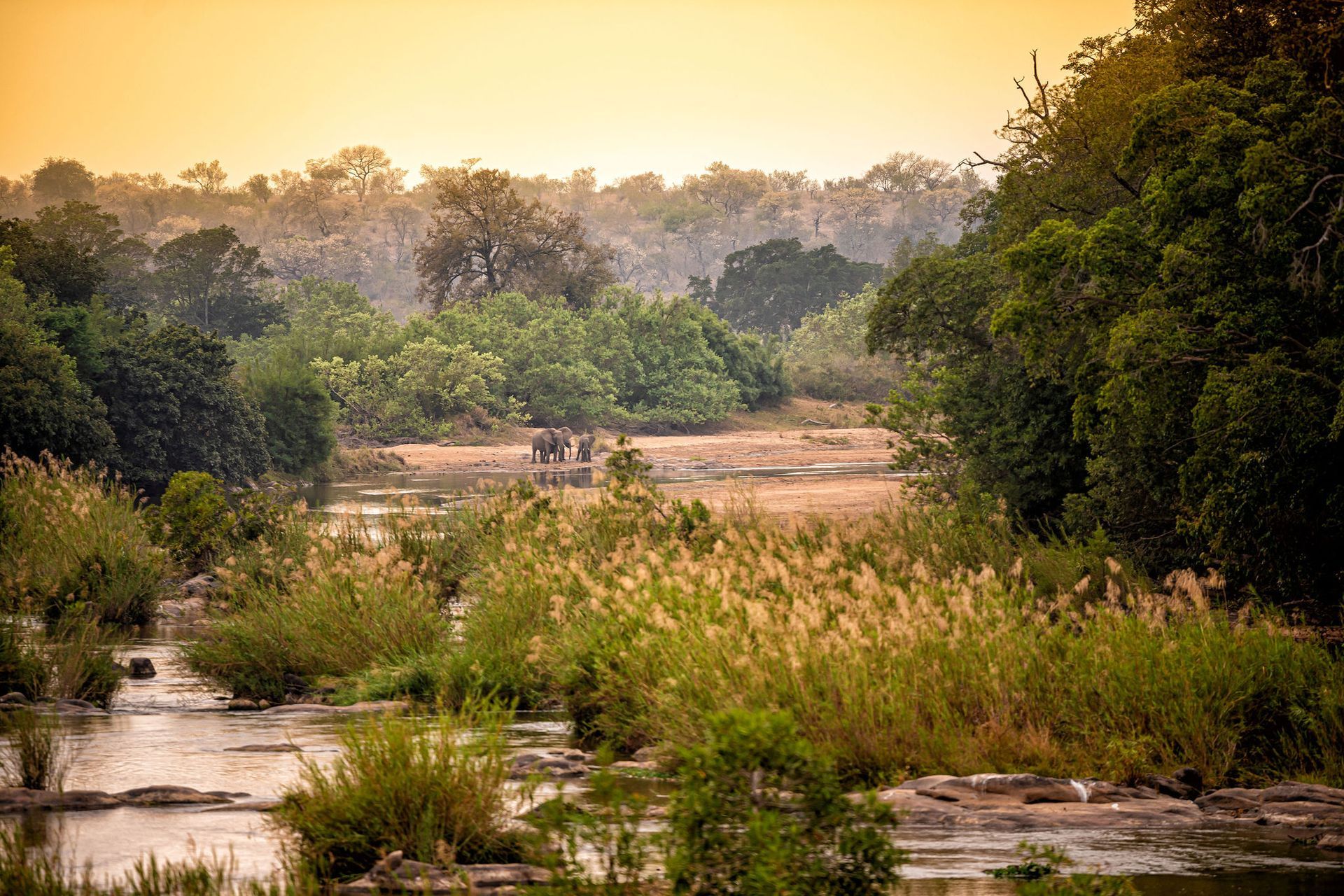
The southern region of Kruger is historically the most wildlife-dense. Higher concentrations of lion and leopard are typical. Vegetation is mixed bushveld with good road infrastructure. This region works well for shorter safari stays.
Central Kruger
Open plains dominate. Herd animals are common. It feels less dense than the south but offers strong elephant and buffalo encounters.
Northern Kruger
More remote and less trafficked. Excellent birding. Less intense predator density but rewarding for repeat safari travelers.
Greater Kruger Private Reserves
Private reserves bordering the park operate under different rules. Off-road tracking is permitted. Vehicle density is controlled. Night drives operate with more flexibility. This format suits travelers who want high-probability sightings with minimal vehicle congestion.
Before combining Kruger with the coast, it’s important to understand Mozambique entry requirements for 2026, especially when crossing borders or flying into Vilanculos.
For a safari and beach holiday, private reserves integrate best into the broader experience because service style and exclusivity mirror Mozambique’s boutique beach lodges.
Where to Go After Kruger: Choosing the Right Mozambique Coast or Island Destination
Vilanculos and the Bazaruto Archipelago
Vilanculos and the Bazaruto Archipelago remain the most established and strategically aligned safari extensions from Kruger. Direct regional flights from Johannesburg operate regularly, making this the cleanest air connection for a structured bush and beach itinerary.
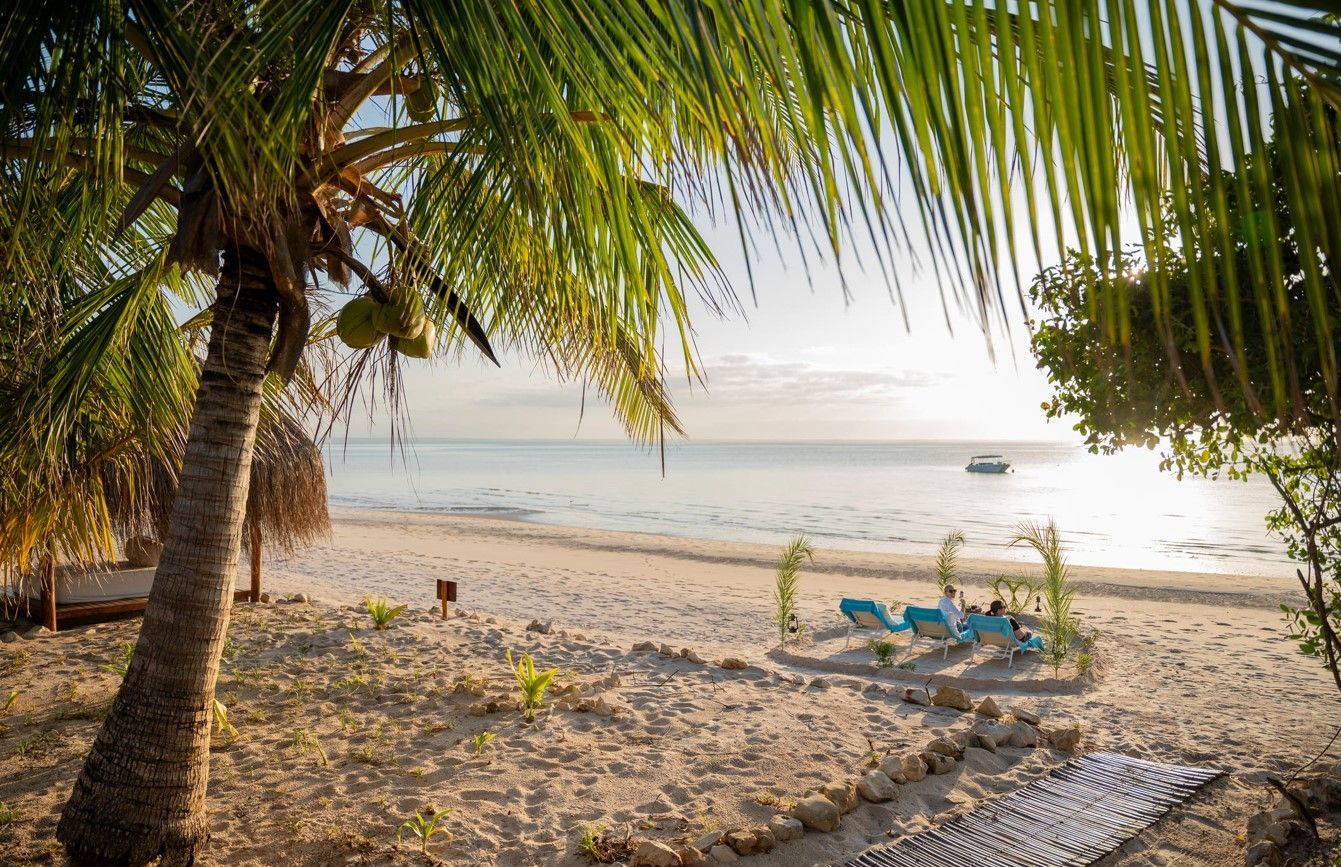
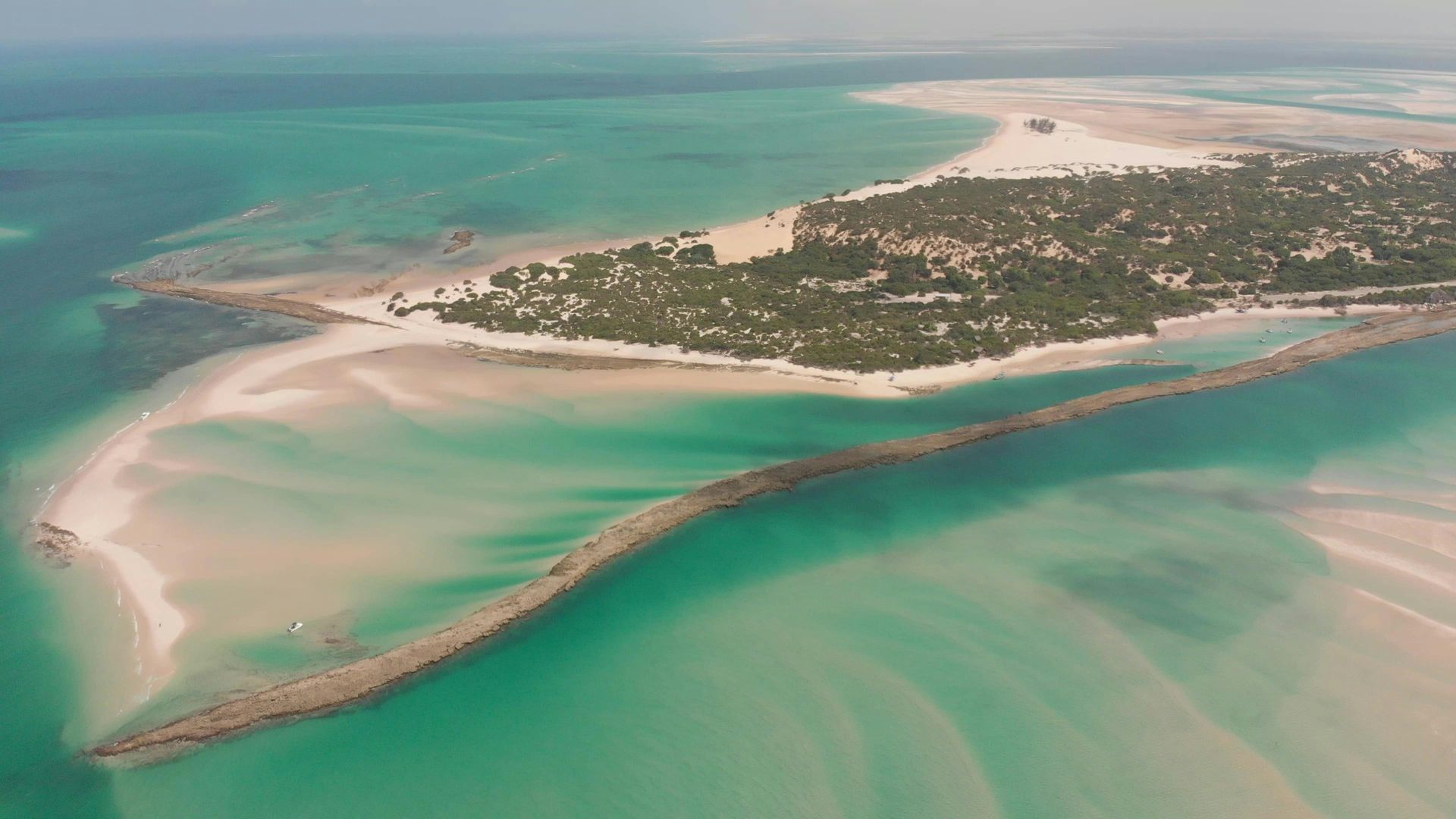
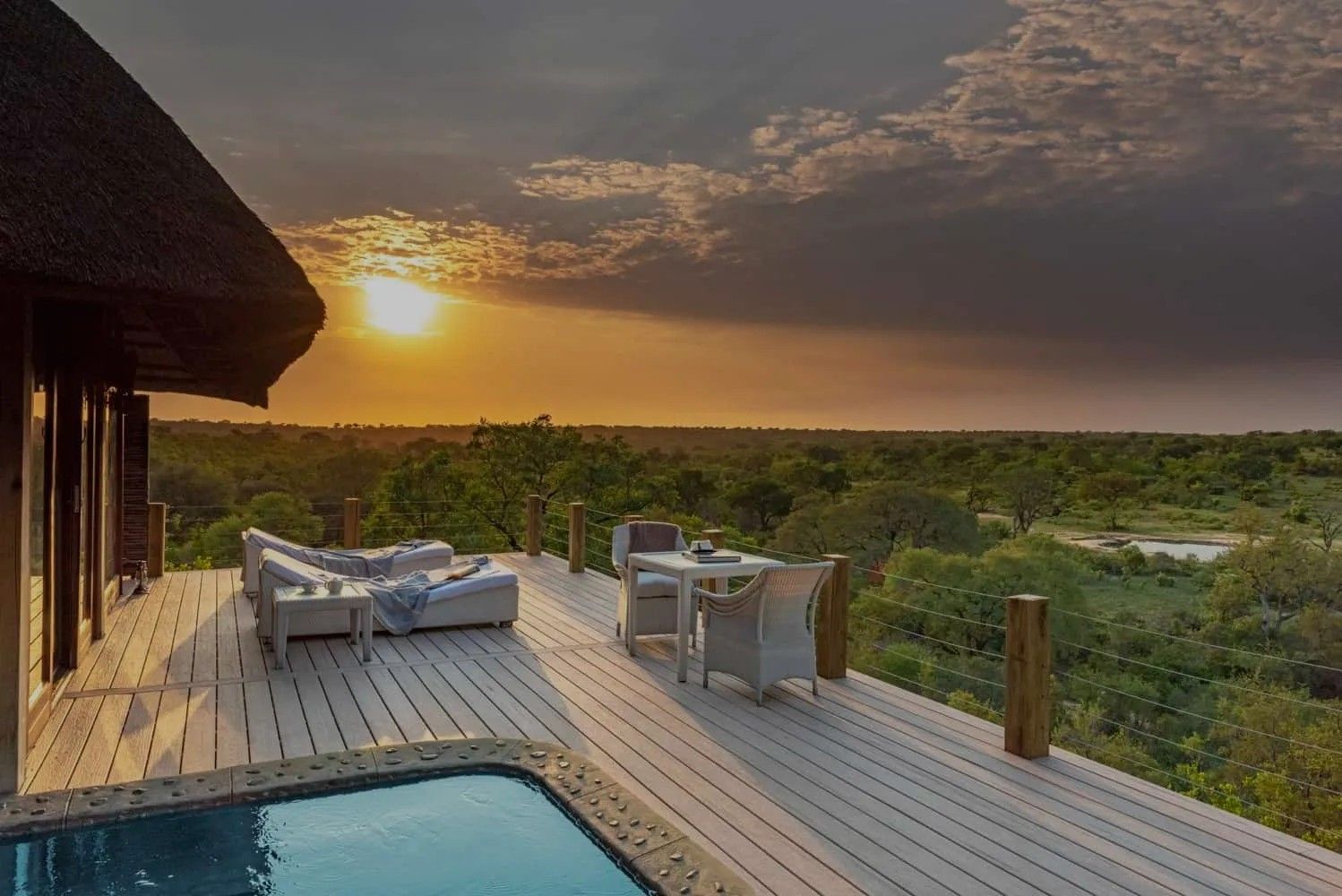
The archipelago delivers classic Indian Ocean experiences: shifting sandbanks, protected coral reefs, snorkeling and scuba diving, dhow excursions, and warm clear water. Lodge options range from refined mainland beach properties to ultra private island retreats where service levels mirror high end safari camps.
Marine biodiversity is strong and varied. Reef fish, sea turtles, dolphins, and seasonal humpback whales create year round ocean interest. The coastline feels expansive and lightly developed, preserving a sense of space that contrasts beautifully with safari intensity.
Inhambane Coast
The Inhambane coastline, particularly around Tofo and Barra, offers a more relaxed and informal beach environment. Tofo has built a global reputation for diving, especially encounters with manta rays and whale sharks. The tone here is authentic and coastal rather than polished and resort driven.
Lodges are generally smaller and less formal, appealing to travelers who value marine access and character over structured luxury. This region suits guests comfortable with a laid back aesthetic following the discipline of safari life.
Southern Mozambique Near Maputo
Southern Mozambique, close to Maputo and within reach of southern Kruger by road, offers one of the most logistically efficient combinations. Boutique beach lodges sit within marine reserves and forested dune systems, often with minimal room counts and strong conservation focus.
This region is ideal for shorter itineraries as it reduces the need for additional internal flights. Road transfers from the Kruger region into southern Mozambique can be executed smoothly with proper planning, keeping the journey compact and cost efficient.
Each coastal region delivers a distinct tone. Vilanculos and the islands feel expansive and classic. Inhambane feels relaxed and dive focused. Southern Mozambique feels intimate and grounded. Matching coastal tone to safari style is critical to building a Kruger and Mozambique safari and beach holiday that feels coherent rather than stitched together.
Lodge Pairing Case Studies
Case Study 1: Private Reserve + Island Luxury
Four nights in a Sabi Sands private reserve followed by five nights on a Bazaruto island lodge.
Best for honeymooners and milestone travelers.
Why it works: service consistency, exclusivity, and privacy remain constant.
Case Study 2: Timbavati + Mainland Vilanculos
Four nights in Timbavati followed by four nights at a refined mainland lodge in Vilanculos.
Best for travelers wanting marine access without island transfer complexity.
Why it works: cost control without sacrificing quality.
Case Study 3: Southern Kruger + Maputo Coast
Three nights southern private reserve followed by four nights southern Mozambique beach lodge reached by road.
Best for shorter 7-night itineraries.
Why it works: no domestic flights required.
Case Study 4: Split Safari + Island
Two reserves in Greater Kruger for varied habitat exposure followed by five nights island lodge.
Best for repeat safari travelers wanting diversity before beach decompression.
The strength of the pairing lies in continuity of service level, not simply availability.
Month-by-Month Performance Overview
- January
Green season safari. Warm coastal temperatures. Rain probability elevated inland.
- February
Similar to January. Northern Mozambique occasionally influenced by cyclone systems.
- March
Transition month. Rain decreasing inland.
- April
Excellent value month. Wildlife visibility improving. Ocean warm.
- May
Dry season begins. Wildlife density strong.
- June to August
Peak safari visibility. Cool mornings. Ideal bush conditions.
- September
High wildlife concentration near water.
- October
Hot inland. Strong predator activity.
- November
Shoulder pricing. Pre-rain tension builds.
- December
Summer rains inland. Festive season pricing coastal.
No single month is universally perfect. The decision should align with wildlife expectations, budget, and tolerance for heat.
Pricing Architecture Explained
Mid-Luxury Example
Four nights private reserve plus four nights Vilanculos mainland lodge including regional flights. Typically mid four-figure USD per person.
Upper Luxury Example
Four nights Sabi Sands plus five nights island lodge with boat transfers. Higher pricing tier depending on villa type.
Ultra-Luxury Example
Exclusive-use safari villa plus private island retreat with charter transfers.
Cost drivers:
- Reserve exclusivity
- Beach lodge category
- Seasonal demand
- Private transfers
- International flight routing
Booking 6 to 12 months ahead secures best inventory in peak months.
Safety and Cross-Border Risk Modeling
Travel between Kruger and Mozambique is established and routine when structured properly.
Key risk factors are logistical:
- Passport validity
- Electronic travel authorization compliance
- Cross-border insurance for vehicles
- Medical evacuation coverage
- Marine activity compliance
Major tourism corridors including Vilanculos and southern Mozambique are well-established and regularly visited.
The majority of problems arise from documentation errors, not security conditions.
How Kruger and Mozambique Compare to Other Safari and Beach Options
Versus Tanzania and Zanzibar
A Tanzania safari paired with Zanzibar remains a strong East African classic. However, Kruger delivers more consistent year round predator density within a compact and professionally managed ecosystem. Game viewing logistics are highly structured, and sightings are generally reliable across seasons.
On the coast, Zanzibar offers culture and established resort infrastructure, but parts of the island are increasingly busy. Mozambique’s beaches feel less commercialized, with lower room density, fewer large scale resorts, and greater emphasis on space and marine immersion.
Versus Kenya and the Coast
Kenya offers iconic safari landscapes such as the Maasai Mara, but for many international travelers it requires longer internal flight chains between parks and coastal extensions like Diani or Lamu. Routing can be more complex, particularly when combining multiple reserves before reaching the ocean.
Kruger and Mozambique benefit from tighter regional geography. Flight sectors are shorter, border transitions are routine, and the operational compatibility between bush and beach is stronger.
Versus Mauritius
Mauritius is polished, developed, and highly service oriented. It excels in infrastructure, golf, and resort consistency. For some travelers, that predictability is appealing.
Mozambique, by contrast, feels wilderness adjacent. Dune forests, protected marine reserves, and lightly developed islands create a softer, more natural transition from safari. The environment feels integrated rather than engineered.
For travelers seeking lower density beach environments after safari, Mozambique remains one of the strongest options in Southern Africa. The appeal lies not just in scenery, but in atmosphere: space, simplicity, and a coastline that still feels open.
Planning Timeline for 2026 Departures
- 12 Months Out
Secure safari reserve inventory. - 9 Months Out
Confirm beach component and flight routing. - 6 Months Out
Check entry requirements and travel insurance. - 3 Months Out
Finalize transfers and room allocations. - 1 Month Out
Confirm electronic travel authorization documentation.
Who a Kruger and Mozambique Safari and Beach Holiday Is Best Suited For
A Kruger and Mozambique combination is designed for travelers who value progression, privacy, and purposeful pacing rather than a single location stay. It works best for those who want depth in the bush followed by space on the coast.
This pairing is particularly suited to:
Couples seeking contrast between early morning game drives and slow Indian Ocean afternoons
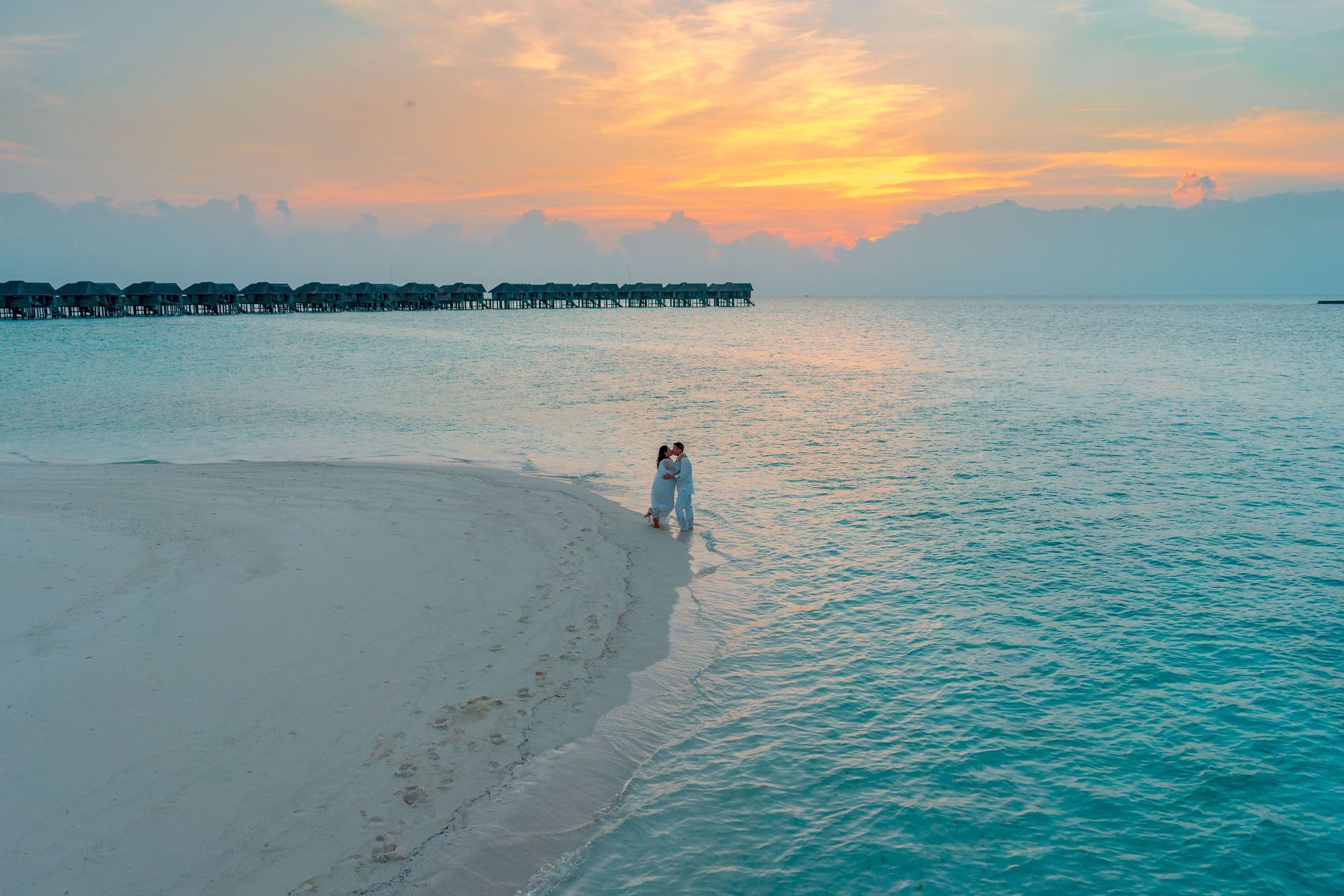
Honeymooners wanting privacy, emotional build, and visually dramatic shifts from savanna to sea
Families who prefer structured wildlife experiences first, followed by coastal downtime where everyone can decompress
Repeat Africa travelers ready to move beyond one destination itineraries and explore a layered journey
Celebratory milestone trips marking anniversaries, birthdays, retirements, or multi generational gatherings
The structure appeals to travelers who appreciate narrative in their journey. Safari provides intensity, wildlife focus, and professional guiding. Mozambique delivers warmth, marine life, and restorative space.
It is less suitable for ultra short five night stays. This combination requires breathing room to feel balanced. When rushed, transfers dominate. When properly timed, the shift from bush immersion to ocean calm becomes the defining highlight of the entire holiday.
Why Mozambique Travel
Mozambique Travel has been arranging cross-border safari and beach combinations for more than 20 years. Established lodge relationships, routing knowledge, and seasonal insight ensure itineraries are structured correctly from the outset.
Featured Packages
Frequently Asked Questions:
How far is Mozambique from Kruger?
Southern Mozambique can be reached by road from southern Kruger in several hours. Vilanculos typically requires a regional flight via Johannesburg.
Is it safe to combine Kruger and Mozambique?
Yes when structured correctly. Logistics planning reduces risk exposure
What is the best beach after Kruger?
Vilanculos and the Bazaruto Archipelago are the most established extensions.
When is the best time to combine safari and beach?
May to October offers strong wildlife visibility and stable coastal weather.
Can you self-drive from Kruger to Mozambique?
Yes via the Lebombo border with proper documentation and insurance.
How many days are ideal?
Seven nights minimum. Ten to twelve nights ideal.
SHARE THIS POST
Are You Ready FOr Mozambique?
Page through our packages and find the offer right for you!
Ready to Speak to a Mozambique Travel Expert?
Get In Touch and Ask for a Call-Back Today
Latest Posts