

Responsible and ethical travel to Mozambique 2026
By • November 4, 2025
Mozambique’s Top Island and Beach Eco-Destinations
Welcome to a new era of travel—where luxury meets sustainability, and conscious exploration defines adventure. Mozambique has emerged as one of Africa’s most progressive eco-travel destinations, offering unspoiled coastlines, pristine marine reserves, and lodges designed to protect nature and empower local communities.
At Mozambique Travel, we believe your 2026 holiday should be more than a getaway—it should make a positive impact. Our top eco-friendly beach and island destinations, Vilanculos and the Bazaruto Archipelago, lead the way in responsible tourism that preserves Mozambique’s natural heritage while offering travelers exceptional comfort and style.
From solar-powered beachfront villas to community-built island retreats, Mozambique’s eco-lodges are redefining luxury with purpose.
Check out our fabulous package deals for top-end eco-lodges in the Bazaruto Archipelago marine sanctuary and Vilanculos, the launch pad for best beach and ocean sports vacations. We see 2024 as the year of climate change awareness, of taking control of individual impacts on global warming and the worldwide plastics problem.
Why Eco-Travel Matters in 2026
As travelers, our choices shape the planet’s future. With climate change accelerating and over-tourism threatening fragile ecosystems, eco-travel is no longer a trend—it’s a responsibility. Choosing green lodges and ethical operators means contributing to the conservation of coral reefs, forests, and wildlife while uplifting the communities who protect them.
In Mozambique, ecotourism funds marine sanctuaries, education, and reforestation initiatives. Each night spent at an eco-lodge directly supports local artisans, fishermen, and guides. By traveling responsibly, you not only enjoy paradise but ensure it thrives for generations to come.
Vilanculos Goes Green – A Sustainable Beach Haven
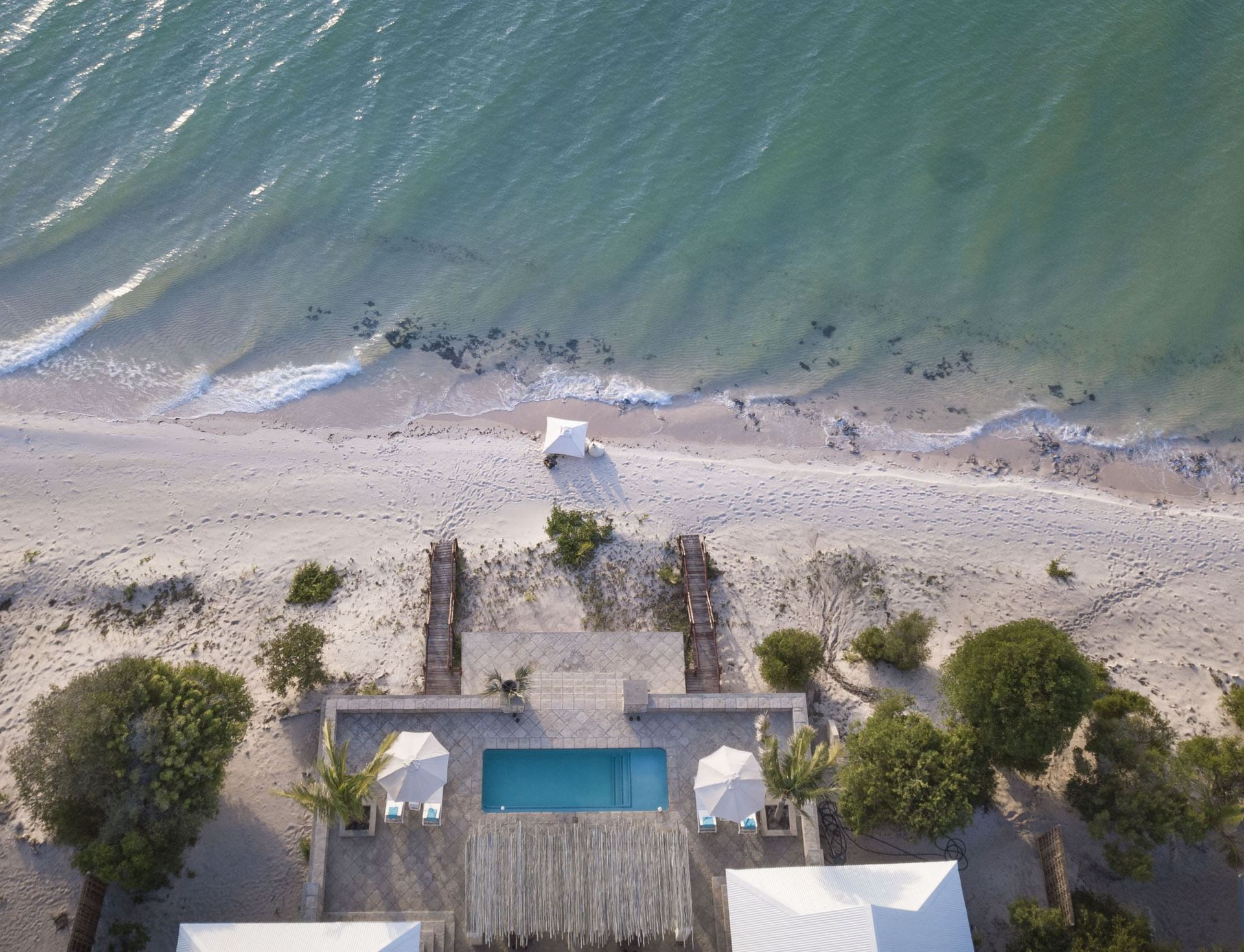
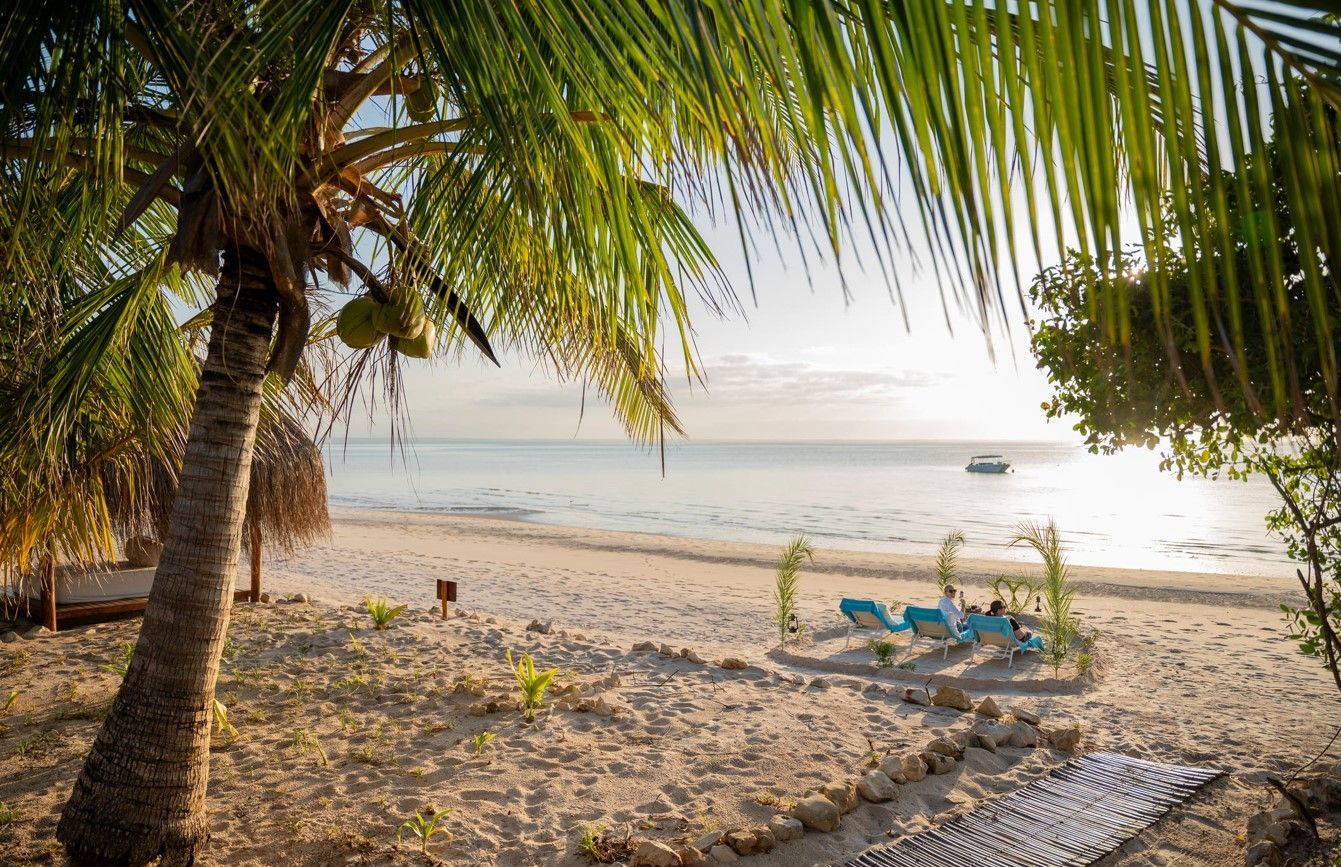
Located on Mozambique’s southern coast, Vilanculos is the gateway to the Bazaruto Archipelago—and now one of the country’s leading green tourism hubs. Here, palm-lined beaches meet ethical hospitality in stunning style.
Bahia Mar Boutique Hotel is a trailblazer in sustainable tourism. As a Fair Trade Tourism and Carbon Scored certified property, it allows guests to calculate and offset their carbon emissions. The lodge actively funds mangrove reforestation, supports local schools, and champions waste reduction initiatives. A stay here means pure relaxation with purpose—luxury suites overlooking the ocean, fresh organic cuisine, yoga decks, and spa treatments powered by clean energy.
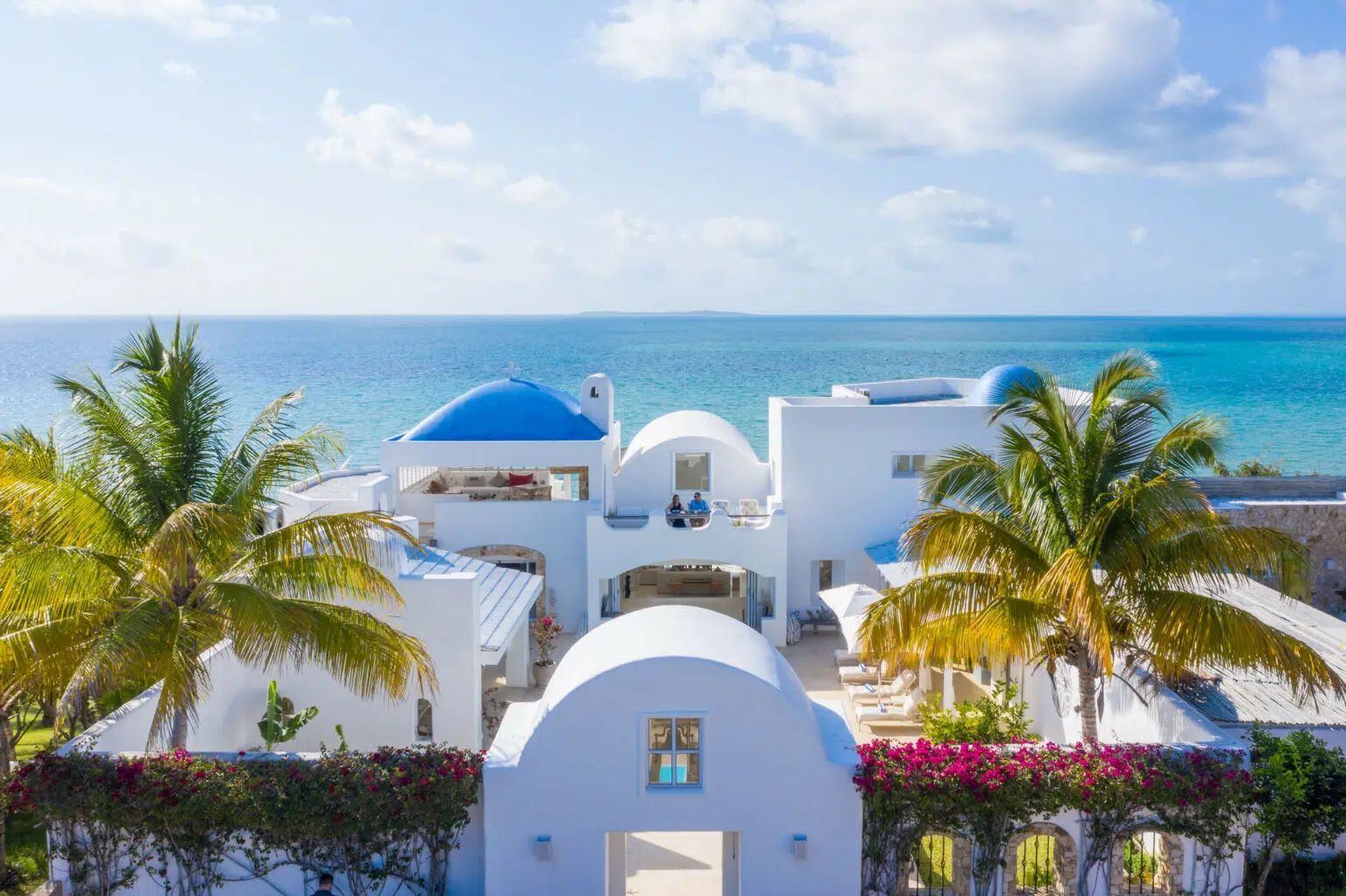
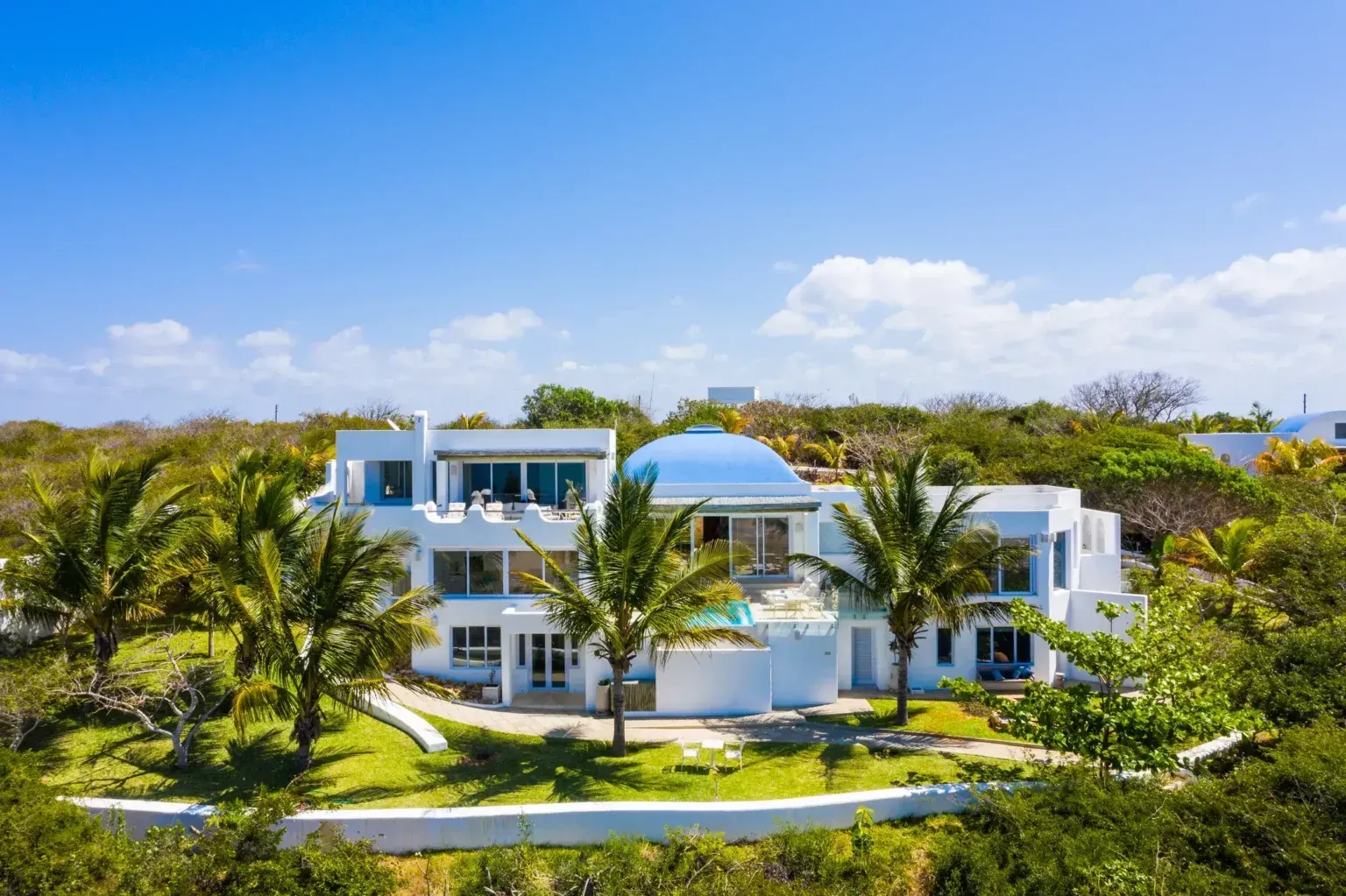
Nearby, Santorini Mozambique redefines eco-luxury from its clifftop perch above Vilanculos Bay. The resort’s Santorini Footprints Initiative, launched in 2021, has evolved into a community-wide environmental movement. Guests can participate in Plastic-Free Vilanculos beach clean-ups, explore zero-waste dining, and discover the resort’s sustainable amenities—from glass straws and bamboo earbuds to composting systems and solar lighting.
These properties prove that sustainability can be stylish, sophisticated, and deeply fulfilling.

Bazaruto Archipelago – Mozambique’s Marine Conservation Gem
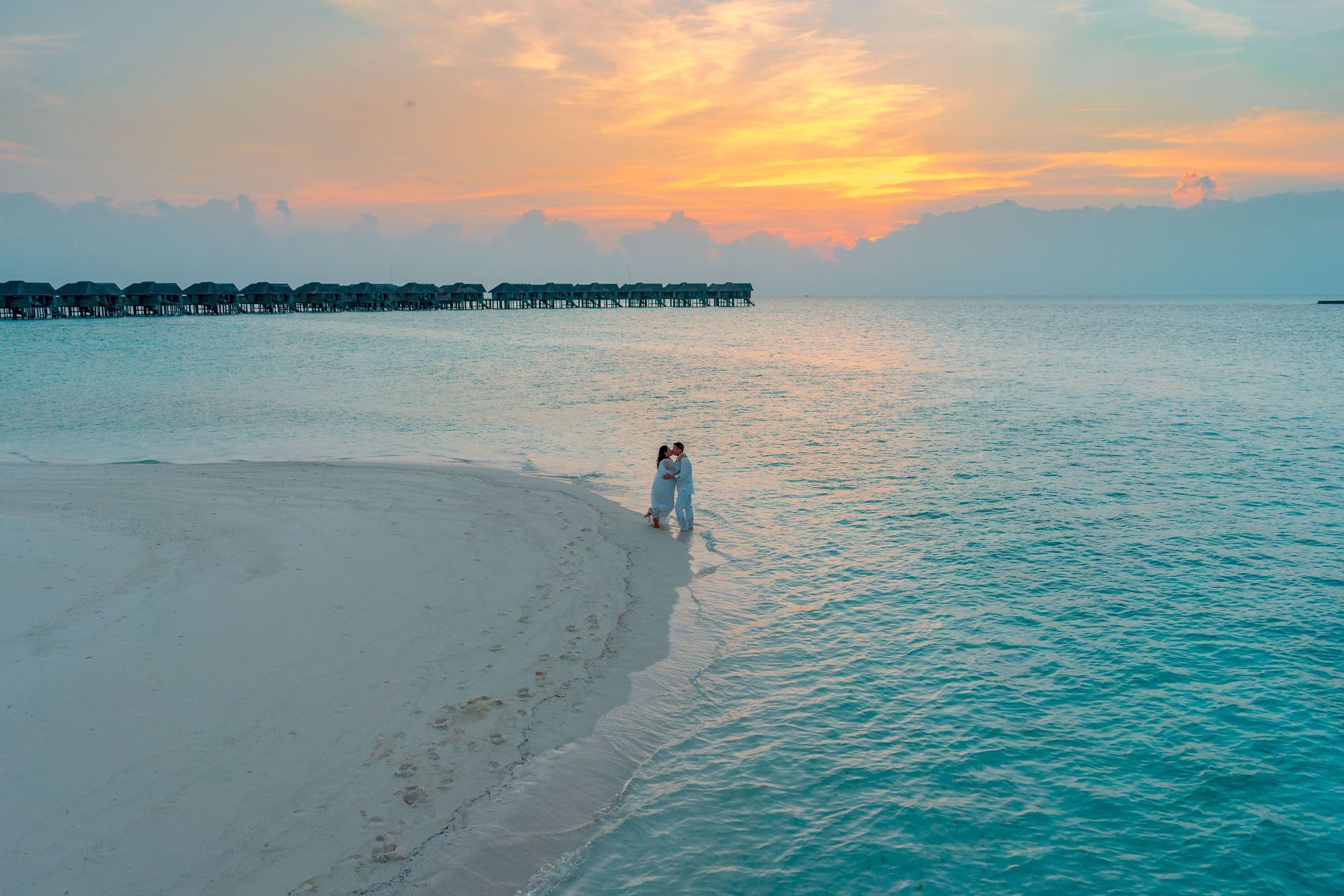
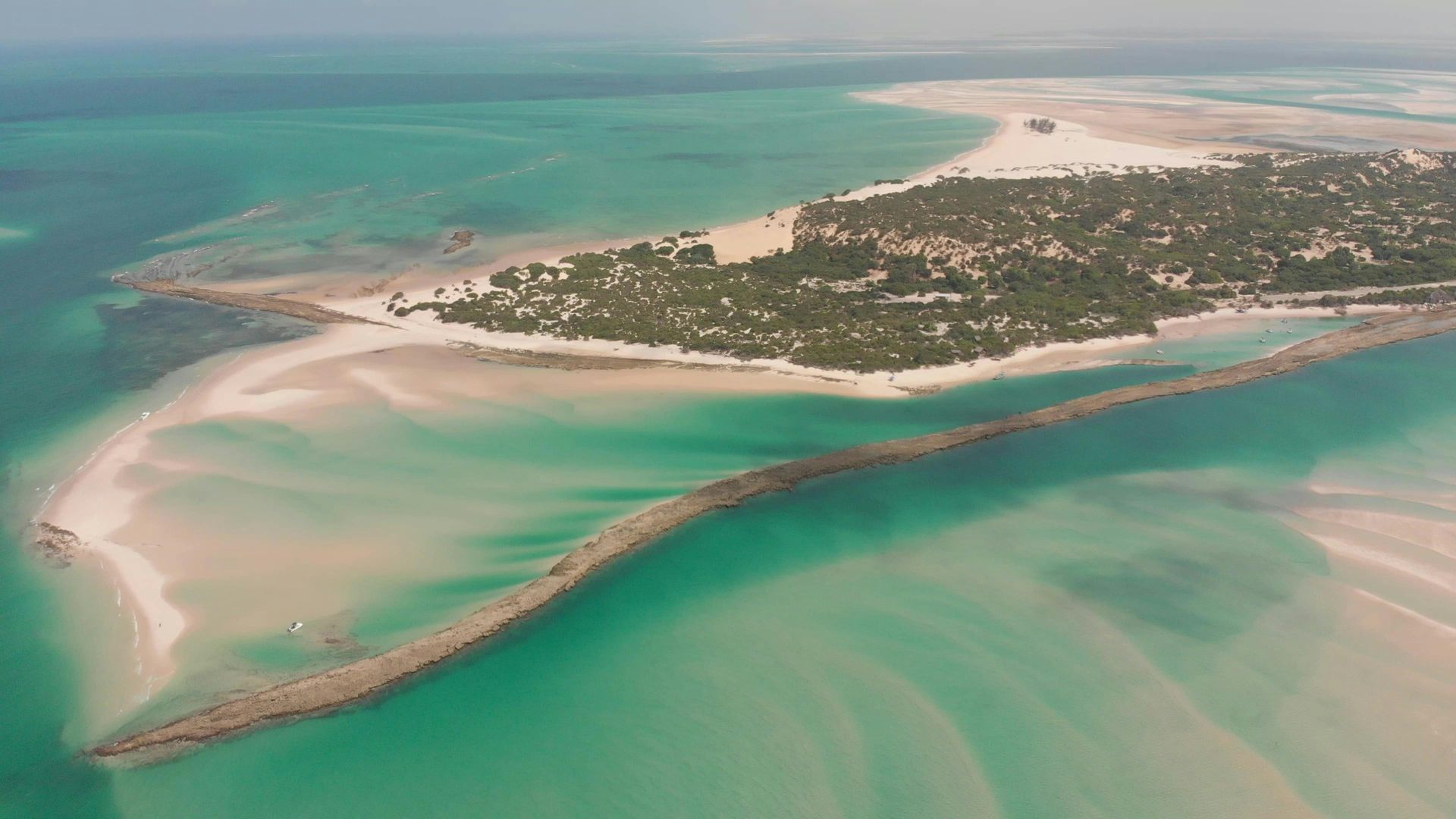
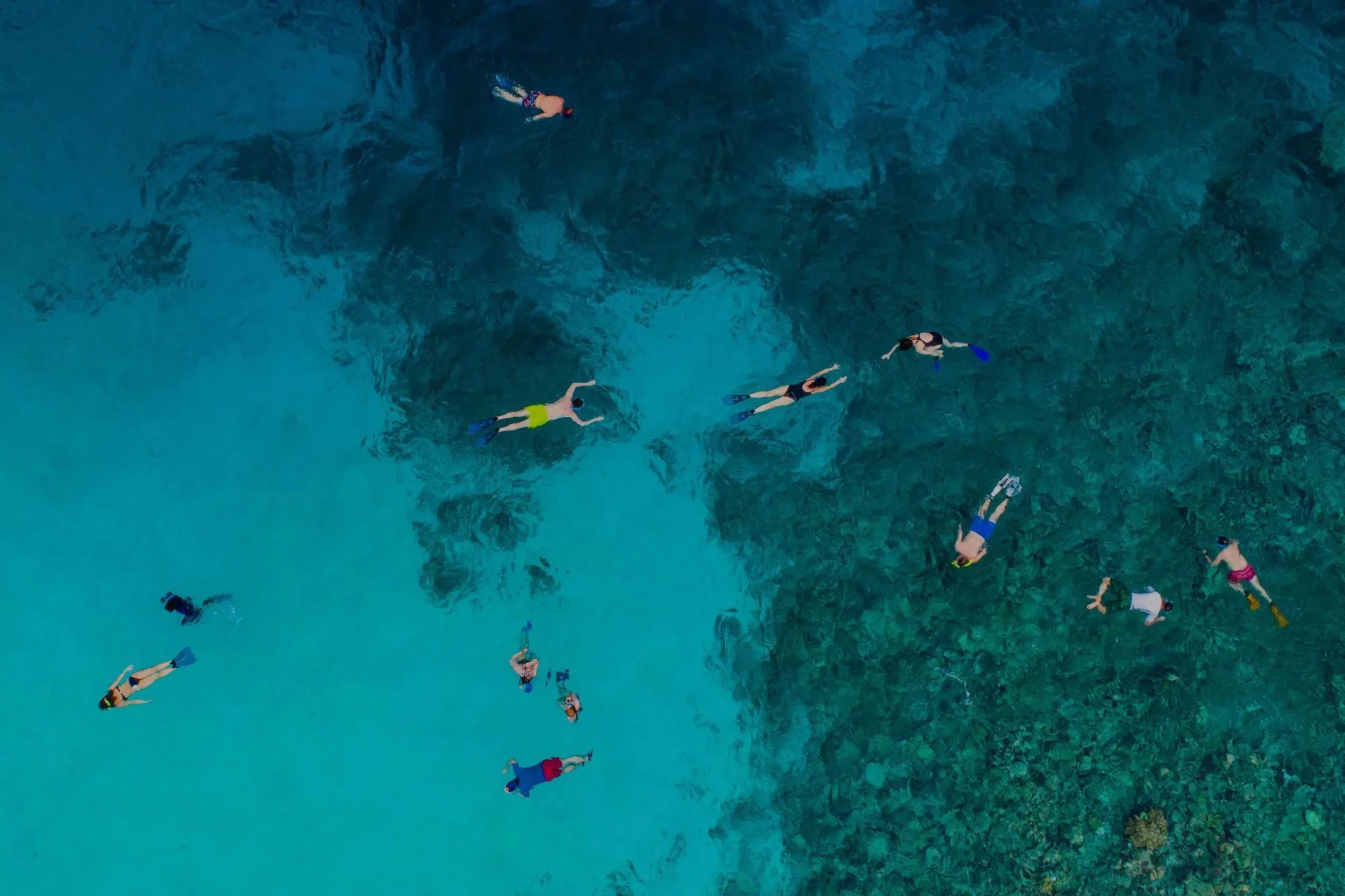
Sail away from Vilanculos and step into a living paradise—the Bazaruto Archipelago, Mozambique’s most captivating eco-island escape. Declared a national marine park, this chain of five islands is a sanctuary for turtles, dolphins, manta rays, whale sharks, and the world’s last viable dugong population. Its coral reefs, seagrass meadows, and mangrove forests thrive under the protection of Mozambique’s forward-thinking marine conservation program, supported by local communities and eco-lodges dedicated to preserving biodiversity.
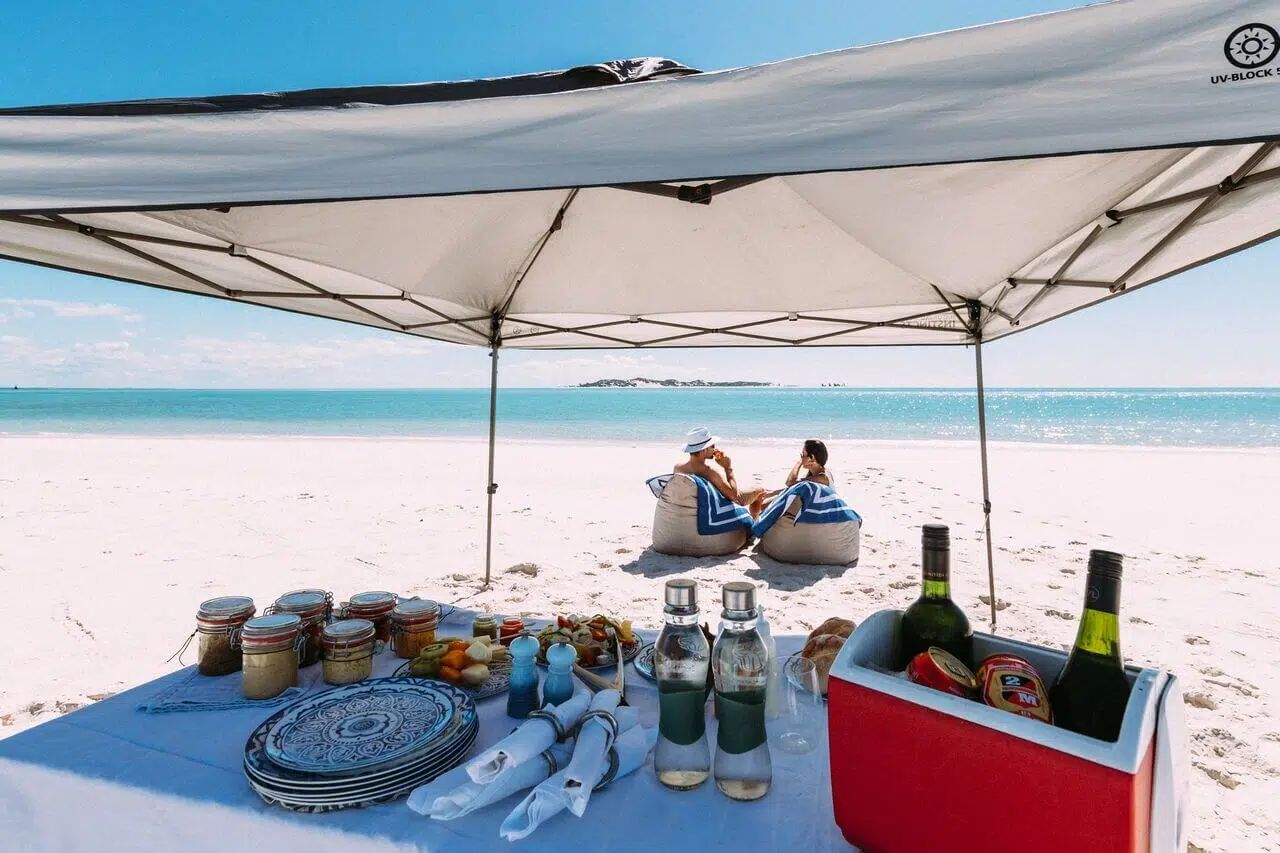
At the heart of Benguerra Island, the renowned Azura Benguerra Island Lodge stands as a shining example of sustainable luxury. Built entirely by hand in partnership with the local community, Azura blends traditional craftsmanship with elegant, contemporary design. Each villa features locally sourced materials, solar power, water recycling systems, and a private plunge pool overlooking the endless Indian Ocean. Guests unwind on shaded decks, savor fine dining inspired by local flavors, and enjoy personalized butler-host service that defines the Azura experience. Every stay contributes directly to marine conservation, community education, and mangrove restoration through the lodge’s Carbon Neutral initiatives.
Just along the shoreline, andBeyond Benguerra Island Lodge complements Azura’s ethos with its own eco-conscious charm. Designed to harmonize with the island’s natural beauty, this intimate retreat features traditional thatched casitas and cabanas shaded by palms. Guests can dive with marine biologists, participate in turtle monitoring programs, and explore unspoiled coral reefs on guided excursions. The lodge’s community partnerships fund local schools, conservation training, and coral regeneration projects, reinforcing its reputation as one of Africa’s finest sustainable beach lodges.
Nearby, Azura Marlin Beach mirrors this dedication to responsible tourism with coral gardening, beach restoration, and zero-waste operations. Guests can kayak across turquoise lagoons, take sunset dhow cruises, and relax in understated elegance where sustainability meets serenity.
Whether you choose Azura Benguerra, andBeyond Benguerra, or Azura Marlin Beach, the Bazaruto Archipelago offers more than a luxury island holiday—it’s an invitation to join a movement that protects Mozambique’s oceans, supports its people, and celebrates the rare harmony between indulgence and sustainability. These lodges aren’t just getaways; they are symbols of how eco-tourism can shape a brighter, more responsible future for Mozambique’s magnificent marine world.
Gorongosa National Park – Mozambique’s Eco-Conservation Success Story
Welcome to Gorongosa National Park, Mozambique’s greatest conservation triumph and one of Africa’s most inspiring eco-destinations for 2026. Once decimated by decades of conflict, this extraordinary park has been completely rejuvenated into a thriving sanctuary where wildlife, people, and science coexist in harmony. Today, Gorongosa stands as a global model for sustainable tourism and biodiversity restoration—a place where every safari directly contributes to conservation and community development.
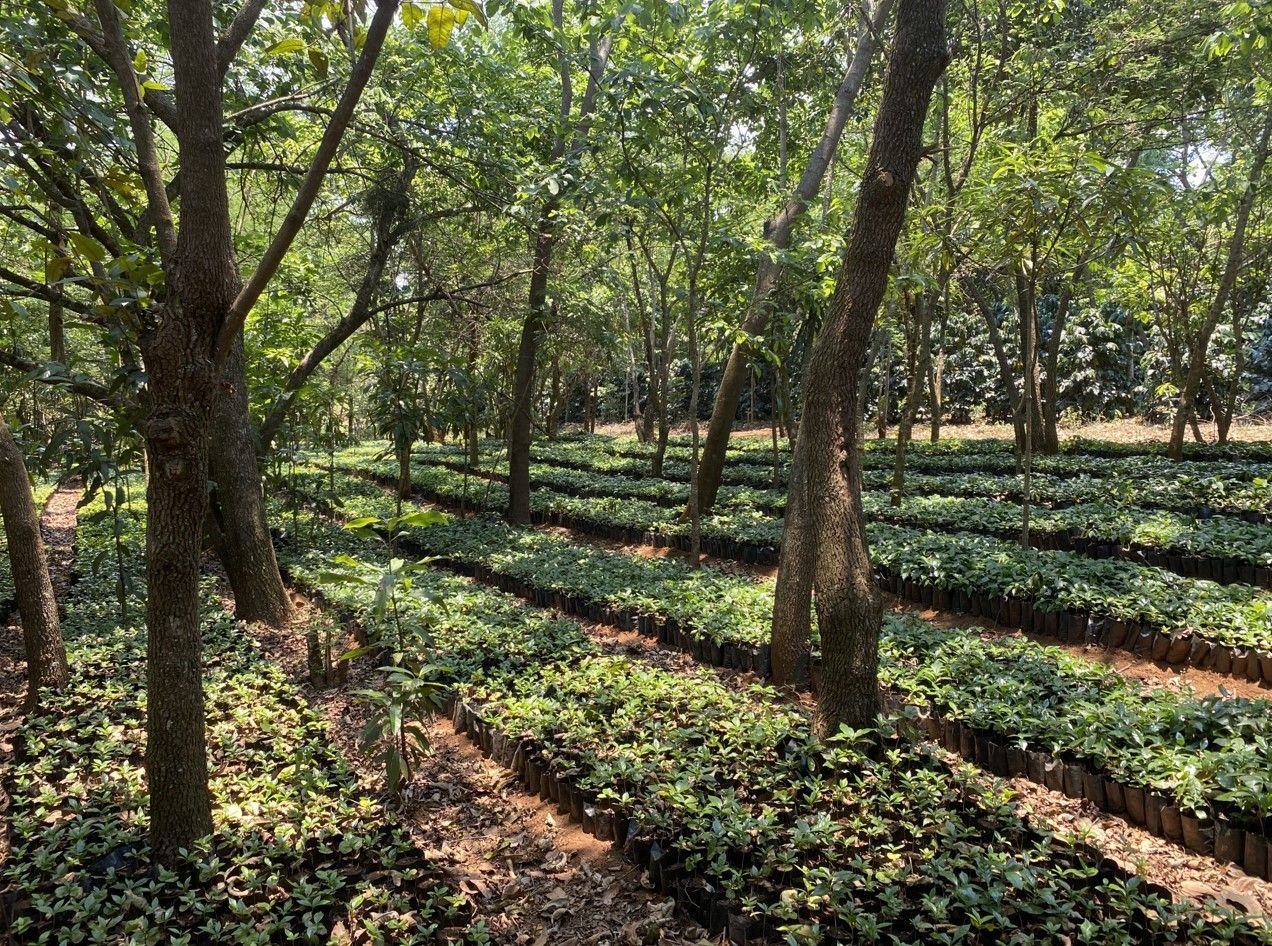
Set within the Great Rift Valley, Gorongosa’s landscapes range from riverine forests and vast floodplains to mist-covered mountains and coffee farms. The park’s ambitious Gorongosa Restoration Project, spearheaded by philanthropist Greg Carr in partnership with the Mozambican government, continues to transform this wilderness into a self-sustaining, community-driven ecosystem. Travelers who visit are not just tourists—they become part of a living story of hope, science, and rebirth.
A Blueprint for Responsible Ecotourism in Mozambique
Gorongosa National Park has redefined what responsible travel means in Africa. This is not just a safari—it’s an education in sustainability. The park invests in conservation science, women’s empowerment programs, and education initiatives that uplift the thousands of Mozambicans who live around its borders.
Profits from tourism flow directly into community schools, health clinics, and reforestation projects, creating a cycle where nature and people thrive together.
Visitors can participate in guided eco-tours that reveal how Gorongosa’s rewilding efforts have restored elephant, lion, and wild dog populations. Scientists here monitor predator-prey dynamics, water cycles, and forest regrowth, offering guests the chance to witness real-time conservation in action.
Where to Stay in Gorongosa National Park – Chicari Camp and Muzimu Camp
Two remarkable eco-lodges now define the Gorongosa experience: Chicari Camp and Muzimu Camp. Both deliver authentic, sustainable safaris rooted in comfort and conservation.
Chicari Camp sits beside the wildlife-rich Chicari Pan, offering spacious en-suite safari tents and elevated tree-hide units with open-air showers. Powered by solar energy and crafted with local materials, it provides intimate immersion in the park’s wild rhythms. Game drives, guided walks, and canoe safaris begin right at camp, revealing Gorongosa’s diverse ecosystems.
Nearby, Muzimu Camp raises the standard of eco-luxury with thatch-and-canvas suites overlooking sweeping floodplains. Each unit features private decks, fine linens, and natural ventilation that blends elegance with sustainability. Fully solar-powered and staffed by local guides, Muzimu combines refined comfort with a deep connection to Gorongosa’s landscapes—perfect for travelers seeking meaningful, environmentally responsible safaris in Mozambique.
Wildlife Encounters and Conservation Experiences
Every safari in Gorongosa tells a story of renewal. Herds of elephants roam free once again, lions and wild dogs thrive, and over 500 bird species paint the skies in vibrant color. Visitors can track hippos in Lake Urema, explore Mount Gorongosa’s coffee plantations, and join park rangers and pangolin researchers on walks that showcase the park’s revival.
Gorongosa’s ecosystem is one of Africa’s most diverse, supporting both tropical and savanna species. Here, you might see oribi grazing near waterbuck, monitor lizards basking on termite mounds, and carmine bee-eaters nesting along sandy cliffs. Each encounter reinforces the power of conservation tourism to heal entire landscapes.
The Science and Soul of Gorongosa
Beyond safaris, Gorongosa is a living laboratory for environmental science. The park’s E.O. Wilson Biodiversity Laboratory conducts groundbreaking research on climate adaptation, reforestation, and species recovery. Guests can visit this hub to learn how Gorongosa’s model of conservation integrates modern science with local wisdom.
The park also runs pioneering programs such as Girls’ Clubs, providing education and mentorship for young women, and the Coffee Project on Mount Gorongosa, which creates sustainable income for local farmers while restoring rainforest cover. This integration of ecology and equity makes Gorongosa a destination where travel truly transforms lives.
When to Visit Gorongosa National Park
The best time to visit Gorongosa is from April to November, during the dry season when wildlife viewing is at its peak and roads are easily accessible. The park closes briefly during the heavy rains from December to March, allowing the ecosystem to regenerate naturally.
Flights from Johannesburg or Maputo to Beira make access straightforward, with private transfers arranged directly to the park gates. Mozambique Travel ensures seamless logistics for all guests, whether you’re adding Gorongosa to a Kruger and Bazaruto combo or focusing on a standalone eco-safari adventure.
Why Gorongosa is the Future of Sustainable Safari
Gorongosa National Park isn’t just a destination—it’s the blueprint for how tourism can repair the planet. Every guest supports research, rewilding, and local livelihoods. Every night’s stay funds education and forest restoration. This is the safari of the future: conscious, regenerative, and deeply meaningful.
For travelers seeking more than photographs, Gorongosa offers connection—to nature, to people, and to purpose.
The Hidden Value of Responsible Travel
What sets Mozambique apart is its commitment to low-impact, high-value tourism. There are no overbuilt resorts or crowded beaches here—only small, community-driven lodges that value authenticity over volume. From solar kitchens to rewilding projects, Mozambique’s eco-travel movement demonstrates how tourism can actively restore ecosystems. When you book through Mozambique Travel, your stay supports local conservation, cultural preservation, and women-led business initiatives across coastal regions.
Responsible travel in Mozambique means mindful indulgence: diving among coral reefs instead of visiting captive marine parks, choosing reusable over disposable, and connecting with people whose livelihoods depend on protecting this paradise.
Beyond the Beach – Mozambique’s Expanding Eco Map
While Bazaruto and Vilanculos lead the charge, Mozambique’s sustainable future extends far inland. Gorongosa National Park, once ravaged by war, has been reborn as a model of eco-restoration. Its lodges, like Chicari Camp and Muzimu Camp, use solar power, natural materials, and employ local staff trained through the Gorongosa Restoration Project.
Together, these initiatives are creating a holistic network of eco-destinations where tourism and conservation work hand in hand—from the Indian Ocean to the Great Rift Valley.
How to Plan Your Mozambique Eco-Holiday for 2026
Booking an eco-friendly holiday has never been easier. Mozambique Travel arranges tailor-made itineraries that include carbon-offset flights, sustainable transfers, and accommodation at certified green lodges.
Whether you want a luxury island escape or a bush and beach adventure, we handle every detail—ensuring your trip is both unforgettable and environmentally responsible.
Travel consciously. Stay sustainably. Leave a legacy of care.
Featured Packages
Frequently Asked Questions
How is Gorongosa National Park redefining eco-safari travel in Africa?
Gorongosa National Park is transforming the definition of safari by blending conservation, science, and social upliftment into one regenerative travel model. Unlike traditional wildlife tourism, Gorongosa’s ecotourism funds reforestation, wildlife reintroduction, and education programs in surrounding communities. Visitors contribute directly to conservation by staying in eco-lodges like Chicari and Muzimu, built with local materials and powered by solar energy. Scientists and travelers work side by side here, restoring ecosystems once lost to war. The result is a living conservation classroom, where your holiday helps rewrite Africa’s most inspiring environmental recovery story—an entirely new kind of safari with purpose and impact.
What makes Gorongosa’s Chicari and Muzimu Camps different from other safari lodges in Mozambique?
Both Chicari Camp and Muzimu Camp were designed to immerse travelers in the essence of responsible safari living. Chicari sits beside a wildlife-rich wetland known as Chicari Pan, offering elevated safari tents with open-air showers and views of elephants and antelope at dawn. Muzimu delivers barefoot elegance, featuring solar-powered suites with private decks overlooking vast plains. Both camps employ local staff, use sustainable water systems, and minimize waste through recycling and composting. Unlike commercial lodges, they limit guest numbers to preserve tranquility and prioritize low-impact travel. Together, they create an intimate, meaningful safari experience that’s deeply connected to Gorongosa’s landscape and community-led conservation vision.
How does the Gorongosa Restoration Project connect travelers to real conservation work?
The Gorongosa Restoration Project is more than a conservation program—it’s an invitation for travelers to participate in Africa’s most successful ecosystem recovery. Guests can visit the park’s research labs, meet scientists studying predator reintroduction, and even join reforestation walks on Mount Gorongosa. This hands-on engagement transforms a safari into a journey of discovery and purpose. Each visit contributes financially to wildlife protection, community education, and women’s empowerment initiatives. By booking with Mozambique Travel, you’re directly funding these projects, ensuring your stay leaves a lasting positive footprint. Few destinations offer such transparent, measurable impact between tourism and ecological restoration.
How can visitors reach Gorongosa National Park from South Africa or Maputo in 2026?
Accessing Gorongosa National Park in 2026 is easier and faster than ever. Travelers can fly from Johannesburg or Maputo to Beira International Airport, where convenient safari air scheduled flights now connect directly to Gorongosa’s private airstrip inside the park. These short scenic flights provide a quick and comfortable transfer into the wilderness, eliminating the need for long road travel. For added flexibility, charter flights from Beira, Vilanculos, or Chimoio can also be arranged through Mozambique Travel, perfect for groups or connecting itineraries. Guests combining their safari with a beach holiday in the Bazaruto Archipelago or Kruger National Park can enjoy seamless bush-to-beach air links designed for modern eco-travelers.
What makes Gorongosa an ideal destination for eco-conscious photographers and filmmakers?
Gorongosa is a paradise for visual storytellers. Its diverse habitats—floodplains, forest, and mountain—offer unmatched wildlife variety with minimal tourist traffic. Golden light floods the plains at sunrise, hippos bask in Lake Urema, and Mount Gorongosa looms dramatically in the distance. Photographers can capture natural behaviors uninterrupted by crowds, while filmmakers gain access to conservation fieldwork, predator tracking, and reforestation initiatives. With Mozambique Travel’s permits and logistics, Gorongosa is ideal for responsible photography tours that support rather than exploit its fragile ecosystem.
How can travelers combine Gorongosa with Mozambique’s beaches for a bush and beach eco-holiday?
A Gorongosa safari pairs perfectly with a beach escape in the Bazaruto Archipelago or Vilanculos. After exploring the park’s wilderness, guests can fly or transfer to the coast for sustainable island lodges like Azura Benguerra or andBeyond Benguerra, both committed to marine conservation. This combination offers a complete eco-journey—from rewilded savannahs to coral reefs alive with turtles and dolphins. Mozambique Travel crafts all logistics, flights, and transfers seamlessly, allowing travelers to enjoy two distinct conservation worlds in one holiday: Gorongosa’s wild heart and the ocean’s tranquil soul.
How does Gorongosa National Park involve local communities in its success?
Gorongosa’s conservation model is built on inclusion. Over 90% of staff at its lodges and research facilities are recruited from nearby villages. Community programs fund schools, healthcare clinics, and women-led cooperatives. The Girls’ Club Initiative mentors young women in education and conservation careers, while the Mount Gorongosa Coffee Project provides sustainable income and reforestation in tandem. Every tourist visit supports this circular economy, helping locals become guardians of their own environment. Gorongosa proves that people and wildlife can thrive together when tourism is managed ethically and transparently.
SHARE THIS POST
Are You Ready FOr Mozambique?
Page through our packages and find the offer right for you!
Ready to Speak to a Mozambique Travel Expert?
Get In Touch and Ask for a Call-Back Today
Latest Posts