

The Mighty Elephants Mozambique


By  March 12, 2024

How healthy is the Elephant population in Mozambique right now?

The mighty elephants of Mozambique have experienced turbulent times since the age of discovery. Hunting, poaching, civil war and encroaching humans have completely changed their feeding grounds and their home as they have always known it. What happened to the elephants of Mozambique? Elephant tragedy in the Civil War and the ivory trade; conservation success stories in top national parks. 


African elephants, those majestic giants of the bushveld, are the epitome of economic, ecological, cultural, and aesthetic richness. These huge, graceful mammals reveal sophisticated social cohesion, reflecting individual genius and united intelligence in their herds. African elephants play a vital role within complex ecosystems as ‘keystone’ species and natural habitat transformers. Elephants are widely adored and admired so where they exist opens doors for better environmental protection, boosted fundraising efforts, raising awareness, and actioning broader conservation efforts.

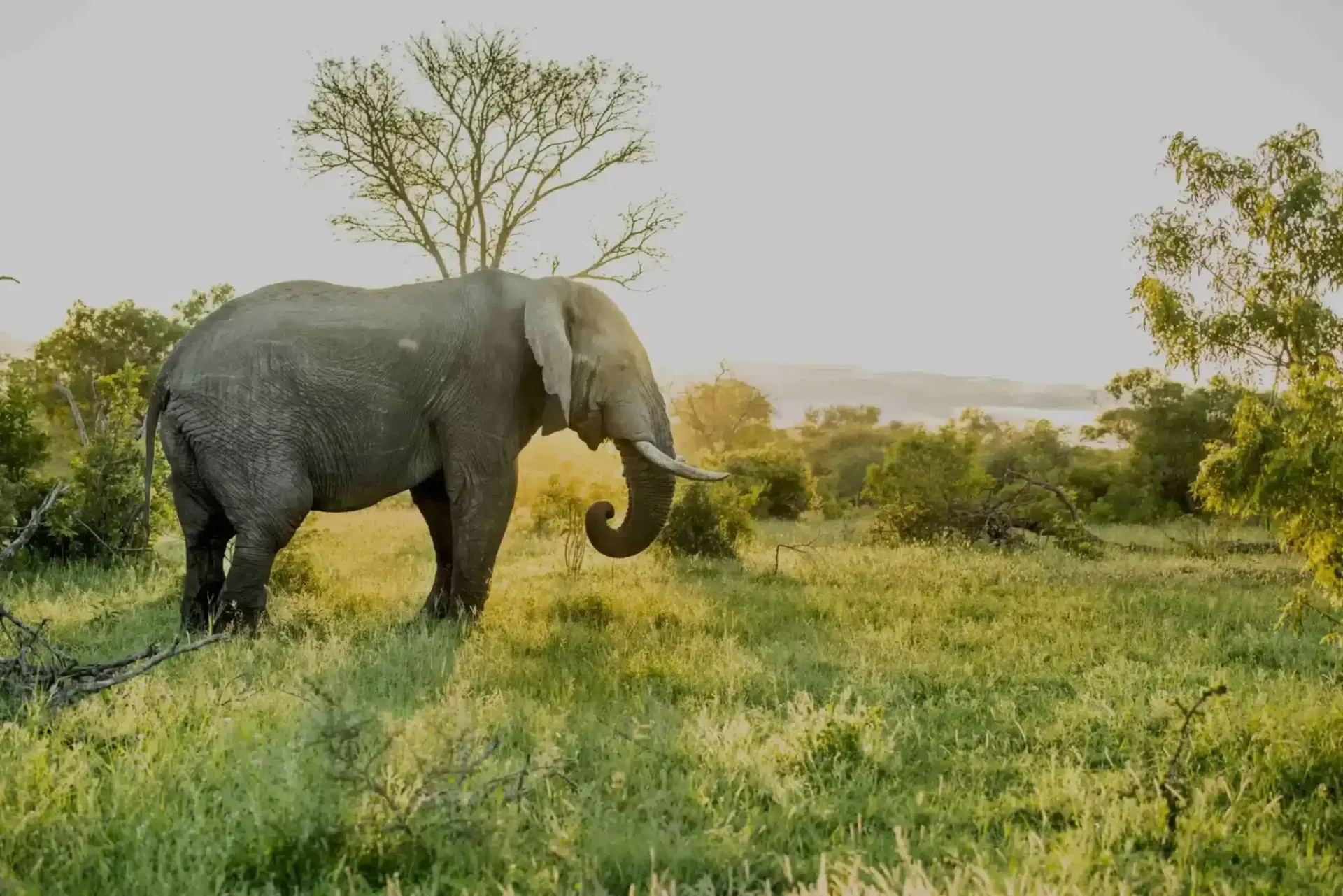
Need help remembering which is an African elephant and which is an Asian elephant? Check out their ears! African elephant ears are, rather helpfully, the shape of Africa.

Culturally, elephants symbolize strength and power to many African tribes and tourists seek them out on game drives to connect with their surreal tranquility and magnitude. This makes it even sadder that the future of African elephants teeters on the brink of uncertainty. Ominous threats loom over these iconic savanna animals including habitat loss due to human encroachment, ivory poaching, and human-wildlife conflict. In some populations, threats are so bad that some nations could lose entire elephant communities within the next 10 to 25 years. Those tasked with safeguarding natural heritage in Africa face an ever-daunting task and many have joined the African Elephant Range States (AERS).


How many elephants in Mozambique?

According to the Mozambican Conservation Area Administration (ANAC), there is still hope for Mozambique’s elephants as the country’s commitment to conservation has maintained its population at a resilient 10,800 since 2014. The Mozambique elephant population remains secure and stable. The CITES Monitoring the Illegal Killing of Elephants (MIKE) Program monitors the illicit killing of elephants, builds management capacity, and provides crucial information to aid in decision-making for range states. The meticulous monitoring of elephant mortality, where every discovered carcass becomes a piece in the puzzle, reveals insights into the challenges these magnificent creatures face.


In addition, the African Elephant Action Plan, adopted by 32 range states, aims to secure and restore sustainable elephant populations throughout their present and potential range. It represents the commitment of African nations to protect the ecological, social, cultural, and economic benefits these elephants bring.


In the heart of Mozambique, elephants tend to venture beyond protected spaces, sparking human-wildlife conflicts. Elephants Alive, a South African NGO, leads groundbreaking research into how elephants traverse borders, stressing the importance of preserving ancient routes and vital wildlife corridors. They use innovative transboundary satellite tracking across Southern Africa, covering nearly 3000km of trans-frontier conservation areas, identifying crucial wildlife corridors that demand protection. There are more stories about the collared elephants weaving through Maputo National Park to Niassa Game Reserve. 


Niassa National Reserve Mozambique Elephants

The massive Niassa Special Reserve in northern Mozambique embraces a staggering 42,300 square km. It is intricately connected to the Selous Game Reserve in southern Tanzania and the Quirimbas National Park on the coast by the Selous-Niassa corridor. Claiming 31% of Mozambique’s protected land, Niassa is home to a robust population of elephants (4-4,500), plenty of lions (1,000-1,200), elusive leopards, wild dogs (400-450), sable, kudu, wildebeest, and zebra. However, poaching caused the once-thriving elephant population to decline from more than 70,000 in the early 2000s to about 20,000 animals by 2016.

Did you know? Baby elephants stay with mum for up to 10 years. They even learn to eat by putting their trunks inside their mothers’ mouths to take food.

Other threats include crude mining causing habitat destruction, river pollution, bushmeat extraction, and the ominous expansion of local criminal networks. Since 2004, the Niassa National Reserve has been a CITES MIKE site, in a joint effort with the National Administration for the Conservation Areas (ANAC), the Wildlife Conservation Society (WCS) and the European Union. Together they secure wildlife law enforcement with the Elephant Protection Program within the reserve.

Mozambique Elephants in Gorongosa National Park

Once scarred by civil strife, Gorongosa National Park now conserves a resilient elephant population. The shadow of wartime poaching reveals a new generation of tuskless female elephants, bringing to the table complex questions about genetic inheritance. Pre-1969, Gorongosa sheltered 2200 elephants but some 15 years later, less than 200 remained. 


Gorongosa elephants assume a pivotal role as they push trees over, and graze diverse plants, opening up the landscape for other grazers and herbivores. Devoting a remarkable 16 hours a day to their voracious appetites, their gigantic dung balls serve as both fertilizer and seed dispersers, a delectable feast for Gorongosa’s dung beetles.

Gorongosa National Park is one of the most ecologically diverse regions in the world!

These elephants are truly wild and not used to human proximity so they can be skittish and react to vehicles with a retreat or defensive displays. It’s their way of communicating, a subtle yet powerful message: maintain a respectful distance. Seeing elephants on a Mozambique safari in Gorongosa is life-changing! 


In 2011, the Gorongosa Restoration Project invited ElephantVoices to monitor their elephants and since October 2012, their annual expeditions to Mozambique have unveiled the stories etched in the lives of Gorongosa’s elephants. Data from 2019 reveals 28 families within two clans—Urema and Pungue—alongside approximately 168 independent adult males.

Maputo National Park herds of Mozambique Elephants

The Special Elephant Reserve was formed in 1960 to preserve the local elephant population and by 1969, it had become the Maputo Special Reserve, symbolizing a broader commitment to conservation beyond elephants alone. Historically, elephants moved naturally between KwaZulu-Natal and southern Mozambique but the Mozambican war from 1975 to 1992 herds to the perils of landmines and snares meant for smaller game. To secure the Mozambique elephants safety on the South African side, the northern border of Tembe Elephant Park was fenced in 1989 but this protective measure unfortunately halved the once-thriving elephant population.

Home to an ever-growing and diversifying wildlife, with rare and endangered species, Maputo National Park is one of the most striking areas of biodiversity globally.

Today, Maputo National Park is home to more than 400 elephants. The creation of the Lubombo Transfrontier Conservation Area has helped to reunite fragmented elephant populations and resurrect ancient movement corridors, including those along the Futi system and Rio Maputo floodplains. Elephants can move to the fertile Maputo River floodplain on traditional seasonal migrations. Elephants Alive has successfully collared six elephants within Mozambique’s Maputo National Park with the help of other conservation organizations to learn more about their movement patterns.

Zinave National Park How Many Elephants are there in Mozambique

Situated in the Inhambane Province of Mozambique, Zinave National Park covers 408,000 ha and is an integral part of the Mozambican component of the Great Limpopo Transfrontier Conservation Area. Successful elephant translocations have boosted Mozambique’s elephant conservation in Zinave National Park. 


The groundbreaking internal translocation, the first of its kind in Mozambique, of 37 elephants from the Maputo River on the fringes of Maputo National Park to Zinave National Park reveals the level of commitment to elephant conservation. These elephants have joined the ranks of another 170 elephants translocated over the past four years, forming a founding population that will enhance the genetics of Zinave’s current elephant community and later restore other parks facing a scarcity of elephants.

Interesting fact ~ Elephants make sounds that we can’t even hear. Some of their calls are so low, they are below the range of human hearing!

In 2019, De Beers initiated their Moving Giants initiative, offering to relocate 101 elephants from the Venetia-Limpopo Nature Reserve in South Africa to Zinave, in collaboration with Peace Parks Foundation. Zinave’s sprawling 400,000 hectares boast an abundance of trees and grasses, a veritable banquet for elephants. Thanks to a collaborative effort involving ANAC, the Peace Parks Foundation and various wildlife organizations, the African elephant is now listed as ‘endangered’ on the IUCN Red List. 


Elephants in Mozambique Facts

Elephant herds are led by a matriarch and organized into complex social structures of females and calves. Male elephants tend to live in isolation or small bachelor groups. Females give birth to one calf every four to five years and are pregnant for 22 months, the longest gestation period of any mammal. All females in the herd care for the calves. Elephants need vast areas to survive as hungry herbivores devouring tons of foliage, volumes of water and kilometres of space. One elephant eats hundreds of kilograms of food a day for up to 18 hours – so as they lose their habitat, human-wildlife conflict intensifies. We have pieced together what happened to the elephants of Mozambique in a story of elephant tragedy conservation successes. The mighty elephants of Mozambique now remain safe in top national parks.

Featured Packages

SHARE THIS POST

Are You Ready FOr Mozambique?

Page through our packages and find the offer right for you!


Ready to Speak to a Mozambique Travel Expert?

Get In Touch and Ask for a Call-Back Today

Latest Posts

By Mozambique Travel August 5, 2026
Choosing Between Benguerra and Bazaruto for a Mozambique Honeymoon One of the most common questions we receive from honeymoon couples is surprisingly simple: should we stay on Benguerra Island or Bazaruto Island? At first glance, the decision appears straightforward. Both islands sit within the Bazaruto Archipelago . Both offer beautiful beaches, warm Indian Ocean waters, marine adventures and access from Vilanculos. Both are associated with luxury travel and feature heavily in photographs used to market Mozambique around the world. The reality is more nuanced. For most honeymoon couples, the choice between Benguerra and Bazaruto will have a bigger impact on the overall holiday experience than the choice of lodge itself. The atmosphere, scale, privacy levels, activities and style of travel differ significantly between the two islands. After helping travellers plan Mozambique honeymoons for more than 20 years, one pattern is clear. Many couples begin by focusing on accommodation before deciding what type of honeymoon they actually want. That often leads them towards the wrong island. A couple seeking complete privacy and a castaway atmosphere may find Benguerra exactly matches their expectations. A couple wanting more varied landscapes, longer beaches and a broader sense of exploration may prefer Bazaruto. Neither option is automatically better. The right answer depends on what kind of honeymoon experience matters most to you. For most luxury honeymoon travellers, our recommendation is usually Benguerra Island. The combination of intimate lodges, exceptional service, marine experiences and romantic atmosphere makes it easier to justify for couples celebrating a special occasion. However, that does not mean Benguerra is always the correct choice. One of the biggest misconceptions about Mozambique honeymoons is that the most exclusive island automatically delivers the best experience. In practice, the best honeymoon is usually the one that aligns most closely with your expectations, travel style and budget. Before comparing lodges, transfers or activities, it is worth understanding how these two islands differ. What Makes Benguerra Island So Popular With Honeymoon Couples? Benguerra Island has become synonymous with luxury honeymoons in Mozambique . Located just offshore from Vilanculos, it combines beautiful natural scenery with some of the country’s most sought-after accommodation. The island feels intimate, uncrowded and deliberately removed from everyday life. Many couples arrive expecting relaxation and leave remembering the sense of space and exclusivity more than anything else. One reason Benguerra performs so well for honeymoons is scale. The island is large enough to offer diverse scenery yet small enough to maintain a feeling of seclusion. Couples can spend days exploring beaches, enjoying dhow cruises, horse riding along the shoreline, snorkelling coral reefs or simply relaxing without ever feeling surrounded by other visitors. In our experience, honeymoon travellers often underestimate how valuable privacy becomes during a beach holiday. Resorts elsewhere in the Indian Ocean can deliver luxury accommodation but still feel busy. Benguerra tends to provide a stronger sense of escape. This is particularly true at properties such as Azura Benguerra and &Beyond Benguerra Island, where villa spacing and personalised service create a highly private atmosphere. Another major advantage is the marine environment. The waters surrounding Benguerra offer exceptional snorkelling, diving and fishing opportunities. Seasonal whale sightings, dolphin encounters and dugong habitat add further appeal. For couples who want their honeymoon to include memorable experiences rather than simply beach time, Benguerra often delivers more variety than expected. There is also a practical consideration. Many travellers compare Mozambique directly with destinations such as Mauritius, the Seychelles or the Maldives. While those destinations may offer larger resort infrastructure, Benguerra frequently wins when couples prioritise authenticity, privacy and a stronger sense of discovery. Mozambique is not necessarily the easiest Indian Ocean destination. For many honeymoon couples, that is precisely the attraction.
Sunset beach with palm trees and two people walking along the shoreline
By Mozambique Travel August 3, 2026
Discover Mozambique honeymoon destinations, from Benguerra and Vilanculos to tailored safari and beach escapes.

Two people on a small boat with a canopy, floating on clear water under a bright blue sky.
By Mozambique Travel July 29, 2026
Discover the best Mozambique diving holidays, where to stay, when to go and how to choose the right diving destination.
Aerial view of three small green islands in deep blue ocean with turquoise shallows
By Mozambique Travel July 27, 2026
Discover the best islands in Mozambique and learn which island destination is right for your budget, travel style and holiday goals.
Aerial view of beachfront thatched cottages with palm trees and sandy paths near turquoise water.
By Mozambique Travel July 24, 2026
Discover the best beach resorts in Mozambique, from luxury island lodges to mainland retreats, with expert advice on choosing the right stay.
Hands holding a banknote in front of a scenic bay with limestone cliffs and calm water
By Mozambique Travel July 22, 2026
Discover realistic Mozambique holiday costs for 2027, including honeymoon budgets, family holidays, luxury island escapes and safari and beach combinations.
Show More