

Saving Turtles in Mozambique


By Mozambique Travel March 4, 2024

Turtles and Turtle Conservation in Mozambique

The extensive and stunning shores and seas of Mozambique boast an incredible treasure trove of magnificent and unique species of marine turtles. Diving holidays take on new meaning in the Bazaruto Archipelago when these creatures emerge to nest on island beaches. Turtle conservation in Mozambique – Turtles in Mozambique are protected in marine reserves from Ponta do Ouro and all the way up to Cabo Del Gado in the north. Five species of turtles nest along the Mozambique coast, but they remain under pressure and at risk.

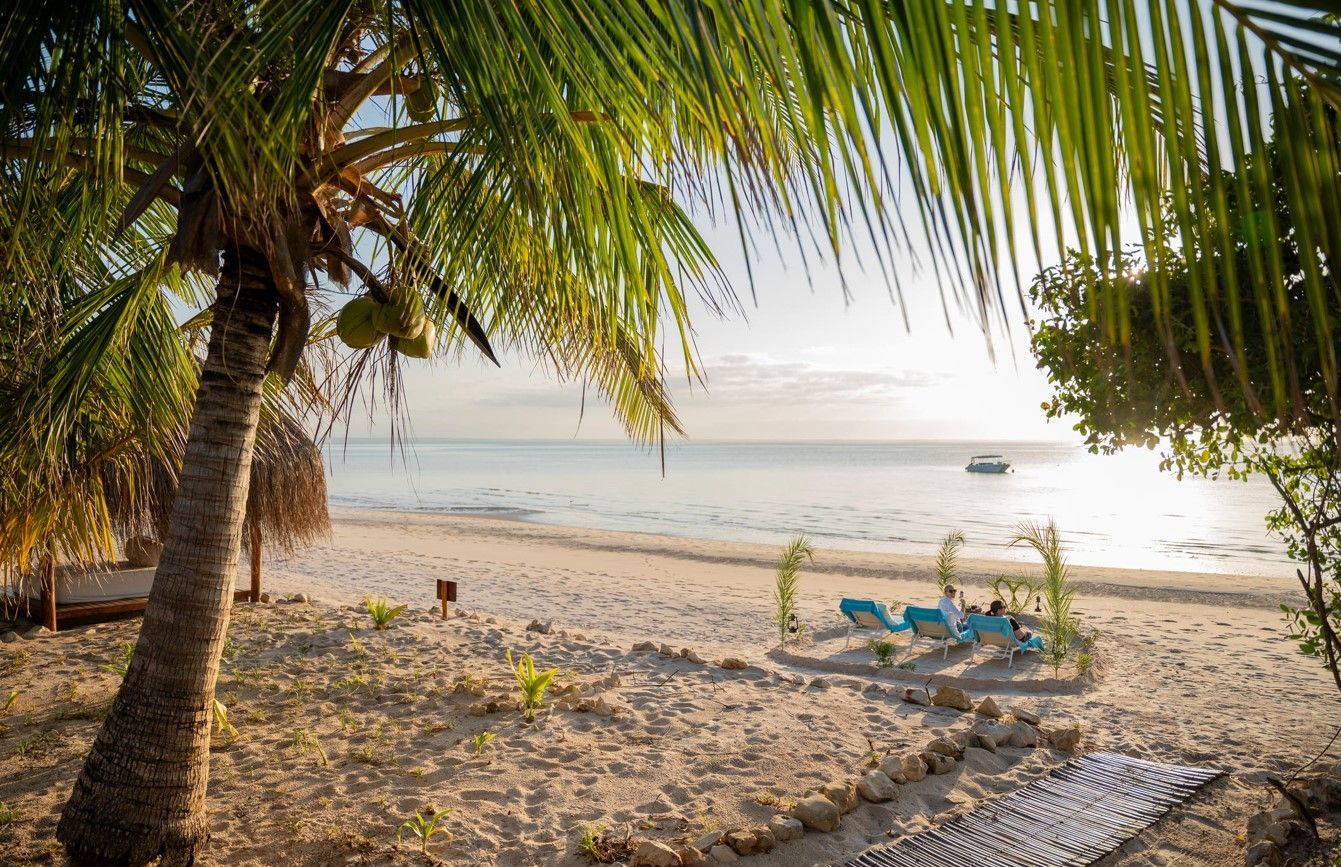
The beaches of Mozambique are largely unexplored and unspoilt, providing the perfect environment for sea turtles to lay their eggs.

These ancient mariners hold immense value for nature and people: 

  • Ecologically, they maintain ecosystem balance
  • Culturally, they are symbols of biodiversity
  • Economically, they contribute to sustainable tourism.


Yet, despite their importance – protection, research and conservation efforts for these gentle giants have lagged. Let’s see what is happening with regards turtle conservation in Mozambique to save them.


Stories of Turtle Conservation in Mozambique

A 2006 report on the conservation status of marine turtles in Mozambique dives deep into the status quo of their distribution, highlighting areas where these incredible creatures nest and thrive. However, it also reveals the many natural and human-made threats to the safe survival of these megafauna.


The alarming reality is that marine turtle populations in Mozambique are believed to be declining steadily but various organizations are involved with establishing strict law enforcement, targeted education and public awareness campaigns, and ecotourism ventures. This report is a rallying cry for proactive management and conservation measures to be implemented to strengthen the future of these majestic creatures. Mozambique’s underwater realm is home to five of the world’s seven marine turtle species. Mozambique conservation in action!

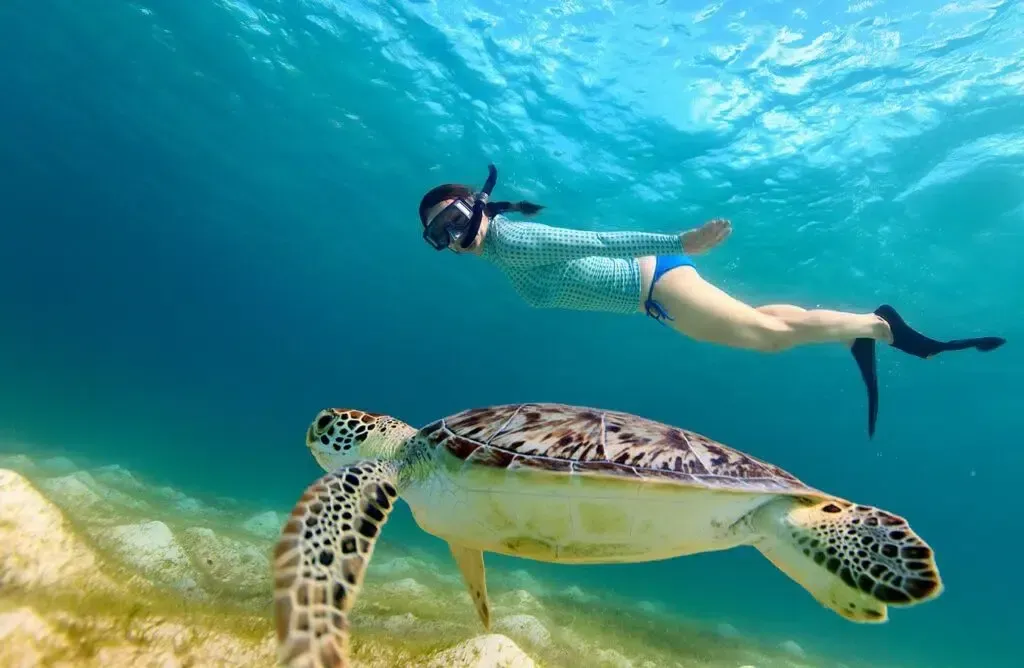
The warm waters of the Southern Mozambican coastline offer some excellent snorkeling opportunities where you can view a variety of sea life including turtles.

Meet Jess Williams, the Marine Conservation Biologist and Director of Tartarugas para o Amanhã, a registered environmental consulting company within Mozambique. She strives to spread awareness about sea turtle conservation and research efforts in Mozambique and she knows everything there is to know about turtles worldwide.


In addition, Peace Parks Foundation and Mozambique’s National Administration for Conservation Areas (ANAC) have joined forces with partner organizations to transform Mozambique’s ocean sanctuary into a haven for critically endangered turtles. This 80-kilometer stretch of coastline is home to an astonishing 80% of all loggerhead and leatherback turtle nesting sites in Mozambique. This is Mozambique conservation in action.


The largest turtles are fitted with satellite tags to collect data which then tells how these majestic creatures can thrive upon returning to the ocean. Their role in maintaining the health of the dunes and ocean ecosystems is crucial – as keystone species, they carry vital nutrients from the ocean to the dunes, promoting the flourishing of countless other organisms.


Founder and owner of Dolphin Encountours, Angie Gullan, became an influential part of the drive to enforce a marine protected area and, years later, this became the Ponta do Ouro Partial Marine Reserve (PPMR). In the year 2000, the Lubombo Ponta do Ouro Kosi Bay Marine and Coastal Transfrontier Conservation and Resource Area was proclaimed between South Africa, Mozambique and Swaziland (Eswatini) to conserve a wild area of Global Importance in the Eastern African Marine Ecoregion.

The 678 square km Ponta do Ouro Partial Marine Reserve stretches 18 nautical miles into the Indian Ocean and incorporates the stunning Inhaca Island. Effective turtle monitoring outposts have been established at Ponta Milibangalala and Machangulo thanks to the generous support of donors like the Machangulo Group and the Turing Foundation. This means that a quad bike has significantly enhanced beach patrols, while the Principality of Monaco funded the initial year of a coral reef monitoring program. The US Fish and Wildlife Service sponsored a diving course and equipment for the marine guards.

Turtle Species in Mozambique

  • Green Turtles – Divers find these gentle giants in the Tofo area or the Bazaruto Archipelago, some as small as 40 cm, playing a vital role in keeping coral reefs healthy. The green sea turtle is the largest hard-shelled sea turtle and the only herbivore turtle. They get their greenish flesh colour from eating green seagrasses and algae. They nest in over 80 countries and inhabit the coastal areas of more than 140 countries, including Mozambique. Human impacts include poaching for their fat, meat, and eggs, which seriously impacts their populations. 
  • Loggerhead Turtles – The most abundant turtles in Mozambique, they often come close to divers for a curious peek. In Ponta Do Ouro, their nesting haven, their numbers have dropped due to human impacts, land predators when young, and large sharks when mature. The loggerhead sea turtle is omnivorous, feeding mainly on bottom-dwelling invertebrates and using its large and powerful jaws to crunch prey. 
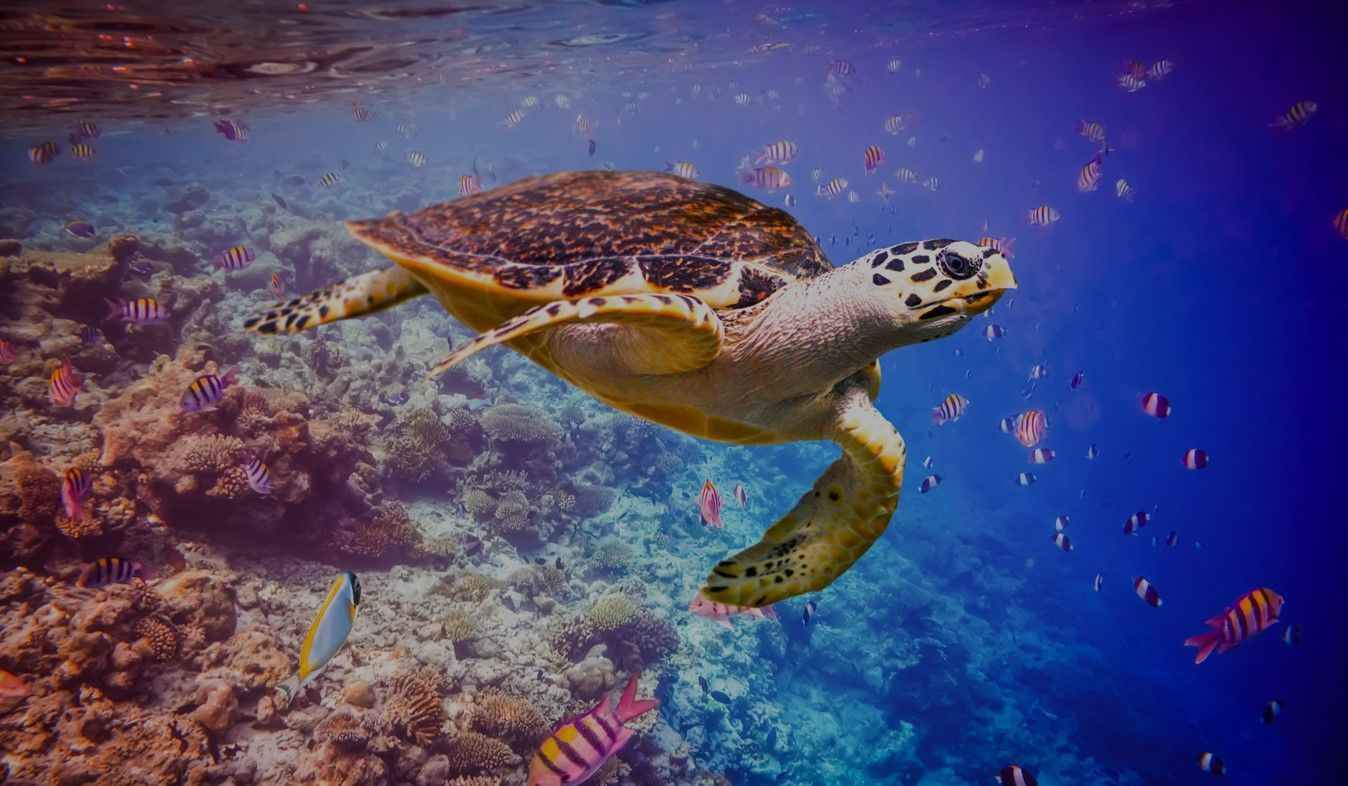
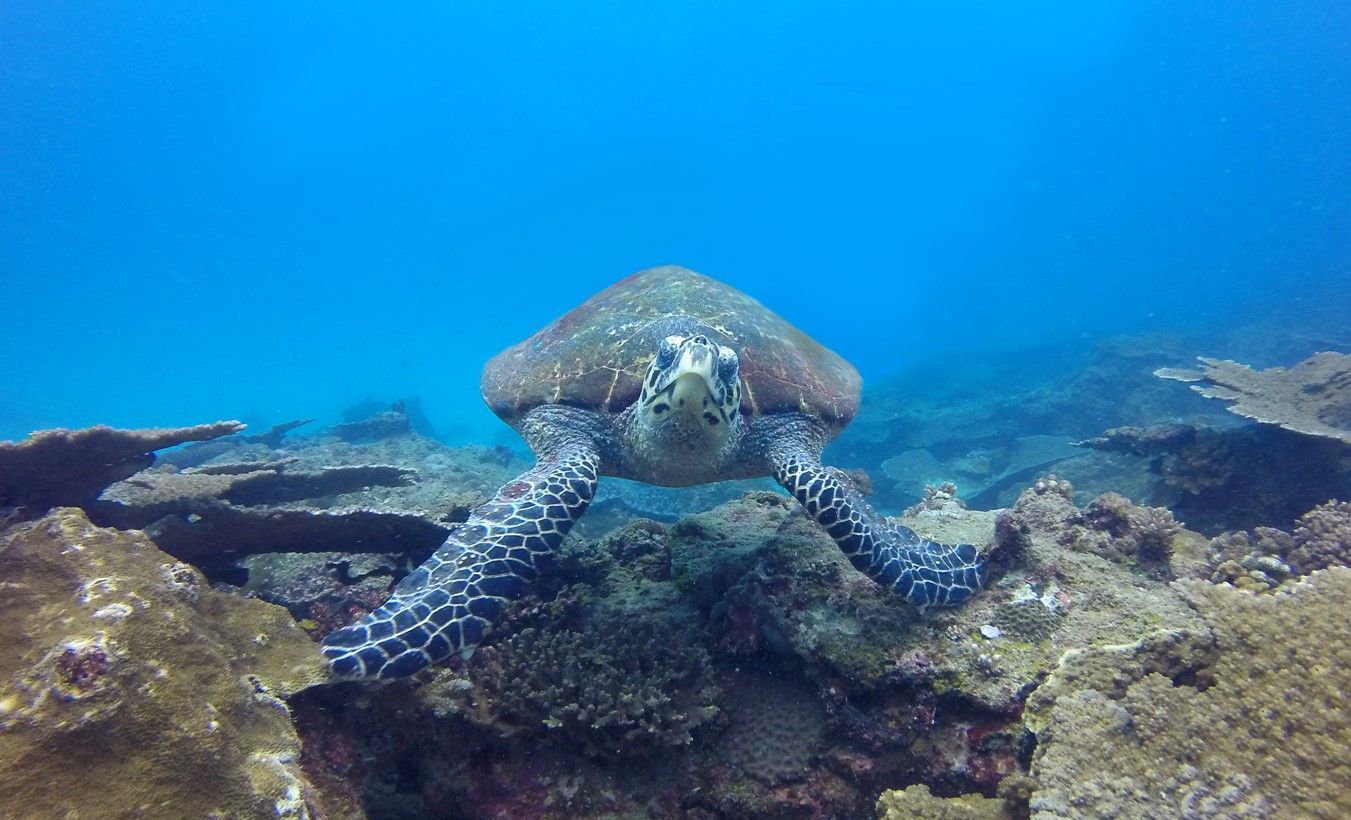
  • Hawksbill Turtles – Specialist sponge-eaters, they frequent reefs beyond Tofo, creating space for corals and algae to thrive, maintaining the delicate balance of the ecosystem. It’s critically endangered and only present in tropical and subtropical marine and estuary ecosystems. It has a flattened body shape and is different from other sea turtles with its sharp, curving beak, prominent sharp cutting edge, and its shell’s sharp edges. These shells do change colors in tune with water temperature. Classified as critically endangered, these turtles are threatened by human fishing practices and poaching for tortoiseshell material for decoration.
  • Leatherback Turtles – The world’s biggest marine reptile, rivalling a VW Beetle in size! When rough weather stirs the ocean, these giants arrive, drawn by the plankton-rich fronts that wash up jellyfish, their favourite meal. Weighing up to 450 kg, they need to devour a staggering 330 kg of jellyfish daily and, unlike other turtles, they have a soft, cartilaginous shell. In addition, they have thick, leathery skin instead of scales and instead of teeth, the leatherback turtle has points on its upper lip with backward spines in its throat to help it swallow food and to stop its prey from escaping once caught. Their shells are uniquely designed to enable them to endure high ocean pressures as they dive as deep as 1200 m. 
  • Olive Ridley Turtles – The smallest of the sea turtles, they are known for their mass nesting events called ‘arribadas’, where hundreds of thousands come ashore together to lay their eggs. Reports suggest they thrive north of the Bazaruto Archipelago. They are also known as Pacific ridley sea turtles and are the most plentiful of all sea turtles worldwide. 


Go diving on two mile reef Mozambique and see a variety of turtles on your Bazaruto holiday!

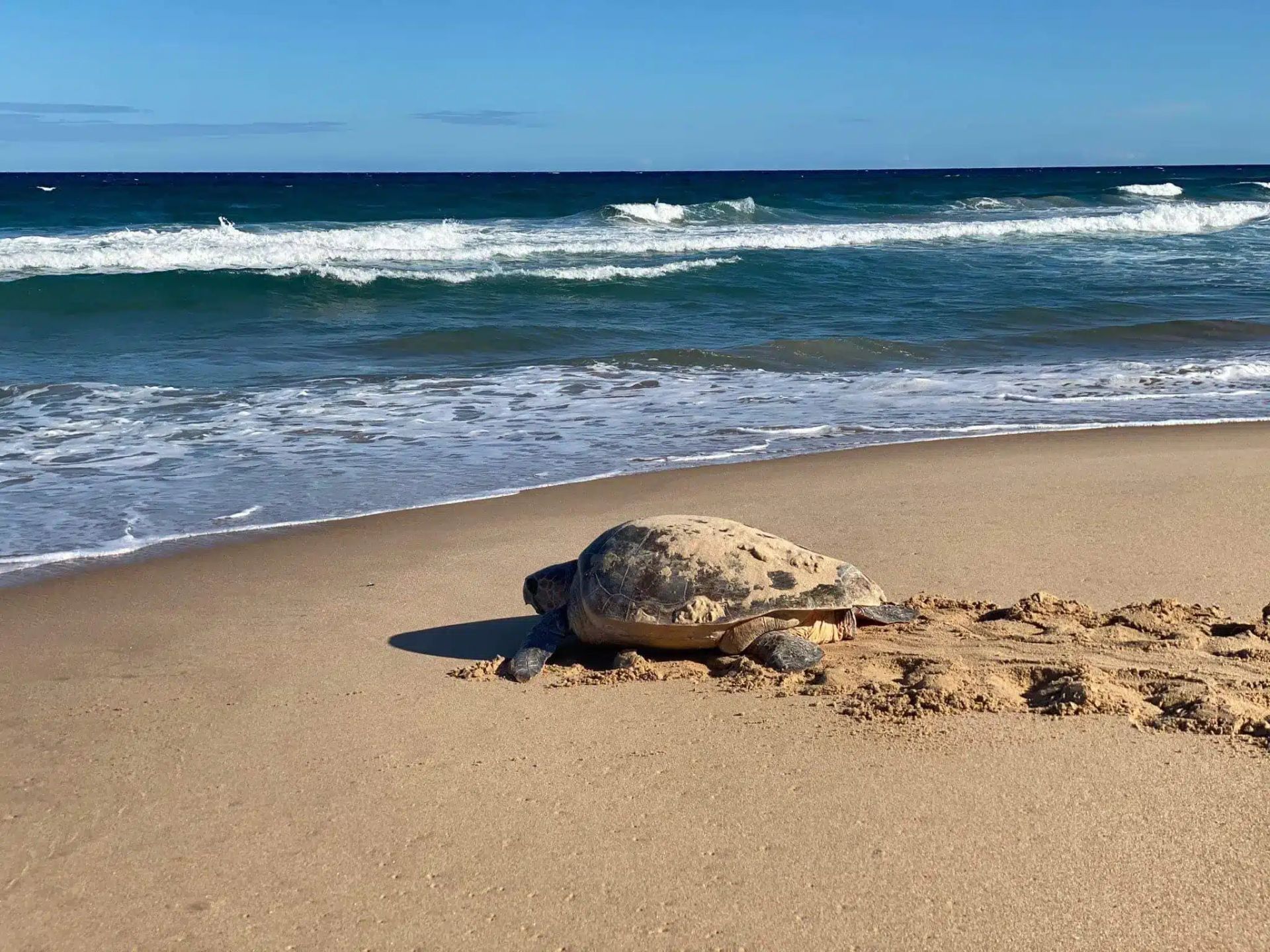
Mozambique’s beaches, including those near Ponta Malongane, serve as nesting havens where female leatherbacks return to lay their eggs.

What Can You Do to Help Protect Turtles?

Turtle conservation in Mozambique – Buy beautiful, eco-friendly key rings made by local Mozambique artisans who were once fishermen, now repurposing recycled materials to create art. These key rings represent hope for turtle conservation and the support of coastal communities. Litter is recycled into art and the money goes back to support local communities who do not need to eat seafood to survive. Funds also support conservation initiatives for turtles, thus all ocean creatures.

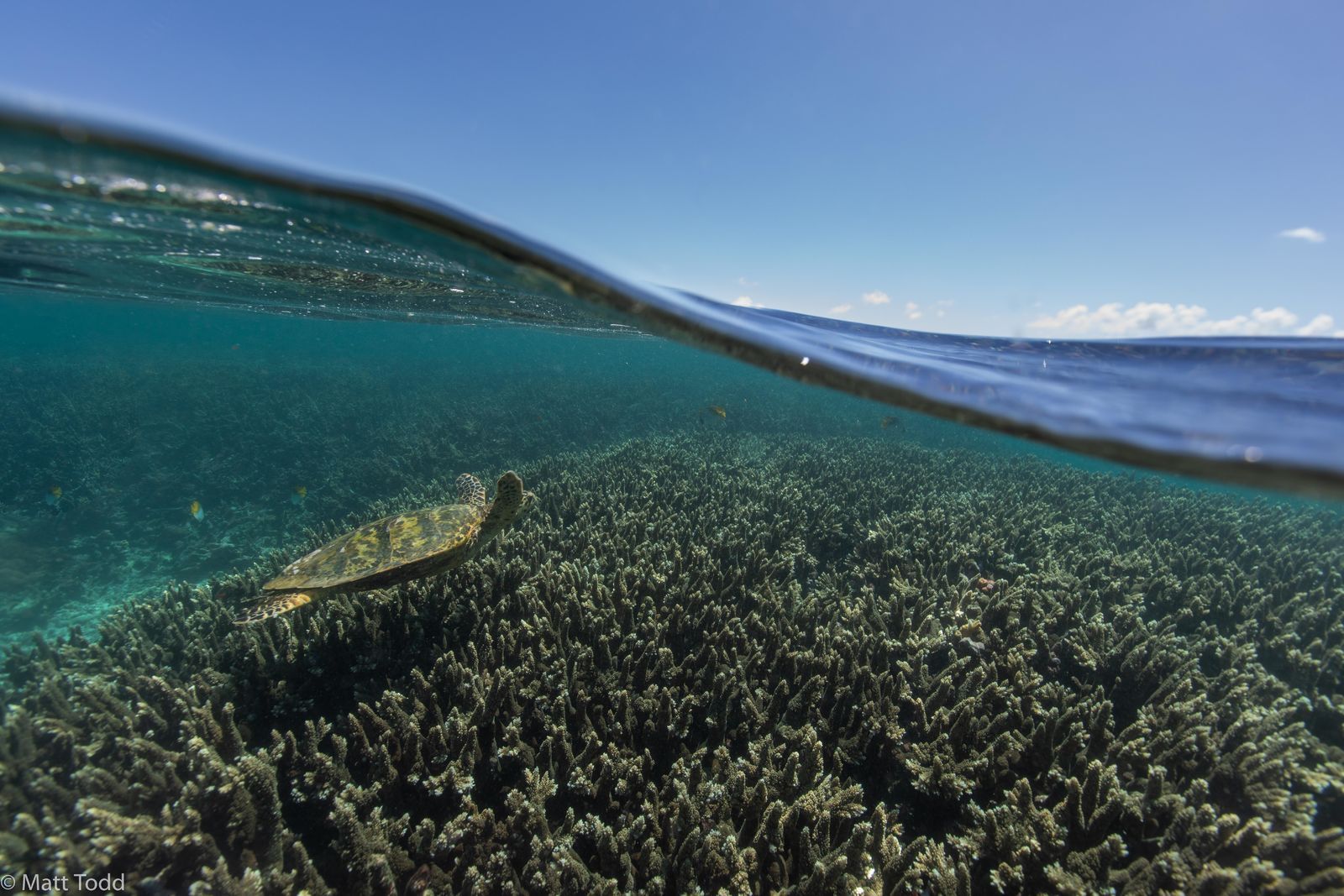
A two-mile reef blue turtle in Mozambique waters, off the East Coast of Africa.

Other ways to contribute to sea turtle conservation include:

  • Always find out where and how your seafood was caught then only eat seafood caught in eco-conscious, unharmful ways. Use the Southern African Sustainable Seafood Initiative (SASSI) guide.
  • Help clean up oceans and beaches to free all ocean animals from litter that may harm or kill them. Join coastal clean-ups and reduce plastic use in your own home. 
  • Stop buying balloons as most of them end up in the ocean where sea turtles can confuse them with food. 
  • Leave nesting turtles, nests, or hatchlings alone. Join groups to watch turtles laying eggs and learn from these events.
  • Spread the word on social media and encourage others to also save the oceans!


Picture the scene – the sun paints the horizon gold as hundreds of loggerhead and leatherback hatchlings take their first wobbly steps toward the ocean. This heartening scene has become increasingly common along the southern coast of Mozambique, a testament to the success of dedicated sea turtle conservation projects in the region. In 2021, more than 700 sea turtles returned to the sea in Mozambique!

Featured Packages


SHARE THIS POST

Are You Ready FOr Mozambique?

Page through our packages and find the offer right for you!


Ready to Speak to a Mozambique Travel Expert?

Get In Touch and Ask for a Call-Back Today

Latest Posts

Couple standing in shallow ocean water at sunset with colorful clouds and waves
By Mozambique Travel July 8, 2026
Plan the perfect Mozambique honeymoon in 2027 with expert advice on Benguerra Island, Vilanculos, safari and beach holidays, luxury lodges and romantic experiences.
Wild dogs walking along a sunlit dirt road under arching trees in a forest
By Mozambique Travel July 6, 2026
Discover why Gorongosa National Park is attracting safari travellers from around the world and how to combine it with Mozambique's leading beach destinations.
People relaxing on a shallow tropical beach with pale green water and a cloudy blue sky
By Mozambique Travel July 3, 2026
Compare Benguerra Island, Bazaruto Island and Vilanculos. Discover the best Mozambique beach holiday for honeymooners, families, luxury travellers and safari combinations.
Spa bathroom with twin sinks and open windows overlooking a green landscape at sunset
By Mozambique Travel July 1, 2026
Plan the perfect Kruger and Mozambique holiday in 2027. Compare safari lodges, Benguerra Island, Vilanculos, costs, timings and booking advice.
Aerial view of a turquoise tropical coastline with sandy beach, green hills, and blue sky.
By Mozambique Travel June 29, 2026
Discover the best Mozambique holiday packages for 2027, including safari and beach holidays, luxury islands, family trips, honeymoons and expert planning advice.
Lush green rainforest with a winding river and a misty mountain peak in the distance
By Kevin Record June 25, 2026
Discover Mount Gorongosa in 2027, Mozambique's most important Sky Island. Explore rainforest hikes, waterfalls, conservation projects and how to include it in a Gorongosa safari itinerary.
Show More