

Travel Safety in Gorongosa National Park 2026
By • January 29, 2026
Understanding Travel Safety in Gorongosa National Park
Gorongosa National Park has become one of Africa’s most important conservation success stories, and with that recovery has come a carefully structured approach to tourism safety. For travelers planning a safari in 2026, understanding how safety works inside the park and across surrounding regions such as Beira is essential for a confident and rewarding journey. See Your Mozambique travel security or safety hub page here.
This Gorongosa safety guide focuses on real safety considerations, not headlines. It covers how Gorongosa manages wildlife risk, how transfers are handled, what to expect when passing through Beira, and why light aircraft access plays a critical role in safe safari logistics.
Is Gorongosa National Park Safe to Visit in 2026
Gorongosa National Park is considered safe for tourism when travel is planned through licensed safari operators and approved camps. The park operates under a controlled access model where visitors do not move independently. All safaris, walks, and excursions are guided and monitored.
Security inside the park is managed by trained rangers who operate alongside conservation teams. These rangers patrol access points, wildlife zones, and community boundaries, ensuring that tourism activities remain separate from conservation operations and local land use.
Unlike open-access reserves, Gorongosa’s model limits risk by design. Visitors follow set routes, approved schedules, and defined activities, reducing exposure to unexpected situations.
How Safety Is Managed Inside Gorongosa National Park
Safety in Gorongosa is embedded into how the park functions. Camps communicate daily with park headquarters, guides report movements via radio, and activities are adjusted based on wildlife behavior, weather, and seasonal conditions.
Each camp operates with emergency response plans that include first aid capability, evacuation coordination, and communication with Beira-based medical facilities. Guides receive continuous training in animal behavior, terrain awareness, and guest management.
This layered approach means safety is not reactive, it is planned into every aspect of the safari experience.
Wildlife Safety and Guided Safari Protocols
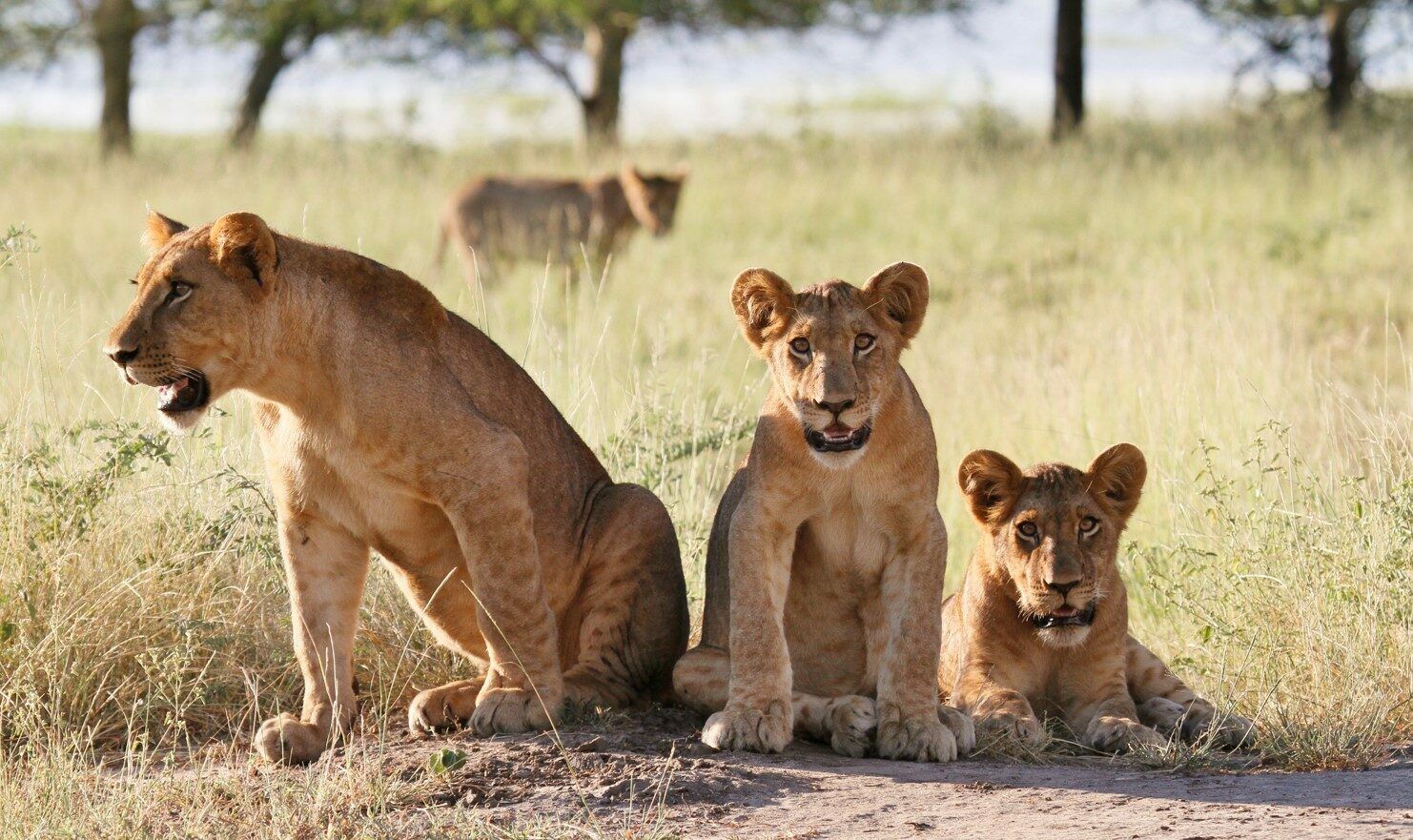
Wildlife numbers in Gorongosa continue to grow, including lions, elephants, and large herbivore herds. With this recovery comes strict wildlife viewing protocols.
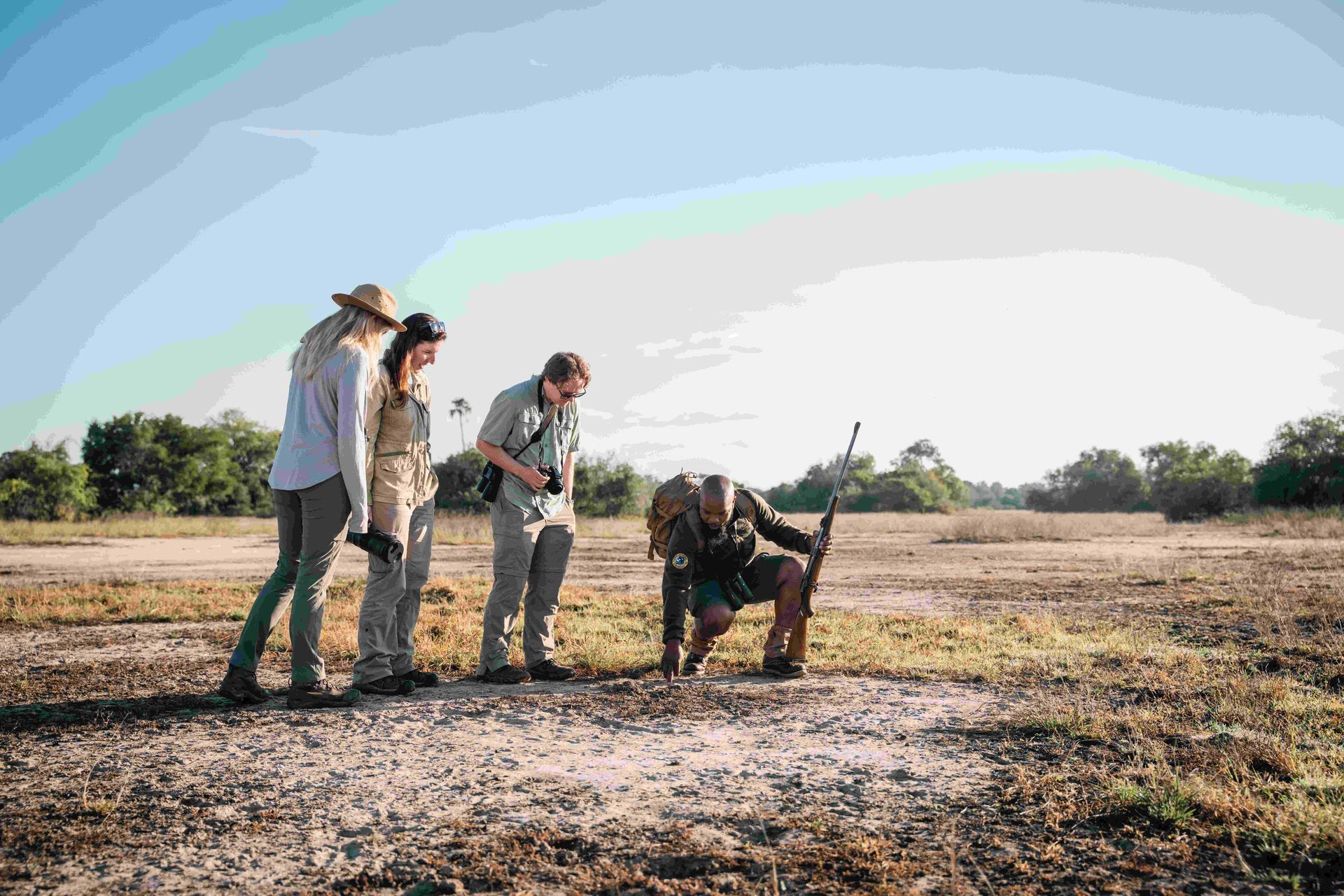
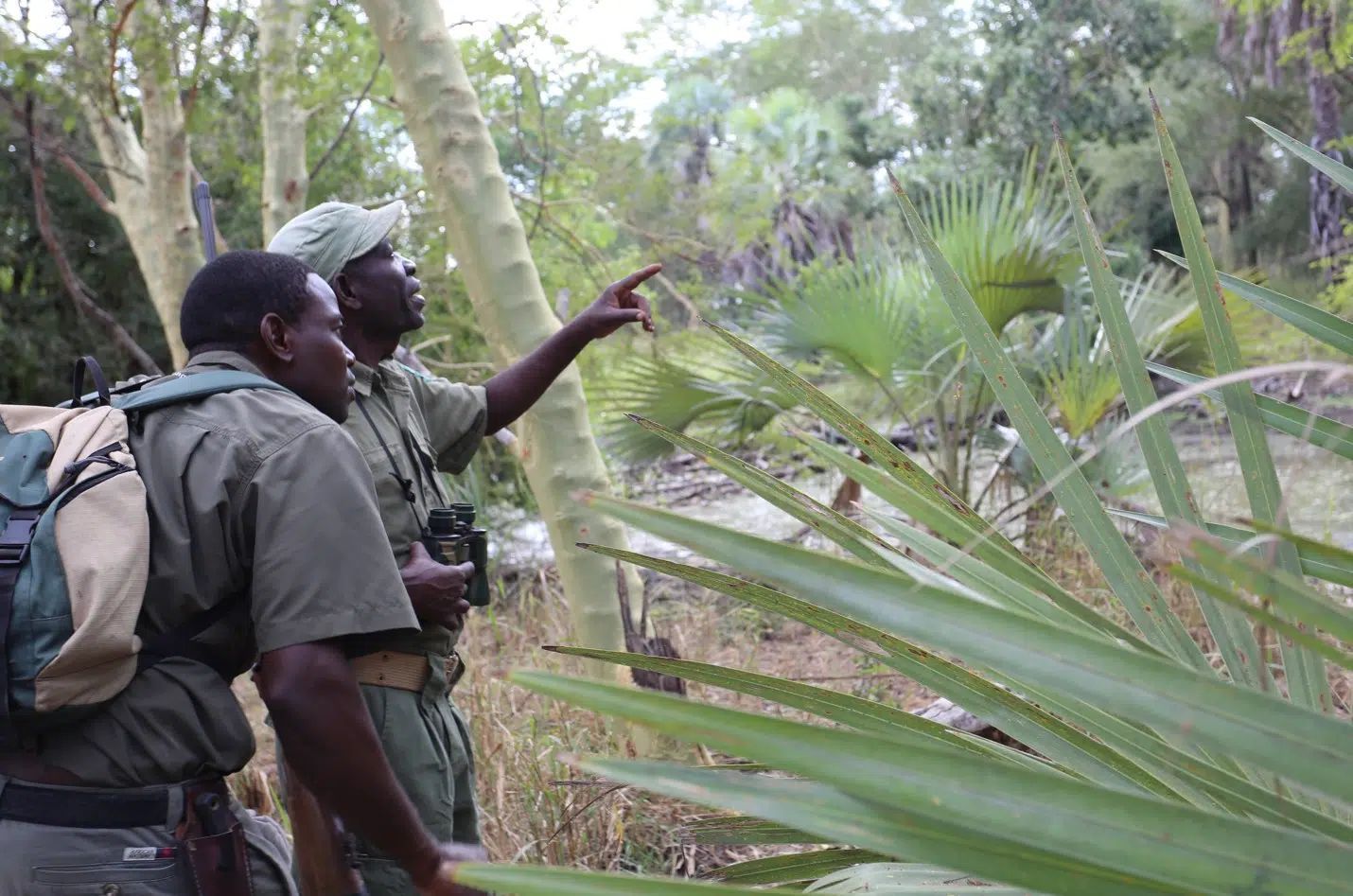
Game drives maintain safe distances and are adjusted based on animal movement and breeding cycles. Walking safaris are conducted only in approved areas and always with trained, armed guides who understand how to read the landscape and animal signals.
Guests receive briefings before activities, including how to behave around wildlife, why certain sightings may be limited, and what to expect during close encounters. These protocols significantly reduce risk while enhancing understanding.
Health, Medical Access, and Emergency Procedures
Gorongosa is a remote safari destination, but medical safety is taken seriously. Camps have trained staff capable of handling minor injuries and stabilizing patients if evacuation is required.
Emergency evacuation plans link the park to medical facilities in Beira or via air transfer if conditions require. Travelers are advised to carry comprehensive travel insurance that includes medical evacuation.
Malaria precautions, hydration, sun protection, and insect repellent are essential, particularly during warmer months and forest excursions.
Road Transfer Safety to Gorongosa National Park
Road transfers remain a common access route to Gorongosa, particularly from Beira. Safety on these routes depends entirely on planning.
Transfers arranged by professional operators use known routes, daylight travel windows, and experienced drivers familiar with road conditions and seasonal risks. Vehicles are selected for reliability and ground clearance.
Independent self-driving is not recommended for international travelers due to variable road conditions, limited signage, and seasonal flooding risks. If you are planning Gorongosa for 2026 speak to our specialists.
Beira Safety for Safari Travelers
Beira is primarily a transit city for safari travelers rather than a destination. When used correctly, it functions safely as a logistical gateway.
Travelers should rely on pre-arranged transfers, reputable hotels, and avoid unplanned movement, especially at night. Operators understand which neighborhoods to avoid and how to move efficiently through the city.
When treated as a short stopover, Beira presents minimal issues for safari travelers.
Light Aircraft Transfers and Aviation Safety
Light aircraft transfers significantly enhance safety and reliability for Gorongosa access. Operators such as Safari Air operate scheduled and charter flights into the region.
These flights reduce exposure to road risk, shorten travel time, and allow direct access to park airstrips. Pilots are experienced in regional weather patterns and remote operations.
Aircraft maintenance, pilot training, and operational standards follow regional aviation regulations, making this one of the safest transfer options, particularly during the rainy season.
Safety on Walking Safaris and Mount Gorongosa Excursions
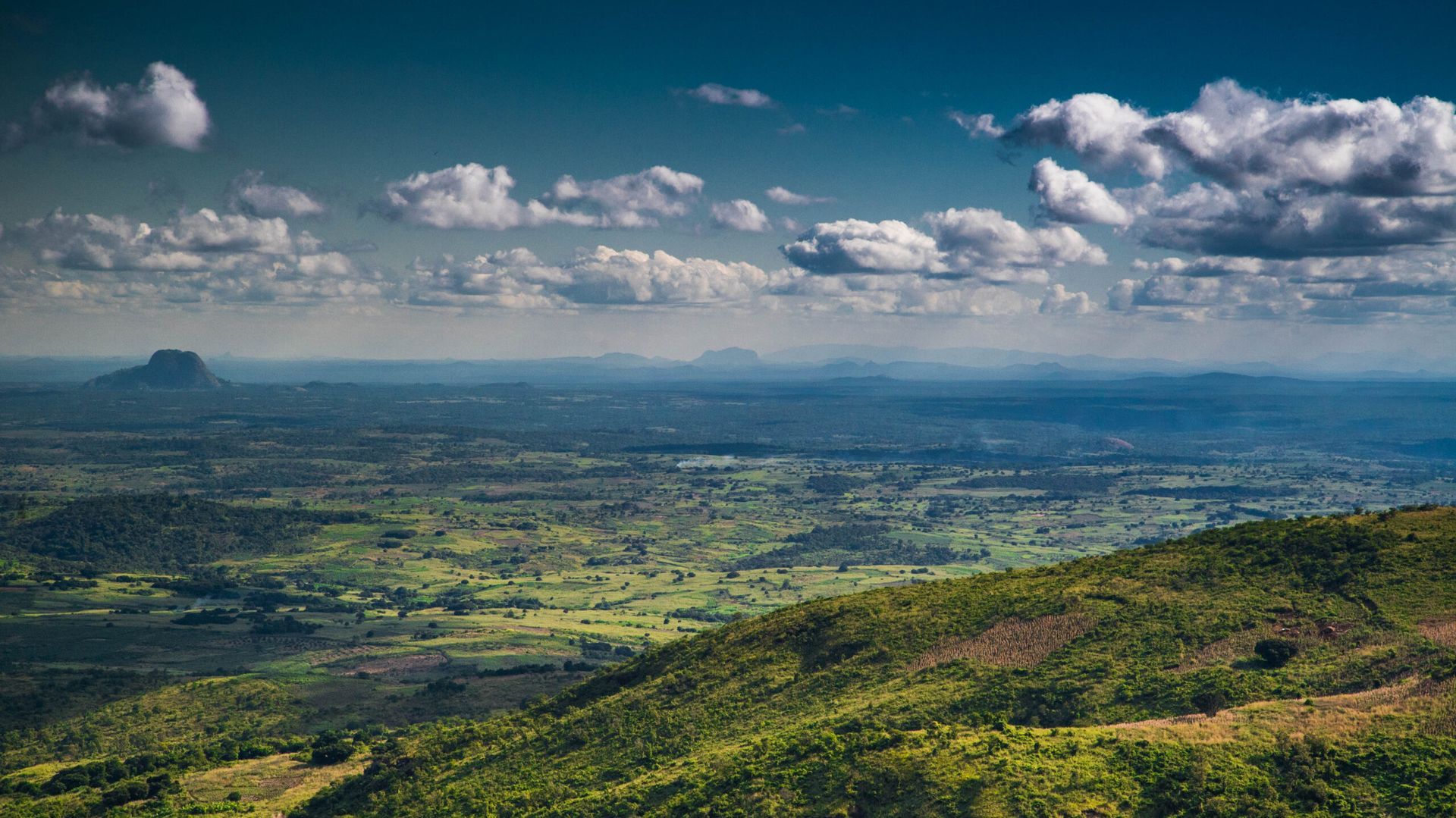
Mount Gorongosa introduces a different environment from the floodplains. Safety here focuses on terrain, weather, and physical readiness rather than wildlife density.
Hikes are guided, paced, and adjusted daily based on conditions. Guests are briefed on footwear, hydration, and clothing. Activities may be postponed if weather or trail conditions change.
This conservative approach prioritizes safety while still offering access to one of the park’s most unique ecosystems.
Community Visits and Cultural Safety Considerations
Community interactions in Gorongosa are structured and supervised. Visitors do not enter villages independently.
Activities are coordinated through park programs and local leaders, ensuring respectful engagement and clear boundaries. This protects both visitors and communities while supporting conservation-linked livelihoods.
Why Professional Planning Matters for Gorongosa Safety
Gorongosa is not a destination for improvised travel. Safety outcomes depend on timing, logistics, and local coordination.
Professional planners manage weather windows, road conditions, flight schedules, and park regulations. They adjust itineraries proactively rather than reactively.
This is the single biggest factor in ensuring a safe and smooth safari experience.
Gorongosa Safety Summary for 2026 Travelers
Gorongosa National Park is safe when visited through approved camps and licensed operators. Wildlife encounters are controlled, transfers are planned, and emergency protocols are in place.
Risks increase only when travelers attempt independent movement or ignore local advice. With proper planning, Gorongosa offers one of Africa’s most secure and meaningful safari experiences.
Plan a Safe Gorongosa Safari with Mozambique Travel
Mozambique Travel has over 20 years of experience arranging safaris across Mozambique, including Gorongosa and its surrounding regions. Our itineraries prioritize safety, logistics, and conservation integrity.
We manage flights, road transfers, camps, and scheduling to ensure every journey is secure and well supported. If you are planning Gorongosa for 2026, speak to our specialists and travel with confidence.
Featured Packages
Frequently Asked Questions
Is Gorongosa National Park safe for tourists in 2026
Yes, Gorongosa National Park is considered safe for tourists in 2026 when visits are arranged through licensed safari operators and approved camps. All activities inside Gorongosa National Park are guided and regulated, with controlled access, trained rangers, and clear safety protocols. Visitors do not travel independently within the park, which significantly reduces risk. Wildlife encounters, walking safaris, and community visits are carefully managed, making Gorongosa one of the more structured and responsibly operated safari destinations in Africa.
Is it safe to travel by road from Beira to Gorongosa National Park
Road transfers from Beira to Gorongosa are safe when arranged through experienced operators who understand local conditions. Transfers are planned during daylight hours using reliable, high-clearance vehicles and drivers familiar with seasonal road changes. Routes are monitored for weather impacts, particularly during the rainy season. Independent self-driving is not recommended for international travelers, as professional planning plays a key role in avoiding delays, poor road sections, and unnecessary exposure.
How safe is Beira for safari travelers passing through
Beira is generally safe for safari travelers when used primarily as a transit city rather than a sightseeing destination. Most visitors pass through Beira for one night or less, staying at vetted hotels and using pre-arranged transfers. Travelers are advised to avoid unplanned movement, especially after dark, and to rely on local knowledge provided by safari operators. When handled professionally, Beira functions efficiently as a gateway to Gorongosa with minimal safety concerns.
Are light aircraft transfers to Gorongosa safe
Yes, light aircraft transfers are considered one of the safest and most reliable ways to reach Gorongosa, especially in 2026. Flights operated by licensed charter companies use experienced pilots familiar with regional weather patterns and remote airstrips. These transfers reduce exposure to road risks, shorten travel time, and provide direct access to the park. Light aircraft are particularly valuable during the rainy season, when road conditions may be unpredictable.
Is Gorongosa suitable for families from a safety perspective
Gorongosa can be suitable for families when itineraries are carefully designed around age, interests, and safety considerations. Guided game drives, flexible schedules, and conservation-focused activities allow families to engage safely with the park. Walking safaris and more strenuous activities may be adjusted or excluded for younger children. Planning through specialists ensures accommodation choice, activity pacing, and medical considerations are appropriate for family travel.
What health precautions should travelers take when visiting Gorongosa
Travelers to Gorongosa should follow standard safari health precautions, including malaria prevention, insect repellent use, sun protection, and staying well hydrated. Camps have trained staff for first aid and clear evacuation protocols in place, usually coordinated through Beira or by air. Comprehensive travel insurance that includes medical evacuation is strongly recommended. Visitors should also follow guide instructions closely, particularly during walking safaris and forest excursions.
Is it safe to combine a Gorongosa safari with a Mozambique beach holiday
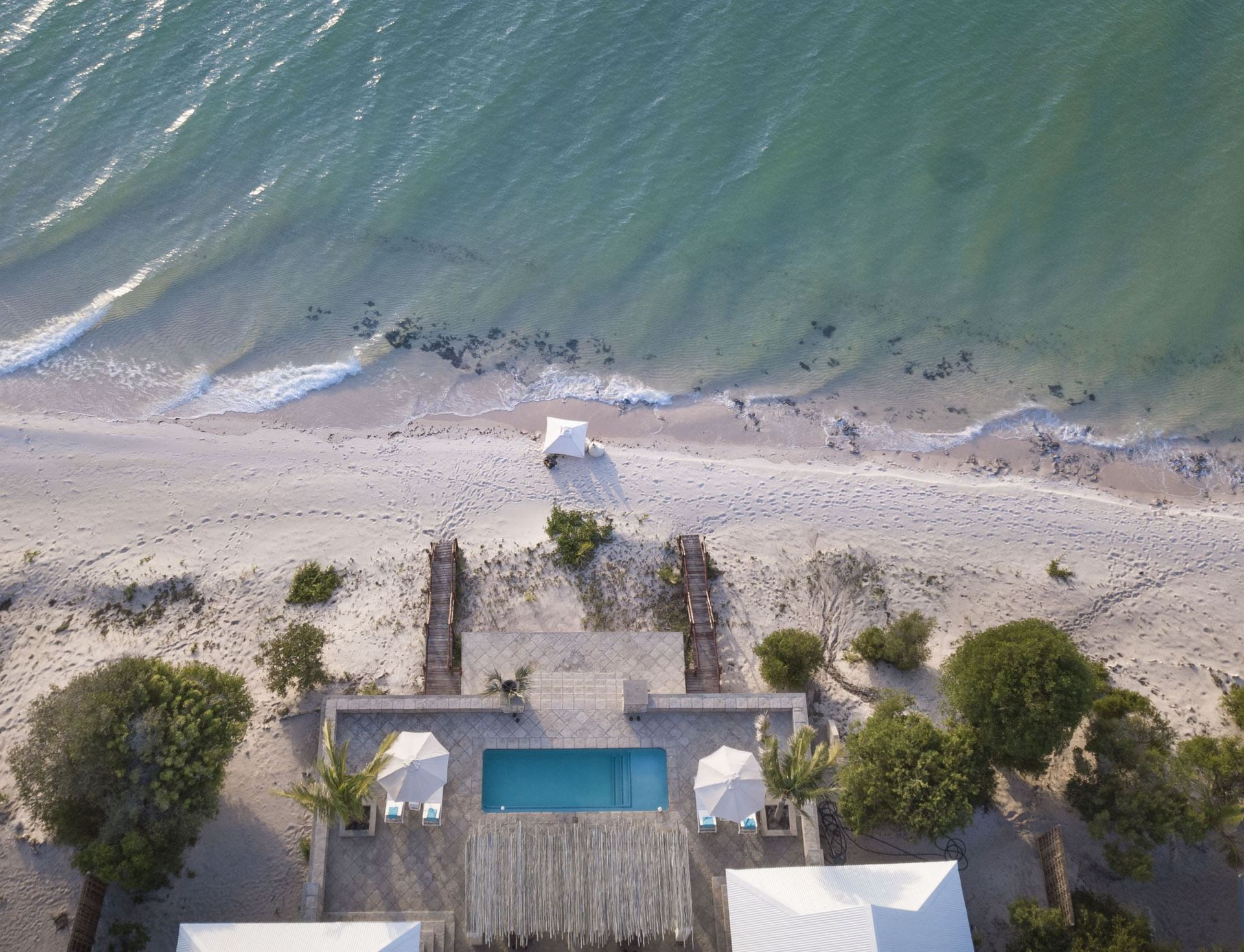
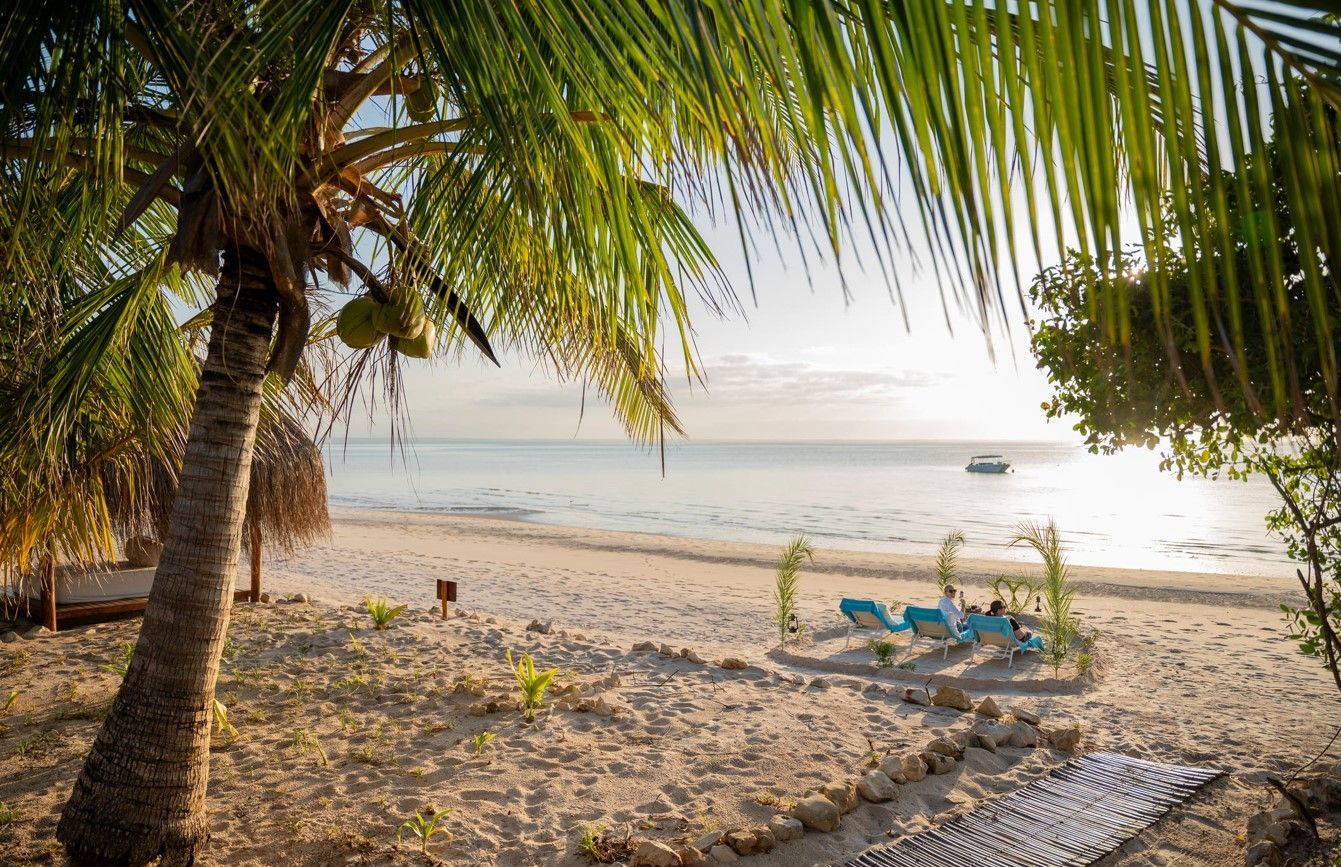
Yes, combining a Gorongosa safari with a Mozambique beach destination is safe when transfers and logistics are professionally managed. Safari operators coordinate road or air connections to coastal regions, reducing travel complexity and risk. This type of safari and beach itinerary is common and well established, offering a balanced experience that combines wildlife, conservation, and coastal relaxation while maintaining consistent safety standards throughout the journey.
SHARE THIS POST
Are You Ready FOr Mozambique?
Page through our packages and find the offer right for you!
Ready to Speak to a Mozambique Travel Expert?
Get In Touch and Ask for a Call-Back Today
Latest Posts