

Travel Safety in Maputo in 2026: A Practical Urban Guide
By Mozambique Travel • February 18, 2026
Why Maputo Travel Safety Needs Context, Not Headlines
Travel safety in Maputo is best understood through urban context rather than generalized national warnings. In 2026, Maputo operates as Mozambique’s political, diplomatic, and commercial center, hosting embassies, multinational corporations, development agencies, and regional conferences throughout the year. Daily life in the capital reflects that profile. International airlines, global hotel brands, private medical clinics, and structured corporate travel are part of the city’s routine fabric.
The relevant question for travelers is not whether Maputo is dangerous, but how safety shifts according to neighbourhood, time of day, transport choice, and itinerary design. Like many coastal African capitals, Maputo rewards deliberate planning and penalizes improvisation. Visitors who move with purpose, cluster their activities, and rely on professional services experience the city as efficient, cultured, and manageable rather than volatile.
Understanding that nuance is essential. Headlines tend to flatten risk into a single narrative. On the ground, however, Maputo’s safety profile is highly situational and largely predictable when approached correctly.
Is Maputo Safe for International Travelers in 2026
Maputo is safe for international travelers in 2026 when visits are structured around established districts, reputable accommodation, and controlled transport. The overwhelming majority of incidents affecting visitors are opportunistic, not targeted, and are preventable through practical measures.
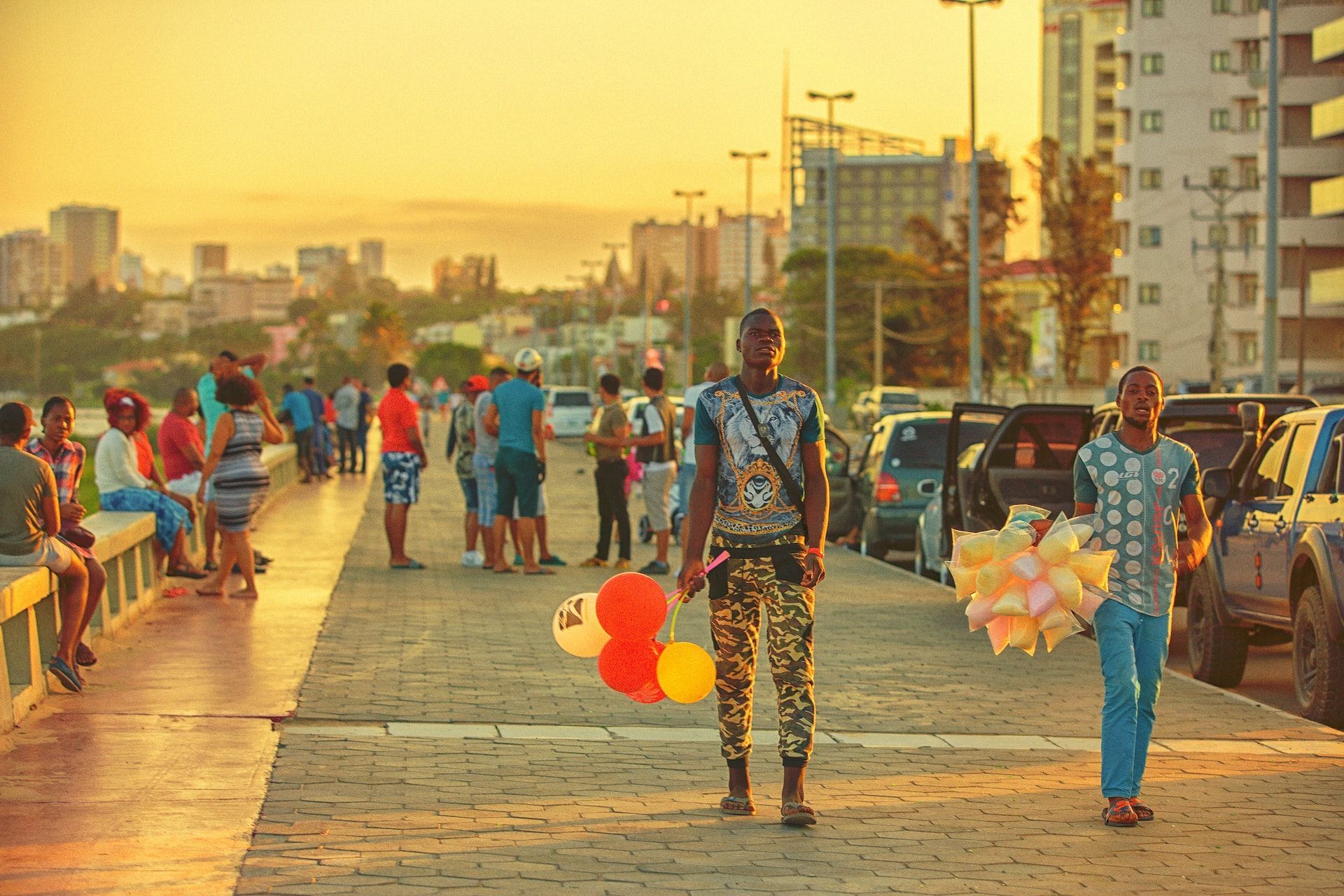
Business districts, coastal avenues such as the Marginal, diplomatic areas, and major hotel zones host international guests daily without incident. Risk increases when visitors rely on informal taxis, walk at night without planning, or explore unfamiliar residential areas without local context.
Visitors who treat Maputo as a working capital city, rather than a spontaneous nightlife playground, consistently report smooth and positive experiences.
Understanding Urban Risk in Maputo
Maputo’s safety landscape is shaped by routine urban dynamics rather than organized targeting of tourists. The most common concerns are petty theft, phone snatching, and opportunistic street crime, primarily affecting commuters and residents.
Occasional reports of express kidnapping typically follow predictable patterns such as habitual night driving, informal taxi use, or repetitive commuter routes. These cases are rare within structured tourism contexts and are significantly reduced when travelers use hotel-arranged drivers, licensed transport, and avoid unnecessary night movement.
Urban risk in Maputo is therefore behavioral and logistical, not random.
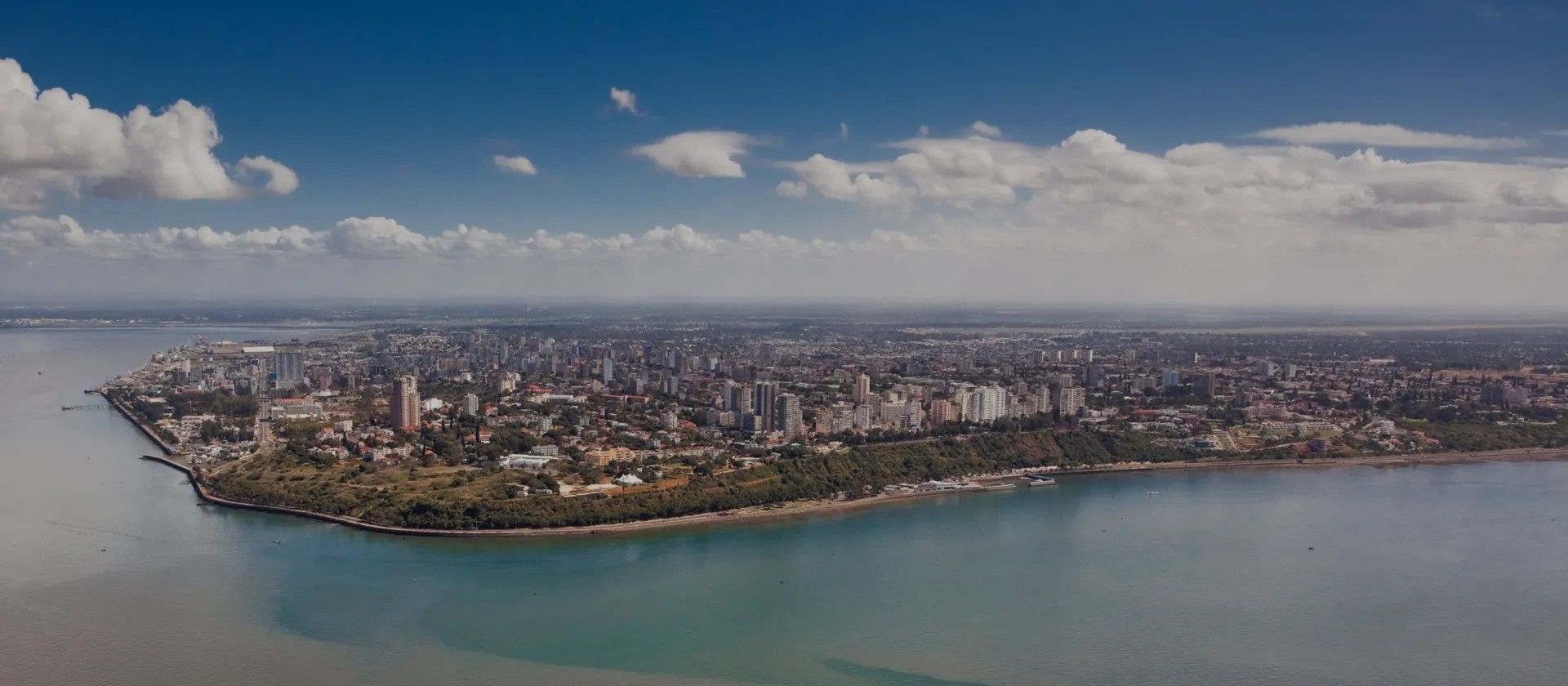
Safe Areas and Movement Patterns in Maputo
Travelers are safest when based in well-established zones close to business, diplomatic, and coastal infrastructure. These areas benefit from better lighting, higher security presence, and professional service providers.
Daytime exploration within central districts is generally straightforward. Evening movement should be deliberate, using arranged transport rather than walking or informal taxis. Maputo’s compact layout works in the traveler’s favor, allowing accommodation, meetings, and dining to be clustered within short driving distances.
Minimizing cross-city travel reduces exposure and simplifies oversight.
Transport Safety in Maputo
Transport choice is one of the most important safety variables in Maputo. Reputable hotels and conference organizers routinely arrange drivers and transfers, which significantly reduces risk.
Self-driving and informal taxis increase exposure, particularly at night or for visitors unfamiliar with local traffic patterns. Ride-hailing services and hotel-recommended drivers offer better accountability and predictability. For business travelers, clustering accommodation, venues, and dining locations minimizes unnecessary movement.
Airport transfers are a critical first touchpoint. Pre-booked collection avoids arrival confusion, currency exchange pressure, and unsolicited transport offers outside terminals. Verified drivers operating through hotels or established services maintain passenger logs and identifiable vehicles, adding traceability that informal options lack. Clear pickup times, named drivers, and direct contact numbers reduce uncertainty, especially for solo travelers or late arrivals.
Traffic discipline in Maputo varies, and defensive driving standards differ from Europe or North America. Professional drivers familiar with road conditions, police checkpoints, and peak congestion routes lower both accident and security exposure. For evening dinners or events, scheduled return transport removes reliance on street taxis. Structured movement, particularly after dark, remains one of the simplest and most effective safety controls available.
Solo Travel and Solo Women Travel in Maputo
Solo travel in Maputo is entirely viable when structured around predictable logistics and realistic pacing. For solo women in particular, the city is best experienced through daytime cultural exploration, curated dining, and organized transport rather than spontaneous nightlife. Staying in established neighborhoods such as Polana, Sommerschield, or along the coastal Marginal places travelers within diplomatic and business zones where security presence and professional hospitality are consistent.
Solo women benefit most from clustering accommodation, restaurants, and activities within short distances and pre-booking transfers for airport arrivals and evening outings. Walking during daylight in central districts is generally comfortable, while night movement is best handled by arranged drivers. Maputo is not a high-pressure city, and solo travelers often describe it as calm and understated rather than intense.
With situational awareness, conservative transport choices, and clear daily structure, both solo travelers and solo women consistently find Maputo manageable, culturally rewarding, and far less intimidating than external narratives suggest.
Business, Conference, and Corporate Travel Safety
Maputo performs well for conferences and corporate travel when logistics are professionally coordinated. Safety in this context is less about personal threat and more about duty of care, delegate movement, and contingency planning.
Successful events integrate accommodation, venues, and transport within a tight geographic radius. This reduces exposure, improves punctuality, and allows organizers to maintain oversight. Medical access, emergency protocols, and communication plans are now standard expectations for corporate travel in 2026.
Health, Medical Access, and Emergency Planning
Maputo has Mozambique’s strongest medical infrastructure, including private clinics used by expatriates and international visitors. However, travelers with underlying medical conditions should still plan conservatively.
Travel insurance, awareness of clinic locations, and avoiding unnecessary risk behaviors remain essential. Hydration, heat management, and pacing are often overlooked factors that impact traveler well-being more than crime-related issues. In 2026, private facilities in the capital are accustomed to treating travelers for routine illnesses, minor injuries, and stabilization before evacuation if required. Keeping digital and printed copies of insurance details, emergency contacts, and medical histories speeds up response times.
Travelers taking prescription medication should carry adequate supply and original documentation. Simple preventive measures such as sun protection, moderated alcohol consumption, and realistic scheduling significantly reduce health disruptions during a Maputo stay.
Common Safety Mistakes Visitors Make in Maputo
Most negative experiences in Maputo result from avoidable decisions rather than systemic risk. Common mistakes include relying on informal transport, traveling at night without planning, displaying valuables openly, or assuming urban norms identical to Europe or North America.
Maputo rewards situational awareness and structured planning. Travelers who adopt a measured, informed approach generally report positive experiences.

Gay Safety in Maputo for LGBTQ Travelers
For LGBTQ travelers, Maputo is generally experienced as discreet and non-confrontational rather than openly expressive. Same-sex relationships are legal in Mozambique, and there is no pattern of targeted harassment toward gay visitors in business districts, hotels, or coastal areas. Safety for gay travelers in Maputo is primarily about privacy and context.
Public displays of affection are uncommon across society and are best kept low-key. International hotels, restaurants, and conference venues operate professionally and without bias, making Maputo comfortable for gay couples who value discretion, respectful service, and structured urban travel in 2026.
Technology and Safety Tools for Urban Travel
Safety technology has become a meaningful supplement to urban travel planning in Maputo. Tools such as TravelSafe SOS offer location sharing, emergency escalation, and rapid communication support. These tools do not replace common sense or planning, but they add reassurance for solo travelers, business visitors, and teams moving between meetings in environments where distances, traffic, and response times vary.
These tools do not replace common sense or planning, but they provide an additional layer of support in environments where distances, traffic, and response times vary.
Who Maputo Is Best Suited For from a Safety Perspective
Maputo works particularly well for business travelers, conference delegates, NGO teams, and culturally curious visitors who value structure and planning. It is less suited to spontaneous, late-night exploration without local support.
Travelers who engage Maputo with realistic expectations, professional logistics, and local insight find the city rewarding rather than challenging. The city rewards purposeful itineraries that balance meetings, cultural visits, and coastal downtime within a defined daily rhythm. Maputo’s strengths lie in its architecture, seafood dining, live music venues, and oceanfront walks, all best experienced during planned windows rather than improvised outings. Visitors who pre-arrange airport transfers, select centrally located accommodation, and align activities within close proximity minimize friction and exposure. With measured pacing and informed movement, Maputo delivers authenticity, cultural depth, and business functionality without unnecessary complexity.
Plan Your Trip: Safe Travel in Maputo for 2026
Safe travel in Maputo is achieved through informed planning rather than avoidance. Choosing reputable accommodation, arranging transport in advance, and understanding urban movement patterns removes most friction.
Mozambique Travel has over 20 years of experience managing business travel, conferences, and city stays in Maputo. Our team structures itineraries that prioritize safety, efficiency, and comfort, allowing travelers to engage with the city confidently in 2026.
Featured Packages
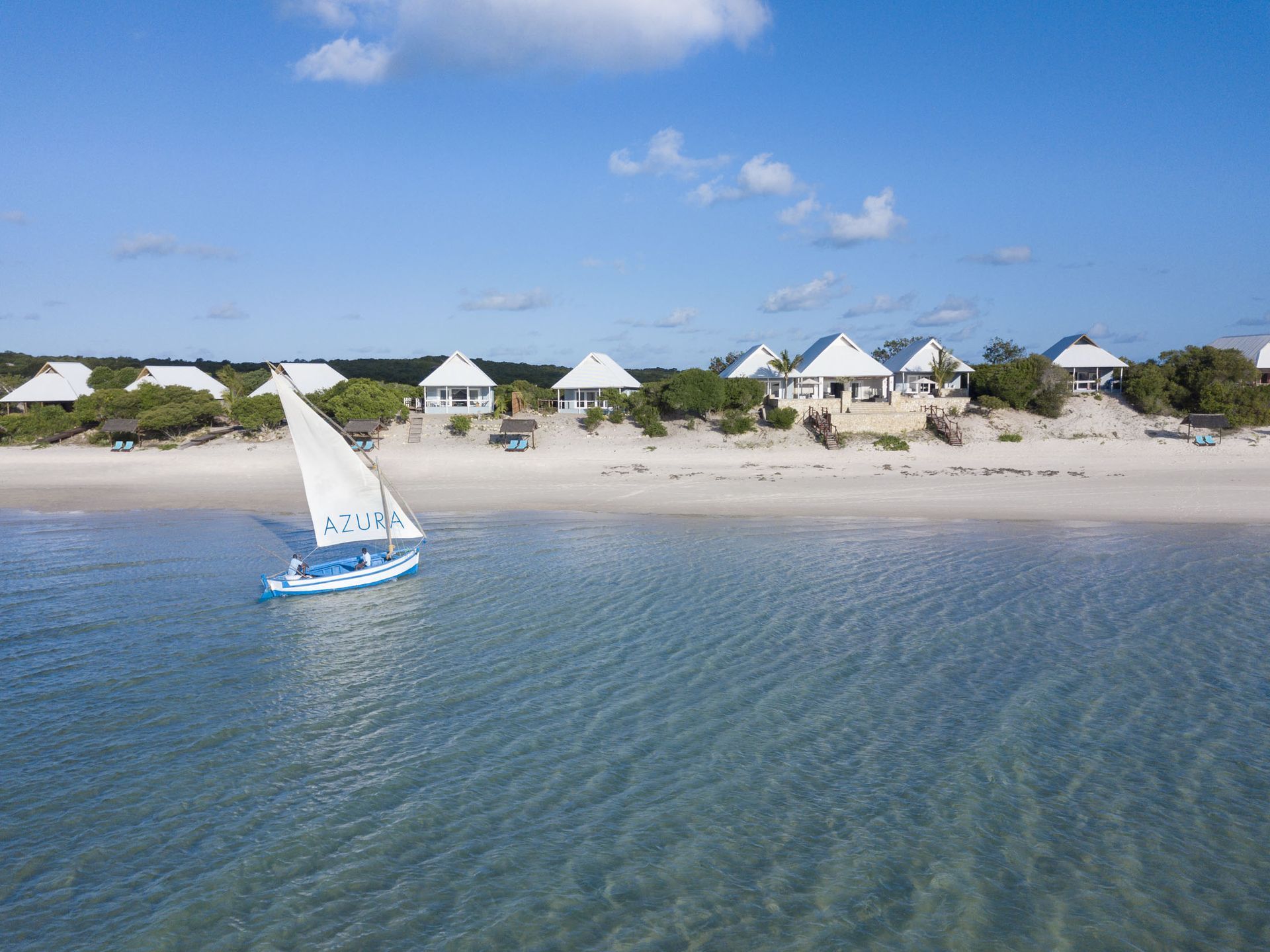
Azura Marlin Beach 5-Night SADC Special

Okavango Delta Safari and Bazaruto Island Beach Holiday

5-Night Mozawi Lodge Private Beach Holiday
Frequently Asked Questions
Is Maputo safe for tourists in 2026
Maputo is safe for tourists in 2026 when visits are planned around central areas, reputable accommodation, and arranged transport. Most safety concerns relate to urban awareness rather than serious threats. Travelers who avoid informal transport and unnecessary night movement generally experience Maputo without incident.
What are the main safety risks in Maputo
The main safety risks in Maputo are opportunistic theft, informal transport use, and unplanned night travel. Serious crime against tourists is uncommon. Most issues arise from predictable behaviors that can be avoided through planning and basic urban awareness.
Is Maputo safe for business and conference travel
Maputo is well suited to business and conference travel when logistics are professionally coordinated. Clustering venues, accommodation, and transport reduces exposure and improves safety outcomes. Duty of care planning is essential for corporate events in 2026.
Are taxis safe to use in Maputo
Hotel-arranged drivers and reputable ride services are the safest transport options in Maputo. Informal taxis increase risk, particularly at night. Visitors are advised to rely on accommodation or conference organizers for transport arrangements.
Is walking safe in Maputo
Walking short distances during daylight in central districts is generally safe. Walking at night is discouraged unless within controlled environments. Travelers should plan evening movement using arranged transport rather than walking between locations.
Do solo travelers need extra precautions in Maputo
Solo travelers should take the same precautions as business visitors: stay in established areas, use arranged transport, and avoid unplanned night movement. When planned properly, solo travel in Maputo is manageable and rewarding.
SHARE THIS POST
Are You Ready FOr Mozambique?
Page through our packages and find the offer right for you!
Ready to Speak to a Mozambique Travel Expert?
Get In Touch and Ask for a Call-Back Today
Latest Posts